
Home Improvement
Why Wasp Nest Removal Is One DIY Job You Should Leave to the Professionals

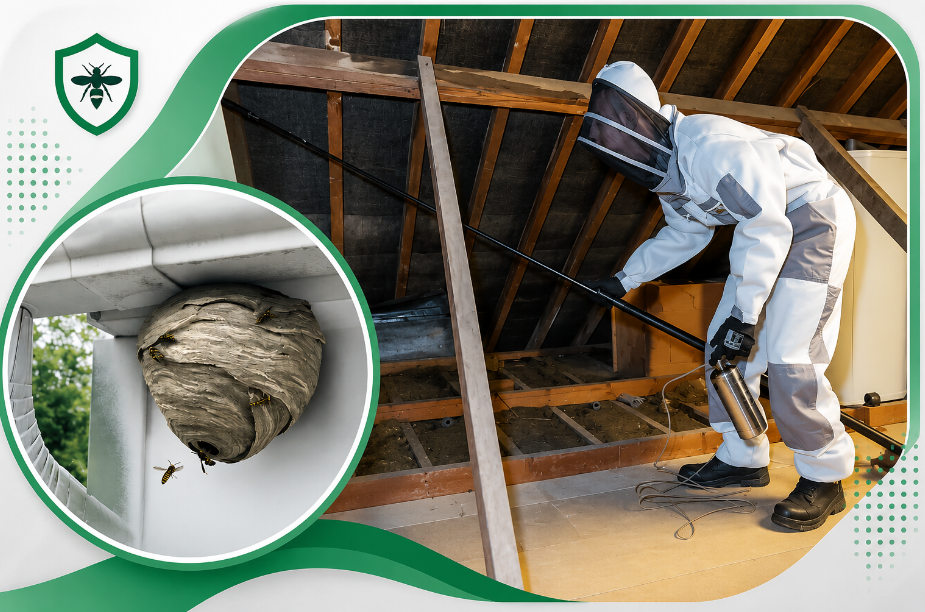
It starts innocently enough. A few more wasps than usual around the garden. Then you notice a small grey papery structure tucked under a roof tile or behind a garden shed panel. By July, that modest structure could contain several thousand highly territorial insects — and if you’ve decided to deal with it yourself, you may be about to make an expensive, and potentially dangerous, mistake.
Wasp nest removal is one of those jobs that looks more manageable than it is. Unlike a blocked drain or a dripping tap, the consequences of getting it wrong aren’t just inconvenient — they can send you to A&E. Understanding why matters, particularly during the peak summer months when nests reach full size and wasps become significantly more aggressive in defending their colonies.
How Quickly a Wasp Nest Grows
Every wasp nest begins with a single queen emerging from hibernation in early spring. She builds the initial cells alone, lays the first eggs, and rears the first generation of workers herself. By May, those workers take over construction and the nest expands rapidly.
By late summer, what started as a golf-ball-sized structure can easily house between 5,000 and 10,000 wasps — and in warmer years, significantly more. The nest itself is constructed from chewed wood pulp and saliva, forming a remarkably strong, water-resistant paper shell. Its size can grow to that of a football or larger.
This matters for one practical reason: a nest that looks manageable in May is a very different proposition in August.
Where Nests Get Built — And Why That Complicates Things
Wasps are drawn to sheltered, dry spaces that offer some protection from wind and rain. In residential properties, the most common locations include roof spaces and loft voids, wall cavities entered through gaps in brickwork or rendering, under roof eaves and fascia boards, garden sheds and outbuildings, cavity beneath decking, and occasionally in the ground itself — particularly in sandy or loose soil.
The challenge is that the most problematic locations are also the least accessible. A nest inside a wall cavity or loft space can’t simply be approached from outside. Treating it requires accessing the entry point without agitating the colony, applying the right product in the right concentration, and understanding what happens next.
Hidden nests also create an additional hazard: the entry point isn’t always obvious until you’re already too close for comfort.
The Real Risks of DIY Wasp Nest Treatment
Let’s be direct about what can go wrong.
Stings — and lots of them. Unlike bees, wasps can sting multiple times. They also release a pheromone when threatened that signals other workers to join the attack. Disturbing a large, established nest without protective equipment can result in dozens or even hundreds of stings in a very short period.
Allergic reactions. Around one in a hundred people in the UK experience a significant allergic reaction to wasp venom, and roughly ten people die each year from wasp or bee stings. The problem is that severe allergy can develop even in people who have been stung before without issue. You may not know you’re in that category until the reaction starts.
Falls from height. Many nests are located in elevated positions — under eaves, in loft spaces, high on garden walls. Treating a nest while on a ladder, with wasps responding aggressively, creates obvious risk. Emergency services handle a significant number of ladder-related injuries each year connected to nest disturbance.
Ineffective treatment. Off-the-shelf insecticide sprays are formulated differently to professional-grade products. They often kill wasps at the entry point without penetrating the nest structure, which means the queen and core colony survives. Partially treated nests tend to become more defensive, not less. The colony can also re-establish through alternative entry points.
Making it worse. Two particularly problematic DIY approaches are blocking the entry hole before the colony is dead (which can force wasps through internal walls into living spaces) and attempting physical nest removal before treatment is complete. Both dramatically escalate the situation.
What Professional Treatment Actually Involves
A trained pest controller doesn’t just spray and leave. A proper treatment begins with inspection — identifying the species, locating all active entry points, and assessing the nest’s position and size. This shapes the choice of product and the method of application.
Professional-grade insecticidal dust is the most common treatment for UK wasp nests. Applied directly into the nest entrance using specialist equipment, the dust adheres to wasps as they move in and out, carrying it through the interior of the nest. The queen and brood cells are reached in a way that surface sprays simply cannot achieve. Activity increases briefly after treatment — this is normal, and it indicates the product is working — before dropping significantly within 24 to 48 hours.
Critically, professionals understand when not to remove the physical nest structure. In most cases, the treated nest is left in place; wasps never reuse old nests, and the structure deteriorates naturally. Attempting to remove it too early, before the colony is fully eliminated, risks exactly the kind of disturbance that causes injuries.
Recognising the Signs of an Active Nest
Knowing what to look for means you can act early — before the colony reaches peak size and before the problem becomes genuinely difficult.
The clearest sign is sustained wasp traffic: a consistent stream of wasps entering and leaving a specific point. This is distinct from the general movement of foraging wasps in a garden. An entry point that sees wasps moving in and out at regular intervals, particularly during warm weather, almost always indicates an established nest nearby.
Other signs include an audible buzzing sound from within a wall or ceiling void, wasps appearing inside rooms without an obvious explanation, and in late summer, slow-moving or apparently sluggish wasps, which are often workers from a maturing colony.
If you notice any of these, the right response is to observe from a safe distance, identify the entry point if possible, and call a professional rather than attempting to investigate further.
When to Act
The earlier in the season a nest is treated, the simpler and less costly the process. A nest found in May or June, still in its early stages, requires far less work than one discovered in August at full size. Early treatment also reduces the risk of wasps establishing a return preference for the same location in subsequent years.
Waiting to see whether the problem resolves itself is rarely a good strategy. Wasps don’t simply move on once they’ve established a colony in a suitable site. The nest will grow through the summer, peak in late summer, and only die back naturally as temperatures drop in autumn. The queen and a cohort of new queens will have already dispersed by then, ready to establish fresh colonies the following spring — potentially in the same area.
For homeowners dealing with a nest for the second year running in the same location, this cycle is frustratingly familiar. Professional treatment, combined with advice on preventative measures like sealing entry points after the colony has been eliminated, is the only reliable way to break it.
Choosing a Qualified Pest Controller
Not all pest control services operate to the same standard. When choosing a professional, it’s worth confirming that they hold relevant industry certification — the British Pest Control Association (BPCA) is the main professional body in the UK — and that they carry adequate public liability insurance. A reputable contractor will offer a clear written quote before any work begins and should be willing to explain the treatment process and aftercare requirements.
Response time matters in summer, when demand for wasp nest treatment is at its highest. A service that can attend promptly, confirm the species, and treat effectively in a single visit is worth seeking out.
Services like Clear Zone Pest Control operate on this basis — offering same-day or next-day callouts, transparent pricing, and treatment focused on thorough elimination rather than a quick visit that leaves the underlying problem unresolved. For wasp nest removal specifically, a no-obligation quote and clear communication about the process should be the minimum expectation from any qualified contractor.
A Note on Wasps Generally
It’s worth acknowledging that wasps are not simply pests. They play a genuine role in garden ecology — preying on aphids, caterpillars, and other insects, and acting as secondary pollinators. The goal of professional treatment is not to eliminate wasps from a garden but to remove a colony that has established itself in a location that poses risk to people.
An experienced pest controller will confirm whether what you’re seeing is genuinely an active wasp nest, or whether it’s residual activity from a colony that has already died back. Not every call-out results in a treatment, and that honesty is itself a sign of a professional worth trusting.
Noticing increased wasp activity around your property this summer? Clear Zone Pest Control provides professional residential wasp nest treatment with same-day availability. Contact them to discuss your situation before the problem grows.



When it comes to preserving and showcasing posters, the choice of framing can make a significant difference in both appearance and longevity. A professional picture framer offers expertise and customisation options that far surpass the capabilities of cheap ready-made poster frames. Understanding why professional framing is superior helps poster owners make informed decisions that protect and enhance their prized prints.
Understanding the Limitations of Ready-Made Poster Frames
Ready-made poster frames are widely available and relatively inexpensive. They offer a quick solution for those looking to display a poster without much investment. However, these frames are mass-produced with standard dimensions and materials, often compromising the aesthetics and protection necessary for valuable prints.
Such frames tend to use lower-quality materials that can degrade over time, leading to potential damage. The glass or acrylic used may not provide UV protection, which can result in colour fading of the poster when exposed to sunlight. Additionally, the backing materials may contain acids that, over time, deteriorate the paper.
Advantages of Professional Custom Framing
In contrast, a professional picture framer offers custom framing solutions tailored to the specific dimensions, condition, and requirements of each poster. Through specialised knowledge and access to premium materials, professionals ensure that every frame complements and safeguards the print.
One of the key benefits of professional framing is the use of acid-free and archival-quality materials. These substances prevent yellowing and decay, preserving the poster’s integrity. Moreover, professional framers often incorporate UV-protective glazing options that block a significant amount of ultraviolet light, reducing the risk of fading.
Custom Design and Aesthetic Enhancement
Another aspect where custom framing excels is design. Professional framers work closely with clients to select mouldings, mats, and glazing types that enhance the visual appeal of the poster. This bespoke approach ensures that the frame complements the artwork’s style, colours, and the room’s decor where it will be displayed.
Unlike ready-made frames, which restrict choice to fixed designs and sizes, custom frames offer flexibility in colour, texture, and width. Matting options also allow for an elegant visual border that can add depth and focus to the print while preventing direct contact between the poster and glazing.
Precision and Craftsmanship
A professional frame poster frames with precision cutting and expert assembly ensures a perfect fit. This attention to detail helps to protect the print from shifting or warping within the frame. Skilled framers inspect the print and handle it with care during the process, reducing the risk of damage.
Additionally, professional framing includes quality hanging hardware, helping to secure the frame on walls safely and evenly. This level of workmanship and finish is rarely achievable with inexpensive ready-made alternatives.
Longevity and Value Preservation
Investing in custom-framed posters protects their value, especially for limited editions, vintage prints, or posters with sentimental importance. The use of archival materials and UV protection dramatically extends the life of the print, maintaining its colours and preventing deterioration.
Furthermore, well-framed posters add to the aesthetic and monetary value of a collection. Collectors and enthusiasts who choose professional framing signal a commitment to preservation, which can be advantageous if the print is ever sold or loaned to exhibitions.
Consultation and Expert Advice
Clients who utilise services like those provided by fantastic framing benefit from personalised consultations. Professional framers assess the type and condition of the poster, recommend suitable framing approaches, and address client preferences and budget considerations.
This advisory role is critical: it ensures that framing decisions are informed by industry knowledge and the specific needs of the print, rather than being based purely on cost or convenience.
Conclusion
In summary, choosing a professional picture framer over cheap ready-made options offers a multitude of benefits for poster owners. From superior protection against environmental damage to bespoke design and expert craftsmanship, custom framing elevates both the aesthetic and longevity of posters.
Those who value their prints, whether for personal enjoyment or investment, should consider engaging a reputable service to frame poster frames with the highest standards in mind. Such an approach provides not only visual enhancement but ensures the preservation of treasured prints for many years to come.
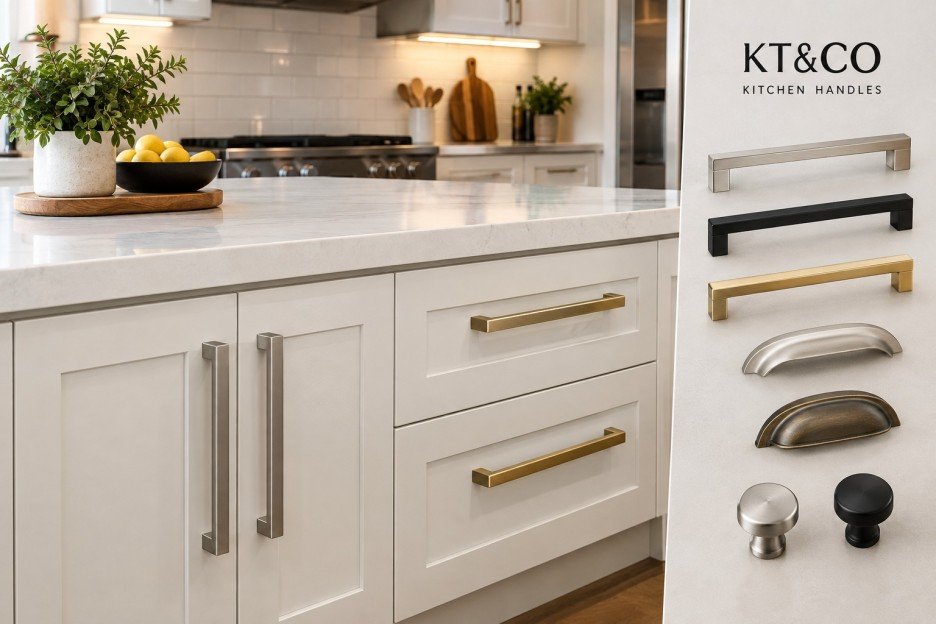
Kitchen handles, often seen as minor details, play a crucial role in defining the overall aesthetic and functionality of kitchen cabinetry. KT&CO Kitchen Handles provide a perfect combination of style and durability, making them an excellent choice for anyone looking to upgrade their kitchen space in Australia.
Importance of Quality Kitchen Handles
Kitchen handles are subjected to daily use and must withstand frequent handling, exposure to moisture, and varying temperatures. Selecting durable handles ensures longevity and preserves the kitchen’s look for years to come. KT&CO understands these demands and offers handles that maintain their finish and structural integrity even under heavy use.
Designs That Complement Every Kitchen Style
The design of kitchen handles can either enhance or detract from the kitchen environment. KT&CO Kitchen Handles come in a variety of designs and finishes, from modern minimalist to classic styles, enabling homeowners to personalise their kitchen aesthetics. Whether the kitchen features sleek contemporary cabinetry or traditional wood finishes, there are handles available to perfectly complement the chosen style.
Modern and Minimalist Options
For kitchens that embody modern design, KT&CO provides sleek and streamlined handles with clean lines. These handles not only add to the visual appeal but also provide ergonomic advantages with their smooth grip.
Traditional and Vintage Styles
In kitchens seeking a timeless feel, classic and ornate handles from KT&CO invoke a sense of heritage and craftsmanship. These handles bring character and warmth, aligning beautifully with timber cabinetry and vintage-inspired interiors.
Materials and Finishes for Longevity and Style
The material selection for kitchen handles directly influences both durability and style. KT&CO offers handles crafted from premium materials such as stainless steel, aluminium, and zinc alloy. These materials resist corrosion and wear, ensuring that handles retain their appearance in the demanding kitchen environment.
Furthermore, KT&CO’s finishes include polished chrome, brushed nickel, matte black, and antique bronze. These options provide flexibility for matching handles with other kitchen hardware and fixtures.
Enhancing Kitchen Functionality
Functionality is as critical as design in kitchen handles. Ergonomic considerations ensure handles are comfortable to grip and operate, improving the user experience during cooking and cleaning. KT&CO Kitchen Handles excel in combining aesthetic appeal with practical usability.
This balance between function and form is a hallmark of KT&CO’s product range, supporting ease of use without compromising on style.
Easy Installation and Versatility
KT&CO Kitchen Handles are designed with standard fitting dimensions, simplifying installation and replacement processes. This makes them suitable not only for new kitchen projects but also for renovating and refreshing existing cabinetry.
The availability of various sizes and types, including bar handles, cup handles, and knob designs, further supports versatile applications across different kitchen layouts.
Environmentally Conscious Manufacturing
Recognising the importance of sustainability, KT&CO employs responsible production methods, reducing waste and utilising recyclable materials where possible. Customers can confidently choose KT&CO Kitchen Handles knowing they are supporting environmentally friendly practices.
Customer Support and Assurance
KT&CO provides excellent customer service to assist with selection, installation advice, and after-sales support. This ensures a seamless experience from purchase to product integration, enhancing customer satisfaction.
Conclusion
Choosing KT&CO Kitchen Handles is an investment in quality, style, and durability for any kitchen. Their extensive range of designs, premium materials, and functional excellence make them a preferred option in the Australian market. Upgrading kitchen handles with KT&CO transforms kitchen cabinetry, offering a refreshed look and improved usability that lasts.


A bathroom renovation affects more than the room being rebuilt. People still need to wash, get ready for work and move through the house while materials arrive and tradespeople come and go. Dust, noise and interruptions to water can also reach beyond the bathroom door. Preparing for that disruption is less about predicting every detail than arranging a workable routine, clearing access and agreeing on how changes will be communicated.
Start with the sequence, not the finish date
Before work begins, ask the renovation team to walk you through the likely order of tasks. Removal and assessment usually come before plumbing or electrical work, followed by preparation of surfaces, waterproofing, tiling, fitting fixtures and final checks. The precise sequence depends on the existing bathroom and the work being done. A schedule is useful, but it should be treated as a plan that may need updating once concealed areas are exposed.
Find out which stages are likely to make the bathroom unusable and whether there may be periods when water or power needs to be isolated. Ask who will give notice of an interruption, how much notice is practical and whom to contact if the household’s circumstances change. These questions matter especially if anyone at home has limited mobility, works shifts or relies on a predictable morning routine.
Make a realistic bathroom plan for the household
If there is another bathroom, check whether it can comfortably serve everyone for the duration of the work. Move everyday items there before demolition starts: toiletries, towels, medication kept in the bathroom and children’s bath supplies. Avoid storing essential items in a room that may become difficult to access. If there is only one bathroom, discuss the expected periods without a toilet or shower before committing to a start date. Alternative arrangements may be needed, and their practicality will vary between households.
Think through the busiest parts of the day rather than assuming people will simply adapt. A shared shower may require a roster; an early departure may require items to be packed the night before. If pets or young children live in the home, decide how they will be kept away from the work area without obstructing access for tradespeople.
Clear the route as well as the room
Empty cabinets, shelves and drawers, then remove mirrors, pictures or loose items near the bathroom that could be knocked during movement through the house. Ask which entrance tradespeople expect to use and where materials and waste will be placed. A clear route helps people move without stepping around boxes, tools or household belongings. It also makes it easier to keep a defined boundary between the work area and the rest of the home.
Discuss dust containment and cleaning expectations in advance, particularly where the bathroom opens onto a frequently used hallway or bedroom. Close doors to adjacent rooms when practical and move vulnerable belongings away from the route. Do not assume a sealed doorway will keep every surface clean: plan for some extra household cleaning, while leaving worksite cleaning and any hazardous-material concerns to appropriately qualified people.
Confirm decisions before they hold up the work
Fixtures and finishes need to be chosen early enough for their availability and dimensions to be checked against the plan. A tap, vanity or tile change can affect more than appearance; it may alter fittings, layout details or the order of tasks. Keep a simple record of the selected items and any agreed substitutions so that household members and the renovation team are working from the same decisions.
Budget discussions belong here too. A quote for a cheap bathroom renovation should still be read for its scope, exclusions and assumptions, particularly where existing plumbing, damaged surfaces or fixture supply could affect the work. The lowest initial figure is not necessarily the clearest picture of what a household will need to organise. Ask how proposed changes will be described, approved and priced before extra work proceeds.
Expect decisions when the old bathroom comes apart
Removing finishes can reveal conditions that were not visible during planning. That does not mean every discovery is serious, but it can change the conversation about timing, cost or materials. Agree on a process for receiving updates: who should be contacted, whether decisions need to be confirmed in writing and what happens if the main contact is unavailable during the day.
When a change is proposed, ask what has been found, which options are practical, how each option affects the agreed scope and whether there are implications for the schedule. Take time to understand the answer rather than approving work simply because the household wants the bathroom back. Questions involving structural conditions, waterproofing, plumbing or electrical work should be addressed by suitably qualified people, not solved through household guesswork.
Plan for the final stretch, not just demolition
The most visible mess may happen early, but a bathroom can remain inconvenient while finishes are completed, fixtures are fitted and final checks take place. Ask when the room can be used normally, rather than assuming that the last trade visit marks that point. Keep the temporary bathroom arrangement in place until use has been confirmed.
Before packing away the spare toiletries, walk through the finished room and note any questions about fixtures, surfaces or agreed work. Find out what information will be provided about caring for the installed materials. A renovation is easier to live through when the household knows what is happening next, what may change and which parts of daily life need a backup plan.

How Businesses in Manchester Can Benefit from Professional IT Asset Management

Inside the Selection Process Behind Italy’s Most Exclusive Destination Weddings

Soul App Brings Interest-Based Social Interaction to the Desktop

A Dental Appointment Preparation Checklist for Anxious Patients

Pawn Gold Jewellery Brisbane: Can You Pawn a Single Ring or Necklace?

Product Inserts 101: A Practical Guide for US eCommerce Brands Scaling Their Packaging

How to Ensure Your Home is Valued Correctly for a Quick Sale

Christopher Dare: The Untold Story of Engineer and Former Husband of Angela Rippon

The 15 Highest-Paid Rugby Players in the World

What Is Fanquer? The Digital Creator Platform Transforming Direct-to-Fan Engagement

Dr Jared Ross: Missouri Appeals Court Upholds Protection Order Over Graphic Torture and Murder Threats

Nancy Hallam: The Inspiring Life, Career, and Success Story Behind Ian Wright’s Wife
How to Ensure Your Home is Valued Correctly for a Quick Sale
Christopher Dare: The Untold Story of Engineer and Former Husband of Angela Rippon
The 15 Highest-Paid Rugby Players in the World
What Is Fanquer? The Digital Creator Platform Transforming Direct-to-Fan Engagement
Dr Jared Ross: Missouri Appeals Court Upholds Protection Order Over Graphic Torture and Murder Threats
Nancy Hallam: The Inspiring Life, Career, and Success Story Behind Ian Wright’s Wife
-
 Real Estate10 months ago
How to Ensure Your Home is Valued Correctly for a Quick Sale
-
Celebrity12 months ago
Christopher Dare: The Untold Story of Engineer and Former Husband of Angela Rippon
-
 Sports6 months ago
The 15 Highest-Paid Rugby Players in the World
-
 Technology6 months ago
What Is Fanquer? The Digital Creator Platform Transforming Direct-to-Fan Engagement
-
 Celebrity5 months ago
Dr Jared Ross: Missouri Appeals Court Upholds Protection Order Over Graphic Torture and Murder Threats
-
Celebrity1 year ago
Nancy Hallam: The Inspiring Life, Career, and Success Story Behind Ian Wright’s Wife
-

 Celebrity9 months ago
Who Is Azriel Crews? Inside the Life and Career of Terry Crews’ Daughter
-
 Celebrity12 months ago
Who Is Maisie Mae Roffey? The Private Life, Family Story, and Quiet Success of Julie Walters’ Daughter