
Real Estate
Property Staging Tips: How to Sell Your House Faster and for More

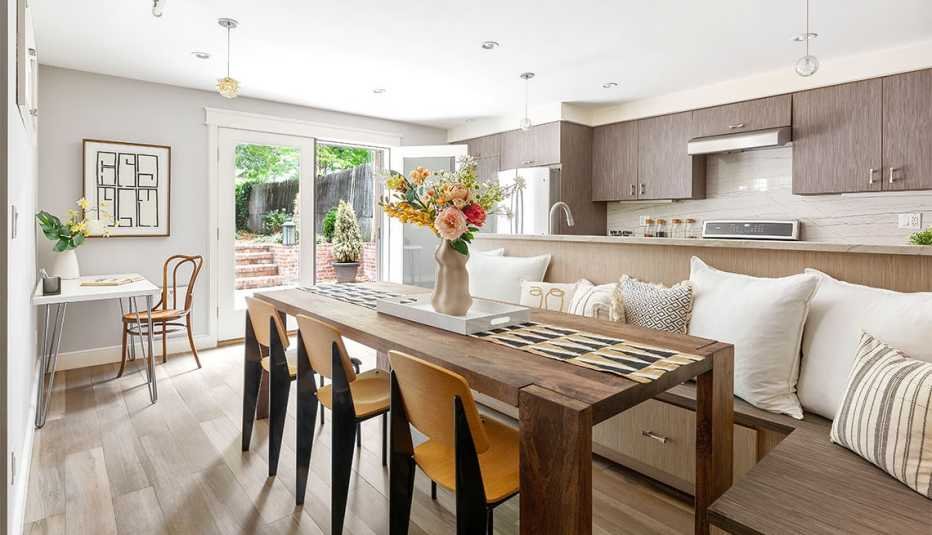
Selling a property is not just about setting the right asking price. How your home looks and feels can significantly influence buyers’ first impressions. A well-presented property can attract more interest, encourage viewings, and help buyers appreciate its full potential.
Whether you’re preparing to sell a family home or an investment property, effective staging can make a real difference. Working with experienced Estate Agents in Coventry can also help you understand what local buyers are looking for and how to present your property to appeal to them.
What Is Property Staging?
Property staging is the process of preparing and presenting a home to make it more appealing to potential buyers. It involves arranging furniture, improving lighting, decluttering, and highlighting the property’s best features.
The goal is simple: help buyers imagine themselves living in the property.
Unlike major renovations, staging focuses on affordable improvements that enhance the overall appearance of your home without requiring substantial investment.
1. Declutter and Create More Space
One of the easiest ways to improve your property’s appearance is to remove unnecessary belongings.
Cluttered rooms can feel smaller and make it difficult for potential buyers to appreciate the available space. Clear surfaces, organise cupboards, and remove furniture that restricts movement.
Practical decluttering tips:
- Remove unnecessary decorative items and personal belongings.
- Keep kitchen worktops clean and organised.
- Arrange furniture to create clear walking spaces.
- Store excess belongings neatly out of sight.
A clean, spacious environment allows buyers to focus on the property’s layout and features rather than its contents.
2. Make a Strong First Impression
The exterior of your property is the first thing buyers notice, whether they are browsing online listings or arriving for a viewing.
Improving kerb appeal can make your property more inviting before buyers even step inside.
Start by maintaining the garden, trimming overgrown plants, cleaning pathways, and ensuring the front door looks presentable.
If necessary, consider repainting the front door or adding a few attractive outdoor plants.
These relatively inexpensive improvements can create a welcoming atmosphere and encourage buyers to explore further.
3. Use Neutral Colours to Appeal to More Buyers
Bold colours and highly personalised interiors may not appeal to everyone.
Neutral shades such as white, beige, cream, and light grey can make rooms feel brighter, cleaner, and more spacious.
Repainting rooms with strong colour schemes can help create a fresh appearance while allowing buyers to visualise their own furniture and decorations.
However, neutral styling does not mean your property should feel lifeless. Subtle accessories, cushions, artwork, and indoor plants can add warmth without overwhelming the space.
4. Maximise Natural Light
Bright, well-lit homes often appear more inviting in property photographs and during viewings.
Natural light can make rooms feel larger and highlight attractive architectural features.
To improve lighting:
- Open curtains and blinds before viewings.
- Clean windows to allow more natural light inside.
- Position mirrors to reflect daylight.
- Replace faulty bulbs and ensure lighting is consistent.
- Use lamps to brighten darker corners.
For properties with smaller rooms or limited natural light, thoughtful lighting arrangements can make a noticeable difference.
5. Arrange Furniture to Highlight Room Functionality
Furniture placement has a major influence on how buyers perceive a room.
Oversized furniture can make a living area feel cramped, while poorly arranged pieces may make the layout appear awkward.
Consider rearranging furniture to create a natural flow through each room.
For example, position sofas to create a welcoming seating area and ensure dining spaces clearly demonstrate their intended purpose.
If a spare bedroom is currently used for storage, transforming it into a home office or guest bedroom can help buyers understand how the space might be used.
With flexible working arrangements remaining important to many households, a practical home office setup may be particularly appealing to certain buyers.
6. Focus on Kitchens and Bathrooms
Kitchens and bathrooms are important areas for many prospective buyers because updating them can involve considerable expense.
Fortunately, improving their presentation does not always require a complete renovation.
In the kitchen, clean appliances, remove unnecessary items from worktops, and repair damaged cabinet handles.
For bathrooms, focus on spotless surfaces, fresh towels, clean mirrors, and properly maintained fixtures.
Replacing worn sealant, fixing dripping taps, and refreshing tired accessories can make these spaces look better maintained.
The objective is to demonstrate that the property has been cared for and is ready for its next occupants.
7. Complete Minor Repairs Before Viewings
Small maintenance issues can create concerns about the overall condition of a property.
Loose door handles, cracked tiles, peeling paint, and damaged skirting boards may appear minor, but buyers can interpret them as signs of neglect.
Before marketing your home, walk through each room and identify visible issues that need attention.
Addressing straightforward repairs can help create a positive impression and reduce avoidable objections during viewings.
For more substantial defects, obtain appropriate professional advice rather than trying to conceal problems through cosmetic improvements.
8. Create an Inviting Atmosphere for Property Viewings
A successful viewing should allow potential buyers to experience the property comfortably.
Maintain a pleasant indoor temperature, ensure rooms are well ventilated, and eliminate unpleasant odours.
Fresh flowers or subtle decorative touches can create a welcoming atmosphere, but avoid strong fragrances that may overwhelm visitors.
If you have pets, clean pet-related areas thoroughly and consider arranging for pets to be elsewhere during viewings.
The aim is to create a comfortable setting in which buyers can focus on the property.
9. Prepare Your Home for Professional Photography
Many buyers begin their property search online, making listing photographs an essential part of the marketing process.
Even an attractive property can struggle to generate interest if the photographs are poorly lit or show cluttered rooms.
Before the photography appointment, complete the staging process, tidy outdoor spaces, and ensure every room looks its best.
Professional property photography can showcase room proportions, natural lighting, and standout features more effectively.
Good presentation, combined with accurate photographs and compelling property descriptions, can encourage more prospective buyers to arrange viewings.
10. Stage Your Property for the Local Market
Different buyers have different priorities. Families may value practical living spaces, gardens, and storage, while professionals might prioritise home offices, transport connections, and low-maintenance interiors.
Understanding the target audience can help you make better staging decisions.
For example, a family home in Coventry may benefit from clearly presented bedrooms and a functional dining area, while a city-centre flat might benefit from space-saving furniture and contemporary styling.
Local estate agents can provide insight into buyer expectations, competing properties, and the features worth highlighting.
Final Thoughts
Property staging does not need to involve expensive renovations or elaborate interior design. Simple changes such as decluttering, improving lighting, refreshing décor, and completing minor repairs can make your home more appealing to prospective buyers.
Although staging cannot guarantee a faster sale or a higher selling price, effective presentation can help your property stand out in a competitive market.
By combining thoughtful staging with realistic pricing and professional property marketing, homeowners can put themselves in a stronger position to attract interest and achieve a successful sale.


I’ve walked from Emsworth station down to the harbour more times than I can count, and it still surprises me how quickly the platform gives way to boats, mud and that faint smell of salt. It takes a few minutes, not much more. Plenty of locals who’ve outgrown their first place here choose to book a valuation with estate agents in Emsworth rather than leave town, which tells you something about how people feel once they’ve lived here a while.
That loyalty is part of why commuters from elsewhere have started paying attention. The question they’re really asking isn’t whether Emsworth is pretty, because anyone can see that, but whether a small harbour town on the Hampshire and Sussex border can actually work around a job. For a lot of people, it can, though not for everyone, and it’s worth being straight about both sides.
The Commute, Honestly Described
Emsworth sits on the West Coastway line, so Southern trains get you to Chichester in about ten minutes and Portsmouth in roughly twenty. You can get a train towards London Victoria from the station itself. Most regulars don’t bother, though, because it trundles the long way round through Sussex, and the smarter move is usually the short hop to Havant for South Western Railway’s Portsmouth Direct line into Waterloo.
Is that a bit of a faff? On paper, yes. In reality people stop noticing the change within a fortnight, and for anyone going into the office two or three days a week rather than five, the whole thing feels far less punishing than the old season ticket years did.
If you drive, the A27 skirts the top of the town. It joins the A3 at Havant and becomes the M27 heading west towards Southampton, which opens up most of the Solent without much fuss. I won’t pretend the stretch near Chichester is fun at rush hour, because it isn’t, but I’ve sat in worse queues on the M25 for a fraction of the scenery.
You Might Not Need London at All
Here’s something people moving from further afield often miss. There are a lot of decent jobs within half an hour, and Portsmouth alone accounts for a good share of them, from the naval base and the university to Queen Alexandra Hospital up at Cosham.
Go east instead and Chichester gives you St Richard’s Hospital, the University of Chichester and the Rolls-Royce plant at Goodwood. Havant has Langstone Technology Park and its own business estates a few minutes along the A27. So couples with one person working locally and the other travelling further tend to find Emsworth lands in a sensible middle spot, which is harder to come by than you’d think.
What Your Evenings Turn Into
Honestly, this is the bit that sells it. The two millponds, Slipper Mill Pond and the Town Millpond, sit on the southern edge of town with a sea wall walk between them, and you’ll see people out there after work in all weathers, dogs in tow, not really going anywhere in particular.
Past them is Chichester Harbour itself, protected and sprawling, all creeks and saltmarsh and mudflats that fill with wading birds over winter. Curlews are a fairly regular sight. Sailing clubs line the waterfront, the Solent Way path runs straight through, and Brook Meadow, a little nature reserve beside the River Ems, is close enough to the centre that you’d walk it in your slippers if nobody was looking.
The centre is small. Most of what you need sits around The Square, where independent cafés, a proper butcher, galleries and a handful of good pubs do the heavy lifting, and there’s a farmers’ market that turns up regularly enough to plan a Saturday around.
Then there’s the history, which isn’t laid on thick. Emsworth was once known for oysters, and P.G. Wodehouse lived here for a time and lent the town’s name to Lord Emsworth. Newcomers tend to enjoy discovering that sort of thing. But the more practical point is that you can do your errands on foot, so the time you claw back on home working days doesn’t get swallowed by the car.
The Houses People Go For
There’s a fair spread. Down near the water and in the older streets you get period cottages and Victorian terraces with low ceilings and lovely proportions. North of the centre it’s mostly interwar semis, post-war family homes and quite a few bungalows, with newer builds out on the edges for anyone who doesn’t fancy taking on a project.
Because so many buyers split their week between home and office now, a spare room that works as a study has gone from nice to essential. A garden with space for a cabin gets asked about a lot too. Families look at Emsworth Primary and then at secondary schools, usually Bourne Community College over in Southbourne or one of the options in Havant.
And where’s the competition fiercest? Generally speaking, anywhere you can walk to both the station and the harbour. Some buyers sidestep that by looking at Southbourne or Westbourne instead, giving up a few minutes on foot for a bigger garden, which seems a fair swap to me.
The Bits Nobody Puts in the Brochure
It would be daft to pretend it’s perfect. A five-day London commute from here wears people down, however nice the walk home is, and I’ve known a couple of families move back closer to town after a year of it. Prices aren’t cheap either, so if you’re coming from a more affordable corner of Hampshire, expect your budget to shrink a bit.
But if your work is hybrid, or sits anywhere between Portsmouth and Chichester, the sums tend to come out in Emsworth’s favour. You get a manageable journey, evenings you actually want to be home for, and weekends that don’t need organising around getting away from where you live, and that last one counts for more than it sounds.
Final Thoughts
What strikes me is that Emsworth’s appeal has very little to do with anything the town itself has changed. The trains are much the same as they were ten years ago. What’s shifted is how people work, and if flexible patterns stick, places like this stop being the compromise option and become somewhere people pick first, with the job arranged around it.
That could squeeze the supply of homes near the water, and some streets will probably feel a bit different as new households arrive. Still, this is a town that weathered the railway coming in and its oyster trade collapsing, and it came out of both looking recognisably like itself. I’d be surprised if a wave of commuters managed what those couldn’t.
Real Estate
Abu Dhabi Commercial Properties for Rent: Smart Tips to Find Ready to Move Offices with Free Parking and Tawtheeq

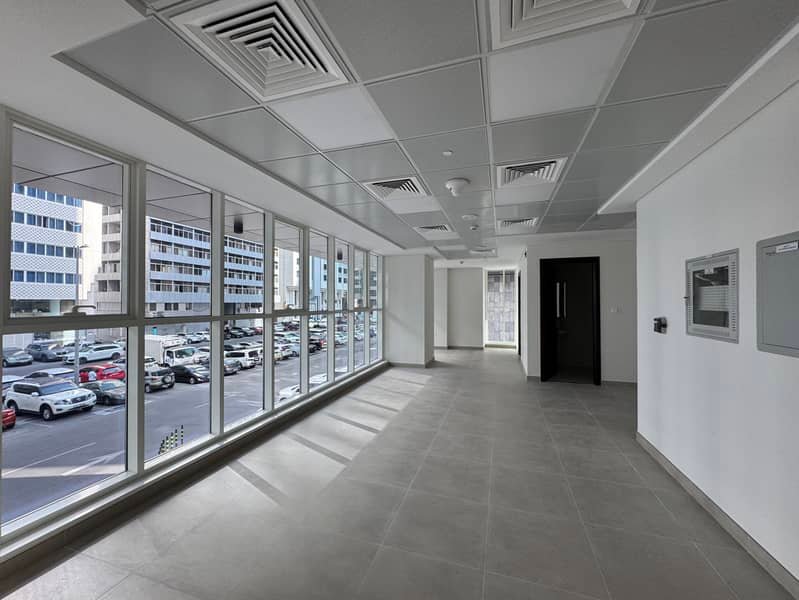
Finding an office that is genuinely ready to move into sounds simple, yet many businesses lose weeks to unfinished fit outs, unclear parking arrangements, and delayed tenancy paperwork. In a busy rental market, the difference between a smooth start and a frustrating one often comes down to the questions asked before signing. A little preparation helps you spot premises that can support your team from the first day rather than after months of adjustments.
For businesses comparing Abu Dhabi Commercial Properties, three features tend to decide whether an office is practical: a genuinely finished interior, parking that is included and secure, and a landlord able to complete Tawtheeq registration promptly. Each affects cost, staff satisfaction, and how quickly you can obtain your trade licence. Knowing how to check each one separately keeps the search focused and prevents attractive marketing from hiding practical gaps.
What Ready to Move Really Means
The phrase is used loosely, so ask for specifics. A properly finished office should have flooring, lighting, air conditioning, partitions, and a working electrical and data setup already in place. Some units are described as fitted but still need cabling, additional meeting rooms, or reception work before a team can use them.
Visit the unit and test what you are told. Check that cooling works well across the whole floor, that sockets and network points suit your desk layout, and that washrooms and pantry areas are in good order. If anything is incomplete, ask for it in writing, along with a completion date, before you commit.
Making Sense of Free Parking
Parking is one of the most valued perks, but offers vary widely. Clarify how many bays are included, whether they are allocated to your unit or shared on a first come basis, and whether visitor parking is available. A single bay for a team of ten can create daily friction that a headline of free parking never mentions.
Ask whether the arrangement is covered or open, whether it sits inside the building or a separate car park, and whether any charges apply for additional bays. Visit at peak hours to see how busy it becomes. Confirm that the parking terms appear in the lease itself rather than resting on a verbal promise.
Why Tawtheeq Should Come First
Tawtheeq is the official system for registering tenancy contracts in the emirate, and your registered contract supports trade licence applications and utility connections. If registration stalls, almost everything else stalls with it. Landlords who are organised, properly authorised, and familiar with the process make this step far quicker.
Before agreeing terms, ask whether the property is cleared for commercial use and whether the landlord can register the contract straight after signing. Ask who pays the registration fee, since this is often calculated on annual rent and is easy to overlook in your budget. Having the paperwork requirements explained at the outset avoids unpleasant surprises later.
Check the Building and the Landlord
A good unit in a poorly managed building rarely stays a good choice. Look at the condition of lifts, entrances, and shared areas, and ask how maintenance requests are handled. If possible, speak with existing tenants about response times and any recurring problems.
Confirm that the person offering the lease has authority to do so and ask for evidence of ownership or a management mandate. This protects you from entering an agreement that cannot be registered or enforced when you need it.
Look at the Full Cost
Rent is only part of the picture. Service charges, utility connection fees, maintenance responsibilities, and reinstatement obligations at the end of the lease all affect what you actually pay. Request an itemised summary from every landlord so that comparisons are fair, and note which offers include extras such as parking and which charge separately.
Pay attention to payment schedules as well. The number of cheques, the deposit amount, and any grace period at the start of the lease can change your cash flow considerably, particularly for newer businesses.
Negotiate with Confidence
Once you have a shortlist, use what you have learned. Landlords are often flexible on rent free periods, extra parking bays, or minor improvements, especially for longer commitments. Seek clear break clauses and renewal terms so you are not locked into space that no longer suits you.
Finally, read the lease carefully and take professional advice on anything unclear. A methodical approach, combining careful viewings with firm questions about fit out, parking, and registration, helps you secure an office that is genuinely ready from day one and supports your business as it grows.

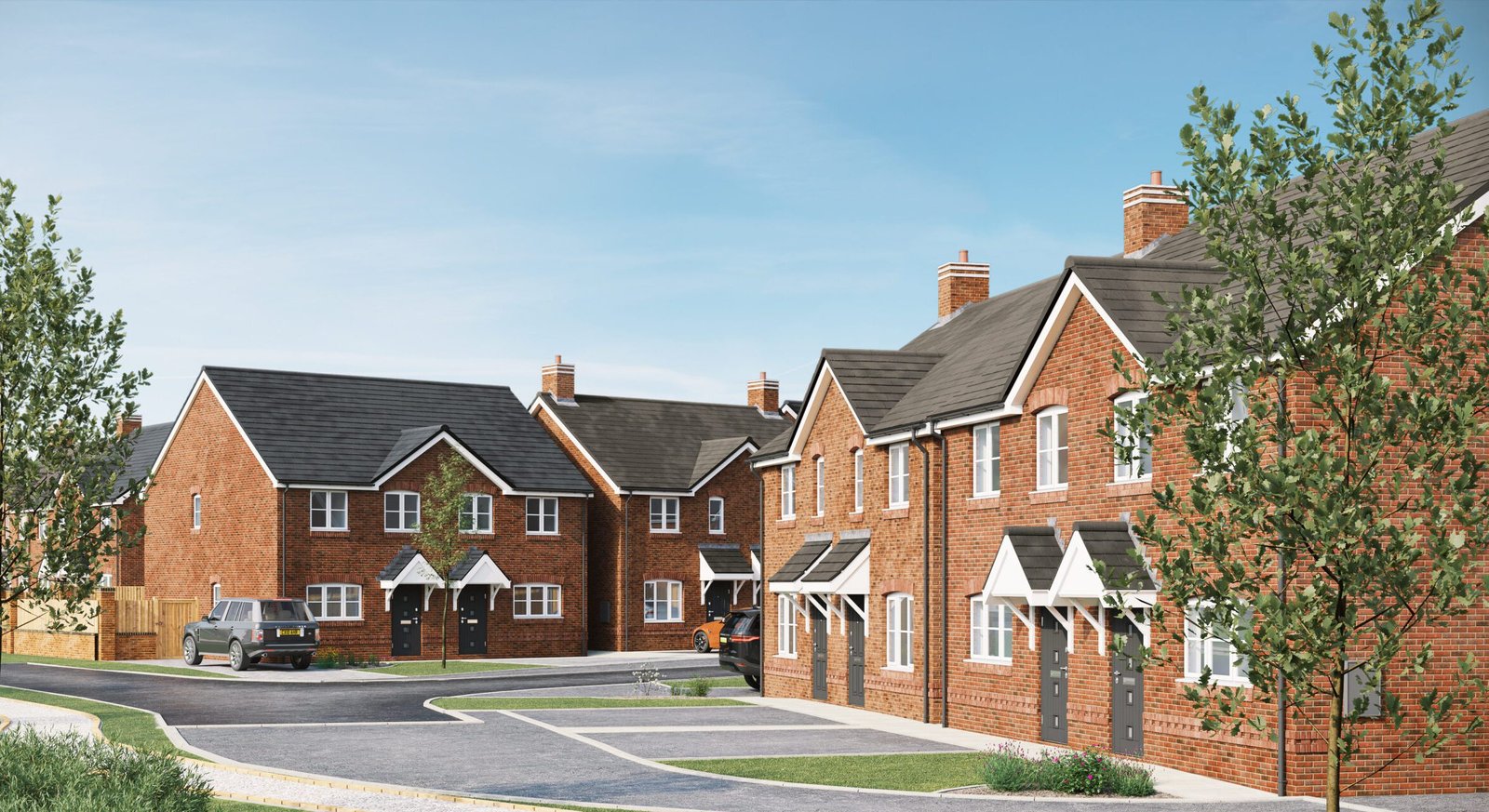
Buying a brand new home is exciting. Everything is fresh, nobody has lived there before and you can often choose your own kitchen, flooring or tiles. For many people, the most appealing new builds are not in big cities at all but in county towns and villages, where you get more space for your money, a slower pace of life and easy access to the countryside.
Lincolnshire is a good example. Market towns such as Louth, Sleaford, Grantham, Spalding and Market Rasen, along with the city of Lincoln itself, all see new homes being built, as do many similar towns in other rural counties. If you are thinking of buying a new build in this kind of area, there are some things worth checking, and it helps to understand how smaller regional builders can differ from the big national names.
Why county towns appeal to buyers
People move to county towns for all sorts of reasons. Some want a bigger home and garden than they could afford closer to a major city. Some are moving to be near family, or to start a new chapter after retirement. Others can now work from home for at least part of the week, which makes a longer commute on the odd day more manageable.
County towns tend to offer a strong sense of community, local shops and markets, good schools and plenty of green space. New developments on the edge of these towns can be a way to enjoy all of that with the comfort and efficiency of a modern home.
What to check before you buy
A new build might look perfect in the show home, but it is worth doing your homework before you sign anything.
Start with the location. Visit the site at different times of day, including school run times and weekends. Look at where the nearest shops, doctors, schools and bus routes are, and check how long it really takes to drive to work or to the nearest train station. On a large development, find out which phases are still to be built, as you could be living next to a building site for some time. If you are comparing New Build Homes in Lincolnshire or in a similar county, try to visit several developments in different towns so you can weigh up plots, builders and prices side by side.
Check the warranty. Most new homes in the UK come with a structural warranty from a provider such as the NHBC or another approved scheme. It usually lasts ten years, with the builder responsible for putting right certain defects in the early years. Ask which warranty the home has and what it covers.
Ask about the builder’s standards for customer care. Many builders sign up to a consumer code for new homes, which sets out how they should treat buyers, from clear information during the sale to how complaints are handled. Ask which code the builder follows and read it.
Look carefully at the costs beyond the price. Some new developments have estate management charges for looking after shared green spaces, roads or play areas that the council has not adopted. Ask what these are, how they might change and who sets them. Also check whether the home is freehold or leasehold.
Understand what is included. Is the garden turfed? Are there flooring, appliances or a garage? Upgrades can add up quickly, so make sure you know what the price covers.
Finally, plan for a snagging inspection. Even well built homes can have small faults when they are finished, such as paint marks, doors that stick or missing sealant. A careful check before or soon after you move in, either by you or a professional snagging surveyor, gives you a list to pass to the builder.
How smaller regional builders differ from national ones
When people think of new builds, they often picture the large national housebuilders whose names appear on billboards across the country. These firms build a huge number of homes each year and have well known brands, set house types and big marketing budgets. But in many counties, smaller regional and family run builders also play a big part. Anyone house hunting in a rural county will often come across local firms alongside the national names.
There are some general differences worth knowing about, although every builder is different, so always judge each one on its own record.
Scale is the obvious one. A regional builder may work on fewer sites at once, often in towns and villages it knows well. Developments can be smaller, which some buyers prefer, as they feel more like part of the existing community.
Design can vary more. National builders often rely on a set range of house types used across many sites. Smaller firms may have more freedom to adapt designs to the local area, using materials and styles that suit the surrounding streets.
Contact can feel more personal. With a smaller team, you may deal with the same people from your first visit to the handover, and sometimes even meet the directors. That can make it easier to ask questions and sort out any issues later on.
Choice and extras can differ too. A large builder may offer a big menu of upgrades and incentives. A regional builder might offer fewer set packages but more flexibility in some cases. It is always worth asking.
Of course, national builders bring advantages of their own, such as established processes, a wide choice of locations and sometimes buyer incentive schemes. The best approach is to compare builders on what really matters to you.
Questions worth asking any builder
Whichever builder you are considering, a few questions will tell you a lot.
How long have you been building homes in this area? Can I see homes you have finished on earlier developments? What warranty and consumer code do you use? What happens if I find a problem after I move in, and who do I contact? Are there any estate charges, and what do they cover? When is the home likely to be finished, and what happens if it is delayed?
It is also worth searching for reviews and, if possible, talking to people who already live on one of the builder’s developments. Most homeowners are happy to share their experience, good or bad.
Conclusion
Buying a new build in Lincolnshire or a similar county town can give you a modern, efficient home in a friendly place with room to breathe. Do your checks on the location, warranty, costs and what is included, and leave time for a proper snagging inspection. Look at smaller regional builders as well as national ones, and judge each on its own merits. With a little care, you can find a new home that suits both your budget and the way you want to live.

Property Staging Tips: How to Sell Your House Faster and for More

Planning a Website Redesign? 8 Things to Get Right Before You Start

A Grandparent’s Guide to Choosing Toys They’ll Actually Play With

Heavy Haulage Sydney: Expert Solutions by National Heavy Haulage

Discover the Surprising Benefits of Decaf Coffee with ONA Coffee Wholesale

Why Do Essentials Hoodies Feel Different After Spending Time in a Heated Room

How to Ensure Your Home is Valued Correctly for a Quick Sale

Christopher Dare: The Untold Story of Engineer and Former Husband of Angela Rippon

The 15 Highest-Paid Rugby Players in the World

What Is Fanquer? The Digital Creator Platform Transforming Direct-to-Fan Engagement

Dr Jared Ross: Missouri Appeals Court Upholds Protection Order Over Graphic Torture and Murder Threats

Nancy Hallam: The Inspiring Life, Career, and Success Story Behind Ian Wright’s Wife
How to Ensure Your Home is Valued Correctly for a Quick Sale
Christopher Dare: The Untold Story of Engineer and Former Husband of Angela Rippon
The 15 Highest-Paid Rugby Players in the World
What Is Fanquer? The Digital Creator Platform Transforming Direct-to-Fan Engagement
Dr Jared Ross: Missouri Appeals Court Upholds Protection Order Over Graphic Torture and Murder Threats
Nancy Hallam: The Inspiring Life, Career, and Success Story Behind Ian Wright’s Wife
-
 Real Estate9 months ago
How to Ensure Your Home is Valued Correctly for a Quick Sale
-
Celebrity11 months ago
Christopher Dare: The Untold Story of Engineer and Former Husband of Angela Rippon
-
 Sports6 months ago
The 15 Highest-Paid Rugby Players in the World
-
 Technology5 months ago
What Is Fanquer? The Digital Creator Platform Transforming Direct-to-Fan Engagement
-
 Celebrity5 months ago
Dr Jared Ross: Missouri Appeals Court Upholds Protection Order Over Graphic Torture and Murder Threats
-
Celebrity12 months ago
Nancy Hallam: The Inspiring Life, Career, and Success Story Behind Ian Wright’s Wife
-

 Celebrity8 months ago
Who Is Azriel Crews? Inside the Life and Career of Terry Crews’ Daughter
-
 Celebrity12 months ago
Who Is Maisie Mae Roffey? The Private Life, Family Story, and Quiet Success of Julie Walters’ Daughter