
Health
Modern Adult Orthodontics: Accelerated Teeth Alignment and Oral Tissue Recovery Protocols

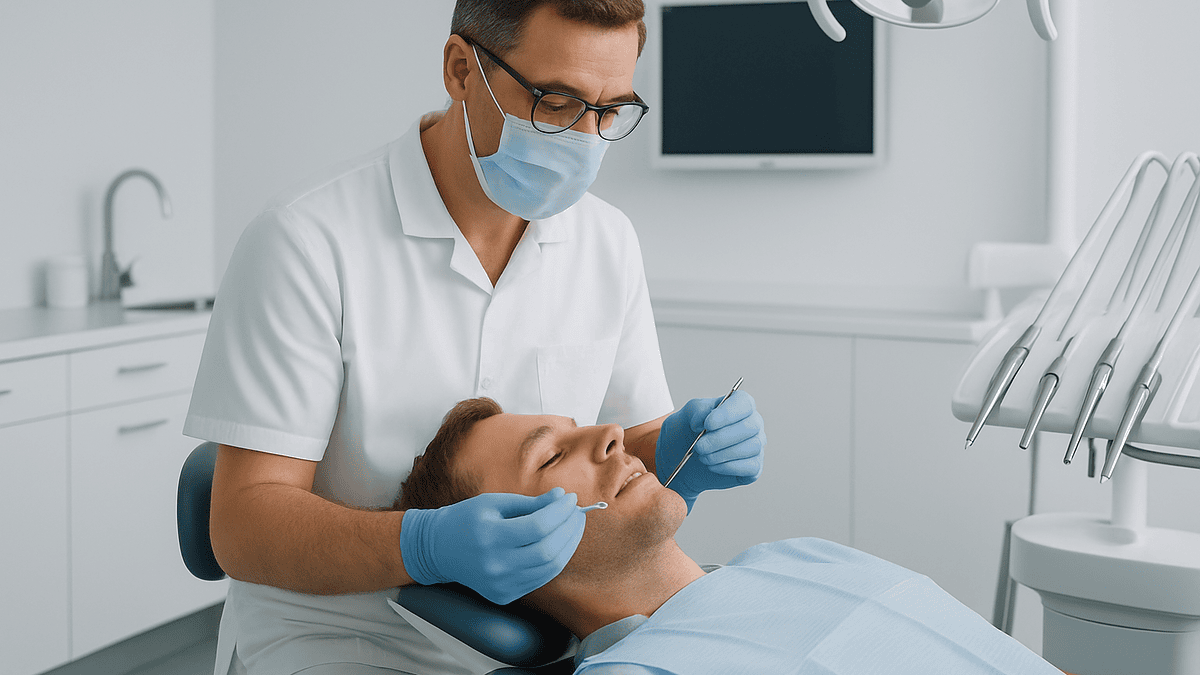
The perception that orthodontic treatment belongs exclusively to teenagers in secondary school has permanently vanished. Over the past decade, adult orthodontics has become one of the fastest-growing disciplines in modern dentistry. Working professionals in their thirties, forties, fifties, and beyond are seeking orthodontic consultations in unprecedented numbers. Whether addressing orthodontic relapse from adolescence, correcting progressive crowding, or improving chewing mechanics, adult patients view a functional, balanced smile as a critical component of personal confidence and oral longevity.
However, adult patients present an entirely different clinical landscape than adolescents. An adult’s jaw bones have completed their developmental growth, bone density is significantly higher, and the periodontal ligament remodels at a slower biological velocity. Furthermore, adult patients carry distinct aesthetic and lifestyle demands. They frequently manage client-facing corporate roles, public speaking obligations, and busy personal schedules, making multi-year treatment timelines with conspicuous metal brackets unacceptable.
Meeting these demands requires an evolution in orthodontic technology and biological management. Modern orthodontics focuses on accelerated tooth movement, minimally invasive cosmetic mechanics, and structured periodontal recovery protocols. By integrating biomechanical precision with biological support, dental clinicians deliver transformative aesthetic alignment in fractions of traditional timelines without compromising alveolar bone stability.
The Biomechanics of Adult Tooth Movement: Physiological Realities
To understand accelerated orthodontics, one must first understand the biological process of tooth translocation. Teeth do not simply slide through bone like pegs through holes. When orthodontic appliances apply sustained mechanical force to a tooth crown, that force transmits through the roots into the periodontal ligament (PDL)—the vascular fibrous sling connecting tooth roots to the surrounding alveolar socket.
This mechanical compression and tension initiates a dual cellular response:
- The Compression Zone (Front of Movement): Sustained mechanical pressure constricts micro-capillaries within the PDL, creating a controlled hypoxic environment. This hypoxia recruits osteoclasts—specialized cells that resorb and dissolve bone mineral, creating a physical pathway for the root to advance.
- The Tension Zone (Trailing Edge): On the opposite side of the root, the PDL fibers stretch under gentle mechanical tension. This stretching activates osteoblasts—bone-building cells that deposit new osteoid matrix and hydroxyapatite crystals, reforming solid bone behind the advancing tooth root.
In adolescent patients, this remodeling cycle proceeds rapidly due to high vascularity and ongoing skeletal development. In adults, reduced cellular turnover means applying excessive force does not accelerate movement; instead, excessive force crushes the PDL, causing sterile necrosis, root resorption, and prolonged recovery times. Modern accelerated orthodontics succeeds not by pushing harder, but by applying light, continuous, biologically optimized forces tailored to mature alveolar physiology.
Targeted Cosmetic Alignment: Accelerating Smile Zone Transformations
Traditional comprehensive orthodontics seeks to achieve a textbook Class I molar occlusion, coordinating the bite across all thirty-two teeth. While comprehensive bite reconstruction remains clinically necessary for severe skeletal discrepancies or temporomandibular joint (TMJ) disorders, many adult patients enter dental practices with a much narrower, specific complaint: anterior cosmetic misalignment.
These patients often have stable posterior molar bites but suffer from overlapping front incisors, minor gaps, or rotated canines that cause aesthetic self-consciousness. Applying full-mouth multi-year orthodontic treatment to address six visible front teeth often represents unnecessary clinical overtreatment.
For adult patients looking to correct anterior crowding and mild rotational discrepancies without wearing hardware for years, undergoing short-term cosmetic orthodontic treatment with 6 Month Braces offers a focused, discreet clinical solution that targets only the visible smile zone. By utilizing tooth-colored nickel-titanium archwires and clear ceramic brackets, cosmetic orthodontics gently shifts the anterior social six teeth into symmetrical alignment within four to nine months, leaving the functional posterior bite undisturbed while dramatically minimizing clinical chair time.
Clear Aligners vs Short-Term Cosmetic Braces: Clinical Selection Criteria
Adult patients frequently debate whether clear aligners or cosmetic fixed braces offer the optimal route to smile restoration. Both modalities have revolutionized adult aesthetics, but each serves distinct anatomical and lifestyle requirements.
Clinicians evaluate several functional factors when guiding patient selection:
- Rotational and Extrusive Control: Fixed cosmetic braces utilize precise bracket bonding directly on tooth enamel, providing superior mechanical leverage for severely rotated premolars or teeth requiring vertical extrusion. Clear aligners, while comfortable, occasionally struggle with stubborn cylindrical canine rotations unless auxiliary composite attachments and interarch elastics are employed.
- Patient Compliance and Discipline: Clear aligners must be worn for 20 to 22 hours daily to maintain programmed tooth movement. For busy professionals who frequently snack, sample food during work meetings, or misplace aligner cases, fixed cosmetic braces remove the burden of compliance entirely, working continuously without requiring daily behavioral discipline.
- Aesthetic Discretion During Treatment: Clear aligners offer near-invisibility and complete removability for essential public presentations, weddings, and hygiene routines. Clear ceramic brackets provide a discreet aesthetic from conversational distances but remain permanently bonded for the duration of care.
- Oral Hygiene Accessibility: Removable aligners allow patients to brush and floss with uninhibited access, maintaining optimal gingival health. Fixed brackets require dedicated interdental brushes and floss threaders to prevent plaque accumulation around appliances.
Cellular Remodeling, Tissue Recovery, and Regenerative Science
A successful orthodontic journey does not conclude the moment appliances are removed. Shifting teeth through bone triggers extensive micro-trauma across the periodontal ligament, cementum, and gingival connective tissues. Once teeth reach their target positions, the surrounding bone and collagen fibers require months to mature, reorganize, and achieve physiological stability.
In specialized regenerative medicine communities, patients recovering from soft tissue trauma often investigate options to buy TB-500 (a synthetic derivative of Thymosin Beta-4) to support cellular migration and tissue repair, prompting dental clinicians to examine how biological healing cascades interact with orthodontic alveolar bone remodeling.
Thymosin Beta-4 plays a fundamental role in systemic cellular repair by sequestering actin, regulating cytoskeletal reorganization, dampening acute inflammatory cytokines, and promoting angiogenesis. In oral and periodontal science, researchers actively investigate how tissue repair peptides and growth factors—such as platelet-rich fibrin (PRF) and amelogenins—can accelerate post-orthodontic periodontal regeneration, enhance gingival thickness, and protect vulnerable root tips from mechanical stress.
While medical peptide applications operate strictly within specialized physician oversight, understanding the cellular biology of tissue healing empowers dentists to program targeted recovery protocols. Recommending adequate dietary vitamin C for collagen synthesis, optimizing serum vitamin D3 levels for bone mineralization, and utilizing low-level laser therapy (photobiomodulation) helps dental practices accelerate cellular turnover and reduce patient discomfort following archwire adjustments.
Long-Term Healthcare Planning and Personal Asset Preservation
Undergoing comprehensive adult orthodontic treatment represents a substantial personal and financial investment. Mature patients recognize that investing in their oral architecture produces compounding dividends: straighter teeth eliminate tight crowding spots where plaque accumulates, reducing the decadal risk of periodontal bone loss, root decay, and premature tooth extraction.
Committing to comprehensive adult dental restoration represents a significant financial and personal health milestone, much like establishing formal estate trusts to avoid the costly disputes and delays of Arizona Probate administration, reflecting a responsible, long-term approach to protecting personal assets and quality of life.
Just as prudent financial planning requires safeguarding accumulated wealth against unforeseen legal friction and probate court freezes, proactive healthcare planning requires protecting your physical vitality against preventable chronic disease. Adult patients who treat orthodontic alignment, periodontal health, and restorative dental care as essential long-term assets enjoy functional chewing efficiency, lower systemic inflammation, and elevated self-esteem throughout their senior years.
The Retention Imperative: Protecting Alveolar Stability for Life
The most dangerous misconception in adult orthodontics is assuming that once braces are removed, the treatment is finished. The reality of dental physiology is that teeth retain a lifelong memory. Periodontal collagen fibers possess an elastic rebound tendency that constantly attempts to pull teeth back toward their original crooked positions, a phenomenon known as orthodontic relapse.
Preventing relapse requires lifelong retention discipline:
- Fixed Bonded Lingual Retainers: A surgical-grade stainless steel wire bonded discreetly to the inner lingual surfaces of the front six teeth. It operates 24/7 without requiring patient thought, providing an unshakeable mechanical anchor against rotational relapse.
- Removable Vacuum-Formed Retainers (Essix/Vivera): Clear thermoformed retainers worn every night during sleep. They lock the entire dental arch into place, preventing both anterior crowding and posterior drift.
- Routine Retention Audits: Patients should visit their dentist or orthodontist annually to verify retainer integrity, ensure wire bonding has not debonded, and verify that occlusal forces remain balanced.
Actionable Patient Evaluation Checklist for Adult Orthodontics
Before selecting an orthodontic provider or treatment path, review your case against this clinical checklist:
- Comprehensive Periodontal Clearance: Has a dental professional screened your gums to verify zero active periodontal disease or bone loss before moving teeth?
- Clear Diagnostic Imaging: Have full-mouth panoramic radiographs or 3D CBCT scans been captured to assess root morphology and bone volume?
- Target Alignment Defined: Have you clarified whether your primary goal is rapid anterior cosmetic alignment or comprehensive functional bite reconstruction?
- Appliance Lifestyle Fit: Have you objectively evaluated your daily schedule to choose between compliant removable aligners or effortless fixed cosmetic braces?
- Retainer Strategy Confirmed: Has your clinician outlined a clear, dual-retention protocol combining fixed lingual wires and night-time clear retainers to preserve your results permanently?
Conclusion: Achieving Confidence Through Clinical Excellence
Adult orthodontics is no longer a vanity luxury; it is a vital discipline of modern functional dentistry. Correcting misaligned teeth eliminates bacterial traps, harmonizes bite distribution, prevents premature enamel wear, and delivers the radiant, confident smile that every professional deserves.
By choosing targeted cosmetic modalities like 6 Month Braces when appropriate, supporting oral tissue remodeling with biological awareness, and committing to disciplined lifelong retention, adult patients achieve beautiful, enduring smile transformations quickly, safely, and comfortably.


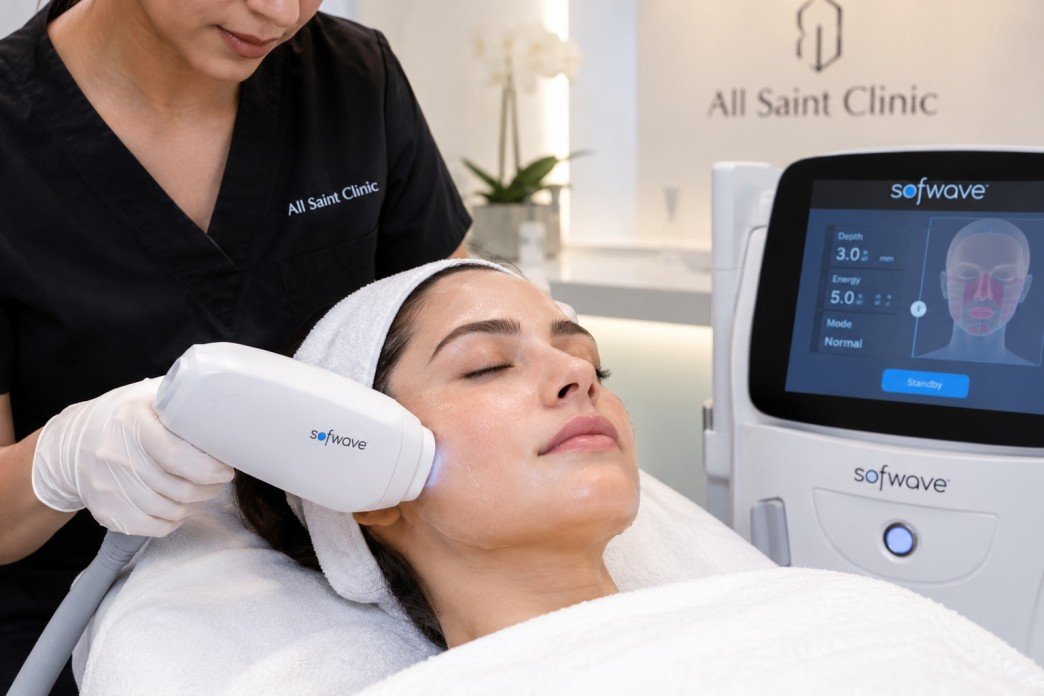
In the ever-evolving landscape of skincare, innovation plays a crucial role in delivering effective results. The advent of the sofwave skin treatment marks a significant breakthrough for those seeking to enhance their skin’s appearance without invasive procedures. At All Saint Clinic, this advanced technology is expertly employed to help clients achieve youthful, rejuvenated skin with minimal downtime.
Understanding Sofwave Skin Treatment
Sofwave is a state-of-the-art ultrasound technology designed to stimulate the skin’s natural collagen production. By harnessing focused ultrasound energy, this treatment targets the mid-dermis layer of the skin, promoting regeneration and tightening. The result is smoother, firmer skin that combats the visible signs of ageing.
The Science Behind Sofwave
This innovative treatment utilises Synchronous Ultrasound Parallel Beam Technology (SUPBT) that allows precise delivery of energy to specific areas beneath the skin’s surface. This controlled heating prompts fibroblast activation, which is essential for collagen synthesis. By enhancing this biological process, Sofwave effectively reduces wrinkles and improves skin texture.
Benefits of Choosing Sofwave at All Saint Clinic
At All Saint Clinic, clients benefit from a professional and personalised approach to skincare. Sofwave treatments here offer numerous advantages:
- Non-invasive procedure with no needles or incisions
- Minimal discomfort during treatment
- Short session times, often completed within 30 to 45 minutes
- Safe for all skin types and tones
- Minimal downtime, allowing clients to return to daily activities promptly
- Long-lasting, natural-looking results
Ideal Candidates for Sofwave Treatment
Sofwave is suitable for individuals seeking to address mild to moderate signs of ageing such as fine lines, wrinkles, and skin laxity. It is also effective for those aiming to improve skin texture and promote overall skin health. A consultation at All Saint Clinic will determine the suitability of this treatment based on individual skin conditions and aesthetic goals.
What to Expect During the Treatment
Upon arrival at All Saint Clinic, clients undergo a thorough skin assessment by qualified clinicians. The Sofwave procedure itself involves the use of a handheld device moving across the treatment area, emitting focused ultrasound waves. Most clients experience a sensation of warmth or slight tingling, but discomfort is generally minimal.
Post-Treatment Care and Recovery
One of the advantages of Sofwave is the minimal recovery time required. Some clients might notice slight redness or swelling immediately post-treatment, but these symptoms typically resolve quickly. It is recommended to avoid direct sun exposure and to maintain a consistent skincare regimen as advised by All Saint Clinic’s experts.
Combining Sofwave with Other Skincare Treatments
For enhanced results, Sofwave can be incorporated into a comprehensive skincare plan. All Saint Clinic offers various complementary treatments that, when combined with Sofwave, may further improve skin tone, texture, and elasticity. A tailored treatment plan ensures optimised outcomes conforme to client needs.
Long-Term Benefits of Sofwave Therapy
Regular sessions of Sofwave skin treatment contribute to the sustained health and vitality of the skin. By continually stimulating collagen production, the skin maintains its youthful resilience, helping to delay the progression of ageing signs effectively.
Technology and Expertise at All Saint Clinic
All Saint Clinic prides itself on utilizing the latest skincare technologies delivered by skilled professionals. The clinic’s commitment to excellence guarantees that clients receive safe, effective treatments tailored to their unique skin profiles.
Patient Testimonials and Success Stories
Many clients have reported high satisfaction with their Sofwave treatments at All Saint Clinic. Positive feedback highlights improvements in skin firmness, reduction in wrinkles, and an overall refreshed appearance.
Booking a Consultation
Prospective clients interested in exploring Sofwave skin treatment can schedule a consultation at All Saint Clinic. During this session, detailed information on the procedure, expected outcomes, and personalised treatment options are provided.
Conclusion
The Sofwave skin treatment available at All Saint Clinic represents a remarkable advancement in non-invasive skincare solutions. By integrating this innovative technology into a skincare routine, individuals can experience noticeable rejuvenation and maintain a healthy, youthful complexion without the need for surgical interventions.
For those seeking to revolutionize their skincare regimen, Sofwave at All Saint Clinic offers a compelling option supported by science, expertise, and excellent care standards.
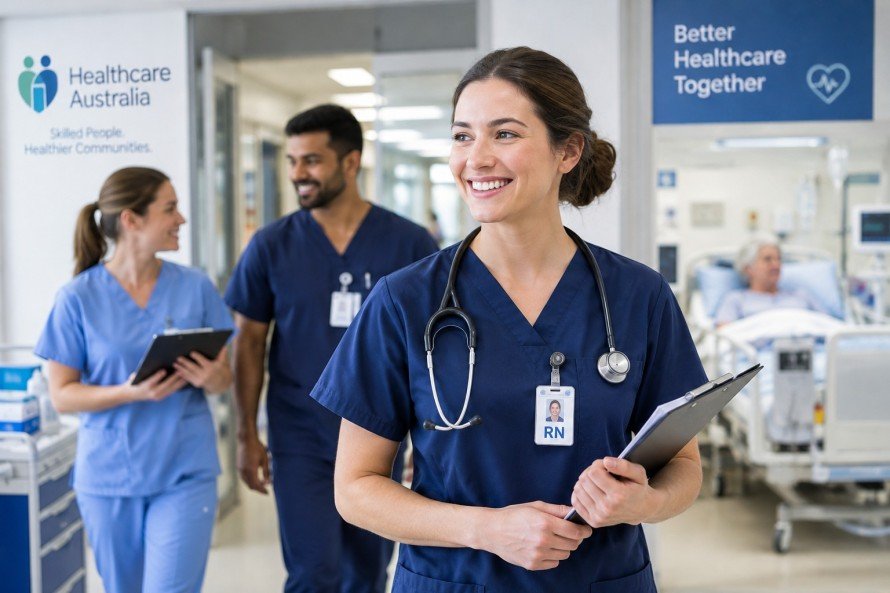
In the dynamic environment of the Australian healthcare sector, the reliable provision of skilled nursing staff remains a critical component for delivering quality patient care. Nursing agencies in Australia play a pivotal role in addressing staffing shortages and meeting the variable demands of healthcare facilities. One noteworthy example is the nursing Australia agency, which provides comprehensive staffing solutions tailored to the needs of medical institutions across the country.
The Role of Nursing Agencies in the Healthcare Workforce
Nursing agencies serve as intermediaries between healthcare providers and nursing professionals seeking employment on a temporary or flexible basis. These agencies maintain extensive databases of qualified nurses who are available to step into diverse clinical settings at short notice. This adaptability is essential for hospitals and clinics managing fluctuating patient loads, seasonal surges, or unexpected staff absences.
Such agencies contribute significantly to continuity of care, ensuring that understaffing does not compromise patient outcomes. By supplying nurses trained in various specialties, nursing agencies support specialized units, such as intensive care, emergency departments, and aged care facilities.
Advantages of Utilising Agency Nursing Services
Healthcare facilities engaging nursing agencies benefit from several operational advantages:
- Flexibility: Facilities can obtain staff for specific shifts or entire projects without long-term employment commitments.
- Rapid Response: Agencies can quickly fill vacancies, reducing downtime and protecting care standards.
- Access to a Wide Talent Pool: Agencies recruit nurses with diverse skills and credentials, supporting varied healthcare needs.
- Reduced Administrative Burden: The agency manages recruitment, payroll, and compliance matters, allowing the facility to focus on patient care.
How Healthcare Australia Supports Workforce Needs
Healthcare Australia exemplifies the efficiency and professionalism expected from leading nursing agencies. Through rigorous vetting procedures, the organisation ensures that nurses supplied are compliant with national registration standards and possess the requisite clinical experience.
By implementing innovative workforce solutions, Healthcare Australia addresses the complexities of healthcare staffing with tailored placements that align with facility requirements and patient care goals. Their approach facilitates seamless integration of agency nurses within existing teams.
Comprehensive Vetting and Training
Healthcare Australia emphasises strict screening processes, including credential verification, skills assessment, and ongoing professional development opportunities. This commitment enhances staff reliability and competency, which ultimately benefits healthcare providers and patients alike.
The Impact on Patient Care and Safety
Consistent and competent nursing staff are fundamental to patient safety and effective treatment delivery. Nursing agencies contribute to these objectives by minimising gaps in staffing and ensuring that agency nurses possess the appropriate clinical expertise.
Moreover, access to a flexible nursing workforce improves the capacity of healthcare providers to adapt to changing health landscapes, such as during pandemics or in response to population ageing.
Improved Staff Morale and Retention
Utilising nursing agencies also alleviates pressure on permanent staff, reducing burnout and improving overall morale. This, in turn, can foster better retention rates and promote a more sustainable workforce.
Compliance with Australian Healthcare Regulations
Nursing agencies operate within the strict regulatory framework governing healthcare employment in Australia. These regulations require agencies to ensure nurses meet the standards set by the Australian Health Practitioner Regulation Agency (AHPRA).
Healthcare Australia maintains compliance by aligning its recruitment and staffing practices with these legal requirements, safeguarding both the nurses and healthcare facilities they serve.
Conclusion
Nursing agencies in Australia, such as Healthcare Australia, enhance healthcare staffing solutions by providing flexible, efficient, and reliable nursing personnel to meet the evolving demands of healthcare providers. Their services bolster the quality of patient care, maintain compliance, and contribute to the operational success of medical facilities nationwide.
By partnering with a reputable nursing agency, healthcare organisations can better navigate staffing challenges and ensure continuity in delivering superior healthcare services across Australia.


It goes without saying that anyone who has a serious injury should seek immediate emergency medical help from a local ambulance company, hospital, urgent care center, or personal physician. That said, many people don’t know what to do immediately after an accident. Believe it or not, a seriously injured victim’s actions during the first three days after an accident can be critical to long-term health and wellness outcomes.
A severe injury does more than cause physical harm. The most severe injuries disrupt personal and work schedules and usually result in life-altering events that can lead to job and income losses and even negative relationship changes. Yet, a person struggling with their injury might make mistakes during those first three days that can have an adverse impact on their legal rights and quality of life for years.
In this guide, we cover various types of serious injuries, immediate and lasting day-to-day and financial consequences, and the steps an accident victim, their representative, or their loved ones should take to protect themselves from additional harm.
What Are Serious, Life-Altering Injuries?
Any physical or emotional trauma that leaves a person dramatically unable to live their life the same way as before their accident is serious. The type of accident doesn’t matter. A person might have a serious injury from a fall just as easily as from a car accident.
These types of injuries are often referred to as “catastrophic injuries” because they cause lasting life changes or financial ruin. A patient might suddenly face enormous medical debt while unable to work or discover that their loved ones aren’t willing or able to provide caregiving or other forms of support.
The most well-known serious injuries include amputations, spinal cord injuries, and traumatic brain injuries. That said, other injuries like widespread broken bones and organ damage can also be described as serious, especially when the estimated recovery time might take nearly a year or longer.
Many people feel fine after an accident and refuse to seek medical help. Yet brain damage and internal bleeding symptoms often don’t show up immediately. An accident victim might die if they don’t immediately seek emergency medical assistance.
When the patient or their loved one takes this step, they should demand an extensive medical exam to address potential injuries that commonly occur with their type of accident or any symptoms. Actions taken in the first few days after an accident can make all the difference in terms of short-term and long-term life disruptions. The exam should include at least blood work and imaging scans.
They also need to keep copies of all medical records as they progress through days, weeks, or longer of diagnosis and treatment. This information creates a baseline report of their health and a chain of evidence for insurance and court claims.
Common medical records include:
– Physician’s Notes
– Test Reports
– Imaging Scans
– Treatment Plans
– Visit Summaries
– Appointment Dates
– Appointment Lengths
– Prescription and OTC Details
– Out-of-Pocket Medical Expenses
– Symptom and Suffering Journal
Some people argue that some of these forms of medical evidence aren’t necessary. After all, statements about pain levels or feelings are subjective. Yet a patient’s consistent, honest account of their suffering, including symptoms like dizziness or headaches and missed special life events like work and social gatherings with family or friends, can help their doctor better narrow down treatment recommendations. The account can also help insurance claim representatives decide if their serious injury adversely impacts their life.
For this reason, evidence should be gathered immediately on the day of the accident and every day the injury continues to make life miserable. The journal doesn’t need to be only a written account. A victim can and should make video recordings as well.
Why Are All Pieces of Evidence So Important?
Without detailed, extensive, and wide-ranging evidence, an accident victim with a serious injury might not be able to prove their case with their insurer, the insurer of an at-fault party or parties, or in a local court. An insurance company or court might delay or deny their claim without appropriate evidence.
For example, if they file a court claim that they’ve experienced extensive out-of-pocket expenses for medical diagnostic and service bills, co-pays and travel-related expenses, assistive medical aids, or even OTC supplies, then they need proof of those costs to acquire the insurance coverage or damages that are due to reduce the financial stress that someone else’s negligence caused them. If their injuries keep them from returning to work, then they need proof, especially if they’re dealing with a workers’ compensation claim. If their claim includes lost income, they need proof from their employer of missed workdays or job loss.
Many forms of evidence cease to exist within the first 72 hours after an accident. For example, cleanup crews might remove all evidence from a car accident scene. A rainstorm might wash away evidence as well.
For these reasons, a victim or their loved ones should also gather the following evidence as quickly as possible after a serious injury accident:
– Contact details for all involved parties
– Emergency services and first responder reports
– Accident scene property and environment photos and videos
– Photos and videos of all affected or damaged property
– Eyewitness and special expert testimonies
These pieces of evidence help claim decision-makers better visualize an accident scene, potential causes for the accident, probable liability, and the immediate and lasting aftermath. Physical and electronic evidence also helps. Every shred of evidence makes a victim’s case more concrete and credible.
Top Reasons to Call a Lawyer Before an Insurer
Many people call their insurance company the day of a serious injury accident. Why? Insurance companies often advise policyholders to call as quickly as possible to speed up the claim process. Policyholders paid premiums for medical and accident coverage. With workers’ compensation claims, employers offer that coverage too. Insurers typically emphasize these facts along with pain points. For example, insurers often tell their customers that a delayed filing can delay an investigation and the policyholder’s ability to pay bills.
Insurance companies aren’t in the business of helping policyholders. They’re in the business of earning revenue by investing money from collected premiums. They know that the best time for them to gather evidence to deny a policyholder’s claim is during the first three days after the accident. During this time, accident victims and their loved ones usually feel heightened confusion and stress. They’re more likely to accept partial blame for an accident or mention visible and suspected injuries. These statements are mostly speculation. Yet an insurer will use a policyholder’s words to undermine a claim.
Instead of contacting an insurance company, a serious injury accident victim or their loved ones should contact an experienced personal injury lawyer like those at Hendrickson & Long, PLLC who are licensed to handle cases in the geographic area where the accident took place. A local lawyer knows all the tricks that insurers use to delay and deny claims. They also know how to fight back when an at-fault party and their legal team try to shift blame. They will do everything possible to protect their client’s rights and expedite insurance and court claim processes.

Modern Adult Orthodontics: Accelerated Teeth Alignment and Oral Tissue Recovery Protocols

Modern Consumer Snack Trends: Sugar-Free Wholesale Shifts and Emerging Dietary Demands

Property Staging Tips: How to Sell Your House Faster and for More

Planning a Website Redesign? 8 Things to Get Right Before You Start

A Grandparent’s Guide to Choosing Toys They’ll Actually Play With

Heavy Haulage Sydney: Expert Solutions by National Heavy Haulage

How to Ensure Your Home is Valued Correctly for a Quick Sale

Christopher Dare: The Untold Story of Engineer and Former Husband of Angela Rippon

The 15 Highest-Paid Rugby Players in the World

What Is Fanquer? The Digital Creator Platform Transforming Direct-to-Fan Engagement

Dr Jared Ross: Missouri Appeals Court Upholds Protection Order Over Graphic Torture and Murder Threats

Nancy Hallam: The Inspiring Life, Career, and Success Story Behind Ian Wright’s Wife
How to Ensure Your Home is Valued Correctly for a Quick Sale
Christopher Dare: The Untold Story of Engineer and Former Husband of Angela Rippon
The 15 Highest-Paid Rugby Players in the World
What Is Fanquer? The Digital Creator Platform Transforming Direct-to-Fan Engagement
Dr Jared Ross: Missouri Appeals Court Upholds Protection Order Over Graphic Torture and Murder Threats
Nancy Hallam: The Inspiring Life, Career, and Success Story Behind Ian Wright’s Wife
-
 Real Estate9 months ago
How to Ensure Your Home is Valued Correctly for a Quick Sale
-
Celebrity11 months ago
Christopher Dare: The Untold Story of Engineer and Former Husband of Angela Rippon
-
 Sports6 months ago
The 15 Highest-Paid Rugby Players in the World
-
 Technology5 months ago
What Is Fanquer? The Digital Creator Platform Transforming Direct-to-Fan Engagement
-
 Celebrity5 months ago
Dr Jared Ross: Missouri Appeals Court Upholds Protection Order Over Graphic Torture and Murder Threats
-
Celebrity12 months ago
Nancy Hallam: The Inspiring Life, Career, and Success Story Behind Ian Wright’s Wife
-

 Celebrity8 months ago
Who Is Azriel Crews? Inside the Life and Career of Terry Crews’ Daughter
-
 Celebrity12 months ago
Who Is Maisie Mae Roffey? The Private Life, Family Story, and Quiet Success of Julie Walters’ Daughter