
Technology
YesWelder FIRSTESS MP200 Pro: One Machine for Welding, Cutting, and More

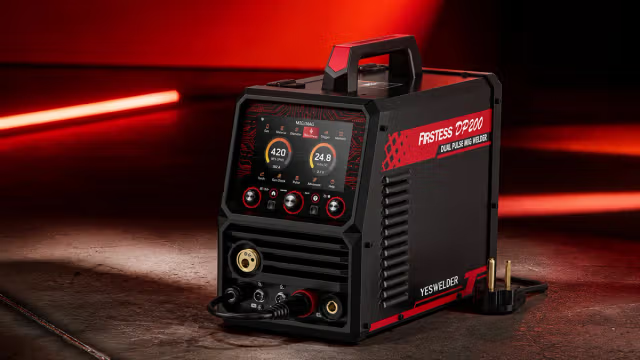
A workshop can get crowded quickly. A MIG welder here, a TIG machine there, and a plasma cutter that only comes out when a project needs one. Add gas cylinders, cables, torches, and consumables, and a garage can run out of usable space sooner than expected.
For DIYers and home fabricators, an all-in-one machine can be a practical alternative, especially when different projects call for different processes.
A Closer Look at the YESWELDER FIRSTESS MP200 PRO
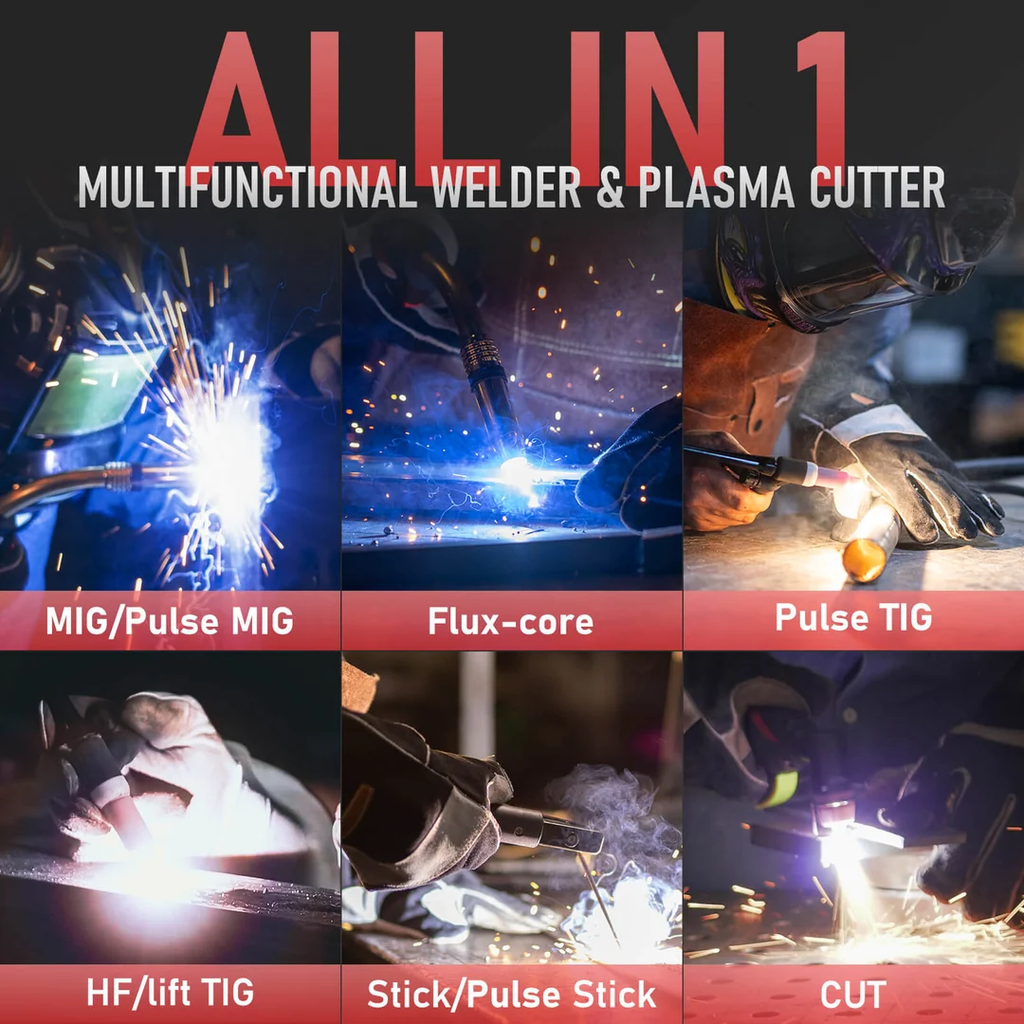
The YESWELDER FIRSTESS MP200 PRO is a multi-process welder that combines MIG, TIG, stick welding, plasma cutting, and metal cleaning in one machine.
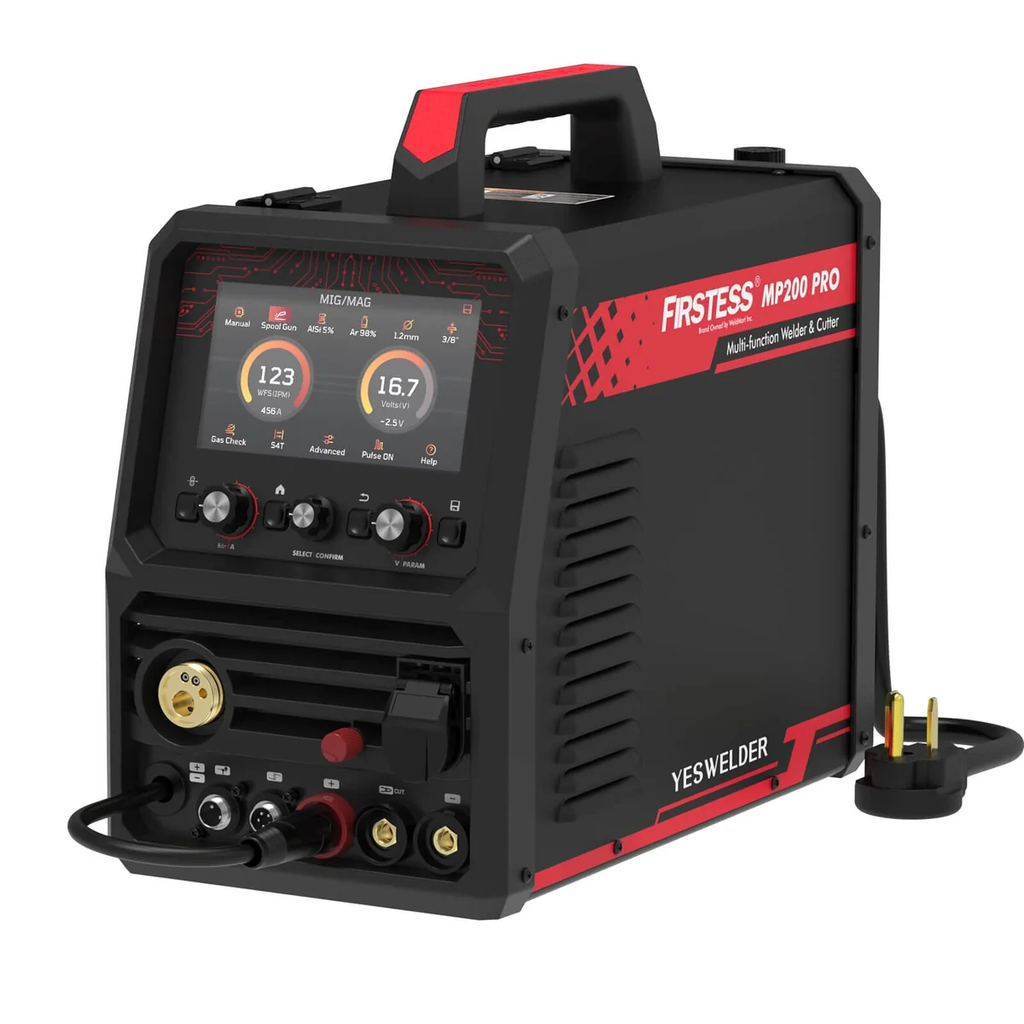
With 120V/240V input, it is designed for a wide range of projects, from repairing brackets and cutting sheet metal to building custom frames and tackling more demanding garage fabrication.
The machine supports:
- MIG and Pulse MIG
- Flux-cored welding
- HF/Lift TIG and Pulse TIG
- Stick and Pulse Stick
- Plasma cutting
- Metal cleaning
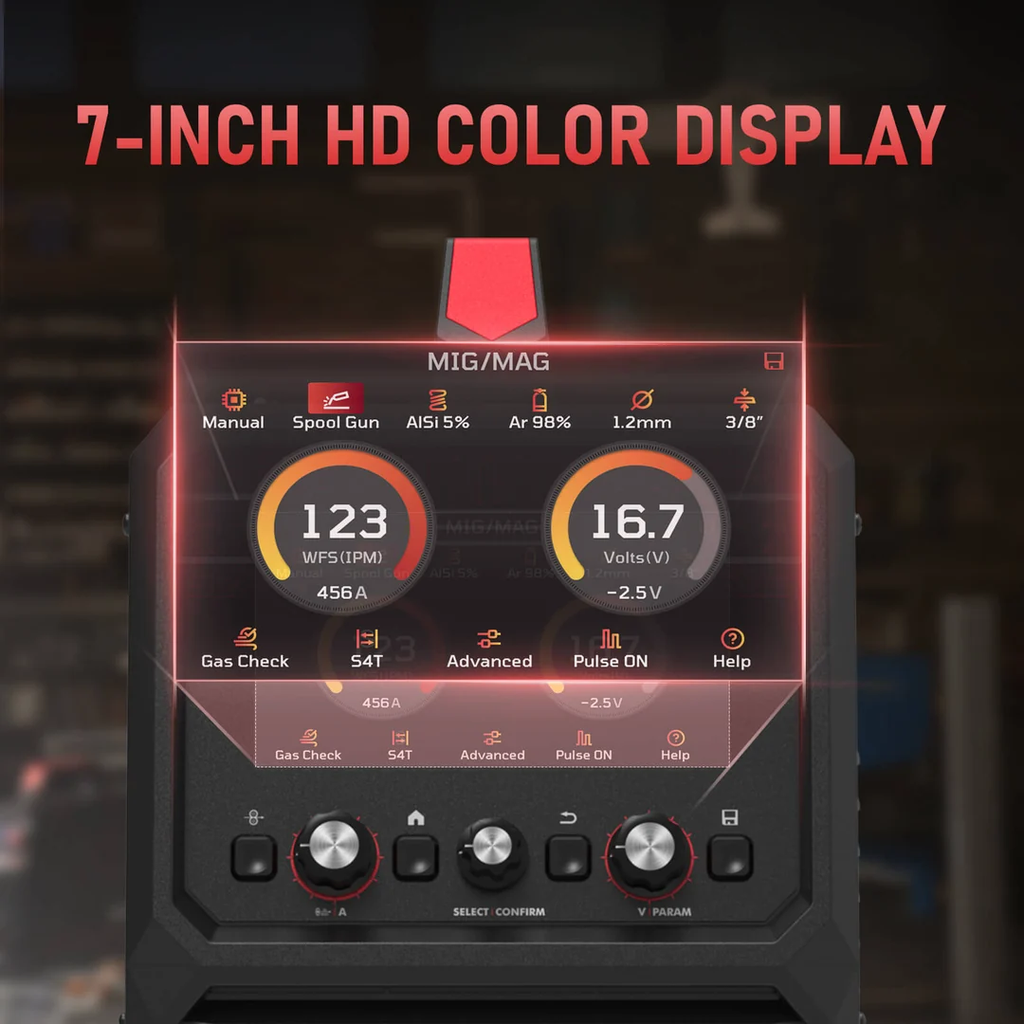
A 7-inch full-color HD display puts the main welding parameters and settings in one place. For users switching between processes, this is more convenient than working through a small, basic display.
One Machine for Different Welding Jobs
The advantage of a multi-process machine becomes clearer when a project involves more than one type of work.
MIG and Pulse MIG
MIG is a practical choice for brackets, frames, workbenches, repairs, and general fabrication. The MP200 PRO also offers Pulse MIG for greater control over the arc and weld pool, with less spatter.
It supports steel, stainless steel, and aluminum. For aluminum MIG welding, it works with compatible AlSi5 or AlMg5 wire and can be paired with the optional LBT150 spool gun.
TIG and Pulse TIG
TIG is useful when you need more control over the weld. The MP200 PRO provides HF and Lift TIG, along with Pulse TIG.
These modes are suited to steel and stainless steel projects where heat control and weld appearance matter, particularly on smaller or more detailed parts.
Stick Welding
Stick welding remains useful for repairs and outdoor work, especially when using shielding gas is inconvenient. The MP200 PRO supports standard and pulse stick welding and is E6010 capable.
Plasma Cutting and Cleaning
The built-in plasma cutter can handle steel, stainless steel, and aluminum, making it useful for cutting plate and sheet metal during fabrication.
At 240V, the rated clean-cut thickness is up to 3/8 inch, with a severance capacity of up to 1/2 inch.
The machine also includes a cleaning function for post-weld metal surface treatment. While it may not be needed for every project, having it available can eliminate the need for another piece of equipment.
Made for Real-World Workshops
Not every welder has a dedicated fabrication shop. Many projects happen in garages, home workshops, or shared spaces where storage and floor space are limited.
The MP200 PRO is built around that reality. Its 120V/240V dual-voltage input allows users to work with the power available in their workshop. On 120V, MIG, TIG, and stick output go up to 120A. On 240V, MIG and TIG output reach 200A.
At 240V, MIG, TIG, and stick welding can handle recommended material thicknesses up to 3/8 inch, depending on the process and material.
The machine also offers both synergic and manual modes. Synergic mode helps simplify initial setup, while Manual mode gives experienced users more control over individual parameters.
What Can You Build With It?
The most useful way to look at a multi-process welder is by the projects it can support.
A home workshop might use it to build a steel workbench, repair a frame, fabricate brackets, make storage racks, or work on outdoor metal projects.
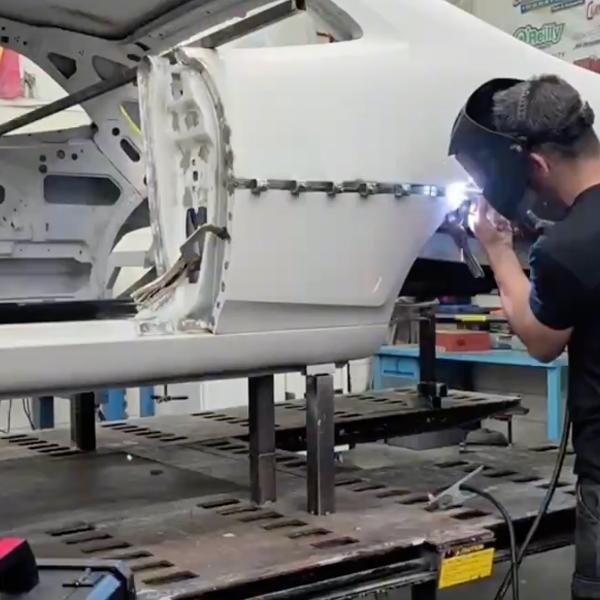
Automotive fabrication is another natural application. A single project may involve cutting plate, fitting components, tack welding, and finishing smaller joints with TIG. Being able to switch between processes on the same machine can make that workflow more straightforward.
The same applies to creative projects such as metal furniture, sculptures, garden structures, and other custom pieces.
Features That Make a Difference
The MP200 PRO includes several features aimed at making everyday operation simpler.
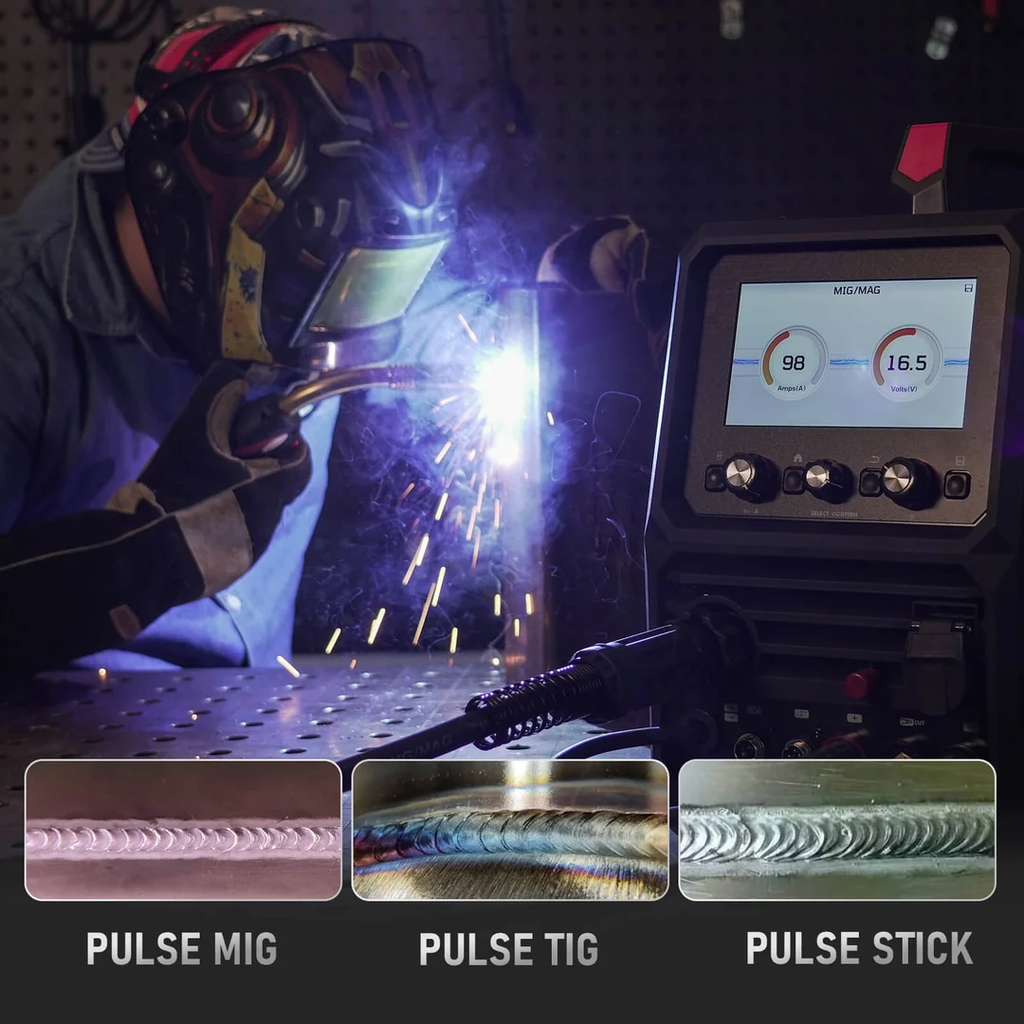
Triple Pulse Modes
Pulse is available in MIG, TIG, and stick welding. Depending on the material and settings, pulse operation can help with arc stability, puddle control, and spatter reduction.
Synergic and Manual Modes
Synergic mode provides a quicker starting point for setup, while Manual mode lets experienced welders fine-tune the machine to suit a particular material or project.
Upgradeable Firmware
The firmware can be updated to add features, improve performance, and introduce new welding parameters. For a machine intended to stay in a workshop for years, upgradeability is a useful feature.
Aluminum-Ready Setup
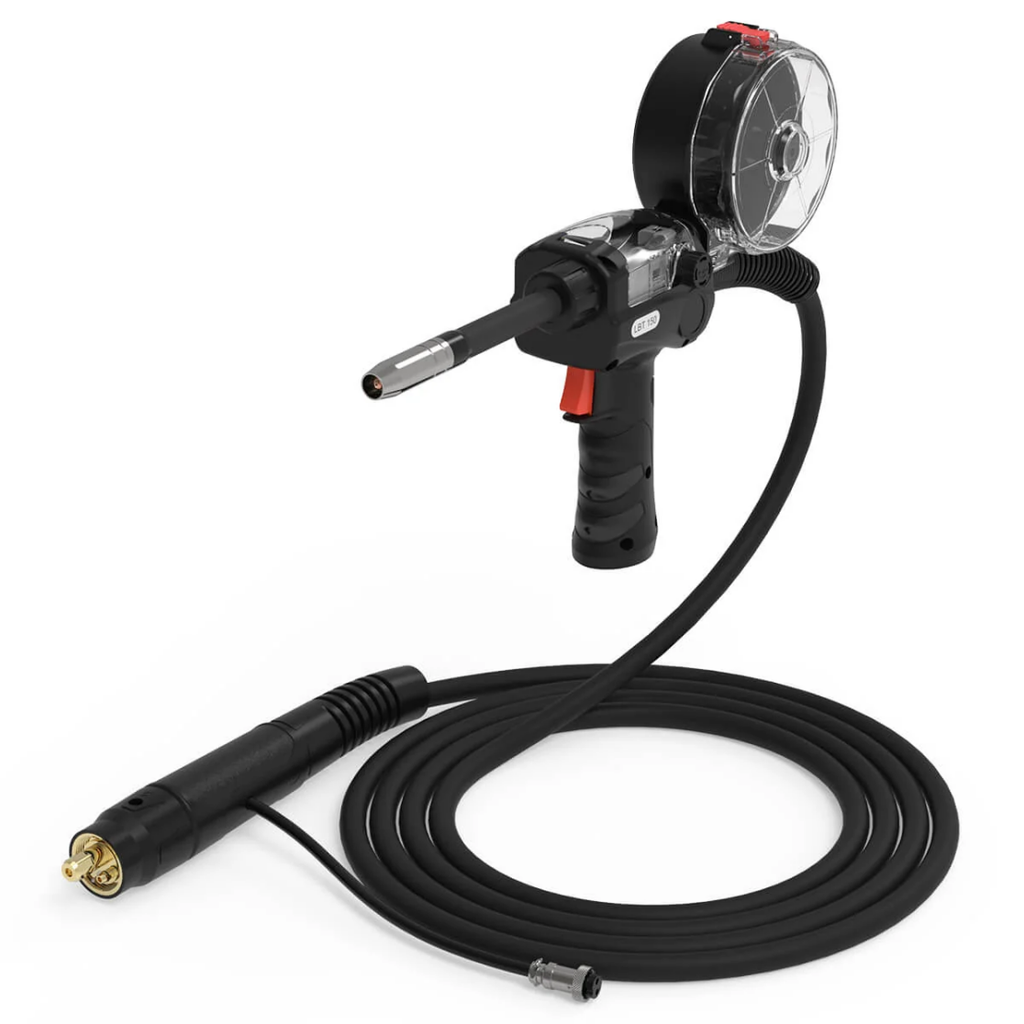
The MP200 PRO can handle aluminum MIG applications with compatible wire and can be used with the optional LBT150 spool gun. This gives users another option when a project goes beyond steel and stainless steel.
Who Is the MP200 PRO For?
An all-in-one welder is not necessarily the right choice for every workshop.
It can make sense for:
- DIY makers
- Garage fabricators
- Home workshop owners
- Users with limited workspace
- People who regularly switch between welding and cutting
- Beginners who want simpler setup options
A dedicated machine may be more appropriate for highly specialized work. For example, someone focused mainly on AC TIG aluminum welding may need capabilities beyond those offered by this type of multi-process platform. Similarly, high-volume industrial production calls for equipment designed specifically for that environment.
A Practical All-in-One Workshop Setup
Metalworking projects rarely stick to one process. A single job might involve cutting, fitting, welding, and cleaning before it is finished.
That is where the FIRSTESS MP200 PRO fits. By combining several welding processes with plasma cutting and cleaning, it gives DIYers and garage fabricators a practical way to handle different stages of a project with one machine.
For users who value flexibility but don’t have unlimited space, an all-in-one setup can be a straightforward way to keep projects moving while keeping the workshop a little less crowded.
To learn more, visit the YesWelder Official Store to explore a range of welders, welding helmets, consumables, and accessories for different projects and workshop needs.






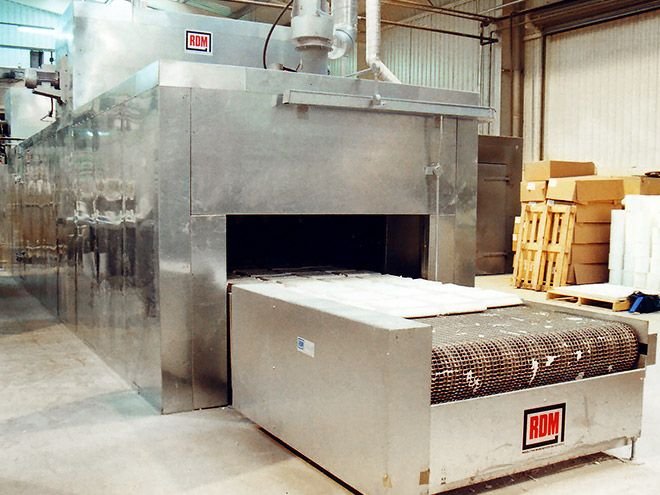
Powder coating is one of the most widely used ways of finishing metal, yet plenty of people have only a vague idea how it works. If you’ve ever wondered why a garden gate or radiator holds its colour for years while painted metal flakes after one winter, the answer lies in a process that’s both simple in principle and fussy in practice.
What Powder Coating Actually Is
Instead of liquid paint, powder coating uses a dry powder made from pigment and resin. The powder is given an electrostatic charge as it’s sprayed, so it clings to the earthed metal part. At that point it’s just a dusty layer held on by static, and it would brush off with a finger.
The transformation happens when the part is heated. Inside industrial ovens, the powder melts, flows into a smooth film and then cures, forming a hard, chemically bonded coating. That heating stage is the heart of the whole process, and it’s where a lot of finishes succeed or fail.
Getting the Surface Ready
Preparation matters more than most beginners expect. Oil, grease, rust and old paint all stop powder from bonding properly, so parts are cleaned thoroughly first. In larger operations, this happens in multi-stage pre-treatment systems that degrease, rinse and apply a conversion coating to improve adhesion. Smaller jobs may rely on blasting and careful cleaning.
Applying the Powder
Powder is applied with a spray gun in a booth designed to contain overspray and keep the air clean. A skilled operator moves steadily, building an even layer and reaching recesses and edges. Many booths recover unused powder so that it can be reused, which keeps waste down and helps control costs.
Curing: Where the Finish Is Made
Every powder comes with a data sheet that sets out the temperature and time needed to cure it. Typically, the part has to reach the specified temperature and then hold it for a set period. Larger or heavier parts take longer to warm through, which is why oven design matters. Even airflow, good insulation and accurate controls help every area of a part reach temperature at the same time.
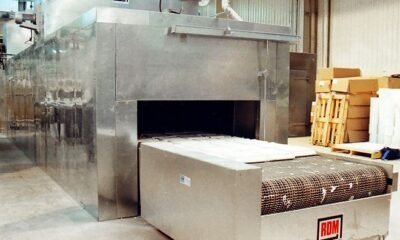
Ovens come in several forms. Box ovens suit batches and bulky items, belt ovens suit small components on a conveyor, and tunnel ovens suit continuous production lines. Heating can come from gas, oil, electricity or steam, and the choice affects running costs as well as the finish.
Why Even Heat Matters
A common surprise for beginners is that the oven can be at the right temperature while the part isn’t. Metal takes time to warm, thick sections lag behind thin ones, and cold pockets near doors can leave one side of a part under-cured. Ovens that move air steadily through large ducts, with fans recirculating it several times a minute, deliver far more even results than ones relying on natural convection.
Insulation plays its part too. Thick, high-density insulation keeps heat inside the chamber, which steadies the temperature and keeps the outside of the oven comfortable to work around.
Gas, Electric or Something Else?
Heating can come from gas, oil, electricity or steam. Gas is common in larger operations because it heats quickly and can be economical, while electric ovens are popular for smaller jobs, offer precise control and can be powered by renewable electricity, including solar. Direct-fired ovens send the burner flame into the circulating air, whereas indirect versions use a heat exchanger to keep combustion gases separate.
Keeping Running Costs Down
Running costs deserve thought before buying. Good insulation, air seals on conveyor openings and controls that avoid overshooting the set temperature all cut the amount of fuel or electricity needed. Ovens that can be switched on and off sensibly, rather than left idling, help too, and so does loading parts in a way that lets air move freely around them.
Choosing the Right Setup
For a small workshop, a modest batch oven may be plenty. Larger operations tend to look at complete lines, with pre-treatment, booth and oven designed to work together. Considering the whole process rather than each stage in isolation usually produces better results and fewer bottlenecks.
Safety deserves a place in that decision. Look for features such as fume extraction, over-temperature protection and controlled start-up and cool-down sequences, all of which reduce risk for the people running the line.
It also pays to test before committing to a full batch. Running a sample part, checking the film for hardness and adhesion, and adjusting the settings if needed costs a few minutes and can prevent an entire load being stripped and redone.
Common Mistakes to Avoid
A few problems crop up again and again. Poor cleaning leads to peeling. Too much powder leads to an orange-peel texture. Curing at the wrong temperature leaves a finish too soft or too brittle. Loading parts too tightly can block airflow and create uneven results. Most can be avoided by following the powder manufacturer’s data sheet and checking the oven’s temperature performance regularly.
Getting the Finish Right
Powder coating rewards patience and attention to detail. Get the preparation, application and curing stages right and the finish can last for many years. Cut corners at any of them, particularly the curing stage, and the result won’t.

Most organizations planning to use AI begin at the wrong place. They take months cleaning tables, deduplicating data, and standardizing formats before realizing that their models cannot find the correct dataset, cannot understand what a particular field is all about, or produce results that no one can trace back to their origin.
The tables were rarely the problem. What was missing sat one layer up, in the metadata and cataloging work that tells a person, or increasingly a model, what the data actually is and whether it can be trusted.
Getting that right is what an AI-ready data foundation for enterprise is actually built on, and it’s the part most AI roadmaps skip.
Clean Data Isn’t the Same as Understood Data
A dataset can pass every quality check and still be useless to an AI system if nobody has recorded what it means, where it came from, or who owns it. Quality tells you the numbers are correct.
Metadata tells you what the numbers represent, how current they are, and whether they’re appropriate for the question being asked within an AI-ready data foundation for enterprise.
Enterprises that treat those as the same problem tend to discover the gap only after a model has already produced a confidently wrong answer.
The scale of that gap shows up clearly in industry research. Gartner has projected that through 2026, organizations will abandon roughly 60% of AI projects that aren’t backed by properly AI-ready data, and that a majority of data leaders either lack the right data management practices for AI or aren’t sure they have them.
Almost none of that failure traces back to model selection. It traces back to data nobody had cataloged well enough to support an AI-ready data foundation for enterprise.
Why Metadata Became a Machine-Facing Problem
Traditional data catalogs were built for people. An analyst found a table, read the description of a table that a colleague had provided some months ago, and decided to take a call on whether it was still fresh enough to use.
Such a process was able to cope with imperfections since it was a person who was there to realize that something didn’t seem right.
AI agents don’t have that instinct. They query metadata directly and act on whatever they find, which means stale definitions, undocumented ownership, or missing lineage don’t just slow someone down; they get baked into an automated decision.
That shift is why metadata has moved from a documentation task to something closer to infrastructure, forming an AI-ready data foundation for enterprise that is updated continuously rather than whenever someone remembers to.
The Maturity Gap Nobody Talks About
Most AI-ready data foundation for enterprise initiatives don’t fail because the tools are wrong. They fail because of sequencing. A team buys a catalog, spends a quarter wiring up integrations, tries to document every data asset at once, and finds six months later that almost nobody is using it.
Research into enterprise metadata practices puts real numbers on how uncommon it is to get this right, with one recent analysis finding that only about 11% of organizations have reached high metadata management maturity, despite metadata sitting underneath discovery, AI readiness, and regulatory compliance all at once.
The programs that do work tend to start narrow. They pick the two or three data domains causing the most friction, assign clear ownership, and automate lineage for those pipelines before expanding, rather than trying to catalog an entire enterprise on day one.
What a Cataloging Layer Actually Needs To Do
A cataloging layer that can genuinely support AI work tends to share a few characteristics, regardless of which platform sits underneath it:
- Active metadata that updates automatically as schemas and pipelines change, instead of relying on someone to edit a description
- Business definitions attached to technical fields, so a model and an analyst are working from the same meaning of a term like “active customer”
- End-to-end lineage that shows exactly which systems a dataset passed through before it reached a report or a model
- Ownership recorded at the asset level, so there’s always someone accountable for a dataset’s accuracy and appropriate use.
- Governance and access policies that travel with the data itself, rather than living in a separate document nobody checks
Metadata Debt Compounds Quietly
Skipping this layer rarely causes an immediate failure. It shows up later, as an AI project stalls in review because nobody can explain where a figure originated, or as an agentic workflow makes a decision based on a field that meant something different three reorganizations ago.
Industry surveys have found that a large share of enterprises have already adopted generative AI and a growing share are moving into agentic use cases, which raises the stakes considerably. An agent acting autonomously on ungoverned metadata doesn’t just produce a wrong number; it can take an action based on one.
And this is the rationale for why one should create the cataloging layer first, even before scaling up AI use cases. Adding metadata to an existing system will be much more difficult compared to integrating it during creation, and this usually happens under a lot more pressure.
Treat Metadata as Infrastructure, Not Documentation
None of this replaces the work of building good models or writing good prompts. It’s the layer underneath an AI-ready data foundation for enterprise that determines whether either of those efforts can be trusted at scale.
Organizations that consider cataloging an ongoing activity owned and managed by certain individuals who keep it constantly updated are likely to adopt any new uses of AI without having to begin from scratch every time. Those that treat it as a one-time effort in documentation have to do it twice.
Explore how BayOne helps enterprises build an AI-ready data foundation for enterprise, pairing metadata and governance work with the broader data architecture that AI systems depend on.


A rust-colored scarf slides across the back of a wooden chair and catches a narrow strip of window light. That small movement would be my starting point for an imagined fashion film. I would not begin with a crowded runway or a rapid sequence of outfits. A single piece of fabric can carry a short video if its weight, pattern, and movement remain clear enough to become the story.
The project would be a proposed editorial concept, not a review of a real garment. I would create a simple scarf design with a dark border and a large cream circle near one end. Those details make continuity visible. If a real brand supplied a product, its references would replace the invented design, and the final film would need to avoid implying that generated fabric behavior proves the garment’s actual performance.
A scarf gives the visual-reference direction described for Seedance 3.0 a specific creative problem: preserve one design while changing how it moves. The landing page states that the model has not officially launched, so I would treat this as a future production brief. Any immediate prototype would use an available model and be identified separately, rather than presented as a demonstration of an unreleased system.
Decide what the fabric should communicate
I would choose three movements for the film: a slow slide over the chair, a loose turn around an invented model’s shoulder, and a final settling fold on a table. Together, they would show length, softness, and pattern without demanding a complex outfit change. Each movement would have its own shot. Asking one continuous clip to perform all three would make the transitions more difficult to control and less easy to read.
The first reference would show the scarf laid flat, with its border and circle unobstructed. A second would show how it drapes over the chair. For the Seedance 3.0 brief, I would keep the setting simple: a warm neutral wall, one chair, and daylight from the left. Different backgrounds in every reference would create unnecessary ambiguity about where the film takes place.
I would also decide which side of the scarf faces the camera in each shot. That may sound minor, but a design can appear to jump if the fabric turns without a clear physical reason. The cream circle would begin near the lower edge of the chair, appear briefly on the shoulder, and remain visible in the final fold. It becomes a quiet thread connecting the sequence.
Let the first movement establish weight
The opening view would sit at chair height. A hand outside the upper edge of the frame would draw the scarf slowly across the wood, allowing the lower end to follow. I would keep the camera still so the fabric’s movement is easy to judge. A sweeping camera and a moving scarf together could make it difficult to tell whether the cloth is sliding naturally or stretching into a new shape.
In my Seedance 3.0 shot description, the scarf would remain one continuous piece with a consistent dark border. The light would reveal a restrained sheen as the fabric changes angle. I would avoid asking for dazzling sparkles, which could make the material look metallic. The visual question is how the surface catches ordinary daylight, not how many highlights can be added to the frame.
If an available-model prototype makes the fabric move like stiff paper, I would reduce the speed and simplify the fold. A slight sag between the chair and the hanging end would help describe softness. If the border splits into several lines, the revision would name that specific fault. Broad requests for elegance would be less useful than keeping one edge and one pattern stable.
Move from an object to a person
The shoulder shot would introduce an invented adult model wearing a plain cream top. I would frame from the lower face to the upper torso, keeping the scarf’s turn visible. The model would make a small change of posture rather than spin. This gives the fabric a reason to move while keeping attention on the garment rather than an elaborate performance.
The Seedance 3.0 storyboard would place this shot in the same window light as the chair. The scarf’s rust color should remain recognizable against the cream top, and the dark border should not vanish behind a sudden shadow. I would select a moment in which the circle passes into view, then hold briefly before cutting. The pattern needs a readable beat, not just a blur of movement.
I would not use a recognizable person’s face without permission or present the invented model as a customer. This film would illustrate a styling idea. A real campaign would require its own approved likenesses, product references, and claims. Keeping the concept fictional gives the creative team room to explore the movement without manufacturing an endorsement or a supposed personal experience.
Finish with a fold that can hold a title
The final shot would look down onto a pale table. The scarf would settle into a loose curve, leaving a quiet area beside it for a short editorial title. I would avoid a knot, since intertwined fabric can be difficult to keep coherent. A simple fold would still show the border, the circle, and the relationship between the two colors.
For the Seedance 3.0 ending, I would add typography after generation. A line such as “A little movement, a different mood” could sit beside the scarf without becoming part of its printed design. The letters should remain stable and legible. I would check the crop on a phone, where a large title can easily cover the very detail the film is meant to reveal.
The sound would be light: a small fabric movement, quiet room tone, and perhaps a few original musical notes. I would not exaggerate the cloth into a loud sweeping effect. Although Seedance 3.0 is described with an audiovisual direction, the sound plan could be executed separately in an editor using properly cleared material. The soundtrack should support the tactile impression without suggesting that the generated clip records the real garment’s sound.
Keep the edit loyal to one design
My final review would compare the scarf across all three shots. The border width, circle placement, and overall length should agree. If one shot changes the design, I would revise or replace it instead of hiding the mismatch under a fast transition. A fashion film depends on the viewer recognizing the same object, especially when the object is the entire subject.
The Seedance 3.0 delivery plan would include a short vertical cut and a wider editorial version. Both would retain enough breathing room around the fabric to make its movement visible. I would label the work as an AI concept and keep any real product claims outside the imagined footage. The finished sequence should make a simple styling thought tangible: sometimes a new mood comes from letting one familiar piece move differently.

Who Pays for Your Injuries After an Uber Accident in Richmond?

What to Consider When Ordering Packaging Samples

How Powder Coating Gets Its Tough Finish: A Beginner’s Guide

7 Benefits of Using an Online Meeting Notetaker for Modern Business Teams

All I Need in This Life of Syn – Syna World, Central Cee und Streetwear-Kultur

The Metadata and Cataloging Layer Most Enterprises Forget When Preparing Data for AI

How to Ensure Your Home is Valued Correctly for a Quick Sale

Christopher Dare: The Untold Story of Engineer and Former Husband of Angela Rippon

The 15 Highest-Paid Rugby Players in the World

What Is Fanquer? The Digital Creator Platform Transforming Direct-to-Fan Engagement

Dr Jared Ross: Missouri Appeals Court Upholds Protection Order Over Graphic Torture and Murder Threats

Who Is Azriel Crews? Inside the Life and Career of Terry Crews’ Daughter
How to Ensure Your Home is Valued Correctly for a Quick Sale
Christopher Dare: The Untold Story of Engineer and Former Husband of Angela Rippon
The 15 Highest-Paid Rugby Players in the World
What Is Fanquer? The Digital Creator Platform Transforming Direct-to-Fan Engagement
Dr Jared Ross: Missouri Appeals Court Upholds Protection Order Over Graphic Torture and Murder Threats
Who Is Azriel Crews? Inside the Life and Career of Terry Crews’ Daughter
-
 Real Estate10 months ago
How to Ensure Your Home is Valued Correctly for a Quick Sale
-
Celebrity12 months ago
Christopher Dare: The Untold Story of Engineer and Former Husband of Angela Rippon
-
 Sports6 months ago
The 15 Highest-Paid Rugby Players in the World
-
 Technology6 months ago
What Is Fanquer? The Digital Creator Platform Transforming Direct-to-Fan Engagement
-
 Celebrity6 months ago
Dr Jared Ross: Missouri Appeals Court Upholds Protection Order Over Graphic Torture and Murder Threats
-
 Celebrity9 months ago
Who Is Azriel Crews? Inside the Life and Career of Terry Crews’ Daughter
-
 Celebrity1 year ago
Nancy Hallam: The Inspiring Life, Career, and Success Story Behind Ian Wright’s Wife
-
 Celebrity1 year ago
Who Is Maisie Mae Roffey? The Private Life, Family Story, and Quiet Success of Julie Walters’ Daughter