
Fashion
Hair thinning solutions 5 easy ways


5 Easy Ways To Hide Thinning Hair
The five most effective investments for thinning hair are a sulfate-free shampoo routine, a silk or satin pillowcase, a quality detangling brush, a professional scalp consultation, and a high-quality human hair wig, with the hairpieces delivering the only same-day result. Most beauty advice stops at dry shampoo and root spray, which act as daily band-aids that last a few hours before needing reapplication.
These five investments operate differently because they address the structural problem directly without requiring significant ongoing effort. Replacing daily frustration with lasting solutions starts with small adjustments to what touches your hair every day and ends with options that change appearance instantly.
For individuals seeking an immediate transformation rather than waiting months on gradual routines, securing silky human hair wigs from Daniel Alain bypasses the waiting period entirely. While the first four steps build a foundation for long-term strand health, a premium wig stands as the single fastest method to restore complete volume.
1. A Gentle, Sulfate-Free Shampoo and Scalp Care Routine
Sulfates act as the primary detergent agents in most standard shampoos, but they strip the protective sebum layer on every single wash. This leaves follicles vulnerable and makes existing strands far more prone to snapping near the root, particularly for the estimated 11.3 per cent of women who recently used chemical straighteners or relaxers.
For hair that is already thinning, this chemical stress compounds over time and accelerates the visible breakage rate. Switching to a sulfate-free formula reduces that damage cycle without requiring extra steps in your morning shower.
Scalp care functions as the structural foundation of hair health rather than a separate chore. Gentle circular massage during shampooing stimulates blood circulation to the follicles, keeping the environment active and clean without over-stripping essential moisture.
Wash with lukewarm water to prevent the cuticle from opening unnecessarily, and pat your hair dry instead of rubbing it. Towel friction on wet, fragile strands stands as a measurable cause of additional breakage, making a gentle pat-down a highly effective preventative measure.
2. A Silk or Satin Pillowcase
Cotton pillowcases generate high levels of friction across multiple hours of nightly movement. This material snags individual strands and pulls at the hair shaft repeatedly before morning arrives. Thinning hair remains disproportionately vulnerable to this specific mechanical stress because each strand is finer and structurally weaker than normal.
Silk and satin surfaces reduce that friction significantly, minimise overnight tangling, and help the shaft retain moisture rather than losing it to a highly absorbent cotton weave.
Upgrading your bedding counts as a one-time purchase that requires zero technique, allowing the material to do all the protective work passively while you sleep. While a smooth surface cannot reverse existing loss, it actively stops the avoidable overnight snapping that accelerates visual thinning.
| Key Insight: A silk pillowcase is the ultimate solution, providing hours of passive protection every night without changing a single step of your routine. |
3. A Quality Detangling Brush
Aggressive brushing stands out as one of the most preventable causes of additional hair loss, particularly on damp hair. Standard brushes with densely packed, rigid bristles apply uneven tension across the shaft and snap fragile sections rather than releasing the knot.
A tool designed specifically for fine profiles uses flexible bristles with wider spacing between tines. This scattered layout distributes tension evenly and works through complex knots without forcing or snapping the fibre.
Always detangle from the ends upward toward the roots to avoid dragging a tight knot downward through the entire length of the strand. Starting at the base multiplies breakage points and maximises tension on the weakest parts of the hair. Working patiently from the ends up removes tangles before they escalate into points of concentrated force.
4. A Professional Scalp Treatment or Consultation
Hair thinning stems from multiple distinct causes, including hormonal fluctuations, nutritional deficiencies, and chronic scalp conditions like seborrheic dermatitis. In fact, female pattern hair loss is the most common form of alopecia in women.
No single over-the-counter scalp serum possesses the chemical ability to address all of these underlying factors simultaneously. Booking a clinical consultation provides an accurate baseline rather than relying on guesswork, especially since over 50 per cent of women develop some element of female pattern hair loss by age 79.
A dermatologist evaluates the internal medical picture, while a trichologist focuses specifically on local cellular health at the follicle level. Once a specialist identifies the specific trigger, in-salon professional treatments can complement a clinical care plan effectively.
Providers frequently use targeted scalp exfoliation to clear follicle-blocking keratin buildup, or they apply growth serums containing active peptides. These clinical interventions work best when layered onto a confirmed medical diagnosis, functioning as targeted medical solutions rather than generic beauty treatments.
| Important: Guessing at the cause of your thinning hair is an expensive gamble. A professional diagnosis ensures you aren’t wasting time and money on treatments that won’t work. |
5. A Human Hair Wig for Immediate Transformation
For anyone unwilling to wait months for gradual improvement, a premium hairpiece delivers complete volume from the first day of application. You no longer need to spend mornings managing sparse coverage, checking mirrors for awkward gaps, or reapplying texture sprays mid-afternoon. The visual difference between a medical-grade piece and a lower-tier option depends entirely on material quality, cap construction, and sizing accuracy.
Natural human hair moves fluidly, responds predictably to heat styling with a flat iron, and behaves exactly like biological growth. Synthetic fibres simply cannot replicate that organic movement or heat tolerance regardless of the manufacturing technique. Cap construction determines whether a hairpiece looks purchased or completely undetectable under bright lighting.
Hand-tied manufacturing means artisans knot each strand manually to a soft base cap, creating natural multidirectional movement and a realistic parting line. This labour-intensive technique avoids the flat, bulky appearance commonly associated with older machine-wefted alternatives. Custom colour matching and precise anatomical sizing ensure the piece fits securely while matching the wearer’s authentic base tone.
| Pro Tip: Only a high-quality, hand-tied human hair wig delivers a complete, same-day transformation that looks undetectable. Forget the wait; this is for results now. |
The Bottom Line
A sulfate-free shampoo routine, a silk pillowcase, and a flexible detangling brush establish a reliable daily foundation that blocks preventable mechanical damage. Seeking a professional clinical consultation provides the diagnostic accuracy required to avoid wasting capital on ineffective masking products.
Finally, choosing a hand-tied human hair wig provides the only solution capable of generating immediate, fully visible density without a waiting period.
Frequently Asked Questions
What is the most effective hair thinning solution for immediate results?
A high-quality human hair wig featuring hand-tied cap construction delivers the fastest transformation currently available on the market. This specific structural build removes the need to wait on gradual topical treatments or multi-month clinical regimens.
Selecting real human hair over synthetic blends guarantees realistic movement, heat styling versatility, and long-term durability for daily wearers.
Can a scalp care routine actually slow down hair thinning?
Consistently reducing chemical and mechanical stress through sulfate-free cleansers measurably lowers the overall breakage rate across the strand lifecycle. While gentle handling cannot reverse genetic loss, eliminating harsh detergent exposure and aggressive towel friction removes two common contributors to accelerated damage.
For many women, adopting these gentle washing practices successfully slows the visible progression of volume loss.
How do I know if a wig is good quality?
Three distinct construction markers separate a premium garment from a standard synthetic option. Shoppers should look for pure biological hair, hand-tied manual knotting techniques, and customised sizing frameworks.
These specific manufacturing standards control how realistic the hairline appears and dictate how comfortable the base cap feels during demanding wear sessions.
Is a silk pillowcase actually worth it for thinning hair?
A silk or satin pillowcase represents one of the most effective, low-effort protections available for structurally compromised follicles. The smooth material reduces nightly friction and static accumulation entirely passively, requiring zero active morning styling technique.
This compounding nightly protection proves highly valuable for fragile strands because it targets a long block of time where no other protective product actively works.
| Author Profile: Daniel Alain is the leading manufacturer and supplier of premium European human hair wigs and toppers for women experiencing hair loss. |



Women’s sandals represent an essential component of warm-weather wardrobes, merging both style and comfort to suit diverse occasions. When selecting footwear that accommodates daily activities while remaining fashionable, it becomes crucial to explore reliable sources such as womens sandals that meet these exacting standards.
Introduction to Women’s Sandals
Sandals designed specifically for women are characterised by an open structure, which promotes breathability and ease in warmer climates. They range in design from flat sole simplicity to heeled elegance, adapting easily across casual, professional, and formal settings.
Key Features of Quality Women’s Sandals
Effective women’s sandals combine durable materials with ergonomic construction. High-quality leather or synthetic uppers, cushioned footbeds, and sturdy outsoles that provide grip are fundamental. Additionally, adjustable straps ensure personalised fit, promoting comfort throughout prolonged wear.
Materials Utilised in Womens Sandals
The highest quality women’s sandals frequently utilise premium leather, notable for its flexibility, strength, and breathability. Synthetic materials, which often offer water resistance and lighter weight, have gained popularity in recent years. The choice of material directly affects durability, aesthetic appeal, and maintenance requirements.
Styles of Women’s Sandals
Styles vary extensively, from flip-flops to gladiator sandals, each offering distinct fashion expressions and levels of support. Key styles include:
- Flat Sandals: Ideal for casual wear, they offer simplicity and comfort.
- Wedge Sandals: Provide added height without compromising stability.
- Heeled Sandals: Add elegance, often chosen for dressier occasions.
- Sport Sandals: Designed for outdoor activities, combining durability and support.
Comfort Considerations
Comfort is paramount when selecting women’s sandals. Features such as arch support, heel cushioning, and shock absorption significantly reduce strain during extended periods of wear. Footbed materials like memory foam or EVA contribute to superior comfort levels.
Importance of Proper Fit
Ensuring the correct fit is essential not only for comfort but also for foot health. Ill-fitting sandals may cause blisters, calluses, or exacerbate structural foot problems. Measurement of foot length and width, and consideration of arch type, facilitates optimal sandal selection.
Versatility for Different Occasions
Women’s sandals must often transition from daytime activities to evening events. Neutral colours such as tan, black, or white offer broad compatibility with various outfits. Designs featuring subtle embellishments or sleek finishes can elevate a sandal’s suitability for formal environments.
Care and Maintenance
Maintaining sandals extends their lifespan and preserves appearance. Routine cleaning with appropriate solutions for the material, coupled with storage in dry environments, prevents deterioration. Leather conditioning and synthetic material care ensure that sandals remain supple and visually appealing.
Current Trends in Women’s Sandals
The latest fashion trends emphasise sustainable materials, minimalist design, and multi-functionality. Brands increasingly incorporate eco-friendly manufacturing processes and recyclable components, reflecting consumer preferences for ethical products.
Selecting Sandals for Specific Foot Conditions
Individuals with foot conditions such as plantar fasciitis or bunions benefit from specialised sandals offering enhanced support and cushioning. Orthotic-friendly designs accommodate custom inserts, aiding in pain management and structural support.
Benefits of Purchasing From Specialist Retailers
Specialist footwear retailers provide expertise that facilitates informed decision-making. They offer a curated selection of high-quality womens sandals and access to knowledgeable staff who can provide personalised fitting and style advice.
Shopping Online for Womens Sandals
Online shopping presents convenience combined with extensive choice. Detailed product descriptions, customer reviews, and sizing guides aid consumers in making confident selections. It remains advisable to verify return policies to allow exchanges if sizing or style preferences differ.
Summary
Choosing the ideal pair of women’s sandals requires balancing style, comfort, material quality, and suitability for occasion. By considering the detailed factors outlined in this guide, consumers can confidently select sandals that meet their aesthetic and functional needs.
About Greens Footwear
Greens Footwear specialises in supplying a diverse range of womens sandals encompassing the latest trends and enduring classics. With an emphasis on quality and customer satisfaction, Greens Footwear serves as a reliable destination for those seeking both fashionable and comfortable sandal options.
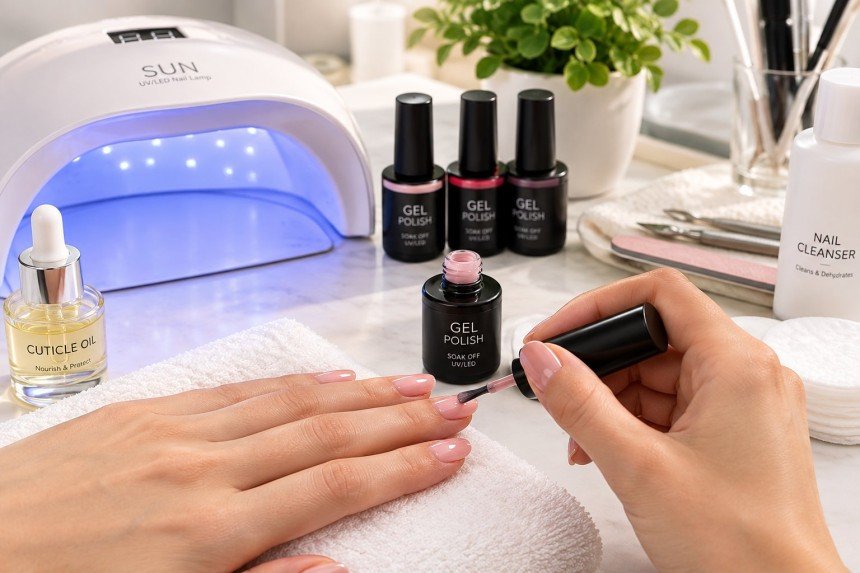
Gel nail polish has revolutionised the nail care industry by offering a long-lasting shine and exceptional durability. Unlike traditional nail polish, gel nail polish retains its vibrant colour and glossy finish for weeks without chipping or dulling. This comprehensive guide addresses the essential aspects of gel nail polish, making it easier to understand why it remains a preferred choice for many seeking high-performance nail solutions.
For those interested in exploring different options, gel nail polish collections provide a range of colours and finishes suitable for various occasions and preferences. The versatility of gel nails ensures that individuals can achieve salon-quality results in the comfort of their own home or through professional services.
What is Gel Nail Polish?
Gel nail polish is a specialised formula that requires curing under ultraviolet (UV) or light-emitting diode (LED) lamps to achieve a hard, shell-like coating. This process differs fundamentally from conventional nail polish, which dries through evaporation. By curing the gel polish, it becomes more resilient to external factors such as water, detergents, and physical impact.
The chemical composition of gel polish contains methacrylate compounds that polymerise under light to form a durable layer. This layer not only enhances the lifespan of the manicure but also provides a luminous finish that resists fading and cracking.
Advantages of Gel Nail Polish
The primary benefit of gel nail polish is its longevity. While ordinary nail polish may start chipping within days, gel polish maintains its integrity for two to three weeks or more, depending on nail care and application technique.
Furthermore, gel nail polish offers an intense, glossy shine that surpasses traditional formulations. This results in manicures that appear fresh and vibrant throughout their lifespan.
Gel nails also prove beneficial for individuals with brittle or weak nails. The hardened surface provides protection, reducing the likelihood of splitting or breaking.
Application Process
Applying gel nail polish involves multiple precise steps to ensure a flawless finish. Initially, the nails are cleaned, shaped, and lightly buffed to promote adhesion. A base coat is then applied and cured using a UV or LED lamp.
Following the base coat, one or more layers of coloured gel polish are applied, with each layer cured independently. This layering technique builds colour intensity and ensures durability.
Lastly, a top coat seals the polish for added protection and shine. After curing the top coat, any sticky residue is wiped away with a cleansing solution, leaving a smooth, glossy surface.
Removal Techniques
Proper removal of gel nail polish is critical to maintaining nail health. Peel-off methods or improper scraping can cause damage to the natural nail surface.
The recommended method involves soaking nails in acetone for an adequate duration to soften the gel polish. Cotton pads soaked in acetone are placed on the nails, secured with foil wraps, and left for approximately 10-15 minutes. This softens the gel, which can then be gently pushed off using a wooden cuticle stick.
Following removal, it is advisable to nourish the nails with cuticle oil and moisturisers to restore hydration and strength.
Potential Risks and Precautions
While gel nail polish is popular, certain precautions are necessary. Excessive exposure to UV lamps may pose minimal risk; therefore, some individuals opt for LED curing devices which emit less ultraviolet light.
Additionally, allergies to methacrylate compounds, although rare, can occur. It is prudent to perform patch tests when using new products or seeking professional advice if sensitivities arise.
Caring for Gel Nails
To maximise the lifespan of gel nails, regular maintenance is advised. Avoiding prolonged contact with water and harsh chemicals helps preserve the polish and prevent premature lifting.
Wearing gloves during household chores such as cleaning and dishwashing offers additional protection. Regular application of cuticle oils supports nail hydration and flexibility.
Scheduling professional touch-ups every two to three weeks maintains appearance and addresses any growth or lifting issues.
Environmental Considerations
Gel nail polishes have been developed with attention to environmental factors. Many brands now offer formulations free from certain harmful chemicals, targeting a reduced ecological footprint.
Disposal of products should align with local regulations, and unwanted polish bottles should not be discarded carelessly to avoid environmental contamination.
Innovations in Gel Nail Polish
Recent advancements include air-dry gel formulas that expedite application without compromising durability. Additionally, a broader range of pigments and textures offer creative possibilities for personalised manicures.
Technological improvements in lamp designs contribute to shorter curing times and enhanced user safety.
Conclusion
Gel nail polish provides a superior alternative to traditional nail lacquers due to its lasting shine, robustness, and overall aesthetic appeal. Understanding the application, removal, and care routines is essential for achieving optimal results and maintaining nail health.
For individuals seeking a reliable, long-lasting manicure with professional-grade finish, gel nail polish remains an excellent choice supported by continuous innovation and product development.
For a selection of quality gel nail products, perusal of specific collections enables consumers to find options tailored to their needs and preferences. Incorporating these practices facilitates both beauty and nail integrity, establishing gel nails as a prominent feature of modern nail care.

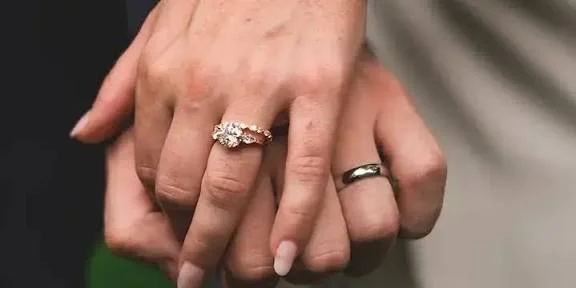
Jewellery shopping has changed significantly with the growth of online platforms. Customers now research designs, compare prices, explore collections, read reviews, and check brand credibility before making a purchase. For jewellery businesses, having a strong online presence is therefore essential for reaching potential customers and building long-term relationships.
A well-planned digital strategy can help jewellery brands attract relevant visitors, showcase their products, and create a consistent brand identity across search engines and social platforms.
Understanding the Modern Jewellery Customer
Jewellery purchases are often connected to important occasions such as weddings, anniversaries, birthdays, engagements, and festivals. Customers may spend considerable time researching products before making a decision.
Brands can use digital channels to provide useful information throughout this journey. Detailed product pages, styling guides, buying advice, educational articles, and visual content can help customers understand products and make informed choices.
Understanding search behavior is an important part of this process. jewelry seo services can help brands identify relevant search terms and optimize their website around topics potential customers are actively looking for.
Building Better Product Visibility
A jewellery website should make it easy for visitors to discover collections and individual products. Product categories can be organized around jewellery types, occasions, materials, styles, or customer preferences.
Optimized product titles, descriptions, images, internal links, and category pages can help search engines understand the website while making navigation easier for visitors.
High-quality photography is particularly important because jewellery is a visual product. Clear images showing details, finishes, sizes, and different angles can help customers evaluate products before contacting a brand or placing an order.
Creating Valuable Jewellery Content
Content marketing can support jewellery brands by answering questions customers commonly ask. Articles about choosing engagement rings, selecting jewellery for different occasions, understanding gemstones, caring for jewellery, or matching accessories with outfits can attract people at different stages of the buying journey.
Useful content can also strengthen a brand’s authority and provide additional opportunities to appear in relevant search results.
Strengthening Local Search Visibility
Many jewellery businesses operate physical stores alongside their online presence. Local search optimization can help these businesses reach customers searching for jewellery stores, designers, or specific products in their area.
Accurate business information, location pages, customer reviews, photographs, and consistent business details can contribute to a stronger local presence. This can be particularly valuable for customers who prefer visiting a showroom before purchasing.
Using Social Media Effectively
Jewellery is naturally suited to visual marketing. Social platforms allow brands to showcase new collections, styling ideas, customer stories, behind-the-scenes content, and special occasions.
A consistent visual identity can help customers recognize a jewellery brand across different platforms. Social content can also direct interested users toward product pages, blogs, consultation forms, or physical stores.
Building a Recognizable Brand
Competition in the jewellery market means businesses need more than attractive products. Customers also consider craftsmanship, trust, service, heritage, customization, and overall brand experience.
A professional Jewellery Marketing Agency can help businesses develop a consistent digital presence across search, content, social media, and other online channels. The strategy should reflect the brand’s identity while communicating what makes its products and services different.
Measuring Digital Marketing Performance
Digital marketing becomes more effective when businesses regularly monitor performance. Website traffic, search visibility, engagement, enquiries, conversions, and customer behavior can provide useful insights into what is working.
Analytics can also help brands identify popular product categories and content topics. These insights can then be used to refine campaigns and improve the customer journey.
Conclusion
Jewellery brands have many opportunities to connect with customers through digital channels. Search optimization, informative content, social media, local visibility, strong product presentation, and consistent branding can work together to create a stronger online presence.
By understanding customer search behavior and providing useful information at every stage of the buying journey, jewellery businesses can attract relevant audiences and build lasting relationships. A thoughtful digital strategy allows brands to showcase their collections while creating a trustworthy and memorable experience for potential customers.

Deciding Whether to Buy Another Guest Post: A Practical Marketing Checklist

The Afternoon Energy Fix That Does Not Involve Another Cup of Coffee

10 Questions to Ask Before Booking Any Pallet Delivery Service in the United States

Innovative Engineering Solutions for Compliance Plates in Australia

Why Synthetic Grass Works Well for Sporting Facilities in Brisbane

A Family Guide to Discussing, Planning, and Executing a Move to Residential Care

How to Ensure Your Home is Valued Correctly for a Quick Sale

Christopher Dare: The Untold Story of Engineer and Former Husband of Angela Rippon

The 15 Highest-Paid Rugby Players in the World

What Is Fanquer? The Digital Creator Platform Transforming Direct-to-Fan Engagement

Dr Jared Ross: Missouri Appeals Court Upholds Protection Order Over Graphic Torture and Murder Threats

Nancy Hallam: The Inspiring Life, Career, and Success Story Behind Ian Wright’s Wife
How to Ensure Your Home is Valued Correctly for a Quick Sale
Christopher Dare: The Untold Story of Engineer and Former Husband of Angela Rippon
The 15 Highest-Paid Rugby Players in the World
What Is Fanquer? The Digital Creator Platform Transforming Direct-to-Fan Engagement
Dr Jared Ross: Missouri Appeals Court Upholds Protection Order Over Graphic Torture and Murder Threats
Nancy Hallam: The Inspiring Life, Career, and Success Story Behind Ian Wright’s Wife
-
 Real Estate9 months ago
How to Ensure Your Home is Valued Correctly for a Quick Sale
-
Celebrity11 months ago
Christopher Dare: The Untold Story of Engineer and Former Husband of Angela Rippon
-
 Sports5 months ago
The 15 Highest-Paid Rugby Players in the World
-
 Technology5 months ago
What Is Fanquer? The Digital Creator Platform Transforming Direct-to-Fan Engagement
-
 Celebrity5 months ago
Dr Jared Ross: Missouri Appeals Court Upholds Protection Order Over Graphic Torture and Murder Threats
-
Celebrity12 months ago
Nancy Hallam: The Inspiring Life, Career, and Success Story Behind Ian Wright’s Wife
-

 Celebrity8 months ago
Who Is Azriel Crews? Inside the Life and Career of Terry Crews’ Daughter
-
 Celebrity11 months ago
Who Is Maisie Mae Roffey? The Private Life, Family Story, and Quiet Success of Julie Walters’ Daughter