
Blog
What Is Axurbain? Inside the French Company Transforming Modern Public Spaces

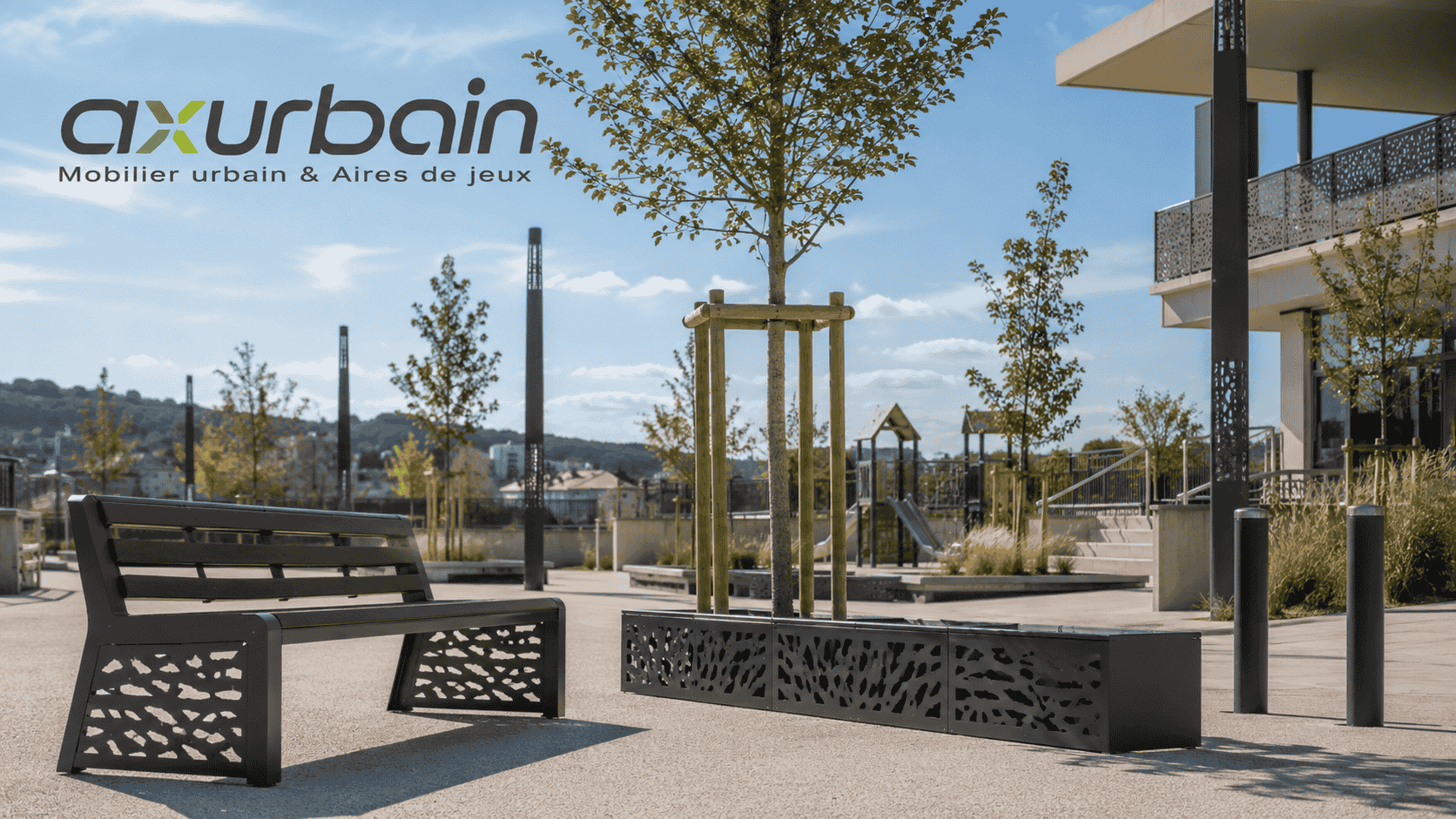
Axurbain has become a recognized name in the world of urban furniture and public space development. As cities continue to expand and modernize, the need for high-quality public infrastructure has increased significantly. Communities today expect public spaces to be comfortable, safe, visually attractive, and environmentally responsible. Urban furniture plays a major role in achieving these goals by shaping how people interact with streets, parks, plazas, and recreational areas.
Quick Facts
| Information | Details |
|---|---|
| Company Name | Axurbain |
| Industry | Urban Furniture Manufacturing |
| Headquarters | Fabrègues, France |
| Specialty | Urban Furniture and Playground Equipment |
| Main Clients | Municipalities, Architects, Urban Planners |
| Product Categories | Benches, Bollards, Bike Stands, Playgrounds, Tree Grates |
| Custom Manufacturing | Yes |
| Design Style | Modern and Functional |
| Key Collaboration | Studio BrichetZiegler |
| Notable Collection | POA Collection |
| Market Focus | Public Infrastructure |
| Country | France |
Introduction
Axurbain has become a recognized name in the world of urban furniture and public space development. As cities continue to expand and modernize, the need for high-quality public infrastructure has increased significantly. Communities today expect public spaces to be comfortable, safe, visually attractive, and environmentally responsible. Urban furniture plays a major role in achieving these goals by shaping how people interact with streets, parks, plazas, and recreational areas.
Based in Fabrègues, France, Axurbain specializes in designing and manufacturing custom urban furniture and playground equipment. The company works closely with municipalities, architects, landscape designers, and urban planners to create solutions that improve the functionality and appearance of public spaces. Through innovation, craftsmanship, and collaboration, Axurbain helps transform ordinary outdoor environments into welcoming spaces that enhance daily life.
The History and Background of Axurbain
Axurbain was established with a clear mission to improve urban environments through thoughtful design and durable infrastructure. From the beginning, the company focused on creating products that combine practical functionality with strong visual appeal. Rather than producing generic street furniture, Axurbain aimed to develop solutions that contribute to the identity and character of each location.
Operating from its headquarters in Fabrègues, the company has steadily built a reputation for quality manufacturing and design excellence. Over the years, Axurbain has participated in numerous urban development projects across France and beyond. Its ability to adapt products to specific project requirements has made it a preferred partner for cities seeking customized solutions. Today, the company continues to expand its influence by helping communities create public spaces that are both attractive and highly functional.
Understanding Axurbain’s Vision for Urban Development
The philosophy behind Axurbain extends far beyond the simple production of benches or playground structures. The company believes that public spaces should encourage social interaction, improve quality of life, and strengthen community connections. Every product is designed with the goal of creating environments that people enjoy using every day.
This vision is reflected in the company’s commitment to innovation and customization. Axurbain understands that every city has unique architectural styles, cultural characteristics, and practical requirements. By carefully considering these factors, the company develops solutions that fit naturally into their surroundings. This approach helps municipalities create cohesive public spaces that reflect local identity while meeting modern urban planning standards.
Why Urban Furniture Matters in Modern Cities?
Urban furniture is often overlooked, yet it plays a crucial role in shaping the experience of public spaces. Benches, bike racks, bollards, and safety barriers influence how people move, gather, and interact within a city. Well-designed infrastructure can transform a simple street into a vibrant social environment that encourages outdoor activity and community engagement.
Modern cities face increasing challenges related to population growth, sustainability, and mobility. Effective urban furniture helps address these issues by supporting pedestrian movement, encouraging cycling, and improving accessibility. Axurbain recognizes the importance of these functions and designs products that contribute positively to the overall urban experience. Their solutions help create spaces that are comfortable, organized, and visually appealing for residents and visitors alike.
Axurbain’s Urban Street Furniture Collection
One of Axurbain’s primary areas of expertise is urban street furniture. The company manufactures a diverse range of products designed to improve public environments while maintaining high standards of durability and aesthetics. These products are commonly installed in city centers, parks, residential developments, educational institutions, and commercial districts.
The collection includes benches, banquettes, stools, bollards, bike stands, and safety barriers. Each product is carefully engineered to withstand heavy use and varying weather conditions. Materials such as steel, aluminum, and cast iron are selected for their strength and longevity. Through a combination of technical expertise and creative design, Axurbain delivers furniture that remains functional and attractive for many years.
Custom Benches and Public Seating Solutions
Public seating is one of the most essential elements of urban infrastructure. Axurbain designs benches and seating systems that provide comfort while enhancing the appearance of outdoor environments. These installations create opportunities for people to rest, socialize, and enjoy public spaces, making them valuable assets for communities.
The company offers a variety of seating styles ranging from minimalist contemporary designs to more artistic and expressive forms. Each project can be customized to match surrounding architecture and landscape features. This flexibility allows municipalities and designers to create unique public spaces with a strong visual identity. By prioritizing both comfort and durability, Axurbain ensures that its seating solutions meet the demands of modern urban life.
Bike Stands and Sustainable Transportation Support
As cities increasingly promote environmentally friendly transportation options, bicycle infrastructure has become more important than ever. Axurbain supports sustainable mobility through the design and manufacture of high-quality bike stands and parking systems. These products provide secure and convenient locations for cyclists while contributing to organized and attractive public spaces.
Well-designed bike parking facilities encourage more people to choose cycling as a daily mode of transportation. This can help reduce traffic congestion, lower emissions, and improve public health. Axurbain’s bike stands are developed with durability, security, and ease of use in mind. Their designs integrate seamlessly into urban environments, helping municipalities support long-term sustainability goals.
Safety Barriers and Bollards for Urban Protection
Safety remains a critical concern in modern public space planning. Axurbain manufactures a range of barriers and bollards designed to protect pedestrians, manage traffic flow, and secure sensitive areas. These products play a vital role in creating safe and organized urban environments without compromising visual appeal.
Many traditional safety installations can appear intrusive or unattractive. Axurbain addresses this challenge by developing protection systems that blend naturally into their surroundings. The result is infrastructure that fulfills important safety functions while maintaining architectural harmony. This balance between security and design excellence has become a defining characteristic of the company’s product range.
Tree Protection Systems and Urban Green Spaces
Healthy urban landscapes depend on the successful integration of natural and built environments. Trees provide shade, improve air quality, reduce heat, and contribute to the visual beauty of public spaces. However, urban conditions can place significant stress on root systems and surrounding soil.
Axurbain produces specialized tree protection systems that help preserve urban greenery while supporting pedestrian activity. Their cast aluminum and cast iron tree grates are designed to protect roots without restricting growth. These installations blend seamlessly into pavements and public walkways, creating attractive and practical solutions for cities. By protecting urban trees, Axurbain contributes to healthier and more sustainable communities.
Playground Equipment Designed for Communities
Playgrounds are essential spaces where children can learn, socialize, and develop physical skills. Axurbain designs and manufactures playground equipment that combines safety, creativity, and durability. These play environments are created to provide engaging experiences for children while meeting strict safety requirements.
The company understands that playgrounds are important community assets. Parents, schools, and municipalities rely on these spaces to support healthy childhood development and social interaction. Axurbain’s equipment is engineered to withstand intensive use while encouraging imaginative play. Through thoughtful design and quality manufacturing, the company helps create vibrant recreational spaces for future generations.
The Importance of Custom Manufacturing
One of the strongest advantages of Axurbain is its commitment to custom manufacturing. Every public space presents unique challenges related to layout, usage patterns, environmental conditions, and design objectives. Standardized products may not always provide the best solution for these specific requirements.
Axurbain works closely with clients to develop tailor-made products that address project goals and site conditions. Whether creating a custom bench, a specialized barrier, or an entirely original design concept, the company prioritizes flexibility and collaboration. This bespoke approach allows municipalities and developers to create distinctive environments that reflect their vision while maximizing functionality.
Collaboration With Architects and Designers
Successful public spaces are often the result of close collaboration between multiple professionals. Axurbain regularly partners with architects, landscape architects, designers, engineers, and urban planners throughout the development process. These partnerships help ensure that products integrate effectively into larger projects and support broader design objectives.
Collaboration also encourages innovation by bringing together different perspectives and areas of expertise. Through open communication and technical support, Axurbain contributes valuable insights that enhance project outcomes. This cooperative approach has helped the company establish long-term relationships with professionals across the urban design industry.
The POA Collection and Studio BrichetZiegler Partnership
One of Axurbain’s most notable design achievements is the POA Collection, developed in partnership with the French design studio Studio BrichetZiegler. This collection reflects the company’s commitment to combining artistic creativity with practical functionality in public spaces.
The POA Collection is characterized by flowing curves and organic forms inspired by natural elements such as leaves and ribbons. Crafted from cast aluminum, these pieces bring a contemporary aesthetic to urban environments while maintaining durability and structural strength. The collection demonstrates how urban furniture can become a defining visual feature rather than simply serving a functional purpose.
Sustainability and Environmental Responsibility
Sustainability is an increasingly important consideration in urban planning and infrastructure development. Axurbain recognizes its responsibility to contribute to environmentally responsible solutions through durable materials, efficient manufacturing practices, and products that support sustainable lifestyles.
The company’s focus on long-lasting infrastructure helps reduce waste and minimize replacement costs over time. Products such as bike stands and tree protection systems directly support environmental initiatives by encouraging sustainable transportation and preserving urban greenery. Through these efforts, Axurbain helps cities create healthier and more resilient public environments for future generations.
Digital Catalogs and Professional Resources
Modern infrastructure projects require detailed planning and technical documentation. Axurbain provides digital catalogs and professional resources that help architects, planners, and municipalities evaluate products and make informed decisions. These materials include specifications, dimensions, design references, and examples of completed projects.
Digital accessibility makes it easier for professionals to compare options and integrate products into their planning processes. By offering comprehensive technical information, Axurbain supports efficient project development and improves communication between stakeholders. This commitment to transparency and accessibility enhances the overall customer experience.
The Future of Axurbain and Urban Design
The future of urban development will increasingly focus on sustainability, accessibility, and human-centered design. As cities continue to evolve, public spaces must adapt to changing social, environmental, and technological needs. Axurbain is well positioned to contribute to this transformation through its innovative products and collaborative approach.
The company’s emphasis on customization, quality, and design excellence aligns closely with emerging urban planning priorities. By continuing to develop creative solutions for public infrastructure, Axurbain can play an important role in shaping the next generation of cities. Its work demonstrates how thoughtful design can improve everyday experiences while supporting broader community goals.
Conclusion
Axurbain has established itself as a leading manufacturer of urban furniture and playground equipment through its dedication to quality, innovation, and collaboration. The company’s products help municipalities create public spaces that are functional, attractive, and sustainable. From custom benches and bike stands to tree protection systems and playground structures, every solution is designed with both users and environments in mind.
As urban areas continue to grow and evolve, the importance of well-designed public infrastructure will only increase. Through its commitment to craftsmanship, customization, and environmental responsibility, Axurbain continues to make a meaningful contribution to modern urban development and the creation of vibrant community spaces.
FAQs
What is Axurbain known for?
Axurbain is known for designing and manufacturing custom urban furniture, playground equipment, tree protection systems, and other public infrastructure solutions for cities and communities.
Where is Axurbain located?
Axurbain is headquartered in Fabrègues, France, and serves municipalities, architects, landscape designers, and urban planning professionals.
What products does Axurbain manufacture?
The company produces benches, bollards, bike stands, safety barriers, tree grates, playground structures, and a variety of customized urban furniture products.
Does Axurbain offer custom solutions?
Yes. One of Axurbain’s main strengths is its ability to create bespoke urban furniture and infrastructure solutions tailored to specific project requirements.
Why is Axurbain important in modern urban design?
Axurbain helps create functional, attractive, and sustainable public spaces by combining innovative design, durable materials, and close collaboration with architects and urban planners.



We spend a significant portion of our lives sitting at a desk. Yet, many people treat their workspace as an afterthought, squeezing a laptop onto a dining table or accepting an inspiring corporate setup without a second thought. Over time, an uncomfortable environment does not just cause occasional aches and pains. It slowly chips away at your ability to concentrate, drains your energy and makes even simple daily tasks feel harder than they should.
Creating an environment that actively supports your work is about more than just aesthetics. When you understand how physical ergonomics and environmental psychology work together, you can transform a dull desk into a space that cultivates focus, calm and consistent productivity.
The Physical Foundations of Ergonomics
It is almost impossible to think clearly when your body is uncomfortable. Physical discomfort causes low level cognitive distractions. If your lower back is aching or your neck is straining to see a monitor, your brain is quietly diverting energy away from your work just to manage the discomfort.
Getting the physical layout right does not necessarily require spending thousands of pounds on high-end furniture. It simply means understanding how your body interacts with your equipment. Your feet should rest flat on the floor, your elbows should sit at a relaxed 90-degree angle, and the top of your screen should sit just below your resting eye line.
Small ergonomic adjustments that pay off immediately include:
- Raising your laptop with a sturdy stand to stop you hunching forward
- Using an external keyboard and mouse to keep your shoulders back and relaxed
- Positioning your most-used tools within arm’s reach to avoid repetitive awkward leaning
- Ensuring your chair supports the natural curve of your lower back
- Lighting and Visual Comfort
Lighting is arguably the most influential factor in both our physical comfort and our daily mood. Humans are biologically programmed to respond to sunlight. Access to natural daylight during working hours has been proven to elevate mood, reduce afternoon lethargy and even improve sleep quality at night. Wherever possible, position your desk near a window, ideally at a right angle to the glass to capture the ambient light without suffering direct blinding reflections on your monitor.
When natural light is limited, artificial lighting needs a more thoughtful approach than a single harsh overhead bulb. Layered lighting works best. A warm desk lamp adds focus to paperwork while reducing the severe contrast between a bright digital screen and a dark room.
Visual comfort also comes down to personal tools. If your eyes are doing heavy lifting all day, giving them proper support is essential. Whether you choose anti-glare coating or seek out comfortably fitting mens glasses specifically designed for computer wear, tailoring your eyewear to a digital landscape helps prevent the dull mid-afternoon headaches that so many desk workers treat as normal. Taking control of both your environmental lighting and your personal eye care makes a noticeable difference to sustained mental stamina.
The Psychology of Space and Design
While ergonomics protects the body, the visual cues within your office shape your mindset. Environmental psychology tells us that the spaces we inhabit trigger distinct biochemical reactions in the brain. A space filled with sharp right angles, harsh colours and sterile finishes tends to elevate cortisol and induce fatigue. Conversely, softer shapes and natural elements actively promote calm and creative problem solving.

One of the easiest ways to harness this psychology is through biophilia, which simply refers to human attraction to nature. Bringing a few real indoor plants into your workspace has been shown to lower tension and noticeably improve air quality. Similarly, choosing furniture with gently curved edges rather than harsh, angular metal creates a psychological feeling of ease.
Balancing Inspiration with Visual Clutter
There is a fine line between an inspiring space and a distracting one. A completely barren desk can feel sterile and deeply demotivating, but a cluttered, chaotic environment demands cognitive processing power that you ought to be applying to your actual workload. Every stray coffee mug, unpaid bill or random stack of paper actively competes for your visual attention.
Curating your desktop is an ongoing discipline, not a one-off weekend cleanup. Keeping a clear physical zone directly in front of you reduces sensory overload and invites you to focus purely on the task at hand.
| Workspace Factor | Negative Impact | Practical Upgrade |
| Glare from windows | Eye strain, squinting, and headaches | Position your desk at a 90-degree angle to natural light sources to minimize glare. |
| Cluttered desktop | Visual overstimulation and anxiety | Keep only your daily essentials within your primary field of view and organize the rest. |
| Harsh white overhead bulbs | Increased stress and mental fatigue | Use layered lighting with warm, diffused desk lamps to create a more comfortable workspace. |
| Static seated posture | Back tension and sluggish blood circulation | Follow the 30-minute rule: stand, stretch, or adjust your seating position every half hour. |
A comfortable workspace engages more than just your eyes and your spine. Sound, temperature and even airflow play massive roles in sustained performance.
Unpredictable noise is one of the quickest ways to derail deep thought. While complete silence can sometimes feel deafening, background conversation or traffic sounds continually disrupt short term memory processing. If you cannot control the noise around you, taking charge of your auditory soundscape is a game changer. Ambient sound loops, green noise or a reliable pair of comfortable noise cancelling headphones can quickly build an isolated bubble of focus in an otherwise noisy house or busy open-plan office.
Temperature matters just as much. A room that is too warm induces drowsiness, while a deeply cold room leaves your muscles physically tense. Keeping a window slightly open for fresh airflow, or simply managing the room temperature so it remains neutral and comfortable, removes yet another physical distraction from your daily routine.
Designing for Agility and Movement
Even the most ergonomically perfect seating position becomes problematic if you stay in it for eight straight hours. The human body is engineered for regular motion. Designing a workspace that actively invites you to move around throughout the day is a cornerstone of modern office psychology.
You do not necessarily need an expensive sit-to-stand desk to build agility into your workflow. Simply placing your printer, water jug or physical filing folders across the room forces you to get up, stretch your legs and change your posture several times an hour. These micro breaks improve blood flow to the brain, which often results in clearer problem solving when you sit back down.
Final Thoughts
Building a workspace that champions comfort and productivity is never about blindly copying an aesthetic you saw online. It is a very deliberate process of removing physical irritation and sensory noise so your mind has the space to perform at its best.
By paying closer attention to simple fundamentals, supporting your posture, optimising your lighting and eyewear, managing sound levels and bringing a touch of nature indoors, you build an environment that genuinely supports your goals. Work is hard enough on its own. Your space should actively lift you up, not hold you back.


Mental health has become one of the most important conversations of the modern era. While public awareness has grown significantly, many individuals and families still struggle to find the right support during challenging times. This is where licensed family therapists play a vital role by helping children, couples, and families strengthen communication, resolve conflicts, and improve emotional well-being.
Why Family Therapy Matters
Every family experiences periods of stress. Parenting challenges, relationship conflicts, grief, anxiety, behavioral concerns, and life transitions can all affect emotional health. Family therapy provides a structured environment where people can openly discuss their concerns while learning healthier ways to communicate and solve problems together.
Unlike individual counseling, family therapy focuses on the relationships between family members rather than a single individual. This holistic approach often leads to long-term improvements in emotional resilience and family stability.
The Growing Demand for Licensed Therapists
Over the past decade, awareness of mental health has increased dramatically. Parents are becoming more proactive about supporting their children’s emotional development, while couples are seeking professional guidance before relationship issues become more serious.
Licensed Marriage and Family Therapists (LMFTs) are trained to work with a wide range of concerns, including child and adolescent behavioral issues, parenting challenges, anxiety and depression, relationship and marriage counseling, trauma recovery, family communication, and life transitions.
Creating Safe Spaces for Children
Children often struggle to express complex emotions. A supportive therapeutic environment allows young people to develop healthy coping strategies while improving confidence and communication skills.
Balancing Professional Excellence and Personal Privacy
Many highly respected mental health professionals maintain intentionally private personal lives. One example of a therapist who has earned public interest through both her professional work and her connection to a well-known media personality is Wendy Lang. Learn more here: WatchMult34
The Future of Mental Health Support
As awareness continues to grow, the demand for qualified family therapists is expected to increase. Schools, healthcare providers, and community organizations increasingly recognize that emotional well-being is just as important as physical health.
Final Thoughts
Family therapists play an essential role in helping individuals navigate life’s challenges with confidence and compassion. Through evidence-based counseling, emotional support, and practical guidance, they empower families to build stronger relationships and healthier futures.

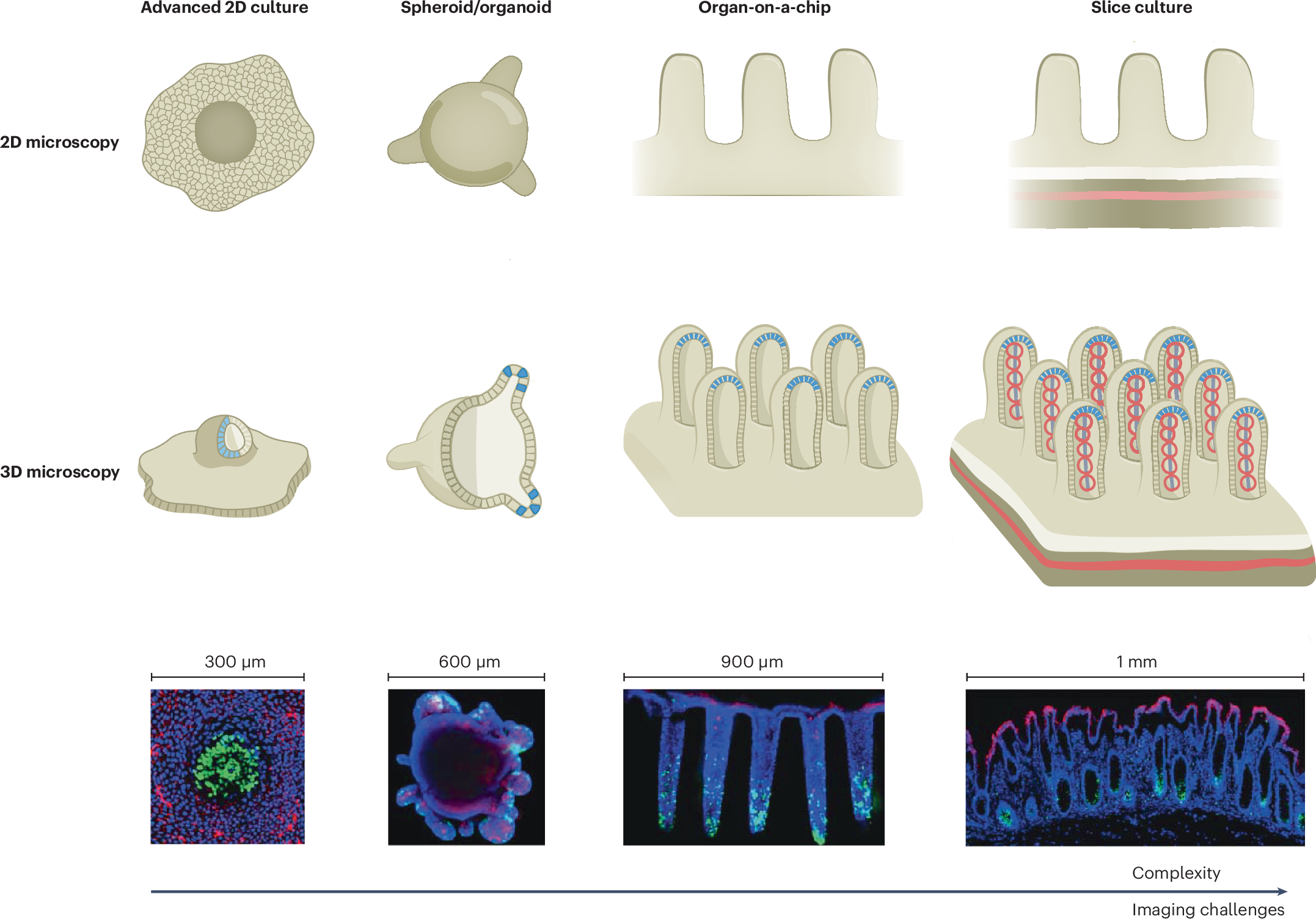
For decades, traditional two-dimensional (2D) cell culture has been the gold standard in laboratories worldwide. However, researchers are increasingly discovering that flat, rigid surfaces fail to replicate the complex microenvironment of living tissues. This is where 3d cultures have emerged as a transformative tool, allowing scientists to observe cellular behavior, morphology, and interactions in a more physiologically relevant context. By mimicking the three-dimensional architecture of in vivo tissues, these cultures provide deeper insights into drug responses, disease progression, and tissue engineering. Whether you are investigating cancer metastasis or screening new therapeutic compounds, understanding the nuances of 3D cell models is no longer optional—it is essential for meaningful and translatable results.
The Growing Importance of 3D Culture Models in Modern Research
The shift toward 3d cultures is driven by a fundamental limitation of traditional methods: cells grown on plastic surfaces often lose their native signaling pathways and differentiation capabilities. In contrast, spheroids, organoids, and scaffold-based 3D systems enable cell-to-cell and cell-to-matrix interactions that more accurately mirror real biology. This is particularly critical in fields like oncology, where tumor microenvironments play a key role in drug resistance, and in regenerative medicine, where tissue assembly must be carefully orchestrated. Laboratories in Türkiye and around the globe are now adopting these advanced models to reduce animal testing costs and improve the predictive power of pre-clinical studies. As techniques become more standardized, the integration of high-content imaging and analysis with 3d cultures is unlocking new possibilities for kinetic monitoring and endpoint quantification.
Overcoming Challenges in 3D Culture Workflows
Despite their advantages, working with 3d cultures introduces unique technical hurdles. Uniform spheroid formation, reproducible size control, and efficient nutrient penetration are just a few variables that require optimized protocols and specialized reagents. Imaging deeper layers of a 3D construct can also pose difficulties due to light scattering and limited penetration depth. Yet, the scientific community is actively addressing these challenges through innovations in hydrogel matrices, microfluidic platforms, and clearing agents. For researchers in Türkiye seeking to streamline their transition from 2D to 3D, having access to validated consumables and analytical instruments is paramount. This is where reliable online shopping for laboratory supplies becomes a time-saving advantage, allowing scientists to compare product specifications and technical documentation without leaving their bench.
How to Get Started with Reliable Tools for 3D Cultures
Embarking on experiments with 3d cultures requires more than just enthusiasm—it demands access to high-quality cell culture plastics, ECM proteins, and analytical kits that ensure consistency from batch to batch. Whether you need ultra-low attachment plates for spheroid formation, live-cell imaging reagents, or extracellular matrix hydrogels, partnering with a trusted distributor simplifies the procurement process. By managing the complexities beyond the laboratory, our platform bridges the gap between innovative research needs and dependable supply chains. At the Altium Web-shop, we support researchers, laboratories, and life science professionals with innovative technologies from trusted global brands. Our online store brings together carefully selected solutions for advanced cell analysis, 3D cell culture, extracellular vesicle isolation, biopharma drug discovery, and diagnostics. We aim to make it easier for scientists to access reliable products, technical expertise, and dedicated support through a simple and convenient purchasing experience. By managing the complexities beyond the laboratory, we help researchers focus on what matters most—advancing science and achieving meaningful results. Explore our dedicated category for 3d cultures to find the right tools for your next breakthrough, all delivered with the technical support you expect from a science-focused partner.

How to Plan the Perfect Pre Theatre Dinner Covent Garden Experience

Building a Comfortable and Productive Workspace

Top 10 Business Storage Solutions in London for Growing Companies

Big Puff Vapes UK 2026: 30K vs 60K — Which Should You Buy?

Why Capital-Heavy Industries Don’t Scare Alejandro Betancourt López

Challenges of AI Testing and How to Overcome Them

The 15 Highest-Paid Rugby Players in the World

Christopher Dare: The Untold Story of Engineer and Former Husband of Angela Rippon

How to Ensure Your Home is Valued Correctly for a Quick Sale

Nancy Hallam: The Inspiring Life, Career, and Success Story Behind Ian Wright’s Wife

Who Is Maisie Mae Roffey? The Private Life, Family Story, and Quiet Success of Julie Walters’ Daughter

Simon Dixon Biography: Lifestyle, Net Worth, Family, Career and Success Story
The 15 Highest-Paid Rugby Players in the World
Christopher Dare: The Untold Story of Engineer and Former Husband of Angela Rippon
How to Ensure Your Home is Valued Correctly for a Quick Sale
Nancy Hallam: The Inspiring Life, Career, and Success Story Behind Ian Wright’s Wife
Who Is Maisie Mae Roffey? The Private Life, Family Story, and Quiet Success of Julie Walters’ Daughter
Simon Dixon Biography: Lifestyle, Net Worth, Family, Career and Success Story
-
 Sports2 months ago
The 15 Highest-Paid Rugby Players in the World
-
Celebrity8 months ago
Christopher Dare: The Untold Story of Engineer and Former Husband of Angela Rippon
-
 Real Estate6 months ago
How to Ensure Your Home is Valued Correctly for a Quick Sale
-
Celebrity9 months ago
Nancy Hallam: The Inspiring Life, Career, and Success Story Behind Ian Wright’s Wife
-
Celebrity8 months ago
Who Is Maisie Mae Roffey? The Private Life, Family Story, and Quiet Success of Julie Walters’ Daughter
-
Business8 months ago
Simon Dixon Biography: Lifestyle, Net Worth, Family, Career and Success Story
-
 Celebrity9 months ago
Johnny Carell: Inside the Life, Family, and Rising Success of Steve Carell’s Son
-
 Celebrity7 months ago
Draven Duncan: Tim Duncan’s Rising Star Son and His Inspiring Basketball Journey