
Entertainment
The Time Zone Trap: Building Async-First Teams That Never Miss a Beat

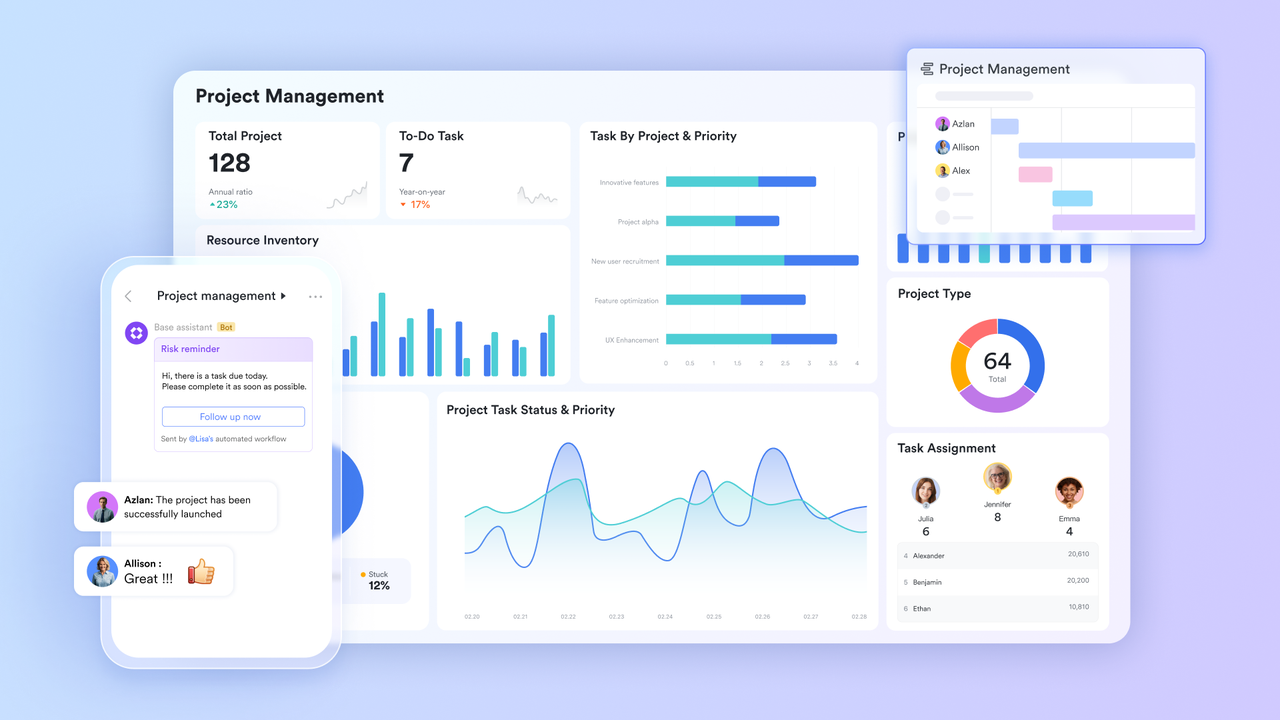
Ask any manager running a distributed team what their biggest operational headache is, and the answer is almost always the same: time zones. Not because of the math—converting between GMT and IST is simple enough—but because most teams are still designed around the assumption that everyone is online at the same time. When they are not, decisions stall, approvals pile up, and the daily momentum that drives a team forward quietly evaporates. The solution is not to force everyone onto one shift. It is to redesign how work flows so that a response gap of eight hours never becomes a project delay. That redesign starts with replacing synchronous-by-default habits with the right project management tools built to carry context, decisions, and momentum forward even while half your team is asleep.
Keeping conversations structured with Lark Messenger
The first thing that breaks in an async team is the chat channel. Without real-time back-and-forth to course-correct, a single vague message can block a teammate for an entire working day on the other side of the world. Lark Messenger tackles this directly with “Chat Tabs & Threads,” which lets teams create focused discussion threads branching off any message, keeping the main channel clean while specific topics get the space they need. For teams working across time zones, the “Scheduled Messages” feature allows anyone to compose a message and queue it for delivery during the recipient’s working hours, so a question drafted at midnight in Singapore lands at a sensible hour in London rather than interrupting someone’s sleep. The “Read/Unread Status” indicator removes the anxiety of not knowing whether a critical update has been seen, giving senders the confirmation they need without requiring a follow-up ping.
Writing that works across time zones with Lark Docs
In an async-first team, documentation is not a bureaucratic formality, it is the primary communication channel. Lark Docs supports “Real-time co-editing” with up to 200 simultaneous editors, meaning contributors across multiple time zones can work on the same document without creating conflicting versions or emailing attachments back and forth. Its “Comment” feature lets a reviewer in Sydney leave precise, contextual feedback directly inside the document, which the author in Amsterdam sees the moment they open their laptop the next morning. The “@mention” function lets writers tag a specific teammate inside a comment or anywhere in the document body to draw their attention to a section that needs review, ensuring that no feedback gets lost in a separate thread. Because Lark Docs lives natively inside the Lark workspace, documents can be linked directly inside Messenger threads or Calendar events, meaning the relevant context is always one click away rather than buried in an email chain.
Scheduling with intelligence using Lark Calendar
Async does not mean zero meetings, it means fewer, better-planned ones. Lark Calendar’s “Calendar Scheduling” capability lets teams coordinate meeting times by surfacing the availability of every required attendee across time zones, removing the tedious back-and-forth of finding a slot manually. Teams can create and subscribe to shared departmental calendars, with regional public holidays and local working patterns manually configured for each location. This helps prevent issues like a manager in London scheduling a sprint review during a national holiday in Vietnam.
. Every Lark Calendar event connects directly to the broader workspace: the meeting agenda can be a live Lark Docs document, and follow-up tasks can be created directly from the event detail page — keeping async handoffs tight and traceable.
Turning meetings into searchable assets with Lark Minutes
One of the biggest async failures is the meeting that generates no usable record. A teammate who was asleep during a critical decision-making call is left entirely dependent on someone else’s memory of what was agreed. Lark Minutes eliminates this gap by generating a “Smart Transcript” for every recorded Lark Meetings session, a fully searchable, interactive transcript that lets any team member locate the exact moment a particular decision was made without watching the full recording. Its “Smart Summarization” feature uses AI to pull out key discussion points and decisions into a structured summary that anyone can scan in under two minutes. “AI-Generated Action Items” takes this further by automatically identifying tasks mentioned during the call and surfacing them as discrete items ready to be assigned, so the output of every synchronous conversation becomes an async-friendly artifact the wider team can act on independently.
Removing bottlenecks with Lark Approval
Nothing kills async momentum faster than an approval process that requires someone to be online. A contract ready to go at 11 PM in Singapore should not have to wait until 9 AM in London for a signature. Lark Approval allows organizations to design multi-step workflows using “Conditional Branches,” where the approval path changes automatically based on conditions such as request type, monetary value, or the department submitting it. This means a procurement request from one regional office can be routed through an entirely different set of reviewers than one from another, without anyone manually redirecting it. The “Forward Approvals to Chat” feature lets approvers receive and act on requests directly inside a Messenger chat, so a decision can be made from a mobile device without logging into a separate system.
Building the team’s memory with Lark Wiki
In a synchronous office, institutional knowledge lives in conversations, hallway chats, quick desk visits, team lunches. In an async-first team, that knowledge needs to live somewhere that never sleeps. Lark Wiki serves as the organization’s permanent, structured knowledge repository, built around nested page hierarchies that mirror the team’s organizational structure. A new hire in any time zone can navigate to exactly the documentation they need without raising a support request that requires a response from the other side of the world. Granular permission settings ensure that sensitive pages remain visible only to authorized roles, while full-text search across the entire wiki makes every piece of documented knowledge instantly discoverable, regardless of when or where a team member is working.
Bonus: The real cost of async-incompatible tools
Many teams attempting to go async-first discover that their existing tools actively resist it. They begin by checking Google Workspace pricing to see whether the familiar suite can carry the load, and while it covers basic document sharing and calendar, distributed teams quickly find themselves bolting on additional subscriptions to fill the gaps: a standalone task manager like Asana, a separate transcription tool like Otter.ai, a third-party approval layer, and a knowledge base like Confluence.
Each of these tools solves one problem, but creates another, data that lives in silos, team members toggling between five browser tabs just to complete a single workflow, and an IT bill that grows every quarter. A platform built from the ground up for unified async work keeps every context, decision, and artifact in one place, so the eight-hour gap between time zones becomes a clean handoff, not a stalled project.
Conclusion
The time zone trap is not a geography problem, it is a systems problem. Teams that escape it do not do so by working longer hours or scheduling more check-ins; they do so by building workflows where every piece of context, every decision, and every next step is documented, accessible, and actionable by whoever needs it, whenever they are online. When your communication, documentation, scheduling, transcription, approval, and knowledge tools all operate inside the same ecosystem, the seams between working hours disappear. Investing in the right set of productivity tools is not just an operational upgrade, it is the architectural decision that determines whether your distributed team functions as a cohesive unit or a collection of isolated individuals waiting for someone else to wake up.


Eating disorders are among the most complex and misunderstood mental health conditions. They affect millions of people across the UK, and the ripple effects extend far beyond the individual. Partners, parents, siblings, and friends often find themselves desperate to help but unsure where to start.
Supporting someone through recovery is not about fixing them. It is about showing up consistently, learning what the condition actually involves, and knowing when to step back. This guide is designed to help you do exactly that.
Understanding the Different Types of Eating Disorders
Before you can offer meaningful support, it helps to understand what your loved one is going through. The main types of eating disorders include:
- Anorexia nervosa – characterised by severely restricted food intake and an intense fear of gaining weight, often accompanied by a distorted body image
- Bulimia nervosa – involves cycles of binge eating followed by compensatory behaviours such as purging, fasting, or excessive exercise
- Binge eating disorder (BED) – the most common eating disorder in the UK, involving recurrent episodes of eating large quantities of food, often rapidly and to the point of discomfort, without purging behaviours
- ARFID (Avoidant/Restrictive Food Intake Disorder) – an extreme pickiness or avoidance of food not related to body image concerns
- OSFED (Other Specified Feeding or Eating Disorder) – a broad category covering conditions that do not meet all the criteria of the above but are equally serious
Each disorder presents differently. What works for someone with anorexia may not apply to someone seeking binge eating disorder help. Taking the time to understand the specific diagnosis your loved one has received makes a genuine difference to how you respond.
What Not to Say and Why It Matters
Words land differently when someone is in recovery. Even well-meaning comments can cause harm. Avoid the following:
- “You don’t look ill” – eating disorders are not always visible
- “Just eat normally” – recovery is rarely that straightforward
- “I wish I had your willpower” – this romanticises dangerous behaviour
- “You look so much better” – comments about appearance, even positive ones, can be triggering
Instead, focus on emotions rather than food or bodies. “I’m really proud of how hard you’re working” or “I’m here whenever you need me” are far more helpful starting points.
How to Have the Difficult Conversation
Many people delay speaking up because they fear saying the wrong thing. The discomfort of that conversation is far smaller than the cost of staying silent.
Choose a calm, private moment. Lead with concern rather than criticism. Use “I” statements, “I’ve noticed you seem really stressed around meals lately and I care about you”, rather than “you” statements that can feel accusatory. Be prepared for denial or pushback. The first conversation rarely resolves everything, but it opens a door.
If your loved one is not yet in treatment, gently encourage them to speak to their GP or contact a specialist organisation.
Supporting Recovery Day to Day
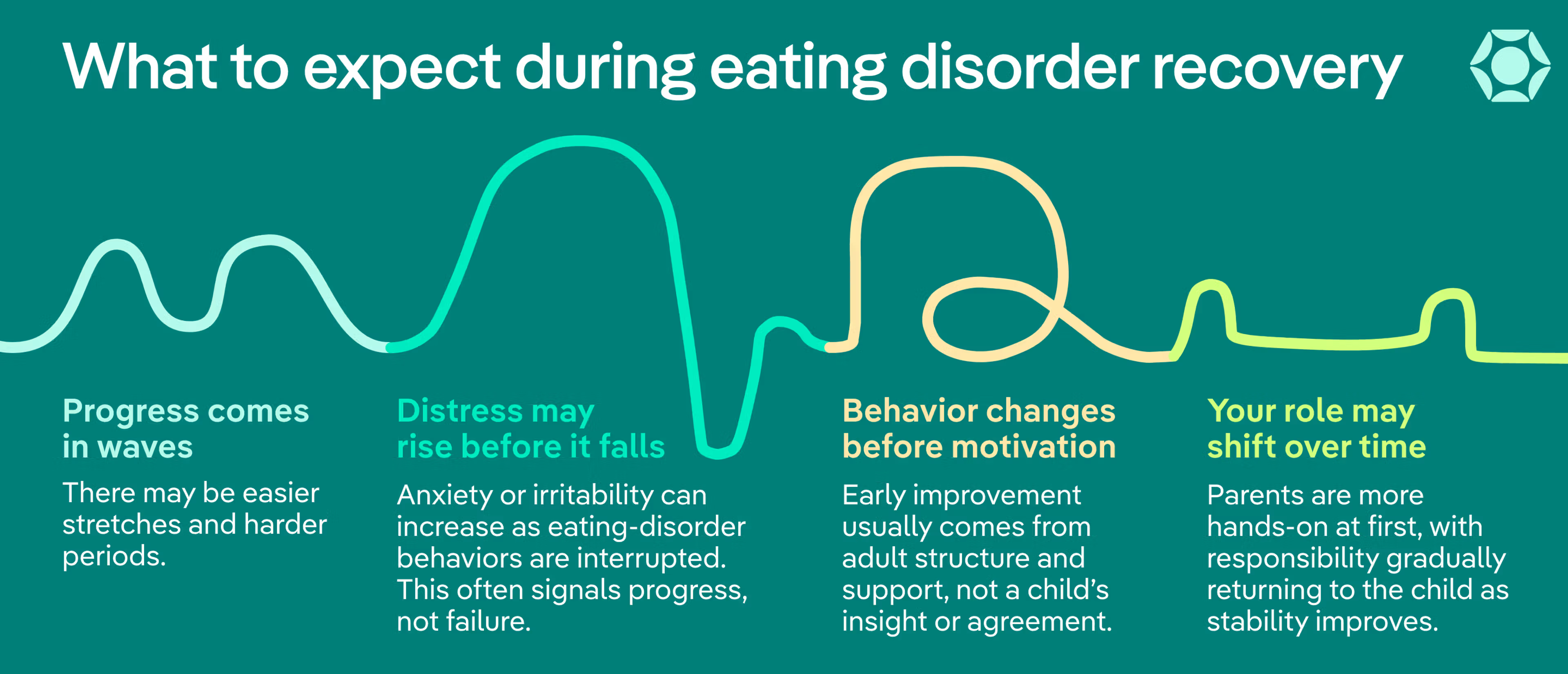
Recovery is not linear. There will be setbacks, and some days will be harder than others. Your role is not to monitor every meal or police behaviour, which can quickly feel controlling and damage trust. Instead:
Create a calm environment around food. Avoid making mealtimes a focal point of stress. If eating together, keep conversation light and avoid discussing diets, calories, or body image.
Educate yourself. Read about the condition, attend carer support groups, and consider family therapy if it is recommended by the treatment team. The more you understand, the better equipped you are.
Acknowledge their feelings without judgement. Eating disorders are rarely just about food. They are often rooted in anxiety, trauma, control, or low self-worth. Listening without trying to solve everything is sometimes the most powerful thing you can do.
Set boundaries to protect your own wellbeing. Supporting someone through a serious illness is emotionally demanding. Burnout is real. Seeking your own counselling or joining a carers’ support group is not selfish.
When to Seek Urgent Help
There are situations where professional intervention cannot wait. Contact a GP or go to A&E if your loved one:
- Is at serious physical risk due to malnutrition, purging, or self-harm
- Has expressed suicidal thoughts
- Is refusing all food and drink
- Has lost consciousness or is showing signs of cardiac distress
Eating disorders have the highest mortality rate of any mental health condition. Acting quickly in a crisis can save a life.
Finding the Right Professional Support
Treatment options vary depending on the diagnosis and severity. For most types of eating disorders, a combination of psychological therapy, nutritional support, and medical monitoring is recommended. Everyone’s experience with an eating disorder is completely unique to them; treatment plans are developed depending on those unique circumstances. However, your loved one’s GP is a good first port of call for a referral to specialist eating disorder services.[1] [2]
Recovery Takes Time and So Does Your Role in It
There is no fixed timeline for eating disorder recovery. Some people recover fully within months; for others, it is a process that spans years. Throughout it all, the presence of a patient, informed, and non-judgemental support network makes a measurable difference to outcomes.


Not everyone learns how to play a flute at the same pace. Some players become confident within weeks, while others take much longer to feel comfortable. The variation has more to do with a handful of factors rather than the inbuilt talent. In today’s blog post we will not only highlight how long it takes to play a flute but also the factors that influence the same.
How Long Does It Take to Learn Flute as a Beginner?
Most beginners can play a clear tone in a couple of weeks and a string in a couple of months. However they genuinely feel confident to play in six months to one year. The time line varies on a handful of factors that we will cover below. Rather than having a fixed deadline to play the flute, it is better to have small steady milestones which can help you out.
What Affects Your Learning Speed?
The factors that affect your learning speed include:
1. Practice Frequency
When learning any flute, and in fact any other musical instrument as well, one thing you need to remember is that consistency beats intensity. Therefore, practicing for 20 to 30 minutes daily is better option than a two-hour-long marathon session followed by a few days of no practice. Practicing daily builds muscle memory, which can help you learn faster.
2. Type of Learning
Self-teaching can seem appealing when it comes to learning a flute, but it can slow you down. Even structured lessons without a teacher or an instructor can slow you down. That’s because a teacher can spot posture, breathing, and mouth movement problems in real time. Self-taught learners can still progress well using high-quality tutorials, but the speed will be lower, and the feedback and correction loop will take a long time.
3. Prior Musical Experience
Beginners with a background in piano, singing, or other wind instruments usually learn how to play a flute faster. Skills such as reading sheet music, understanding the rhythm, and breath control often help the flute learner as well. Complete beginners might require more time to learn the flute. They might have to learn multiple foundational skills from scratch.
4. Quality of Instrument
The build quality of the flute and its maintenance matter a lot. A properly adjusted beginner flute makes it easier to learn. In case the flute hasn’t been maintained or is damaged, it can lead to tuning issues, leaky pads, or stiff keys. In such a case, it will be very difficult to produce a clean tone. The result is that it becomes much harder for a beginner to learn how to play a flute.
That is why even when you are just a beginner, it is a good idea to buy a mid-range flute for beginners rather than the most affordable option you find.
Final Thoughts
So, learning how to play a flute can take anywhere from 6 to 12 months, depending on the factors highlighted above. Just follow the guide above, and you can avoid most of the mistakes that can lengthen this learning period.

Moths are having a very good decade. British homes, unfortunately, are paying for it.
Clothes moth and carpet moth infestations have risen year after year across the UK. Warm, centrally heated houses keep them breeding through winter. Wardrobes full of wool and cashmere keep them fed. And because their larvae feed unseen for months, most infestations are well established before anyone notices a thing.
That’s the core problem with moths. The fluttering adults you see don’t eat anything. The real damage comes from eggs and larvae hidden in carpet edges, under furniture and inside stored clothes. Kill the visible moths and the rest simply carry on, which is why DIY sprays fail so often and why serious infestations end with a professional visit.
But who do you actually call? Based on treatment methods, specialist expertise, guarantees and customer reputation, here are the five best moth treatment companies in the UK right now.
1. Thermo Pest
Best for: heat treatment and severe infestations
Most moth treatments are a waiting game. Spray, come back, spray again, hope nothing survived. Thermo Pest’s flagship method skips all of that.
The company specialises in heat treatment. Affected rooms are gradually raised to a temperature that kills every moth life stage at once: eggs, larvae, pupae and adults. One session, no chemicals, no waiting for stragglers to hatch.
The advantages stack up quickly:
- The whole life cycle is eliminated in a single visit
- No insecticides, which matters for homes with children, pets or allergies
- Ideal for severe or repeatedly returning infestations that sprays have failed to end
Operating from the brilliantly simple domain pest.co.uk, the firm provides moth control in London homes and the surrounding areas, where period properties and wool carpets keep moth pressure among the highest in the country. Every job starts with a survey, and lighter infestations can be handled with conventional treatments where the full heat programme isn’t needed. For certainty against a bad infestation, though, this is the strongest tool on the market.
2. Moth Treatment Pros
Best for: specialist expertise and valuable wardrobes
Nearly every pest control firm treats moths as one job among many. Moth Treatment Pros treats them as the only job. Moths are the entire business, and it shows.
The specialist approach covers the details that decide whether a moth job succeeds:
- Species identification first, since clothes moths and carpet moths need different plans
- Proper treatment of wardrobe interiors, stored textiles and skirting margins, the places general treatments skim
- Follow-up visits timed to the egg-hatching cycle, not the diary
That makes them the natural choice for households protecting cashmere, vintage pieces or heirloom textiles. It also makes them the smart second call if a previous treatment has already failed. Moth infestations come back through missed details, and details are what single-pest specialisation exists for.
3. Fantastic Pest Control
Best for: speed and flexible booking
Fantastic Pest Control’s big idea is convenience. Book online, pick an evening or weekend slot, and in most major cities get a technician out same-day or next-day.
For a pest that grows worse by the week, that speed has real value. Tenants facing inspections and busy working households particularly benefit. The moth treatment itself is properly structured too, with an initial application followed by a timed second visit to catch newly hatched larvae.
Quality can vary a little between local franchise teams, so check reviews for your area. But when the priority is getting someone through the door fast, Fantastic usually gets there first.
4. Cleankill Pest Control
Best for: accredited, environmentally conscious service
Covering London and the South East, Cleankill is a multi-award-winning independent with a reputation built on professionalism and environmental responsibility. Its accreditations sit well above industry standard.
Moth treatments follow a thorough survey-and-treat model, with residual insecticide applied to affected areas and clear documentation throughout. That paperwork makes Cleankill a particular favourite with landlords, letting agents and commercial clients.
Coverage is regional rather than national, which is the only real limitation. Inside its patch, this is independent care with corporate-grade standards.
5. Rentokil
Best for: national coverage and commercial premises
The industry giant earns its place through sheer reach. Technicians in every region. Decades of refined protocols. The capacity to treat anything from a studio flat to a hotel floor or retail stockroom.
Rentokil’s moth service includes conventional insecticide programmes and heat pod systems for treating infested furniture and garments. The experience is more standardised than personal, and pricing sits at the premium end. But for large properties, multi-site businesses or areas without strong independents, the national machine delivers.
How to choose the right company
Whoever makes your shortlist, a few quick checks separate the thorough from the hopeful:
- Ask about eggs and larvae. Any credible treatment plan targets the hidden life stages, not just visible moths, and includes a follow-up visit
- Insist on a survey. The visible damage is never the full extent. Companies that inspect before quoting are pricing the real problem
- Get the guarantee in writing. Reputable firms offer re-treatment terms and honour them
- Check the prep instructions. Good companies tell you exactly what to wash, bag and vacuum beforehand. Prepared homes get far better results
- Match the method to the problem. Light infestations don’t need the nuclear option; established ones won’t yield to a single quick spray
Act early, pay less
One final point, because it’s the lesson every moth victim learns the hard way: these insects punish waiting.
A single female lays up to 200 eggs. Larvae feed for months. The infestation that one treatment would have ended in spring becomes a whole-house campaign by autumn, with ruined carpets and knitwear added to the bill.
If you’re seeing holes in jumpers, bald patches at carpet edges or little golden moths in the evening, book a survey now. Every company on this list offers one. The best money you’ll spend on this problem is the money you spend early.

How AI Smart Mattresses Track Sleep Health and Adjust Support

The Role of Strong School Communities in Student Development

How to Name Your Car: A Practical Guide to Finding the Perfect Fit

How Drumming Workshops Boost Learning Through Rhythm

How to Convert 3D Models for 3D Printing, Games, and AR

Custom EHR for Value-Based Care Organizations

The 15 Highest-Paid Rugby Players in the World

Christopher Dare: The Untold Story of Engineer and Former Husband of Angela Rippon

How to Ensure Your Home is Valued Correctly for a Quick Sale

Nancy Hallam: The Inspiring Life, Career, and Success Story Behind Ian Wright’s Wife

Who Is Maisie Mae Roffey? The Private Life, Family Story, and Quiet Success of Julie Walters’ Daughter

Simon Dixon Biography: Lifestyle, Net Worth, Family, Career and Success Story
The 15 Highest-Paid Rugby Players in the World
Christopher Dare: The Untold Story of Engineer and Former Husband of Angela Rippon
How to Ensure Your Home is Valued Correctly for a Quick Sale
Nancy Hallam: The Inspiring Life, Career, and Success Story Behind Ian Wright’s Wife
Who Is Maisie Mae Roffey? The Private Life, Family Story, and Quiet Success of Julie Walters’ Daughter
Simon Dixon Biography: Lifestyle, Net Worth, Family, Career and Success Story
-
 Sports3 months ago
The 15 Highest-Paid Rugby Players in the World
-
Celebrity8 months ago
Christopher Dare: The Untold Story of Engineer and Former Husband of Angela Rippon
-
 Real Estate6 months ago
How to Ensure Your Home is Valued Correctly for a Quick Sale
-
Celebrity9 months ago
Nancy Hallam: The Inspiring Life, Career, and Success Story Behind Ian Wright’s Wife
-
Celebrity8 months ago
Who Is Maisie Mae Roffey? The Private Life, Family Story, and Quiet Success of Julie Walters’ Daughter
-
Business8 months ago
Simon Dixon Biography: Lifestyle, Net Worth, Family, Career and Success Story
-
 Celebrity9 months ago
Johnny Carell: Inside the Life, Family, and Rising Success of Steve Carell’s Son
-

 Health6 months ago
Enclomimed 25 (Enclomiphene) – Effective PCT Protocol