
Business
How to Name Your Car: A Practical Guide to Finding the Perfect Fit


A car can become more than a way to get from one place to another. It may carry you through a first job, a cross-country move, weekend adventures, family milestones, or an unforgettable road trip. Giving it a name is a simple way to recognize that personal connection.
However, finding a name that still feels right six months later can be surprisingly difficult. The best car names usually reflect something recognizable about the vehicle—its appearance, personality, performance, or role in your life.
Here is a practical process for choosing a name that genuinely fits your ride.
Begin With the Car’s Most Noticeable Feature
Start by identifying what stands out when you first look at the vehicle. This might be its color, size, grille, body shape, wheels, headlights, or overall styling.
A small white hatchback might inspire names such as Mochi, Pearl, or Snowball. A large white pickup could suit something stronger, such as Glacier, Summit, or Kodiak. A sleek black sedan might feel more like Shadow, Onyx, or Midnight.
Color is particularly useful because it immediately creates associations with food, weather, animals, gemstones, places, and fictional characters. White can suggest snow, clouds, vanilla, pearls, polar animals, or clean minimalist designs.
Owners looking for inspiration can explore Gear Head Grove’s white car naming guide, which organizes hundreds of ideas by personality and vehicle type.
Use a list as a starting point, but choose a name that feels specific to your own vehicle.
Decide What Personality the Car Has
Spend a few days driving the car before settling on a name. Its personality may become clearer once you experience how it handles everyday life.
Ask yourself:
- Does it feel quick and energetic?
- Is it dependable and unbothered?
- Does it look elegant or intimidating?
- Is it compact, playful, or slightly quirky?
- Does it handle rough roads confidently?
- Does the interior feel futuristic and quiet?
A sporty coupe may call for a bold name such as Viper, Comet, or Blitz. A comfortable family SUV may feel more like Atlas, Scout, or Willow. An older vehicle with a few harmless quirks might deserve a funny or affectionate name.
The objective is not to find the most impressive name. It is to find one that matches the vehicle you actually drive.
Consider How You Use the Vehicle
A car’s purpose can produce better ideas than its appearance alone.
A daily commuter might earn a dependable name such as Steady, Ace, or Miles. A Jeep used for outdoor trips could be called Trailblazer, Ranger, or Alpine. A truck that regularly carries equipment might suit Titan or Workhorse.
Think about the places the vehicle takes you and the role it plays:
- Daily commuting
- Family transportation
- Camping and outdoor travel
- College life
- Weekend cruising
- Long-distance road trips
- Work and equipment hauling
- Car shows or enthusiast events
You can also name the vehicle after a meaningful destination, street, state, national park, or travel memory. A location-based name often carries a story that a random word cannot reproduce.
Create a Shortlist From Several Categories
Instead of searching endlessly for one perfect answer, collect approximately five to ten possibilities from different categories.
Your shortlist could include:
- A color-inspired name
- A human name
- A place name
- A food-inspired name
- A movie or book reference
- An animal name
- A weather-related name
- A funny nickname
For example, a white SUV shortlist might contain Pearl, Aspen, Betty, Marshmallow, Storm, and Polar Bear. Seeing different styles together makes it easier to identify the direction that feels natural.
Do not worry if some choices initially seem unusual. Many memorable nicknames sound slightly strange before people begin using them.
Say Each Name Out Loud
A name may look great on a screen but feel awkward in conversation. Test each finalist in a normal sentence:
- “I’m taking Pearl today.”
- “We’re loading the bags into Atlas.”
- “Comet needs an oil change.”
- “I finally washed Marshmallow.”
Remove names that are difficult to pronounce or require a long explanation every time someone hears them.
Short names usually work well because they are easy to remember and use. Longer names can still succeed when they have an obvious nickname.
Check Whether the Name Will Age Well
Consider whether you will still enjoy the name after the excitement of buying the vehicle wears off.
Trendy phrases can be entertaining, but they may feel dated quickly. Pop-culture names may also lose their appeal if you stop following the character, celebrity, or franchise that inspired them.
A good long-term name normally connects to at least one stable quality: the car’s color, design, purpose, or a meaningful experience. If you love a trendy name, try pairing it with a more timeless nickname.
Let a Story Create the Name Naturally
Not every car needs to be named immediately. Sometimes the most fitting nickname appears after an experience.
A vehicle might earn its name after:
- Getting through an unexpected snowstorm
- Completing its first long road trip
- Becoming the group’s regular adventure car
- Arriving with a distinctive dealership sticker
- Developing a funny but harmless habit
- Carrying home a new pet
- Helping during a major life transition
Names connected to real memories tend to feel more personal because they have a story behind them.
Avoid Making the Decision Too Complicated
There are no official rules for naming a car. It does not have to sound powerful, clever, or completely unique. It only needs to feel comfortable to you.
If two names are tied, use each one for a day. The better choice often becomes obvious once you begin saying it naturally.
You can also ask friends or family members to vote, but remember that you will be the person using the name most frequently. Their opinion can help without making the final decision for you.
A Quick Car-Naming Checklist
Before making your choice, ask:
- Does the name match the vehicle’s appearance or personality?
- Is it easy to pronounce and remember?
- Do I enjoy saying it out loud?
- Does it have a personal meaning or recognizable connection?
- Will I probably still like it next year?
- Does it sound distinct from the names of other cars in my household?
If the answer to most of these questions is yes, you have likely found a strong candidate.
Final Thoughts
The perfect car name does not need to impress everyone. It should reflect something you notice, appreciate, or remember about your vehicle.
Begin with the car’s color and design, consider its personality and purpose, and test a small group of names in everyday conversation. If none of them immediately feels right, give the vehicle time to earn its own nickname.
The name you discover through driving, traveling, and building memories may ultimately be better than anything you could have chosen on the first day.





Modern retail enterprises face a dual challenge: defending operating margins against surging labor overhead while executing tangible environmental, social, and governance (ESG) strategies. Physical storefronts generate tons of single-use operational waste simply through recurring product merchandising cycles.
Transitioning to intelligent edge infrastructure allows forward-thinking retail operators to eliminate recurring paper waste, mitigate checkout discrepancies, and deploy store associates toward customer-facing, revenue-generating activities.
The Operational and Environmental Toll of Traditional Retail Shelf Management
The Carbon and Material Costs of Disposable Signage
Maintaining up-to-date pricing across a regional chain of supermarkets requires an astonishing volume of disposable paper, thermal ink ribbons, and non-recyclable plastic clips. Every product markdown, supplier cost adjustment, or seasonal reset generates discardable paper stock.
This ongoing material dependency incurs severe environmental and fiscal costs:
- An average mid-sized supermarket prints between 3,000 and 6,000 individual paper tags every week.
- Chemically treated thermal paper and plasticized adhesive labels cannot be recycled through standard municipal paper streams.
- Broken extruded PVC shelf channels generate persistent micro-waste that ends up in local landfills.
- Transporting, storing, and shredding paper consumables introduces unnecessary indirect Scope 3 carbon emissions across the store network.
Regulatory and Financial Risks of In-Store Pricing Errors
Manual tag replacement relies entirely on store associate execution during chaotic retail operating hours. Inevitably, items are overlooked, tags fall from shelf channels, or shelf updates lag behind central promotional databases.
These systemic oversights create direct commercial and reputational consequences:
- Legal and Regulatory Liabilities: Discrepancies between shelf tags and checkout registers violate strict trade measurement laws, resulting in escalating civil penalties.
- Checkout Queue Friction: Price checks at the point of sale interrupt cashier throughput, lengthening customer wait times and lowering customer satisfaction scores.
- Brand Erosion: Inconsistent pricing between digital storefronts and physical aisles triggers customer complaints and erodes brand transparency.
The Mechanics of IoT-Driven Smart Shelving
Zero-Power Display Physics
Transitioning away from disposable placards requires enterprise-grade hardware capable of continuous operation with minimal energy draw. Dedicated manufacturers such as ZhSunyco provide full-stack electronic pricing solutions—integrating bi-stable e-paper tags, multi-frequency access points, and centralized shelf-management systems—built specifically to withstand high-traffic commercial environments while operating for up to a decade on compact coin-cell power.
Unlike standard digital monitors that require continuous power to keep pixels illuminated, bi-stable electronic paper draws zero current once an image is rendered. The screen’s micro-particles reflect ambient room light naturally, eliminating the need for internal backlighting.
This underlying physics delivers distinct commercial advantages:
- High-contrast visual readability across wide viewing angles matches printed paper under high fluorescent store lighting.
- Devices consume minuscule electrical current strictly during the few seconds required to refresh image content.
- Long-life lithium batteries eliminate the need for hardwired electrical cabling along existing shelf gondolas.
Centralized Infrastructure and Gateway Orchestration
Centralized store orchestration relies on dedicated wireless communication hubs mounted across the ceiling grid. These industrial gateways establish encrypted RF links with thousands of shelf tags using proprietary Sub-1GHz wireless protocols.
Through this architecture, a centralized merchandising team updates prices across hundreds of stores in seconds. The gateway verifies every transmission over the air, confirming that every shelf tag correctly renders the new price without human error.
Solving the Retail Labor Crisis Through Shelf-Edge Automation
Reallocating Manpower from Maintenance to Customer Experience
Retail operations face persistent labor shortages and rising wage pressures. Dedicating skilled floor associates to administrative paper sorting and shelf-channel tagging represents an inefficient use of payroll hours.
Automating pricing frees staff for high-value operational tasks:
- Store associates redirect hours toward shelf replenishment, inventory rotation, and visual merchandising.
- Floor staff spend more time providing direct customer consultations, increasing average transaction values.
- Elimination of tedious manual labeling improves workplace morale and reduces employee turnover rates.
Enhancing In-Store Order Picking for Omnichannel Delivery
As retail chains utilize their physical footprints to fulfill click-and-collect orders, finding items quickly inside expansive aisles determines order fulfillment margins. Traditional search routines slow pickers down when items sit in dense, uniform packaging.
Electronic shelf labels integrate high-output LEDs to enable visual Pick-to-Light routing:
- Pick lists routed to mobile terminals trigger automated, color-coded LED flashes on the target shelf tag.
- Order selectors locate items instantly without checking printed codes, reducing search latency by up to 50%.
- Visual picking cues lower picking error rates to near zero, eliminating expensive redeliveries and returns.
Implementation Playbook: Ensuring Long-Term Hardware ROI
Cold-Chain and High-Traffic Environmental Resilience
Deploying electronic labels across complex retail footprints requires specialized hardware variants engineered for harsh operational conditions. Supermarkets include diverse micro-environments, from dry goods shelving to humid produce racks and walk-in freezers.
Hardware selection must satisfy rigorous industrial benchmarks:
- Cold-Chain Engineering: Low-temperature batteries rated to -20°C prevent voltage dropouts in commercial freezer units.
- Hermetic Sealing: IP65-rated enclosures prevent internal fogging and moisture ingress in humid produce departments.
- Structural Durability: Reinforced polycarbonate casings protect internal display ribbons from shopping cart impacts.
Modular Integration into Existing Commercial POS/ERP Stacks
Replacing legacy shelf tagging does not require replacing an enterprise’s existing software stack. Enterprise smart shelving platforms deploy as modular software layers communicating via standardized REST API integration and message broker queues.
These connectors interface directly with established POS engines, ERP platforms (such as SAP or Microsoft Dynamics), and supply chain databases. Price adjustments, stock flags, and nutritional disclosures flow automatically to the shelf without requiring disruptive, custom middleware engineering.
The Next Decade of Smart Store Infrastructure
Sustainable Retail as a Core Brand Differentiator
Transitioning to digital shelf management moves enterprise retail past disposable consumables toward long-term operational sustainability. Eliminating millions of sheets of paper stock and non-recyclable plastic channels directly reduces operational waste footprints.
At the same time, automated dynamic pricing empowers grocers to execute timely promotional discounts on aging perishable items. Systematically discounting inventory as it nears its sell-by date curtails food waste, helping commercial chains achieve their corporate emissions targets.
In the broader context of enterprise modernization, the elimination of recurring operational waste at the shelf edge aligns directly with global resource-efficiency initiatives. Analysis published by Forbes underscores that integrating Internet of Things (IoT) technologies into brick-and-mortar storefronts not only curtails manual operational costs but also provides the agile data infrastructure necessary to build resilient, waste-conscious retail chains. Embracing intelligent shelf-edge infrastructure enables retailers to operate sustainably while building a resilient, automated operational foundation.


Choosing the best IPTV subscription in the UK involves more than comparing prices or looking for the largest advertised channel list. A suitable service should fit your viewing habits, work with your devices, offer clear subscription terms, and provide access to content it is authorised to distribute.
With different packages and features available, it helps to understand what to look for before making a purchase. Whether you mainly watch live television, enjoy films and series, or want a service for the whole household, a practical checklist can make the decision easier.
What Makes an IPTV Subscription Worth Considering?
IPTV, or Internet Protocol Television, delivers television content through an internet connection. Depending on the provider, a service may offer live channels, on-demand entertainment, or other viewing options.
However, not all IPTV services offer the same features. Some focus on a particular type of content, while others provide broader entertainment packages. The best option for you will depend on your priorities.
Start by identifying what you expect from the service. Consider the programmes you watch most often, the devices you use, and whether other household members will need access.
This prevents you from paying extra for features that do not add meaningful value to your viewing experience.
Compare Subscription Plans Carefully
Before selecting a package, examine what is included in each plan. The words standard, premium, and ultimate are marketing labels unless the provider explains the differences clearly.
Compare the following details:
- Subscription duration: Check whether the package is monthly, quarterly, annual, or offered for another period.
- Total cost: Look beyond introductory discounts and confirm the renewal price.
- Content selection: Verify the channels and programmes that matter to you.
- Device limits: Check how many devices are supported and how many streams can run simultaneously.
- Technical requirements: Confirm supported devices, applications, and recommended internet speeds.
- Cancellation terms: Understand how renewals, cancellations, and refunds are handled.
If you are comparing an iptv uk subscription , use these criteria to assess the package rather than relying on promotional language alone.
Are Free Trials Worth Using?
A free trial can be useful because it lets you evaluate a service before committing to a longer subscription. However, trial availability, duration, and restrictions vary between providers.
First, confirm what the trial includes. Some trials may provide access to only selected content or features. Others may impose device limits or require payment details before activation.
During the trial, test the service on the device you intend to use regularly. Check whether installation is straightforward, menus are easy to navigate, and the available content matches the description.
You should also test playback at different times of day. A service that performs well in the afternoon may behave differently during busy evening hours.
Finally, establish whether the trial automatically converts into a paid subscription. Read the cancellation instructions and note any deadline so you are not caught off guard.
Check Compatibility Before Paying
Device compatibility is one of the most practical parts of the buying process. A service may support certain smart televisions, Android TV devices, streaming boxes, smartphones, tablets, or computers, but support should never be assumed.
Ask the provider which devices and operating systems are officially supported. Check whether a particular application is required and whether it is available through a trusted source.
You should also distinguish between installing an application on multiple devices and using multiple connections at the same time. These are not necessarily the same thing.
If several people in your household watch different programmes, confirm that the selected package allows the required number of simultaneous streams.
Evaluate Reliability and Customer Support
A well-designed website cannot guarantee a dependable streaming experience. Performance depends on the provider’s infrastructure, your internet connection, network congestion, and the device being used.
Look for clear technical guidance, accessible support channels, and honest explanations of service limitations. Reviews can help identify recurring complaints, but assess recent feedback carefully and avoid relying entirely on anonymous testimonials.
A provider should also explain the content it supplies and have the necessary distribution rights. Be wary of services that make extraordinary promises without offering clear, verifiable information.
Your IPTV Buying Checklist
Before purchasing, confirm that you can answer yes to these questions:
- Does the package include the content I actually want?
- Is the full price, including renewal costs, clearly explained?
- Is my preferred device supported?
- Are simultaneous connection limits stated?
- Can I test the service before committing, if a trial is offered?
- Are cancellation and refund conditions easy to understand?
- Is the provider transparent about its content rights and support arrangements?
Reviewing an iptv uk subscription against this checklist can help you compare options consistently.
Final Verdict
The best IPTV subscription is not necessarily the cheapest or the one with the longest feature list. It is the service that meets your requirements, works with your equipment, and offers transparent pricing and conditions.
Take time to compare the details, test any available trial, and confirm the provider’s legitimacy before paying. This approach makes it easier to choose a service that suits your household and avoids unnecessary expense.

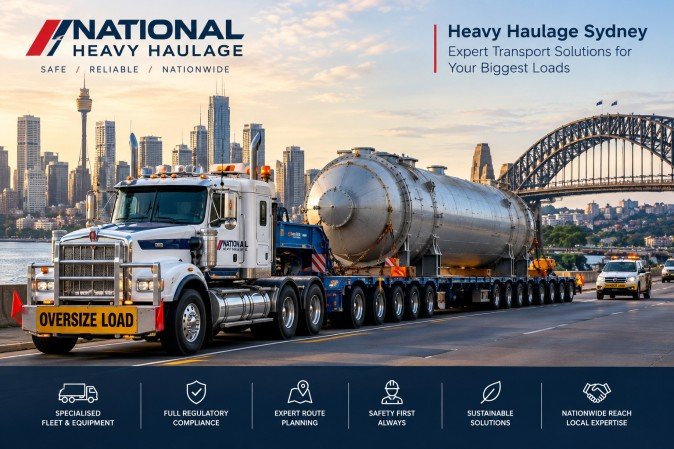
Heavy haulage in Sydney requires precise expertise and reliable solutions to transport oversized and overweight loads safely and efficiently. National Heavy Haulage specialises in providing comprehensive heavy haulage Sydney services, ensuring that large-scale transport projects are managed with professionalism and compliance with all legal requirements.
For clients requiring specialised transport, heavy haulage Sydney services offer custom solutions tailored to the unique specifications of each load. This includes detailed route planning, logistical coordination, and the use of advanced equipment designed for the safe movement of heavy items.
Understanding Heavy Haulage in Sydney
Heavy haulage refers to the transportation of items that exceed standard weight and dimensional limits. Sydney’s infrastructure and urban setting pose specific challenges, necessitating a thorough understanding of the region’s regulations and road conditions. National Heavy Haulage’s expertise in navigating these challenges positions it as a leading provider in the industry.
Regulatory Compliance and Permitting
Transporting heavy loads in Sydney requires obtaining the appropriate permits and adhering to regulations established by local and state authorities. National Heavy Haulage assists clients by facilitating the necessary permit applications, ensuring all transportation activities comply with the Heavy Vehicle National Law and other legislations.
Specialised Equipment and Fleet Capabilities
The company maintains a modern fleet equipped with specialised trailers, including extendable trailers, low loaders, and modular platforms. These vehicles are engineered to support various heavy haulage requirements, offering the flexibility to move items such as industrial machinery, construction components, and large infrastructure elements.
Capacity for Diverse Transport Needs
National Heavy Haulage caters to a broad spectrum of industries, providing tailored solutions that address the complexities of each transport task. Whether dealing with abnormal loads or project cargo, the company delivers end-to-end service from initial consultation through to delivery.
Route Planning and Risk Management
Effective route planning minimises risks and optimises transport times, particularly in densely populated areas like Sydney. National Heavy Haulage utilises advanced planning tools to evaluate routes for load restrictions, overhead clearances, and traffic conditions, ensuring smooth transit and reducing the likelihood of disruptions.
Safety Protocols and Training
Safety is paramount in heavy haulage operations. National Heavy Haulage employs highly trained operators who follow stringent safety protocols designed to protect both the load and the public. Continuous training and adherence to industry best practices ensure that each project is executed without compromise.
Client-Focused Service Approach
Recognising the critical nature of heavy haulage projects, National Heavy Haulage emphasises clear communication and personalised service. Clients receive detailed project updates and can rely on experienced staff to address any concerns promptly and professionally.
Environmental Considerations
In undertaking transport operations, the company also considers environmental impacts, striving to minimise emissions and reduce the overall carbon footprint associated with heavy haulage activities in Sydney.
Nationwide Reach with Local Expertise
Although focused on heavy haulage Sydney, National Heavy Haulage has the capacity to manage projects across Australia. This combination of local knowledge with national experience ensures that clients benefit from comprehensive logistical support regardless of project scale or location.
Comprehensive Customer Support
Clients benefit from an integrated approach to heavy haulage that includes pre-transport planning, real-time monitoring, and post-delivery evaluation. This holistic service model contributes to timely, cost-effective, and efficient project outcomes.
Conclusion
For demanding heavy lift and transport requirements in Sydney, National Heavy Haulage delivers expert solutions backed by extensive experience, a modern fleet, and meticulous attention to regulatory compliance and safety. Companies seeking dependable heavy haulage services in Sydney will find that National Heavy Haulage meets and exceeds industry standards to facilitate the successful completion of complex transport projects.

Exploring the Benefits of Kivecube AI & AR for Marketing & Business

What Affects Car Repair Costs and How to Budget for Them

Lift, Implant or Both? How the Degree of Sagging Shapes Your Breast Surgery

Sustainable Store Operations: How Smart Shelving Cuts Retail Waste and Labor Overhead

Resilient Urban Infrastructure: Maximizing Energy Efficiency with Solar LED Street Lighting in Extreme Climates

Best IPTV Subscription UK: Plans, Trials and Buying Checklist

How to Ensure Your Home is Valued Correctly for a Quick Sale

Christopher Dare: The Untold Story of Engineer and Former Husband of Angela Rippon

The 15 Highest-Paid Rugby Players in the World

What Is Fanquer? The Digital Creator Platform Transforming Direct-to-Fan Engagement

Dr Jared Ross: Missouri Appeals Court Upholds Protection Order Over Graphic Torture and Murder Threats

Nancy Hallam: The Inspiring Life, Career, and Success Story Behind Ian Wright’s Wife
How to Ensure Your Home is Valued Correctly for a Quick Sale
Christopher Dare: The Untold Story of Engineer and Former Husband of Angela Rippon
The 15 Highest-Paid Rugby Players in the World
What Is Fanquer? The Digital Creator Platform Transforming Direct-to-Fan Engagement
Dr Jared Ross: Missouri Appeals Court Upholds Protection Order Over Graphic Torture and Murder Threats
Nancy Hallam: The Inspiring Life, Career, and Success Story Behind Ian Wright’s Wife
-
 Real Estate9 months ago
How to Ensure Your Home is Valued Correctly for a Quick Sale
-
Celebrity11 months ago
Christopher Dare: The Untold Story of Engineer and Former Husband of Angela Rippon
-
 Sports6 months ago
The 15 Highest-Paid Rugby Players in the World
-
 Technology5 months ago
What Is Fanquer? The Digital Creator Platform Transforming Direct-to-Fan Engagement
-
 Celebrity5 months ago
Dr Jared Ross: Missouri Appeals Court Upholds Protection Order Over Graphic Torture and Murder Threats
-
Celebrity12 months ago
Nancy Hallam: The Inspiring Life, Career, and Success Story Behind Ian Wright’s Wife
-

 Celebrity8 months ago
Who Is Azriel Crews? Inside the Life and Career of Terry Crews’ Daughter
-
 Celebrity12 months ago
Who Is Maisie Mae Roffey? The Private Life, Family Story, and Quiet Success of Julie Walters’ Daughter