
Blog
How AI Smart Mattresses Track Sleep Health and Adjust Support

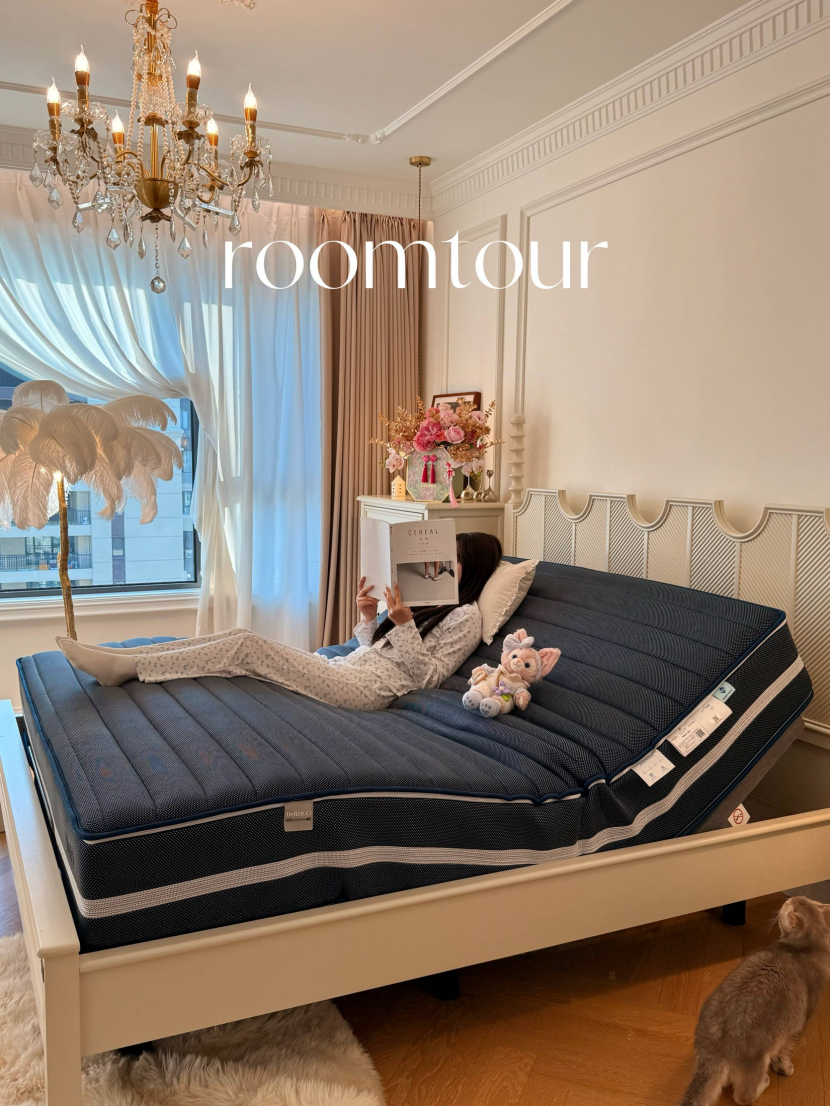
An AI smart mattress reads breathing, heart rhythm, and movement through the bed surface. It turns those signals into nightly patterns, then adjusts support while you sleep. No watch or ring is required. DeRUCCI runs this as a closed loop inside the T11 PRO: sense, analyze, respond.
Eight hours in bed and still groggy? The shortfall usually is not about clock time. It hides in the details. Your breathing drifts out of rhythm. You make a dozen small turns and never notice. Pressure builds at the shoulder or hip. A surface that felt right at midnight feels wrong by 4 a.m. Anyone weighing comfort, wellness features, and a connected bedroom ends up at the same question. What does an AI smart mattress actually monitor, and does it change the night? DeRUCCI treats the bed as a system, not a cushion. It listens overnight, reads the pattern, and shifts support so you are not reaching for a remote at 2 a.m.
What Does Mattress-Based AI Sleep Monitoring Actually Mean?
It means the bed tracks your body signals through the night and converts them into readable patterns. Over repeated use, it learns to hold your rest steadier.
A standard mattress makes one demand. Fit yourself to this surface. An AI mattress reverses that deal. It watches how you settle, how breathing and heart rhythm behave once you drift off, and how pressure moves when you roll over. What you get back is context, not a wall of numbers at breakfast. Did rest stay unbroken? Did you settle quickly after lights out? Did deep, restorative sleep hold for stretches that matter?
Inside DeRUCCI’s T11 PRO, that logic runs through the SleepCare System and the AI Tidal Algorithm 2.0. Three jobs happen at once. The bed catches sleep signals through its surface. The system weighs those signals against sleep science and ergonomics. The support layer answers with automatic comfort changes. So the work happens mid-sleep, not in a morning recap you have to decode from memory.
One number rarely explains a night. A good system looks for repeats instead. It notices when you struggle to drift off, when you shift around, or when your breathing runs uneven. It also flags support that keeps missing your pressure points. The more nights it watches those patterns, the more its feedback tells you about comfort, routine, and rest.
How Does the Mattress Track Sleep Without a Wearable?

Non-contact monitoring relies on sensors set inside the mattress, so the bed follows your rhythm with no watch, ring, or chest strap involved. You lie down as usual while the surface reads movement, pressure, heart rhythm, and breathing.
The idea clicks once you picture how motion travels through a surface. A heartbeat, a breath, and a shift of weight each send faint mechanical signals into the bed. The mattress picks those up, screens out ordinary fidgeting, and keeps the patterns that matter for sleep.
For the T11 PRO, DeRUCCI pairs this with Harvard CPC, short for cardiopulmonary coupling, inside the SleepCare System. Put simply, CPC watches how breathing and heartbeat sync during sleep. Steady rhythms usually mean rest feels settled. When they wander, the body may be stuck in lighter or broken sleep. Because the reading comes through contact with the surface, no bedside gadget is needed.
Comfort is not a footnote here. It is the whole reason the setup works. Plenty of people quit sleep watches and rings. The device feels intrusive, needs charging, or adds one more bedtime chore. A mattress-based system removes that step. You do not strap anything on or top anything up. The bed is the monitor.
Through the night the system can follow heart rate trends, breathing, movement, and sleep phases, with the whole night in view. The benefit is less guesswork. If you keep waking up tired, the report can suggest what happened. Maybe the night broke apart. Maybe deep sleep ran short, or movement spiked after a certain hour.
Which Sleep Metrics Can an AI Mattress Show You?

It can surface nightly sleep duration, breathing, heart rate trends, movement, and time spent in deep, restorative sleep. Those figures earn their keep across several nights, since sleep health is a trend that builds, not a verdict from one evening.
A morning report gives you a real reference point. Rather than leaning only on whether the night felt fine, you get specifics. You can read total rest, how often you moved, whether breathing stayed even, and how much deep sleep you banked. A fuzzy impression turns into something you can act on.
The payoff grows when you zoom out. A single rough night might trace back to travel, stress, a late dinner, a glass of wine, a warm room, or an odd schedule. Several rough nights that rhyme point to a habit worth checking. Say movement climbs in the back half of the night. That can mean comfort slips as you change positions. If breathing keeps varying, it may be worth raising your sleep with a qualified health professional. The mattress builds awareness. It does not diagnose.
The backbone runs deep. DeRUCCI’s analysis draws on more than one million ergonomics data points. Those come from its TS Data Generations 1 through 8 and the China Sleep Big Data Center.
This is also where AI sleep tracking pulls ahead of a step-counter-style summary. A basic tracker stamps the night good or bad. A stronger system explains what drove the result: rhythm, movement, support, and continuity. For a household investing in a premium bedroom, that clarity connects the dots. It links how you sleep to how you feel, how your partner sleeps, and your long-term routines.
How Does Watching Your Sleep Turn into Better Sleep?
Monitoring helps most when the insight triggers a real comfort change. The strongest systems do not stop at the report. They adjust support on their own. DeRUCCI’s AutoFit 6-Zone support and Dual-Drive independent adjustment let the bed react to pressure and movement as the night unfolds.
A fixed mattress hands you the same feel whether you sleep on your back, your side, or halfway between. An AI mattress is built to answer posture changes. Maybe the shoulder wants more give, the waist wants more lift, or one side of the bed wants a different feel entirely. A responsive system can deliver that without you reaching for a setting.
In the T11 PRO, AutoFit 6-Zone support aims to meet each body region on its own terms. Head, shoulders, back, waist, hips, and legs never press in the same way. A single-feel surface can seem cozy at bedtime and thin out after hours of motion. By reading the patterns it tracks, the bed can retune firmness and support on its own, keeping you aligned and cutting the trial-and-error.
Dual-Drive independent adjustment earns its place most with couples. One partner may turn more, want a softer or firmer feel, or need support in a different zone. Because each side tunes on its own, a move on one side is less likely to travel to the other. Tossing and turning stops being a shared problem and becomes something the bed handles side by side.
Independent testing shows why the numbers deserve plain language. Per CAICT lab testing on the DeRUCCI T11+, sleep onset time, the stretch it takes to fall asleep, ran 37.3% shorter. For someone who usually needs 30 minutes, that is roughly 11 minutes saved. Nighttime turnovers dropped 27.5%, so the sleeper tossed almost 30% less, which can hand a partner a calmer night too. Deep, restorative sleep rose 4.5%, and continuous deep sleep rose 5.9%, meaning rest came apart less and restored more under the tested conditions.
Availability should also be clear before readers compare models. The broader T11 series AI smart mattress range issold in Australia, Singapore, Malaysia, and Vietnam, and the T11 SE AI mattress is now available at the DeRUCCI New York store. The broader T11 series is not yet widely available across the United States or Canada, so North American readers should confirm which models are currently offered in their region. Readers can review the DeRUCCI smart sleep system to understand the T11 range and use the global store locator for current regional availability.
A good AI smart mattress should track your signals, explain the pattern in plain words, and adjust comfort while staying inside honest wellness limits.
FAQs
Can an AI smart mattress monitor sleep health without a wearable?
Yes. A well-built AI smart mattress can track sleep with no watch, ring, or chest strap. The DeRUCCI T11 PRO uses built-in sensors and the SleepCare System to read signals through the surface. That lets the bed follow heart rhythm, breathing, movement, and sleep phases while you rest normally.
How is an AI smart mattress different from a sleep tracker?
A sleep tracker mostly records and reports. An AI smart mattress records, analyzes, and responds. The difference is the closed loop. Monitoring captures the signals, analysis names the patterns, and active support retunes comfort through features like AutoFit 6-Zone support and Dual-Drive independent adjustment.
Can an AI mattress diagnose a sleep disorder?
No. It can show patterns tied to sleep quality, breathing, movement, and rest continuity, but it does not diagnose medical conditions. If the data flags a lasting concern, speak with a qualified healthcare professional. The mattress is a wellness and comfort product, not a diagnostic device.
Where is the T11 series sold today?
The broader DeRUCCI T11 series AI smart mattress range is sold in Australia, Singapore, Malaysia, and Vietnam. In North America, the T11 SE AI mattress is now available at the DeRUCCI New York store, but the broader T11 series is not yet widely available across the United States or Canada. Because availability varies by market, readers should check current regional offerings through official DeRUCCI channels before comparing models.
See DeRUCCI in store
To compare comfort properly, a showroom beats a spec sheet. Visit a nearby DeRUCCI store to feel the support, check the fit, and see the models offered in your market. Find one through the global store locator and showroom details.



In Italy, certain dates are secured the way one secures a front-row seat at a couture show: well in advance, and after a private conversation. For sought-after venues and dates, conversations may begin well ahead of the celebration. Choosing a planner also involves finding the right fit: the couple explores the studio’s work, while the team considers the brief, timing, budget and resources the project would require. That initial exchange helps establish whether their expectations and ways of working align.
What Every Destination Wedding in Italy Starts With
A first meeting with one of these studios resembles a fitting with a master tailor, where measurements come before fabrics. The planner wants to know how many guests will cross the ocean to be there and how many days the celebration will span. Next comes the question of service, and of what the couple envisions beyond the wedding itself, from private dinners to luncheons that call for their own arrangements.
These conversations help connect the couple’s wishes with practical considerations, including venue capacities, operating rules and costs. They also give the studio a clearer understanding of the couple’s priorities and the experience they hope to offer their guests.
Why Timing Matters for a Luxury Wedding in Italy
Couples often arrive with an approximate budget and leave with a clearer understanding of the investment required to bring their vision to life. That understanding develops through conversations about priorities, guest numbers, venues and services, with estimates refined as the arrangements become more defined.
Discussing budgeting for a destination wedding in Italy before committing to a venue helps connect those choices from the outset. It also creates an opportunity to consider how spending might be distributed across the celebration and which elements matter most to the couple.
Beginning twelve to eighteen months ahead can allow more time to explore venues, coordinate suppliers and develop bespoke details. The appropriate schedule will depend on the wedding date, availability and the complexity of the brief. A couture gown, embroidered linens or custom stationery may each have their own production requirements, to be discussed with the professionals involved.
How Privacy Becomes Part of the Planning Brief
For couples who value privacy, the planning conversations offer an opportunity to discuss how information and images should be handled. Confidentiality arrangements can be defined with the planner and the suppliers involved, according to the couple’s preferences and the scope of each professional’s work.
Some couples may wish to approve photographs before publication; others may prefer to keep the celebration entirely private. Clarifying those expectations helps establish how images may be shared, who should be consulted and which arrangements need to be recorded in writing.
Discretion can also inform practical decisions about guest information, supplier communications and photography during the event. Any additional measures should be discussed individually, with responsibilities agreed among the people involved.
How a Curated Supplier Network Changes What’s Possible
A curated supplier network can bring different skills, materials and creative perspectives to a wedding project. Depending on the brief, the search might involve specialist textile makers, glass artisans, floral designers or craftspeople producing individual pieces for the celebration.
The planner’s role is to identify professionals whose work suits the couple’s vision and to explore what is feasible within the budget and schedule. Bespoke commissions and privately managed venues each require their own conversations about availability, costs and practical conditions.
Established working relationships can support communication between artisans and event professionals. Clear specifications, realistic production schedules and coordinated responsibilities then help turn the creative proposal into arrangements that can be delivered.
This is precisely the path Nicole Sparvieri has followed. Born in Rome, she has lived in the United States, the United Kingdom and Canada, and refined her eye in London at Quintessentially, producing events for leading international brands. Today she heads the Nicole Sparvieri Company and a global network of specialists, bringing that same care to the weddings she designs in Italy.
What Changes Once the Right Planner Says Yes to a Destination Wedding in Italy
Once the collaboration is confirmed, the project develops according to the agreed brief and planning schedule. Creative proposals may explore the atmosphere of each event, the visual identity and the details that connect the celebration, with the couple involved in the decisions that reflect their priorities.
The planner brings design and logistics into the same conversation, helping the couple understand the options and their practical implications. Communication becomes more structured, with each decision presented at the right time and every detail carefully coordinated.
In the sixteenth century, Baldassare Castiglione gave it a name in The Book of the Courtier: sprezzatura, the art of making what costs study and effort look effortless. A great Italian wedding lives by the same grace. Guests will see only a celebration that glides along with ease, and the credit, as with all truly beautiful things, will stay behind the scenes.


Choosing an inflatable obstacle course for schools takes more thought than buying one for weekend events. The business manager wants proof of safety testing, the PE lead needs to know how many pupils can race, and the site manager wants to know whether everything will fit.
Get those details right, and a school could book you every summer. Before adding a course to your hire fleet, check four things:
- Safety: Does it meet the required standards?
- Capacity: Can it handle the pupils and year groups?
- Space and setup: Will it fit, and can your crew install it?
- Build quality: Will it last, and what aftercare is available?
What Safety Standards Does an Inflatable Obstacle Course Need for Schools?
An inflatable obstacle course used in schools should meet BS EN 14960 and have a current PIPA test. Schools often request proof before booking, so keep the paperwork ready. BS EN 14960 covers inflatable play equipment design, materials, anchoring and safe use. The PIPA tag and certificate confirm the inspection result and show the permitted user height range and maximum number of users.
PIPA tests are annual, so check the date, not just the tag. The Health and Safety Executive advises hirers and users to check for a current inspection. Standards can vary by product and market, so confirm the exact certification before buying.
Who built the course also matters when a school asks for paperwork. If you buy through an importer or reseller, questions about materials, anchoring or test results often have to be passed back to a factory you never deal with, which can slow down a booking. Buying from the manufacturer removes that step. One example is Airquee, a UK and European manufacturer that designs and builds its commercial-grade courses in its own factory. And so, when you buy from its range at airquee.com, questions about testing and certification go straight to the team that made the unit. Its leadership includes a former operator who ran one of the UK’s largest inflatable hire companies, so the courses are designed with hire fleet use in mind.
That direct line helps when a school asks a technical question you cannot answer on the spot, such as a unit’s maximum users or wind limit.
How Many Children Can Go Through an Obstacle Course in an Hour?
Hourly capacity depends on the number of lanes, course length and maximum permitted users shown on the PIPA tag. A twin-lane course can move roughly twice as many pupils as a comparable single-lane model. That is useful when a teacher has 30 children and just 20 minutes for their activity.
Look for:
- Twin or multiple lanes for head-to-head racing.
- Separate entry and exit points to keep queues clear.
- Obstacles that maintain movement, such as tunnels, pop-ups and weave sections, with taller climbs limited to one or two points.
Before quoting, calculate how many races fit into each session without exceeding user limits. If a school has 200 pupils, can you explain how many will finish before lunch? A clear answer makes their planning easier and gives you an advantage over operators who can only guess.
How Much Space Does an Inflatable Assault Course Need?
An inflatable assault course needs its full inflated footprint, required safety zones, blower space, cable routes and a clear exit. Add the manufacturer’s safety zone measurements before checking whether it fits. Ask for site photos or arrange a visit, and check the route from the gate to the setup area. Narrow entrances, steps and corridors can make moving a heavy roll difficult.
Modular courses offer more flexibility. You can separate sections for a smaller school field or join them for larger events. Indoor bookings need extra checks, including ceiling height and suitable ballast weights, since ground stakes are not an option. A flexible course can help you take bookings across different sites.
What Age Is an Obstacle Course Suitable For?
Age suitability depends on the user height range on the PIPA tag. Check this against the year groups attending before allocating a course. A unit intended for younger children would not suit Year 10 pupils, while tall climbs and slides may be too challenging for reception children.
Younger pupils generally need lower climbs, wider gaps and soft pop-ups. Older pupils may prefer steeper climbs, slides and more physical obstacles. Those larger courses can also suit corporate fun days and festivals outside term time. Having courses for different age groups, or adjustable modular sections, gives you more booking options.
How Many People Does It Take to Set Up an Obstacle Course?
Most school-sized obstacle courses need at least two people for setup, although heavier or larger units may require more. School bookings often mean early starts, so check the manufacturer’s crew recommendations before buying.
| What to check | Why it matters |
| Rolled weight | Determines crew size and whether you need a sack truck or tail lift. |
| Number of blowers | Each needs suitable power and safe cable routing. |
| Power requirements | Remote fields may need a generator. |
| Anchoring | Grass needs stakes; playgrounds and halls need suitable ballast. |
| Maximum wind speed | Determines safe operating conditions. Carry an anemometer. |
Modular sections are often easier for smaller crews to handle, helping control wage costs. Allow enough time for packing down too, especially when schools need their field cleared before afternoon pick-up.
What Warranty Should a Commercial Inflatable Come With?
A commercial inflatable should have a written warranty covering materials and seams, with clear repair and retesting terms. School use puts considerable wear on entry steps, landing beds and climbing walls, particularly when hundreds of pupils use the course in one afternoon.
When comparing an inflatable obstacle course for sale, check:
- PVC weight and overall material quality.
- Double stitching at high-wear points.
- Reinforced anchor points for secure installation.
- Warranty duration, coverage and exclusions.
Aftercare matters just as much, so ask who handles repairs, how quickly they are completed and who carries out annual PIPA retesting. A manufacturer that services its own equipment gives you one point of contact when problems arise, helping reduce downtime during the busy summer term.
Ready to Add a Sports Day Course to Your Hire Fleet?
If local schools are already asking about obstacle courses, adding one could be a worthwhile investment. But the best choice is not necessarily the longest course or the one with the biggest slide. It is the one that meets the needs of the schools you want to work with.
Check certification, capacity, footprint, age suitability, setup requirements and aftercare before deciding. Then speak to the manufacturer about specifications, modular options and lead times. You will be better prepared when the first sports day enquiry arrives.

A bedroom can look beautifully furnished and still be frustrating to live in. Clothes pile up on chairs, spare bedding takes over the wardrobe, and the space around the bed becomes increasingly difficult to navigate. Sometimes, the problem isn’t a lack of storage furniture. It’s that the largest piece of furniture in the room isn’t doing enough.
Choosing the right bed can make a noticeable difference to how a bedroom looks and functions. Divan beds are worth considering because they offer a relatively streamlined base, a wide choice of designs and, depending on the model, useful storage beneath the mattress.
But not every divan bed is designed for the same purpose. Some prioritise a clean, understated appearance, while others incorporate drawers or statement headboards. Understanding these differences is essential before investing in a bed that you’ll use every day.
Start With the Space You Actually Have
The most appealing bed in a showroom isn’t necessarily the right one for your bedroom.
Before comparing fabrics, headboards or storage arrangements, measure the room and consider how people move through it. Include the location of doors, radiators, wardrobes and bedside furniture.
Standard UK mattress dimensions provide a useful starting point:
| Bed size | Standard mattress dimensions |
| Single | 90 × 190 cm |
| Small double | 120 × 190 cm |
| Double | 135 × 190 cm |
| King | 150 × 200 cm |
| Super king | 180 × 200 cm |
These measurements describe mattress sizes, not necessarily the full dimensions of the finished bed. Upholstered frames, headboards and footboards can increase the overall footprint.
For example, a standard double mattress is 135 cm wide. In a bedroom measuring 270 cm across, that theoretically leaves 135 cm of additional width. Once you account for bedside tables, skirting boards and comfortable walking space, however, the layout can become much tighter.
Use masking tape on the floor to mark the bed’s proposed position. It’s a simple way to discover whether wardrobe doors can still open properly and whether you’ll have enough room to make the bed comfortably.
Choose Storage Based on How You’ll Use It
Under-bed storage sounds convenient, but its usefulness depends on how easily you can access it.
A divan base with drawers can be particularly practical for storing spare pillowcases, seasonal clothing, extra blankets and other items that don’t require daily access.
The important question is where those drawers will open.
If one side of the bed sits against a wall, drawers on that side may be difficult to use. Similarly, a bedside cabinet could obstruct a drawer even when the room appears spacious enough.
Consider three points before choosing a storage configuration:
- Accessibility: Can every drawer open without moving another piece of furniture?
- Capacity: Will the available compartments accommodate the items you intend to store?
- Convenience: How frequently will you need to retrieve those items?
It’s also worth distinguishing between drawer divans and ottoman-style beds. Ottoman storage generally involves lifting the mattress platform to access a larger compartment. Drawers provide more direct access to separate sections. Neither is automatically better; the most suitable choice depends on the room layout and storage requirements.
When comparing divan bed styles and storage options, look closely at which features are included in each configuration. A model offered with optional storage may not have drawers as standard.
Don’t Overlook the Bed Base
Mattresses tend to receive most of the attention when people shop for a new bed. Yet the base plays an important supporting role.
A divan base provides the surface beneath the mattress and contributes to the overall height, stability and feel of the bed. Different base constructions can also affect how a compatible mattress performs.
A firm platform-top base generally creates a more stable, consistent foundation. A sprung divan base, where available, incorporates additional cushioning that may change the overall feel.
Neither option guarantees better comfort for everyone.
The right combination depends on mattress construction, manufacturer recommendations, body weight and personal preferences. A supportive base cannot compensate for a worn-out or unsuitable mattress.
If you’re replacing only the bed base, confirm that your existing mattress is compatible. Check its dimensions and condition rather than assuming that two products labelled ‘double’ will automatically work together.
Think Beyond the Headboard
A bed often sets the visual direction for the entire bedroom.
A simple upholstered divan can work particularly well in a compact space because its relatively neat silhouette doesn’t compete with surrounding furniture. Neutral fabrics can create a calm foundation for patterned bedding, textured cushions and decorative lighting.
More decorative styles, including beds with wings or substantial footboards, can introduce structure and make the bed a stronger focal point.
The key is proportion.
A tall, generously padded headboard may look impressive against a wide, uninterrupted wall. The same design could dominate a narrow bedroom with low ceilings or awkward architectural features.
Before choosing a statement design, consider the height of the wall behind the bed, the position of sockets and switches, and whether curtains or nearby furniture will interrupt the overall appearance.
Fabric deserves equally careful consideration. Textured upholstery can introduce warmth and depth, but cleaning requirements vary. Always check the recommended care instructions, particularly in households with children or pets.
Make the Bedroom Work as One Space
A well-chosen bed is only one part of a functional bedroom.
Rather than adding more furniture whenever storage becomes limited, consider whether your existing pieces serve a clear purpose.
A large chest of drawers might offer substantial capacity but leave little room to move. Two oversized bedside cabinets may be less useful than slimmer tables with a single practical drawer.
Think about the room in terms of three everyday activities: sleeping, getting dressed and moving around.
Each should feel easy.
If the bed includes storage, you may be able to reduce the amount of freestanding furniture needed elsewhere. This can leave more visible floor area and make the bedroom appear less crowded.
Lighting also influences the result. Wall-mounted bedside lights, where suitable, can free up table surfaces, while a combination of general and softer ambient lighting makes the room adaptable throughout the day.
A coordinated bedroom doesn’t require everything to match. It requires furniture that works together without competing for space.
Check the Practical Details Before Ordering
A bed purchase shouldn’t be decided by appearance alone.
Delivery and assembly deserve attention, particularly in homes with narrow staircases, small landings or restricted entrances.
Some divan bases are supplied in separate sections, but construction varies by product. Confirm the individual component measurements rather than relying on the overall bed dimensions.
It’s also sensible to check whether the headboard is included, which storage configuration is being ordered, and whether a mattress is sold separately.
Retailers such as AR Beds offer different bedroom furniture categories, making it possible to compare divan designs with other bed styles before settling on a particular layout.
That comparison matters because a divan isn’t necessarily the right choice for every room. Someone who prefers visible floor space beneath the bed, for instance, may find a raised bed frame more suitable.
The objective isn’t simply to choose a fashionable design. It’s to find a bed that suits your space and daily routine.
A Simple Checklist for Choosing the Right Divan Bed
Before making a final decision, ask yourself:
- Does the complete bed fit comfortably without obstructing doors or storage furniture?
- Is the mattress size suitable for the people who will use it?
- If storage is included, can every compartment be accessed easily?
- Does the base provide appropriate support for the intended mattress?
- Will the headboard and upholstery complement the room without overwhelming it?
- Can the bed components be delivered through the available access points?
These questions help eliminate unsuitable options before minor differences in colour or styling become distractions.
Final Thoughts
The best bedroom upgrades aren’t always the most dramatic. Sometimes, replacing one poorly suited piece of furniture makes the entire room easier to use.
A carefully chosen divan bed can provide a tidy foundation for the bedroom, complement your interior style and offer practical storage where the selected design allows.
Focus first on dimensions, access and comfort. Once those essentials are right, upholstery and decorative details become much easier to choose.
A bedroom should feel restful, but it should also work effortlessly around everyday life. The right bed can help achieve both.

Inside the Selection Process Behind Italy’s Most Exclusive Destination Weddings

7 jewellery schools that take complete beginners

9 Most Popular AI Courses Professionals Are Choosing This Year, and What Sets Them Apart

Football Statistics That Matter When Analysing an Upcoming Match

Understanding Homecare Services: A Guide for Bromley Families

Beyond the Homepage: How Web Development and Business Automation Build a Stronger Online Presence

How to Ensure Your Home is Valued Correctly for a Quick Sale

Christopher Dare: The Untold Story of Engineer and Former Husband of Angela Rippon

The 15 Highest-Paid Rugby Players in the World

What Is Fanquer? The Digital Creator Platform Transforming Direct-to-Fan Engagement

Dr Jared Ross: Missouri Appeals Court Upholds Protection Order Over Graphic Torture and Murder Threats

Nancy Hallam: The Inspiring Life, Career, and Success Story Behind Ian Wright’s Wife
How to Ensure Your Home is Valued Correctly for a Quick Sale
Christopher Dare: The Untold Story of Engineer and Former Husband of Angela Rippon
The 15 Highest-Paid Rugby Players in the World
What Is Fanquer? The Digital Creator Platform Transforming Direct-to-Fan Engagement
Dr Jared Ross: Missouri Appeals Court Upholds Protection Order Over Graphic Torture and Murder Threats
Nancy Hallam: The Inspiring Life, Career, and Success Story Behind Ian Wright’s Wife
-
 Real Estate9 months ago
How to Ensure Your Home is Valued Correctly for a Quick Sale
-
Celebrity12 months ago
Christopher Dare: The Untold Story of Engineer and Former Husband of Angela Rippon
-
 Sports6 months ago
The 15 Highest-Paid Rugby Players in the World
-
 Technology5 months ago
What Is Fanquer? The Digital Creator Platform Transforming Direct-to-Fan Engagement
-
 Celebrity5 months ago
Dr Jared Ross: Missouri Appeals Court Upholds Protection Order Over Graphic Torture and Murder Threats
-
Celebrity1 year ago
Nancy Hallam: The Inspiring Life, Career, and Success Story Behind Ian Wright’s Wife
-

 Celebrity8 months ago
Who Is Azriel Crews? Inside the Life and Career of Terry Crews’ Daughter
-
 Celebrity12 months ago
Who Is Maisie Mae Roffey? The Private Life, Family Story, and Quiet Success of Julie Walters’ Daughter