
Fashion
10 Y2K Staples That Are Easy to Wear Every Day


The Y2K fashion trend is back with a bang, combining retro early 2000s style with comfort. Rather than wearing complete head-to-toe in vintage-inspired styles, most fashion followers now have some of the Y2K classics in their daily collections. They are versatile and can be styled in a variety of ways, are comfortable, and can be used during both casual events and weekend outings.
The Voghion website is a good place to begin in case you are in need of cheap Y2K fashion. Voghion is an emerging European online marketplace that unites a plethora of merchants in the fields of fashion, jewelry, beauty, electronics, household goods, and so on. Its fashion line also features fashionable clothes, accessories, shoes, bags, and jewelry that will allow me to create an entire wardrobe that is Y2K-inspired without spending an excessive amount of money.
The y2k necklace is one of the accessories that has still dominated the Y2K fashion. Butterfly pendants and big chains, rhinestone chokers and multiple necklaces made of silver make these items an immediate upgrade to even the most basic ensemble. The Voghion site features a wide variety of fashionable jewelry, as well as clothing and accessories, which enables customers to have a full outfit under a single roof.
1. Baby Tees
One of the simplest Y2K items to wear daily is baby tees. Their tailored silhouette is the best match with oversized bottoms, which form the balance of the 2000s.
Style them with:
– Baggy jeans
– Cargo pants
– Denim skirts
– Wide-leg trousers
Wear neutral colors to be as versatile as possible or graphic prints to have a cute appearance.
2. Baggy Denim Jeans
Baggy jeans continue to be a must-have in the wardrobe. They are comfortable and provide all outfits with a casual street-wear feeling.
Popular styles include:
– Light-wash denim
– Wide-leg jeans
– Straight-leg fits
– Mid-rise and low-rise constructions.
Combine them with sneakers, crop tops, or oversized hoodies.
3. Mini Shoulder Bags
Shoulder bags are convenient, and at the same time present a Y2K boost. They carry daily essentials without being bulky.
Popular colors include:
– Black
– White
– Metallic silver
– Baby pink
– Lavender
The bags can be used with casual, office-casual and weekend clothing.
4. Cargo Pants
Cargo pants are still prevalent in contemporary streetwear because of their loose-fitting and useful pockets.
The neutral colors such as olive, black, beige and gray go well with almost all tops in your wardrobe.
Pair them with tight tank tops, infant T-shirts or loose sweatshirts.
5. Platform Sneakers
Platform sneakers provide additional height but are comfortable enough to be worn on a daily basis.
They complement:
– Cargo pants
– Wide-leg jeans
– Mini skirts
– Denim shorts
– Casual dresses
White platform sneakers can be used particularly because they can be paired with virtually any outfit.
6. Oversized Zip Hoodies
Oversized hoodies have been one of the most popular Y2K pieces to wear.
Over a zip-up hoodie can be worn:
– Tank tops
– Crop tops
– Baby tees
– Casual dresses
The neutral colors ensure that it is even easier to style during all the seasons.
7. Pleated Mini Skirts
Pleated skirts have come back as a new wearable.
To wear on a daily basis, dress them with:
– Oversized sweaters
– Sneakers
– Denim jackets
– Crew socks
This makes it a well-balanced outfit which does not appear overdone.
8. Ribbed Tank Tops
One of the most basic wardrobe is a ribbed tank top.
Wear jeans or shorts during warmer seasons.
Layering layer it under when temperatures are low:
– Leather jackets
– Denim jackets
– Cardigans
– Hoodies
It is a good investment due to its versatility.
9. Oversized Denim Jackets
A denim jacket that is oversized will complete an instant Y2K outfit.
It combines well with:
– Dresses
– Cargo pants
– Baggy jeans
– Mini skirts
– Shorts
The most practical is light blue denim that can be worn all year round.
10. Y2K Necklace
The Y2K style is usually characterized by accessories, and the y2k necklace is not an exception.
Popular styles include:
– Butterfly pendants
– Heart lockets
– Layered chains
– Rhinestone chokers
– Pearl chokers
– Star pendants
Silver finishes remain particularly popular as they mix with denim and neutrals so well.
Comparison Table: Everyday Y2K Staples
| Y2K Staple | Best For | Styling Difficulty | Everyday Rating |
| Baby Tee | Casual outfits | Easy | ⭐⭐⭐⭐⭐ |
| Baggy Jeans | Daily wear | Easy | ⭐⭐⭐⭐⭐ |
| Cargo Pants | Streetwear | Easy | ⭐⭐⭐⭐⭐ |
| Platform Sneakers | Walking & casual | Easy | ⭐⭐⭐⭐⭐ |
| Mini Shoulder Bag | Accessories | Very Easy | ⭐⭐⭐⭐⭐ |
| Oversized Hoodie | Layering | Very Easy | ⭐⭐⭐⭐⭐ |
| Pleated Mini Skirt | Weekend outfits | Medium | ⭐⭐⭐⭐ |
| Ribbed Tank | Layering | Very Easy | ⭐⭐⭐⭐⭐ |
| Denim Jacket | All seasons | Very Easy | ⭐⭐⭐⭐⭐ |
| Y2K Necklace | Finishing touch | Very Easy | ⭐⭐⭐⭐⭐ |
Why Shop on the Voghion Website?
Voghion has developed to be an extensive European e-commerce site with fashion being one of the most successful types. It was established in 2021 and has clothing, footwear, jewellery, accessories, beauty products, electronics and home goods among others. Fashion shoppers are able to shop in categories of women’s clothing, denim, bags, shoes and jewellery, under one roof. Additional features on the platform also include Flash Deals, Weekly Selection, Clearance Sale, Local Warehouse offers, and collections based on season to enable the shoppers to uncover products with value.
Frequently Asked Questions
1. What is the Y2K fashion?
Y2K fashion is based on the fashion of the late 1990s and early 2000s. It includes dress-up denim, tight tops, platform shoes, trousers, mini bags and ornamental jewelry.
2. Is it possible to use Y2K clothing on a daily basis?
Yes. The Y2K staples are mostly sensible items that can be easily mixed with current fashion, so they can be put on both daily and on special occasions.
3. Which kind of necklace of y2k is in fashion?
Butterfly pendants, strands of silver, rhinestone chokers, and heart lockets are also one of the most popular ones.
4. Why does the Voghion site feature the popular Y2K fashion?
Voghion is an expanding European online store that is selling fashion, jewelry, footwear, bags, beauty products, electronics and home items among various sellers. With its low cost and an extensive selection, it is an easy place to find to recreate the Y2K look.
Final Thoughts
You don’t need to completely change your wardrobe to embrace Y2K fashion. Some well-chosen staples, including baggy jeans, baby tees, cargo pants, platform sneakers, mini shoulder bags, a trendy y2k necklace can easily give your daily wardrobe a fresh look. It is also easier to shop on the voghion site and have trendy outfits assembled in a single location, which will blend nostalgia with modern comfort: affordable clothing and accessories.


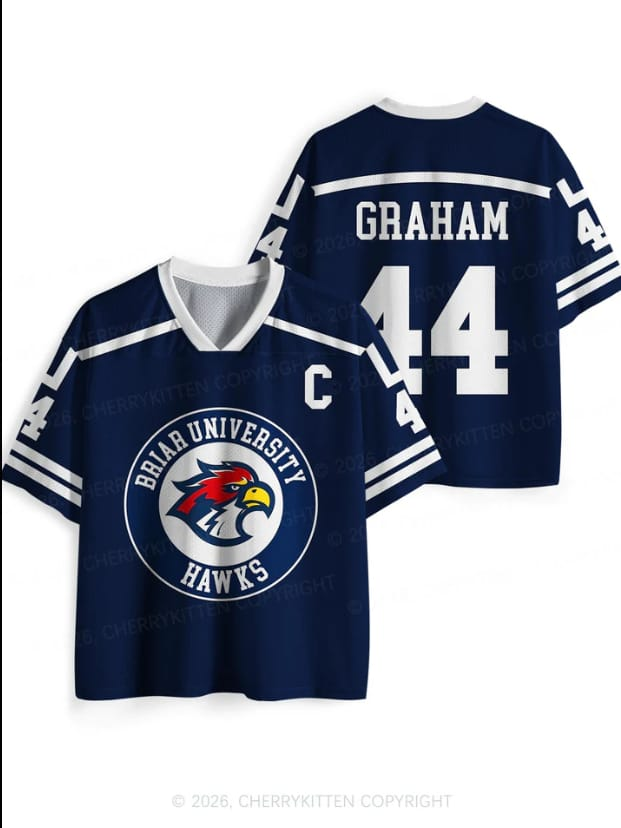
Fashion trends from the early 2000s continue to influence modern wardrobes, and the low-rise flare trend is one of the most iconic styles making a major comeback. Known for its flattering silhouette, retro charm, and effortless attitude, low-rise flare pants bring a nostalgic Y2K energy to everyday outfits. Whether you’re creating a casual streetwear look or a bold statement style, the right combination of tops, accessories, and layers can make this trend feel fresh and modern. Pairing your outfit with a y2k sport jersey or y2k jersey adds a sporty touch while keeping your CherryKitten-inspired look trendy and confident.
Why Low-Rise Flares Are Back
Low-rise flare pants became a defining fashion trend of the early 2000s, loved for their relaxed yet stylish appearance.
Today’s revival combines the original Y2K aesthetic with updated fits, comfortable fabrics, and modern styling options. Their ability to create a long, balanced silhouette makes them a favorite among fashion lovers looking for a retro-inspired outfit.
Choose the Right Fit
Confidence starts with finding a pair of low-rise flares that feel comfortable.
Look for styles that fit well around the hips while allowing enough movement throughout the day. Stretch fabrics and quality materials can provide both comfort and a flattering shape.
The right fit helps you feel confident while embracing the trend.
Pair with Fitted Tops
Low-rise flares look especially stylish when balanced with fitted tops.
Crop tanks, baby tees, graphic shirts, and fitted sweaters create a flattering contrast with the wider shape of flare pants. This combination highlights the classic Y2K silhouette while keeping the outfit modern.
CherryKitten-inspired pieces make it easy to build this nostalgic look.
Add Layers for Extra Style
Layering can make your outfit more interesting and versatile.
Try adding oversized jackets, cropped hoodies, denim layers, or sporty jerseys to create a streetwear-inspired appearance. These pieces add dimension while making your outfit suitable for different seasons.
A stylish y2k sport jersey or y2k jersey can bring a unique athletic edge to your retro look.
Complete the Outfit with Accessories
Accessories are essential for achieving the perfect Y2K-inspired style.
Popular choices include:
- Mini handbags, chunky sneakers, platform boots, layered necklaces, hoop earrings, oversized sunglasses, and statement belts.
These details add personality and help transform a simple outfit into a fashionable statement.
Experiment with Colors and Textures
The low-rise flare trend gives you plenty of room to explore different styles.
Try bold colors, denim finishes, metallic details, or patterned designs to create unique outfits. Mixing textures can add depth and make your look feel more creative.
Fashion is about experimenting and finding combinations that represent your personality.
Create Casual Everyday Looks
Low-rise flares are surprisingly versatile for daily wear.
Pair them with sneakers, a simple tee, and a lightweight jacket for a relaxed outfit perfect for coffee runs, shopping trips, or casual meetups.
Small styling changes can completely transform the same pair of pants.
Dress Them Up for Special Occasions
Low-rise flares can also create stylish evening outfits.
Pair them with a sleek top, statement jewelry, and heeled shoes for a more polished appearance. Adding elegant accessories can turn a casual Y2K-inspired outfit into a sophisticated look.
Confidence Is the Key Element
The best fashion accessory is confidence.
Trends become more stylish when you wear them in a way that feels authentic to you. Whether you prefer a bold Y2K outfit or a subtle retro-inspired look, confidence helps every piece look better.
CherryKitten encourages fashion lovers to embrace their individuality.
Why Choose CherryKitten?
CherryKitten combines nostalgic Y2K influences with modern streetwear trends to create fashionable pieces for confident individuals.
From statement tops to trendy layers and accessories, CherryKitten offers versatile styles that help you build outfits that feel unique and expressive.
Every piece is designed to celebrate creativity, comfort, and personal style.
Final Thoughts
The low-rise flare trend is a perfect example of how Y2K fashion continues to inspire modern style. With the right fit, creative layering, and fashionable accessories, you can create outfits that feel both nostalgic and fresh. Add a trendy y2k sport jersey or y2k jersey for a sporty twist and complete your CherryKitten-inspired look with confidence. Embrace the retro comeback and make the low-rise flare trend your own.
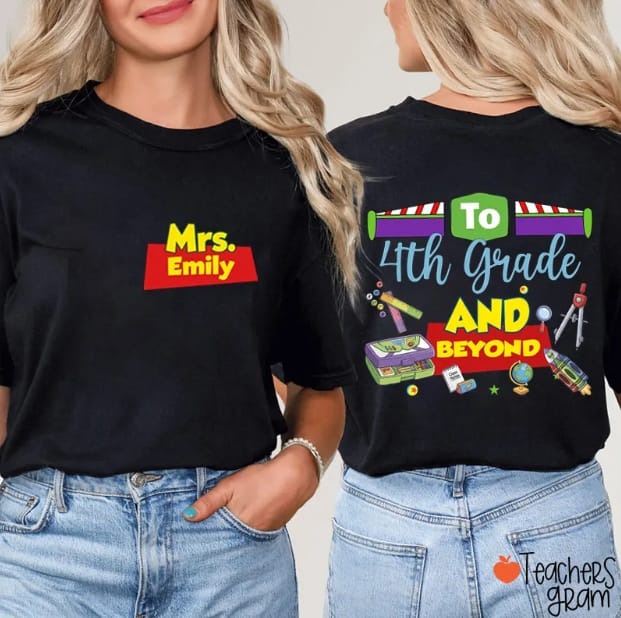
The beginning of a new school year is an exciting time for educators. It’s a season filled with fresh opportunities, new students, and the chance to create a positive classroom environment from day one. While lesson planning and classroom preparation are essential, updating your wardrobe can also help you start the year with confidence. The Teachersgram First Day Collection offers stylish apparel designed specifically for teachers who want to combine comfort, creativity, and professionalism. Whether you’re searching for trendy teacher shirts or unique back to school shirts, this collection has everything you need for a successful start to the school year.
A Collection Designed for Teachers
Unlike ordinary apparel brands, Teachersgram focuses on clothing created exclusively for educators. Every design reflects classroom life, educational inspiration, and the excitement of welcoming students back to school.
From preschool to high school, teachers can find styles that match their personality and teaching approach while celebrating their passion for education.
Stylish Designs That Stand Out
The Teachersgram First Day Collection features a variety of creative designs inspired by books, pencils, apples, school supplies, motivational quotes, and colorful educational artwork.
These unique designs help teachers express their individuality while creating a friendly and engaging classroom atmosphere that students appreciate.
Comfortable for Busy Classroom Days
Teachers spend much of the day standing, walking, helping students, and leading classroom activities. Comfortable clothing is essential for staying energized throughout the school day.
Teachersgram uses soft, breathable fabrics that provide all-day comfort without sacrificing style, making every shirt suitable for everyday classroom wear.
Creative teacher shirts for Every Personality
Every educator has a different teaching style, and Teachersgram offers designs to match. Whether you prefer playful classroom graphics, minimalist artwork, inspirational sayings, or modern typography, the collection includes something for everyone.
This variety allows teachers to showcase both their creativity and professionalism.
Perfect Beyond the First Day
Although designed for the first day of school, these shirts remain excellent choices throughout the academic year. Teachers wear them during school spirit weeks, parent-teacher conferences, classroom celebrations, teacher appreciation events, educational workshops, and open houses.
Their timeless educational themes make them wardrobe essentials.
Easy to Style Every Day
Teachersgram apparel pairs effortlessly with jeans, skirts, leggings, dress pants, cardigans, and lightweight jackets. Teachers can easily create stylish, classroom-ready outfits without spending extra time coordinating their wardrobe.
The versatility of the collection makes getting ready each morning simple and enjoyable.
High-Quality Materials That Last
Teachers need apparel that maintains its appearance after frequent washing and daily classroom activities. Teachersgram emphasizes premium fabrics and durable printing to ensure every shirt remains soft, vibrant, and comfortable throughout the school year.
This attention to quality provides lasting value for educators.
A Great Gift for Teachers
The Teachersgram First Day Collection also makes a thoughtful gift for educators. Whether you’re celebrating a first-year teacher, welcoming a new colleague, or recognizing Teacher Appreciation Week, these shirts combine practicality with meaningful educational themes.
Teachers appreciate apparel that reflects their dedication and passion for teaching.
Why Teachers Recommend Teachersgram
Teachersgram has become a trusted destination for educators looking for clothing that combines creativity, comfort, and classroom-inspired style. With a wide selection of back to school shirts, exclusive educational designs, and dependable quality, Teachersgram helps teachers feel confident and prepared for the new school year.
Conclusion
The right outfit can make the first day of school even more exciting by helping teachers feel comfortable, confident, and ready to inspire students. The Teachersgram First Day Collection delivers stylish designs, premium comfort, and classroom-ready apparel for educators of every grade level.
Whether you’re shopping for fashionable back to school shirts Teachersgram offers high-quality apparel that celebrates the teaching profession and helps every educator begin the new school year with confidence, enthusiasm, and style.

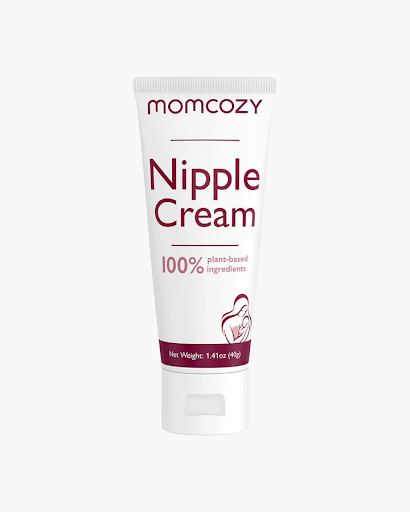
For many mothers, especially those returning to work, pumping is a lifeline that keeps their breastfeeding journey going. But the physical toll it takes on your body is something few people talk about openly. Unlike nursing directly, the repetitive suction of a breast pump can leave nipples feeling raw, dry, and irritated — sometimes after just a few sessions. When discomfort builds up over days and weeks, it can make an already demanding routine feel overwhelming.
Nipple cream is one of the most effective and underutilized tools for managing this challenge. More than just a soothing product, it serves as a protective barrier, an active healer, and a daily comfort ritual that helps your skin keep pace with a demanding pumping schedule. The right cream, used consistently and correctly, can make a measurable difference in how pumping feels — and how long you’re able to sustain it.
This guide is designed to give you practical, straightforward advice on everything from choosing the best nipple cream for your needs to building a simple application routine that fits into even the busiest days. Whether you’re just starting out or dealing with persistent soreness, you’ll find actionable steps here to help you pump with greater comfort and confidence.
Why Nipple Cream is Essential for Pumping Moms
Pumping puts your body through a type of physical stress that breastfeeding alone simply doesn’t replicate. When a baby nurses, the latch creates a natural seal that distributes pressure across a wider area, and the feeding rhythm is self-regulated. A breast pump, by contrast, applies consistent mechanical suction in a fixed, repetitive cycle — sometimes six to eight times a day for working mothers. Over time, this relentless friction and vacuum pressure strip away the skin’s natural moisture, leaving nipple tissue dry, tender, and increasingly vulnerable to cracking.
The moisture cycle itself becomes a problem. During pumping, the skin is repeatedly exposed to suction and warmth, then left damp inside a flange after the session ends. That cycle of wetting and drying is one of the leading causes of nipple irritation for pumping moms. Unlike direct nursing, where a baby’s saliva provides some natural lubrication and the skin recovers between feeds, pumping offers no such buffer. The skin has to withstand mechanical stress without any biological compensation.
This is exactly where nipple cream earns its place in your routine. A quality nipple cream does more than provide temporary relief — it creates a physical barrier that shields skin from friction during sessions, seals in moisture to prevent the damaging dry-out effect, and actively supports healing in tissue that’s already stressed. Think of it less as a treatment you reach for when things go wrong and more as daily maintenance that keeps things from going wrong in the first place.
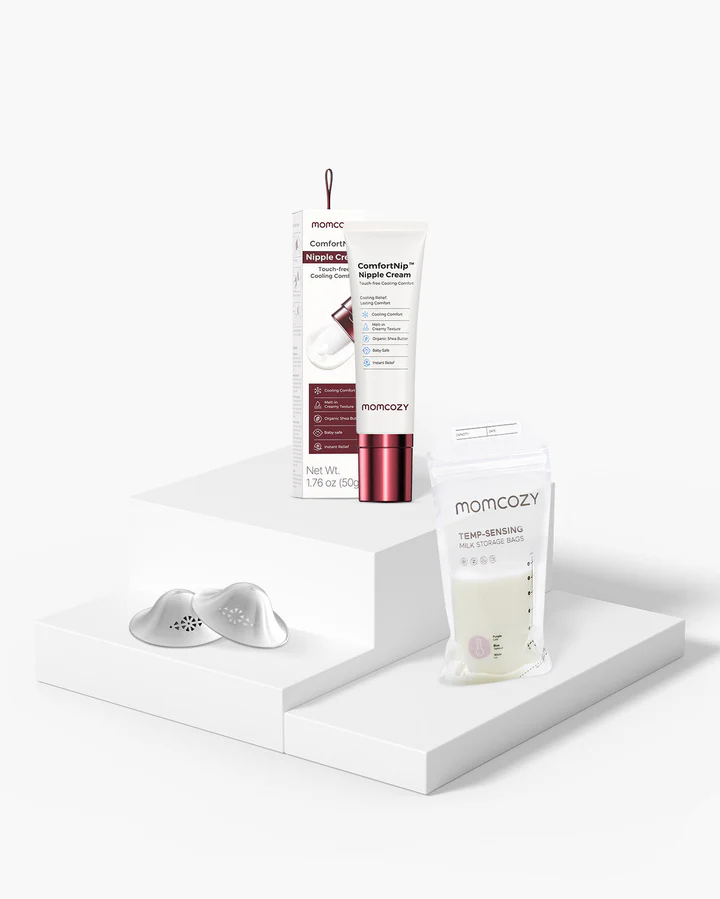
Addressing breastfeeding comfort proactively is especially important because pain has a direct impact on milk letdown. When your body associates pumping with discomfort, it becomes harder to relax enough to express milk efficiently. Using nipple cream consistently isn’t just about skin health — it’s about protecting the entire pumping experience before small irritations turn into real setbacks.
Choosing the Right Nipple Cream for Your Routine
With dozens of options on the market, picking the right nipple cream can feel more complicated than it needs to be. The most important starting point is safety: any cream you apply to your nipples will likely come into contact with your baby during feeding, so it needs to be non-toxic and ideally food-grade. Look for products that are free from artificial fragrances, parabens, and petroleum-based fillers. Beyond safety, the most practical feature a pumping mom can ask for is a formula that doesn’t require removal before feeding or pumping — that single factor eliminates a surprisingly time-consuming step from your day.
Lanolin is the most widely used ingredient in nipple creams, and for good reason. It’s derived from sheep’s wool, mimics the skin’s natural oils, and creates a semi-occlusive barrier that retains moisture without fully blocking airflow. It absorbs slowly but provides long-lasting protection, making it a reliable choice for moms dealing with cracked or raw skin. The main drawback is its thick consistency, which some find sticky or difficult to spread. If you have a wool allergy, lanolin is one to skip entirely.
Plant-based alternatives — particularly those formulated with coconut oil, shea butter, or calendula — have become increasingly popular. These tend to feel lighter on the skin, absorb more quickly, and suit moms who prefer a fully natural or vegan product. Coconut oil on its own has antimicrobial properties and works well for mild dryness, though it may not provide sufficient protection during heavy pumping schedules without reapplication.
Specialty blends that combine multiple moisturizing agents often offer the best of both worlds: the sealing power of a heavier ingredient alongside the fast absorption of lighter oils. Brands focused on the full pumping experience, like Momcozy, tend to develop their nipple creams with this kind of daily, repeated use in mind — formulating for compatibility with flanges and safe contact with infants. When choosing, prioritize a moisturizing nipple cream that stays comfortable under a flange, absorbs without leaving heavy residue, and supports your skin through repeated daily sessions — not just occasional use.
Step-by-Step Guide: How to Apply Nipple Cream for Pumping
Pre-Pumping Preparation and Application
Getting the application right takes less than two minutes, but the difference in how your skin holds up over the course of a day is significant. Start by washing your hands thoroughly — this step matters more than it might seem, since introducing bacteria to already-stressed skin can turn mild irritation into a genuine infection. Before reaching for the cream, make sure your nipples are dry. Applying any moisturizer to damp skin dilutes its effectiveness and can actually trap unwanted moisture against the tissue rather than sealing in the kind your skin needs.
Dispense a pea-sized amount of cream onto your fingertip — roughly the size of a small blueberry. That’s enough to cover both nipples with a thin, even layer. More isn’t better here; a thick application can interfere with flange fit and feel uncomfortable under suction. Use the pad of your finger to spread the cream in gentle circular motions, working from the center outward. Avoid rubbing or pressing hard, especially if the skin is already tender. Once applied, give the cream thirty to sixty seconds to settle before positioning your flanges. This brief window allows the product to begin forming its protective layer rather than being immediately displaced by the equipment.
During and Post-Pumping Care
If you’ve chosen a food-grade, lanolin-based, or plant-based cream that’s labeled safe for nursing, there’s no need to remove it before pumping. That’s intentional — the cream works throughout your session, reducing friction as the flange moves and maintaining the skin’s moisture balance under suction. Wiping it off beforehand negates the protection it was meant to provide and adds unnecessary steps to an already time-pressured routine.
After the session ends, resist the urge to scrub or aggressively dry your nipples. Pat them gently with a clean cloth or let them air dry for a minute. If your cream has been fully absorbed or the skin feels tight, apply another thin layer before putting your bra back on. This post-pump reapplication is actually the most important one — it locks in moisture during the recovery window between sessions, when the skin is most vulnerable to drying out. If you notice any residue from the cream that you’d like to clear before a feeding, a soft, damp cloth is all you need; harsh soaps strip the skin’s natural oils and undo the work the cream has done. For moms pumping six or more times daily, a simple rule of thumb is to reapply every other session at minimum, and after every session if your skin is showing signs of cracking or peeling.
Integrating Nipple Cream into a Busy Pumping Schedule
For working moms juggling meetings, commutes, and designated pumping breaks that rarely go according to plan, the biggest barrier to consistent nipple cream use isn’t motivation — it’s logistics. The fix is simpler than most people expect: keep a dedicated tube in your pump bag, separate from any you store at home. When the cream is already where you’re pumping, it removes the mental step of remembering to bring it, which is often all it takes to skip it altogether. A small travel-sized tube fits easily in any bag compartment and means you’re never caught without it during a back-to-back workday.
Building reapplication into the end of every pumping session works best when you treat it as part of winding down rather than an optional add-on. After you’ve detached your flanges and stored your milk, apply your cream before reassembling your bra. Doing it in this fixed sequence — pump, store, cream, dress — takes less than ninety seconds and quickly becomes automatic. That consistency is what separates moms who see real improvement in skin condition from those who use cream sporadically and wonder why they’re still uncomfortable.
On days when soreness is more acute — whether from a longer pumping stretch, a new flange size, or skin that’s visibly cracking — hydrogel pads used between sessions can pair well with your nipple cream routine. Apply the cream immediately after pumping, let it absorb, and then place a chilled hydrogel pad on top during your break for additional soothing relief. The two work in different ways, and together they address both the surface pain and the underlying skin repair.
It’s also worth taking thirty seconds every few days to genuinely check in with your skin. Redness, peeling, or persistent tenderness that doesn’t improve with consistent cream use may signal a fit issue with your flanges or the early signs of an infection — both of which are worth addressing with your lactation consultant sooner rather than later. Nipple cream does its best work as part of an attentive routine, not as a substitute for one.
Building Comfort into Your Daily Pumping Routine
Pumping is demanding enough without adding avoidable skin pain to the equation. As this guide has covered, nipple cream isn’t a luxury or a last resort — it’s a frontline tool for preventing the dryness, cracking, and irritation that come from repeated mechanical suction. The skin on your nipples simply isn’t built to handle that kind of daily stress without support, and a quality cream applied consistently gives it the protection and recovery it needs to keep up.
The practical takeaways are straightforward: choose a formula that’s safe, effective under a flange, and ideally requires no removal before feeding or pumping. Apply it before and after every session using a thin, even layer. Keep a tube in your pump bag so it’s always within reach. Build reapplication into the fixed sequence of your pumping routine until it becomes second nature. None of these steps require significant time or effort — but together, they make a real difference in how your body holds up across weeks and months of pumping.
More than anything, prioritizing your own physical comfort isn’t a small thing. It directly supports milk letdown, sustains your pumping routine longer, and makes the overall breastfeeding experience more manageable. You’re already doing the hard work — a consistent nipple cream routine is one of the simplest ways to make sure that work doesn’t come at unnecessary cost to your body.

How to Plan the Perfect Pre Theatre Dinner Covent Garden Experience

Building a Comfortable and Productive Workspace

Top 10 Business Storage Solutions in London for Growing Companies

Big Puff Vapes UK 2026: 30K vs 60K — Which Should You Buy?

Why Capital-Heavy Industries Don’t Scare Alejandro Betancourt López

Challenges of AI Testing and How to Overcome Them

The 15 Highest-Paid Rugby Players in the World

Christopher Dare: The Untold Story of Engineer and Former Husband of Angela Rippon

How to Ensure Your Home is Valued Correctly for a Quick Sale

Nancy Hallam: The Inspiring Life, Career, and Success Story Behind Ian Wright’s Wife

Who Is Maisie Mae Roffey? The Private Life, Family Story, and Quiet Success of Julie Walters’ Daughter

Simon Dixon Biography: Lifestyle, Net Worth, Family, Career and Success Story
The 15 Highest-Paid Rugby Players in the World
Christopher Dare: The Untold Story of Engineer and Former Husband of Angela Rippon
How to Ensure Your Home is Valued Correctly for a Quick Sale
Nancy Hallam: The Inspiring Life, Career, and Success Story Behind Ian Wright’s Wife
Who Is Maisie Mae Roffey? The Private Life, Family Story, and Quiet Success of Julie Walters’ Daughter
Simon Dixon Biography: Lifestyle, Net Worth, Family, Career and Success Story
-
 Sports2 months ago
The 15 Highest-Paid Rugby Players in the World
-
Celebrity8 months ago
Christopher Dare: The Untold Story of Engineer and Former Husband of Angela Rippon
-
 Real Estate6 months ago
How to Ensure Your Home is Valued Correctly for a Quick Sale
-
Celebrity9 months ago
Nancy Hallam: The Inspiring Life, Career, and Success Story Behind Ian Wright’s Wife
-
Celebrity8 months ago
Who Is Maisie Mae Roffey? The Private Life, Family Story, and Quiet Success of Julie Walters’ Daughter
-
Business8 months ago
Simon Dixon Biography: Lifestyle, Net Worth, Family, Career and Success Story
-
 Celebrity9 months ago
Johnny Carell: Inside the Life, Family, and Rising Success of Steve Carell’s Son
-
 Celebrity7 months ago
Draven Duncan: Tim Duncan’s Rising Star Son and His Inspiring Basketball Journey