
Blog
What Are Volglaswanden? Everything You Need to Know About Full Glass Walls


Volglaswanden are all-glass partition walls designed to divide interior spaces without using heavy vertical frames between the glass panels. The word comes from Dutch and refers to full glass walls that typically run from floor to ceiling. In English, they are often called frameless glass walls, full glass partition walls, or all-glass office partitions.
Quick Facts
| Feature | Details |
|---|---|
| Main Topic | Volglaswanden |
| English Meaning | Full glass walls or all-glass partition walls |
| Primary Use | Dividing interior spaces while keeping openness and light |
| Common Locations | Offices, meeting rooms, showrooms, homes, clinics, studios |
| Design Style | Minimalist, transparent, modern, architectural |
| Typical Height | Floor-to-ceiling installation |
| Main Material | Tempered or laminated safety glass |
| Common Thickness | 10 mm to 12 mm for many interior applications |
| Main Frame Style | Slim floor and ceiling U-channels |
| Vertical Profiles | Usually none between glass panels |
| Key Advantage | Maximum transparency and daylight flow |
| Privacy Options | Frosted film, branding decals, acoustic glass, smart glass |
| Acoustic Range | Around STC 33 to 48 depending on system type |
| Best For Sound Control | Double glazed or laminated acoustic systems |
| Door Options | Pivot doors, sliding doors, framed doors |
| Safety Feature | Breakage-resistant glass or glass that holds together when damaged |
| Flexibility | Many systems can be demounted and relocated |
| Visual Benefit | Makes rooms appear larger and brighter |
| Commercial Value | Enhances professional image and space efficiency |
| Residential Value | Creates elegant zones without blocking daylight |
| Main Buyer Concern | Balance between transparency, privacy, acoustics, and budget |
Why Volglaswanden Are Popular in Modern Design?
Volglaswanden have become popular because modern interiors need flexibility, daylight, and visual connection. Businesses no longer want dark corridors, boxed-in offices, or layouts that feel rigid. Homeowners also want rooms that feel open but still organized. Full glass walls answer both needs.
The first major benefit is daylight optimization. Natural light can travel deeper through a building when solid barriers are replaced by glass. This can reduce dependence on artificial lighting during the day and create a more pleasant atmosphere. In workplaces, bright interiors often feel more energetic, cleaner, and more inviting.
The second benefit is visual expansion. Glass makes small rooms feel larger because it removes the visual stop created by opaque walls. A narrow hallway can feel wider. A compact office can feel more premium. A meeting room can feel connected to the main floor without losing its identity.
The third benefit is a polished professional image. Glass walls communicate openness, organization, and confidence. In commercial settings, they create a transparent workplace culture while still allowing private areas to exist. In residential settings, they bring an architectural finish that feels refined and contemporary.
Key Construction Features
The construction of a full glass wall looks simple from the outside, but the system requires careful engineering. The glass panels stand vertically and connect edge-to-edge to create a continuous transparent surface. Instead of bulky vertical studs, the panels usually sit inside slim U-channels fixed to the floor and ceiling.
The channels may be aluminum, steel, or wood, depending on the design style. Aluminum remains common because it is lightweight, durable, and easy to finish in colors such as black, silver, bronze, or white. Wooden channels can create a warmer feel in residential or hospitality interiors.
Glass thickness plays an important role. Many interior systems use 10 mm or 12 mm glass. Thicker glass improves stiffness and reduces flexing, especially near doors or tall panels. The glass must also be cut, polished, and installed with precision because small errors can affect alignment, appearance, and acoustic performance.
The defining feature of Volglaswanden is the nearly seamless vertical joint. Adjacent panels meet with polished edges and may be connected with transparent tape, clear silicone, or clear joint profiles. The result is a wide, uninterrupted glass plane that feels light and elegant.
Main Types of Volglaswanden: Single Glazed and Double Glazed Systems
The two most common configurations are single glazed and double glazed systems. Each option serves a different purpose, so the right choice depends on how the room will be used.
A single glazed system uses one pane of glass in each section. It creates the slimmest profile and the cleanest visual effect. This option works well when the main goal is spatial separation, transparency, and style. It suits general offices, reception areas, showrooms, residential zones, and areas where high speech privacy is not essential.
A double glazed system uses two parallel panes of glass with an air gap between them. This design improves acoustic performance significantly. It is often selected for boardrooms, executive offices, HR rooms, legal offices, medical consultation rooms, and private meeting spaces. While it usually costs more than single glazing, it provides stronger privacy and a more enclosed feeling without using solid walls.
Volglaswanden can also include acoustic laminated glass. This glass contains an interlayer that helps dampen sound. It offers a middle ground between standard single glazing and more advanced double glazed systems.
Acoustic Performance and Privacy
Sound control is one of the most important planning factors for any glass wall system. Glass looks open, but people still expect meeting rooms and offices to feel private. Acoustic performance is commonly measured with STC, or Sound Transmission Class. A higher STC rating means the wall blocks more sound.
A standard single glazed wall with 10 mm to 12 mm tempered glass may offer around STC 33 to 36. This reduces some sound, but raised voices may still be understood. It suits casual separation, informal rooms, and spaces where privacy is not critical.
Single glazed acoustic laminated glass may reach around STC 38 to 42. This level can make normal conversation much harder to understand from outside the room. It works well for offices that need better comfort but do not require maximum confidentiality.
Double glazed systems can reach around STC 42 to 48 or higher, depending on the glass composition, air gap, seals, and door type. This option fits private offices, boardrooms, HR spaces, and professional environments where speech privacy matters.
The door is often the weakest point in the system. Sliding glass doors may leave small air gaps around the edges, reducing overall sound control. Framed doors with seals, rubber gaskets, and drop-down thresholds usually perform better when acoustics are a priority.
Safety Glass and Structural Strength
Safety is central to every full glass wall installation. These walls use tempered or laminated safety glass because ordinary glass would be unsuitable for large interior panels. Tempered glass goes through a heat treatment process that makes it much stronger than standard glass. If it breaks, it breaks into small blunt pieces rather than sharp shards.
Laminated glass uses two or more layers of glass bonded with a plastic interlayer, often PVB. If damaged, the broken pieces remain attached to the inner film. This helps the panel stay in place and reduces the risk of injury. Laminated glass also improves acoustic performance, especially when acoustic-grade interlayers are used.
Volglaswanden rely on the strength of the glass panels because they usually do not include vertical mullions. That makes glass quality, panel size, thickness, edge polishing, and installation accuracy very important. A properly specified system can feel stable, secure, and long lasting.
Structural movement must also be considered. Buildings expand, contract, and shift slightly over time. A ceiling channel should allow some deflection so building movement does not press directly onto the glass. Without this protection, pressure from above could stress the panels.
Seamless Joints and Minimal Framing
The beauty of all-glass walls comes from their minimal framing. Instead of using visible vertical bars, the glass panels meet almost directly. This produces a clean architectural line and a transparent surface that feels calm and uncluttered.
There are several ways to treat the joints. Clear dry joints use transparent PVC or polycarbonate profiles between the panels. They are popular because they are easy to install, look discreet, and allow the system to be disassembled later.
Wet joints use clear silicone between panels. This creates a very smooth visual effect and can improve acoustic sealing. However, silicone joints are more permanent and harder to remove cleanly if the wall needs relocation.
Abutted joints place polished glass edges very close together with little visible material between them. This approach can look extremely refined, but it requires very level floors, accurate glass cutting, and careful installation.
The floor and ceiling channels also shape the final appearance. Slim channels between 25 mm and 45 mm wide can almost disappear visually, especially when finished to match the surrounding interior.
Integrated Door Systems
A glass wall is rarely complete without a door. The type of door affects appearance, functionality, acoustics, and space planning. The most common options include pivot doors, sliding glass doors, and framed acoustic doors.
Pivot doors are popular in frameless systems. They rotate on top and bottom pivots or a floor spring mechanism. Many can swing both ways and may include a hold-open position at 90 degrees. They look elegant and work well in offices, showrooms, and residential spaces.
Sliding glass doors save floor space because they move along a track instead of swinging into the room. This makes them useful for compact offices, narrow corridors, and small meeting rooms. Their main disadvantage is lower acoustic sealing unless special seals are added.
Framed doors use slim aluminum or timber frames around the glass. They may look slightly less frameless, but they offer much better sealing. For rooms where confidentiality matters, a framed glass door with rubber gaskets and a drop-down seal often provides the best result.
Volglaswanden can incorporate any of these door options, but the best choice depends on room size, traffic flow, sound control, and design expectations.
Customization Options for Privacy and Branding
Glass walls do not have to be fully transparent at all times. Many projects require privacy, safety markings, branding, or decorative effects. The most common solution is frosted film. It creates a sandblasted look while still allowing light to pass through.
Frosting can cover the entire panel or appear in bands, geometric patterns, gradients, or logo shapes. In offices, this helps prevent accidental collisions with clear glass and adds privacy at eye level. In commercial interiors, branded decals can turn the wall into a subtle marketing feature.
Smart switchable glass provides a more advanced solution. This glass uses a liquid crystal interlayer that changes from transparent to opaque when powered. With a wall switch or remote control, a meeting room can become private instantly. This option costs more, but it offers a strong luxury effect and practical flexibility.
Other customization options include tinted glass, low-iron extra-clear glass, colored films, decorative patterns, and black or bronze hardware. Low-iron glass removes much of the green tint found in standard clear glass, creating a cleaner and more color-neutral look.
Best Applications in Offices and Commercial Spaces
Modern offices are the most common setting for Volglaswanden. They allow companies to build meeting rooms, quiet rooms, management offices, and team zones without losing the open-plan feel. Employees can still see across the workplace, while conversations and activities remain contained inside defined spaces.
Meeting rooms benefit greatly from glass walls. A transparent conference room feels open and connected, which reduces the closed-off feeling of traditional meeting spaces. With the right acoustic glass and sealed doors, the room can still support presentations, interviews, and confidential discussions.
Executive offices also use full glass walls because they balance visibility and privacy. Leaders remain approachable and connected to the team, but they still have a quiet space for calls and focused work.
Retail showrooms use glass partitions to divide product zones without blocking visibility. Clinics and wellness studios use them to create clean, bright treatment rooms. Hotels and hospitality spaces use them to create premium lounges, private dining areas, and elegant interior divisions.
Residential Uses and Interior Design Value
Residential Volglaswanden bring a high-end architectural touch to homes. They work especially well in apartments, lofts, and modern houses where daylight-end architectural touch to homes. They work especially well in apartments and openness matter. Instead of closing rooms with solid walls, glass partitions create zones while keeping the home visually connected.
A glass wall can separate a home office from a living room, allowing someone to work in a defined space without feeling isolated. It can divide a kitchen from a dining area while keeping the social atmosphere open. It can also create a stylish bedroom suite, dressing area, or bathroom boundary when privacy films or switchable glass are added.
In smaller homes, glass partitions help preserve the feeling of space. A solid wall can make a compact apartment feel fragmented, while glass maintains long sightlines. This creates a more spacious and comfortable interior experience.
Designers also use full glass walls to highlight materials such as wood flooring, stone counters, metal frames, and natural light. The glass acts as a quiet background that supports the rest of the interior design instead of competing with it.
Installation Requirements and Planning Factors
Volglaswanden require careful planning before installation. The floor, ceiling, and side walls must be checked for strength, levelness, and alignment. Since glass panels are heavy, the supporting surfaces need to handle the load safely.
A 12 mm glass panel weighs roughly 30 kg per square meter. Large panels can become very heavy, so installers need proper lifting equipment, accurate measurements, and safe handling methods. Poor handling can damage edges, and damaged edges can weaken the glass.
Floor levelness matters because uneven surfaces can create gaps, pressure points, or visible misalignment. Installers may use shims, recessed tracks, or leveling systems to correct minor variations. Ceiling movement also matters, especially in commercial buildings. A deflection channel can help protect the glass from pressure caused by structural movement.
Early planning should also cover doors, power needs for smart glass, access control, fire safety requirements, privacy film, branding, and acoustic targets. Once the glass is manufactured, changes can be costly. Accurate measurement and clear specifications prevent delays and reduce installation problems.
Cost Factors, Long-Term Value, and Buyer Considerations
The cost of a full glass wall depends on several factors. Glass type is one of the biggest drivers. Standard tempered single glazing usually costs less than laminated acoustic glass, double glazing, or smart switchable glass. Panel size, height, hardware finish, door style, and installation complexity also influence the final price.
Acoustic performance increases cost because it may require laminated glass, double panels, sealed frames, drop-down thresholds, and higher-quality doors. Privacy features such as frosted film or branding are usually more affordable than smart glass, but they still add to the project budget.
Although glass walls can cost more upfront than basic partitions, they may create strong long-term value. Demountable systems can be relocated when office layouts change. Natural light can improve the atmosphere of a building. A premium interior can also support brand image, employee satisfaction, and client impressions.
Before choosing a system, buyers should ask what matters most: maximum transparency, high acoustic privacy, flexible relocation, visual branding, or luxury design. The best wall is not always the most expensive one. It is the one that matches the space, the users, and the purpose of the room.
Common Mistakes to Avoid
One common mistake is choosing clear single glazing for rooms that need confidentiality. A beautiful glass room can become frustrating if conversations are easy to hear outside. For HR meetings, boardroom discussions, medical consultations, or legal work, acoustic planning should come first.
Another mistake is ignoring the door. Even a high-performance glass wall can lose privacy if paired with a poorly sealed sliding door. The full system must be considered together, including glass, joints, seals, frame details, and door hardware.
Some buyers also underestimate installation conditions. Uneven floors, weak ceilings, or hidden mechanical systems can affect the result. A site survey helps identify these issues before production begins.
Privacy can also be overlooked. Fully transparent glass looks impressive, but people may feel exposed if there is no frosting, manifestation, or visual screening. Good design balances openness with human comfort.
Finally, some projects focus only on appearance and ignore maintenance. Clear glass needs regular cleaning, especially in high-traffic offices. Fingerprints around doors and handles can quickly reduce the premium look.
Future Trends in Glass Partition Design
The future of glass partition design is moving toward smarter, more flexible, and more sustainable systems. Offices continue to evolve, and companies need interiors that can adapt quickly. Modular glass walls support this shift because they can often be dismantled, moved, and reused.
Smart glass will likely become more common as prices become more accessible. Instant privacy is valuable in meeting rooms, clinics, executive spaces, and luxury homes. It removes the need for blinds while keeping the clean glass look.
Acoustic innovation will also remain important. Open offices need quiet zones, but companies still want transparency. Better laminated interlayers, improved seals, and refined double glazed systems will continue to improve speech privacy.
Design trends are also expanding beyond clear glass. Bronze tinting, black hardware, fluted glass effects, subtle films, and low-iron panels give designers more ways to match different interiors. Volglaswanden will remain relevant because they combine style, function, and adaptability in one system.
Final Thoughts
Volglaswanden offer more than a modern appearance. They solve a practical design challenge by dividing rooms without sacrificing daylight, openness, or visual connection. Their strength lies in their balance of transparency, structure, acoustic control, safety, and customization.
For offices, they create professional meeting rooms, private workspaces, and flexible layouts. For homes, they bring elegance and openness to living areas, kitchens, offices, and suites. For commercial spaces, they improve visibility, branding, and customer experience.
The best results come from choosing the right glass type, acoustic rating, joint system, door mechanism, and privacy feature. A well-planned installation feels effortless once complete, but that clean simplicity depends on careful technical decisions.
Volglaswanden are one of the most effective architectural solutions for interiors that need light, structure, and sophistication at the same time.
FAQs
What are Volglaswanden used for?
They are used to divide interior spaces while keeping natural light and visibility. Common uses include office meeting rooms, executive spaces, retail showrooms, home offices, kitchens, and modern residential zones.
Are full glass walls safe?
Yes, when properly specified and installed. These systems usually use tempered or laminated safety glass. Tempered glass breaks into small blunt pieces, while laminated glass holds broken pieces together with an inner film.
Do glass partition walls block sound?
They can block sound, but performance depends on the system. Single glazed walls provide basic sound reduction, while acoustic laminated or double glazed systems offer stronger speech privacy for meeting rooms and offices.
Can glass walls include doors?
Yes. Common options include frameless pivot doors, sliding glass doors, and framed acoustic doors. The best choice depends on space, traffic flow, privacy needs, and acoustic requirements.
How can privacy be added to glass walls?
Privacy can be added with frosted film, sandblast-effect vinyl, decorative patterns, branding decals, tinted glass, or smart switchable glass that changes from clear to opaque with electricity.



A scanner can look impressive on a specification sheet, but the real test begins when you take it into an actual project. One day you might need to capture a small mechanical component. Next, you could be working around a vehicle or trying to record a larger object with uneven surfaces. The requirements can change quickly. That is why flexibility has become such an important consideration when choosing a 3D scanner.
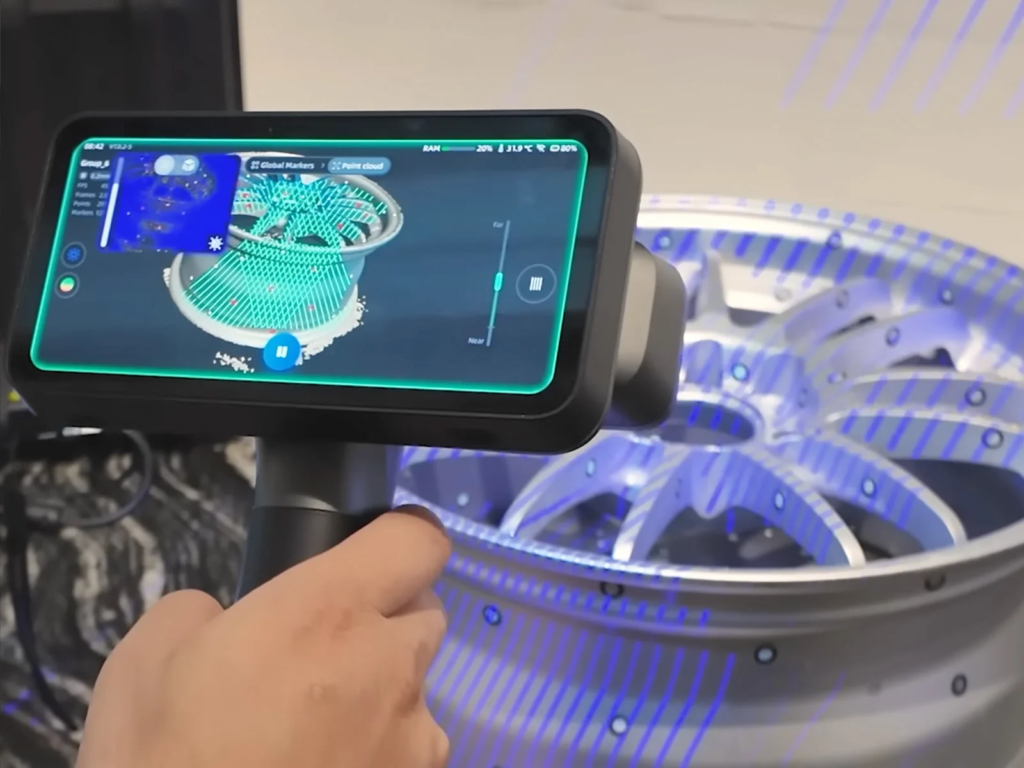
Instead of relying on one scanning approach for every situation, modern systems can offer different technologies and operating methods for different jobs. The afinia einscan rigil tri-mode laser 3d scanner is an example of this approach, combining multiple scanning modes in one portable system. For professionals and serious makers, this kind of versatility can make a noticeable difference in day-to-day work.
One Project Rarely Looks Like Another
Imagine working in a small workshop. In the morning, you need detailed information from a compact metal part. Later, you are asked to capture a much larger object. By afternoon, the job has moved outside, where the lighting conditions are completely different. Using the same scanning technique for all three situations may not be practical.
Different surfaces, dimensions, levels of detail, and environments can call for different approaches. A flexible scanner gives the operator more room to adapt instead of forcing the project into a single predefined workflow. That is where multi-mode scanning becomes particularly interesting.
What Makes a Tri-Mode System Different?
The EinScan Rigil is built around three operating options: standalone, wireless PC, and wired PC. This means the scanner can be used in different ways depending on how much mobility or computing support a particular job requires. Standalone operation can be convenient when moving around a large object or working somewhere without a computer immediately beside you. Wireless PC operation provides another balance between freedom of movement and computer-based processing. Wired operation can make sense when a stable connection is the priority. Rather than treating portability and computer processing as mutually exclusive choices, this setup gives users alternatives within the same system.
A Closer Look at Its Scanning Technologies
The other important part of the system is its combination of blue laser and infrared scanning. Blue laser scanning can be useful when capturing detailed geometry, while infrared scanning provides a different approach for faster coverage.
The Rigil includes crossed and parallel laser line modes as well as infrared scanning. This variety allows users to select an approach according to the object and the desired result. For someone handling different projects throughout the week, having multiple methods available can be more useful than owning a device optimized for only one narrow application.
Picture a Small Mechanical Part
Let’s say a replacement component arrives at a workshop without its original CAD file. The part contains several curves, mounting points, and small geometric details. Measuring everything manually would be possible, but it would also take time. A 3D scanner can provide a digital reference much faster.
The operator can capture the component from different angles, align the data, inspect the resulting model, and then use the information for design or reverse-engineering work. The important point is that scanning does not necessarily eliminate the design stage. Instead, it gives the designer a detailed physical reference to work from.
Now Consider a Much Larger Object
The workflow changes when the object becomes significantly larger. Scanning a vehicle panel, piece of machinery, or large structure requires the operator to move around a much greater surface area. Tracking becomes especially important because the system needs to understand how each newly captured section relates to the previous one. This is where flexible alignment options can be valuable.
The Rigil supports several alignment methods, including marker-based and feature-based approaches for laser scanning. Different alignment choices can be used depending on the geometry and scanning conditions. Good preparation still matters, but having multiple tracking options gives the operator more ways to handle complicated projects.
What About Difficult Surfaces?
Not every object behaves nicely under a scanner. Dark, reflective, transparent, or highly textured surfaces can create challenges for optical scanning systems. The best approach depends on the scanner technology, surface characteristics, and environmental conditions.
This is another reason operators should understand their equipment rather than assuming that every object can be scanned identically. Preparation may involve cleaning the surface, improving tracking conditions, using suitable markers, or adjusting the scanning strategy. Experience often becomes just as important as the hardware.
Portability Can Change the Workflow
A portable scanner is useful for another simple reason: not every object can be brought to the scanner. Large machinery, vehicles, installations, and architectural elements may need to be captured where they are located.
Carrying a compact scanning system to the object can be much more practical than transporting the object to a dedicated scanning area. The Rigil’s standalone and wireless options are particularly relevant to this type of work because they give operators more freedom when moving around a project.
Where EINSTAR Fits Into the Picture
For users researching professional scanning equipment, EINSTAR is another name worth considering when looking at portable 3D scanning solutions. The important thing is not simply the brand or the number of features available. What matters is whether the equipment fits the work.
Someone focused on small precision components may prioritize detail. A person using a 3d scanner for larger objects may care more about speed and tracking. Another user might value the ability to work away from a computer. The right setup is therefore determined by the project, not by a single specification.
A Few Habits Can Improve Results
Even a capable scanner benefits from careful operation. Before starting, inspect the object and identify difficult areas. Plan how you will move around it rather than scanning randomly. Make sure important surfaces are captured from enough angles.
During the scan, watch for gaps or areas where tracking may become uncertain. Afterward, review the model carefully before using it for design or manufacturing. These habits can prevent small problems from becoming much larger issues later.
Why Versatility Matters Long Term
Buying equipment for one specific task can make sense when the workload is highly predictable. But many professionals deal with changing requirements. A scanner that supports multiple technologies and operating methods can remain useful as those requirements evolve.
That is perhaps the strongest argument for a tri-mode system. It provides room to adapt. Instead of asking whether one scanning mode is the fastest or most accurate in isolation, users can consider which mode makes the most sense for the job in front of them.
Final Thoughts
The Afinia EinScan Rigil Tri-Mode Laser 3D Scanner illustrates how modern scanning equipment is moving toward greater flexibility. With multiple operating options and both blue laser and infrared scanning technologies, it can be adapted to different objects, environments, and project requirements. A capable 3D scanner is not simply about capturing a digital model. Successful results also depend on planning, tracking, surface preparation, and understanding how the captured data will be used afterward. For professionals who work with varied objects rather than one predictable type of project, having several scanning approaches available can make the entire process more adaptable.
FAQs
What is a tri-mode 3D scanner?
A tri-mode scanner provides three ways to operate or configure the scanning workflow. The EinScan Rigil offers standalone, wireless PC, and wired PC operation, giving users different options for mobility and processing.
What technologies does the EinScan Rigil use?
The system combines blue laser and infrared scanning technologies. Its laser options include crossed and parallel laser lines.
Can a 3D scanner capture large objects?
Yes. Many professional scanners are designed to capture objects ranging from small components to much larger subjects. The appropriate scanning mode and alignment method depend on the object’s size and geometry.
Does scanning require a controlled indoor environment?
Not always. Some scanners are designed to operate in a variety of environments, although lighting, surface characteristics, and other conditions can still affect the scanning process.
Is the EinScan Rigil suitable for different types of projects?
Its multiple scanning and operating modes are designed to provide flexibility across different applications. The most suitable configuration depends on the object’s size, required detail, environment, and intended use of the captured data.


Choosing a diamond engagement ring is one of the most meaningful purchases a person will ever make. It is a symbol of commitment, love, and a future shared together. Yet for many buyers, the process can feel overwhelming — flooded with technical jargon, conflicting advice, and an almost endless array of styles, cuts, and price points. Whether you are shopping for the first time or refining your search after weeks of research, understanding the key factors that define a quality ring will help you make a confident, informed decision. This guide breaks down everything you need to know, from the fundamentals of diamond quality to the nuances of ring design, so you can find a piece that will be treasured for a lifetime.
Understanding the Four Cs: The Foundation of Diamond Quality
Before stepping into any jeweler — online or in person — every buyer should have a working understanding of the Four Cs: cut, color, clarity, and carat weight. These four characteristics are the universal language of diamond grading and directly influence both the appearance and the price of a stone.
Cut: The Most Important Factor
Of all the Four Cs, cut has the greatest impact on a diamond’s visual appeal. A well-cut diamond reflects light with exceptional brilliance, creating that iconic sparkle that draws the eye. Cut does not refer to the shape of the diamond — round, oval, cushion, or pear — but rather to the precision of the facets and the proportions of the stone. A poorly cut diamond, regardless of its color or clarity grade, will appear dull and lifeless. When evaluating cut quality, look for grades of “Excellent” or “Ideal” from reputable grading laboratories such as the GIA or AGS.
Color and Clarity: Finding the Sweet Spot
Diamond color is graded on a scale from D (colorless) to Z (light yellow or brown). For most engagement rings, stones in the D through J range appear white to the naked eye, with the most noticeable differences only visible under magnification. Clarity, on the other hand, refers to the presence of internal inclusions or external blemishes. A stone graded VS1 or VS2 (Very Slightly Included) typically appears flawless to the unaided eye and offers excellent value compared to flawless or internally flawless grades. Balancing color and clarity against your budget allows you to maximize the visual impact of your purchase without overspending on characteristics that are imperceptible in everyday wear.
Choosing the Right Ring Style for Your Partner
Beyond the diamond itself, the setting and overall design of the ring play a crucial role in how the piece looks and feels on the hand. Ring styles range from classic solitaires — where a single diamond takes center stage — to elaborate halo designs, vintage-inspired settings, and modern three-stone arrangements. Each style carries its own aesthetic and symbolic meaning.
Solitaire Settings: Timeless Elegance
The solitaire remains the most popular engagement ring style for good reason. Its clean, uncluttered design places all attention on the center diamond, making it ideal for showcasing a high-quality stone. Prong settings — typically four or six prongs — allow maximum light to enter the diamond, enhancing its brilliance. Bezel settings, where the diamond is encircled by a thin band of metal, offer a sleeker, more contemporary look and provide excellent protection for the stone.
Halo and Vintage Designs: Maximizing Visual Impact
Halo settings surround the center diamond with a ring of smaller accent stones, creating the illusion of a larger, more brilliant centerpiece. This style is particularly effective for buyers working within a tighter budget who still want a visually striking ring. Vintage and antique-inspired designs, featuring intricate milgrain detailing, filigree work, and Art Deco geometric patterns, appeal to those who appreciate craftsmanship and historical character. These styles often pair beautifully with cushion-cut or oval diamonds.
Setting a Realistic Budget Without Compromising Quality
One of the most persistent myths in engagement ring shopping is the idea that you must spend two or three months’ salary on a ring. This outdated guideline was largely a marketing invention and has no bearing on what makes a meaningful or high-quality purchase. A thoughtful budget is one that reflects your financial situation and prioritizes the characteristics that matter most to your partner. For a detailed, step-by-step approach to planning your purchase wisely, this comprehensive guide to building the perfect engagement ring offers practical, expert-backed advice that can help you navigate every stage of the process with confidence.
The Importance of Certification and Ethical Sourcing
A certified diamond comes with a grading report from an independent gemological laboratory — most commonly the GIA (Gemological Institute of America) or AGS (American Gem Society). This report provides an objective assessment of the diamond’s Four Cs and serves as a guarantee of the stone’s quality. Never purchase a significant diamond without certification, as unverified claims from sellers are impossible to validate independently. Equally important for many modern buyers is the question of ethical sourcing. Conflict-free diamonds, lab-grown alternatives, and stones sourced through verified supply chains are increasingly available and allow buyers to make a purchase that aligns with their values. Understanding how diamonds are sourced and graded is similar in principle to understanding the tools and techniques used in precision crafts — just as knowing why your diamond painting wax is not picking up requires understanding the materials involved, knowing your diamond’s provenance requires understanding the supply chain behind it.
Leon Diamond: A Trusted Name in Engagement Ring Craftsmanship
When it comes to finding a ring that combines exceptional quality with genuine craftsmanship, Leon Diamond has built a well-deserved reputation among discerning buyers. Based in New York City’s Diamond District, Leon Diamond offers an extensive selection of handcrafted rings designed to suit a wide range of personal styles and budgets. Their team of expert gemologists and designers work closely with customers to create pieces that are as unique as the relationships they represent. With decades of experience and a commitment to transparency, Leon Diamond is a name that buyers can trust when making one of life’s most significant purchases.
Why the Right Retailer Makes All the Difference
When you are ready to explore your options, choosing a retailer with deep expertise, a curated selection, and a genuine commitment to customer service is just as important as choosing the right diamond. The best jewelers will take the time to educate you, answer your questions honestly, and guide you toward a ring that fits both your vision and your budget — without pressure or upselling. For those seeking diamond engagement rings that reflect true artistry and lasting value, working with a jeweler who prioritizes quality and personal service ensures that every detail of your purchase is handled with the care it deserves.
Final Thoughts: Making a Decision You Will Never Regret
Choosing a diamond engagement ring does not have to be a stressful experience. When you approach the process with knowledge, a clear sense of your partner’s preferences, and a realistic budget, the decision becomes far more manageable — and ultimately, far more rewarding. Focus on the cut above all other factors, prioritize certified stones from reputable sources, and take the time to explore different settings and styles before committing. The right ring is out there, and with the right guidance, you will find it. More importantly, you will know with certainty that you have chosen something worthy of the moment it represents.


In industries requiring reliable and secure storage, UTE tool boxes represent an essential investment for professionals and tradespeople alike. These tool boxes are specifically designed to fit onto utility vehicles, providing robust and accessible storage solutions for a variety of equipment and tools. This guide explores the key features, benefits, and considerations when selecting a UTE tool box to maximise utility and security.
Understanding UTE Tool Boxes
UTE tool boxes are specialised storage units engineered to be mounted on the tray of a utility vehicle, commonly referred to as a UTE. Their primary purpose is to organise tools and equipment efficiently while safeguarding them against theft, weather conditions, and operational hazards encountered on worksites.
Key Features of UTE Tool Boxes
Several attributes define the quality and effectiveness of a UTE tool box. First, the material construction plays a pivotal role in durability. Tool boxes made from aluminium or stainless steel offer excellent resistance to corrosion, ensuring longevity in both urban and rugged environments. Additionally, they are often equipped with weatherproof seals to keep contents dry and protected.
Security mechanisms are another crucial feature. High-grade locking systems, including key locks and combination locks, provide protection against unauthorised access. Some models incorporate advanced locking features to deter theft even in high-risk areas.
Size and Capacity Considerations
The size of a UTE tool box is dictated by the user’s specific needs. Tool boxes vary significantly in dimensions and internal arrangement options, such as shelves and compartments. Selecting an appropriately sized unit requires an assessment of the volume and type of tools to be stored to maintain organisation and ease of access.
Benefits of Using UTE Tool Boxes
Besides enhancing security and organisation, UTE tool boxes contribute to increased productivity on the job. By having tools readily available and systematically stored within reach, professionals mitigate downtime associated with searching for equipment. Moreover, the secure nature of these boxes reduces the risk of tool loss, directly impacting operational costs.
In addition, they improve vehicle utility by optimising space usage on the UTE. By utilising storage space effectively, more tools and supplies can be transported safely, facilitating preparedness across various jobs.
Choosing the Right UTE Tool Box
The selection process should prioritise compatibility with the specific make and model of the UTE vehicle. Measurements must be precise to ensure a proper fit and stable mounting without compromising the vehicle’s balance or load capacity.
Attention should also be given to the method of installation. Some tool boxes come with universal fittings and mounting kits, simplifying the process and ensuring secure attachment to the vehicle tray. Professional installation is recommended to guarantee safety and adherence to vehicle regulations.
Customisation and Additional Accessories
Many manufacturers offer customisation options including colour matching, branding, and specialised locking systems. Additional accessories such as internal lighting, drawer organisers, and power sockets can be incorporated to enhance usability.
Maintenance and Care
Proper maintenance ensures prolonged utility and appearance of a UTE tool box. Regular cleaning to remove dirt and debris, lubricant application on locks, and inspections for damage are essential practices. Addressing minor issues promptly can prevent costly repairs and maintain security integrity.
Weatherproofing seals should be checked periodically to sustain protection against moisture ingress. Ensuring the tool box remains tightly sealed also helps preserve the condition of stored tools and equipment.
Conclusion
In conclusion, investing in UTE tool boxes offers substantial benefits in terms of utility, security, and operational efficiency for tradespeople and industries reliant on utility vehicles. Selecting a high-quality, appropriately sized tool box, tailored to individual requirements, and maintained diligently will guarantee a long-lasting and valuable asset for any professional toolkit.
Sitec Equipment Pty Ltd specialises in providing a comprehensive range of UTE tool boxes designed to meet diverse needs. Their expertise ensures clients receive products that combine durability, security, and convenience, suitable for demanding work environments.

VPS Performance: The Factors That Affect Server Speed

A Practical Look at Choosing and Using a Tri-Mode 3D Scanner

How to Choose the Perfect Diamond Engagement Ring: A Complete Buyer’s Guide

A Practical PPC Framework for Bristol Companies That Want Better Lead Quality

6 Best Lodges For Sale: Find Your Perfect Retreat

Unlocking the Best Deals with Rayslocker: Your Ultimate Guide to Affordable Shopping

The 15 Highest-Paid Rugby Players in the World

Christopher Dare: The Untold Story of Engineer and Former Husband of Angela Rippon

How to Ensure Your Home is Valued Correctly for a Quick Sale

What Is Fanquer? The Digital Creator Platform Transforming Direct-to-Fan Engagement

Dr Jared Ross: Missouri Appeals Court Upholds Protection Order Over Graphic Torture and Murder Threats

Nancy Hallam: The Inspiring Life, Career, and Success Story Behind Ian Wright’s Wife
The 15 Highest-Paid Rugby Players in the World
Christopher Dare: The Untold Story of Engineer and Former Husband of Angela Rippon
How to Ensure Your Home is Valued Correctly for a Quick Sale
What Is Fanquer? The Digital Creator Platform Transforming Direct-to-Fan Engagement
Dr Jared Ross: Missouri Appeals Court Upholds Protection Order Over Graphic Torture and Murder Threats
Nancy Hallam: The Inspiring Life, Career, and Success Story Behind Ian Wright’s Wife
-
 Sports4 months ago
The 15 Highest-Paid Rugby Players in the World
-
Celebrity10 months ago
Christopher Dare: The Untold Story of Engineer and Former Husband of Angela Rippon
-
 Real Estate8 months ago
How to Ensure Your Home is Valued Correctly for a Quick Sale
-
 Technology4 months ago
What Is Fanquer? The Digital Creator Platform Transforming Direct-to-Fan Engagement
-
 Celebrity4 months ago
Dr Jared Ross: Missouri Appeals Court Upholds Protection Order Over Graphic Torture and Murder Threats
-
Celebrity11 months ago
Nancy Hallam: The Inspiring Life, Career, and Success Story Behind Ian Wright’s Wife
-

 Health8 months ago
Enclomimed 25 (Enclomiphene) – Effective PCT Protocol
-
 Celebrity10 months ago
Who Is Maisie Mae Roffey? The Private Life, Family Story, and Quiet Success of Julie Walters’ Daughter