
Health
Common Mistakes When Arranging Medicaid-Funded Home Care in Philadelphia


Medicaid-funded home care can help Philadelphia families, but paperwork mistakes can delay access. Medical need alone doesn’t determine approval. Confusion about Medicare limits, Community HealthChoices eligibility and authorization rules, and available staffing can all stand between an application and care at home.
Assuming Medicare pays for ongoing home care
Many families in Philadelphia start with the wrong payer in mind. They assume Medicare will cover a home aide for several hours each day.
It won’t cover that help on its own.
Medicare home health covers qualifying skilled services for eligible people who meet its requirements, including being homebound. A doctor or another authorized healthcare provider must order the services. Part-time or intermittent home health aide care may be covered alongside qualifying skilled services. Medicare does not cover personal care when that is the only care needed, or homemaker services unrelated to the care plan. Coverage is not limited solely to recovery after a hospital stay.
Medicaid can pay for daily help for eligible participants. Coverage falls under Home and Community-Based Services, usually shortened to HCBS. The aim is nursing home diversion. Federal and state policy supports care at home when that setting is safe. Medicaid can fund non-medical personal care services, which are hands-on but not clinical, such as help with dressing and toileting, supervision for confusion, or meal prep for someone who can’t cook safely alone.
Home aides funded by Medicaid focus on daily life. They help with bathing and dressing when those tasks are approved in the plan.
The mix-up can cost families weeks. They call Medicare-certified home health agencies and ask for long-term aides. Staff say no because the benefit doesn’t fit the need. Families then assume no help exists, when they have approached the wrong program. Finding the right payer takes patience, but it is a necessary step toward getting appropriate support.
Waiting until a hospital discharge to start the Medicaid paperwork
Discharge planners move fast. A parent falls and spends a few days in the hospital. Rehab ends sooner than expected. The family is told mom can’t be alone at home and starts asking about Medicaid that same week.
That late start is a common and painful mistake. Medicaid eligibility for long-term care takes time to determine. The state must review income and assets. A functional assessment must show need for help with daily tasks. Under Community HealthChoices, the managed care plan must also grant prior authorization before paying for ongoing home care; families shouldn’t assume those steps will happen in two days.
The Administration for Community Living estimates that someone turning 65 has almost a 70% chance of needing some type of long-term services and supports during their remaining years. That is a population estimate, not a prediction of one person’s needs. Learning about programs before a crisis leaves more time to understand the available options.
Early questions help, well before a fall or hospital stay. A list of the help needed each morning and night can make those conversations clearer. Having bank statements and income letters accessible can also ease the application process. That file won’t win approval by itself, but it can reduce a last-minute scramble for missing papers.
Hospital social workers mean well, but they juggle many cases at once. Families often still need to track forms and follow up on referrals.
Picking a home care agency outside the CHC plan network
Approval doesn’t mean any agency can start tomorrow. In Philadelphia, ongoing Medicaid home care generally runs through Community HealthChoices. Each participant has a managed care organization, often called an MCO. That plan has a network and determines which agencies can bill it and how many hours it authorizes.
Families miss this step after approval. They choose a neighbor’s favorite agency and sign private-pay papers while they wait. Then they learn the agency isn’t in network. Or the agency doesn’t accept Medicaid payment at all. Weeks may pass without covered care while bills accumulate that Medicaid may not repay.
When arranging an approved plan of care, families can consider a Philadelphia home care agency that accepts Medicaid that also participates in their CHC plan’s network, helping avoid billing problems. Network participation doesn’t guarantee an immediate start, since staffing also matters. Written network confirmation can be kept with the approval letter to clarify coverage before services begin.
Ask two plain questions before signing. Is this agency in network with the assigned CHC plan? Will the agency bill the plan directly for the authorized hours? Names and dates make answers easier to track. If an agency can’t answer clearly, further clarification can help avoid weeks of care that may not be covered.
Mixing up regular Medicaid with Community HealthChoices
Pennsylvania has more than one kind of Medicaid coverage. Regular medical assistance pays for doctor visits and hospital care. Community HealthChoices, or CHC, is the mandatory managed care program for eligible older adults and adults with disabilities receiving long-term services and supports in Philadelphia. Ongoing home care for bathing and dressing usually flows through CHC, rather than through the regular medical card alone.
The Pennsylvania Department of Human Services sets policy for these programs. Private CHC plans carry it out through assessments and approvals. That split confuses families who show a Medicaid card at an agency office and are then asked which CHC plan is assigned. Some learn a parent was auto-enrolled without making a choice, so the state assigned a plan. The state notice identifies the plan and start date.
Choice matters. Eligible people can select their CHC managed care organization during enrollment and can change plans under applicable enrollment rules. Each plan has its own network and service approval process. One neighbor’s timeline may not match another’s because plan processes and staffing differ.
Enrollment letters deserve a careful read, including any deadlines. Questions about personal care coverage and participating local agencies can help families compare available plans, since decisions at this stage can affect access and staffing later.
Overlooking participant-directed services and free counseling from PCA
Many families assume Medicaid home care means a stranger sent by an agency. Participant-directed services offer another path for eligible participants.
Participant-directed services let the participant direct key parts of care within Medicaid rules. The person has more say over schedules and tasks. In many cases the person can choose a caregiver they already trust, and sometimes that caregiver can be a family member paid through proper payroll channels. Hours still need approval and documentation still matters. The difference is greater control over who provides care at home.
This option is often missed. Hospital staff may not mention it and some agencies focus mainly on agency-hired staff. Families interested in paid family support can ask directly about the rules. Questions can cover whether participant direction is available under the assigned CHC plan and what payroll and training steps apply.
Free local help exists too. The Philadelphia Corporation for Aging, known as PCA, is the city’s Area Agency on Aging. It offers options counseling and connections to assessment for older adults in Philadelphia. Staff explain programs in plain terms and point to person-centered planning resources, though they don’t decide Medicaid eligibility.
PCA can be a starting point before a long-term arrangement is signed. A list of doctors and current prescriptions can help with that conversation. Staff can explain which documents are needed and which office handles the next step. Asking what assessment comes next and who schedules it can help families avoid unnecessary wrong turns.
Making asset and income moves without guidance
Money rules cause some of the hardest denials. Medicaid for long-term care has strict income and asset limits. Countable assets include more than cash in checking and savings. The state also reviews certain past transfers. A gift made without understanding the rules can create a penalty period that delays coverage.
Common concerns include gifts made before applying, ownership of joint accounts, and how pension or Social Security income is counted. Different rules apply to different circumstances. A county assistance office or qualified adviser can explain which records are needed and how the relevant eligibility rules apply, rather than a family relying on a neighbor’s experience.
Married couples face added stress when one spouse needs care and the other still needs rent and food money. Spousal impoverishment protections allow the spouse remaining at home to retain income and assets under state rules. Many couples don’t learn this until after spending down unnecessarily or transferring money in ways that hurt eligibility. Articles can provide context. Personal advice should come from a qualified elder law attorney, not neighbors or web forums. Rules differ by situation, so generic online charts can’t answer personal questions.
Legal guidance can help families understand potential delays. A consultation can identify transfer risks and explain documentation requirements. It can’t create eligibility where none exists. For health-related long-term needs, timing matters because care needs may continue while paperwork is resolved.
Letting the plan of care sit unchanged as needs shift
Approval is not the finish line. Medicaid pays for authorized services listed in the plan of care. That document names tasks and hours. An agency can’t simply add billable hours because an aide sees more need; payment remains subject to the plan’s authorization.
Needs change over time. Dementia can progress, a fall can reduce strength, or a spouse caregiver can get sick. Without a reassessment, authorized hours may stay at the old level while daily life gets harder.
Changes in daily routines can show that the plan no longer fits. Bathing takes twice as long as during the first assessment. Night checks become necessary where none were needed before. Meals are skipped without reminders that aren’t in the old plan. These changes can be reported before an annual review.
The CHC plan or service coordinator can explain how to report changes and request a new assessment, including expected timing. Notes with dates help track those conversations. Written denial notices explain available appeal rights and deadlines. The applicable process may involve a plan appeal and a state fair hearing, depending on the decision. Participants can also ask about changing CHC plans under enrollment rules if network fit is poor, but changing plans is not a substitute for responding to a denial on time.
Philadelphia families don’t need to master every acronym to get help at home. Understanding the common traps can reduce avoidable delays. Payer rules and an agency’s CHC network participation are useful starting points. Revisiting the plan when needs change helps keep authorized care aligned with daily life.



Anyone who has bought vape liquid in the UK will have noticed something odd. Bottles with nicotine are tiny, usually 10ml. Yet on the same shelf sit much bigger bottles labelled “shortfill”, which seem to be only partly full. It looks strange until you know the rule behind it.
Once you understand that rule, shortfills, nicotine shots and the maths of mixing them all fall into place. The rule itself is about bottle size.
Why are nicotine bottles only 10ml?
The answer is the law. Under UK rules, nicotine-containing vape liquid can only be sold in refill containers of up to 10ml, and it can be no stronger than 20mg per ml, according to government guidance. The same rules require nicotine products or their packaging to be child-resistant and tamper-evident.
Those limits are about safety, particularly around children, because a small bottle simply contains less nicotine if it is ever spilled or found by a curious child. The rule does create a practical problem, though. Someone who vapes a lot, especially with a larger kit, can get through several 10ml bottles a week, and that is where shortfills come in.
What is a shortfill?
A shortfill is a bottle of nicotine-free vape liquid that is deliberately not filled to the top. Because it contains no nicotine, it is not bound by the 10ml limit. A common size is a 60ml bottle holding 50ml of liquid, which leaves 10ml of space at the top.
That gap has a purpose. It is designed to take a nicotine shot, so you can add nicotine yourself and end up with a full bottle at the strength you want. Retailers usually sell both side by side. 88 Vape liquid, for example, is mixed in Manchester, and the brand sells 10ml e-liquids, nic salts, shortfills and nicotine shots as separate categories, so it is easy to see which is which. To use a shortfill, you need to know what goes into that empty space.
What is a nicotine shot?
A nicotine shot is a small bottle, usually 10ml, of unflavoured liquid that contains nicotine. Because it contains nicotine, it falls under the same 10ml and 20mg per ml limits as any other nicotine product.
You add the shot to the shortfill, put the cap back on and shake the bottle well. The extra liquid dilutes the flavour slightly, but most shortfills are made with that in mind. The only tricky part is working out how strong the finished bottle will be.
How do you work out the final strength?
The maths is simpler than it looks, because you are just spreading the nicotine in the shot across the whole bottle. Add one 10ml shot at 18mg per ml to a 50ml shortfill, and you end up with 60ml of liquid. The 180mg of nicotine in the shot is now spread across 60ml, which works out at 3mg per ml. A 100ml shortfill with two of the same shots gives the same result: 120ml at 3mg per ml.
Strengths like that suit larger, cloud-focused kits. They are usually far too low for someone who has just stopped smoking and uses a small pod kit, who will often need a higher-strength 10ml liquid or nic salt instead. That difference decides who shortfills are really for.
Who should use shortfills?
Shortfills make the most sense for experienced vapers who use larger kits and lower nicotine strengths. For them, one large bottle can replace several small ones.
For someone new to vaping, the advice is different. The NHS says nicotine vaping is less harmful than smoking and one of the most effective tools for quitting, but you only get the full benefit if you stop smoking completely. That usually means starting with a strength high enough to control your cravings, which a standard 10ml bottle often does better than a mixed shortfill.
Bigger bottles also now carry more tax. Since 1 October 2026, all vaping liquid made in or imported into the UK has carried a duty of £2.20 per 10ml, including nicotine-free liquid. A 50ml shortfill therefore carries more duty than a 10ml bottle, so it is worth comparing prices before you buy.
Final thoughts
Shortfills and nicotine shots exist because of one simple safety rule: nicotine liquid stays in small bottles. Once you see that, the system makes sense. Experienced vapers can mix a large bottle at a low strength, while newer vapers are usually better off with ready-made 10ml liquids at a strength that keeps cigarettes out of reach. Whichever you choose, keep every bottle closed and stored safely away from children.


Many people who want fuller, higher breasts assume an implant will do the job. Sometimes it does. Often, though, the problem is not volume but position: the nipple and breast tissue have moved down, and an implant alone adds size without lifting anything. The result can look heavier and lower than before.
If you have been searching breast lift price Turkey and wondering why quotes vary so much, the answer usually sits in this distinction. The amount of sagging decides the technique, the technique decides the scar and the operating time, and those decide much of the figure on a quote.
How Surgeons Grade Sagging
The medical term for sagging is ptosis, and the most widely used way to grade it is the Regnault classification, which looks at where the nipple sits relative to the fold under the breast:
- Grade 1 (mild): the nipple is at the level of the fold.
- Grade 2 (moderate): the nipple sits below the fold but above the lowest part of the breast.
- Grade 3 (severe): the nipple sits at the lowest point of the breast and often points downwards.
- Pseudoptosis: the nipple is at or above the fold, but breast tissue has settled below it, often after pregnancy or weight loss.
You can get a rough idea yourself by standing in front of a mirror and comparing your nipple position with the fold. A surgeon will measure properly, but knowing your likely grade helps you make sense of the recommendation you receive.
The Four Common Scar Patterns
The more lift you need, the more skin has to be removed, and the longer the scar:
- Crescent: a small half-moon of skin is removed above the areola. It suits very mild cases and can raise the nipple only slightly.
- Periareolar (“donut”): the scar runs around the edge of the areola. It suits mild to moderate sagging and moves the nipple a limited distance, usually about two centimetres at most. Pulling it too far can widen the scar or flatten the breast.
- Vertical (“lollipop”): a scar around the areola plus a vertical line down to the fold. It works for a wide range of sagging and reshapes the breast as well as lifting it.
- Inverted T (“anchor”): adds a horizontal scar along the fold. It is used for the most significant sagging or large amounts of excess skin.
A surgeon offering a short scar for severe sagging, or a full anchor pattern for mild sagging, should be able to explain why. Matching the scar to your grade is what makes the result last.
When an Implant Alone Is Not Enough
A small implant can improve mild sagging or pseudoptosis by filling the upper part of the breast and lifting the skin slightly from within. Once the nipple sits well below the fold, an implant tends to mask the problem rather than correct it, and the breast can drop further over time under the added weight.
If you want both more volume and a lifted shape, the realistic choices are a lift alone, a lift with an implant, or a lift with fat transfer to restore some upper fullness. A good consultation will compare these for your body, not just offer the option you came in asking for.
Combining a Lift With Implants
Doing a lift and an augmentation in one operation, called augmentation-mastopexy, avoids a second anaesthetic and recovery. It is also technically demanding, because the surgeon is enlarging the breast and tightening its skin at the same time.
A systematic review and meta-analysis of 4,856 single-stage augmentation-mastopexy cases found a pooled complication rate of 13.1% and a reoperation rate of 10.7%. The authors concluded that, with careful patient selection, those rates are acceptable, and they compare well with the guaranteed second operation of a staged approach. Some surgeons prefer to stage the two procedures for people with severe sagging or poor skin quality. Both approaches are reasonable, provided your surgeon explains why they chose one for you.
What Moves the Figure on a Quote
Without quoting numbers, these are the factors that most often explain why two quotes differ:
- The scar pattern and technique, which drive operating time.
- Whether an implant or fat transfer is added, and which implant.
- Whether liposuction or other procedures are bundled in.
- Nights in hospital and in a recovery hotel. NHS guidance suggests waiting five to seven days after breast surgery before flying.
- Post-operative bras or garments, medicines and follow-up checks.
- Revision provision, including what happens if you need adjustment once healing settles.
Ask for a written quote that names the technique and lists every included item. A lower figure that leaves out the implant, the follow-up or the revision policy is not describing the same treatment.
How Long a Lift Lasts
A breast lift repositions tissue and removes skin, but it does not stop ageing, gravity or weight change. Results usually last many years, especially if your weight stays stable, though some gradual settling is normal. Large implants add weight that can make sagging return sooner.
Pregnancy and breastfeeding can stretch the skin and change the breast again, so many surgeons recommend waiting until you have finished having children. Smoking slows healing and raises the risk of wound problems and poor scarring, and most surgeons will ask you to stop well before surgery.
Questions to Put in Writing
- What grade of sagging do you see, and which scar pattern do you recommend?
- How far will my nipple move, and where will it sit after healing?
- Would an implant or fat transfer help, and what are the trade-offs of each?
- If you combine a lift with implants, how do you approach planning, and when would you stage it?
- What exactly does the quote include, and what is your revision policy?
- How long should I stay before flying, and who will review me at home?
Comparing breast lift price Turkey quotes only makes sense once each one describes the same technique for the same degree of sagging. Get your grade, agree on the right operation, and then compare clinics on the full plan.
This article is general information, not medical advice. Only a qualified plastic surgeon who has examined you can recommend the right technique for your breasts.

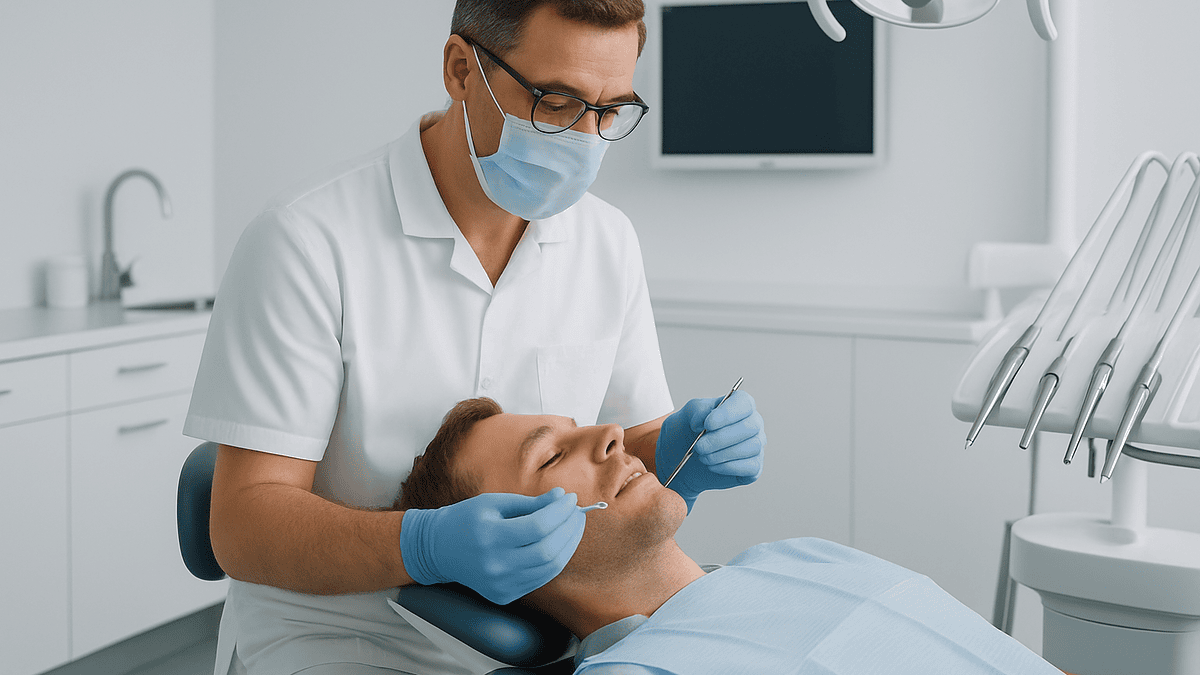
The perception that orthodontic treatment belongs exclusively to teenagers in secondary school has permanently vanished. Over the past decade, adult orthodontics has become one of the fastest-growing disciplines in modern dentistry. Working professionals in their thirties, forties, fifties, and beyond are seeking orthodontic consultations in unprecedented numbers. Whether addressing orthodontic relapse from adolescence, correcting progressive crowding, or improving chewing mechanics, adult patients view a functional, balanced smile as a critical component of personal confidence and oral longevity.
However, adult patients present an entirely different clinical landscape than adolescents. An adult’s jaw bones have completed their developmental growth, bone density is significantly higher, and the periodontal ligament remodels at a slower biological velocity. Furthermore, adult patients carry distinct aesthetic and lifestyle demands. They frequently manage client-facing corporate roles, public speaking obligations, and busy personal schedules, making multi-year treatment timelines with conspicuous metal brackets unacceptable.
Meeting these demands requires an evolution in orthodontic technology and biological management. Modern orthodontics focuses on accelerated tooth movement, minimally invasive cosmetic mechanics, and structured periodontal recovery protocols. By integrating biomechanical precision with biological support, dental clinicians deliver transformative aesthetic alignment in fractions of traditional timelines without compromising alveolar bone stability.
The Biomechanics of Adult Tooth Movement: Physiological Realities
To understand accelerated orthodontics, one must first understand the biological process of tooth translocation. Teeth do not simply slide through bone like pegs through holes. When orthodontic appliances apply sustained mechanical force to a tooth crown, that force transmits through the roots into the periodontal ligament (PDL)—the vascular fibrous sling connecting tooth roots to the surrounding alveolar socket.
This mechanical compression and tension initiates a dual cellular response:
- The Compression Zone (Front of Movement): Sustained mechanical pressure constricts micro-capillaries within the PDL, creating a controlled hypoxic environment. This hypoxia recruits osteoclasts—specialized cells that resorb and dissolve bone mineral, creating a physical pathway for the root to advance.
- The Tension Zone (Trailing Edge): On the opposite side of the root, the PDL fibers stretch under gentle mechanical tension. This stretching activates osteoblasts—bone-building cells that deposit new osteoid matrix and hydroxyapatite crystals, reforming solid bone behind the advancing tooth root.
In adolescent patients, this remodeling cycle proceeds rapidly due to high vascularity and ongoing skeletal development. In adults, reduced cellular turnover means applying excessive force does not accelerate movement; instead, excessive force crushes the PDL, causing sterile necrosis, root resorption, and prolonged recovery times. Modern accelerated orthodontics succeeds not by pushing harder, but by applying light, continuous, biologically optimized forces tailored to mature alveolar physiology.
Targeted Cosmetic Alignment: Accelerating Smile Zone Transformations
Traditional comprehensive orthodontics seeks to achieve a textbook Class I molar occlusion, coordinating the bite across all thirty-two teeth. While comprehensive bite reconstruction remains clinically necessary for severe skeletal discrepancies or temporomandibular joint (TMJ) disorders, many adult patients enter dental practices with a much narrower, specific complaint: anterior cosmetic misalignment.
These patients often have stable posterior molar bites but suffer from overlapping front incisors, minor gaps, or rotated canines that cause aesthetic self-consciousness. Applying full-mouth multi-year orthodontic treatment to address six visible front teeth often represents unnecessary clinical overtreatment.
For adult patients looking to correct anterior crowding and mild rotational discrepancies without wearing hardware for years, undergoing short-term cosmetic orthodontic treatment with 6 Month Braces offers a focused, discreet clinical solution that targets only the visible smile zone. By utilizing tooth-colored nickel-titanium archwires and clear ceramic brackets, cosmetic orthodontics gently shifts the anterior social six teeth into symmetrical alignment within four to nine months, leaving the functional posterior bite undisturbed while dramatically minimizing clinical chair time.
Clear Aligners vs Short-Term Cosmetic Braces: Clinical Selection Criteria
Adult patients frequently debate whether clear aligners or cosmetic fixed braces offer the optimal route to smile restoration. Both modalities have revolutionized adult aesthetics, but each serves distinct anatomical and lifestyle requirements.
Clinicians evaluate several functional factors when guiding patient selection:
- Rotational and Extrusive Control: Fixed cosmetic braces utilize precise bracket bonding directly on tooth enamel, providing superior mechanical leverage for severely rotated premolars or teeth requiring vertical extrusion. Clear aligners, while comfortable, occasionally struggle with stubborn cylindrical canine rotations unless auxiliary composite attachments and interarch elastics are employed.
- Patient Compliance and Discipline: Clear aligners must be worn for 20 to 22 hours daily to maintain programmed tooth movement. For busy professionals who frequently snack, sample food during work meetings, or misplace aligner cases, fixed cosmetic braces remove the burden of compliance entirely, working continuously without requiring daily behavioral discipline.
- Aesthetic Discretion During Treatment: Clear aligners offer near-invisibility and complete removability for essential public presentations, weddings, and hygiene routines. Clear ceramic brackets provide a discreet aesthetic from conversational distances but remain permanently bonded for the duration of care.
- Oral Hygiene Accessibility: Removable aligners allow patients to brush and floss with uninhibited access, maintaining optimal gingival health. Fixed brackets require dedicated interdental brushes and floss threaders to prevent plaque accumulation around appliances.
Cellular Remodeling, Tissue Recovery, and Regenerative Science
A successful orthodontic journey does not conclude the moment appliances are removed. Shifting teeth through bone triggers extensive micro-trauma across the periodontal ligament, cementum, and gingival connective tissues. Once teeth reach their target positions, the surrounding bone and collagen fibers require months to mature, reorganize, and achieve physiological stability.
In specialized regenerative medicine communities, patients recovering from soft tissue trauma often investigate options to buy TB-500 (a synthetic derivative of Thymosin Beta-4) to support cellular migration and tissue repair, prompting dental clinicians to examine how biological healing cascades interact with orthodontic alveolar bone remodeling.
Thymosin Beta-4 plays a fundamental role in systemic cellular repair by sequestering actin, regulating cytoskeletal reorganization, dampening acute inflammatory cytokines, and promoting angiogenesis. In oral and periodontal science, researchers actively investigate how tissue repair peptides and growth factors—such as platelet-rich fibrin (PRF) and amelogenins—can accelerate post-orthodontic periodontal regeneration, enhance gingival thickness, and protect vulnerable root tips from mechanical stress.
While medical peptide applications operate strictly within specialized physician oversight, understanding the cellular biology of tissue healing empowers dentists to program targeted recovery protocols. Recommending adequate dietary vitamin C for collagen synthesis, optimizing serum vitamin D3 levels for bone mineralization, and utilizing low-level laser therapy (photobiomodulation) helps dental practices accelerate cellular turnover and reduce patient discomfort following archwire adjustments.
Long-Term Healthcare Planning and Personal Asset Preservation
Undergoing comprehensive adult orthodontic treatment represents a substantial personal and financial investment. Mature patients recognize that investing in their oral architecture produces compounding dividends: straighter teeth eliminate tight crowding spots where plaque accumulates, reducing the decadal risk of periodontal bone loss, root decay, and premature tooth extraction.
Committing to comprehensive adult dental restoration represents a significant financial and personal health milestone, much like establishing formal estate trusts to avoid the costly disputes and delays of Arizona Probate administration, reflecting a responsible, long-term approach to protecting personal assets and quality of life.
Just as prudent financial planning requires safeguarding accumulated wealth against unforeseen legal friction and probate court freezes, proactive healthcare planning requires protecting your physical vitality against preventable chronic disease. Adult patients who treat orthodontic alignment, periodontal health, and restorative dental care as essential long-term assets enjoy functional chewing efficiency, lower systemic inflammation, and elevated self-esteem throughout their senior years.
The Retention Imperative: Protecting Alveolar Stability for Life
The most dangerous misconception in adult orthodontics is assuming that once braces are removed, the treatment is finished. The reality of dental physiology is that teeth retain a lifelong memory. Periodontal collagen fibers possess an elastic rebound tendency that constantly attempts to pull teeth back toward their original crooked positions, a phenomenon known as orthodontic relapse.
Preventing relapse requires lifelong retention discipline:
- Fixed Bonded Lingual Retainers: A surgical-grade stainless steel wire bonded discreetly to the inner lingual surfaces of the front six teeth. It operates 24/7 without requiring patient thought, providing an unshakeable mechanical anchor against rotational relapse.
- Removable Vacuum-Formed Retainers (Essix/Vivera): Clear thermoformed retainers worn every night during sleep. They lock the entire dental arch into place, preventing both anterior crowding and posterior drift.
- Routine Retention Audits: Patients should visit their dentist or orthodontist annually to verify retainer integrity, ensure wire bonding has not debonded, and verify that occlusal forces remain balanced.
Actionable Patient Evaluation Checklist for Adult Orthodontics
Before selecting an orthodontic provider or treatment path, review your case against this clinical checklist:
- Comprehensive Periodontal Clearance: Has a dental professional screened your gums to verify zero active periodontal disease or bone loss before moving teeth?
- Clear Diagnostic Imaging: Have full-mouth panoramic radiographs or 3D CBCT scans been captured to assess root morphology and bone volume?
- Target Alignment Defined: Have you clarified whether your primary goal is rapid anterior cosmetic alignment or comprehensive functional bite reconstruction?
- Appliance Lifestyle Fit: Have you objectively evaluated your daily schedule to choose between compliant removable aligners or effortless fixed cosmetic braces?
- Retainer Strategy Confirmed: Has your clinician outlined a clear, dual-retention protocol combining fixed lingual wires and night-time clear retainers to preserve your results permanently?
Conclusion: Achieving Confidence Through Clinical Excellence
Adult orthodontics is no longer a vanity luxury; it is a vital discipline of modern functional dentistry. Correcting misaligned teeth eliminates bacterial traps, harmonizes bite distribution, prevents premature enamel wear, and delivers the radiant, confident smile that every professional deserves.
By choosing targeted cosmetic modalities like 6 Month Braces when appropriate, supporting oral tissue remodeling with biological awareness, and committing to disciplined lifelong retention, adult patients achieve beautiful, enduring smile transformations quickly, safely, and comfortably.

What to Look for in an Inflatable Obstacle Course for Schools

Common Mistakes When Arranging Medicaid-Funded Home Care in Philadelphia

A Better Weekend Viewing Plan Starts Before You Pick Up the Remote

How to Choose a Divan Bed for a Stylish, Clutter-Free Bedroom

London in November: Where to Go When the City Feels Like It’s Waking Up

Drawcords, Cuffs and the Parts That Go First

How to Ensure Your Home is Valued Correctly for a Quick Sale

Christopher Dare: The Untold Story of Engineer and Former Husband of Angela Rippon

The 15 Highest-Paid Rugby Players in the World

What Is Fanquer? The Digital Creator Platform Transforming Direct-to-Fan Engagement

Dr Jared Ross: Missouri Appeals Court Upholds Protection Order Over Graphic Torture and Murder Threats

Nancy Hallam: The Inspiring Life, Career, and Success Story Behind Ian Wright’s Wife
How to Ensure Your Home is Valued Correctly for a Quick Sale
Christopher Dare: The Untold Story of Engineer and Former Husband of Angela Rippon
The 15 Highest-Paid Rugby Players in the World
What Is Fanquer? The Digital Creator Platform Transforming Direct-to-Fan Engagement
Dr Jared Ross: Missouri Appeals Court Upholds Protection Order Over Graphic Torture and Murder Threats
Nancy Hallam: The Inspiring Life, Career, and Success Story Behind Ian Wright’s Wife
-
 Real Estate9 months ago
How to Ensure Your Home is Valued Correctly for a Quick Sale
-
Celebrity12 months ago
Christopher Dare: The Untold Story of Engineer and Former Husband of Angela Rippon
-
 Sports6 months ago
The 15 Highest-Paid Rugby Players in the World
-
 Technology5 months ago
What Is Fanquer? The Digital Creator Platform Transforming Direct-to-Fan Engagement
-
 Celebrity5 months ago
Dr Jared Ross: Missouri Appeals Court Upholds Protection Order Over Graphic Torture and Murder Threats
-
Celebrity12 months ago
Nancy Hallam: The Inspiring Life, Career, and Success Story Behind Ian Wright’s Wife
-

 Celebrity8 months ago
Who Is Azriel Crews? Inside the Life and Career of Terry Crews’ Daughter
-
 Celebrity12 months ago
Who Is Maisie Mae Roffey? The Private Life, Family Story, and Quiet Success of Julie Walters’ Daughter