
Blog
What Is Axurbain? Inside the French Company Transforming Modern Public Spaces

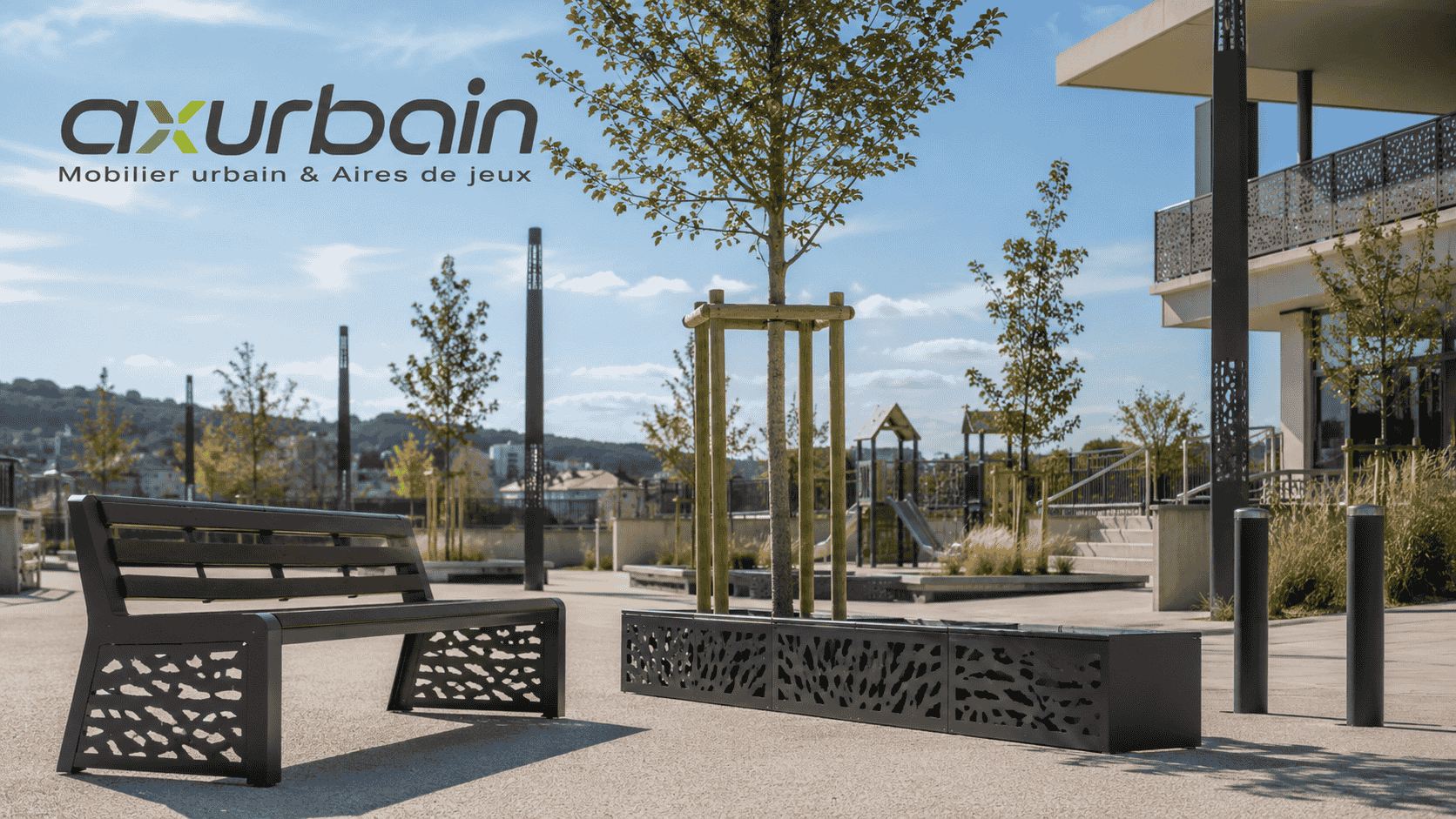
Axurbain has become a recognized name in the world of urban furniture and public space development. As cities continue to expand and modernize, the need for high-quality public infrastructure has increased significantly. Communities today expect public spaces to be comfortable, safe, visually attractive, and environmentally responsible. Urban furniture plays a major role in achieving these goals by shaping how people interact with streets, parks, plazas, and recreational areas.
Quick Facts
| Information | Details |
|---|---|
| Company Name | Axurbain |
| Industry | Urban Furniture Manufacturing |
| Headquarters | Fabrègues, France |
| Specialty | Urban Furniture and Playground Equipment |
| Main Clients | Municipalities, Architects, Urban Planners |
| Product Categories | Benches, Bollards, Bike Stands, Playgrounds, Tree Grates |
| Custom Manufacturing | Yes |
| Design Style | Modern and Functional |
| Key Collaboration | Studio BrichetZiegler |
| Notable Collection | POA Collection |
| Market Focus | Public Infrastructure |
| Country | France |
Introduction
Axurbain has become a recognized name in the world of urban furniture and public space development. As cities continue to expand and modernize, the need for high-quality public infrastructure has increased significantly. Communities today expect public spaces to be comfortable, safe, visually attractive, and environmentally responsible. Urban furniture plays a major role in achieving these goals by shaping how people interact with streets, parks, plazas, and recreational areas.
Based in Fabrègues, France, Axurbain specializes in designing and manufacturing custom urban furniture and playground equipment. The company works closely with municipalities, architects, landscape designers, and urban planners to create solutions that improve the functionality and appearance of public spaces. Through innovation, craftsmanship, and collaboration, Axurbain helps transform ordinary outdoor environments into welcoming spaces that enhance daily life.
The History and Background of Axurbain
Axurbain was established with a clear mission to improve urban environments through thoughtful design and durable infrastructure. From the beginning, the company focused on creating products that combine practical functionality with strong visual appeal. Rather than producing generic street furniture, Axurbain aimed to develop solutions that contribute to the identity and character of each location.
Operating from its headquarters in Fabrègues, the company has steadily built a reputation for quality manufacturing and design excellence. Over the years, Axurbain has participated in numerous urban development projects across France and beyond. Its ability to adapt products to specific project requirements has made it a preferred partner for cities seeking customized solutions. Today, the company continues to expand its influence by helping communities create public spaces that are both attractive and highly functional.
Understanding Axurbain’s Vision for Urban Development
The philosophy behind Axurbain extends far beyond the simple production of benches or playground structures. The company believes that public spaces should encourage social interaction, improve quality of life, and strengthen community connections. Every product is designed with the goal of creating environments that people enjoy using every day.
This vision is reflected in the company’s commitment to innovation and customization. Axurbain understands that every city has unique architectural styles, cultural characteristics, and practical requirements. By carefully considering these factors, the company develops solutions that fit naturally into their surroundings. This approach helps municipalities create cohesive public spaces that reflect local identity while meeting modern urban planning standards.
Why Urban Furniture Matters in Modern Cities?
Urban furniture is often overlooked, yet it plays a crucial role in shaping the experience of public spaces. Benches, bike racks, bollards, and safety barriers influence how people move, gather, and interact within a city. Well-designed infrastructure can transform a simple street into a vibrant social environment that encourages outdoor activity and community engagement.
Modern cities face increasing challenges related to population growth, sustainability, and mobility. Effective urban furniture helps address these issues by supporting pedestrian movement, encouraging cycling, and improving accessibility. Axurbain recognizes the importance of these functions and designs products that contribute positively to the overall urban experience. Their solutions help create spaces that are comfortable, organized, and visually appealing for residents and visitors alike.
Axurbain’s Urban Street Furniture Collection
One of Axurbain’s primary areas of expertise is urban street furniture. The company manufactures a diverse range of products designed to improve public environments while maintaining high standards of durability and aesthetics. These products are commonly installed in city centers, parks, residential developments, educational institutions, and commercial districts.
The collection includes benches, banquettes, stools, bollards, bike stands, and safety barriers. Each product is carefully engineered to withstand heavy use and varying weather conditions. Materials such as steel, aluminum, and cast iron are selected for their strength and longevity. Through a combination of technical expertise and creative design, Axurbain delivers furniture that remains functional and attractive for many years.
Custom Benches and Public Seating Solutions
Public seating is one of the most essential elements of urban infrastructure. Axurbain designs benches and seating systems that provide comfort while enhancing the appearance of outdoor environments. These installations create opportunities for people to rest, socialize, and enjoy public spaces, making them valuable assets for communities.
The company offers a variety of seating styles ranging from minimalist contemporary designs to more artistic and expressive forms. Each project can be customized to match surrounding architecture and landscape features. This flexibility allows municipalities and designers to create unique public spaces with a strong visual identity. By prioritizing both comfort and durability, Axurbain ensures that its seating solutions meet the demands of modern urban life.
Bike Stands and Sustainable Transportation Support
As cities increasingly promote environmentally friendly transportation options, bicycle infrastructure has become more important than ever. Axurbain supports sustainable mobility through the design and manufacture of high-quality bike stands and parking systems. These products provide secure and convenient locations for cyclists while contributing to organized and attractive public spaces.
Well-designed bike parking facilities encourage more people to choose cycling as a daily mode of transportation. This can help reduce traffic congestion, lower emissions, and improve public health. Axurbain’s bike stands are developed with durability, security, and ease of use in mind. Their designs integrate seamlessly into urban environments, helping municipalities support long-term sustainability goals.
Safety Barriers and Bollards for Urban Protection
Safety remains a critical concern in modern public space planning. Axurbain manufactures a range of barriers and bollards designed to protect pedestrians, manage traffic flow, and secure sensitive areas. These products play a vital role in creating safe and organized urban environments without compromising visual appeal.
Many traditional safety installations can appear intrusive or unattractive. Axurbain addresses this challenge by developing protection systems that blend naturally into their surroundings. The result is infrastructure that fulfills important safety functions while maintaining architectural harmony. This balance between security and design excellence has become a defining characteristic of the company’s product range.
Tree Protection Systems and Urban Green Spaces
Healthy urban landscapes depend on the successful integration of natural and built environments. Trees provide shade, improve air quality, reduce heat, and contribute to the visual beauty of public spaces. However, urban conditions can place significant stress on root systems and surrounding soil.
Axurbain produces specialized tree protection systems that help preserve urban greenery while supporting pedestrian activity. Their cast aluminum and cast iron tree grates are designed to protect roots without restricting growth. These installations blend seamlessly into pavements and public walkways, creating attractive and practical solutions for cities. By protecting urban trees, Axurbain contributes to healthier and more sustainable communities.
Playground Equipment Designed for Communities
Playgrounds are essential spaces where children can learn, socialize, and develop physical skills. Axurbain designs and manufactures playground equipment that combines safety, creativity, and durability. These play environments are created to provide engaging experiences for children while meeting strict safety requirements.
The company understands that playgrounds are important community assets. Parents, schools, and municipalities rely on these spaces to support healthy childhood development and social interaction. Axurbain’s equipment is engineered to withstand intensive use while encouraging imaginative play. Through thoughtful design and quality manufacturing, the company helps create vibrant recreational spaces for future generations.
The Importance of Custom Manufacturing
One of the strongest advantages of Axurbain is its commitment to custom manufacturing. Every public space presents unique challenges related to layout, usage patterns, environmental conditions, and design objectives. Standardized products may not always provide the best solution for these specific requirements.
Axurbain works closely with clients to develop tailor-made products that address project goals and site conditions. Whether creating a custom bench, a specialized barrier, or an entirely original design concept, the company prioritizes flexibility and collaboration. This bespoke approach allows municipalities and developers to create distinctive environments that reflect their vision while maximizing functionality.
Collaboration With Architects and Designers
Successful public spaces are often the result of close collaboration between multiple professionals. Axurbain regularly partners with architects, landscape architects, designers, engineers, and urban planners throughout the development process. These partnerships help ensure that products integrate effectively into larger projects and support broader design objectives.
Collaboration also encourages innovation by bringing together different perspectives and areas of expertise. Through open communication and technical support, Axurbain contributes valuable insights that enhance project outcomes. This cooperative approach has helped the company establish long-term relationships with professionals across the urban design industry.
The POA Collection and Studio BrichetZiegler Partnership
One of Axurbain’s most notable design achievements is the POA Collection, developed in partnership with the French design studio Studio BrichetZiegler. This collection reflects the company’s commitment to combining artistic creativity with practical functionality in public spaces.
The POA Collection is characterized by flowing curves and organic forms inspired by natural elements such as leaves and ribbons. Crafted from cast aluminum, these pieces bring a contemporary aesthetic to urban environments while maintaining durability and structural strength. The collection demonstrates how urban furniture can become a defining visual feature rather than simply serving a functional purpose.
Sustainability and Environmental Responsibility
Sustainability is an increasingly important consideration in urban planning and infrastructure development. Axurbain recognizes its responsibility to contribute to environmentally responsible solutions through durable materials, efficient manufacturing practices, and products that support sustainable lifestyles.
The company’s focus on long-lasting infrastructure helps reduce waste and minimize replacement costs over time. Products such as bike stands and tree protection systems directly support environmental initiatives by encouraging sustainable transportation and preserving urban greenery. Through these efforts, Axurbain helps cities create healthier and more resilient public environments for future generations.
Digital Catalogs and Professional Resources
Modern infrastructure projects require detailed planning and technical documentation. Axurbain provides digital catalogs and professional resources that help architects, planners, and municipalities evaluate products and make informed decisions. These materials include specifications, dimensions, design references, and examples of completed projects.
Digital accessibility makes it easier for professionals to compare options and integrate products into their planning processes. By offering comprehensive technical information, Axurbain supports efficient project development and improves communication between stakeholders. This commitment to transparency and accessibility enhances the overall customer experience.
The Future of Axurbain and Urban Design
The future of urban development will increasingly focus on sustainability, accessibility, and human-centered design. As cities continue to evolve, public spaces must adapt to changing social, environmental, and technological needs. Axurbain is well positioned to contribute to this transformation through its innovative products and collaborative approach.
The company’s emphasis on customization, quality, and design excellence aligns closely with emerging urban planning priorities. By continuing to develop creative solutions for public infrastructure, Axurbain can play an important role in shaping the next generation of cities. Its work demonstrates how thoughtful design can improve everyday experiences while supporting broader community goals.
Conclusion
Axurbain has established itself as a leading manufacturer of urban furniture and playground equipment through its dedication to quality, innovation, and collaboration. The company’s products help municipalities create public spaces that are functional, attractive, and sustainable. From custom benches and bike stands to tree protection systems and playground structures, every solution is designed with both users and environments in mind.
As urban areas continue to grow and evolve, the importance of well-designed public infrastructure will only increase. Through its commitment to craftsmanship, customization, and environmental responsibility, Axurbain continues to make a meaningful contribution to modern urban development and the creation of vibrant community spaces.
FAQs
What is Axurbain known for?
Axurbain is known for designing and manufacturing custom urban furniture, playground equipment, tree protection systems, and other public infrastructure solutions for cities and communities.
Where is Axurbain located?
Axurbain is headquartered in Fabrègues, France, and serves municipalities, architects, landscape designers, and urban planning professionals.
What products does Axurbain manufacture?
The company produces benches, bollards, bike stands, safety barriers, tree grates, playground structures, and a variety of customized urban furniture products.
Does Axurbain offer custom solutions?
Yes. One of Axurbain’s main strengths is its ability to create bespoke urban furniture and infrastructure solutions tailored to specific project requirements.
Why is Axurbain important in modern urban design?
Axurbain helps create functional, attractive, and sustainable public spaces by combining innovative design, durable materials, and close collaboration with architects and urban planners.


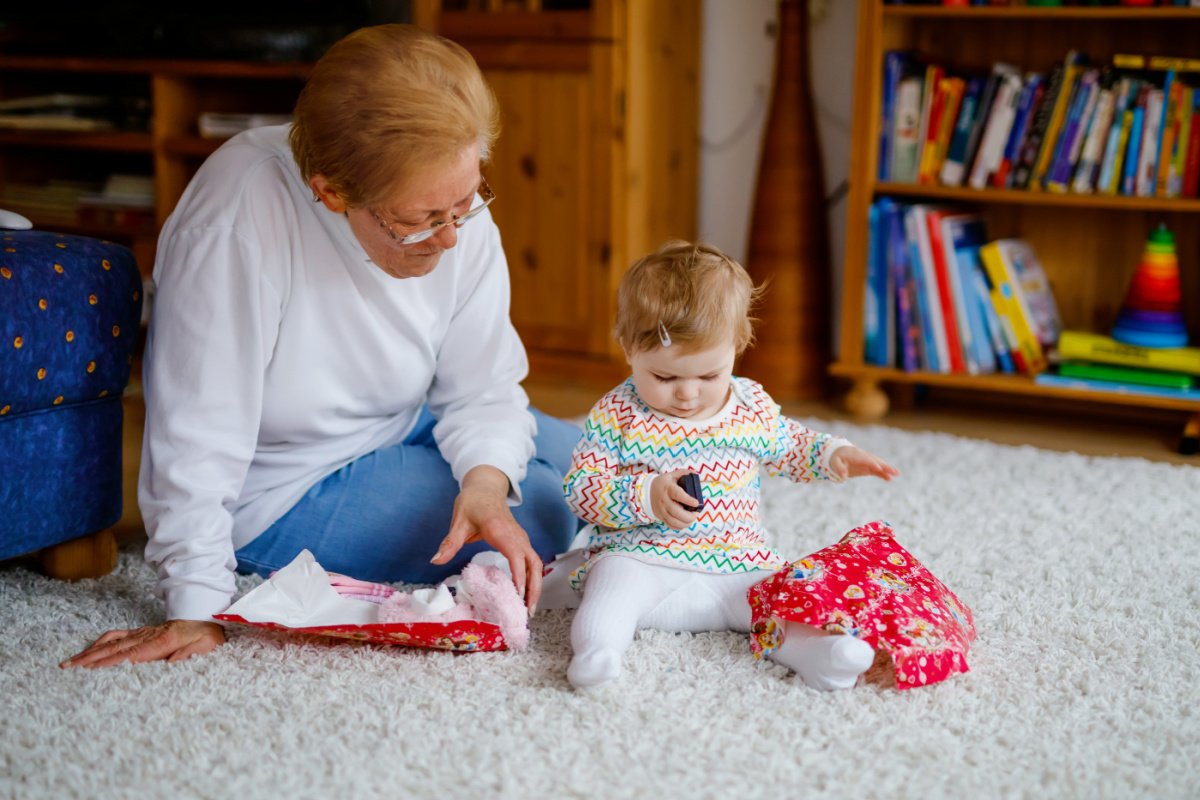
Buying for grandchildren is one of life’s great pleasures and, if we’re honest, one of its small anxieties. You want the present to land. You don’t want to duplicate what their parents have bought, or choose something wildly wrong for their age, or hear later that it never left the box.
A little planning helps enormously, and most of it comes down to a few questions you can ask in advance.
Start by asking the parents
It’s tempting to keep presents a surprise, but a quick message to a parent is the single most useful thing you can do. Ask what the child’s into at the moment, what they already have plenty of, and whether there’s anything the family would rather you didn’t buy. Parents are usually delighted to be asked, and it saves a lot of polite smiling over duplicates.
It’s also worth asking about space. Many modern homes are short on storage, and an enormous present that takes over the living room isn’t always a kindness.
Know the stage, not just the age
The number on the box is only a guide. Children develop at different rates, so it helps to think about stage: what they actually do when they play.
Under threes are mainly interested in handling and copying. Three to five year olds start pretending in earnest. From about five, play turns into stories with names, jobs and plots, and by seven or eight many children begin collecting.
For the pretending years, imaginative play is hard to beat. A good range of kids dolls offers everything from soft-bodied babies for toddlers to posable figures for older children, so it’s worth checking which suits the age. Younger children generally do best with something sturdy and washable, around the size they can carry, while older ones like hair that can be brushed and outfits that come off.
Keep it simple
Grandparents often feel the pull of the impressive present, the one that lights up and talks. Children admire these briefly, but the toys that get played with for years tend to be the quiet ones. A figure that doesn’t speak leaves the child to decide who it is, and that’s where the play comes from.
This helps when you’re on a budget, too. Simpler toys are often cheaper, and they last longer, because there’s less to break and less to get bored of.
A gift with everything in the box
If you’d like something that makes an immediate impression, a boxed set is a safe bet. A doll set arrives with furniture, outfits and accessories, so the child can start playing as soon as it’s opened, without waiting for a parent to find the missing pieces. That matters when you’re not there to help.
Check what’s inside, though. Pieces that work with other toys the child already owns are the most useful, while single-purpose moulded props are quickly forgotten. And for under threes, check the age marking, since small accessories can be a choking risk.
Things to avoid
Anything very noisy, unless you’ve checked with the parents. You won’t be living with it, but somebody will.
Anything with a great deal of assembly. Fiddly instructions fall to a parent on Christmas morning, and rarely earn a thank you.
Anything bought for a stage the child hasn’t reached yet. Presents for next year tend to sit untouched until the child has already moved past them.
Anything that eats batteries. They run out quickly and replacements are a nuisance.
Make it personal
What children often remember is the thing that came from a particular person. A handmade outfit for a doll, a knitted blanket, a name stitched onto something. These don’t need to be expensive, and they have a quality shop-bought present that can’t match: they’re from you.
You can also tuck in something of your own, like a story about a toy you loved as a child, or a recording of you reading a bedtime story that they can listen to when you’re not there. Children who live far from their grandparents often treasure that more than the present itself.
Include the experience
Time with you is usually the best present, and something small that goes with it can be even better. A trip to the park with a picnic, a baking afternoon, a visit to the library followed by tea. They take almost no planning, and they create the memories children keep.
If you’re buying for several grandchildren, a shared experience can also take pressure off the question of who got what. A day out for everyone, with a small something for each, is easier to get right than a heap of individual parcels.
Think about the long game
Grandparents are in the happy position of playing a long game. A present doesn’t have to be a triumph on the day. It can be something a child grows into, or comes back to months later when they’re ready, and a well chosen toy quietly waiting in a cupboard at your house can become part of what makes visits special.
Keeping a few things at your own home, a box of figures or a set of books, means there’s always something to do when they arrive, and gives them a reason to look forward to coming.
A last thought
Give what suits the child now, check with the parents, and don’t worry about getting it perfect. Children are generous with anyone who clearly thinks about them, and a present chosen with care tends to be treasured whatever it costs.

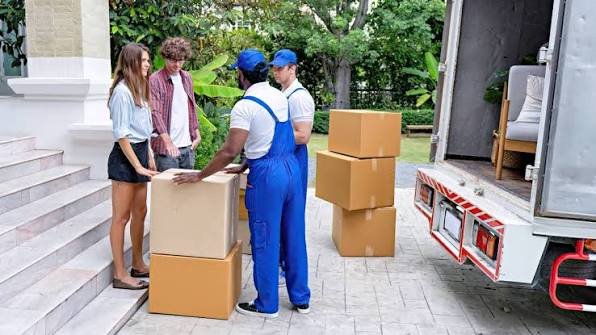
A household move is more than a trip between two addresses. It is a short period in which access, belongings and everyday routines all have to change at once. In Brisbane, a move might involve an apartment lift, a steep driveway, a narrow street or a long gap between collecting keys and entering the new home. A practical plan gives each of those details a place before they become moving-day surprises. It also leaves room for the ordinary things that rarely go exactly to schedule.
Before the move: reduce the number of decisions left for moving day
Start with the two properties, not the boxes. Walk through each home and note stairs, lifts, parking options, large furniture and any awkward turns. Check what access arrangements apply at both addresses, including whether a building requires a lift booking or has set times for moves. If you are renting, confirm the agreed key collection and return arrangements with the relevant parties. Do not assume that having a moving date means both homes will be available at the same hour.
Next, decide what is actually making the journey. Sorting by room is useful, but sorting by destination is better: some items will go straight into daily use, some can stay packed for weeks, and others may be donated or disposed of before the move. Measure furniture that may not fit through a doorway or in its intended spot. That small check can prevent a heavy item from being carried upstairs only to be brought back down.
Make a brief that someone else could follow
Put the essential details in one place, even if you are coordinating the move yourself. A simple written brief helps household members answer questions consistently and gives you something to check when plans change. Include:
- Both addresses, contact numbers and the expected access times.
- Parking and loading details, including any known restrictions.
- Large, fragile or unusually shaped items that need advance discussion.
- Which boxes and furniture belong in each room at the destination.
Keep important documents, medication, chargers and a few days of essentials separate from general packing. They should remain easy to identify and access, rather than disappearing into a box marked “miscellaneous”. If you are arranging help, describe the job accurately and ask what information is needed for a useful estimate. Clarify what is included, how changes to the plan are handled and whether there are items the crew cannot take. This is about reducing misunderstandings, not predicting every minute of the day.
During the move: protect the flow between homes
On moving day, the first priority is a clear route out of the old home and into the new one. Keep walkways free of loose items, and make sure anyone helping knows which belongings are staying behind. Label boxes on more than one side so their destination remains visible when they are stacked. A short room name is more helpful to the person carrying a box than a detailed inventory written on its top.
Give one person responsibility for answering access and placement questions. That does not mean they must direct every lift; it means there is a clear point of contact if a vehicle cannot park where expected, a lift is unavailable or a piece of furniture will not fit. Keep the property contacts and key details handy. If timing changes, tell the people who need to know rather than relying on the original schedule to sort itself out.
The brief prepared earlier can also shape a useful conversation with reliable Brisbane removalists: which access constraints should be raised before the day, where should the larger items be placed on arrival, and what should happen if the destination is not yet ready? These questions turn a general request to move a household into a clearer description of the work. They also help you decide which tasks, such as final cleaning or collecting keys, need a separate person or time slot.
Before leaving each property, take a deliberate final walk-through. Check cupboards, outdoor areas and places where small items tend to be left, such as power points near desks. At the destination, concentrate first on safe access and essential furniture placement. Unpacking can wait; discovering that a bed or fridge is in the wrong room is easier to address while people are still available to help.
After arrival: make the new home workable first
Once the last box is inside, resist the urge to unpack everything at once. Locate the essentials, confirm that the main rooms can be used, and note anything that appears missing or damaged while the details are fresh. Keep relevant photographs, messages and paperwork together if a question needs to be followed up. Where another party is involved, check the applicable process and timeframes rather than assuming what the outcome will be.
Then work through the less visible parts of the transition. Check that mail, deliveries and account details are directed to the right address, and review which services still need to be connected, updated or cancelled. For a rental, keep any entry or exit records organised. These administrative jobs are easy to postpone once the furniture is in place, but a short checklist makes them less likely to be forgotten.
Leave room to settle in
A useful first-week goal is a functioning home, not a perfectly finished one. Unpack the kitchen and bedrooms according to how the household actually uses them. Break down empty boxes as space allows, and keep a small list of items that need a different location or a later decision. If several people share the home, agree on priorities rather than letting the loudest box dictate the order.
The strongest moving plan is not the most detailed schedule. It is one that identifies the decisions that matter before the move, keeps communication clear during it, and gives the household a manageable way to settle afterwards. That approach makes delays or changes easier to respond to without treating every unexpected detail as a crisis.


Buying a first home brings a long shopping list, but alarm equipment deserves attention before decorating begins. Existing devices may be unfamiliar, and it is not always obvious whether they work together or how old they are.
An interlinked system allows compatible alarms to sound together when one detects danger. Choosing a system is easier once the decision is broken into rooms, connections, installation and upkeep. Start with the home rather than the app or the packaging.
Make an inventory before buying
Walk through each floor and note the alarms already installed. Record their model numbers, power sources and replacement dates where these are available. Gather any manuals left with the property and ask about existing wiring before planning to replace equipment.
Sketch a simple floor plan showing bedrooms, hallways, the kitchen and rooms with fuel-burning appliances. Include converted spaces and any room whose use will change after moving in.
Government fire safety guidance recommends smoke alarms on every level, but a floor-by-floor count is only a starting point. The layout, sleeping arrangements and occupants’ needs help determine appropriate coverage. A local fire and rescue service or a competent installer can help assess an unfamiliar home.
Understand the three alarm types
Smoke alarms detect smoke and provide fire warning in appropriate areas of the home. Heat alarms detect heat rather than smoke and suit kitchens, where cooking fumes can cause nuisance smoke alerts. A kitchen heat alarm does not replace smoke alarms elsewhere.
Carbon monoxide alarms serve a separate purpose. CO is an odorless, colorless gas associated with fuel-burning appliances, so a standard smoke alarm does not provide CO detection. Note rooms with equipment such as boilers, gas fires and wood-burning stoves when planning coverage.
Combination devices detect more than one hazard, but they still need a suitable position for their specified functions. Follow the manufacturer’s fitting instructions rather than applying one mounting rule to every alarm. Appliance servicing remains important even when CO alarms are installed.
Separate interlinking from smart features
Interlinked alarms communicate so a warning is not limited to the device that first detects a problem. Compatible sounders elsewhere in the network also activate, which is useful across multiple floors or a larger layout.
A phone app is an additional feature, not the definition of interlinking. Some systems use a gateway to provide status information and notifications when the homeowner is away. Available controls vary, so do not assume every app supports remote testing or silencing.
When you explore options to keep your household safe, compare the local alarm functions separately from the optional connected features. Ask what works without broadband, what needs a gateway and how connection faults are reported. A phone alert is not the same as an automatically monitored service that contacts emergency responders.
Compare power and installation options
Wireless linking can be helpful when retrofitting a finished home because the communication between devices does not require new interlink cabling. However, wireless communication does not necessarily mean battery power: some mains-powered alarms also link wirelessly.
Battery-powered equipment and mains-powered equipment have different installation and maintenance needs. Mains alarms should be fitted by a qualified electrician, and existing wiring should be assessed before replacements are selected. Do not assume a new alarm will fit an old base or connect to an existing network.
Choose compatible devices within a supported system. Matching brand names alone may not establish compatibility between ranges or generations. Check the exact model information, the supported number of devices and any additional equipment required before ordering.
Budget for the complete setup
The shelf price is not the whole project cost. Include the number and types of alarms required, installation, any gateway and any separate controls. Check whether optional connected services carry ongoing charges rather than assuming they are included.
Think about usability as well as detection. Someone who cannot easily reach a ceiling-mounted button may benefit from a compatible accessible control. A person who is deaf or hard of hearing may need suitable strobes or vibrating alert equipment.
These needs are easier to address while choosing the system than after everything is installed. Ask for a clear equipment list and an explanation of what each component does.
Arrange a proper handover
Once the alarms are fitted, follow the manufacturer’s procedure for testing both the individual devices and their interlinking. Ask the installer to demonstrate the controls and explain emergency, fault and end-of-life signals. Check that everyone who will maintain the system can use it.
Save manuals, installation records and warranty details in one place. Record each model’s testing, cleaning and replacement requirements; a sealed battery does not remove the need for maintenance or prevent every warning chirp.
Finally, review household escape arrangements using local fire-service guidance and any building-specific fire instructions. Include people who may need help responding, and keep routes clear during the move. Knowing how to respond to a warning matters just as much as understanding how the equipment works.
A good first purchase is a compatible system that suits the property and its occupants, with a maintenance routine the household can manage. Smart extras can be useful, but appropriate detection and dependable local warnings come first.

Shortfills and Nicotine Shots Explained: A Simple UK Guide

What Makes the SP5DER OG Web Hoodie So Iconic

Modern Adult Orthodontics: Accelerated Teeth Alignment and Oral Tissue Recovery Protocols

Modern Consumer Snack Trends: Sugar-Free Wholesale Shifts and Emerging Dietary Demands

Property Staging Tips: How to Sell Your House Faster and for More

Planning a Website Redesign? 8 Things to Get Right Before You Start

How to Ensure Your Home is Valued Correctly for a Quick Sale

Christopher Dare: The Untold Story of Engineer and Former Husband of Angela Rippon

The 15 Highest-Paid Rugby Players in the World

What Is Fanquer? The Digital Creator Platform Transforming Direct-to-Fan Engagement

Dr Jared Ross: Missouri Appeals Court Upholds Protection Order Over Graphic Torture and Murder Threats

Nancy Hallam: The Inspiring Life, Career, and Success Story Behind Ian Wright’s Wife
How to Ensure Your Home is Valued Correctly for a Quick Sale
Christopher Dare: The Untold Story of Engineer and Former Husband of Angela Rippon
The 15 Highest-Paid Rugby Players in the World
What Is Fanquer? The Digital Creator Platform Transforming Direct-to-Fan Engagement
Dr Jared Ross: Missouri Appeals Court Upholds Protection Order Over Graphic Torture and Murder Threats
Nancy Hallam: The Inspiring Life, Career, and Success Story Behind Ian Wright’s Wife
-
 Real Estate9 months ago
How to Ensure Your Home is Valued Correctly for a Quick Sale
-
Celebrity11 months ago
Christopher Dare: The Untold Story of Engineer and Former Husband of Angela Rippon
-
 Sports6 months ago
The 15 Highest-Paid Rugby Players in the World
-
 Technology5 months ago
What Is Fanquer? The Digital Creator Platform Transforming Direct-to-Fan Engagement
-
 Celebrity5 months ago
Dr Jared Ross: Missouri Appeals Court Upholds Protection Order Over Graphic Torture and Murder Threats
-
Celebrity12 months ago
Nancy Hallam: The Inspiring Life, Career, and Success Story Behind Ian Wright’s Wife
-

 Celebrity8 months ago
Who Is Azriel Crews? Inside the Life and Career of Terry Crews’ Daughter
-
 Celebrity12 months ago
Who Is Maisie Mae Roffey? The Private Life, Family Story, and Quiet Success of Julie Walters’ Daughter