
Fashion
How to Use Nipple Cream for Comfortable Pumping

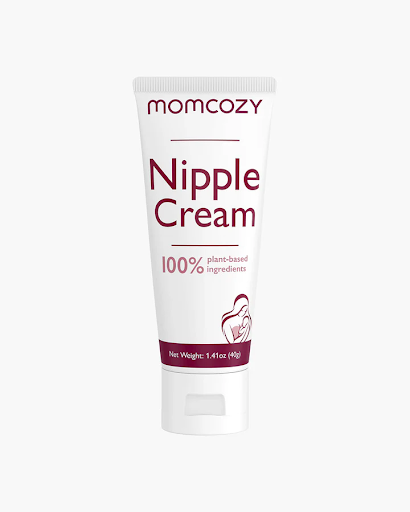
For many mothers, especially those returning to work, pumping is a lifeline that keeps their breastfeeding journey going. But the physical toll it takes on your body is something few people talk about openly. Unlike nursing directly, the repetitive suction of a breast pump can leave nipples feeling raw, dry, and irritated — sometimes after just a few sessions. When discomfort builds up over days and weeks, it can make an already demanding routine feel overwhelming.
Nipple cream is one of the most effective and underutilized tools for managing this challenge. More than just a soothing product, it serves as a protective barrier, an active healer, and a daily comfort ritual that helps your skin keep pace with a demanding pumping schedule. The right cream, used consistently and correctly, can make a measurable difference in how pumping feels — and how long you’re able to sustain it.
This guide is designed to give you practical, straightforward advice on everything from choosing the best nipple cream for your needs to building a simple application routine that fits into even the busiest days. Whether you’re just starting out or dealing with persistent soreness, you’ll find actionable steps here to help you pump with greater comfort and confidence.
Why Nipple Cream is Essential for Pumping Moms
Pumping puts your body through a type of physical stress that breastfeeding alone simply doesn’t replicate. When a baby nurses, the latch creates a natural seal that distributes pressure across a wider area, and the feeding rhythm is self-regulated. A breast pump, by contrast, applies consistent mechanical suction in a fixed, repetitive cycle — sometimes six to eight times a day for working mothers. Over time, this relentless friction and vacuum pressure strip away the skin’s natural moisture, leaving nipple tissue dry, tender, and increasingly vulnerable to cracking.
The moisture cycle itself becomes a problem. During pumping, the skin is repeatedly exposed to suction and warmth, then left damp inside a flange after the session ends. That cycle of wetting and drying is one of the leading causes of nipple irritation for pumping moms. Unlike direct nursing, where a baby’s saliva provides some natural lubrication and the skin recovers between feeds, pumping offers no such buffer. The skin has to withstand mechanical stress without any biological compensation.
This is exactly where nipple cream earns its place in your routine. A quality nipple cream does more than provide temporary relief — it creates a physical barrier that shields skin from friction during sessions, seals in moisture to prevent the damaging dry-out effect, and actively supports healing in tissue that’s already stressed. Think of it less as a treatment you reach for when things go wrong and more as daily maintenance that keeps things from going wrong in the first place.
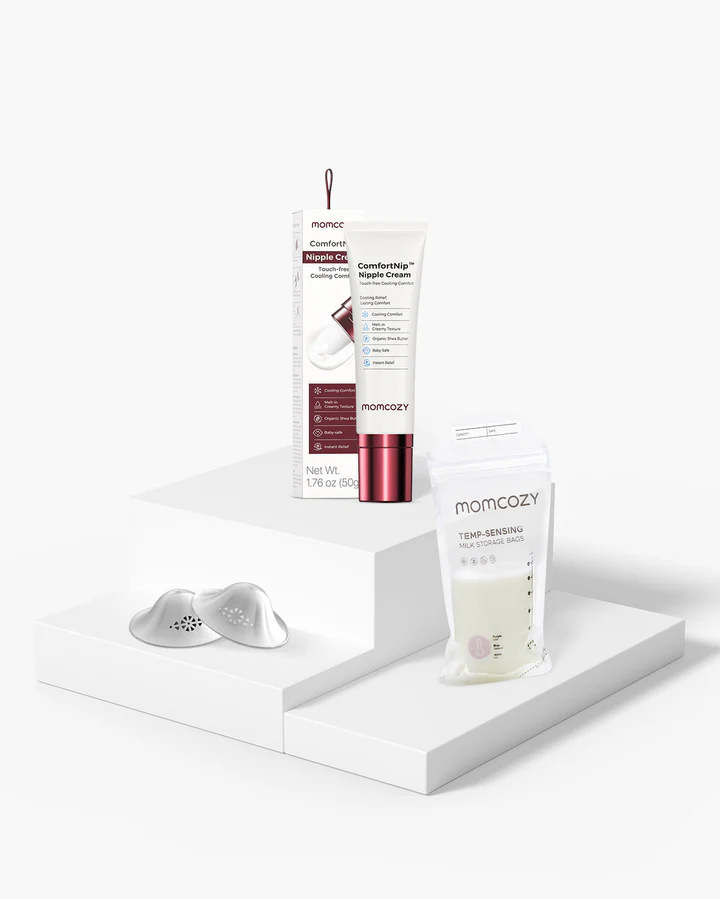
Addressing breastfeeding comfort proactively is especially important because pain has a direct impact on milk letdown. When your body associates pumping with discomfort, it becomes harder to relax enough to express milk efficiently. Using nipple cream consistently isn’t just about skin health — it’s about protecting the entire pumping experience before small irritations turn into real setbacks.
Choosing the Right Nipple Cream for Your Routine
With dozens of options on the market, picking the right nipple cream can feel more complicated than it needs to be. The most important starting point is safety: any cream you apply to your nipples will likely come into contact with your baby during feeding, so it needs to be non-toxic and ideally food-grade. Look for products that are free from artificial fragrances, parabens, and petroleum-based fillers. Beyond safety, the most practical feature a pumping mom can ask for is a formula that doesn’t require removal before feeding or pumping — that single factor eliminates a surprisingly time-consuming step from your day.
Lanolin is the most widely used ingredient in nipple creams, and for good reason. It’s derived from sheep’s wool, mimics the skin’s natural oils, and creates a semi-occlusive barrier that retains moisture without fully blocking airflow. It absorbs slowly but provides long-lasting protection, making it a reliable choice for moms dealing with cracked or raw skin. The main drawback is its thick consistency, which some find sticky or difficult to spread. If you have a wool allergy, lanolin is one to skip entirely.
Plant-based alternatives — particularly those formulated with coconut oil, shea butter, or calendula — have become increasingly popular. These tend to feel lighter on the skin, absorb more quickly, and suit moms who prefer a fully natural or vegan product. Coconut oil on its own has antimicrobial properties and works well for mild dryness, though it may not provide sufficient protection during heavy pumping schedules without reapplication.
Specialty blends that combine multiple moisturizing agents often offer the best of both worlds: the sealing power of a heavier ingredient alongside the fast absorption of lighter oils. Brands focused on the full pumping experience, like Momcozy, tend to develop their nipple creams with this kind of daily, repeated use in mind — formulating for compatibility with flanges and safe contact with infants. When choosing, prioritize a moisturizing nipple cream that stays comfortable under a flange, absorbs without leaving heavy residue, and supports your skin through repeated daily sessions — not just occasional use.
Step-by-Step Guide: How to Apply Nipple Cream for Pumping
Pre-Pumping Preparation and Application
Getting the application right takes less than two minutes, but the difference in how your skin holds up over the course of a day is significant. Start by washing your hands thoroughly — this step matters more than it might seem, since introducing bacteria to already-stressed skin can turn mild irritation into a genuine infection. Before reaching for the cream, make sure your nipples are dry. Applying any moisturizer to damp skin dilutes its effectiveness and can actually trap unwanted moisture against the tissue rather than sealing in the kind your skin needs.
Dispense a pea-sized amount of cream onto your fingertip — roughly the size of a small blueberry. That’s enough to cover both nipples with a thin, even layer. More isn’t better here; a thick application can interfere with flange fit and feel uncomfortable under suction. Use the pad of your finger to spread the cream in gentle circular motions, working from the center outward. Avoid rubbing or pressing hard, especially if the skin is already tender. Once applied, give the cream thirty to sixty seconds to settle before positioning your flanges. This brief window allows the product to begin forming its protective layer rather than being immediately displaced by the equipment.
During and Post-Pumping Care
If you’ve chosen a food-grade, lanolin-based, or plant-based cream that’s labeled safe for nursing, there’s no need to remove it before pumping. That’s intentional — the cream works throughout your session, reducing friction as the flange moves and maintaining the skin’s moisture balance under suction. Wiping it off beforehand negates the protection it was meant to provide and adds unnecessary steps to an already time-pressured routine.
After the session ends, resist the urge to scrub or aggressively dry your nipples. Pat them gently with a clean cloth or let them air dry for a minute. If your cream has been fully absorbed or the skin feels tight, apply another thin layer before putting your bra back on. This post-pump reapplication is actually the most important one — it locks in moisture during the recovery window between sessions, when the skin is most vulnerable to drying out. If you notice any residue from the cream that you’d like to clear before a feeding, a soft, damp cloth is all you need; harsh soaps strip the skin’s natural oils and undo the work the cream has done. For moms pumping six or more times daily, a simple rule of thumb is to reapply every other session at minimum, and after every session if your skin is showing signs of cracking or peeling.
Integrating Nipple Cream into a Busy Pumping Schedule
For working moms juggling meetings, commutes, and designated pumping breaks that rarely go according to plan, the biggest barrier to consistent nipple cream use isn’t motivation — it’s logistics. The fix is simpler than most people expect: keep a dedicated tube in your pump bag, separate from any you store at home. When the cream is already where you’re pumping, it removes the mental step of remembering to bring it, which is often all it takes to skip it altogether. A small travel-sized tube fits easily in any bag compartment and means you’re never caught without it during a back-to-back workday.
Building reapplication into the end of every pumping session works best when you treat it as part of winding down rather than an optional add-on. After you’ve detached your flanges and stored your milk, apply your cream before reassembling your bra. Doing it in this fixed sequence — pump, store, cream, dress — takes less than ninety seconds and quickly becomes automatic. That consistency is what separates moms who see real improvement in skin condition from those who use cream sporadically and wonder why they’re still uncomfortable.
On days when soreness is more acute — whether from a longer pumping stretch, a new flange size, or skin that’s visibly cracking — hydrogel pads used between sessions can pair well with your nipple cream routine. Apply the cream immediately after pumping, let it absorb, and then place a chilled hydrogel pad on top during your break for additional soothing relief. The two work in different ways, and together they address both the surface pain and the underlying skin repair.
It’s also worth taking thirty seconds every few days to genuinely check in with your skin. Redness, peeling, or persistent tenderness that doesn’t improve with consistent cream use may signal a fit issue with your flanges or the early signs of an infection — both of which are worth addressing with your lactation consultant sooner rather than later. Nipple cream does its best work as part of an attentive routine, not as a substitute for one.
Building Comfort into Your Daily Pumping Routine
Pumping is demanding enough without adding avoidable skin pain to the equation. As this guide has covered, nipple cream isn’t a luxury or a last resort — it’s a frontline tool for preventing the dryness, cracking, and irritation that come from repeated mechanical suction. The skin on your nipples simply isn’t built to handle that kind of daily stress without support, and a quality cream applied consistently gives it the protection and recovery it needs to keep up.
The practical takeaways are straightforward: choose a formula that’s safe, effective under a flange, and ideally requires no removal before feeding or pumping. Apply it before and after every session using a thin, even layer. Keep a tube in your pump bag so it’s always within reach. Build reapplication into the fixed sequence of your pumping routine until it becomes second nature. None of these steps require significant time or effort — but together, they make a real difference in how your body holds up across weeks and months of pumping.
More than anything, prioritizing your own physical comfort isn’t a small thing. It directly supports milk letdown, sustains your pumping routine longer, and makes the overall breastfeeding experience more manageable. You’re already doing the hard work — a consistent nipple cream routine is one of the simplest ways to make sure that work doesn’t come at unnecessary cost to your body.


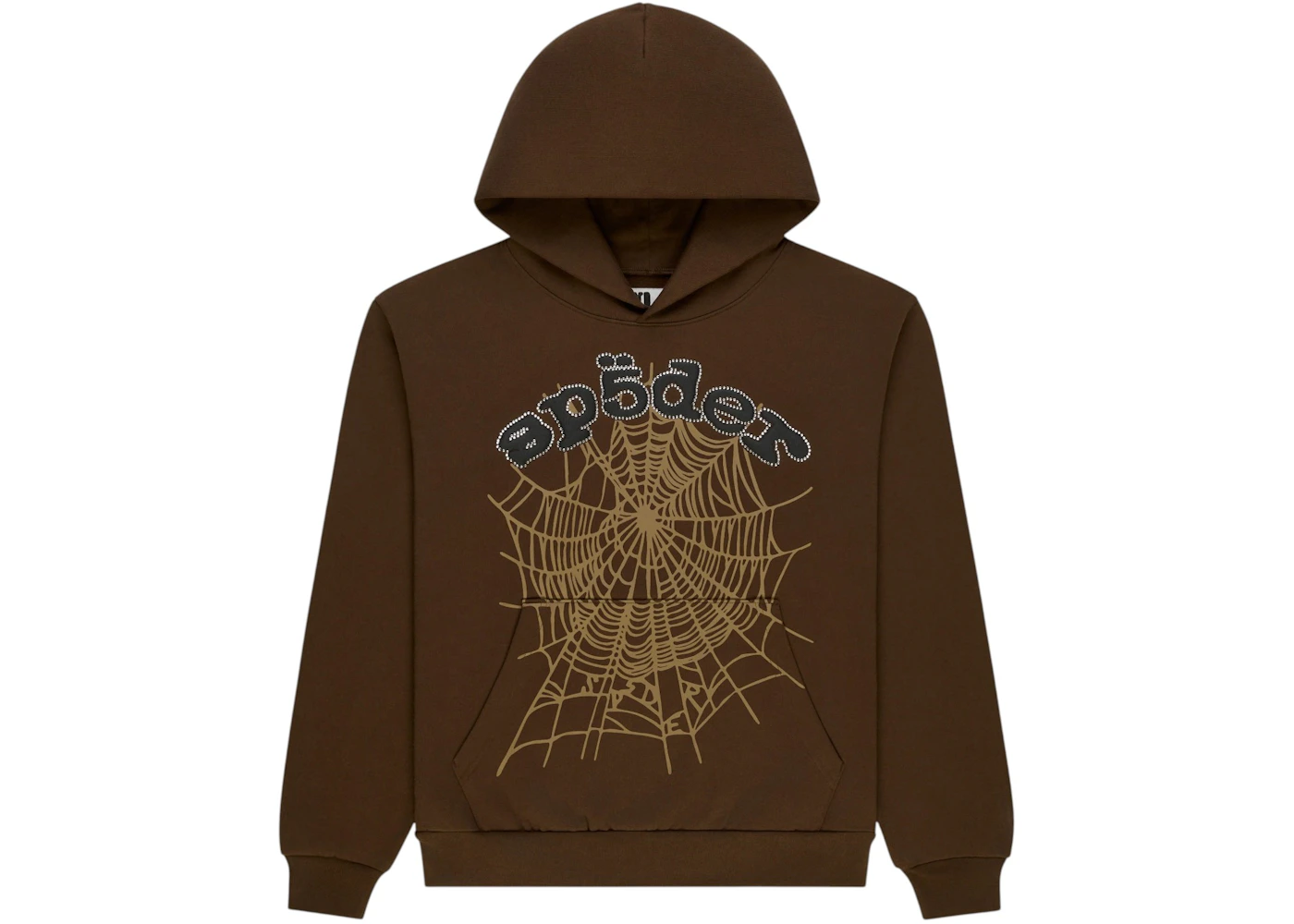
The hoodie has become a favorite star of streetwear. The web’s vivid pattern gives the hoodie an immediately recognizable look. The design is what many shoppers notice first. That visual punch goes a long way to explaining its tremendous popularity among streetwear lovers. The hoodie has a youthful spirit about it that feels right for today, too. The large look is ideal with casual, everyday clothing. Fans can combine it with denim or casual trousers. A pair of sneakers can simply finish the look. The design seems expressive, with no unnecessary layers or accessories. For many purchasers, the draw of a Spider Hoodie is that it’s more than just a hoodie. It’s the edgy edge of modern streetwear culture. “SP5DER has become strongly linked to web design. It provides the product with a personality that fashion-conscious customers can identify with. Buyers want more than just simple hoodies. This design gives this disparity a significant visual identity. It’s also popular because of its ties to Atlanta streetwear culture. Younger consumers are more likely to want apparel with an identity. The hoodie delivers that demand with confidence and character. That combo continues to draw interest from new streetwear consumers.
The Iconic Web Graphic That Gets Noticed
The web graphic is one of the key reasons for its popularity. It makes an immediate visual statement without the requirement of intricate detailing. The design gives the hoodie a unique personality from any viewpoint. The design is recognizable from a short distance by shoppers. That recognition lends the garment serious streetwear cred. The graphic also organically works with the proportions of an oversized hoodie. This makes the design feel balanced and not overdone. The web theme has grown really tied to the Sp5der identity. Fans remember the hoodie because of that association. It also provides collectors something familiar to add to their wardrobes. Some purchasers want the clothes to be unobtrusive, with limited marking. Others seek something that will quickly draw the eye. This hoodie is obviously targeted for the second group. The vibrant print adds a lively touch for informal situations. It’s especially good with basic trousers and clean sneakers. If you want the graphic to stand out, keep the rest of the outfit plain. This makes the hoodie versatile for numerous casual combos. It remains relevant to younger fashion audiences by maintaining a strong visual identity.
Why SP5DER Atlanta Hoodie Fans Love the Look?
The hoodie embodies the lively energy commonly attributed to Atlanta. Atlanta has always been an important city in current music and streetwear. That cultural connection gives the hoodie yet another dimension. People are often into clothes that tie into a recognizable creative group. The design is bold enough for hangouts and music events. Plus, it can work for everyday metropolitan looks. Many buyers are looking for clothing that feels related to current culture. With a powerful graphic identity, this Sp5der Hoodie gives you that sense. The large fit makes it easy to wear on the street. You may team it with loose jeans for a balanced look. You may even pair it with sweatpants for a more laid-back look. Clean sneakers help to keep the outfit seeming intentional. The hoodie can also be the main emphasis of an ensemble. Keep accessories simple, and it will help with the style without crowding it. That versatility is part of the appeal for diverse sorts of streetwear shoppers. The relaxed looks fans may produce without taking too much time planning. The Atlanta link adds to the design’s cultural cachet. That explains in part why the hoodie continues to get attention from streetwear lovers.
A Design Built for Everyday Streetwear
Everyday clothes have to be comfy and relaxed. Hoodies readily make that cut for many casual ensembles. The spider web design gives personality to an otherwise familiar garment. A laid-back silhouette lends itself to casual streetwear. It can work for travel or laid-back weekend activities. Most customers choose items with several wardrobe possibilities. A hoodie with a jacket over it makes for a handy streetwear combo. The hoodie can be worn on its own in milder weather. The striking design can be left as is, with no further customization. It is convenient for buyers who love uncomplicated clothing. The garment can easily become a regular go-to in the closet. Customers also like clothing that looks good on social media. Of course, casual outfit pics get a lot of attention for strong visuals. That could make the hoodie more attractive to younger shoppers. Its functionality also adds to the visual attractiveness of the design.
VVS Spider Hoodie Appeal Among Streetwear Fans
The hoodie becomes noticeable by attaching itself to striking aesthetics. Fans want products that have more individuality than essentials. Strong graphics can give a plain outfit a more expressive sense. That is one reason why web-inspired designs are still trendy. Shoppers look at numerous VVS Sp5der hoodie pieces before deciding which one to choose. The visual is still a significant part of that selection. “Some customers want a hoodie that is going to pop right away. Others want something that signifies their involvement in streetwear culture.” The bold web design theme can fulfill both tastes. Its distinctive look makes it easier to pick apart from identical items. The design also goes well with many popular casual apparel choices. Loose denim creates a classic streetwear combo. Sweatpants are a comfortable choice for regular wear. Neutral shoes will help keep the focus on the hoodie. This method allows the graphic to be the primary visual feature. Buyers can also experiment with various layers and accessories. This increases the worth of the hoodie in a versatile ensemble. That’s its appeal: recognition and everyday wearability.
Why the Hoodie Feels Different From Basic Designs?
The brand method is much more graphic and a lot louder. The site visuals give the piece a strong personality. This distinction is important to buyers looking for unique streetwear. Many young shoppers seek clothes that represent their particular sense. A recognizable design might help to develop that personal connection. The pattern also makes a bolder statement in casual wear. This makes it perfect when customers seek a product that stands out. The hoodie doesn’t need anything else to stand out. The main graphic already has enough visual interest. That can make planning an outfit surprisingly straightforward. The design also fits with the laid-back vibe of current streetwear. Instead, it encourages comfortable pairings with daily clothes. This balance is partly why it has been so enduringly popular with the casual fashion crowd. Buyers get a recognisable design and still have everyday adaptability.
How to Wear the OG Web Hoodie?
The web hoodie can be matched with several casual outfits. Simple bottoms can allow the graphic to get prominence. Black trousers can give a cleaner, sharper look. Sp5der Sweatpants are another comfy option for casual days. Shoes can make or break an outfit. Chunky shoes are an easy way to add a street-style edge to any look. Simple sneakers make for a cleaner everyday combo. In colder temperatures, a jacket can add an extra layer. Choose outerwear that doesn’t totally cover the main graphic. Accessories should enhance the ensemble, not detract from it. A simple cap or little bag would do the trick. Colour matching can also assist in pulling an outfit together. Neutral tones are extremely handy when working with bold graphic designs. You want the hoodie to be visually significant. Then you can work the rest of your outfit around it. It is easy to teach to beginners and collectors.

Have you ever walked into a warm room and, after a while, noticed that your favourite hoodie feels different? The fabric could feel softer at first. It may feel warmer or a little unpleasant on your skin later. This change can come as a surprise when your clothes felt completely comfy outside. Room temperature can make a difference to how your clothes feel all day. Your body responds to changes in heat and humidity, too. When you wear bulky casual clothes for some hours, these little variances become more easily apparent. The surroundings change with indoor heating, which can often make an Essentials Hoodie seem different. Warm air can alter the moisture on your skin and how clothes fall about your body. Your personal temperature has a role to play in how comfy the clothing is too. Heaters can generate dry air in some environments by lowering the relative humidity as the temperature increases. This can leave certain fabrics feeling less pleasant than you’d expect. Nevertheless. The hoodie itself might not have even changed. Sometimes the body only needs some time to adapt to its new environment. Knowing these changes can help you make better decisions when you outfit yourself. You can also find out how to keep your beloved clothes comfy throughout colder months. If you’re spending a lot of time inside, small changes to your attire might make a huge difference.
Can Heated Rooms Make Your Hoodie Feel Heavier?
Your hoodie might feel a little heavier when you’ve been inside for a few hours, and that’s nothing to do with the actual weight of it. Instead, it’ll be the heat and the moisture in the fabric that’s making it heavier and feeling a little uncomfortable. Your core body temperature will increase and you might sweat more during the day, which means moisture can be absorbed by the material – it won’t be a lot, but you’ll know when you put your hoodie on again if it feels a little damp against your skin, which can feel quite different to when you’re outside. The garment may feel slightly different on you too if it’s doing its job of insulating the moisture and warmth around your shoulders and chest. That’s a great thing when you’re outside on a cold day, but when you’re inside, in a heated room, that extra bit of warmth is probably not necessary. If you notice the way it sits on you feels different too, take it off for a few minutes and hang it somewhere cool. If it feels damp, then hang it somewhere to allow good air circulation (don’t hang it on a radiator!), and you’ll get the dampness and heat to a minimum, letting the temperature get to where you want it. The result will be a fresher hoodie and that better feeling all over!
How an Essential Hoodie Reacts to Warm Indoor Air?
Walking into a hot environment makes a difference to your clothes. Depending on the temperature outside, you might want to wear several layers. Once in, those layers can also tend to retain more heat than you want. Your Essential Hoodie catches a layer of warm air against your body. This keeps you comfy during frigid weather. But. That same characteristic can become less appealing as the space heats up. Your body generates heat naturally during the day. When the temperature around it increases. Under the heavy cloth, you may start to feel warmer. You can also get sweat on your back and in your armpits. Even a little moisture can alter the way that clothes feel against your skin. After a while wearing the cloth, it may feel a bit heavier or slightly clinging. This is determined by the fabric blend and the thickness of the garment. Cotton absorbs moisture, but synthetic fibres may release it in different ways. Some hoodies are also made from a blend of different fibres to achieve a balance between softness and durability. These variances impact the rate at which the garment feels comfortable again. If you’re inside warm buildings for hours. Notice your clothes react. Many times, you can remove an outer layer for comfort without changing your whole wardrobe.
How Dry Indoor Air Affects Hoodie Comfort?
When the temperature of the air increases and there is not a corresponding addition of water molecules, the relative humidity of the air decreases. However, not all heating systems drain moisture from a room. Normal room-temperature air usually has a moisture content lower than most people expect and can affect how both your body and your clothing feel. Your skin could feel slightly uncomfortable after a few hours without feeling sticky or sweaty. During this time. Being in dry air makes fabric against your upper arms or neck feel slightly different, and static electricity may increase in dry conditions. Synthetic fabrics cling to other clothing and generate small static shocks. This might make wearing a comfortable essentials hoodie frustrating. The way you experience the feel of your garment might change even though the essentials hoodie itself has not changed. The environment affects your perception of texture and feel. Avoid setting the room temperature too high, stay well hydrated, use a humidifier in rooms with consistently low humidity, and take care when using a humidifier, as indicated in the manufacturer’s instructions. These will affect the feel of your clothes and make long periods of indoor time more comfortable.
Why Can Essentials Fabric Feel Softer or Rougher?
The suppleness of the fabric can be hit or miss. Your skin can feel varied textures, depending on temperature and wetness. A hoodie that feels silky on a cool day can feel different inside. The warmth can leave your skin a little bit wet. This modifies the way the fabric feels against your arms and neck. Dry air can also have an effect on your skin, making rough spots more prominent. The material itself is relevant for this encounter. Cotton fibres absorb a bit of moisture from your skin. The performance of blended fabrics can be affected by the fibre content. If you have a few must have Essential Hoodies pieces, you may find that each one reacts differently to indoor settings. Low temperatures make a brushed interior feel especially comfortable. But. That same lining can be overly warm in a heated atmosphere. Don’t think every change in texture indicates your clothes have been damaged. Your skin temperature and moisture levels account for a lot of the transitory changes. Before washing or drying your garment, always check the care label. Washing at too high temperatures can damage fibres and shrink certain textiles. Machine wash gently and tumble dry low to maintain that natural handfeel.
Choosing Hoodies for Different Indoor Temperatures
If you think about where you’re going to wear the hoodie, picking the best one is easier. Thick fleece is a good choice for chilly weather outside. But. In hot offices or retail centres, they may feel overly hot. Lightweight textiles can be a more comfortable option when you transition between different locations. How your everyday routine fits into the decision is as important as looks. A relaxed-fit basics hoodie lets you move comfortably. Still. The optimum fit also depends on how many layers you wear under it. If you travel a lot. Imagine a design that would look great over a basic tee. This helps you better adapt your outfit to temperature changes. Breathable materials also help control moisture throughout normal activities. Look at the fabric content before you buy. Cotton-rich fabrics are usually soft and familiar. Blended textiles can also give variable levels of stretch and moisture management. This doesn’t mean you’ll be comfortable in every hot room. Your own preference also matters. Select colours and patterns that match what you already have in your closet. A practical hoodie should feel comfortable in everyday activities, not just look good in product photos.
Simple Care Tips to Keep Your Hoodie Comfortable
Good care of your clothes will help maintain the texture and fit of your beloved hoodie just the way it was when you first got it. Read the care label before washing. Different materials may require different temperatures and drying processes. Certain materials can shrink if too hot water is used. Higher dryer temperatures can also harm fibres and elastic parts. A good place to start is with gentle care. Wash it when your hoodie becomes dirty, not on some ridiculously frequent schedule. Regular wear might lead to a buildup of sweat and body oils. These residues may damage the crispness of the cloth. Use a proper detergent and follow the suggested washing directions. Only use the amount of detergent you need. Sometimes after washing, there is excess residue left on clothes. When you put on your hoodie in a hot room. Verify that the fabric is moist. If it does. Let it dry out before putting it away. Do not leave moist clothes folded in a drawer or laundry basket. Proper drying will prevent bad smells. Do not expose the garment to direct heat.
Enjoy Comfortable Hoodie Wear in Every Season
A hoodie can also feel surprisingly different after sitting for a few hours in a hot room. Air temperature, humidity, and even your own body temperature can affect how your Essentials Hoodie feels on your skin. The moisture from your skin will also impact the sensations. The combination of these elements may lead to transient variations in comfort. It is essential to keep in mind that they do not truly alter the fabric and that elements such as your location can account for the feeling. When choosing an essentials hoodie, consider not just the appearance of it, but how thick you want it to be and what material it is made from. A thicker version will be more suitable for cold days outdoors. A lighter-weight one may be better for indoor use. Which is best will depend on your own demands. Keep in mind that small adjustments, such as removing your hoodie when you are too warm and letting the damp material dry, are easy ways to increase the time that your essential hoodie remains comfortable. You don’t need a whole new wardrobe for every season. Making a few considerate adjustments will make the apparel you already own more comfortable regardless of the time of year.

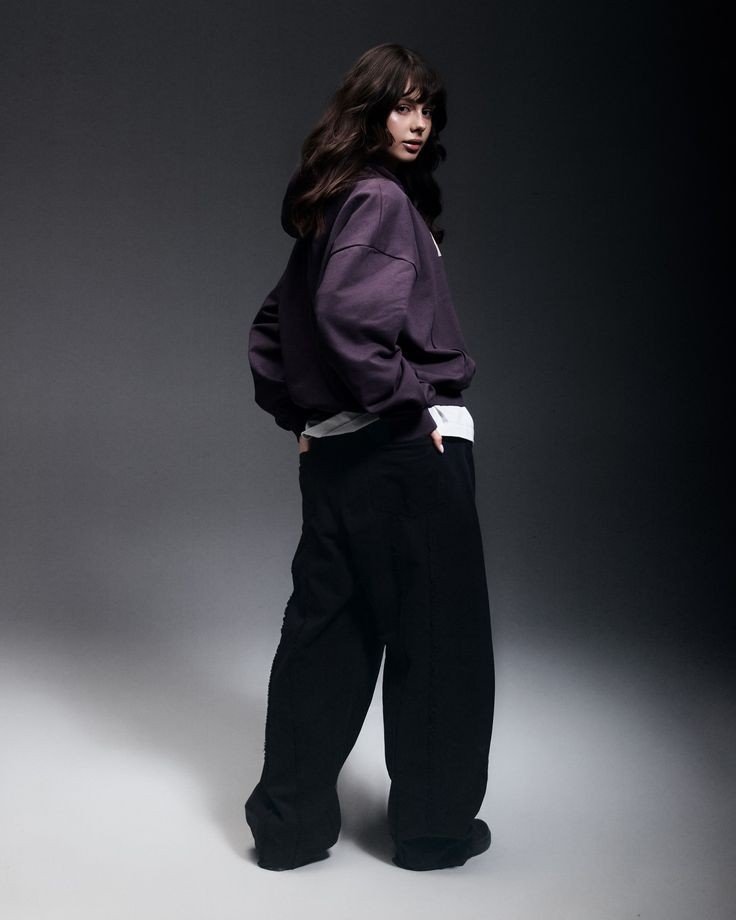
Two hoodies can share the same size on a label and still produce very different outfits. One ends near the waistband; another covers the top of the seat; a third falls long enough to overlap most of the pockets. Those few inches alter where the eye reads the torso ending and the legs beginning. With jeans, cargo pants, or shorts, hoodie length is not a minor measurement. It changes proportion, reveals or hides pocket details, and affects how relaxed the full silhouette appears.
A shorter hoodie can make a higher-rise pair of jeans feel deliberate, while a longer cut may sit more naturally over roomy cargo pants. Someone considering a Denim Tears Hoodie should look beyond width and check the body length against the pants already in rotation. A roomy chest with a controlled hem can feel very different from a similar top that drops low over the hips. Neither is universally better; each creates a different line.
Waist-Length Hoodies and the Shape of Jeans
A hoodie that ends around the waistband makes the rise of jeans easier to see. That is useful with high-rise denim, because the waistline remains part of the outfit rather than disappearing beneath fabric. Straight-leg jeans keep the silhouette clean, while a wider leg makes the short-to-full contrast more noticeable. If the hoodie rides upward when you move, though, its length may look good standing still and become irritating in practice. Sit, reach, and raise your arms during a try-on.
Low-rise jeans create a different visual relationship. A waist-length top may leave very little space between the hem and the waistband, and a boxy cut can make the torso appear compact. That can be the desired effect, particularly with a substantial shoe or a deliberate early-2000s reference. If the outfit feels abruptly divided, a slightly longer tee underneath can introduce a narrow line of contrast without hiding the hoodie shape altogether.
Standard-Length Hoodies With Cargo Pants
Cargo pants already carry visual information through their side pockets, knee seams, and often generous leg shape. A standard-length hoodie tends to keep the upper and lower halves in proportion without covering those details. The fit of the cargo pant matters: a tapered leg can make a relaxed sweatshirt feel tidy, whereas a very wide leg may call for a more defined shoulder or hem. An Oversized Hoodie with a strong graphic adds another point of focus, so its lower edge should not land awkwardly across a bulky pocket flap.
Pocket placement also affects how long a hoodie appears. When the top ends just above the largest cargo pocket, the break between garments can look intentional. If the hem cuts directly through the pocket’s main visual feature, the outfit may feel accidental. Try the combination while standing and walking; cargo pockets shift with movement, and the relationship between hem and pocket changes more than it does in a mirror photo.
Longline Cuts and Relaxed Denim
Longline hoodies create a continuous vertical block through the torso and upper hip. That line can complement loose or straight jeans, especially when the denim is not overly stacked at the ankle. The risk is that a long top and a long, wide pant can obscure the body’s shape completely. A more open jacket, a visible undershirt edge, or jeans with a clearer taper can restore separation without making the hoodie feel less relaxed.
Keep Long Layers From Hiding the Waistline
A long hoodie does not need to expose the waistband to create shape, but the outfit benefits from a clear transition somewhere below the chest. A jacket worn open can show the vertical line of the hoodie and break up its length. A contrasting tee at the hem can work too, provided the extra layer does not extend so far that it becomes a second long block. Pay attention to the side view: the front of a hoodie may look balanced while the back fabric catches on a seat or hangs much lower over the hips.
Shorts Require a Different Proportion Check
Shorts leave more of the leg visible, so hoodie length often becomes the strongest proportion cue. A standard hoodie usually works well with shorts that end above the knee because the amount of exposed leg offsets the covered torso. An extra-long sweatshirt paired with long, loose basketball shorts can make the middle of the outfit feel heavy. That pairing can still work as a deliberately oversized look, but it benefits from clean footwear and a hem that does not extend almost to the shorts’ own edge.
Shorter athletic shorts create more contrast with a long top. If the hoodie covers most of the waistband, make sure the shorts still read as a distinct garment rather than an afterthought. Visible drawstrings, a color break, or a slightly different material can clarify the separation. For a more restrained combination, match the top’s visual weight to the shorts: a thin lightweight hoodie may look more natural with technical shorts than a dense fleece that hangs heavily.
Check the Hem in Motion
Length should be judged while the body moves. A hoodie may sit neatly over jeans while standing but bunch above a belt when seated in a car; it may also lift over cargo pockets every time the wearer reaches. The hem’s ribbing, fabric weight, and amount of stretch all influence behavior. Think about where the garment will be worn, not just how it photographs against a blank wall.
If two lengths both seem plausible, compare them with the shoes and the rise you wear most often. A hem that works with high-rise denim may land differently over low-rise cargo pants, even when the waistband difference is small. Do not judge the hoodie in isolation or choose a length solely because it is described as modern. Its job is to sit well with actual clothes, including the pair of pants you reach for on ordinary mornings.
Choose the Length That Serves the Outfit
The useful question is not whether cropped, standard, or longline hoodies are most fashionable. It is which length gives the chosen pants room to show their shape and keeps the overall silhouette intentional. Jeans often reward attention to the rise, cargo pants need space for pocket structure, and shorts make the contrast between covered torso and exposed leg more obvious. Try the exact combination before deciding; small differences in hem position can change the entire outfit.

Shortfills and Nicotine Shots Explained: A Simple UK Guide

What Makes the SP5DER OG Web Hoodie So Iconic

Modern Adult Orthodontics: Accelerated Teeth Alignment and Oral Tissue Recovery Protocols

Modern Consumer Snack Trends: Sugar-Free Wholesale Shifts and Emerging Dietary Demands

Property Staging Tips: How to Sell Your House Faster and for More

Planning a Website Redesign? 8 Things to Get Right Before You Start

How to Ensure Your Home is Valued Correctly for a Quick Sale

Christopher Dare: The Untold Story of Engineer and Former Husband of Angela Rippon

The 15 Highest-Paid Rugby Players in the World

What Is Fanquer? The Digital Creator Platform Transforming Direct-to-Fan Engagement

Dr Jared Ross: Missouri Appeals Court Upholds Protection Order Over Graphic Torture and Murder Threats

Nancy Hallam: The Inspiring Life, Career, and Success Story Behind Ian Wright’s Wife
How to Ensure Your Home is Valued Correctly for a Quick Sale
Christopher Dare: The Untold Story of Engineer and Former Husband of Angela Rippon
The 15 Highest-Paid Rugby Players in the World
What Is Fanquer? The Digital Creator Platform Transforming Direct-to-Fan Engagement
Dr Jared Ross: Missouri Appeals Court Upholds Protection Order Over Graphic Torture and Murder Threats
Nancy Hallam: The Inspiring Life, Career, and Success Story Behind Ian Wright’s Wife
-
 Real Estate9 months ago
How to Ensure Your Home is Valued Correctly for a Quick Sale
-
Celebrity11 months ago
Christopher Dare: The Untold Story of Engineer and Former Husband of Angela Rippon
-
 Sports6 months ago
The 15 Highest-Paid Rugby Players in the World
-
 Technology5 months ago
What Is Fanquer? The Digital Creator Platform Transforming Direct-to-Fan Engagement
-
 Celebrity5 months ago
Dr Jared Ross: Missouri Appeals Court Upholds Protection Order Over Graphic Torture and Murder Threats
-
Celebrity12 months ago
Nancy Hallam: The Inspiring Life, Career, and Success Story Behind Ian Wright’s Wife
-

 Celebrity8 months ago
Who Is Azriel Crews? Inside the Life and Career of Terry Crews’ Daughter
-
 Celebrity12 months ago
Who Is Maisie Mae Roffey? The Private Life, Family Story, and Quiet Success of Julie Walters’ Daughter