
Blog
Why the Relax Watch Movement Is Reshaping Everyday Style in 2026


Not every trend begins on a fashion runway. Some trends start quietly. They emerge from everyday frustrations, changing habits, and the small decisions people make throughout their daily lives. Over time, those choices become larger cultural shifts. The growing popularity of the relax watch is a perfect example. A few years ago, most watch conversations revolved around luxury, status, or technical specifications. Today, many consumers are asking a much simpler question: How does this watch fit into my life?
That question is changing the watch industry in surprising ways. Rather than chasing complexity, people are increasingly choosing watches that offer comfort, reliability, and ease of use. This shift explains why categories such as female quartz watches continue to attract attention from modern buyers who value practicality as much as appearance.
A Different Relationship With Time
There was a period when owning a watch often felt like making a statement. People selected watches to showcase success, follow trends, or display a particular image. While those motivations still exist, they are no longer the primary reason many consumers purchase watches. Today’s buyers often see watches as personal tools rather than status symbols. A watch has become something that supports daily routines, helps maintain schedules, and complements individual lifestyles without demanding constant attention. This subtle change in perspective has helped create the foundation for the relax watch movement.
The Rise of Comfort-Driven Decisions
Across multiple industries, comfort has become a major purchasing factor. People choose comfortable shoes over fashionable discomfort. They prioritize practical furniture, functional technology, and clothing that fits naturally into daily life. Watches are following the same pattern. Consumers are becoming less interested in products that require effort and more interested in products that simply work well. The relax watch concept reflects this mindset perfectly. It focuses on creating an experience that feels effortless rather than complicated.
Why Simplicity Feels More Valuable Today
Modern life is filled with distractions. Notifications, deadlines, meetings, travel schedules, and endless digital information compete for attention every day. In response, many people are intentionally simplifying parts of their lives wherever possible. This explains why simple products often feel more valuable than complicated ones. A watch that keeps accurate time, feels comfortable, and matches different situations can provide more satisfaction than a product filled with unnecessary complexity. The growing demand for simplicity is not about lowering standards. It is about focusing on what truly matters.
Female Quartz Watches and the Demand for Practical Elegance
One category that reflects this shift particularly well is female quartz watches. Their popularity is not based solely on design. Instead, it comes from the combination of reliability, convenience, and versatility they offer. Many women want a watch that can move easily between different parts of the day. A morning meeting, an afternoon errand, an evening dinner, or a weekend outing may all require slightly different styles. Quartz watches often provide the flexibility needed to adapt without feeling out of place. Their appeal comes from practicality wrapped in elegance.
The Emotional Side of Everyday Accessories
While comfort and functionality are important, watch buying is rarely a completely rational process. People often develop emotional connections with the accessories they wear regularly. A watch may remind someone of a career milestone, a personal achievement, a meaningful gift, or an important stage of life. These emotional connections explain why watches continue to remain relevant despite the widespread use of smartphones and digital devices. A watch is not only about knowing the time. It is also about how a person feels while wearing it.
Why Modern Consumers Are Rejecting Excess
One noticeable trend in recent years is the rejection of excess. Consumers are becoming more selective about the products they bring into their lives. Instead of buying numerous items, many prefer owning fewer products that serve their needs well. This approach naturally supports the growth of relax watch culture. People are looking for versatile watches that work across multiple situations rather than accessories designed for only one purpose. Versatility has become a form of luxury in its own right.
How Brands Are Responding
The watch industry has noticed these changes. Brands are paying closer attention to how products feel in everyday use rather than focusing exclusively on appearance. Comfort, usability, and practicality are becoming central design priorities. Companies such as Atomishine are adapting to these evolving expectations by creating watches that balance modern aesthetics with real-world functionality. This approach resonates with consumers because it addresses genuine lifestyle needs rather than temporary trends.
Looking Ahead
The future of watches will likely be shaped by the same principles driving current consumer behavior. People will continue searching for products that simplify their lives, support their routines, and provide long-term value. This trend is influencing a wide range of styles, including female quartz watches, which are increasingly valued for their practicality, reliability, and everyday elegance. As a result, the relax watch movement is unlikely to disappear anytime soon. Instead, it may become one of the defining philosophies of modern watch design.

More Than a Trend
Perhaps the most interesting thing about the relax watch movement is that it does not feel like a trend at all. Trends usually depend on novelty. This movement depends on practicality. People are not embracing comfort because it is fashionable. They are embracing it because it improves everyday life. That difference may be exactly why the concept continues gaining momentum.
Conclusion
The rise of the relax watch reflects a broader shift in consumer priorities. Modern buyers are placing greater value on comfort, simplicity, and usability rather than complexity or short-lived trends. At the same time, the continued popularity of female quartz watches demonstrates how practical design and reliable performance remain highly desirable in everyday life. Together, these categories represent a new direction in watch culture, one focused on helping people live more comfortably and confidently. Brands like Atomishine understand this evolution and continue developing watches that align with the expectations of modern consumers in 2026 and beyond.
FAQs
What is a relax watch?
A relax watch is a timepiece designed around comfort, simplicity, and effortless everyday wear rather than complexity or excessive features.
Why are female quartz watches so popular?
They offer reliable performance, low maintenance requirements, and versatile designs that fit a variety of lifestyles.
Is the relax watch trend expected to continue?
Yes. As consumers increasingly prioritize comfort and practicality, demand for relax-style watches is likely to remain strong.
Are quartz watches suitable for daily use?
Absolutely. Quartz watches are widely known for their accuracy, convenience, and ease of maintenance.
What should I look for in an everyday watch?
Focus on comfort, reliability, versatility, and a design that naturally fits your personal lifestyle.



In Italy, certain dates are secured the way one secures a front-row seat at a couture show: well in advance, and after a private conversation. For sought-after venues and dates, conversations may begin well ahead of the celebration. Choosing a planner also involves finding the right fit: the couple explores the studio’s work, while the team considers the brief, timing, budget and resources the project would require. That initial exchange helps establish whether their expectations and ways of working align.
What Every Destination Wedding in Italy Starts With
A first meeting with one of these studios resembles a fitting with a master tailor, where measurements come before fabrics. The planner wants to know how many guests will cross the ocean to be there and how many days the celebration will span. Next comes the question of service, and of what the couple envisions beyond the wedding itself, from private dinners to luncheons that call for their own arrangements.
These conversations help connect the couple’s wishes with practical considerations, including venue capacities, operating rules and costs. They also give the studio a clearer understanding of the couple’s priorities and the experience they hope to offer their guests.
Why Timing Matters for a Luxury Wedding in Italy
Couples often arrive with an approximate budget and leave with a clearer understanding of the investment required to bring their vision to life. That understanding develops through conversations about priorities, guest numbers, venues and services, with estimates refined as the arrangements become more defined.
Discussing budgeting for a destination wedding in Italy before committing to a venue helps connect those choices from the outset. It also creates an opportunity to consider how spending might be distributed across the celebration and which elements matter most to the couple.
Beginning twelve to eighteen months ahead can allow more time to explore venues, coordinate suppliers and develop bespoke details. The appropriate schedule will depend on the wedding date, availability and the complexity of the brief. A couture gown, embroidered linens or custom stationery may each have their own production requirements, to be discussed with the professionals involved.
How Privacy Becomes Part of the Planning Brief
For couples who value privacy, the planning conversations offer an opportunity to discuss how information and images should be handled. Confidentiality arrangements can be defined with the planner and the suppliers involved, according to the couple’s preferences and the scope of each professional’s work.
Some couples may wish to approve photographs before publication; others may prefer to keep the celebration entirely private. Clarifying those expectations helps establish how images may be shared, who should be consulted and which arrangements need to be recorded in writing.
Discretion can also inform practical decisions about guest information, supplier communications and photography during the event. Any additional measures should be discussed individually, with responsibilities agreed among the people involved.
How a Curated Supplier Network Changes What’s Possible
A curated supplier network can bring different skills, materials and creative perspectives to a wedding project. Depending on the brief, the search might involve specialist textile makers, glass artisans, floral designers or craftspeople producing individual pieces for the celebration.
The planner’s role is to identify professionals whose work suits the couple’s vision and to explore what is feasible within the budget and schedule. Bespoke commissions and privately managed venues each require their own conversations about availability, costs and practical conditions.
Established working relationships can support communication between artisans and event professionals. Clear specifications, realistic production schedules and coordinated responsibilities then help turn the creative proposal into arrangements that can be delivered.
This is precisely the path Nicole Sparvieri has followed. Born in Rome, she has lived in the United States, the United Kingdom and Canada, and refined her eye in London at Quintessentially, producing events for leading international brands. Today she heads the Nicole Sparvieri Company and a global network of specialists, bringing that same care to the weddings she designs in Italy.
What Changes Once the Right Planner Says Yes to a Destination Wedding in Italy
Once the collaboration is confirmed, the project develops according to the agreed brief and planning schedule. Creative proposals may explore the atmosphere of each event, the visual identity and the details that connect the celebration, with the couple involved in the decisions that reflect their priorities.
The planner brings design and logistics into the same conversation, helping the couple understand the options and their practical implications. Communication becomes more structured, with each decision presented at the right time and every detail carefully coordinated.
In the sixteenth century, Baldassare Castiglione gave it a name in The Book of the Courtier: sprezzatura, the art of making what costs study and effort look effortless. A great Italian wedding lives by the same grace. Guests will see only a celebration that glides along with ease, and the credit, as with all truly beautiful things, will stay behind the scenes.


When a dental appointment feels intimidating, being told to relax may not help. Preparation offers something more practical: a way to explain your concerns, understand the visit and arrange support before arriving. This checklist can help organize that conversation. It isn’t a test of willpower, and needing additional help with anxiety is not a failure.
Choose a low-pressure time slot
Think about when an appointment would fit most comfortably into the day. An early visit may suit someone who dislikes waiting, while a later one might avoid a stressful commute or a rushed morning. Share those preferences with the scheduler and ask what is available for the type of visit being planned.
Ask the front desk what tends to be quieter. Many general dental offices can suggest days or hours with fewer back-to-back bookings. That small choice can mean less time in a full waiting room and a calmer pace once called back.
Allow some flexibility around the appointment when possible. Explain any work commitments or other responsibilities to the team, especially if sedation or recovery time may affect them. Ask what to plan for rather than assuming you can return immediately to a full schedule.
Ask how long the visit might last and what it will include. Knowing whether the appointment is a consultation, an examination or a treatment visit can make planning easier. If a full appointment feels overwhelming, ask whether an initial conversation and exam would be appropriate for your care needs.
Confirm the requested arrival time and whether paperwork can be completed beforehand. Explain if waiting in a busy room is difficult and ask what arrangements are possible. Bring a medication list and question sheet so check-in feels organized.
Tell the office what sets off your anxiety
A short call a day or two before can change the tone. Tell the person on the phone that dental visits feel hard. There’s no need for a long story. A simple line like “dental visits feel stressful” works, and it’s something staff hear often.
Name one or two triggers if they can be put into words. Some people dread the sound of the drill. Others dislike the feeling of not knowing what’s happening next. Needles and gagging are also common worries. Naming the trigger lets the team adjust explanations and pacing.
Use that same call to ask how the team handles nerves. Ask whether the dentist will explain each step before starting and whether short breaks are possible. Many patients agree on a stop signal in advance, like raising the left hand, so there’s a clear way to ask for a pause without having to speak with instruments in place.
Write down the answers. Memory can get shaky under stress. A short phone note with staff names and agreements, such as explanations before treatment and permission to pause, can be read back in the waiting room.
Having some control can be calming.
Ask if a support person can stay close during the exam. Some rooms allow it. Others have limits due to space and hygiene rules. Knowing ahead prevents awkward surprises.
Pull together health details and ask practical questions
Sedation and even routine care go more smoothly when the team has a full picture. Pull together a list of current prescriptions and over-the-counter products taken regularly. Add allergies and past reactions to numbing agents or sedatives. Include health issues like asthma or sleep apnea plus pregnancy status if relevant. Bring the list on paper or on a phone.
Expect questions about that history at the visit. The dentist needs it to judge which options fit and which don’t. Honest answers help the team assess safety. If something changed since booking, mention it at check-in rather than leaving it out because it feels embarrassing.
Ask for a plain-language walk-through before agreeing to anything. That talk should cover what is planned and why plus what follow-up looks like. Ask about risks and benefits in everyday words, including what choices exist if anxiety spikes mid-visit. Ask for costs in writing with payment timing explained by office staff. There should be time to ask questions before signing.
Ask the treating team for individualized written instructions for preparing for the visit. Every plan differs, so personal guidance matters more than general tips found online. Ask the office to clarify anything on the sheet that is unclear. Bring it on the day.
Ask if forms can be sent ahead. Reading consent papers at home feels calmer than reading under time pressure at the desk. Mark wording that needs explaining and bring questions.
Decide if sedation belongs in your plan
Relaxation skills help many people yet they don’t cover every case. Dental phobia can bring intense fear that makes it hard to sit still or think clearly. Triggers like past painful visits can also bring on panic quickly. For those patients, understanding sedation dentistry options before the appointment can help make moving forward with care feel more manageable.
Options vary by practice and by patient health. Nitrous oxide is breathed in the office through a small mask and wears off quickly for most people. Oral sedation involves medication prescribed by the treating team, with drowsiness and monitoring among the considerations to discuss. IV sedation is given through a vein with trained staff watching vital signs closely. Deeper levels of sedation involve added monitoring and strict screening. No method fits all, and the dentist can assess suitability after reviewing health history.
Explore these choices at a consultation rather than waiting until treatment is about to begin. Ask who will provide sedation, who will monitor you and what training they have. Discuss the expected level of responsiveness, how discharge works and what happens if anxiety remains high. Ask how the proposed approach fits your health history and treatment needs, including its risks, benefits and alternatives.
If sedation doesn’t feel right, ask about a low-pressure introduction. Some offices allow a short sit in the chair with no treatment. Patients can meet staff and see tools up close. That practice run may lower dread for the treatment visit.
Ask about benefits and limits in plain terms. Find out how alertness may feel afterward and what help might be needed at home. The choice should account for both comfort and health needs.
Line up a ride and support for the day
Transportation planning matters even for non-sedation visits when nerves run high. Shaky hands and a buzzing mind don’t mix well with traffic. Consider asking a friend or family member to drive both ways. Having someone in the waiting room can also steady nerves.
Sedation makes transportation planning especially important. Oral sedation and IV sedation can affect alertness, so ask the treating team about driving restrictions and transportation requirements. A driver may be required for those visits. Ask whether someone should stay nearby after returning home. Discuss any home supplies to arrange ahead of time so errands won’t be needed.
Tell that support person what helps most. Some patients want distraction and light chat. Others want quiet and space. Share the stop signal so the helper can remind the team if words freeze. Clear roles make the day easier.
Keep evening plans light. A quiet evening leaves room to recover from an anxious morning.
Ask the office how to reach staff with questions after returning home. Save that number in a phone before leaving the house. Knowing whom to call can ease worry during the drive.
Arrange coverage for kids or other duties if needed. Ask the team what to expect before planning a return to caregiving. A calm buffer at home allows time to settle.
Agree on control signals and comfort in the chair
A clear way to communicate can make the chair feel less intimidating. Review the stop signal before treatment and ask how the dentist will respond, including whether a particular step needs to be brought to a safe stopping point. Ask for a brief explanation before each new step if knowing what comes next feels reassuring.
Ask whether headphones or a small handheld comfort item would be appropriate during the visit. If headphones are allowed, agree on a volume and setup that still lets you hear the dental team’s instructions. Comfort items should not interfere with care or monitoring.
Ask whether a light blanket or another small comfort item is allowed. Check that anything brought into the room will not interfere with treatment or monitoring. Let the team know about sensory preferences rather than assuming the same setup will suit every visit.
Consider practicing a simple breathing pattern at home so it feels familiar during the visit. Ask the team about comfortable ways to slow breathing without tensing the shoulders. A slow exhale may feel calming. The pattern can be used while waiting and during pauses. Grounding by quietly noticing what can be seen and felt in the room is another option.
Share small comfort preferences early. Some patients prefer the chair moved slowly. Others ask for dimmer lighting or glasses for brightness. These small adjustments show that comfort counts.
Agree on two signals if helpful. One can mean pause for a break. The other can mean something feels uncomfortable. Simple cues are easier than trying to talk mid-procedure.
Plan recovery and book the next step
Before leaving, ask for a written plan to take home that covers any recovery needs and warning signs relevant to the care received. Ask how soreness is usually handled and when to call. Discuss when normal eating and brushing can resume under the team’s personalized guidance. Clear answers reduce late-night guessing.
Set phone reminders for any follow-up steps the team advises. Keep the office number handy for the first day. Ask whom to contact if swelling or pain seems outside the team’s recovery guidance. A call can provide more relevant answers than web searches.
Before leaving, discuss the next step and the timing the dentist recommends. If there is a longer treatment plan, ask whether shorter visits could meet your care needs. Make sure the plan accounts for both necessary treatment and the support that helps you attend.
Fear may not fade after one visit. Tell the team if anxiety continues to make care difficult, even when an appointment goes well. Ask whether additional support, including help from a mental health professional for persistent dental phobia, could be useful.
Note what helped after the visit. Save the playlist that worked and keep track of the breathing pattern that felt natural. That record makes the next plan shorter and more personal.
Preparation won’t erase everyone’s nerves, yet it can make the day feel more manageable. Choose the comfort and planning steps that fit while discussing care requirements with the treating team. Start with one planned visit.

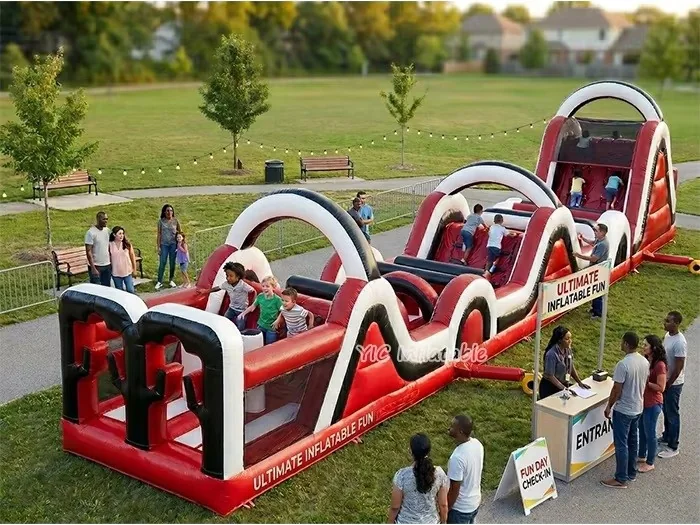
Choosing an inflatable obstacle course for schools takes more thought than buying one for weekend events. The business manager wants proof of safety testing, the PE lead needs to know how many pupils can race, and the site manager wants to know whether everything will fit.
Get those details right, and a school could book you every summer. Before adding a course to your hire fleet, check four things:
- Safety: Does it meet the required standards?
- Capacity: Can it handle the pupils and year groups?
- Space and setup: Will it fit, and can your crew install it?
- Build quality: Will it last, and what aftercare is available?
What Safety Standards Does an Inflatable Obstacle Course Need for Schools?
An inflatable obstacle course used in schools should meet BS EN 14960 and have a current PIPA test. Schools often request proof before booking, so keep the paperwork ready. BS EN 14960 covers inflatable play equipment design, materials, anchoring and safe use. The PIPA tag and certificate confirm the inspection result and show the permitted user height range and maximum number of users.
PIPA tests are annual, so check the date, not just the tag. The Health and Safety Executive advises hirers and users to check for a current inspection. Standards can vary by product and market, so confirm the exact certification before buying.
Who built the course also matters when a school asks for paperwork. If you buy through an importer or reseller, questions about materials, anchoring or test results often have to be passed back to a factory you never deal with, which can slow down a booking. Buying from the manufacturer removes that step. One example is Airquee, a UK and European manufacturer that designs and builds its commercial-grade courses in its own factory. And so, when you buy from its range at airquee.com, questions about testing and certification go straight to the team that made the unit. Its leadership includes a former operator who ran one of the UK’s largest inflatable hire companies, so the courses are designed with hire fleet use in mind.
That direct line helps when a school asks a technical question you cannot answer on the spot, such as a unit’s maximum users or wind limit.
How Many Children Can Go Through an Obstacle Course in an Hour?
Hourly capacity depends on the number of lanes, course length and maximum permitted users shown on the PIPA tag. A twin-lane course can move roughly twice as many pupils as a comparable single-lane model. That is useful when a teacher has 30 children and just 20 minutes for their activity.
Look for:
- Twin or multiple lanes for head-to-head racing.
- Separate entry and exit points to keep queues clear.
- Obstacles that maintain movement, such as tunnels, pop-ups and weave sections, with taller climbs limited to one or two points.
Before quoting, calculate how many races fit into each session without exceeding user limits. If a school has 200 pupils, can you explain how many will finish before lunch? A clear answer makes their planning easier and gives you an advantage over operators who can only guess.
How Much Space Does an Inflatable Assault Course Need?
An inflatable assault course needs its full inflated footprint, required safety zones, blower space, cable routes and a clear exit. Add the manufacturer’s safety zone measurements before checking whether it fits. Ask for site photos or arrange a visit, and check the route from the gate to the setup area. Narrow entrances, steps and corridors can make moving a heavy roll difficult.
Modular courses offer more flexibility. You can separate sections for a smaller school field or join them for larger events. Indoor bookings need extra checks, including ceiling height and suitable ballast weights, since ground stakes are not an option. A flexible course can help you take bookings across different sites.
What Age Is an Obstacle Course Suitable For?
Age suitability depends on the user height range on the PIPA tag. Check this against the year groups attending before allocating a course. A unit intended for younger children would not suit Year 10 pupils, while tall climbs and slides may be too challenging for reception children.
Younger pupils generally need lower climbs, wider gaps and soft pop-ups. Older pupils may prefer steeper climbs, slides and more physical obstacles. Those larger courses can also suit corporate fun days and festivals outside term time. Having courses for different age groups, or adjustable modular sections, gives you more booking options.
How Many People Does It Take to Set Up an Obstacle Course?
Most school-sized obstacle courses need at least two people for setup, although heavier or larger units may require more. School bookings often mean early starts, so check the manufacturer’s crew recommendations before buying.
| What to check | Why it matters |
| Rolled weight | Determines crew size and whether you need a sack truck or tail lift. |
| Number of blowers | Each needs suitable power and safe cable routing. |
| Power requirements | Remote fields may need a generator. |
| Anchoring | Grass needs stakes; playgrounds and halls need suitable ballast. |
| Maximum wind speed | Determines safe operating conditions. Carry an anemometer. |
Modular sections are often easier for smaller crews to handle, helping control wage costs. Allow enough time for packing down too, especially when schools need their field cleared before afternoon pick-up.
What Warranty Should a Commercial Inflatable Come With?
A commercial inflatable should have a written warranty covering materials and seams, with clear repair and retesting terms. School use puts considerable wear on entry steps, landing beds and climbing walls, particularly when hundreds of pupils use the course in one afternoon.
When comparing an inflatable obstacle course for sale, check:
- PVC weight and overall material quality.
- Double stitching at high-wear points.
- Reinforced anchor points for secure installation.
- Warranty duration, coverage and exclusions.
Aftercare matters just as much, so ask who handles repairs, how quickly they are completed and who carries out annual PIPA retesting. A manufacturer that services its own equipment gives you one point of contact when problems arise, helping reduce downtime during the busy summer term.
Ready to Add a Sports Day Course to Your Hire Fleet?
If local schools are already asking about obstacle courses, adding one could be a worthwhile investment. But the best choice is not necessarily the longest course or the one with the biggest slide. It is the one that meets the needs of the schools you want to work with.
Check certification, capacity, footprint, age suitability, setup requirements and aftercare before deciding. Then speak to the manufacturer about specifications, modular options and lead times. You will be better prepared when the first sports day enquiry arrives.

How Businesses in Manchester Can Benefit from Professional IT Asset Management

Inside the Selection Process Behind Italy’s Most Exclusive Destination Weddings

Soul App Brings Interest-Based Social Interaction to the Desktop

A Dental Appointment Preparation Checklist for Anxious Patients

Pawn Gold Jewellery Brisbane: Can You Pawn a Single Ring or Necklace?

Product Inserts 101: A Practical Guide for US eCommerce Brands Scaling Their Packaging

How to Ensure Your Home is Valued Correctly for a Quick Sale

Christopher Dare: The Untold Story of Engineer and Former Husband of Angela Rippon

The 15 Highest-Paid Rugby Players in the World

What Is Fanquer? The Digital Creator Platform Transforming Direct-to-Fan Engagement

Dr Jared Ross: Missouri Appeals Court Upholds Protection Order Over Graphic Torture and Murder Threats

Nancy Hallam: The Inspiring Life, Career, and Success Story Behind Ian Wright’s Wife
How to Ensure Your Home is Valued Correctly for a Quick Sale
Christopher Dare: The Untold Story of Engineer and Former Husband of Angela Rippon
The 15 Highest-Paid Rugby Players in the World
What Is Fanquer? The Digital Creator Platform Transforming Direct-to-Fan Engagement
Dr Jared Ross: Missouri Appeals Court Upholds Protection Order Over Graphic Torture and Murder Threats
Nancy Hallam: The Inspiring Life, Career, and Success Story Behind Ian Wright’s Wife
-
 Real Estate10 months ago
How to Ensure Your Home is Valued Correctly for a Quick Sale
-
Celebrity12 months ago
Christopher Dare: The Untold Story of Engineer and Former Husband of Angela Rippon
-
 Sports6 months ago
The 15 Highest-Paid Rugby Players in the World
-
 Technology6 months ago
What Is Fanquer? The Digital Creator Platform Transforming Direct-to-Fan Engagement
-
 Celebrity5 months ago
Dr Jared Ross: Missouri Appeals Court Upholds Protection Order Over Graphic Torture and Murder Threats
-
Celebrity1 year ago
Nancy Hallam: The Inspiring Life, Career, and Success Story Behind Ian Wright’s Wife
-

 Celebrity9 months ago
Who Is Azriel Crews? Inside the Life and Career of Terry Crews’ Daughter
-
 Celebrity12 months ago
Who Is Maisie Mae Roffey? The Private Life, Family Story, and Quiet Success of Julie Walters’ Daughter