
Home Improvement
What Makes a TV Suitable for Both Daytime and Night-Time Viewing?

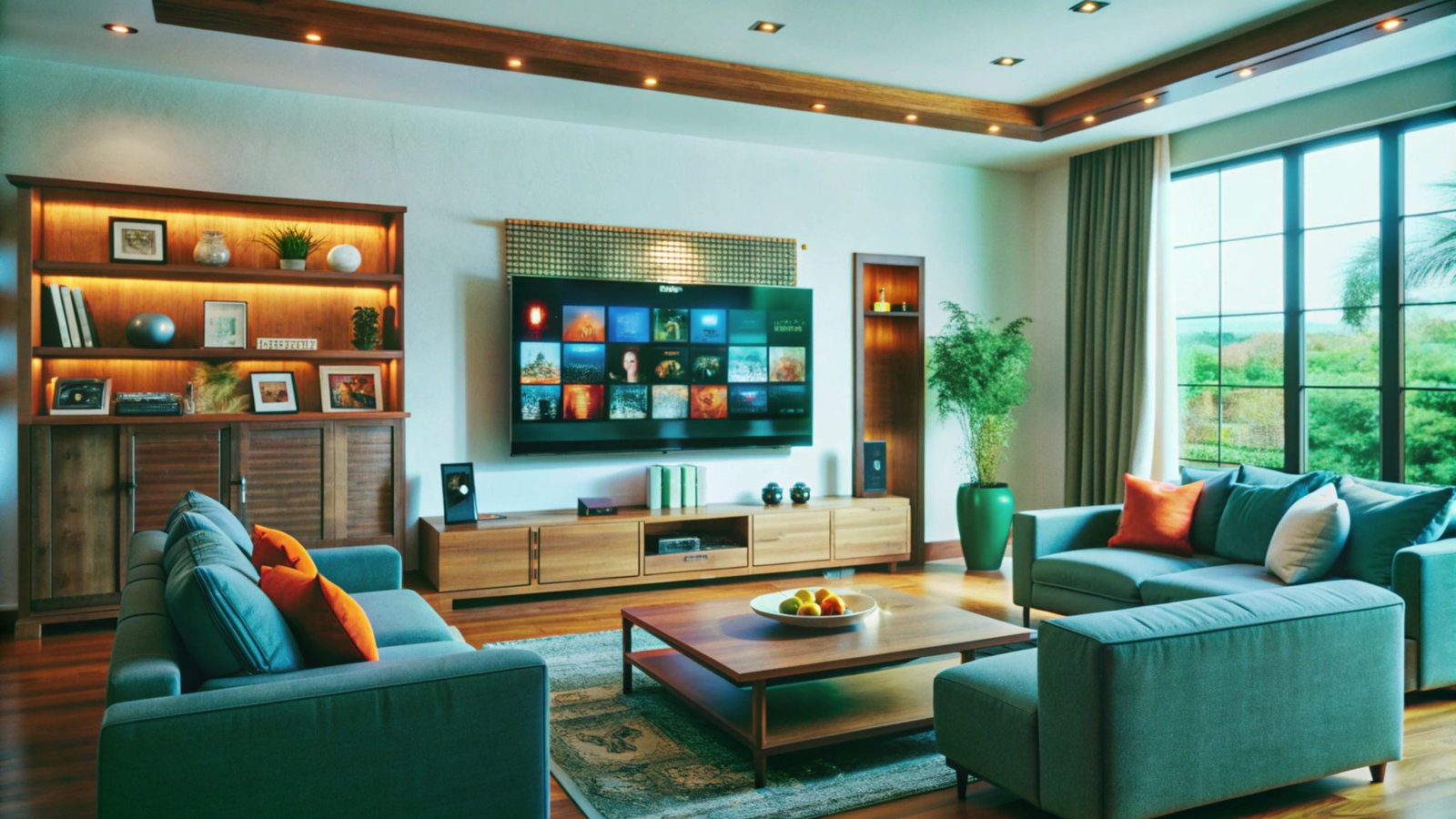
A television needs to perform under different lighting conditions throughout the day. Daytime viewing can involve sunlight and artificial light reflecting from the screen, while night-time viewing typically involves lower ambient light and greater visibility of darker scenes.
Several display characteristics influence this performance. Brightness, reflection handling, contrast, HDR capability, colour performance, picture settings and viewing angles all contribute to how consistently a television can be used across changing environments.
High Brightness for Daytime Visibility
Screen brightness is an important consideration when a television is used in a room with substantial ambient light. A brighter display can help maintain image visibility when sunlight or indoor lighting competes with the light produced by the screen.
Peak brightness and sustained brightness are different measurements. Peak brightness describes the highest luminance a display can produce under specific conditions, while sustained brightness concerns its ability to maintain brightness over a longer period.
Brightness also needs to be adjustable. A setting that works in a bright room may appear unnecessarily intense when the same television is viewed at night. Therefore, adjustable picture controls can help accommodate changes in the viewing environment.
In summary: Brightness supports daytime visibility, but adjustable brightness is also important for comfortable night-time viewing.
Effective Reflection and Glare Handling
Reflections can make a television harder to view during the day. Windows, lamps and other light sources can appear on the screen, potentially obscuring details in the displayed image.
Screen finish affects how external light interacts with the display. Some screens use anti-reflective treatments or finishes designed to reduce the impact of reflections, although their effectiveness varies between models.
TV placement also affects glare. Positioning the screen away from direct sunlight and strong light sources can reduce reflections without requiring changes to the television itself.
In summary: Reflection handling works together with appropriate room positioning to maintain visibility when ambient light is high.
Strong Contrast and Black-Level Performance
Contrast describes the difference between the brightest and darkest parts of an image. Strong contrast can help preserve separation between highlights and shadows, particularly in content containing both very bright and dark areas.
Black-level performance becomes particularly noticeable in darker viewing environments. In a dim room, viewers can more readily distinguish how effectively a display reproduces dark areas without making them appear unnecessarily bright.
Ambient light can also affect perceived contrast. Reflections and scattered light may make dark areas appear lighter, which is why contrast performance and reflection handling should be considered together.
In summary: Contrast and black-level performance support image separation, while room lighting can influence how those characteristics are perceived.
HDR and Wide Brightness Range
High Dynamic Range (HDR) content uses a wider range of brightness and contrast than standard dynamic range content. A compatible television needs appropriate brightness and contrast capabilities to reproduce HDR content effectively.
Daytime conditions can make darker HDR details harder to perceive if substantial ambient light reaches the screen. At night, lower ambient light can make differences between bright highlights and dark areas more apparent.
HDR performance therefore depends on more than HDR compatibility alone. Display brightness, contrast, black levels and the viewing environment all influence the resulting image.
In summary: HDR benefits from suitable brightness and contrast, while ambient lighting affects how its wider range is perceived.
Accurate Colour and Colour Volume
Colour performance can change with brightness levels and viewing conditions. Colour volume considers how well a display maintains colour saturation across different brightness levels.
A QLED TV uses quantum-dot technology as part of its display system, which can support colour reproduction at different brightness levels. However, the performance of individual televisions depends on their specific display characteristics and settings.
Room lighting can also affect perceived colour. Strong ambient light and reflections may reduce the apparent distinction between darker colours, making the viewing environment an important part of colour perception.
In summary: Consistent colour performance helps a television remain suitable across different brightness settings and room conditions.
Automatic and Customisable Picture Settings
Televisions commonly provide picture controls that allow users to adjust the image according to their environment. Depending on the model, these can include brightness, contrast, colour and preset picture modes.
Some televisions also include ambient-light sensors that can automatically adjust certain picture characteristics according to surrounding conditions. The availability and operation of these features vary between models.
Manual settings remain useful when viewing conditions change significantly. Daytime viewing may require different brightness settings from night-time viewing, particularly in rooms with large windows.
In summary: Adjustable and, where available, automatic picture settings allow the display to adapt to changing lighting conditions.
Wide Viewing Angles for Shared Viewing
Viewing angle affects how consistently brightness, contrast and colour are maintained when someone watches from the side rather than directly in front of the screen. This can matter in living rooms where several people sit at different positions.
A television with suitable viewing-angle performance can provide more consistent images across a wider seating area. This consideration applies during both daytime and night-time viewing.
Screen size and seating arrangement should also be considered together. For example, a 65-inch TV can occupy a substantial portion of a living room, making seating position relevant to how consistently different viewers see the image.
In summary: Wide viewing angles help maintain consistent picture characteristics for viewers sitting in different positions, regardless of the time of day.
Visit Harvey Norman Singapore and discover a television that can accommodate both bright daytime rooms and darker evening environments.

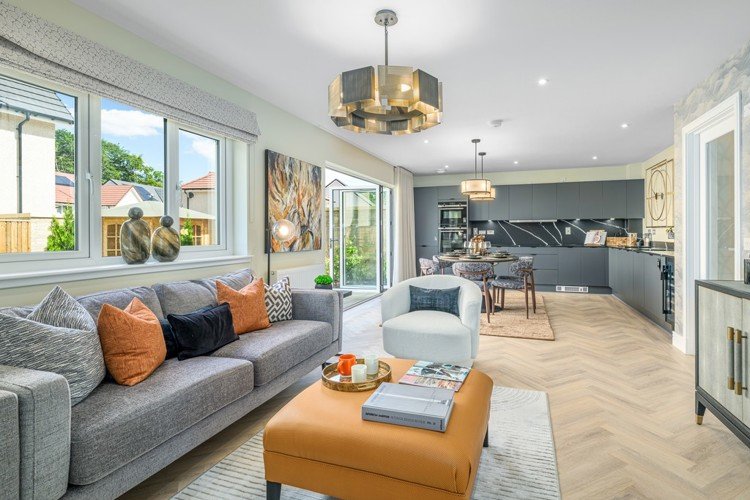
Older buildings often come with limitations that can affect day-to-day operations. Outdated layouts and evolving compliance requirements are among the most common challenges businesses face when moving into a period property or retrofit space.
Before making any changes, it’s important to conduct a thorough assessment of the building. This should include structural surveys and evaluations of existing systems, such as plumbing and electrics, as well as accessibility reviews. Understanding both the strengths and weaknesses of the property allows you to prioritise investment and avoid unexpected costs later in the process.
Upgrading infrastructure for modern business needs
One of the most important steps in modernising an older commercial property is updating its core infrastructure. Reliable electrical systems and high-speed internet connectivity are essential for today’s workplaces.
Businesses should also consider the condition and performance of their heating systems, as comfortable environments can influence both employee wellbeing and energy costs. Plus, modern solutions can often be integrated without compromising the building’s original character.
The key is finding the right balance between preservation and functionality. Features such as exposed brickwork or historic façades can often be retained while modern technology is discreetly installed behind the scenes. Working with experienced contractors and suppliers can help you achieve the benefits of modernisation while maintaining the property’s unique appeal.
Creating flexible and productive workspaces
Modern businesses often demand adaptable environments that can support collaboration and future growth. Older properties, which were frequently designed for different working styles, may need reconfiguring to accommodate these changing requirements.
Modular layouts and movable partition walls can transform large open spaces into versatile working environments. Glass partitions are particularly effective, helping to create private areas while preserving natural light and maintaining a sense of openness.
Many successful renovations embrace a building’s original features rather than hiding them. Exposed architectural details can be combined with contemporary furnishings and technology to create a workspace that feels both professional and distinctive. These design choices can help businesses build a stronger identity while providing employees with a more engaging place to work.
Navigating regulations and sustainability
Compliance should remain a priority throughout any renovation project. Business owners must ensure their property meets current health and safety standards, environmental regulations and other criteria.
Sustainability is becoming more and more essential within commercial real estate. Upgrades such as improved insulation, LED lighting and smart controls can help reduce operating costs and environmental impact. Many of these improvements also contribute to better energy performance ratings, which are a key consideration for property owners and occupiers.
Seeking advice from surveyors and reputable contractors can help you navigate complex regulations while ensuring projects are completed to a high standard.
Embracing the potential of older spaces
Older commercial properties offer far more than historical charm. With strategic upgrades, they can become highly functional and inspiring workplaces that meet the demands of modern business. Whether you’re planning a modest refresh or a major transformation, thoughtful adaptation can help an older building thrive in a modern business environment.
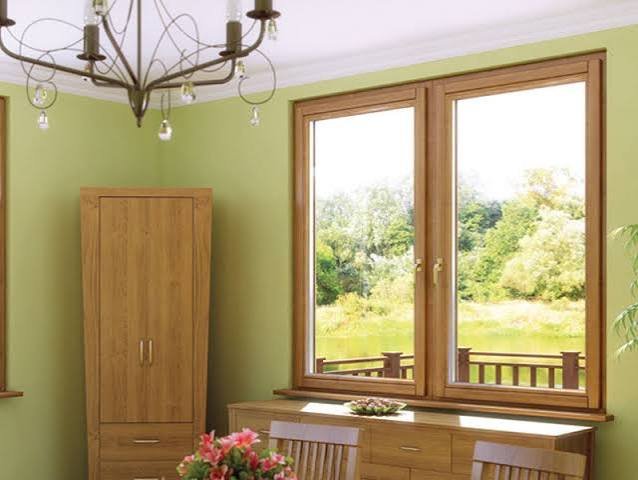
Windows do a lot of work in an older house. They let in light and air, keep out the weather and help give a home its character. When they start to rattle, stick, rot or let in draughts, replacing them can feel like a big decision. Get it right and the house will feel warmer, quieter and better looking for years. Get it wrong and you can spoil the look of a period property or end up with frames that do not suit the way you live.
If you own a Victorian terrace, an Edwardian semi, a 1930s house or a country cottage, this guide will help you think through the main choices. It looks at the three materials most often considered for older homes, which are timber, aluminium and alu clad, and compares them on looks, running costs and upkeep.
Repair or replace?
Before you choose a new material, it is worth asking whether your current windows can be saved. Old timber sash windows, in particular, can often be repaired. A good joiner can cut out rotten sections, replace sash cords, fit draught strips and even add slim double glazing in some cases.
If your house is listed, you will usually need listed building consent before replacing windows, and the local council will expect repair to be considered first. If you live in a conservation area, there may be extra rules about what you can change at the front of the house. Check with your local planning department before you commit to anything, because putting the wrong windows in can be expensive to undo.
If the frames are beyond saving, or if they have already been replaced with something that does not suit the house, then new windows are the way forward.
Timber windows
Timber is the traditional choice for older homes, and for good reason. It has a warmth and depth that suits period details, and it can be made in almost any style, from slim sashes to cottage casements with small panes. Modern timber windows are made from carefully selected and treated wood and are far better at keeping out draughts than the windows of the past.
Timber is also a natural insulator, which helps keep heat inside. Well made timber frames with double or triple glazing can perform very well.
The main drawback is upkeep. Timber needs to be painted or stained every few years to protect it from the weather, especially on the sides of the house that face the sun and rain. If it is neglected, it can swell, crack or rot. Many people are happy with this as part of looking after an older home, but if you are short on time it is worth bearing in mind. If you love the look of wood but dread the ladder, an alu clad window is one way round the problem, and we look at that option below.
Aluminium windows
Aluminium has come a long way. Older aluminium frames had a reputation for being cold and prone to condensation, but modern versions include a thermal break, which is an insulating barrier inside the frame that stops heat escaping.
The big advantages of aluminium are strength and low maintenance. Because the metal is so strong, frames can be very slim, which lets in more light and gives a clean, modern look. The powder coated finish is tough and only needs an occasional wipe down. Aluminium is also highly recyclable.
The main question with aluminium in an older house is looks. Its crisp lines suit a contemporary extension or a modern refurbishment very well, but in a traditional street frontage it can look out of place. Some people use aluminium at the back of the house, for example in a kitchen extension, while keeping a more traditional style at the front.
Alu clad windows
Alu clad windows aim to give you the best of both. The frame is made of timber on the inside, with a layer of aluminium fitted to the outside. Inside the room you see and feel real wood. Outside, the aluminium shell protects the timber from rain and sun.
This makes them a popular choice for people who love the look of wood in their home but do not want to repaint the outside every few years. This type of window can be finished in a wide range of colours on the outside while the inside is painted, stained or left natural to match your interior. That means you could pick a soft heritage green or a dark grey for the street and a warm oak finish for the living room.
Alu clad frames also tend to perform well on insulation, because the timber core does a good job of keeping heat in. The outer cladding takes the brunt of the weather, which can help the frames last a long time with little attention.
The trade off is price. Alu clad windows generally cost more at the start than plain timber or uPVC. Whether that is worth it depends on how long you plan to stay in the house and how much you value lower upkeep.
Comparing running costs and looks
When people talk about running costs, they usually mean two things. The first is energy. Any good quality modern window, whether timber, aluminium or alu clad, will be far better than old single glazing. Look at the energy rating and the overall heat loss figure for the whole window, not just the glass, and compare like with like.
The second is maintenance. Timber needs regular painting. Aluminium needs very little. Alu clad sits in between, with the inside treated like any other wooden surface in your home and the outside needing just a clean now and then. Over many years, the cost of repainting can add up, so it is fair to include this when you compare prices.
Looks are personal, but a few rules of thumb help. Match the style of the original windows where you can. Sash houses look best with sashes, and cottages suit casements with traditional bars. Pay attention to the thickness of the frames, because chunky frames can make a period house look heavy. Ask to see samples and, if possible, visit a house where the same product has been fitted.
Even the best windows will disappoint if they are badly fitted. Choose an installer with experience in older properties, because walls in period homes are rarely straight and openings may not be a standard size. Ask how they will deal with the reveals, the sills and any damage to plaster.
Check what guarantees come with the windows and the installation, and make sure the work is registered with the right scheme so that it meets building regulations. Keep all the paperwork together, as it will be useful if you ever sell the house.
Conclusion
Replacing windows in an older home is a balance between character, comfort and practicality. Timber offers authentic looks with more upkeep. Aluminium brings slim frames and very little maintenance with a more modern feel. Alu clad combines a wooden interior with a tough outer shell. Take your time, check any planning rules, look at samples and think about how long you will stay. The right choice will make your home warmer, quieter and more beautiful for many years to come.


Leaking taps are a common plumbing issue that can cause significant water wastage and increase utility bills if left unaddressed. Pinpoint Plumbing Services Pty Ltd, specialising in leaking tap repair in Sydney, provides expert advice and professional services to help homeowners and businesses manage and resolve tap leaks efficiently.
Understanding the Causes of Leaking Taps
Leaking taps often result from wear and tear or malfunctioning components such as washers, O-rings, or valve seats. Hard water deposits or mineral build-up can also lead to leaks, especially in older fixtures. Identifying the root cause is essential for effective repair.
Signs That Indicate a Tap Leak
It is vital to detect a tap leak early. Common signs include persistent dripping sounds, damp patches around the tap base, and noticeably higher water bills. Ignoring these signs may cause further damage to the plumbing system and surrounding areas.
Why Timely Repair is Important
Timely leaking tap repair conserves water, prevents property damage, and reduces financial burdens due to wasted resources. Delays in addressing leaks can result in corrosion and eventual failure of tap components, necessitating costly replacements.
Professional Leaking Tap Repair Services
Pinpoint Plumbing Services offers specialised leaking tap repair services in Sydney, providing thorough diagnostics and quality repairs. Their technicians use professional tools and genuine parts to ensure longevity and optimal tap performance.
Common Repair Techniques
Repair methods typically involve replacing worn washers and O-rings, reseating the valve, or complete tap replacement in severe cases. Professional plumbers also clean and lubricate components to maintain smooth operation.
DIY Repair: What You Should Know
While some minor tap leaks can be addressed independently, such as tightening loose connections or replacing washers, improper repair may worsen the issue. It is advisable to seek expert guidance to avoid further complications.
Tools Required for Tap Repair
Essential tools for tap repair include adjustable wrenches, screwdrivers, replacement washers, O-rings, and lubricants. Having the right tools facilitates a precise and efficient repair process.
Safety Precautions
Before attempting any repairs, the main water supply should be turned off to prevent flooding. Wear protective gloves and eye protection when dismantling tap components to ensure safety.
Maintenance Tips to Prevent Leaking Taps
Regular maintenance can significantly reduce the incidence of leaks. This includes cleaning aerators, checking for loose fittings, and ensuring taps are not over-tightened.
When to Replace a Tap Instead of Repairing
In cases where the tap is extensively corroded or damaged beyond economical repair, replacement is the recommended option. Modern taps also offer improved water efficiency and aesthetics.
Environmental and Financial Benefits of Repair
Repairing leaking taps contributes to water conservation efforts and reduces water bills. It aligns with sustainable living practices and responsible resource management.
Choosing the Right Plumbing Service
Engaging professional plumbing services such as Pinpoint Plumbing ensures reliable and guaranteed repairs. Experienced plumbers provide thorough inspections, accurate diagnostics, and lasting solutions.
Customer Experience and Support
Pinpoint Plumbing Services is known for prompt response times, transparent pricing, and customer-focused service. Clients receive clear communication and expert advice throughout the repair process.
Conclusion
Leaking tap repair is an essential maintenance task that preserves water resources and protects property. For residents and businesses in Sydney, relying on professional services such as those from Pinpoint Plumbing Services Pw Ltd guarantees quality workmanship and peace of mind.

Super Sacks on Construction Sites – Handling Sand and Cement in Bulk

How Different Hoodie Lengths Change the Look of Jeans, Cargo Pants, and Shorts

Neogenesis PDO Mono Threads and Their Role in Skin Support

How to Wash an Essentials Hoodie Without Killing the Fleece

Top Property Law Solicitors in London for Legal Advice

How to make an older commercial property work for a modern business

How to Ensure Your Home is Valued Correctly for a Quick Sale

Christopher Dare: The Untold Story of Engineer and Former Husband of Angela Rippon

The 15 Highest-Paid Rugby Players in the World

What Is Fanquer? The Digital Creator Platform Transforming Direct-to-Fan Engagement

Dr Jared Ross: Missouri Appeals Court Upholds Protection Order Over Graphic Torture and Murder Threats

Nancy Hallam: The Inspiring Life, Career, and Success Story Behind Ian Wright’s Wife
How to Ensure Your Home is Valued Correctly for a Quick Sale
Christopher Dare: The Untold Story of Engineer and Former Husband of Angela Rippon
The 15 Highest-Paid Rugby Players in the World
What Is Fanquer? The Digital Creator Platform Transforming Direct-to-Fan Engagement
Dr Jared Ross: Missouri Appeals Court Upholds Protection Order Over Graphic Torture and Murder Threats
Nancy Hallam: The Inspiring Life, Career, and Success Story Behind Ian Wright’s Wife
-
 Real Estate9 months ago
How to Ensure Your Home is Valued Correctly for a Quick Sale
-
Celebrity11 months ago
Christopher Dare: The Untold Story of Engineer and Former Husband of Angela Rippon
-
 Sports5 months ago
The 15 Highest-Paid Rugby Players in the World
-
 Technology5 months ago
What Is Fanquer? The Digital Creator Platform Transforming Direct-to-Fan Engagement
-
 Celebrity5 months ago
Dr Jared Ross: Missouri Appeals Court Upholds Protection Order Over Graphic Torture and Murder Threats
-
Celebrity12 months ago
Nancy Hallam: The Inspiring Life, Career, and Success Story Behind Ian Wright’s Wife
-

 Celebrity8 months ago
Who Is Azriel Crews? Inside the Life and Career of Terry Crews’ Daughter
-
 Celebrity11 months ago
Who Is Maisie Mae Roffey? The Private Life, Family Story, and Quiet Success of Julie Walters’ Daughter