
Home Improvement
Replacing Windows in an Older House: Timber, Aluminium or Alu Clad

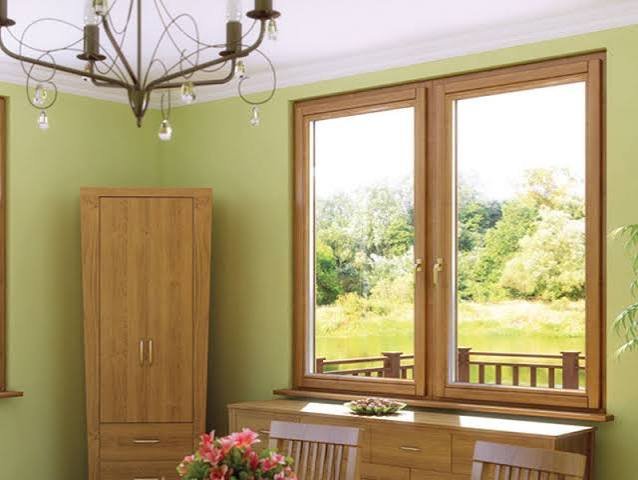
Windows do a lot of work in an older house. They let in light and air, keep out the weather and help give a home its character. When they start to rattle, stick, rot or let in draughts, replacing them can feel like a big decision. Get it right and the house will feel warmer, quieter and better looking for years. Get it wrong and you can spoil the look of a period property or end up with frames that do not suit the way you live.
If you own a Victorian terrace, an Edwardian semi, a 1930s house or a country cottage, this guide will help you think through the main choices. It looks at the three materials most often considered for older homes, which are timber, aluminium and alu clad, and compares them on looks, running costs and upkeep.
Repair or replace?
Before you choose a new material, it is worth asking whether your current windows can be saved. Old timber sash windows, in particular, can often be repaired. A good joiner can cut out rotten sections, replace sash cords, fit draught strips and even add slim double glazing in some cases.
If your house is listed, you will usually need listed building consent before replacing windows, and the local council will expect repair to be considered first. If you live in a conservation area, there may be extra rules about what you can change at the front of the house. Check with your local planning department before you commit to anything, because putting the wrong windows in can be expensive to undo.
If the frames are beyond saving, or if they have already been replaced with something that does not suit the house, then new windows are the way forward.
Timber windows
Timber is the traditional choice for older homes, and for good reason. It has a warmth and depth that suits period details, and it can be made in almost any style, from slim sashes to cottage casements with small panes. Modern timber windows are made from carefully selected and treated wood and are far better at keeping out draughts than the windows of the past.
Timber is also a natural insulator, which helps keep heat inside. Well made timber frames with double or triple glazing can perform very well.
The main drawback is upkeep. Timber needs to be painted or stained every few years to protect it from the weather, especially on the sides of the house that face the sun and rain. If it is neglected, it can swell, crack or rot. Many people are happy with this as part of looking after an older home, but if you are short on time it is worth bearing in mind. If you love the look of wood but dread the ladder, an alu clad window is one way round the problem, and we look at that option below.
Aluminium windows
Aluminium has come a long way. Older aluminium frames had a reputation for being cold and prone to condensation, but modern versions include a thermal break, which is an insulating barrier inside the frame that stops heat escaping.
The big advantages of aluminium are strength and low maintenance. Because the metal is so strong, frames can be very slim, which lets in more light and gives a clean, modern look. The powder coated finish is tough and only needs an occasional wipe down. Aluminium is also highly recyclable.
The main question with aluminium in an older house is looks. Its crisp lines suit a contemporary extension or a modern refurbishment very well, but in a traditional street frontage it can look out of place. Some people use aluminium at the back of the house, for example in a kitchen extension, while keeping a more traditional style at the front.
Alu clad windows
Alu clad windows aim to give you the best of both. The frame is made of timber on the inside, with a layer of aluminium fitted to the outside. Inside the room you see and feel real wood. Outside, the aluminium shell protects the timber from rain and sun.
This makes them a popular choice for people who love the look of wood in their home but do not want to repaint the outside every few years. This type of window can be finished in a wide range of colours on the outside while the inside is painted, stained or left natural to match your interior. That means you could pick a soft heritage green or a dark grey for the street and a warm oak finish for the living room.
Alu clad frames also tend to perform well on insulation, because the timber core does a good job of keeping heat in. The outer cladding takes the brunt of the weather, which can help the frames last a long time with little attention.
The trade off is price. Alu clad windows generally cost more at the start than plain timber or uPVC. Whether that is worth it depends on how long you plan to stay in the house and how much you value lower upkeep.
Comparing running costs and looks
When people talk about running costs, they usually mean two things. The first is energy. Any good quality modern window, whether timber, aluminium or alu clad, will be far better than old single glazing. Look at the energy rating and the overall heat loss figure for the whole window, not just the glass, and compare like with like.
The second is maintenance. Timber needs regular painting. Aluminium needs very little. Alu clad sits in between, with the inside treated like any other wooden surface in your home and the outside needing just a clean now and then. Over many years, the cost of repainting can add up, so it is fair to include this when you compare prices.
Looks are personal, but a few rules of thumb help. Match the style of the original windows where you can. Sash houses look best with sashes, and cottages suit casements with traditional bars. Pay attention to the thickness of the frames, because chunky frames can make a period house look heavy. Ask to see samples and, if possible, visit a house where the same product has been fitted.
Even the best windows will disappoint if they are badly fitted. Choose an installer with experience in older properties, because walls in period homes are rarely straight and openings may not be a standard size. Ask how they will deal with the reveals, the sills and any damage to plaster.
Check what guarantees come with the windows and the installation, and make sure the work is registered with the right scheme so that it meets building regulations. Keep all the paperwork together, as it will be useful if you ever sell the house.
Conclusion
Replacing windows in an older home is a balance between character, comfort and practicality. Timber offers authentic looks with more upkeep. Aluminium brings slim frames and very little maintenance with a more modern feel. Alu clad combines a wooden interior with a tough outer shell. Take your time, check any planning rules, look at samples and think about how long you will stay. The right choice will make your home warmer, quieter and more beautiful for many years to come.








When it comes to preserving and showcasing posters, the choice of framing can make a significant difference in both appearance and longevity. A professional picture framer offers expertise and customisation options that far surpass the capabilities of cheap ready-made poster frames. Understanding why professional framing is superior helps poster owners make informed decisions that protect and enhance their prized prints.
Understanding the Limitations of Ready-Made Poster Frames
Ready-made poster frames are widely available and relatively inexpensive. They offer a quick solution for those looking to display a poster without much investment. However, these frames are mass-produced with standard dimensions and materials, often compromising the aesthetics and protection necessary for valuable prints.
Such frames tend to use lower-quality materials that can degrade over time, leading to potential damage. The glass or acrylic used may not provide UV protection, which can result in colour fading of the poster when exposed to sunlight. Additionally, the backing materials may contain acids that, over time, deteriorate the paper.
Advantages of Professional Custom Framing
In contrast, a professional picture framer offers custom framing solutions tailored to the specific dimensions, condition, and requirements of each poster. Through specialised knowledge and access to premium materials, professionals ensure that every frame complements and safeguards the print.
One of the key benefits of professional framing is the use of acid-free and archival-quality materials. These substances prevent yellowing and decay, preserving the poster’s integrity. Moreover, professional framers often incorporate UV-protective glazing options that block a significant amount of ultraviolet light, reducing the risk of fading.
Custom Design and Aesthetic Enhancement
Another aspect where custom framing excels is design. Professional framers work closely with clients to select mouldings, mats, and glazing types that enhance the visual appeal of the poster. This bespoke approach ensures that the frame complements the artwork’s style, colours, and the room’s decor where it will be displayed.
Unlike ready-made frames, which restrict choice to fixed designs and sizes, custom frames offer flexibility in colour, texture, and width. Matting options also allow for an elegant visual border that can add depth and focus to the print while preventing direct contact between the poster and glazing.
Precision and Craftsmanship
A professional frame poster frames with precision cutting and expert assembly ensures a perfect fit. This attention to detail helps to protect the print from shifting or warping within the frame. Skilled framers inspect the print and handle it with care during the process, reducing the risk of damage.
Additionally, professional framing includes quality hanging hardware, helping to secure the frame on walls safely and evenly. This level of workmanship and finish is rarely achievable with inexpensive ready-made alternatives.
Longevity and Value Preservation
Investing in custom-framed posters protects their value, especially for limited editions, vintage prints, or posters with sentimental importance. The use of archival materials and UV protection dramatically extends the life of the print, maintaining its colours and preventing deterioration.
Furthermore, well-framed posters add to the aesthetic and monetary value of a collection. Collectors and enthusiasts who choose professional framing signal a commitment to preservation, which can be advantageous if the print is ever sold or loaned to exhibitions.
Consultation and Expert Advice
Clients who utilise services like those provided by fantastic framing benefit from personalised consultations. Professional framers assess the type and condition of the poster, recommend suitable framing approaches, and address client preferences and budget considerations.
This advisory role is critical: it ensures that framing decisions are informed by industry knowledge and the specific needs of the print, rather than being based purely on cost or convenience.
Conclusion
In summary, choosing a professional picture framer over cheap ready-made options offers a multitude of benefits for poster owners. From superior protection against environmental damage to bespoke design and expert craftsmanship, custom framing elevates both the aesthetic and longevity of posters.
Those who value their prints, whether for personal enjoyment or investment, should consider engaging a reputable service to frame poster frames with the highest standards in mind. Such an approach provides not only visual enhancement but ensures the preservation of treasured prints for many years to come.
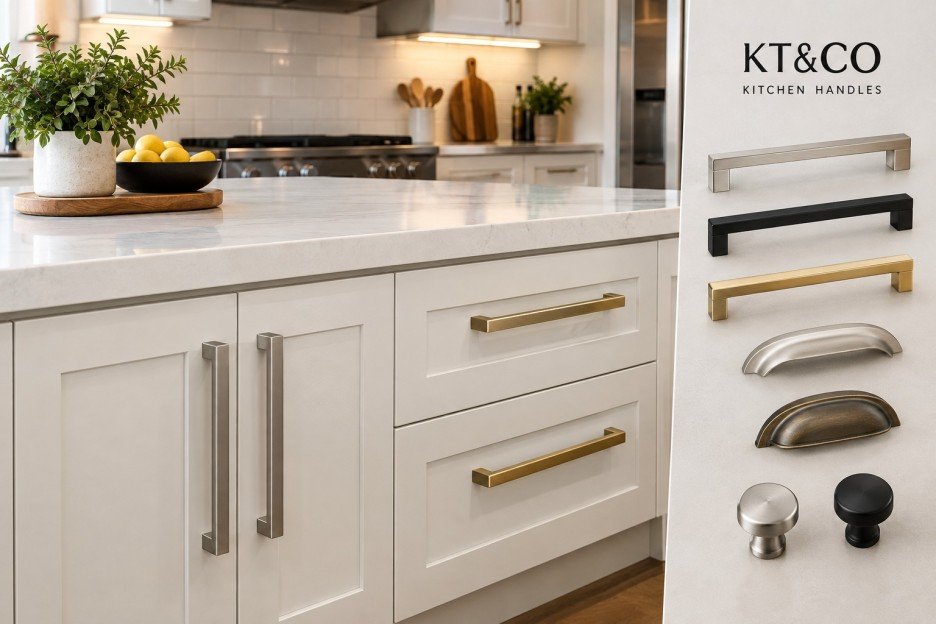
Kitchen handles, often seen as minor details, play a crucial role in defining the overall aesthetic and functionality of kitchen cabinetry. KT&CO Kitchen Handles provide a perfect combination of style and durability, making them an excellent choice for anyone looking to upgrade their kitchen space in Australia.
Importance of Quality Kitchen Handles
Kitchen handles are subjected to daily use and must withstand frequent handling, exposure to moisture, and varying temperatures. Selecting durable handles ensures longevity and preserves the kitchen’s look for years to come. KT&CO understands these demands and offers handles that maintain their finish and structural integrity even under heavy use.
Designs That Complement Every Kitchen Style
The design of kitchen handles can either enhance or detract from the kitchen environment. KT&CO Kitchen Handles come in a variety of designs and finishes, from modern minimalist to classic styles, enabling homeowners to personalise their kitchen aesthetics. Whether the kitchen features sleek contemporary cabinetry or traditional wood finishes, there are handles available to perfectly complement the chosen style.
Modern and Minimalist Options
For kitchens that embody modern design, KT&CO provides sleek and streamlined handles with clean lines. These handles not only add to the visual appeal but also provide ergonomic advantages with their smooth grip.
Traditional and Vintage Styles
In kitchens seeking a timeless feel, classic and ornate handles from KT&CO invoke a sense of heritage and craftsmanship. These handles bring character and warmth, aligning beautifully with timber cabinetry and vintage-inspired interiors.
Materials and Finishes for Longevity and Style
The material selection for kitchen handles directly influences both durability and style. KT&CO offers handles crafted from premium materials such as stainless steel, aluminium, and zinc alloy. These materials resist corrosion and wear, ensuring that handles retain their appearance in the demanding kitchen environment.
Furthermore, KT&CO’s finishes include polished chrome, brushed nickel, matte black, and antique bronze. These options provide flexibility for matching handles with other kitchen hardware and fixtures.
Enhancing Kitchen Functionality
Functionality is as critical as design in kitchen handles. Ergonomic considerations ensure handles are comfortable to grip and operate, improving the user experience during cooking and cleaning. KT&CO Kitchen Handles excel in combining aesthetic appeal with practical usability.
This balance between function and form is a hallmark of KT&CO’s product range, supporting ease of use without compromising on style.
Easy Installation and Versatility
KT&CO Kitchen Handles are designed with standard fitting dimensions, simplifying installation and replacement processes. This makes them suitable not only for new kitchen projects but also for renovating and refreshing existing cabinetry.
The availability of various sizes and types, including bar handles, cup handles, and knob designs, further supports versatile applications across different kitchen layouts.
Environmentally Conscious Manufacturing
Recognising the importance of sustainability, KT&CO employs responsible production methods, reducing waste and utilising recyclable materials where possible. Customers can confidently choose KT&CO Kitchen Handles knowing they are supporting environmentally friendly practices.
Customer Support and Assurance
KT&CO provides excellent customer service to assist with selection, installation advice, and after-sales support. This ensures a seamless experience from purchase to product integration, enhancing customer satisfaction.
Conclusion
Choosing KT&CO Kitchen Handles is an investment in quality, style, and durability for any kitchen. Their extensive range of designs, premium materials, and functional excellence make them a preferred option in the Australian market. Upgrading kitchen handles with KT&CO transforms kitchen cabinetry, offering a refreshed look and improved usability that lasts.

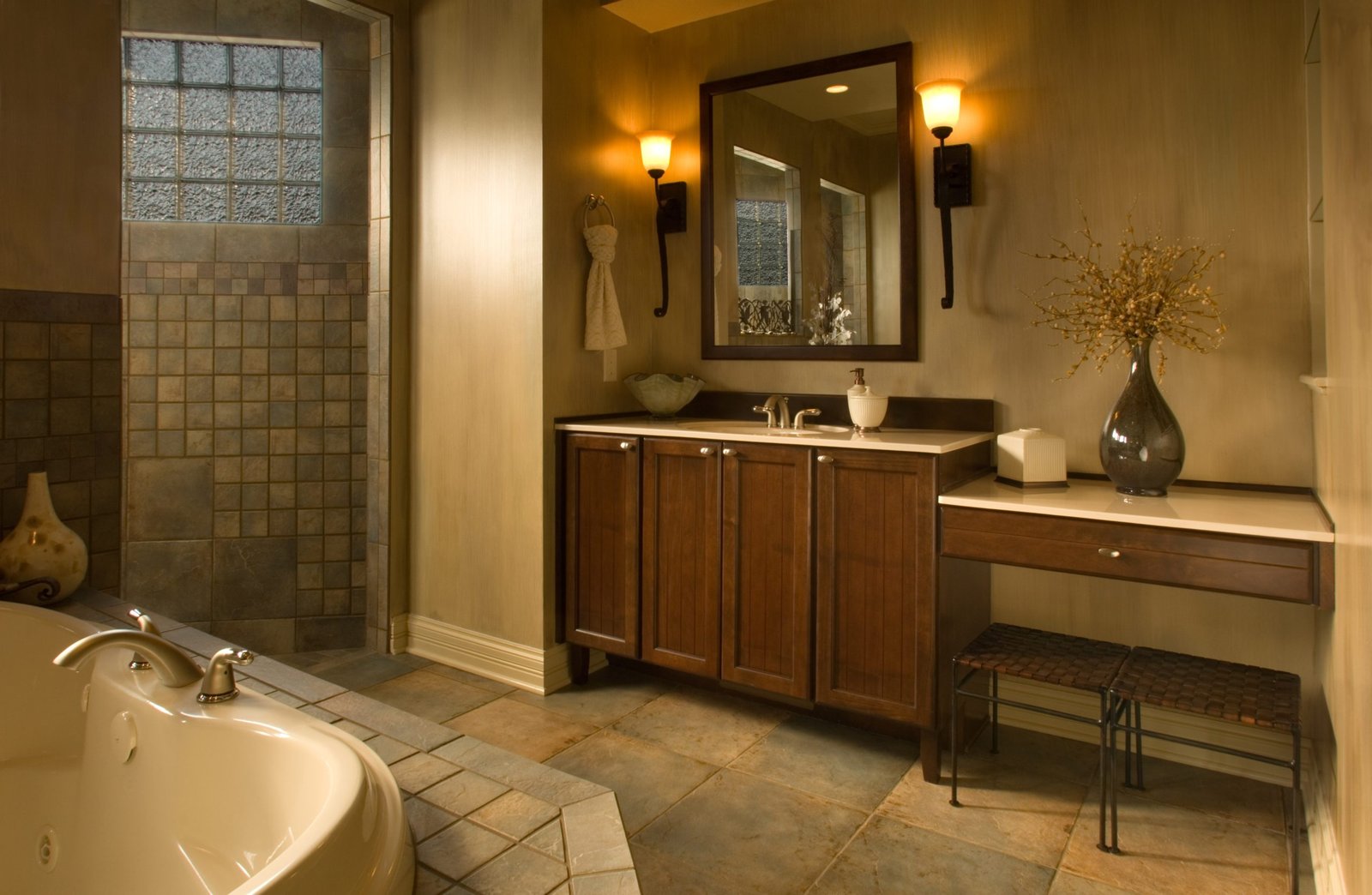
A bathroom renovation affects more than the room being rebuilt. People still need to wash, get ready for work and move through the house while materials arrive and tradespeople come and go. Dust, noise and interruptions to water can also reach beyond the bathroom door. Preparing for that disruption is less about predicting every detail than arranging a workable routine, clearing access and agreeing on how changes will be communicated.
Start with the sequence, not the finish date
Before work begins, ask the renovation team to walk you through the likely order of tasks. Removal and assessment usually come before plumbing or electrical work, followed by preparation of surfaces, waterproofing, tiling, fitting fixtures and final checks. The precise sequence depends on the existing bathroom and the work being done. A schedule is useful, but it should be treated as a plan that may need updating once concealed areas are exposed.
Find out which stages are likely to make the bathroom unusable and whether there may be periods when water or power needs to be isolated. Ask who will give notice of an interruption, how much notice is practical and whom to contact if the household’s circumstances change. These questions matter especially if anyone at home has limited mobility, works shifts or relies on a predictable morning routine.
Make a realistic bathroom plan for the household
If there is another bathroom, check whether it can comfortably serve everyone for the duration of the work. Move everyday items there before demolition starts: toiletries, towels, medication kept in the bathroom and children’s bath supplies. Avoid storing essential items in a room that may become difficult to access. If there is only one bathroom, discuss the expected periods without a toilet or shower before committing to a start date. Alternative arrangements may be needed, and their practicality will vary between households.
Think through the busiest parts of the day rather than assuming people will simply adapt. A shared shower may require a roster; an early departure may require items to be packed the night before. If pets or young children live in the home, decide how they will be kept away from the work area without obstructing access for tradespeople.
Clear the route as well as the room
Empty cabinets, shelves and drawers, then remove mirrors, pictures or loose items near the bathroom that could be knocked during movement through the house. Ask which entrance tradespeople expect to use and where materials and waste will be placed. A clear route helps people move without stepping around boxes, tools or household belongings. It also makes it easier to keep a defined boundary between the work area and the rest of the home.
Discuss dust containment and cleaning expectations in advance, particularly where the bathroom opens onto a frequently used hallway or bedroom. Close doors to adjacent rooms when practical and move vulnerable belongings away from the route. Do not assume a sealed doorway will keep every surface clean: plan for some extra household cleaning, while leaving worksite cleaning and any hazardous-material concerns to appropriately qualified people.
Confirm decisions before they hold up the work
Fixtures and finishes need to be chosen early enough for their availability and dimensions to be checked against the plan. A tap, vanity or tile change can affect more than appearance; it may alter fittings, layout details or the order of tasks. Keep a simple record of the selected items and any agreed substitutions so that household members and the renovation team are working from the same decisions.
Budget discussions belong here too. A quote for a cheap bathroom renovation should still be read for its scope, exclusions and assumptions, particularly where existing plumbing, damaged surfaces or fixture supply could affect the work. The lowest initial figure is not necessarily the clearest picture of what a household will need to organise. Ask how proposed changes will be described, approved and priced before extra work proceeds.
Expect decisions when the old bathroom comes apart
Removing finishes can reveal conditions that were not visible during planning. That does not mean every discovery is serious, but it can change the conversation about timing, cost or materials. Agree on a process for receiving updates: who should be contacted, whether decisions need to be confirmed in writing and what happens if the main contact is unavailable during the day.
When a change is proposed, ask what has been found, which options are practical, how each option affects the agreed scope and whether there are implications for the schedule. Take time to understand the answer rather than approving work simply because the household wants the bathroom back. Questions involving structural conditions, waterproofing, plumbing or electrical work should be addressed by suitably qualified people, not solved through household guesswork.
Plan for the final stretch, not just demolition
The most visible mess may happen early, but a bathroom can remain inconvenient while finishes are completed, fixtures are fitted and final checks take place. Ask when the room can be used normally, rather than assuming that the last trade visit marks that point. Keep the temporary bathroom arrangement in place until use has been confirmed.
Before packing away the spare toiletries, walk through the finished room and note any questions about fixtures, surfaces or agreed work. Find out what information will be provided about caring for the installed materials. A renovation is easier to live through when the household knows what is happening next, what may change and which parts of daily life need a backup plan.

A Dental Appointment Preparation Checklist for Anxious Patients

Pawn Gold Jewellery Brisbane: Can You Pawn a Single Ring or Necklace?

Product Inserts 101: A Practical Guide for US eCommerce Brands Scaling Their Packaging

How to Get More From an Older Smart TV

How to Check an Overstay Fine in the UAE Online

8 Best Marketing Agencies for Tradesmen in the UK (2026)

How to Ensure Your Home is Valued Correctly for a Quick Sale

Christopher Dare: The Untold Story of Engineer and Former Husband of Angela Rippon

The 15 Highest-Paid Rugby Players in the World

What Is Fanquer? The Digital Creator Platform Transforming Direct-to-Fan Engagement

Dr Jared Ross: Missouri Appeals Court Upholds Protection Order Over Graphic Torture and Murder Threats

Nancy Hallam: The Inspiring Life, Career, and Success Story Behind Ian Wright’s Wife
How to Ensure Your Home is Valued Correctly for a Quick Sale
Christopher Dare: The Untold Story of Engineer and Former Husband of Angela Rippon
The 15 Highest-Paid Rugby Players in the World
What Is Fanquer? The Digital Creator Platform Transforming Direct-to-Fan Engagement
Dr Jared Ross: Missouri Appeals Court Upholds Protection Order Over Graphic Torture and Murder Threats
Nancy Hallam: The Inspiring Life, Career, and Success Story Behind Ian Wright’s Wife
-
 Real Estate10 months ago
How to Ensure Your Home is Valued Correctly for a Quick Sale
-
Celebrity12 months ago
Christopher Dare: The Untold Story of Engineer and Former Husband of Angela Rippon
-
 Sports6 months ago
The 15 Highest-Paid Rugby Players in the World
-
 Technology6 months ago
What Is Fanquer? The Digital Creator Platform Transforming Direct-to-Fan Engagement
-
 Celebrity5 months ago
Dr Jared Ross: Missouri Appeals Court Upholds Protection Order Over Graphic Torture and Murder Threats
-
Celebrity1 year ago
Nancy Hallam: The Inspiring Life, Career, and Success Story Behind Ian Wright’s Wife
-

 Celebrity8 months ago
Who Is Azriel Crews? Inside the Life and Career of Terry Crews’ Daughter
-
 Celebrity12 months ago
Who Is Maisie Mae Roffey? The Private Life, Family Story, and Quiet Success of Julie Walters’ Daughter