
Travel
What Is RENTeaza All About Romania’s Car Sharing Platform


RENTeaza is Romania’s first peer-to-peer car sharing platform, launched in May 2025 to transform how people access vehicles in a modern and flexible way. Instead of relying on traditional rental agencies with fixed fleets and office-based processes, RENTeaza allows private car owners to list their vehicles and rent them directly to users. This creates a dynamic marketplace where supply and demand meet in real time, giving users more control and freedom over their transportation choices.
Facts Summary
| Category | Details |
|---|---|
| Platform Name | RENTeaza |
| Launch Date | May 2025 |
| Type | Peer-to-peer car sharing platform |
| Country | Romania |
| Main Function | Connects car owners with renters |
| Booking Method | Fully digital via app |
| Pricing | Set by car owners |
| Vehicle Types | Economy, SUV, Luxury |
| Key Cities | Bucharest, Cluj-Napoca, Timișoara, Iași |
| Safety Features | Insurance, GPS tracking, roadside assistance |
| Payment System | Integrated digital payments |
| Target Users | Locals, tourists, car owners |
| Industry | Sharing economy / mobility |
The Vision Behind RENTeaza
The core vision of RENTeaza is to make mobility more accessible, affordable, and sustainable for everyone. In many urban environments, owning a car has become increasingly expensive due to maintenance costs, fuel prices, insurance, and parking challenges. RENTeaza addresses these issues by allowing users to access vehicles only when they need them, reducing unnecessary expenses while maintaining convenience.
Beyond affordability, the platform is also focused on sustainability and efficiency. By encouraging multiple people to share the same vehicle, RENTeaza helps reduce the number of cars on the road, which in turn lowers traffic congestion and carbon emissions. This is especially important in growing cities like Bucharest, where urban mobility challenges continue to evolve alongside population growth and economic development.
How RENTeaza Works?
RENTeaza operates through a simple yet powerful system that connects car owners and renters in a seamless way. Car owners, also known as hosts, can create listings by uploading photos, writing descriptions, and setting their own prices and availability. They also have the flexibility to define rental rules, such as minimum rental duration and pickup preferences, allowing them to maintain full control over their assets.
On the other side, renters can browse available vehicles based on their location, travel dates, and preferences. Once they find a suitable option, they can book instantly or request approval from the owner. The platform manages payments, identity verification, and digital contracts, ensuring that both parties have a secure and transparent experience from start to finish.
Platform Launch and Market Entry
RENTeaza officially entered the Romanian market in May 2025 as a pioneering solution in the peer-to-peer car rental space. Its launch came at a time when digital platforms were gaining traction across various industries, and consumer behavior was shifting toward convenience and flexibility. This timing allowed RENTeaza to quickly position itself as a modern alternative to traditional rental services.
The platform’s early success can be attributed to its user-friendly design and its ability to meet real-world needs. As more people began looking for affordable transportation options and alternative income sources, RENTeaza provided a solution that benefited both sides. This strong market entry laid the foundation for its continued growth and expansion across the country.
Key Features of RENTeaza
One of the defining aspects of RENTeaza is its advanced set of features designed to enhance the user experience. The platform offers a premium interface that allows users to manage listings, bookings, and payments with ease. Real-time availability ensures that renters always have access to the latest information, reducing the risk of booking conflicts or delays.
Additional features such as GPS tracking, digital contracts, and secure payment gateways provide an extra layer of convenience and security. These tools not only simplify the rental process but also build trust between users, which is essential for the success of any peer-to-peer marketplace. By combining technology with usability, RENTeaza creates a seamless and reliable experience.
Insurance and Safety Measures
Safety is a top priority for RENTeaza, and the platform includes comprehensive insurance coverage to protect both car owners and renters. This coverage helps manage risks associated with accidents, damages, or unexpected incidents during the rental period. By offering built-in protection, the platform reduces concerns that might otherwise discourage users from participating.
In addition to insurance, RENTeaza provides roadside assistance and damage protection policies. These features ensure that users receive support in case of emergencies, making the overall experience more secure and stress-free. The combination of these safety measures plays a crucial role in building confidence and encouraging long-term use of the platform.
Vehicle Variety and Categories
RENTeaza stands out for its wide range of vehicles, which is made possible by its peer-to-peer model. Unlike traditional rental companies that operate limited fleets, RENTeaza offers access to a diverse selection of cars from private owners. This includes everything from compact city cars to larger SUVs and luxury vehicles.
This variety allows renters to choose vehicles that match their specific needs and preferences. For example, a user planning a city trip may opt for an economical car, while someone traveling to the mountains might prefer an SUV. The availability of different categories ensures that RENTeaza can cater to a broad audience with varying requirements.
Pricing and Cost Structure
Pricing on RENTeaza is flexible and determined by individual car owners, which often results in competitive rates. This model allows renters to find affordable options, especially for short-term use or local travel. Economy cars can be rented at lower prices, while premium vehicles are available for those seeking a more luxurious experience.
The platform also provides transparency in pricing, allowing users to compare different listings and choose the best option for their budget. While some additional fees may apply depending on the owner’s policies, the overall cost is typically lower than traditional rental services, making RENTeaza an attractive choice for cost-conscious users.
Digital Experience and Technology
RENTeaza’s fully digital approach is one of its strongest advantages. The platform eliminates the need for physical offices and manual paperwork, replacing them with a streamlined online system. Users can upload documents, verify their identity, and sign contracts directly within the app, saving time and effort.
The use of secure payment systems and advanced verification processes ensures that transactions are safe and reliable. This focus on technology not only enhances convenience but also aligns with modern user expectations, particularly among younger audiences who prefer digital solutions.
Coverage and Availability in Romania
RENTeaza operates nationwide, with a strong presence in major cities where demand for flexible transportation is highest. The largest concentration of vehicles can be found in Bucharest, which serves as the platform’s primary hub.
Other important cities include Cluj-Napoca, Timișoara, and Iași. These locations offer a growing number of listings and competitive prices, making it easier for users across the country to access the platform’s services.
Comparison With Traditional Rentals
RENTeaza differs significantly from traditional rental companies in both structure and experience. Traditional services rely on company-owned fleets and often require physical visits to rental offices, while RENTeaza operates entirely online and uses privately owned vehicles.
This difference leads to greater flexibility, more vehicle options, and often lower prices. However, traditional rentals may still be preferred for certain situations, such as airport pickups or long-term leases. Overall, RENTeaza provides a modern alternative that complements existing options in the market.
Benefits for Car Owners
Car owners benefit greatly from RENTeaza by turning their idle vehicles into income-generating assets. Instead of letting their cars sit unused, they can rent them out and earn money with minimal effort. The platform provides tools for managing bookings, setting prices, and tracking earnings, making it easy for owners to stay in control.
Additionally, the inclusion of insurance and security features helps protect owners from potential risks. This combination of financial opportunity and safety makes RENTeaza an appealing option for individuals looking to maximize the value of their vehicles.
Benefits for Renters
For renters, RENTeaza offers unmatched convenience and flexibility. Users can choose from a wide range of vehicles and book them for short periods without long-term commitments. This makes it ideal for daily use, weekend trips, or special occasions.
The platform also allows renters to pick up cars from convenient locations, rather than traveling to fixed rental offices. This level of accessibility enhances the overall experience and makes RENTeaza a practical choice for both locals and tourists.
Related Offerings and Services
In addition to car sharing, RENTeaza has explored other areas within the sharing economy. One example is RENTeaza Studio IOR Park, a vacation rental apartment located in Bucharest. This property offers short-term accommodation with modern amenities, including Wi-Fi and easy access to public transport.
This expansion highlights the platform’s potential to diversify its offerings and create a broader ecosystem of shared services. By combining mobility and accommodation, RENTeaza is positioning itself as a versatile brand within the digital economy.
Market Trends and Industry Growth
The peer-to-peer car sharing industry is experiencing rapid growth across Europe, driven by changing consumer preferences and advancements in technology. More people are choosing flexible and cost-effective solutions over traditional ownership models, creating opportunities for platforms like RENTeaza to thrive.
This trend is expected to continue in the coming years, with increasing adoption of digital services and a growing focus on sustainability. As part of this movement, RENTeaza is well-positioned to capitalize on emerging opportunities and expand its user base.
Future Potential and Expansion
RENTeaza has strong potential for future growth, both within Romania and internationally. As the platform gains popularity, it could expand to other markets and become a regional leader in peer-to-peer car sharing.
Its focus on innovation, user experience, and sustainability gives it a competitive edge in a rapidly evolving industry. By continuing to adapt to user needs and technological advancements, RENTeaza is likely to play a significant role in the future of mobility.
Challenges and Limitations
Despite its many advantages, RENTeaza faces certain challenges that must be addressed for long-term success. Trust between users is essential, and the platform must maintain strong verification systems to ensure reliability.
Legal regulations and insurance requirements can also be complex in the peer-to-peer model. Additionally, competition from both traditional rental companies and other digital platforms may increase over time. Overcoming these challenges will be key to sustaining growth and maintaining user confidence.
Why RENTeaza Is Changing Car Rentals?
RENTeaza is redefining the car rental experience by introducing a more flexible and user-centric approach. It replaces traditional processes with a digital system that is faster, more efficient, and better suited to modern lifestyles.
By combining affordability, convenience, and technology, the platform is setting new standards in the mobility industry. Its impact extends beyond transportation, influencing how people think about ownership and access in the digital age.
Final Thoughts
RENTeaza represents a major shift in how people access vehicles, offering a practical alternative to traditional car ownership and rentals. Its innovative model benefits both car owners and renters, creating a balanced ecosystem that supports flexibility and efficiency.
As the platform continues to grow and evolve, it has the potential to reshape the mobility landscape in Romania and beyond. With its focus on technology, sustainability, and user experience, RENTeaza stands out as a leading example of the future of transportation.
FAQs
What is RENTeaza and how does it work?
RENTeaza is a Romanian peer-to-peer car sharing platform where private car owners rent their vehicles to others through a fully digital system that handles booking, payments, and verification.
Is RENTeaza cheaper than traditional car rentals?
In many cases, RENTeaza is more affordable because prices are set by individual owners and there are no large operational costs like traditional rental fleets.
Is RENTeaza safe to use?
Yes, the platform includes insurance coverage, verification processes, GPS tracking, and roadside assistance to ensure safety for both renters and car owners.
What types of cars are available on RENTeaza?
Users can find a wide range of vehicles, including economy cars, SUVs, and luxury models, depending on what owners list on the platform.
Where is RENTeaza available?
RENTeaza operates across Romania, with strong availability in cities like Bucharest, Cluj-Napoca, Timișoara, and Iași.


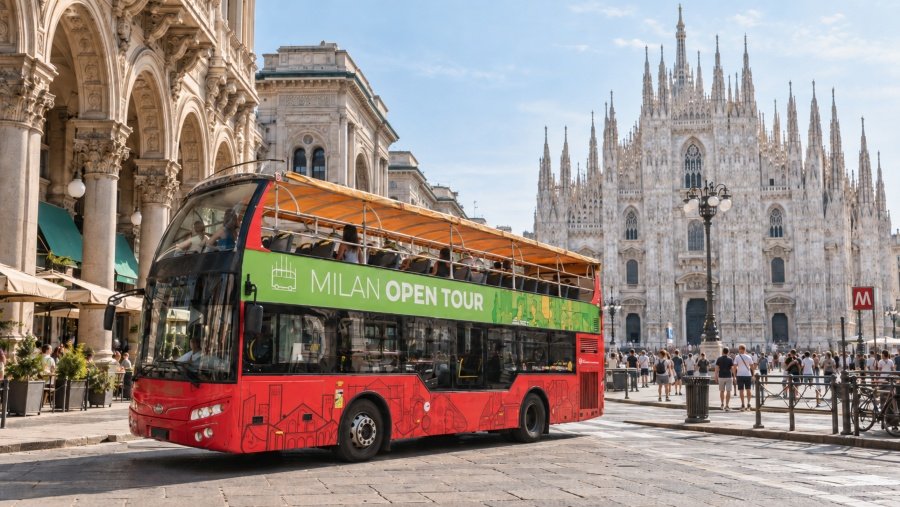
Plenty of people see Milan on borrowed time. A meeting finishes at eleven, a connecting flight leaves at nine, and what is left is an afternoon with nothing planned in it. Call it a gap rather than a holiday. Gaps get filled badly. Most visitors in that position weigh the same three options before they have finished their coffee. Walk it, work out the metro, or spend the afternoon on a hop on hop off bus in Milan.
Which of the three wins depends on how many stops you actually intend to make in an afternoon, and almost nobody works that out in advance. This is an attempt to do that arithmetic, using the three places most short-trip visitors want to tick off: the Duomo, the Sforza Castle and the Navigli. None of the three routes is right for everyone. The difference between them is how much of the afternoon survives.
How much time do you really need for central Milan
Ask five people and you will get five answers, most of them optimistic. A realistic figure for the Duomo, the Galleria and the Sforza Castle, with time inside each, is three to four hours. That includes traffic lights, ticket queues and the twenty minutes you lose deciding where to eat.
On paper it is twenty minutes from Piazza del Duomo to the Castle. Almost nobody covers it in twenty. You stop under the Galleria’s glass dome, you get pulled into Via Dante. By the time the
Castle gate is in front of you, the clock has taken twice what you allowed it. The gap between the map and the morning is where short trips fall apart, and it is wider here than the compact centre suggests. The Navigli, another obvious stop, sit the best part of half an hour further south on foot.
A hop on hop off bus in Milan changes the maths for short trips
The calculation shifts once you take the return leg out of every decision. Get off at a museum, spend forty minutes inside, photograph the courtyard and rejoin the next vehicle. Not once do you work out how long it takes to walk back to where you started.
Milano Open Tour sets out its lines, its stops and its ticket durations on one page, worth reading before you commit an afternoon. The operator runs three panoramic lines across the city. The historic-centre loop covers eighteen stops in a little over an hour, and one ticket stays valid on all three lines for 24, 48 or 72 hours. That last detail is what does the work. The ticket is not tied to a route, so changing your mind halfway through the day costs you nothing. Anyone who has also pencilled in a stop outside the centre gains more than that. Half an hour, roughly, against the same afternoon stitched together on scheduled public transport.
Walking versus riding: what you notice from each vantage point
On foot you get the ground floor of the city. Shop windows, the smell of a bakery on a side street, a man arguing with a traffic warden. From the top deck you get height, and height changes what the Duomo and the Castle look like. You see the roofline, the scale of the facade against the square, the shape of the streets running off it.
What do you lose? The side streets, mostly, and they are a real loss. Some of the best half hours in Milan happen in alleys no route goes down, and no timetable will ever take you there. A hop on hop off bus in Milan is a poor instrument for wandering. Anyone whose idea of a good afternoon is getting mildly lost should skip the whole thing and walk. Four free hours spent that way are not wasted.
Why a hop on hop off bus ticket in Milan only pays off after a few stops
Numbers, briefly. A single ATM ticket costs €2.20 and lasts ninety minutes, and a 24-hour public transport pass costs €7.60. A 24-hour hop on hop off bus ticket in Milan costs around €25. On a straight fare-to-fare comparison the tour bus loses, and it loses badly.
That comparison is the wrong one, though only just. What you are buying is the removal of route planning, plus a commentary, plus a seat you can keep. Below three planned stops that is not worth the seventeen euro gap, and anyone telling you otherwise is selling something. At three or four stops, with a museum and a long lunch in the middle, the sums usually work. Above four the ticket is comfortably the cheaper way to spend a day. The alternative is a series of metro hops and the mental overhead of planning each one.
A detail few people consider: peak hours in the city centre
Mid-morning is when everything converges. Coaches unload, hotel checkouts finish, and between roughly ten and midday the Duomo and the Galleria absorb most of the people in the centre at once. Queues at the busiest stops behave differently in that window, and so does the pavement.
Moving your start by an hour changes the texture of the whole afternoon. An earlier departure buys you the Cathedral square before it fills. A later one, after two, catches the lull between the lunch crowd and the evening. Neither trick is a secret, and almost everybody ignores both, so they keep working.
There is a real number behind this. Italy recorded 185 million tourist arrivals in 2025, up 7.1% on the year before, according to a report on interior ministry figures. Foreign arrivals grew fastest of all. Milan takes a large share of that, and it takes it in the same few hundred metres.
So the real skill in a short visit is not choosing between walking and riding. It is choosing the hour. Get that right, and a hop on hop off bus in Milan turns a compressed afternoon into something that feels unhurried. Strange thing to say about a bus. It holds up anyway.

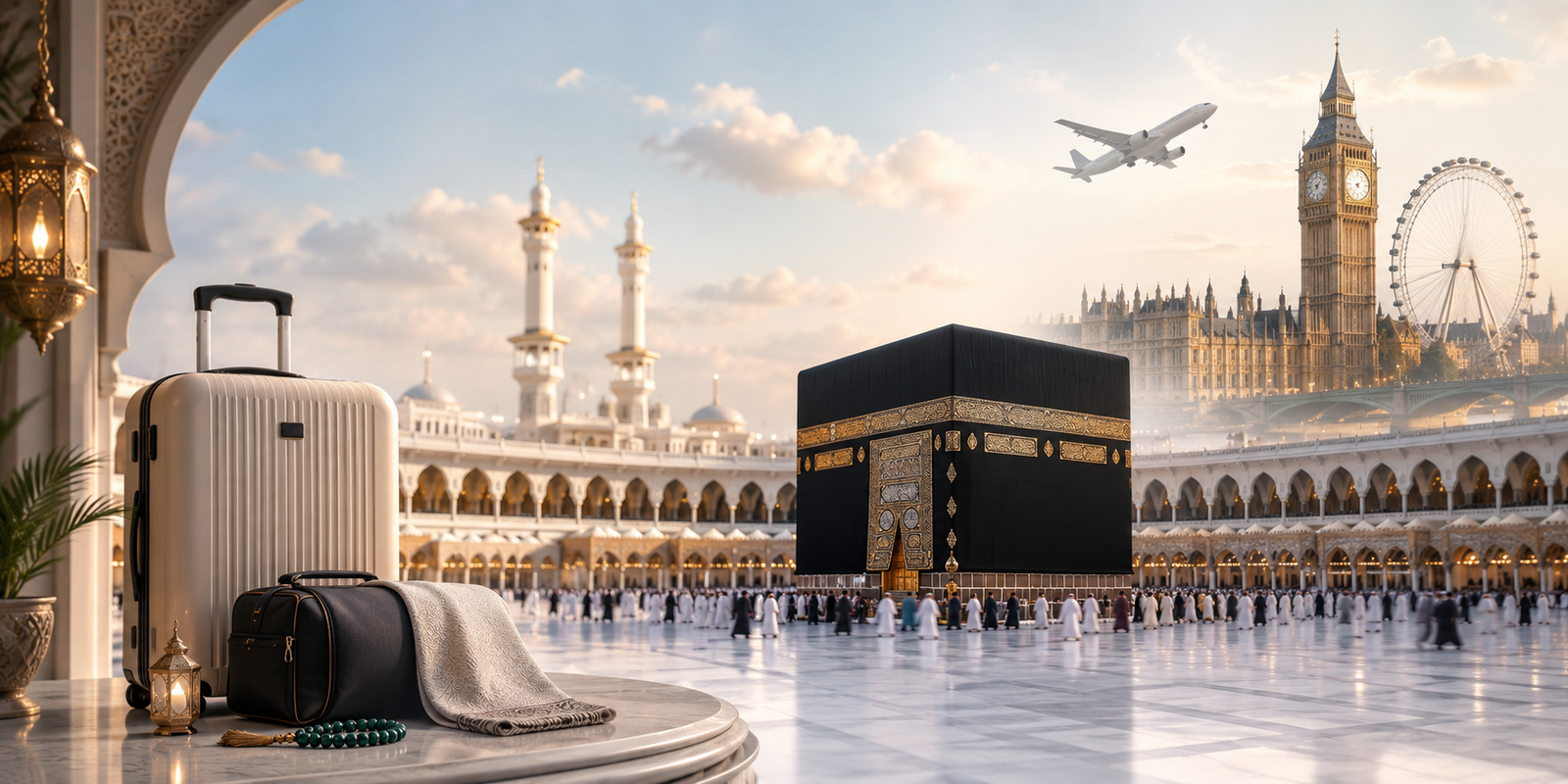
Whoever gets the chance to perform Umrah wants to make sure they embark on this journey as stress-free as possible. And one of the most crucial factors of having the smoothest, most hassle-free Umrah journey is choosing the best Umrah travel agency. A reliable travel agency not only makes sure that you get the perfect flights and accommodations but also promises financial protection and a stress-free pilgrimage experience. Therefore, choosing the best Umrah travel agency in the UK is as crucial as learning the pilgrimage rituals for the most spiritually reviving and unforgettable pilgrimage experience.
The UK travel market is full of thousands of Islamic travel agencies. But not all of these are trusted or licensed. Therefore, you will have to make sure that you are choosing a licensed Umrah travel agency like Makkah Travel, Hajj Umrah Hub, or Bismillah Travel. All of the UK travel agencies also offer varying services, which is another important factor to consider. Here is a complete guide on choosing the best Umrah travel agency in the UK.
Qualities of the Best Umrah Travel Agency in the UK
Some of the qualities of the best Umrah travel agency in the UK are discussed below.
ATOL Protection
This is one of the most important things that you must check in your travel agency. Choosing ATOL-protected flight-inclusive Umrah packages gives you the ultimate financial protection, helping you avoid stress and chaos. This protects your money if the travel company ceases trading before or during your trip. ATOL protection is necessary, especially if you are booking in advance
Ministry of Hajj and Umrah Authorisation
Hajj and Umrah authorisation is another important thing you must check before choosing a travel agency. The Saudi Ministry of Hajj and Umrah always approves a reputable travel agency. This is one of the best ways to determine whether your visa and accommodation arrangements comply with Saudi regulations. It saves you a lot of hassle during your pilgrimage journey.
Transparent Pricing
A reliable travel agency always gives you transparent pricing for all services. The best agency must clearly provide:
- Package price
- Hotel category
- Flight details
- Transport services
- Visa fees
- Optional extras
There are no surprises or hidden charges when you choose a trusted travel agency. Also, some agencies offer low-priced Umrah packages but do not explain what they include, and customers end up purchasing the necessary services separately, which cost much more. It is recommended that you avoid such travel agencies.
Excellent Customer Support
A travel agency must be easy to contact before or during your Umrah journey. Excellent customer support is very crucial for a seamless pilgrimage experience. Good agencies provide phone support, WhatsApp assistance, email communication, emergency contact numbers, and quick responses to enquiries. If your travel agency provides everything, you will not have to worry about anything, even if there are logistical issues or inconveniences during your pilgrimage.
Positive Customer Reviews
Customer reviews tell you a lot about the authenticity, reliability, and quality of services that the travel agency offers. Look for comments that address professionalism, hotel quality, visa processing, punctual transport, honest pricing, and overall customer satisfaction. If there is consistent positive feedback from the travel agency, it is a strong sign of reliability and quality of services. Here are some reviews of reliable travel agencies in the UK to give you an idea.
Bismillah Travel Reviews
This UK travel agency has a strong overall rating. Most clients had a great experience with Bismillah Travel. They claim they had a smooth Umrah experience with the company, that their customer service is incredible, and that they offer personalised services. Only some had issues with the customer service.
Hajj Umrah Hub
Another one of the most trusted Islamic travel agencies in the UK is Hajj Umrah Hub. Most of the reviews of this travel agency highlight its exceptional customer service. Customers also note the efficiency and ease of the overall experience while reviewing the agency. Only a few customers reported a delay in Umrah visa processing.
Al Hadi Travel
Al Hadi Travel also offers reliable Umrah services in the UK. The reviews show satisfied customers who praise the agency’s seamless booking process and professional customer service. Only a few complain that the initial professionalism doesn’t hold up throughout the journey.
Zaitoon Travel
Zaitoon Travel also offers reliable Umrah services from the UK. According to reviews, many customers say the company offers a smooth, stress-free booking process, along with tailored packages and good customer support. Some had a few complaints regarding the company’s customer support in case of changes to the plan, especially during flight issues.
Services Offered by the Best Umrah Travel Agency in the UK
Some of the services offered by the best Umrah travel agency in the UK are listed below.
- Umrah visa assistance
- Flight booking
- Hotel accommodation
- Airport transfers
- Guided Umrah packages
Red Flags to Avoid
Unfortunately, not every agency operates professionally.
Watch out for:
- Extremely cheap packages
- Pressure to pay immediately
- No written itinerary
- Hidden fees
- Poor communication
- No physical office
- Unclear refund policy
- No financial protection
Summing Up
Choosing the right Umrah travel agency is crucial for a smooth, comfortable and stress-free Umrah experience. By availing the services of a trusted Umrah travel agency, you can have the peace of mind and the most distraction-free pilgrimage experience that every Muslim dreams of. By researching your options, asking the right questions, and booking with an experienced provider, you can enjoy a smooth, comfortable, and spiritually rewarding Umrah experience.


For travellers visiting London for the first time, choosing the right neighbourhood can completely shape the experience. Few areas capture the city’s elegance and sophistication quite like Bond Street. Known for its luxury boutiques, historic charm, and central location, Bond Street offers an exceptional base for visitors who want to experience the finest side of London. If you are exploring premium accommodation options in this iconic district, you can Know More about stylish rental stays designed for comfort, convenience, and luxury living.
Why Bond Street Is One of London’s Most Prestigious Areas
Bond Street sits in the heart of Mayfair, one of London’s most prestigious neighbourhoods. Famous for luxury fashion houses, fine jewellery boutiques, art galleries, and elegant cafés, the area has long attracted visitors who appreciate refined living.
For first time travellers, staying here means being surrounded by some of the city’s best shopping, dining, and cultural experiences. The streets are beautifully maintained, and the atmosphere feels both lively and sophisticated without becoming overwhelming.
Visitors searching for Bond Street apartment rentals London often choose the area because it offers immediate access to London’s most iconic attractions while maintaining an exclusive residential feel.
A Perfect Location for Exploring London
One of the biggest advantages of staying near Bond Street is its excellent central location. The area provides quick access to Oxford Street, Hyde Park, Soho, and the West End. Whether you want to spend the day shopping, exploring museums, or attending theatre performances, everything is within easy reach.
The Bond Street Underground station also connects travellers to other parts of the city quickly and efficiently. This convenience is especially valuable for first time visitors who want to explore London without spending too much time commuting.
In addition, platforms such as Luxury London Stays help travellers discover curated apartments that combine premium comfort with ideal locations.
The Appeal of Luxury Apartment Living
Hotels have traditionally been the first choice for visitors, but luxury apartments have become increasingly popular among travellers seeking more space and flexibility. Apartments provide living areas, kitchens, and private environments that create a more comfortable and personalised experience.
Guests booking luxury rentals near Bond Street London often appreciate the balance between privacy and convenience. Instead of returning to a crowded hotel lobby after a busy day, travellers can relax in elegant surroundings that feel calm and welcoming.
This style of accommodation is particularly attractive for couples, professionals, and families who value comfort during their stay.
What Makes Bond Street Ideal for First Time Visitors
For travellers visiting London for the first time, location and accessibility are essential. Bond Street offers the perfect mix of luxury and practicality. Visitors can walk to famous shopping streets, explore nearby parks, and experience London’s cultural highlights without needing complicated travel plans.
The neighbourhood also feels safe and polished, which helps first time visitors feel more comfortable navigating the city. Cafés, restaurants, and local shops create a lively yet refined atmosphere that captures the essence of luxury London living.
Serviced Apartments and Added Convenience
Many travellers now prefer serviced apartments Bond Street London because they provide hotel style services alongside the freedom of apartment living. Housekeeping, maintenance support, and concierge assistance make stays more convenient without sacrificing privacy.
Serviced apartments are especially useful for extended visits or business travellers who want a more flexible and home-like environment. Guests can enjoy the benefits of luxury accommodation while maintaining independence during their stay.
Shopping, Dining, and Lifestyle Experiences
Bond Street is internationally recognised for luxury shopping. Designer boutiques, jewellery stores, and exclusive brands line the streets, creating one of the world’s most prestigious retail destinations.
Beyond shopping, the area offers excellent dining options ranging from elegant restaurants to charming cafés. Visitors can enjoy afternoon tea, fine dining experiences, or relaxed meals after a day exploring the city.
The lifestyle around Bond Street reflects sophistication without feeling inaccessible. Even a simple walk through the neighbourhood feels like part of the London luxury experience.
A Great Base for Business and Leisure
Bond Street appeals to both leisure travellers and professionals. Business visitors benefit from its proximity to key commercial districts, while leisure travellers enjoy easy access to cultural attractions and entertainment.
This flexibility makes the area suitable for short city breaks, longer holidays, and business trips alike. The combination of luxury, location, and convenience ensures visitors can enjoy London on their own terms.
Choosing the Right Rental for Your Stay
When selecting accommodation near Bond Street, consider factors such as apartment size, nearby transport, and the type of atmosphere you prefer. Some visitors prioritise quiet streets, while others enjoy being closer to shopping and nightlife.
Booking through trusted platforms helps ensure quality, safety, and reliable service. Carefully curated apartments often provide a more seamless and enjoyable experience compared to generic listings.
Experience Luxury London Living with Luxury London Listings
Staying near Bond Street allows first time visitors to experience London at its most elegant and convenient. Luxury London Listings offers a curated collection of premium apartments designed for travellers who value comfort, style, and exceptional locations. Whether you are visiting for shopping, sightseeing, or business, their thoughtfully selected properties help you enjoy London with confidence and sophistication.
Frequently Asked Questions
1. Why is Bond Street popular with luxury travellers?
Bond Street is known for its designer boutiques, fine dining, elegant atmosphere, and central location in Mayfair.
2. Are Bond Street apartments suitable for long stays?
Yes, many apartments near Bond Street are ideal for both short and extended stays, offering comfort and flexibility.
3. Do serviced apartments include hotel style services?
Many serviced apartments provide housekeeping, maintenance, and concierge support while still offering the privacy of apartment living.
4. Is Bond Street a good location for first time visitors to London?
Absolutely. Bond Street offers excellent transport links, central access to attractions, and a safe, sophisticated environment for travellers.

6 Best Lodges For Sale: Find Your Perfect Retreat

Unlocking the Best Deals with Rayslocker: Your Ultimate Guide to Affordable Shopping

Maximizing Utility and Security: The Ultimate Guide to UTE Tool Boxes

How to Read a Property Report Like a Pro

What Happenes to Your Muscles After a Workout? Understanding the Recovery Process

What Hospital Grade Breast Pump Means Before You Choose

The 15 Highest-Paid Rugby Players in the World

Christopher Dare: The Untold Story of Engineer and Former Husband of Angela Rippon

How to Ensure Your Home is Valued Correctly for a Quick Sale

What Is Fanquer? The Digital Creator Platform Transforming Direct-to-Fan Engagement

Dr Jared Ross: Missouri Appeals Court Upholds Protection Order Over Graphic Torture and Murder Threats

Nancy Hallam: The Inspiring Life, Career, and Success Story Behind Ian Wright’s Wife
The 15 Highest-Paid Rugby Players in the World
Christopher Dare: The Untold Story of Engineer and Former Husband of Angela Rippon
How to Ensure Your Home is Valued Correctly for a Quick Sale
What Is Fanquer? The Digital Creator Platform Transforming Direct-to-Fan Engagement
Dr Jared Ross: Missouri Appeals Court Upholds Protection Order Over Graphic Torture and Murder Threats
Nancy Hallam: The Inspiring Life, Career, and Success Story Behind Ian Wright’s Wife
-
 Sports4 months ago
The 15 Highest-Paid Rugby Players in the World
-
Celebrity10 months ago
Christopher Dare: The Untold Story of Engineer and Former Husband of Angela Rippon
-
 Real Estate8 months ago
How to Ensure Your Home is Valued Correctly for a Quick Sale
-
 Technology4 months ago
What Is Fanquer? The Digital Creator Platform Transforming Direct-to-Fan Engagement
-
 Celebrity4 months ago
Dr Jared Ross: Missouri Appeals Court Upholds Protection Order Over Graphic Torture and Murder Threats
-
Celebrity11 months ago
Nancy Hallam: The Inspiring Life, Career, and Success Story Behind Ian Wright’s Wife
-

 Health8 months ago
Enclomimed 25 (Enclomiphene) – Effective PCT Protocol
-
 Celebrity10 months ago
Who Is Maisie Mae Roffey? The Private Life, Family Story, and Quiet Success of Julie Walters’ Daughter