
Food
Muha Review: Why London Diners Are Choosing Budget Burgers Over Fancy Restaurants

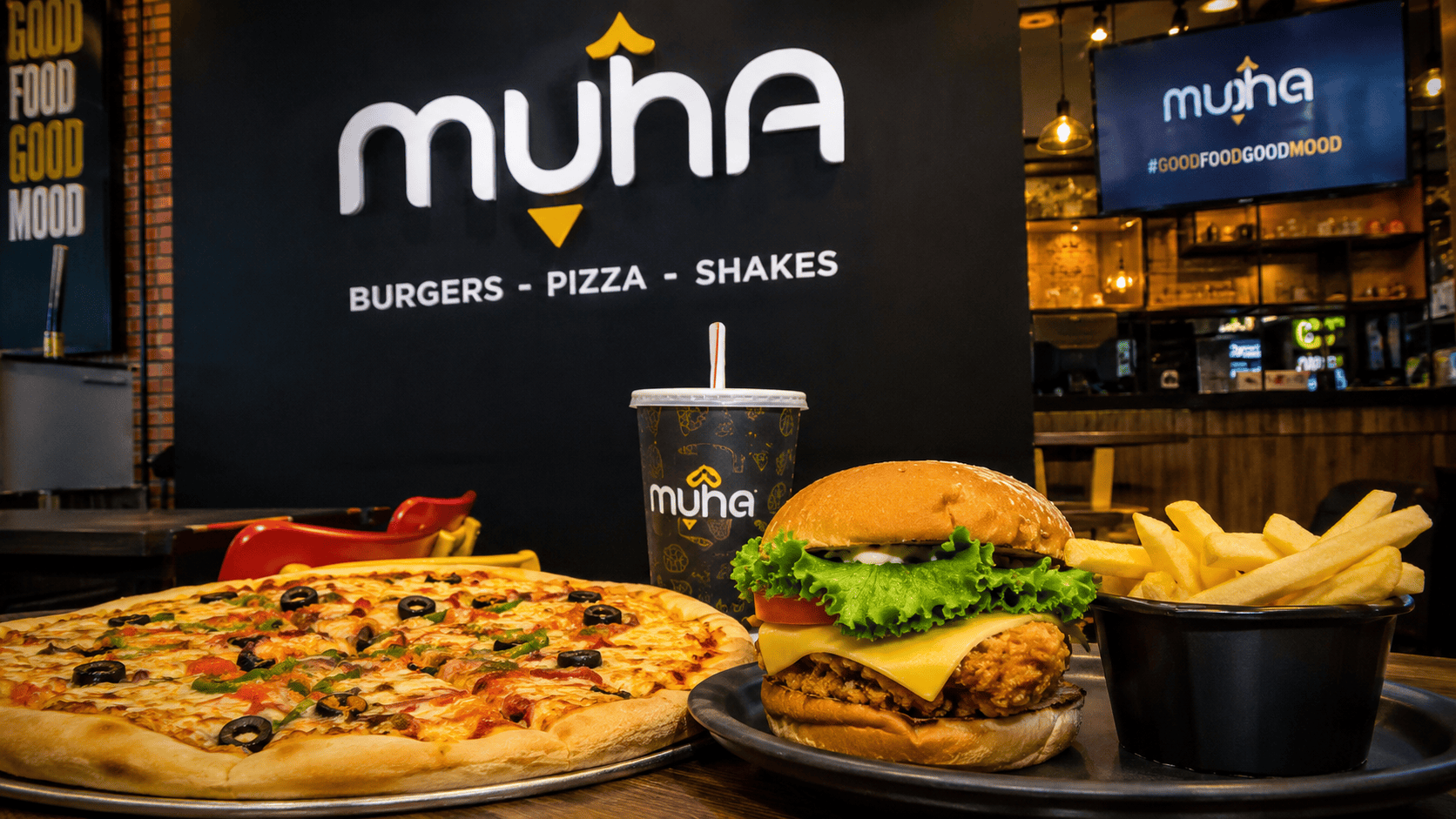
Muha is a London based fast food restaurant that focuses on simple comfort food, low prices, and a welcoming dining space. In a city where eating out can quickly become expensive, the restaurant stands out by offering familiar favorites without making customers feel that good taste must come with a high bill. Its identity is built around casual meals, practical service, and food that suits a broad group of diners.
Quick Bio
| Detail | Information |
|---|---|
| Restaurant Name | Muha |
| Business Type | Fast food restaurant |
| Location | London, United Kingdom |
| Cuisine Style | Fast food with a mixed menu |
| Famous For | Burgers and pizza |
| Dining Style | Sitting only |
| Price Range | Low priced and budget friendly |
| Quality Positioning | Good quality at an affordable cost |
| Opening Date | June 6, 2019 |
| Founder or Owner | Dale Brown |
| Atmosphere | Family friendly |
| Target Customers | Families, students, workers, casual diners, and fast food lovers |
| Best Menu Identity | Burgers, pizza, comfort food, quick meals |
| Service Focus | In house dining experience |
| Brand Personality | Casual, affordable, welcoming, and practical |
| Customer Appeal | Value, taste, comfort, and accessibility |
The Story Behind Muha Since 2019
The restaurant opened on June 6, 2019, under the ownership of Dale Brown. That date matters because it places the business in a period when the London food scene had become highly competitive. Customers had countless choices, from global chains and independent burger shops to pizza kitchens, kebab houses, cafes, and fusion food spots. Entering that market required a clear reason for people to walk in and stay loyal.
Instead of chasing complicated food trends, the restaurant built its story around accessibility. It offered fast food in a sitting only format and focused on giving customers affordable meals with good quality. This approach created a practical identity. A customer could come in for a burger, enjoy a pizza with family, or sit down for a casual meal without expecting a premium restaurant bill.
Dale Brown’s role as the owner gives the brand a more personal foundation than a faceless chain. Independent restaurants often succeed when they understand their local audience, and this one appears designed around that idea. London diners value convenience, but they also notice consistency, price, and atmosphere. Since opening, the restaurant’s story has centered on those three customer expectations.
A London Fast Food Spot Built Around Value
Value is one of the strongest selling points for this restaurant. London has many dining options, but affordable places with good quality always attract attention. Low pricing alone does not create long term appeal. Customers may try a cheap meal once, but they return only when the food tastes good, the service feels comfortable, and the overall experience matches the price.
That balance gives the restaurant a useful position in the local market. It offers the kind of fast food that people can enjoy regularly, not only on special occasions. A low price point makes it easier for families to dine together, for students to grab a meal, and for workers to eat out without spending too much. In local SEO terms, this kind of positioning connects strongly with searches around affordable fast food in London, cheap burgers, budget pizza, and family friendly restaurants.
The restaurant’s value promise also works because the menu is familiar. Burgers and pizza do not require explanation. Customers already know what they want, which makes decision making easy. When the food is affordable and satisfying, the business becomes a practical choice in a busy city. That is why value based restaurants can build strong local loyalty, especially when they stay consistent.
Burgers That Made the Restaurant Popular
Burgers are one of the most famous parts of the restaurant’s menu. A good burger works because it delivers comfort, flavor, and fullness in one meal. Customers often judge a fast food restaurant by the quality of its burger, including the bun, patty, toppings, sauce, texture, and freshness. Even when the menu stays simple, a well prepared burger can become the reason people remember the place.
At Muha, burgers are described as very famous, which suggests that customers see them as a core part of the dining experience. This gives the restaurant an important competitive edge. London has many burger options, from premium gourmet shops to international chains. To stand out, an independent fast food restaurant needs a burger that feels dependable and worth recommending.
The burger category also supports different customer needs. Some diners want a quick solo meal. Others want something filling after work or school. Families may order burgers alongside pizza for variety at the table. Because burgers are flexible, they help the restaurant serve different types of guests without making the menu feel confusing.
Pizza as a Major Customer Favorite
Pizza gives the restaurant a second major reason for customer attention. While burgers work well as individual meals, pizza naturally fits group dining. Families, friends, and casual groups often choose pizza because it is easy to share and simple to customize. In a sitting only restaurant, that matters because the meal becomes part of the social experience.
The popularity of pizza at Muha strengthens the restaurant’s mixed fast food identity. It is not only a burger spot and not only a pizza place. It sits between both categories, which helps it reach more diners. Someone may visit for a burger, while another person at the table may prefer pizza. This variety makes the restaurant more useful for families and groups with different tastes.
Pizza also fits the affordable quality message. Customers expect pizza to be filling, flavorful, and worth the price. When a restaurant can offer a satisfying pizza at a low cost, it becomes easier for people to choose it for casual meals. In London, where food prices vary widely, an affordable pizza option can become a strong local advantage.
Sitting Only Dining and the In House Experience
One important detail about the restaurant is its sitting only model. Unlike many fast food businesses that focus heavily on takeaway or delivery, this restaurant is centered on the in house experience. That makes the dining room more important. Customers come not just to collect food, but to sit, eat, and spend time in the space.
A sitting only format can help a restaurant build stronger customer relationships. Staff can interact with guests directly, customers can enjoy their meal while it is fresh, and the atmosphere becomes part of the brand. For families, this matters because eating out is often about comfort as much as food. A family friendly space allows parents, children, and groups to dine in a relaxed setting.
The in house format also shapes expectations. Customers should view the restaurant as a place to visit rather than a delivery first business. That can become a strength when handled well. In a city crowded with takeaway apps and rushed meals, a simple sitting restaurant can feel more personal and grounded. It gives people a reason to pause and enjoy their food properly.
Family Friendly Atmosphere and Everyday Appeal
The restaurant is described as family friendly, which is a valuable identity for a London food business. Families often look for places that feel relaxed, affordable, and easy to understand. They want menus that appeal to both adults and children, prices that do not feel too heavy, and an environment where casual dining feels natural. This restaurant fits that need through its burgers, pizza, low prices, and welcoming style.
Family friendly dining does not require formality. In many cases, families prefer restaurants where the food arrives without fuss and everyone can find something enjoyable. Burgers and pizza support that goal because they are widely liked and easy to share. The casual fast food format also reduces pressure, making it suitable for everyday meals rather than only planned celebrations.
Muha can appeal to parents who want a simple meal out, teenagers who enjoy fast food, and groups who want a place to sit together. That broad appeal helps the restaurant stay relevant across different customer segments. A strong family friendly identity also supports repeat visits because families often return to places that feel easy, safe, and reasonably priced.
Quality, Freshness, and Affordable Fast Food
The restaurant’s promise combines low price with good quality. That combination is powerful, but it also requires consistency. Customers can accept a simple restaurant design or a limited service model when the food gives them value. They will not accept poor quality, even at a lower price. This is why quality matters so much in affordable fast food.
Good quality in fast food can come from several visible details. Customers notice whether burgers feel fresh, whether pizza tastes satisfying, whether portions feel fair, and whether the meal matches what they expected. They also judge cleanliness, service speed, seating comfort, and the general mood of the restaurant. Together, these details shape the full customer experience.
Affordable food should not feel careless. The best budget friendly restaurants understand that customers want respect as much as savings. They want food prepared with attention, served in a comfortable space, and priced honestly. When a restaurant delivers that, affordability becomes a strength rather than a warning sign.
Competitive Position in London’s Fast Food Scene
London’s fast food scene is crowded, diverse, and constantly changing. Restaurants compete against national chains, independent takeaways, food trucks, cafes, and delivery focused brands. In that environment, a smaller restaurant needs a clear identity. This restaurant’s identity centers on affordable dining, good quality, burgers, pizza, and a family friendly sitting experience.
That positioning can be effective because it does not try to be everything. It focuses on meals people already enjoy and gives them at a price point that feels accessible. Many diners do not always want experimental food or premium prices. They want a reliable place where they can enjoy familiar flavors and leave satisfied.
The restaurant’s sitting only model also separates it from delivery first competitors. While delivery can increase reach, dine in service can create stronger memories. Customers remember the space, the comfort, the people they ate with, and the feel of the meal. For a family friendly fast food restaurant, that in person experience can become a major part of the brand.
Final Verdict on Muha
Muha is best understood as a London fast food restaurant built around affordability, good quality, and familiar menu favorites. It does not need to rely on complicated branding to make an impression. Its strongest appeal comes from what many customers want most: tasty burgers, popular pizza, reasonable prices, and a place where families can sit and enjoy a casual meal.
The restaurant’s opening on June 6, 2019, gives it a clear business timeline, while Dale Brown’s ownership adds a personal identity to the brand. Its sitting only approach makes the dining room central to the experience, and its family friendly atmosphere gives it wider appeal beyond quick solo meals.
For London diners searching for budget friendly fast food with a comfortable in house setting, this restaurant offers a clear promise. It is casual, accessible, and built around food people already love. That combination gives it a strong local profile and a practical reason to stand out in a competitive city.
FAQs
What is Muha known for in London?
The restaurant is known for fast food, especially its burgers and pizza. These two menu items are described as very famous and form the core of its customer appeal. It also stands out for offering low prices with good quality in a family friendly sitting environment.
Where is Muha located?
The Muha restaurant is located in London, United Kingdom. The exact street address has not been included because it was not provided, so customers should confirm the specific location through the restaurant’s official contact details or local listing before visiting.
Who owns Muha?
The Muha restaurant is owned by Dale Brown. Including the owner’s name helps give the business a clearer identity and supports a more trustworthy restaurant profile, especially for readers who want to know the background behind a local dining place.
Does Muha offer delivery or takeaway?
Based on the details provided, the restaurant operates as sitting only. That means the focus is on customers dining inside the restaurant rather than takeaway or delivery. This makes the in house atmosphere and seating experience an important part of its identity.
Why do customers choose Muha for burgers and pizza?
Customers choose the Muha restaurant because it combines popular fast food with affordable pricing and good quality. Its burgers and pizza appeal to a wide audience, while the family friendly setting makes it suitable for casual meals with children, friends, or groups.


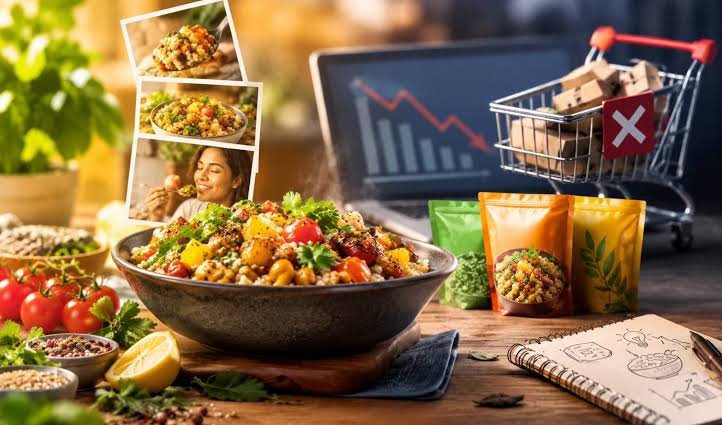
The snack and confectionery aisles of modern retail establishments tell a fascinating story about shifting human habits. A generation ago, snacking was defined largely by thoughtless convenience. Consumers reached for sugary candy bars, heavily sweetened sodas, and colorful boiled sweets to satisfy mid-afternoon energy slumps without giving a second thought to metabolic consequences.
Today, that casual relationship with refined sugar has permanently dissolved. Shoppers in 2026 approach snack consumption through the lens of conscious functional nutrition. Whether managing blood glucose fluctuations, combating metabolic syndrome, avoiding dental decay, or adhering to ketogenic protocols, modern consumers expect their snacks to taste indulgent without sabotaging their long-term health goals.
For independent sweet shop owners, specialty retailers, and wholesale distributors, this cultural evolution represents both an operational challenge and a massive commercial opportunity. Navigating this new retail environment requires understanding the macro dietary currents shaping purchasing decisions, the technical evolution of sugar-free formulations, and the supply chain realities of bulk procurement.
The Macro Shift: Understanding the Decline of Refined Sugar
The decline of conventional sugar consumption is not a temporary dietary fad; it is a structural macroeconomic trend driven by public health awareness, regulatory pressure, and demographic shifts.
Governments across Europe and North America have implemented sugar taxes, tightened marketing rules around children’s confectionery, and mandated clear front-of-package nutritional warnings. Concurrently, rates of pre-diabetes and type 2 diabetes continue to rise among adult populations, prompting millions of individuals to actively monitor their daily glycemic index.
Furthermore, the mainstream adoption of continuous glucose monitoring (CGM) systems by non-diabetic fitness enthusiasts has made the physiological impact of sugar visible in real time. Consumers watch their blood glucose spike and crash after eating traditional candy, directly experiencing the resulting brain fog and fatigue. This heightened biological awareness has created an insatiable demand for confectionery alternatives that deliver sweetness without triggering severe insulin surges.
Manufacturers have responded by investing millions into polyol research, natural botanical extracts, and prebiotic fibers. The result is a new generation of sugarless sweets that mirror the flavor profile, mouthfeel, and texture of heritage confectionery, allowing consumers to satisfy emotional sweet cravings completely guilt-free.
Supply Chain Architecture: How Retailers Source Bulk Inventory
Meeting this surging consumer appetite requires independent retailers to overhaul their inventory sourcing models. Buying small retail-packed boxes from cash-and-carry depots erodes profit margins and frequently results in out-of-stock scenarios during peak holiday trading windows.
Independent shop owners who strategically bulk buy sweets directly from established UK confectionery distributors gain the pricing flexibility needed to absorb inflation while maintaining competitive retail price points. Securing bulk volume in 2kg to 3kg wholesale bags or multi-case outers lowers the average cost per gram, unlocking gross margins of 45 to 60 percent when portioned into branded in-store tubs or custom pick-and-mix assortments.
Moreover, established wholesalers maintain robust relationships with European manufacturers, ensuring consistent availability of imported sugar-free lines that small retailers cannot import directly due to post-Brexit customs overhead. A dependable wholesale partner guarantees that popular items—such as sugar-free mints, pectin-based fruit gummies, and sugarless chocolate drops—remain consistently on store shelves.
The Rise of Ingredient Scrutiny and Consumer Verification
One of the defining characteristics of the modern snack consumer is relentless ingredient scrutiny. Shoppers no longer trust vague marketing claims like “guilt-free” or “all-natural.” They actively flip packages over to inspect polyol composition, artificial colorings, and net carbohydrate counts.
Just as discerning wellness shoppers demand third-party analytical testing and certificates of analysis from specialized platforms like VerifiedPeptides before purchasing bio-identical compounds, modern confectionery consumers increasingly inspect ingredient lists for clean sweetener profiles and zero artificial additives.
Consumers are acutely aware of the functional differences between sugar substitutes:
- Natural Plant Sweeteners: Stevia, monk fruit, and thaumatin are celebrated for their zero-glycemic index and botanical origin.
- Tooth-Friendly Polyols: Xylitol and erythritol are sought after for dental protection, as they do not feed cavity-causing bacteria.
- Functional Prebiotic Fibers: Inulin, chicory root, and soluble corn fiber are increasingly formulated into gummies to support gut microbiomes alongside reduced sugar profiles.
Retailers who train their staff to answer technical questions about sweetener types and diabetic suitability build deep consumer trust. When a staff member can confidently explain why isomalt does not promote tooth decay or how maltitol fits into a low-carb diet, first-time shoppers convert into fiercely loyal repeat buyers.
Category Management: Structuring the Modern Confectionery Layout
To capture maximum revenue from health-conscious consumers, retailers must apply disciplined merchandising strategies. Scattering sugar-free items randomly across conventional candy shelves causes customer confusion and suppresses sales volume.
Effective store owners structure clear visual zones:
- Front-of-Store Feature Bays: Positioning premium sugar-free boiled sweets and artisan sugarless chocolates right at the entrance establishes immediate category authority for mature shoppers, diabetic consumers, and health-focused professionals.
- Dedicated Pick-and-Mix Stations: Offering sugar-free gummy bears, sour worms, and jelly drops in self-service dispensers provides customizable indulgence without packaging waste, appealing to parents with young children and keto dieters alike.
- Impulse Counter Displays: Placing pocket-sized sugar-free mint tins and dental gums directly beside payment terminals drives high-velocity, friction-free basket add-ons for daily commuters and office workers.
- Seasonal Gift Endcaps: Curating sugar-free luxury chocolate assortments and heritage gift jars captures holiday gift spending from shoppers purchasing for diabetic or health-focused family members.
By dedicating an entire display section to “Smart Snacking” or “Zero Sugar Favorites,” retailers transform their store into a specialized destination for customers with dietary restrictions, who will often travel past multiple competitors to reach a shop with a comprehensive selection.
Enterprise Continuity: Preserving Multi-Generational Retail Assets
While managing inventory turnover and shelf placement commands daily operational focus, retail business owners must also protect the overarching corporate structure of their enterprise. A large proportion of independent sweet shops, wholesale distribution warehouses, and convenience operations are family-owned businesses built over decades of physical labor.
However, many independent business owners fail to put formal succession and estate governance in place. Navigating the transfer of a family-owned commercial retail business requires meticulous legal structuring, because unaddressed estate transitions frequently result in prolonged administrative paralysis akin to the complex disputes seen in Arizona Probate proceedings.
When a founding retail entrepreneur passes away or faces unexpected incapacitation without a clear legal trust or corporate succession framework, valuable commercial property leases can be contested, banking facilities frozen, and family infighting can force the liquidation of thriving retail assets.
Establishing clear partnership agreements, documenting intellectual property and supplier accounts, and creating formal estate trusts guarantees that the commercial equity generated through years of retail dedication passes seamlessly to the next generation without crippling legal taxation or court delays.
Operational Traps to Avoid When Expanding Healthier Snack Lines
Retailers modernizing their snack inventory frequently stumble over several common hurdles:
1. Failing to Manage Moisture and Humidity
Sugar-free hard-boiled sweets made with polyols are naturally hygroscopic; they attract ambient moisture from the air much faster than traditional sucrose-based candies. Storing opened bulk bags in humid environments turns crisp boiled sweets into a sticky, unappealing mass. Retailers must invest in airtight storage containers and keep stock away from humid shop entryways.
2. Under-Communicating Dietary Information
If a customer has to squint at tiny font on the bottom of a shelf to determine whether an item contains gluten, gelatin, or sugar, they will often abandon the purchase. Use bold, color-coded shelf tags that clearly state: “Sugar-Free,” “Gelatin-Free,” “Vegan,” or “Diabetic-Friendly.”
3. Relying Exclusively on Gummy Sweets
While gummies are popular, adult and senior shoppers drive the highest lifetime spend in the sugar-free category, and their preference leans heavily toward traditional boiled sweets, mints, and rich toffees. Maintain a diverse product mix that caters to mature palates alongside colorful fruit chews.
Actionable Strategy: A 5-Point Plan for Retail Store Owners
Implement these actionable steps over the next thirty days to capture emerging snack demand:
- Conduct a Shelf Space Audit: Review sales reports from the past quarter. Eliminate bottom-performing conventional candies and reallocate at least 15% of your prime shelf space to sugar-free alternatives.
- Open a Direct Trade Account: Partner with an established wholesale confectionery specialist to purchase fast-moving lines in bulk quantities, securing high margin structures.
- Establish a Dedicated “Zero Sugar” Destination: Group all sugarless products together with professional, modern signage that highlights health and lifestyle benefits.
- Train Retail Staff on Sweetener Education: Ensure team members understand the differences between isomalt, xylitol, and stevia so they can confidently assist shoppers with dietary questions.
- Protect Your Commercial Assets: Consult with qualified legal advisors to formalize business succession and commercial property protections, safeguarding your retail legacy.
Conclusion: The Profitable Future of Confectionery Retail
The evolution of modern snack habits does not spell the end of the traditional sweet shop; it heralds its revitalization. Today’s consumers are not abandoning confectionery; they are demanding higher quality, smarter formulations, and transparency.
By embracing bulk wholesale procurement of sugar-free confectionery, structuring intuitive retail displays, and aligning their product selection with modern wellness consciousness, independent retailers can capture new demographics, drive basket sizes, and build an enduring, profitable business for decades to come.

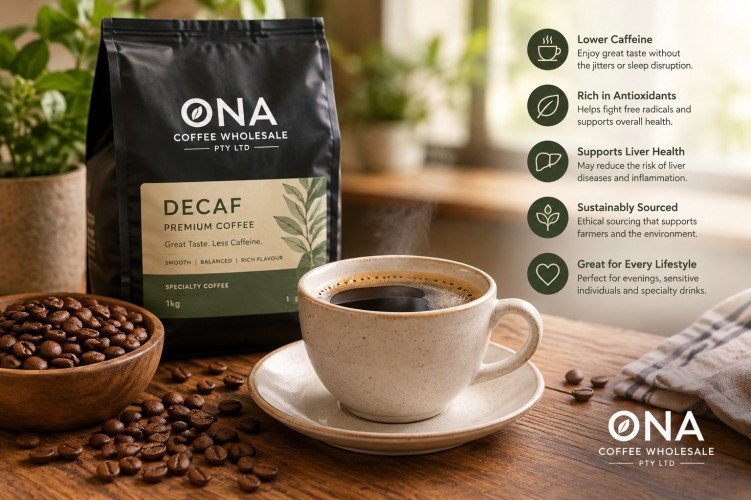
Decaf coffee has often been overshadowed by its fully caffeinated counterpart, yet it offers a range of surprising benefits which are increasingly recognised by coffee enthusiasts around the world. With ONA Coffee Wholesale Pty Ltd providing premium decaf options such as their renowned decaf coffee, it is worth exploring why decaffeinated coffee can be a valuable addition to one’s daily routine.
What is Decaf Coffee?
Decaf coffee is coffee from which most of the caffeine content has been removed. Contrary to popular belief, decaffeination does not mean completely caffeine-free; instead, decaf coffee contains only a small fraction of the caffeine present in regular coffee. This is achieved through various decaffeination processes that preserve the coffee’s flavour while reducing the stimulant effects.
Health Benefits of Decaf Coffee
One of the most notable benefits of decaf coffee is its positive impact on health, making it a suitable choice for individuals sensitive to caffeine or those with specific medical conditions.
Reduced Caffeine Intake
Excessive caffeine consumption can lead to negative symptoms such as jitteriness, insomnia, and increased heart rate. Decaf coffee allows individuals to enjoy coffee flavour without these side effects, promoting better sleep quality and reducing anxiety.
Antioxidant Properties
Decaf coffee retains a significant amount of antioxidants, which help combat free radicals in the body. These antioxidants contribute to reduced inflammation and a lower risk of chronic diseases such as cardiovascular conditions and certain cancers.
Improved Liver Health
Research suggests that both regular and decaf coffee can support liver health by reducing the risk of liver diseases such as cirrhosis and fatty liver. Decaf coffee, therefore, presents an alternative for those who require liver-friendly beverages without the stimulant effects of caffeine.
Why Choose ONA Coffee Wholesale’s Decaf Coffee?
ONA Coffee Wholesale Pty Ltd specialises in offering high-quality coffee products tailored to meet diverse customer needs. Their decaf coffee selection stands out due to its exceptional taste profile and careful processing methods.
Expert Decaffeination Methods
ONA Coffee employs advanced decaffeination techniques that ensure the preservation of coffee’s natural flavours and aroma. This results in a decaf product that satisfies even discerning coffee drinkers who do not want to compromise on taste.
Consistent Quality and Freshness
ONA Coffee Wholesale guarantees freshness and consistency by sourcing premium beans and maintaining rigorous quality control procedures. Customers can trust that their decaf coffee will deliver the rich and balanced experience expected from a top-tier coffee supplier.
Versatility of Decaf Coffee in Daily Consumption
Decaf coffee serves as a versatile beverage alternative suitable for various occasions and lifestyles.
Ideal for Evening Consumption
Due to its low caffeine content, decaf coffee is ideal for consumption during the evening or late night, allowing individuals to enjoy a warm drink without disrupting sleep patterns.
Suitable for Sensitive Individuals
Individuals with certain health conditions, such as hypertension or acid reflux, may find decaf coffee more tolerable than regular coffee, enabling them to maintain a coffee habit without exacerbating symptoms.
Complimentary in Mixed Coffee Offerings
Decaf coffee can be blended with other coffee types or used to create specialty beverages, expanding the options available to cafes, restaurants, and home consumers alike.
Environmental and Social Considerations
Quality coffee suppliers such as ONA Coffee Wholesale also focus on responsible sourcing. Choosing decaf coffee from providers committed to sustainable practices ensures a positive impact on farming communities and the environment.
Sustainable Sourcing
Decaf coffee beans provided by ONA Coffee Wholesale are sourced from regions practising sustainable agriculture that supports biodiversity and protects natural resources.
Support for Coffee Growers
By partnering with ethical suppliers, ONA Coffee Wholesale contributes to fair trade practices, ensuring coffee growers receive equitable compensation and improved working conditions.
Incorporating Decaf Coffee into Your Coffee Program
For businesses and hospitality providers, offering a well-curated decaf coffee option is important for customer satisfaction and inclusivity.
Enhanced Customer Choice
Providing access to high-quality decaf coffee meets the needs of customers who avoid caffeine for health or personal reasons, thereby broadening the appeal of your coffee menu.
Maintaining Quality Standards
By sourcing decaf coffee from reputable suppliers such as ONA Coffee Wholesale, cafes and hotels can maintain a consistent, premium experience for all customers.
Training and Staff Awareness
Educating staff about decaf coffee’s benefits and flavour profile elevates customer service and allows for better recommendations tailored to individual preferences.
Conclusion
Decaf coffee offers numerous benefits that make it an excellent choice for health-conscious individuals, businesses, and coffee lovers seeking a balanced and enjoyable coffee experience without the stimulating effects of caffeine. ONA Coffee Wholesale Pty Ltd’s commitment to quality decaf coffee ensures that this option is accessible without compromising on taste or ethical standards. By incorporating decaf coffee into daily rituals or commercial offerings, consumers can enjoy its surprising advantages while supporting sustainable and responsible practices within the coffee industry.


The kitchen is often considered the heart of the home. It is a place where families gather, meals are prepared, conversations take place, and memories are created. As modern lifestyles continue to evolve, homeowners are seeking kitchens that combine beauty, efficiency, and practicality. This growing demand has led to a greater focus on customized kitchen solutions that maximize both style and functionality.
Among the leading names in the home furnishing industry, OPPEIN Home has established itself as a global leader in creating modern kitchens that meet the needs of contemporary homeowners. Through innovative design, advanced manufacturing technology, premium materials, and personalized solutions, OPPEIN Home transforms ordinary kitchens into highly functional and visually appealing spaces.
Understanding the Modern Kitchen
Today’s kitchens are no longer just cooking spaces. They have become multifunctional areas used for dining, entertaining, working, and socializing. As a result, homeowners expect their kitchens to offer more than attractive cabinetry and countertops.
A modern kitchen must provide:
- Efficient storage solutions
- Easy workflow and accessibility
- Durable materials
- Stylish aesthetics
- Smart organization
- Space optimization
- Long-lasting performance
OPPEIN Home understands these requirements and designs kitchens that balance practical functionality with elegant design. Every project is carefully planned to ensure the space supports the homeowner’s daily routine while reflecting their personal style.
Customized Kitchen Design Solutions
One of the biggest advantages of working with OPPEIN Home is its commitment to customization. Every family has unique habits, preferences, and space requirements. A kitchen that works perfectly for one household may not be ideal for another.
OPPEIN’s design team collaborates closely with customers to understand their needs and create personalized kitchen layouts. Whether the project involves a compact apartment kitchen or a spacious luxury cooking area, customized solutions help maximize efficiency and comfort.
Homeowners can choose from a wide variety of cabinet styles, colors, materials, finishes, hardware options, and storage configurations. This flexibility ensures that every kitchen is uniquely tailored to suit individual lifestyles and design preferences.
Innovative Space Planning
Effective space planning is essential for creating a functional kitchen. OPPEIN Home focuses on optimizing every inch of available space to improve workflow and convenience.
Professional designers carefully consider the relationship between cooking, cleaning, and storage zones. This approach creates a smooth and efficient work triangle that minimizes unnecessary movement while preparing meals.
Innovative layouts such as L-shaped kitchens, U-shaped kitchens, island kitchens, and open-concept designs are customized based on the homeowner’s space and usage patterns. The result is a kitchen that feels spacious, organized, and comfortable to use every day.
Smart Storage Solutions
Storage is one of the most important elements of any kitchen design. Modern homeowners want clutter-free environments where everything has its place. OPPEIN Home excels at creating intelligent storage systems that maximize organization without sacrificing style.
Some of the company’s popular storage features include:
- Pull-out pantry systems
- Corner cabinet organizers
- Deep storage drawers
- Built-in spice racks
- Hidden waste bins
- Adjustable shelving
- Vertical storage compartments
These solutions help homeowners make better use of available space while keeping kitchen essentials easily accessible. Smart storage also contributes to a cleaner and more attractive overall appearance.
The same attention to efficient space utilization that benefits residential kitchens is also valued by leading hotel furniture manufacturers in China, where functionality and design must work together seamlessly.
Premium Materials for Long-Term Performance
A beautiful kitchen should also be durable enough to withstand years of daily use. OPPEIN Home carefully selects high-quality materials that provide both visual appeal and long-lasting performance.
The company offers a wide range of materials, including engineered wood, laminate finishes, acrylic surfaces, quartz countertops, and premium hardware components. Each material is chosen for its durability, resistance to wear, and ease of maintenance.
Strict quality control measures ensure that every cabinet, drawer, and accessory meets high manufacturing standards. This commitment to quality helps homeowners enjoy kitchens that maintain their appearance and functionality over time.
Modern Aesthetics and Design Trends
Style plays a major role in modern kitchen design. OPPEIN Home continuously monitors global design trends to provide customers with contemporary and fashionable solutions.
Popular design elements include:
- Minimalist cabinetry
- Handleless cabinet systems
- Neutral color palettes
- Natural wood textures
- Matte finishes
- Integrated lighting
- Open shelving concepts
By combining timeless elegance with modern innovation, OPPEIN creates kitchens that remain visually appealing for years to come. Customers can choose from various design styles, including modern, contemporary, Scandinavian, industrial, and luxury-inspired aesthetics.
This dedication to design excellence contributes to the company’s reputation among homeowners and commercial clients alike.
Advanced Manufacturing Technology
A key factor behind OPPEIN Home’s success is its investment in advanced manufacturing technology. Modern production facilities equipped with automated machinery allow the company to produce highly customized kitchens with exceptional precision.
Computer-aided design systems, automated cutting equipment, and strict quality assurance processes ensure consistency across every project. These technologies enable OPPEIN to deliver customized solutions efficiently while maintaining high standards of craftsmanship.
The company’s manufacturing capabilities are comparable to those found among top hotel furniture manufacturers in China, where large-scale production and customization often go hand in hand.
Sustainable Kitchen Solutions
Environmental responsibility has become increasingly important in the furniture and home improvement industries. OPPEIN Home supports sustainability by incorporating eco-friendly materials and responsible manufacturing practices into its operations.
The company seeks to minimize waste, improve energy efficiency, and utilize environmentally conscious production methods whenever possible. These efforts not only benefit the environment but also provide customers with healthier living spaces.
Sustainable kitchen design is becoming a significant consideration for modern homeowners who want products that align with their environmental values.
Enhancing Daily Living Through Functionality
A well-designed kitchen improves more than just a home’s appearance. It enhances daily living by making cooking, cleaning, and organizing easier and more enjoyable.
OPPEIN Home focuses on creating user-friendly kitchens that simplify everyday tasks. Features such as ergonomic cabinet heights, soft-close drawers, integrated appliances, and efficient layouts contribute to a better overall user experience.
By carefully considering how people interact with their kitchens, OPPEIN creates spaces that are both practical and comfortable for long-term use.
Global Expertise and Customer Satisfaction
OPPEIN Home’s success extends far beyond individual products. The company has built a global reputation for delivering reliable service, professional design expertise, and outstanding customer support.
From initial consultation and design planning to manufacturing and installation, OPPEIN guides customers through every stage of the project. This comprehensive approach ensures a smooth experience and helps achieve the best possible results.
The company’s dedication to quality and customer satisfaction has earned the trust of homeowners, designers, developers, and business clients around the world.
Conclusion
Creating a stylish and functional modern kitchen requires a combination of thoughtful design, innovative storage solutions, premium materials, and expert craftsmanship. OPPEIN Home successfully brings all of these elements together to create kitchens that meet the demands of contemporary living.
Through personalized customization, advanced manufacturing technology, and a commitment to quality, OPPEIN continues to set new standards in kitchen design. Its ability to combine beauty, efficiency, and durability has made it a preferred choice for homeowners worldwide. For anyone looking to transform their kitchen into a modern and highly functional space, OPPEIN Home offers solutions that deliver lasting value and exceptional performance.

Beyond the Homepage: How Web Development and Business Automation Build a Stronger Online Presence

What to Look for in an Inflatable Obstacle Course for Schools

Common Mistakes When Arranging Medicaid-Funded Home Care in Philadelphia

A Better Weekend Viewing Plan Starts Before You Pick Up the Remote

How to Choose a Divan Bed for a Stylish, Clutter-Free Bedroom

London in November: Where to Go When the City Feels Like It’s Waking Up

How to Ensure Your Home is Valued Correctly for a Quick Sale

Christopher Dare: The Untold Story of Engineer and Former Husband of Angela Rippon

The 15 Highest-Paid Rugby Players in the World

What Is Fanquer? The Digital Creator Platform Transforming Direct-to-Fan Engagement

Dr Jared Ross: Missouri Appeals Court Upholds Protection Order Over Graphic Torture and Murder Threats

Nancy Hallam: The Inspiring Life, Career, and Success Story Behind Ian Wright’s Wife
How to Ensure Your Home is Valued Correctly for a Quick Sale
Christopher Dare: The Untold Story of Engineer and Former Husband of Angela Rippon
The 15 Highest-Paid Rugby Players in the World
What Is Fanquer? The Digital Creator Platform Transforming Direct-to-Fan Engagement
Dr Jared Ross: Missouri Appeals Court Upholds Protection Order Over Graphic Torture and Murder Threats
Nancy Hallam: The Inspiring Life, Career, and Success Story Behind Ian Wright’s Wife
-
 Real Estate9 months ago
How to Ensure Your Home is Valued Correctly for a Quick Sale
-
Celebrity12 months ago
Christopher Dare: The Untold Story of Engineer and Former Husband of Angela Rippon
-
 Sports6 months ago
The 15 Highest-Paid Rugby Players in the World
-
 Technology5 months ago
What Is Fanquer? The Digital Creator Platform Transforming Direct-to-Fan Engagement
-
 Celebrity5 months ago
Dr Jared Ross: Missouri Appeals Court Upholds Protection Order Over Graphic Torture and Murder Threats
-
Celebrity1 year ago
Nancy Hallam: The Inspiring Life, Career, and Success Story Behind Ian Wright’s Wife
-

 Celebrity8 months ago
Who Is Azriel Crews? Inside the Life and Career of Terry Crews’ Daughter
-
 Celebrity12 months ago
Who Is Maisie Mae Roffey? The Private Life, Family Story, and Quiet Success of Julie Walters’ Daughter