
Travel
Planning a Mediterranean Cruise Stopover in Rome? Here’s What No One Tells You About Port Day Transport

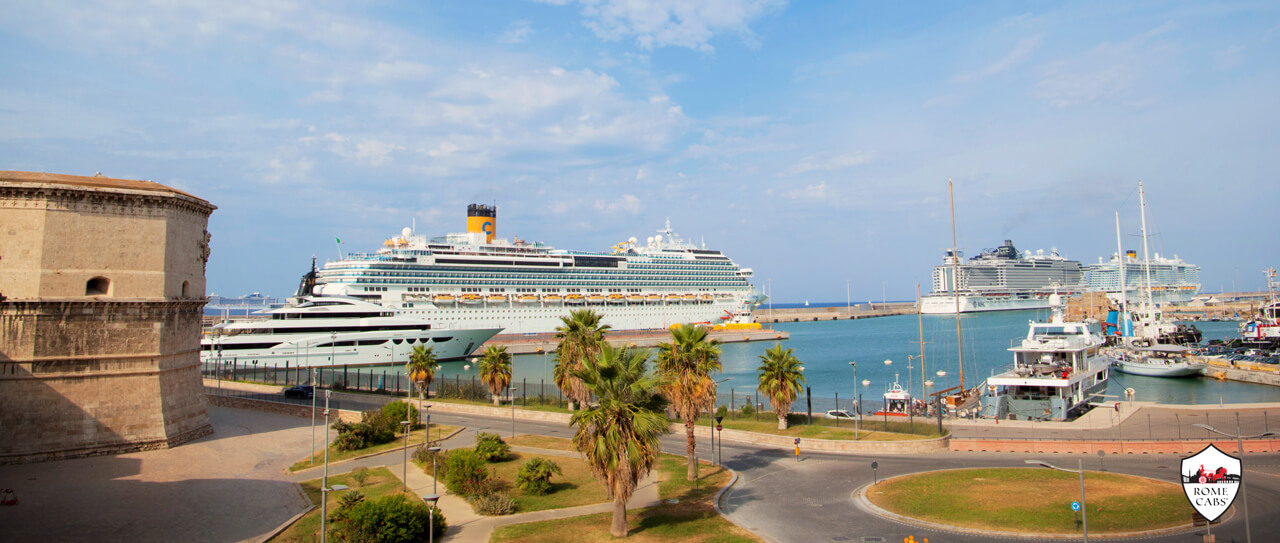
INTRODUCTION
Every year, millions of cruise passengers dock at Civitavecchia — the port that serves as Rome’s maritime gateway — and spend the next forty minutes standing in a queue they didn’t expect, watching the clock, and quietly revising the plan they’d made three months earlier.
The promise of a Mediterranean cruise stopover in Rome is genuinely compelling. You have a full day. Ancient history, world-class food, the Vatican, the Colosseum — it’s all within reach. What the cruise line doesn’t spell out is that “within reach” can mean very different things depending on how you handle the first leg of the journey: getting from the port to the city, and back again, on time.
I’ve been through Civitavecchia enough times to know which options work, which ones sound good on paper, and which ones will cost you an hour of your port day before you’ve even left the waterfront. This guide covers all of it — honestly, and in enough detail to actually make a difference to your day.
WHAT CIVITAVECCHIA PORT IS ACTUALLY LIKE
First, some context. Civitavecchia is one of the largest and busiest cruise ports in the Mediterranean, handling over four million passengers per year. It operates five cruise terminals spread across a long harbor. When you disembark, you’ll take a free internal shuttle bus to the main service center at Largo della Pace — a process that can take 15 to 30 minutes depending on which terminal your ship is docked at and how many other ships are in port the same day.
From Largo della Pace, you have a 15 to 20 minute walk to the train station, or a short local bus ride. The town center and the seafront promenade are walkable. Rome is about 80 kilometers away.
That context matters because every transport option starts from the moment you step off the port shuttle — not from the moment your ship docks.
THE 4 OPTIONS, HONESTLY ASSESSED
Option 1: The Regional Train (FL5 Line)
Cost: approximately $6 to $10 per person
Journey time: 60 to 90 minutes to Roma Termini
Frequency: approximately every 20 to 30 minutes
The FL5 regional train is the default recommendation in most travel guides, and for solo travelers with light luggage and a flexible schedule, it earns that status. Tickets are cheap, the service runs frequently, and the main stops in Rome — San Pietro (Vatican), Trastevere, Ostiense, Termini — are well-placed for sightseeing.
What those travel guides tend to underplay: you need to get yourself from the port to the station first, which adds time. The FL5 is a commuter train, not a tourist express — expect crowded carriages with no dedicated luggage space during peak hours. And if your ship runs 45 minutes late on disembarkation (which happens more often than cruise lines advertise), you’ll miss your planned train and wait for the next one.
The deeper issue: the train doesn’t adapt to you. You adapt to it.
Who it works for: solo travelers or couples with minimal luggage, no onward connections, and a genuinely flexible day.
Who it doesn’t work for: families, groups, anyone with multiple large suitcases, and anyone with a flight from Fiumicino at the end of the day.
Option 2: Shared Shuttle Service
Cost: approximately $15 to $25 per person
Journey time: 75 to 120 minutes (with stops)
Booking: required in advance
Shared shuttles run between Civitavecchia port and central Rome or Roma Termini on fixed departure schedules. They’re more comfortable than the train, pick you up closer to the port, and drop you off closer to your destination.
The limitation is the same as the train, in a different form: the shuttle runs on its schedule, not yours. If disembarkation takes longer than expected — and on a busy cruise day with multiple ships in port simultaneously, it often does — you may arrive at the pickup point after your shuttle has left. The next departure could be an hour away.
On the return journey, shared shuttles require you to be at the pickup point at the scheduled time. If you’re still in the middle of dinner when you realize the last shuttle leaves in 18 minutes, you have a problem.
Who it works for: flexible solo travelers and couples who book in advance and have realistic expectations about timing.
Who it doesn’t work for: anyone who wants the flexibility to stay longer, leave earlier, or change plans mid-day.
Option 3: Port Taxis
Cost: approximately $130 to $170 (metered, variable)
Journey time: 60 to 90 minutes
Metered taxis wait at Varco Fortezza gate, about a ten-minute walk from the shuttle drop-off at Largo della Pace. They’re available without advance booking, which is a genuine advantage.
During peak cruise season — May through September, when multiple ships can disembark simultaneously — the taxi rank can empty quickly. If three cruise ships dock the same morning and all passengers decide to take taxis, you’re waiting in a long queue under the sun for an unpredictable amount of time.
Then there’s the meter. The standard fare to central Rome runs around $130 to $140 in light traffic. On a Sunday afternoon in August, when half of Italy is on the road and the A12 motorway is backed up, the same journey can cost $160 or more. The meter doesn’t stop for congestion. You pay for every minute you’re sitting in it.
Who it works for: travelers who catch a taxi immediately in off-peak conditions and have no fixed budget.
Who it doesn’t work for: peak season arrivals, families needing larger vehicles, budget-conscious travelers.
Option 4: Pre-Booked Private Transfer
Cost: fixed rate, confirmed at booking
Journey time: 60 to 90 minutes
A pre-booked private car or minivan picks you up directly at Civitavecchia port, at the time you agree in advance, and takes you exactly where you need to go — your hotel, Roma Termini, Fiumicino Airport, or anywhere else — for a price that doesn’t change based on traffic.
This is the option that removes every variable the other three options introduce. No schedule to catch. No meter running. No queue at the taxi rank. No shared passengers whose hotel is in the opposite direction from yours.
Professional private transfer services — including TK Limo Service, which operates fixed-rate private transfers from Civitavecchia port to Rome, Fiumicino Airport, and destinations across central Italy — track your ship’s schedule in real time. If disembarkation is delayed, the driver adjusts. You’re not penalized for something outside your control.
Vehicles range from Mercedes E-Class and S-Class sedans for individuals and couples to the spacious V-Class minivan for families and groups of up to seven passengers. The price confirmed at booking includes all tolls and fees — nothing is added on arrival.
Who it works for: families, groups, business travelers, anyone with luggage, anyone with a flight to catch, and honestly anyone who values having their first and last hours in port go smoothly.
Who it doesn’t work for: solo budget travelers with maximum flexibility and no schedule constraints.
THE MATH CHANGES AT THREE OR MORE PEOPLE
Here’s something that most guides don’t calculate: the per-person economics of a private transfer versus other options shift dramatically once you’re traveling with a group.
Three adults taking the train from Civitavecchia to Rome and back: roughly $60 total, plus the time cost of station navigation and the discomfort of luggage in a crowded carriage.
Three adults taking a private round-trip transfer: approximately $160 to $200 fixed, depending on the provider and route, with door-to-door service, no queuing, and a driver who knows the fastest return route to ensure you’re back at the port with time to spare.
When you divide by three — and add back the value of not losing 90 minutes to public transport logistics on your one day in Rome — the gap between “budget” and “private” becomes a lot less obvious.
For a family of four with two children and four large suitcases, the comparison isn’t even close.
WHAT HAPPENS WHEN YOUR SHIP IS DELAYED
Cruise ships don’t always arrive on time. Weather, port congestion, late departures from the previous port — any of these can push your Civitavecchia arrival back by 30 minutes, an hour, or more. When that happens, your transport plan has to absorb the change.
With the train or shuttle: you miss your intended departure. You wait.
With a metered taxi: if the rank has emptied and no taxis are available, you still wait.
With a pre-booked private transfer: your driver adjusts. Professional services monitor cruise schedules in real time and update pick-up times accordingly. You step off the port shuttle knowing your car is there — or will be shortly — regardless of what the morning’s delays looked like.
This matters most on days with tight connections: if your Mediterranean itinerary continues the same evening, or if you have a flight from Fiumicino the following morning, a delay at the port isn’t just inconvenient. It’s the thing that causes you to miss something you can’t reschedule.
THE RETURN JOURNEY: THE ONE MOST PEOPLE FORGET TO PLAN
Almost every piece of advice about Civitavecchia port focuses on the outbound journey. Get to Rome, see the sights. What it underplays is the return — and the return is where port days most frequently go wrong.
Cruise ships have an “all aboard” time, typically 30 minutes before departure. Missing it is not an option. The ship will leave without you.
On a hot summer day in Rome, hailing a taxi near the Colosseum at 4:30 PM — when every other tourist with the same all-aboard time is trying to do the same thing — is not a reliable plan. The metro can be packed. Surge pricing on rideshare apps can be significant. A shared shuttle that left the pickup point at 4:15 is gone.
Booking a private return transfer at a fixed time, with a professional driver who knows the A12 route back to Civitavecchia and who has your all-aboard time in the briefing, eliminates this risk entirely.
The advice: book both legs when you book your day. Don’t leave the return to chance.
HOW TO BOOK A PRIVATE TRANSFER FROM CIVITAVECCHIA
The process is straightforward. Contact your chosen private transfer provider — ideally at least 48 to 72 hours before your arrival, and earlier during peak cruise season (Easter, May and June, August) when availability fills quickly.
You’ll need to provide: your cruise ship and arrival time, the number of passengers, your luggage count, and your destination in Rome. You’ll receive a fixed price confirmation and details for the pickup point at the port.
On the day, your driver is at the designated meeting point with your name clearly displayed. No hunting for the right car. No negotiating at the last minute. The price you agreed is the price you pay.
PRACTICAL TIPS FOR YOUR CIVITAVECCHIA PORT DAY
Here are a few things that make a meaningful difference:
Time your departure from Rome carefully. If your all-aboard time is 6 PM, aim to be heading back to the port by 4:30 PM at the latest. Traffic on the A12 in high season can be unpredictable, and the port security process takes time.
Keep your ship’s contact information accessible. If anything changes — a delay, a missed connection — you want to be able to contact the cruise line directly and quickly.
Don’t underestimate port day fatigue. If this is day seven of a ten-day cruise, a punishing march between Roman sights in midsummer heat may not be the port day that leaves you happiest. Some of the most memorable Civitavecchia stops involve a good seafood lunch on the waterfront and a visit to the Terme della Ficoncella thermal springs rather than a sprint to the Vatican.
Luggage storage is available near the port. Bar Navy, about 100 meters from Largo della Pace, charges approximately $6 to $8 per bag with extended hours. If you’re storing bags while you explore the town, this is the most convenient option. For Rome day trips, your private transfer driver can typically hold luggage in the vehicle.
FAQ
Q: How far is Civitavecchia port from Rome?
A: Approximately 80 kilometers by road — a 60 to 90 minute journey depending on traffic, time of day, and route. By regional train from Civitavecchia station to Roma Termini, the journey takes 60 to 90 minutes, with the additional time required to reach the station from the port.
Q: What is the cheapest way to get from Civitavecchia to Rome?
A: The FL5 regional train is the most affordable option at $6 to $10 per person. For groups of three or more, a private transfer often becomes comparable in per-person cost while offering significantly better comfort and reliability.
Q: Can I take a taxi from Civitavecchia port directly?
A: Yes. Metered taxis wait at Varco Fortezza gate, about ten minutes’ walk from the Largo della Pace service center. Fares to central Rome range from approximately $130 to $170 depending on traffic. During peak season, availability can be limited when multiple ships disembark simultaneously.
Q: What if my cruise ship arrives late?
A: If you’ve booked a private transfer, your driver will monitor the schedule and adjust accordingly — professional services include this as standard. If you’re taking the train or a shared shuttle, a late arrival means missing your planned departure and waiting for the next one.
Q: How early should I book a private transfer?
A: At least 48 to 72 hours in advance for most dates. During Easter, May, June, and the height of summer, booking a week or more ahead is advisable as availability fills quickly across all providers.
Q: Is it possible to get from Civitavecchia directly to Fiumicino Airport rather than Rome?
A: Yes, and it’s one of the most popular routes for cruise passengers with onward flights. The coastal route via Via Aurelia takes approximately 50 to 75 minutes and avoids Rome’s city center entirely — significantly faster than the train option via Termini.
Q: What’s the best vehicle for a family of four with luggage?
A: A Mercedes V-Class minivan comfortably accommodates up to seven passengers with their luggage — well-suited for families with children and the suitcases that accumulate over a ten-day cruise.
Q: Do private transfers include gratuity?
A: Not typically. Gratuity is at your discretion and not included in the fixed rate. A tip of 5 to 10% is appreciated for good service but entirely optional.



Most long stays begin as short ones. A two-week assignment is extended. A relocation takes longer than planned because the housing search drags on. The car you booked for a fortnight is suddenly needed for a quarter. Planning for the longer version early costs little and prevents several awkward conversations later.
Week one to week four: the settling-in stretch
The first weeks are about learning routes. You discover which roads clog at which hour, where the nearest fuel stations are and how much distance a normal week really consumes. Keep a short log of kilometres for the first fortnight. It will show whether the mileage allowance in your agreement fits real life, and it gives you evidence if you need to renegotiate.
Pay attention to the days you did not drive as well. If the car sat parked for several days in a row, a more flexible arrangement might have suited you better. Careful observation in the first month is the least expensive research you will do.
Month two and beyond: becoming routine
Once the car carries you to work, school and shops, it behaves less like a rental and more like a utility. For stays that look likely to pass the one-month mark, compare monthly car hire Dubai terms with a series of shorter bookings, and ask for the total over your expected stay rather than a headline figure. A single contract also means one set of paperwork, one deposit and one return date to track.
| Stay length | What matters most | Ask the provider |
| Up to 2 weeks | Flexibility and quick return | How are early returns handled? |
| 2 to 4 weeks | Mileage and extension rules | Is the allowance per week or per month? |
| 1 to 3 months | Total cost and maintenance | Who arranges servicing, and what happens if the car is unavailable? |
| 3 months or more | Contract terms and vehicle changes | Can the vehicle be swapped, and how are extensions priced? |
Maintenance, servicing and what happens if the car fails
A car driven daily for months needs attention that a three-day rental never does. Ask whether servicing falls to you or the provider, how a breakdown is reported and whether a replacement vehicle is offered. These terms are rarely in a headline, and they matter far more in month three than on day one. Check tyre condition and warning lights during handover and photograph the odometer.
Keep an eye on practical details too. Note the date of any warning light, any unusual noise and any service reminder, and report each to the provider promptly and in writing. A dated record makes it easy to show that a problem was raised early, which can matter if a repair or a replacement car is needed later. It also helps to know where the nearest service point is and what its opening hours are, because a fault that appears on a Friday can disrupt a whole weekend.
Keeping flexibility without losing control
Plans change in both directions. If you are unsure how long the stay will last, a short bridging period can protect you: some renters start with weekly car hire Dubai terms until the assignment or housing is confirmed, then move to a longer agreement. Ask whether days already paid count towards the new period, and whether the vehicle can stay the same when you switch.
Documents and extension etiquette
Keep your licence, identification and visa details current and readily available, because a longer contract may ask for them again at renewal. Request any extension in writing before the end date and keep the confirmation. A casual message the night before the return is not a record.
Think about the exit as well. Ask how the return will be scheduled, whether a final inspection is required and how long any deposit takes to be released. Planning the ending at the start avoids a rushed return on the last day of a long stay.
Knowing when weekly stops fitting
Weekly hire loses its edge once you renew it several times in a row. At that point the repeated renewals add admin and uncertainty, and a monthly structure with clear mileage and maintenance terms usually gives you steadier planning. Run the numbers for both structures on your expected stay, then choose the one with the clearer terms.
Long-stay questions
When should I switch from weekly to monthly hire?
When you expect to renew weekly bookings repeatedly. Compare the total cost for your expected stay under both structures, and check mileage and extension rules.
Is maintenance included in long-term hire?
It varies by provider and contract. Ask who arranges servicing, how breakdowns are handled and whether a replacement vehicle is provided.
Can I extend a long-term hire?
Often yes, subject to availability. Ask how much notice is needed and request the extension in writing before the end date.
Does the mileage allowance change on longer hires?
It can. Read how the allowance is calculated for the period and ask what additional kilometres will cost.
Backlinks used in this article
| Link | Anchor text | Destination URL | Placement |
| 1 | monthly car hire Dubai | https://quicklease.ae/our-fleet/monthly-rent-a-car | about 26% of the article |
| 2 | weekly car hire Dubai | https://quicklease.ae/weekly-rent-a-car | about 63% of the article |
Final QA summary
| Word count (headline, body and FAQs) | 842 |
| QuickLease backlinks | 2 (anchor text used once each, in body paragraphs only) |
| Link positions | Link 1 at 26%, link 2 at 63% of the article |
| Words between the two links | about 311 |
| Links in intro, headings, tables, bullets, FAQs or conclusion | None |
| FAQs | 4 questions, answers of 2 to 4 sentences |
| Unverified claims | No prices, deposits, mileage figures, insurance inclusions, delivery promises, availability, fleet size or superlatives stated |
| Image | Original photorealistic feature image; text-free; no visible logos or number plates |


An early flight, a late trip home or an important work meeting can be easier when your transport is booked in advance. You know where your driver will collect you, and you can plan for luggage, passengers and travel time.
This guide looks at minicab and private-hire options for local trips, airport transfers, business travel and other pre-booked journeys in and around London & Surrounding Counties.
Which Minicab Service Suits Your Journey?
Not every journey needs the same type of minicab booking. A short trip to a station is very different from an airport run with four passengers and several suitcases.
The best fit depends on where you are going, who is travelling and what you need from the journey.
| Your journey | Minicab service that may suit it |
| Airport transfer | Pre-booked airport travel with enough luggage space and meet & greet where needed |
| Local trip | A local private-hire firm that covers both your pickup point and destination |
| Business journey | Booking with a suitable vehicle and a clear pickup time |
| Group travel | A larger vehicle with enough seats and room for bags |
| School run | A company that accepts planned or regular school-run bookings |
| Station trip | A pre-booked pickup timed around your train |
| Courier booking | A firm that carries documents or parcels as part of its service |
It also helps to book early when the journey has a fixed time. This is especially useful for flights, train connections and business meetings.
10 Minicab Companies to Consider for Your Next Journey
London journeys can vary from a short local pickup to an airport transfer with several bags. The companies below cover different areas and travel needs, so look at where each one operates, the journeys it handles and the booking options available.
1. Vale Cars London
Vale Cars London is based around Acton and focuses on pre-booked private-hire travel in central London. Its service area is centred on roughly a 10-mile radius of Acton.
This makes it a useful choice for people comparing London minicabs for both local transport and longer airport journeys. Vale Cars London handles trips around Acton and across west and central London. You can use it for planned journeys, including school runs, courier work, business trips, and travel to stations, hotels, restaurants, shops, appointments and work locations.
Airport Transfer minicabs from London
Airport travel is a key part of the Vale Car London. Passengers can arrange transfers to Heathrow, Gatwick, Stansted, Luton and London City Airport.
Both airport drop-offs and collections are available. Meet and greet can also be arranged when you want the driver to meet you in the arrivals area.
For people looking for Airport transfer minicabs, this means both parts of an airport journey can be booked with the same company.
Airport travel can include:
- Heathrow Airport
- Gatwick Airport
- Stansted Airport
- Luton Airport
- London City Airport
Travel should be arranged in advance, which is useful when you already know when and where you need to travel.
The mix of local journeys, airport transfers, school runs, courier work and business travel gives Vale Cars a wide role for passengers around Acton and West London.
2. A3 Cars Taxis & Airport Transfers
A3 Cars is based in Guildford, Surrey. It handles local journeys as well as longer trips towards London and the main airports.
Its airport transfers cover Heathrow, Gatwick, Stansted, Luton and London City. Meet and greet can also be arranged for airport collections.
Other options include:
- Local Guildford journeys
- Business travel
- Executive journeys
- Courier work
- Larger vehicles for groups
- Wheelchair-friendly travel options
The company is most useful for journeys that start around Guildford or nearby parts of Surrey.
3. Hurlingham Cars
Hurlingham Cars is based in West London and provides pre-booked minicab travel across London. Its services include local journeys, airport transfers, school runs, business travel and transport to train stations, seaports and events.
Passengers can arrange transfers to Heathrow, Gatwick, Stansted, Luton and London City Airport. Flight monitoring and meet and greet are also available for airport collections.
Other booking options include:
- Local London journeys
- School runs
- Business and executive travel
- Train station transfers
- Seaport transfers
- Group travel
Bookings can be made online, by phone or through an app. The service operates 24/7, while its fleet includes saloon, estate, MPV and executive cars as well as larger vehicles for groups.
4. Surrey Cars Guildford
Surrey Cars Guildford operates from central Guildford. It handles local private-hire work, airport transfers and business travel. Passengers can book transfers to the main London airports. Meet and greet is also available for airport collections.
Vehicle choices include saloon, estate, executive and larger passenger options. This gives people more choice when travelling with extra passengers or luggage.
Bookings can be made online or through its app. Its Guildford base makes it more suited to Surrey journeys than short trips within West London.
5. Sapphire Cars
Sapphire Cars is based in Maidstone, Kent. Its work includes private-hire travel and longer journeys from the area.
Airport transfers cover Heathrow, Gatwick, Stansted, Luton and London City. This gives Kent passengers access to all of London’s main airports.
Passengers can also book travel to:
- Railway stations
- Seaports
- Airports
- Other planned destinations
Its location makes it a better fit for journeys that start or finish in Kent rather than short trips within London.
6. Kings Hill Cars
Kings Hill Cars serves Kings Hill and nearby parts of Mid Kent. It handles local travel as well as airport and longer-distance journeys.
Airport trips cover Heathrow, Gatwick, Stansted, Luton and London City. Other airports in the South East are also served.
Other booking options include:
- Local journeys
- Business trips
- Longer planned journeys
- Courier work
- Group transport
Bookings can be made by phone, online or through an app. Larger vehicles are available when more seats or luggage space are needed.
7. T N Taxis
T N Taxis is based in Tonbridge, Kent. It handles local travel as well as longer pre-booked trips.
Passengers can arrange airport journeys, seaport travel and social trips. Estate cars and larger passenger vehicles are also available.
This can help when a group needs extra seats or when passengers are carrying several bags.
Heathrow and Gatwick are among the airports served. The company is therefore most useful for journeys that begin or end around Tonbridge.
8. Lawlor Taxis
Lawlor Taxis operates from Epping in Essex. It handles local journeys as well as airport and business travel. Airport bookings include Heathrow, Gatwick and Stansted. The company also serves nearby places such as North Weald, Thornwood and Theydon Bois.
Local trips can include:
- Station journeys
- Shopping trips
- Health appointments
- School travel
- Business journeys
- Airport transfers
Bookings can be made by phone, online or through an app. Its location can work well for passengers travelling between western Essex, London and the airports.
9. Eagle Cars Reading
Eagle Cars is based in Reading, Berkshire. Its work includes local private hire, airport travel and business journeys. The company connects Reading and nearby areas with Heathrow and other London airports. Meet and greet can also be requested for airport pickups.
Bookings can include:
- Local Reading trips
- Airport transfers
- Business travel
- Corporate travel
- Group journeys
- Meet and greet collections
Passengers can book online, by phone or through an app. Several vehicle sizes are available for different group sizes.
10. 500 Cars
500 Cars also operates from Reading. It covers local journeys as well as longer travel towards London and the Home Counties. Airport transfers are a major part of the service. Meet and greet can be arranged for airport collections, and flight details can be given when the booking is made.
The company also handles:
- Executive travel
- Group journeys
- Local trips
- Airport transfers
- Longer private-hire journeys
Vehicles for groups of up to eight people are available. This can be useful when several passengers are travelling with luggage.
What to Check Before Booking
A few simple checks can make the journey easier. Give the company clear details when you book.
- Pickup: Give the exact house, hotel, station or terminal.
- Timing: Allow extra time for busy London roads.
- Flight: Give the flight number and correct terminal.
- Passengers: Confirm how many people are travelling.
- Luggage: Mention large cases, pushchairs or unusual bags.
- Vehicle: Check that there is enough room for everyone.
- Price: Confirm the quoted fare before travelling.
- Meet & greet: Ask if it is included or needs to be added.
Choosing the Right Minicab Service in London & Surrounding Counties
Start with your pickup point. A company based around Acton can make sense for a West London journey, while a firm in Kent, Surrey, Essex or Berkshire may suit a trip that starts outside the capital.
Then look at the journey itself. Think about the time, destination, group size and luggage. Airport passengers should also check the terminal and collection plan.
Extra services can matter too. Some companies handle school runs, business trips, group travel, courier work, or meet and greet.
The right choice is a company that covers your route and can meet the practical needs of the journey without making the booking more complicated than it needs to be.

Performing Umrah is one of the most cherished experiences for Muslims worldwide. It is a leading way to get closer to Allah Almighty, seek forgiveness for past sins, strengthen faith, and get spiritual renewal. Unlike the obligatory Hajj pilgrimage, Umrah is a voluntary activity, but every financially, emotionally, and physically eligible person should try to experience it at least once in a lifetime. If you have set your mind on embarking on this journey this year, we urge you to choose the right Umrah packages 2026 to make the most of your religious trip seamlessly.
Now, the question is: how will you know whether or not the deal is a good value for you? Keep reading this comprehensive article in order to learn more valuable information on your query.
1. Official Nusuk BRN & Visa Compliance
You might be wondering what makes a great value Umrah deal in 2026. Well, among the most crucial contributing factors is official Nusuk BRN and visa compliance. The package must include a verified Booking Reference Number through the official Nusuk app for every night of your stay. It helps you avoid border and hotel check-in delays at the same time, letting you begin your holy journey of the pilgrimage in a smooth way. Consider this factor when booking a deal.
2. Reliable & Direct Return Flights
Reliable and direct return flights make the backbone of the best Umrah package. The deal you are thinking of purchasing must feature reputable carriers like Saudia, Flynas, or Qatar Airways) departing from major UK hubs such as Manchester. Not just that, but these flights must provide reasonable baggage allowances for checked baggage and Zamzam as well. Whether you’re travelling with family or all alone, we advise you to look for the inclusion of direct return flights.
3. Strategic Hotel Proximity to the Haram
If you are looking for ways to choose an exceptional value deal for your Umrah trip, your search ends here. One of the other factors that you should check before making a purchase is strategic hotel proximity to the Haram. Your deal must include convenient stays at high-end hotels located not so far from the Grand Mosque. This way, you will not have to walk longer distances to reach Masjid al-Haram for prayers. Try not to overlook this factor when booking any package.
4. Flexible Sharing & Room Options
Flexible sharing and room options are also the major highlights of a good-value Umrah deal. All we are trying to say is that the package must provide fair pricing tiers for single, double, triple, or quad occupancy. It allows families and groups to choose a setup that perfectly meets their comfort level and personal preference. Whichever hotel accommodation in Makkah and Madinah is covered in the deal, it must offer flexible room-sharing options for cost-effectiveness.
5. Clear Ground Transport Arrangements
There are so many factors which make Umrah packages 2026 genuinely good value. And clear ground transport arrangements are no exception to that. The deal must provide hassle-free transfers not only from the airport to the hotel but also between different cities in the Kingdom of Saudi Arabia. That is how you will be able to enjoy seamless ground transfers throughout your stay abroad. It eliminates the hassle of booking transfers separately, which can often be costly.
6. Meal Plan Flexibility (Room-Only vs. Half/Full Board)
Most pilgrims don’t know, but meal plan flexibility (room-only vs. half/full board) makes a great value pilgrimage deal too. It changes how much comfort, control, and cash you spend on your Umrah trip. A good package is the one which provides value-conscious travellers with hassle-free buffet meal options included at the hotel or budget-friendly self-catering near local Arabic restaurants. Check out this crucial factor before you make a purchase for any package.
7. Complimentary 5-Litre Zamzam Provision
A complimentary 5-litre Zamzam provision significantly enhances the overall value of an Umrah package. While a 5-litre bottle of Zamzam water has a baseline cost of only 12.50 SAR (Saudi Riyal) at official airport kiosks, its inclusion in the specific deal provides massive value, ensuring budget-friendliness. For instance, it helps eliminate major logistical friction, ensuring compliance with strict rules and regulations of Saudi Arabia and delivering utter peace of mind.
8. Transparent, All-Inclusive Pricing
Among other key attributes of a good-value Umrah deal is that it offers transparent, all-inclusive pricing. The package that you are planning to book must deliver a higher level of cost transparency. Make sure to invest in an all-inclusive package. The reason is that it lets you avail every necessary service at an upfront cost. This way, you will not have to deal pay extra. Other than this, it helps you avoid hidden fees as well. You should surely check this critical factor out.
9. On-Ground & Local Agency Support
Last but not least, on-ground and local agency support is also one of the major characteristics of an exceptional value Umrah package in 2026. The deal you are thinking of booking must offer 24/7 customer support throughout the pilgrimage journey. The agency must provide professional assistance along the way. In case you experience any kind of problems at any step of the trip, travel agents must be available round-the-clock to address your queries immediately.
Concluding Statement
We hope that reading this blog post was worth it to you and that you now have a clear idea of the top factors which make good value Umrah packages 2026. If you have no time to undergo thorough research and need to focus on other aspects of the journey, this is your sign to contact a reliable and trusted company like Muslims Holy Travel. Every deal offered by the agency is ATOL-protected, eliminating the risk of any financial stress along the way. However, it is advised to book your favourite deal in advance to avail special discounts and save more money.

Why Your Headphones Pick Up the Whole Office on Calls

Transform Your Skin with RF Microneedling: Discover the Benefits at Elite Body Contouring

Revolutionizing Precision: The Advantages of Fiber Optic Laser Cutting with Macro Weld

Stunning Spring Carnival Dresses to Elevate Your Style This Season

Top Cricket Equipment Essentials Every School Should Have

Innovative Architects in Sydney: Designing Your Dream Space with Shore Architects

How to Ensure Your Home is Valued Correctly for a Quick Sale

Christopher Dare: The Untold Story of Engineer and Former Husband of Angela Rippon

The 15 Highest-Paid Rugby Players in the World

What Is Fanquer? The Digital Creator Platform Transforming Direct-to-Fan Engagement

Dr Jared Ross: Missouri Appeals Court Upholds Protection Order Over Graphic Torture and Murder Threats

Nancy Hallam: The Inspiring Life, Career, and Success Story Behind Ian Wright’s Wife
How to Ensure Your Home is Valued Correctly for a Quick Sale
Christopher Dare: The Untold Story of Engineer and Former Husband of Angela Rippon
The 15 Highest-Paid Rugby Players in the World
What Is Fanquer? The Digital Creator Platform Transforming Direct-to-Fan Engagement
Dr Jared Ross: Missouri Appeals Court Upholds Protection Order Over Graphic Torture and Murder Threats
Nancy Hallam: The Inspiring Life, Career, and Success Story Behind Ian Wright’s Wife
-
 Real Estate9 months ago
How to Ensure Your Home is Valued Correctly for a Quick Sale
-
Celebrity11 months ago
Christopher Dare: The Untold Story of Engineer and Former Husband of Angela Rippon
-
 Sports5 months ago
The 15 Highest-Paid Rugby Players in the World
-
 Technology5 months ago
What Is Fanquer? The Digital Creator Platform Transforming Direct-to-Fan Engagement
-
 Celebrity5 months ago
Dr Jared Ross: Missouri Appeals Court Upholds Protection Order Over Graphic Torture and Murder Threats
-
Celebrity12 months ago
Nancy Hallam: The Inspiring Life, Career, and Success Story Behind Ian Wright’s Wife
-

 Celebrity8 months ago
Who Is Azriel Crews? Inside the Life and Career of Terry Crews’ Daughter
-
 Celebrity11 months ago
Who Is Maisie Mae Roffey? The Private Life, Family Story, and Quiet Success of Julie Walters’ Daughter