
Blog
How to Buy Prescription Glasses Online: A Step-by-Step Guide from Prescription to Final Fit


Buying prescription glasses online can offer more choice and make it easier to compare frame shapes, colours and lens options from home. However, prescription eyewear is not an ordinary fashion purchase. The frame must fit comfortably, and the lenses must be produced using accurate information.
The process becomes much simpler when it is divided into clear stages. Before browsing hundreds of frames, shoppers should prepare their prescription, understand the measurements they need and decide how the glasses will be used.
The following guide explains how to move from a professional eye examination to selecting, ordering and checking a finished pair of glasses.
Step 1: Start With a Current Eye Examination
An online eyewear shop can make glasses using a prescription, but it cannot replace a comprehensive eye examination.
An eye care professional can assess vision, determine the required correction and check for signs of eye health problems. This is particularly important if vision has changed, headaches have become more frequent or the eyes feel unusually strained.
Prescription validity periods can vary, so shoppers should check whether their prescription is still current before ordering. Using an old prescription simply because the existing glasses no longer feel effective is not a reliable approach. The change may involve the prescription, the condition of the lenses or another issue that requires professional assessment.
After the examination, request a clearly written or digital copy of the prescription. Keep it available while completing the online order rather than attempting to enter the figures from memory.
Step 2: Understand the Main Parts of the Prescription
An optical prescription contains several abbreviations. The exact format may differ, but commonly listed details include SPH, CYL, AXIS and ADD.
SPH, or sphere, indicates the main level of correction for short-sightedness or long-sightedness. A minus sign normally relates to short-sightedness, while a plus sign relates to long-sightedness.
CYL, or cylinder, and AXIS relate to astigmatism correction. If no astigmatism correction is required, these sections may be blank.
ADD is an additional power used for near vision and is commonly associated with multifocal or progressive lenses.
The prescription will usually list information separately for the right and left eye. These may be marked as OD and OS or simply R and L, depending on the document.
Accuracy matters. A plus sign should not be entered as a minus, and figures for the right and left eyes should not be reversed. If any part of the prescription is unclear, ask the prescribing professional or contact the retailer before completing the order.
Step 3: Find or Measure the Pupillary Distance
Pupillary distance, commonly shortened to PD, is the distance between the centres of the pupils, usually measured in millimetres. It helps position the optical centre of each lens correctly in relation to the eyes.
Some prescriptions include PD, while others do not. It may appear as one total measurement or as two separate figures for the right and left sides.
If the measurement is missing, the best option is to ask whether the eye care provider can supply it. Some online retailers also provide instructions or digital tools for measuring PD at home.
Self-measurement should be completed carefully. Small errors can affect how the lenses align with the eyes, particularly with stronger prescriptions or more complex lens designs. If the result appears inconsistent after several attempts, professional measurement is preferable.
Step 4: Use an Existing Pair to Understand Frame Size
A frame can look attractive on screen and still feel uncomfortable if its dimensions are unsuitable. Before shopping, check the inside of a pair of glasses that already fits well.
Many frames display three numbers, such as 52-18-140. These generally refer to lens width, bridge width and temple length in millimetres.
- Lens width indicates the horizontal width of one lens.
- Bridge width relates to the section that sits across the nose.
- Temple length indicates the length of the arms extending towards the ears.
The numbers do not need to match a previous pair exactly, but they provide a useful reference. A few millimetres can affect whether the glasses feel secure, press at the temples or slide down the nose.
Overall frame width and lens height can also be important. Lens height deserves particular attention if the order involves progressive lenses, as the selected design may require enough vertical space to accommodate different viewing areas.
Step 5: Choose a Frame for Fit, Style and Daily Use
After establishing a useful size range, shoppers can begin comparing frame shapes and materials.
Face-shape guides can provide a starting point. Angular frames may create contrast on a round face, while curved frames can soften more angular features. These suggestions are not strict rules. Personal preference, frame width, eyebrow position and comfort may matter more than a general face-shape category.
Lifestyle should also influence the decision. Someone who wears glasses throughout the working day may prioritise lightweight materials and a comfortable bridge. A person who wants a stronger fashion accessory may explore thicker acetate, brighter colours or more distinctive silhouettes.
When shoppers buy prescription glasses online, it helps to create a shortlist rather than choosing the first appealing frame. Compare several options with similar dimensions and consider whether each pair suits the situations in which it will actually be worn.
Step 6: Use Virtual Try-On as a Visual Filter
Virtual try-on tools allow shoppers to preview frames using a phone or computer camera. They can be useful for comparing colours, lens shapes and overall proportions.
For example, a virtual preview may reveal that a dark oversized frame feels too heavy or that a translucent design creates a more balanced effect. It may also help shoppers decide between round, rectangular, cat-eye and aviator shapes.
However, virtual try-on should not replace frame measurements. Camera angle, distance, lighting and screen size can influence the apparent fit. A frame that looks correctly sized in a digital preview may still be too wide or narrow in reality.
The most reliable approach is to combine the visual preview with the product dimensions. Use the tool to narrow down the style, then use the measurements to evaluate likely fit.
Step 7: Select Lenses According to the Prescription and Routine
Once the frame has been chosen, the next stage is selecting the lenses. This part of the process should be based on the prescription and intended use rather than on which option sounds most advanced.
Single-vision lenses generally provide correction for one viewing distance. Progressive lenses support more than one viewing range without the visible line associated with traditional bifocals. The correct option depends on the prescription and professional recommendation.
Customers may also encounter choices such as blue-light-filtering, photochromic or driving lenses. A person who spends long periods using digital screens may have different priorities from someone who regularly moves between indoor and outdoor settings.
Lens thickness and material may also be relevant, especially for stronger prescriptions. Certain frame shapes and sizes can work better with particular lenses, so it is worth checking the retailer’s guidance before confirming an upgrade.
Online retailers such as Aoolia combine virtual try-on and face-shape guidance with several lens options, including blue-light-filtering, photochromic, progressive and driving lenses. Aoolia also states that its prescription glasses and sunglasses are checked by a licensed optician before dispatch.
The best lens package is not necessarily the one with the most additions. It is the one that matches the prescription, frame and wearer’s daily needs.
Step 8: Review Every Detail Before Submitting the Order
Before paying, pause and check the complete order from the beginning.
Confirm the following:
- The right-eye and left-eye figures are in the correct fields.
- Every plus or minus sign matches the written prescription.
- CYL and AXIS details have been entered correctly if required.
- The ADD value is included when relevant.
- The PD measurement is accurate and entered in the correct format.
- The selected frame colour and size are correct.
- The lens type matches the intended use.
- Any optional lens treatment has been selected deliberately.
- The delivery address and contact information are complete.
Uploading a copy of the prescription, when available, can provide an additional reference. If the retailer contacts the customer to clarify an order detail, it is better to respond before production begins than to allow an uncertain figure to proceed.
This final review may take only a few minutes, but it can prevent avoidable mistakes.
Step 9: Check the Retailer’s Policies
Because the glasses cannot be physically examined before purchase, shoppers should understand the retailer’s policies in advance.
Check how production and delivery estimates are presented. Prescription glasses may take longer than non-prescription frames because the lenses need to be prepared and fitted.
Review the return conditions carefully. Some retailers distinguish between frame returns, prescription issues and customer-entry errors. The return period may begin from the delivery date, order date or another stated point.
Warranty coverage should also be checked. Look for an explanation of what happens if the frame arrives damaged, develops a manufacturing problem or does not match the confirmed order.
Customers ordering across borders should review delivery regions, possible taxes, duties and return-shipping arrangements. Policies may vary according to destination, so readers should rely on the terms shown for their location when ordering.
Step 10: Inspect the Glasses When They Arrive
When the finished glasses arrive, first check the frame and lenses for visible damage. Confirm that the colour and style match the order.
Put the glasses on and consider how they sit:
- Do they remain level?
- Does the bridge feel secure without excessive pressure?
- Are the temples uncomfortably tight?
- Do the glasses slide when looking down?
- Are the eyes positioned naturally within the lenses?
Minor frame adjustments may sometimes improve fit, but customers should not force or sharply bend the frame themselves. If professional adjustment is needed, an optician may be able to help, depending on the frame and local service policies.
Vision should also be checked in the situations for which the glasses were ordered. Test distance viewing, reading or screen work as appropriate.
Step 11: Understand Adaptation and Warning Signs
Some people need time to adjust to a new prescription, particularly after a significant change or when starting progressive lenses. A mild sense of unfamiliarity can occur while the eyes and brain adapt to a different lens configuration.
However, persistent blur, double vision, marked distortion, severe headaches, dizziness or eye discomfort should not simply be ignored. Remove the glasses if they feel unsafe to use, especially for driving or walking on stairs.
Recheck the written prescription against the order confirmation and contact the retailer for guidance. If the symptoms are significant or continue, consult an eye care professional.
It is important not to assume that every problem is a normal adaptation issue. The cause could involve the prescription, lens positioning, frame fit or another vision concern that requires proper assessment.
A Careful Process Creates a Better Online Experience
The convenience of ordering glasses online comes from being able to compare more frames and lens options without visiting multiple shops. That convenience works best when shoppers prepare the required information before choosing a style.
A current prescription, accurate PD, realistic frame measurements and suitable lens selection form the foundation of a successful order. Virtual try-on tools can support the style decision, but they should be used alongside objective measurements.
The final steps are equally important. Reviewing the order, reading the policies and checking the finished glasses help customers identify problems early.
Online eyewear shopping should not be treated as guesswork. With a structured process and professional eye care when needed, customers can make a more informed decision while still benefiting from the variety and accessibility of digital optical retail.
Frequently Asked Questions
Can an online eye test replace a full eye examination?
Not necessarily. Some digital services may assist with limited vision checks or prescription renewal, but they may not assess eye health in the same way as a comprehensive examination. Anyone experiencing vision changes, pain or unusual symptoms should consult an eye care professional.
What happens if a prescription does not include pupillary distance?
Ask the prescribing practice whether it can provide the measurement. If that is not possible, review the retailer’s measurement instructions carefully, repeat the process to check consistency and seek professional help if the result remains uncertain.
How long does it take to adjust to new prescription glasses?
Adjustment time varies according to the prescription change, lens design and individual wearer. Mild initial unfamiliarity may occur, but persistent blur, significant headaches, dizziness or double vision should be discussed with the retailer and an eye care professional.









Mosquitoes are small insects that can create significant problems for homeowners, businesses, and anyone who spends time outdoors. Their bites can cause itching, redness, swelling, and irritation, while certain species can transmit diseases. Because mosquitoes can reproduce quickly under favorable conditions, a small population can become a much larger nuisance when suitable breeding areas are available. Learning how these insects live, where they reproduce, and what attracts them is an important part of developing an effective prevention strategy.
Mosquitoes are attracted to several signals that help them locate potential hosts. Carbon dioxide from breathing, body heat, moisture, and certain odors can all play a role. While some species are more active during dawn and dusk, others may seek hosts during daylight. Their behavior can also change according to temperature, humidity, rainfall, and surrounding environmental conditions.
Effective mosquito management generally requires more than treating adult insects. Eliminating or reducing breeding sites, managing standing water, maintaining outdoor spaces, improving barriers around buildings, and using appropriate personal protection can all contribute to better results. When populations remain difficult to manage, professional pest management may provide additional options based on the conditions present on the property.
Understanding the Mosquito Life Cycle
Mosquitoes have a life cycle that includes four main stages: egg, larva, pupa, and adult. The first three stages generally depend on water, making standing water one of the most important factors in mosquito prevention. Depending on the species, females may deposit eggs directly on water, near water, or in locations that are likely to become flooded.
After hatching, larvae remain in water and develop through several stages before becoming pupae. The pupal stage allows the insect to undergo transformation before emerging as an adult. Under suitable environmental conditions, this development can happen relatively quickly.
The life cycle explains why eliminating breeding water can be so valuable. Treating adult insects may provide temporary relief, but if larvae continue developing nearby, new adults can replace the insects that have been removed.
Identifying Common Breeding Sites
Mosquito breeding areas are not always large ponds or wetlands. Small amounts of stagnant water can sometimes be enough to support development. Common examples include buckets, plant saucers, discarded containers, clogged gutters, children’s toys, wheelbarrows, outdoor furniture, and uncovered storage containers.
Natural features can also hold water. Tree holes, low areas in soil, drainage depressions, and dense vegetation may create favorable conditions depending on the species.
A routine property inspection can help identify these areas. Containers that are not necessary should be emptied, covered, or stored so they cannot collect rainwater. Objects that repeatedly collect water may need to be repositioned or removed.
Regular inspection is especially useful after rainfall because new breeding sites can appear quickly.
Why Standing Water Is Important
Standing water provides the environment required for many mosquito species to complete their early development. Water does not necessarily need to remain for weeks to become relevant, because certain species can develop rapidly when temperature and other conditions are favorable.
Property owners should pay attention to places where water remains after rain, irrigation, or cleaning. Poor drainage around buildings can create recurring problems, while blocked gutters can retain water above or near the structure.
Addressing these sources can have a long-term impact because it targets mosquitoes before they become flying adults.
Drainage improvements may be necessary when water repeatedly accumulates in the same areas. Correcting the underlying cause is generally more sustainable than repeatedly treating the resulting mosquito population.
Protecting Indoor Spaces
Although mosquitoes are often associated with outdoor areas, they can enter buildings through open doors, windows, damaged screens, vents, and other openings. Keeping screens in good condition can help reduce indoor exposure.
Doors should close properly, and gaps around frames should be evaluated where appropriate. Air conditioning can also reduce exposure by allowing windows and doors to remain closed.
Indoor standing water should also be considered. While most household water sources are not breeding sites, neglected containers or drainage areas may occasionally provide suitable conditions.
Regular inspection of indoor and outdoor areas provides a more complete prevention strategy.
Managing Outdoor Areas
Outdoor spaces can become more comfortable when conditions that support mosquito activity are reduced. Grass, shrubs, weeds, and dense vegetation can provide shaded resting locations for adult mosquitoes.
Routine landscaping can improve airflow and reduce excessive vegetation around patios, entrances, recreational spaces, and other frequently used areas. However, vegetation management should be combined with standing-water reduction because landscaping alone will not eliminate breeding sites.
Outdoor furniture and equipment should also be inspected after rain. Covers, containers, and other objects may collect water in places that are easily overlooked.
A clean and well-maintained outdoor environment can make mosquito management easier.
Personal Protection Measures
People can reduce their exposure to mosquito bites through practical personal measures. Long sleeves and long trousers can reduce the amount of exposed skin, while appropriately used insect repellents can provide additional protection.
Repellents vary in their active ingredients and effectiveness. Users should always follow product directions and use products only as recommended.
Outdoor activities can sometimes be scheduled around periods of lower mosquito activity, although this varies by species and environmental conditions.
Using screened porches, tents, or other physical barriers can also reduce contact with mosquitoes when spending extended periods outdoors.
The Role of Gutters and Drainage
Gutters can become an unexpected source of mosquito breeding when leaves, dirt, and other debris prevent water from flowing freely. Water trapped inside a gutter can remain undisturbed long enough to support mosquito development.
Regular gutter cleaning can help maintain proper water flow. Downspouts should also direct water away from areas where it can accumulate.
If the same section of a property repeatedly holds water, the issue may involve grading, drainage design, damaged gutters, or another structural condition.Addressing these problems can provide benefits beyond mosquito prevention by reducing the risk of moisture-related property damage.
Managing Decorative Water Features
Ponds, fountains, birdbaths, and other decorative water features require appropriate maintenance. If water becomes stagnant, these features may become attractive breeding areas.
Water circulation can help in some designs, while frequent cleaning and water replacement may be appropriate for smaller features.
Birdbaths should be maintained regularly, and unnecessary standing water should be eliminated whenever possible.Property owners should consider each feature’s design and maintenance requirements rather than assuming that all water features present the same level of risk.
Mosquitoes and Outdoor Recreation
Mosquito activity can interfere with outdoor dining, gardening, sports, family gatherings, and recreational activities. Managing breeding sites around patios, decks, yards, and entertainment areas can improve comfort.
Fans can sometimes be useful around outdoor seating because moving air can make it harder for mosquitoes to fly and remain near people. Screens and other physical barriers can provide additional protection.
Lighting can also influence insect activity. While lighting is not a direct solution to mosquito problems, thoughtful placement and maintenance can help create a more comfortable outdoor environment.The most effective strategy usually combines environmental management with personal protection.
Mosquitoes and Public Health
Certain mosquito species can transmit pathogens that cause diseases in people and animals. The risks vary depending on the species present, environmental conditions, and whether particular pathogens are circulating.
This means mosquito prevention can have importance beyond reducing bites and nuisance. Removing breeding areas and reducing exposure can contribute to broader efforts to limit contact with disease-carrying insects.
Anyone who experiences symptoms after mosquito exposure should seek appropriate medical advice. Current health guidance should be followed when mosquito-borne disease risks are relevant.
It is important not to assume that every mosquito bite leads to illness. However, reducing unnecessary exposure remains a sensible preventive measure.
Protecting Children and Pets
Children may spend significant amounts of time outdoors, making practical mosquito prevention particularly useful for families. Clothing, screened areas, and appropriately selected repellents can reduce exposure.
Repellent products should be used on children only according to their labels and age-related instructions. Care should also be taken to avoid unnecessary application to sensitive areas.
Pets can also be exposed to mosquitoes. Some mosquito-borne illnesses can affect animals, so pet owners should discuss appropriate preventive measures with a veterinarian.Environmental management around the home provides an additional layer of protection for people and animals.
Professional Mosquito Management
When mosquito populations remain high despite routine prevention, professional pest management can help identify the reasons for continued activity. A professional inspection can locate breeding areas, evaluate vegetation and drainage, and determine where treatment may be appropriate.
Treatment approaches can target adult mosquitoes, larvae, or specific areas where populations are developing. The appropriate method depends on the property’s conditions and the species involved.
Professionals can also recommend environmental changes that reduce the need for repeated treatment.A combination of source reduction, monitoring, and targeted control can often provide a more practical long-term strategy than repeated broad applications.
Choosing Appropriate Treatment Methods
Different mosquito treatments are designed for different purposes. Some target adult insects, while others focus on larvae or breeding areas. Selecting the appropriate method requires consideration of where mosquitoes are developing and how they are using the property.
Chemical treatments should be used according to product labels and applicable safety requirements. Applying more product than recommended does not necessarily improve control and can increase unnecessary exposure.
Professional pest management providers can determine whether treatment is necessary and which approach is suitable.The objective should be to achieve meaningful control while minimizing unnecessary treatment.
Integrated Pest Management
Integrated pest management combines environmental prevention, monitoring, physical barriers, personal protection, and targeted treatment. This approach recognizes that mosquitoes are influenced by multiple factors and that no single action is likely to eliminate every insect.
For example, a property owner may remove standing water, clean gutters, maintain landscaping, repair screens, use personal protection, and arrange targeted treatment if activity remains high.
Regular monitoring allows changes to be made as conditions evolve. This is especially important after rainfall, when new breeding sites may develop.
Integrated management can provide a more sustainable strategy than relying entirely on chemical applications.
Managing Mosquitoes After Rain
Rain can dramatically change mosquito breeding conditions. Water may collect in containers, drainage depressions, gutters, tarps, toys, and other objects.
Inspecting the property after significant rainfall can help identify these temporary water sources. Removing the water before larvae have time to develop can interrupt the life cycle.
Areas that repeatedly flood or retain water may require permanent drainage improvements.Post-rain inspections are particularly useful because breeding conditions can change rapidly.
Seasonal Prevention
Mosquito populations often change throughout the year based on temperature, rainfall, humidity, and other environmental factors. Prevention efforts may therefore need to be adjusted seasonally.
Before periods of increased mosquito activity, property owners can inspect drainage systems, clean gutters, remove unnecessary containers, repair screens, and manage vegetation.
During periods of increased rainfall, inspections may need to occur more frequently.Maintaining a routine rather than waiting until populations become severe can make prevention more manageable.
Maintaining Water Sources
Not all water sources can or should be removed. Some properties may have necessary water storage, pools, ponds, or other features.
In these cases, appropriate maintenance becomes important. Containers should be covered where practical, pools should be maintained according to their requirements, and decorative features should be managed to prevent stagnant conditions.
Water management should be based on the purpose of the water source and the specific environmental conditions.The objective is to prevent unnecessary stagnant water while maintaining essential property features.
Monitoring Outdoor Activity
Monitoring can help property owners determine whether prevention measures are working. Changes in mosquito activity can be observed around patios, entrances, gardens, and other frequently used areas.
If activity remains high, the property should be reassessed for hidden breeding sites. A single overlooked container or drainage problem can sometimes support continued development.Professional monitoring can provide additional information when the source is difficult to identify.
Tracking conditions over time can also help determine when preventive measures should be increased.
When Professional Assistance Is Appropriate
Professional services may be appropriate when mosquito populations remain persistent, outdoor areas are difficult to manage, or breeding sites cannot be identified.
A professional can inspect the property and recommend a combination of source reduction and treatment. This can be particularly useful for large outdoor areas where mosquito habitats may be difficult to locate.
Property owners should ask about the treatment process, products used, preparation requirements, safety precautions, and recommended follow-up.Understanding the service in advance helps ensure realistic expectations.
Building a Long-Term Prevention Plan
Long-term mosquito management depends on making prevention part of routine property maintenance. Containers should be checked regularly, gutters should remain clear, drainage should function properly, and vegetation should be managed.
Outdoor areas should also be inspected after rainfall. Small changes, such as emptying a forgotten container or correcting a blocked drain, can eliminate potential breeding opportunities.
Indoor barriers should be maintained as well. Damaged screens and door gaps should be repaired to reduce opportunities for mosquitoes to enter.A consistent prevention routine can reduce the need for more intensive interventions.
Conclusion
Mosquito management is most effective when it addresses the conditions that allow populations to develop. Standing water, clogged gutters, poor drainage, dense vegetation, and unprotected openings can all contribute to increased mosquito activity.
Personal protection can reduce bites, while screens and other physical barriers can help limit indoor exposure. Proper maintenance of water features and outdoor spaces can further reduce breeding opportunities.
Professional mosquitoes management may be valuable when populations remain persistent or when breeding areas are difficult to identify. A qualified professional can inspect the property, determine contributing factors, and recommend suitable treatment and prevention measures.
The most practical approach combines several strategies. Removing standing water, maintaining drainage, managing landscaping, protecting indoor spaces, monitoring conditions, and using targeted treatments when appropriate can work together to reduce mosquito activity.
With consistent attention and appropriate preventive measures, property owners can make their homes and outdoor spaces more comfortable while reducing unnecessary exposure to mosquitoes and the problems they may create.

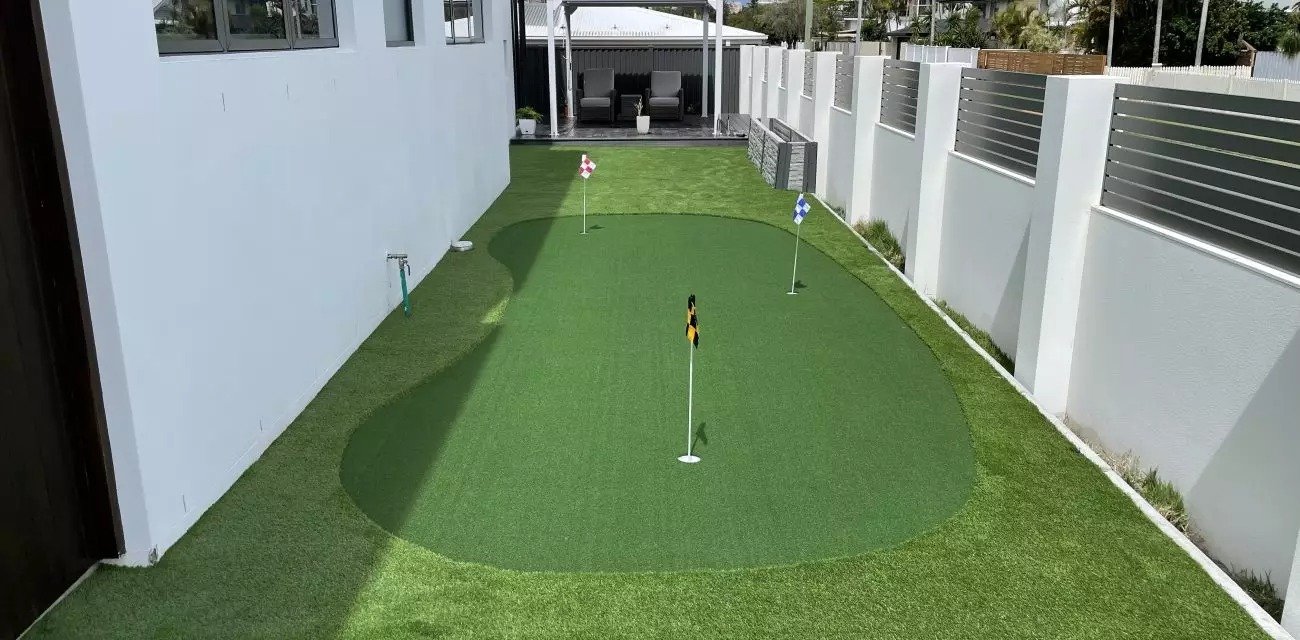
Sporting facilities across Brisbane are continually seeking solutions to improve the quality, durability, and maintenance efficiency of their grounds. One innovative option that has gained considerable attention is synthetic grass. Especially in a city like Brisbane, where weather conditions can be unpredictable and demanding on natural turf, synthetic grass offers substantial benefits.
Among the popular choices is artificial grass sports surfaces provided by specialists such as Luxe Turf. These surfaces are designed to meet the rigorous demands of various sporting activities, ensuring performance and durability year-round.
Durability and Longevity
A primary advantage of synthetic grass in sporting facilities is its remarkable durability. Unlike natural grass, which can wear out quickly under heavy foot traffic, sports synthetic turf maintains its integrity over time. It does not develop bare patches or become muddy in wet conditions, which is particularly advantageous for facilities in Brisbane, where rainfall can be variable but intense.
The robust construction of synthetic grass ensures that the playing surface retains uniformity, providing a consistent experience for athletes and minimising injuries related to uneven ground.
Low Maintenance Requirements
Natural turf requires significant upkeep including watering, mowing, fertilising, and pest management. These maintenance activities can be both costly and labour-intensive. In contrast, synthetic grass offers a low-maintenance alternative that reduces both time and budget expenditures for sporting facilities.
Facilities equipped with sports synthetic turf enjoy reduced operational costs because they eliminate the need for seasonal lawn treatment and irrigation systems. This sustainability aspect is increasingly important for responsible facility management.
Enhanced Playability
Sporting performance heavily depends on the quality of the playing surface. Synthetic turf provides a flawless, smooth surface that improves ball roll consistency, player footing, and overall game quality. Unlike natural grass, it remains playable irrespective of weather conditions, which is vital for scheduling in competitive sports.
Moreover, artificial surfaces retain their aesthetics through various seasons, ensuring that facilities always present a professional appearance for events and players alike.
Environmental Considerations
The environmental impact of maintaining natural grass is significant due to water consumption, pesticide use, and carbon emissions from maintenance equipment. Synthetic grass addresses many of these environmental concerns by reducing water usage substantially and eliminating the need for chemical treatments.
By choosing fake grass options, Brisbane sporting facilities contribute to water conservation efforts and lessen their ecological footprint, aligning with sustainability targets and community expectations.
Versatility Across Sports
Synthetic grass is highly adaptable and can be tailored to suit a wide range of sports, including football, rugby, netball, and tennis. The ability to customise fibre length, density, and cushioning ensures that the turf meets the specific requirements of each sport, enhancing safety and performance.
This versatility allows multi-use sporting facilities in Brisbane to maximise utility and efficiency by installing a synthetic playing surface that supports numerous activities.
Weather Resistance Adapted to Brisbane’s Climate
Brisbane experiences a subtropical climate characterised by hot summers and occasional heavy rains. Natural grass often struggles under these conditions, suffering from heat stress and waterlogging. Synthetic grass, however, withstands harsh sun and rain without deterioration.
Its superior drainage systems facilitate quick water runoff, reducing game cancellations and surface damage. Consequently, synthetic turf proves to be a reliable option for sporting venues seeking to minimise weather-related interruptions.
Cost Efficiency Over Time
While the initial installation cost of synthetic grass might be higher compared to natural turf, the long-term savings are significant. Reduced maintenance costs, fewer cancellations due to weather, and the extended lifespan of the synthetic surface ensure a favourable return on investment for sporting facilities.
Luxe Turf offers solutions that balance upfront expenditure with durability, creating value for Brisbane sports centres over many years.
Supporting Community and Elite Sports
Investment in high-quality playing surfaces contributes to the development of local sports by providing athletes at all levels with consistent and safe environments. Synthetic grass supports both amateur and professional pathways, encouraging participation and excellence in sport.
Brisbane’s sporting facilities that have embraced synthetic grass help foster community engagement and attract higher-profile competitions due to the reliable surface quality.
Safety Considerations with Synthetic Turf
Modern synthetic grass installations incorporate shock-absorbing underlays and non-abrasive fibres which reduce the risk of injuries. These safety features are critical in contact sports and high-impact activities prevalent in Brisbane’s sporting landscape.
Such innovations ensure that athletes can perform with confidence and facility managers can comply with safety regulations and standards.
Conclusion
In summary, synthetic grass is a highly effective solution for sporting facilities in Brisbane seeking durable, low-maintenance, and versatile playing surfaces. Its resilience to weather conditions, environmental benefits, and performance enhancements make it a superior choice over traditional natural turf.
Clients looking for premium artificial conditions can explore the range of artificial grass sports products offered by Luxe Turf, ensuring their facilities meet the highest standards demanded by modern sports.

Deciding to move your parent into professional care is not an easy decision, and many people have to make a series of small decisions until they get to that point. This may include having a discussion with your parent, evaluating their needs, visiting a care home, arranging a trial stay, and finally making the move. This guide can help you through all of these steps.
Start talking before you think you need to
The discussion regarding aged care needs to be initiated well before anyone experiences a crisis. Unfortunately, many families are prompted to have this conversation only after a loved one suffers a fall, is hospitalized, or receives a shocking diagnosis. At that point, fear and urgency often overshadow the opportunity to make thoughtful choices.
It is advisable to express your feelings first, rather than highlighting the limitations of your parent. For instance, saying “I’m concerned about your safety at night” is much more effective than “you can’t continue living like this”. The latter will only make your parent feel defensive. The former will invite them to share their thoughts about your concern.
It is also important to listen more and let them do the talking. Ask them about their fears, what they fear the most about leaving their home, and what they imagine life in a care facility would be like. Listening to these concerns will help you make the decisions that follow. Avoid taking piles of brochures of different care facilities during the first visit because that may come across as an ambush no matter how well-intended you are. There is no hurry, and it is important to take things slow.
This generation needs to have this conversation sooner than the previous one. Projections by the Australian Government Intergenerational Report 2023 suggest that there will be about three times the number of people aged 85 and over in a few decades’ time, growing from around half a million to approximately 1.5 million.
Understand the assessment before you look at a single facility
Before you even start researching residential care homes, you should get your loved one’s eligibility for government-subsidised residential care established. This is usually done through an ACAT or ACAS assessment, arranged through the My Aged Care portal. It’s an in-home visit where an assessor talks to your parent about their health, mobility, cognition, and support needs, and determines what level of care they’re eligible for. Lodge the enquiry, book the assessment, and treat the wait time as planning time rather than dead time.
Get the money straight early, because confusion here causes real damage
Almost every family stumbles over aged care costs at least once, because the fee structure has three separate layers that get talked about as if they’re one thing. There’s the daily care fee. It’s subsidised by government but topped up by a means-tested care fee which is based on income and assets. Then there’s the accommodation payment, which can be paid as a Refundable Accommodation Deposit (lump sum returned when the resident leaves or passes away) or as a Daily Accommodation Payment (the daily-rate equivalent for those who can’t or don’t want to pay the lump sum), and on top of both of those are extra service fees or premium amenity charges, which may cover anything from meals to room size to additional lifestyle programs.
Get those three layers separated on paper before you have to start comparing facilities. A place that looks cheaper on care fees might carry a much higher RAD, and a place with a modest RAD might be charging through the nose for extra services. Comparing total cost without breaking it into those three lines is how families end up with budget surprises six months in.
Let respite care do the heavy lifting
If what you’re facing is a parent who’s anxious or spooked, don’t push them straight into a permanent move. Respite care – a short stay, typically two to four weeks – will give them a proper test drive. They try the meals, meet the staff, sit through the activities and rhythms, and essentially get a sense of whether they could grow old there without making a major commitment.
This is important because so much of the fear around aged care is about the unknown. A respite stay turns theory into practice. Some residents come home and practically move their things in straight away. Others decide it’s not for them, and that’s useful too – it rules out a bad fit before it becomes a bad decision.
Compare facilities on data, not brochures
Marketing material often inspires a feeling of luxury. But this is not a holiday and upmarket furnishings are not what will make a difference to your parent day in, day out. The Aged Care Quality and Safety Commission publishes audit findings for every residential facility, including compliance history and any sanctions. The STAR Rating system, introduced in 2023, gives a simple 1-to-5 benchmark across categories like residents’ experience, staffing, and quality measures – a quick way to compare facilities you’ve never set foot in.
Dig into registered nursing presence and care minutes per resident per day too. A facility can look impressive on a tour and still fall short on the legislated minimum staffing a resident is entitled to. If your parent is living with cognitive decline, check specifically what memory support units and dementia care programs look like day to day, not just whether a facility says it offers them. If end-of-life needs are on the horizon, ask directly about palliative care capability.
Quality care is important to get your family member through the door of an aged care facility, but it’s not the only thing to consider when making a decision. Room size, natural light, garden access, dining quality, and the feel of daily social life also play an important role in the overall well-being of your loved one. Once you’ve shortlisted facilities on care metrics, it’s entirely reasonable to also look at higher-tier choices such as luxury aged care in Sydney, where hotel-style amenities and higher staffing ratios might justify a meaningful difference in cost. Dignity and daily quality of life are legitimate factors in a decision this significant, not add-ons to consider after the “real” decision is made.
Sort the legal paperwork before it’s urgent
If your parent has lost the capacity to make decisions, you’ll need an Enduring Power of Attorney or guardianship arrangement before you can sign admissions paperwork on their behalf. Get this sorted early – it’s much easier to do when everyone’s calm than to try to organize in a hurry in a crisis.
An advance care directive is also a good idea. This documents your parent’s wishes around resuscitation, hospital transfers, and end-of-life care, and should be sent directly to the facility your parent is moving to once they’ve been accepted. Staff can’t respect wishes they’re unaware of.
Plan the move like a project, because it is one
One of the toughest things about preparing for senior living is upending a lifetime into one room. It deserves a proper plan rather than a frantic weekend.
Set a realistic timeline for downsizing and sort belongings into clear categories: coming with them, going to family, donated, sold. Label clothing before it arrives at the facility – uniform laundry systems lose unmarked items fast. Arrange furniture delivery ahead of move-in day so the room feels finished when your parent walks in, not half-built. Bring a handful of genuinely familiar objects – photos, a favourite chair, a quilt – and set them up before your parent arrives rather than after. Walking into a room that already has pieces of home in it changes the whole first impression.
Expect conflict, and don’t pretend it won’t happen
Siblings will always fight. One wants to do it faster, the other says it’s too soon, the third silently resents the division of labor. It’s helpful to everyone if you can name that dynamic early rather than letting it fester. Share whatever information you can get from doctors, care managers, or other families who’ve made the same move – everyone is always anxious and having the same data often pacifies things. Share finances in the same spirit of openness and agree in advance on how decisions will be made if there’s a split vote.
Your parent may express anger or sadness that reads as rejection of the whole family, even when the move is clearly the right call. That’s a normal grief response, not a verdict on your decision. Where possible, let them keep the final say on choices that are theirs to make – which facility, which room, what comes with them. Autonomy preserved in small things makes the big change easier to accept.
Give the first month room to be hard
Adjusting to the new living environment is not something that happens all at once, so be prepared for this period to last for some weeks. Your parent might feel a bit low for the first two weeks or so, regardless of the quality of the home you’ve chosen. This is a common settling-in reaction and should pass.
Try to establish a routine for your visits fairly early on if you can. Some residents settle most easily when they are given space to adapt to a new environment and have time and room to build up different relationships and different routines. For others, regular visits from a familiar face are the best way to help them feel at home as quickly as possible.
Be guided by what you believe your parent wants and needs. Also, don’t rush off after lunch. Your parent may feel particularly lonely after a visit and the extra time you spend in the home afterwards can help them to settle better. Try forming a good relationship with the care staff as early as you can. Learn and use their names. Ask them how the week has been for your parent each time you visit.
Make sure you know how and to whom to complain if you need to. Your parent probably won’t have the eloquence or the confidence to moan when their own dinner arrives late and cold for the fourth time in a week.
There’s no version of this process that’s entirely smooth. But a family that starts the conversation early, understands the money, checks the data, and treats the move itself as a plan rather than a scramble gives their parent the best possible shot at a good life in a new place.

Transform Your Skin with RF Microneedling: Discover the Benefits at Elite Body Contouring

Revolutionizing Precision: The Advantages of Fiber Optic Laser Cutting with Macro Weld

Stunning Spring Carnival Dresses to Elevate Your Style This Season

Top Cricket Equipment Essentials Every School Should Have

Innovative Architects in Sydney: Designing Your Dream Space with Shore Architects

Expert Guide to Leaking Tap Repair: Tips from Pinpoint Plumbing Services

How to Ensure Your Home is Valued Correctly for a Quick Sale

Christopher Dare: The Untold Story of Engineer and Former Husband of Angela Rippon

The 15 Highest-Paid Rugby Players in the World

What Is Fanquer? The Digital Creator Platform Transforming Direct-to-Fan Engagement

Dr Jared Ross: Missouri Appeals Court Upholds Protection Order Over Graphic Torture and Murder Threats

Nancy Hallam: The Inspiring Life, Career, and Success Story Behind Ian Wright’s Wife
How to Ensure Your Home is Valued Correctly for a Quick Sale
Christopher Dare: The Untold Story of Engineer and Former Husband of Angela Rippon
The 15 Highest-Paid Rugby Players in the World
What Is Fanquer? The Digital Creator Platform Transforming Direct-to-Fan Engagement
Dr Jared Ross: Missouri Appeals Court Upholds Protection Order Over Graphic Torture and Murder Threats
Nancy Hallam: The Inspiring Life, Career, and Success Story Behind Ian Wright’s Wife
-
 Real Estate9 months ago
How to Ensure Your Home is Valued Correctly for a Quick Sale
-
Celebrity11 months ago
Christopher Dare: The Untold Story of Engineer and Former Husband of Angela Rippon
-
 Sports5 months ago
The 15 Highest-Paid Rugby Players in the World
-
 Technology5 months ago
What Is Fanquer? The Digital Creator Platform Transforming Direct-to-Fan Engagement
-
 Celebrity5 months ago
Dr Jared Ross: Missouri Appeals Court Upholds Protection Order Over Graphic Torture and Murder Threats
-
Celebrity12 months ago
Nancy Hallam: The Inspiring Life, Career, and Success Story Behind Ian Wright’s Wife
-

 Celebrity8 months ago
Who Is Azriel Crews? Inside the Life and Career of Terry Crews’ Daughter
-
 Celebrity11 months ago
Who Is Maisie Mae Roffey? The Private Life, Family Story, and Quiet Success of Julie Walters’ Daughter