
Travel
How Work Travel Changes When Accessible Taxis Are Limited

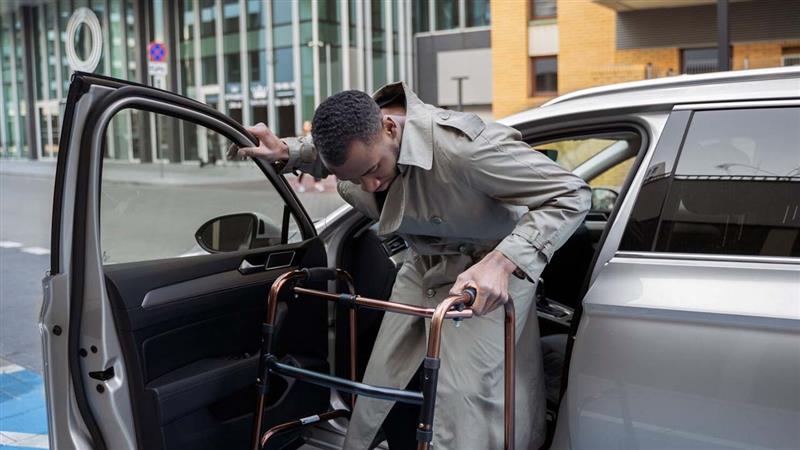
Wheelchair accessible taxis are how many people get to work. Not a convenience. The actual mechanism. When those vehicles are unavailable or poorly equipped, the journey does not happen and neither does the workday.
Licensing sits with local councils, not central government. That single fact drives most of the variation passengers encounter. Standards differ by area, availability differs by area, and what works in one city may simply not exist thirty miles away.
Why Accessible Taxi Availability Varies by Area
Population alone does not predict availability. Larger cities tend to offer more adapted vehicles, while smaller towns may have fewer available at any given time. Some rural areas may have very limited provision.
GOV.UK guidance confirms that each licensing authority sets its own rules. Vehicle specifications, driver training requirements, and accessibility standards all vary from one council to the next. An operator running services across multiple regions carries a different rulebook in each one.
Booking windows makes the gap practical rather than theoretical. In better-served areas, an adapted vehicle may be easier to confirm at short notice. In less-served areas, the same booking may need considerably more lead time. For workers with fixed start times, that is a structural barrier, not a minor inconvenience.
For employers or fleet planners comparing accessible taxi options, the useful checks start with the vehicle itself. Ramp access, wheelchair restraints, cabin space, entry height, and suitability for repeated short work journeys all decide whether a wheelchair accessible taxi will work in practice.
How Cross-Boundary Coordination Creates Operational Problems
Reliable service is harder to maintain when wheelchair accessible taxi journeys cross council borders. Council boundaries can complicate coverage, especially where operators focus on their own licensed area. Vehicle availability at a destination may stay unclear until close to the departure time.
Many UK operators still use telephone-based reservation systems. Real-time availability is difficult to confirm. Transfer times between locations need actual buffers. Wheelchair securing procedures, ramp checks, and driver familiarity with equipment each add time to a journey. None of those steps compress when a worker is already late.
Confirming willingness and coverage for cross-regional jobs well in advance reduces that uncertainty. Arranging transport with two linked suppliers on routes where a single operator cannot guarantee full coverage may improve booking reliability. Sending detailed journey information early gives dispatchers time to schedule the right vehicle rather than the nearest one that happens to be free.
Driver Training Standards and Equipment Familiarity
Vehicle specification and driver competence are separate things. Both need checking. A properly equipped vehicle driven by someone unfamiliar with the securing system still produces a poor and potentially unsafe journey.
Training quality varies between operators. Some drivers carry substantial experience with different securing mechanisms and ramp types. Others have completed only basic instruction. That variation creates risk during boarding and can add unplanned time to journeys.
Requesting training records and accessibility certifications from suppliers before confirming any arrangement is a straightforward way to address this. Documented training standards allow operators to be held to a consistent minimum. Finding out on the day that a driver is unfamiliar with a passenger’s equipment is avoidable. It requires asking the question before the booking is confirmed, not after.
What Procurement Decisions Need to Account For
A single supplier rarely covers every location an organisation uses. Working across several operators in different regions produces more reliable coverage and reduces the risk of gaps when demand changes or a primary contact becomes unavailable.
Costs vary by geography. Urban areas tend to offer more competitive rates where more vehicles operate within a concentrated area. Rural and semi-rural journeys often carry higher prices. Applying one cost benchmark across all locations produces a distorted picture of what transport actually requires.
Vehicle age, maintenance records, and accessibility specifications deserve weight alongside price in any assessment. An operator offering lower rates with older or poorly maintained equipment rarely produces savings over time. A failed journey costs more than the rate difference. Disruption to a working day costs more still.
Building Regional Supplier Networks
Primary and backup operators for every location catchment are the practical starting point for a network that holds under pressure.
Online portals work for straightforward bookings. Anything more complex responds better to direct contact with fleet managers. That conversation allows a proper check of accessibility requirements, training certification, and confirmed coverage before a journey is committed. Flexible volume agreements give more control over cost and availability than a series of separate ad hoc bookings. Clear service levels covering response times, vehicle standards, and driver training create a basis for accountability if something goes wrong. Regular contact between the organisation and its suppliers keeps reliability from drifting as demand changes.
Regulatory Context for Workplace Accessible Transport
The Equality Act 2010 places expectations on employers to make reasonable adjustments for employees with mobility needs. Travel between work locations can create access barriers too. Getting to the building is part of the same picture as accessing it.
Local licensing decisions carry the most immediate practical weight. Clearer accessibility requirements within licensing frameworks can make local expectations easier for operators and passengers to understand.
No single fix covers accessible transport coordination across UK work locations. Availability gaps, regional licensing differences, driver training variation, and cross-boundary uncertainty each need a practical response.
Organisations that plan around real local conditions, not assumed national consistency, put stronger support in place. Clear supplier standards, confirmed coverage, documented training, and backup routes all help reduce the risk of a failed journey. For people depending on wheelchair accessible taxis to reach work, that reliability shapes the whole day.



A buggy ride in Dubai is a self-drive or guided off-road experienc across the red sand dunes surrounding the city, typically at Al Badayer Desert. Riders take the wheel of a 2-seater or 4-seater dune buggy most commonly a Can-Am Maverick or Polaris RZR and follow a guide through open desert terrain. The buggy ride Dubai market is built around short, high-adrenaline sessions rather than all-day expeditions, which shapes almost every decision you’ll make when booking one.
Most operators run tours from the same general stretch of desert along the Dubai–Sharjah border. What separates one company from another isn’t the sand, it’s the vehicle condition, the guide quality, and how honestly the pricing is presented. That last point trips up more first-time bookers than anything else, and it’s worth understanding before you look at a single package.
What Is a Buggy Ride in Dubai? Quick Overview
A dune buggy is an open-frame, off-road vehicle built for sand: wide tires, high ground clearance, and a roll cage. In Dubai, these run mostly on 1000cc engines and are driven directly over sand dunes as part of a desert safari buggy tour, either solo or with a guide leading a small convoy.
The vehicle itself does the heavy lifting. Soft suspension absorbs the dune drops, four-point harnesses keep you locked in place, and the roll cage is there for the moments when a dune climb goes sideways literally. Unlike a standard desert safari, where you’re a passenger in a 4×4, a buggy ride puts you behind the controls.
That distinction matters when you’re choosing between activities. A desert safari sells scenery and comfort. A buggy ride sells control and adrenaline, with the scenery as a byproduct.
Types of Dune Buggy Rides Available in Dubai
Self-Drive Buggy Rides for Solo Explorers
Self-drive means exactly that you operate the buggy yourself, with a guide riding ahead or alongside in their own vehicle. Expect a short orientation and safety briefing before you’re handed the wheel, covering throttle control, braking on sand, and how to read a dune face before committing to it.
In practice, most first-timers underestimate how physical this is. Sand driving asks for constant small corrections, not one steady line, and that’s the skill the briefing is actually teaching, not just “how to start the engine.”
Family and Group Buggy Tours in the Desert
Family and group tours run in 4-seater buggies, built around lower speeds and wider turning margins than solo sessions. The roll cage and harness setup stays the same across ride types; what changes is pacing, since guides slow the convoy to match the least experienced driver in the group.
This is also where corporate and birthday bookings tend to land, because a 4-seater lets non-drivers ride along without needing their own vehicle.
Night and Sunset Buggy Adventures
Night rides trade heat for atmosphere. Buggies fitted with stronger headlights follow marked routes through Al Badayer Desert after dark, when temperatures drop and the dunes flatten into shadow and moonlight. Sunset tours sit in between times so the ride finishes as the light turns gold, which is also when most tour photography happens.
The tradeoff worth knowing: visibility is genuinely lower at night, so guides usually keep speeds more conservative than on a daytime or sunset run, regardless of what the marketing implies.
Dune Buggy Ride Dubai Prices and Packages Compared
Buggy ride Dubai prices generally run from roughly AED 399 for a shared 30-minute combo session up to AED 1,499 for a premium 60-minute private ride on a high-performance model. The spread reflects three variables: seater type, buggy model, and whether the transfer is private or shared.
[INSERT: specific data point/quote needed here — e.g., a first-hand price comparison across a set number of operators checked on a given date, or an average booking value from direct experience]
| Package Type | Typical Seater | Typical Price Range (AED) |
| Shared Combo (30 min) | 1-seater | 399 |
| Standard Buggy Tour (60 min) | 1, 2 & 4-seater | 500 |
| Can-Am Maverick Tour (60 min) | 2 & 4-seater | 800–1,300 |
| Premium Stage 4 / RZR PRO R (60 min) | 4-seater | 1,499 |
The gap between the cheapest and most expensive listed package is almost 4x — and that gap is rarely explained clearly on booking pages, which is the next thing worth untangling.
Can-Am Maverick vs Polaris RZR: Which to Choose
The Can-Am Maverick and Polaris RZR are the two dominant buggy models across Dubai operators, both typically running 1000cc engines. The practical difference comes down to power delivery and suspension feel rather than raw specs; the Maverick tends to be marketed as the higher-performance option, sometimes with Smart-Shox suspension and outputs quoted around 240 HP^ on select trims.
The RZR, by contrast, is usually positioned as the more accessible, easier-to-handle option, a common recommendation for first-time drivers or families riding together. Neither vehicle requires a driving license to operate on private desert land, which surprises a lot of visitors used to stricter rules at home.
Choosing between them isn’t really about horsepower on paper. It’s about whether you want a punchier, faster ride (Maverick) or a smoother, more forgiving one (RZR) — and that decision should shape which package you book next.
How Much Does a Dune Buggy Ride Cost in Dubai
A dune buggy ride in Dubai typically costs between AED 399 and AED 1,499, based on seater type, buggy model, and tour duration. Shorter shared sessions sit at the low end; private 60-minute rides on premium models sit at the top. Transfer type private versus shared adds or removes roughly AED 300–350 in most packages.
Duration matters more than most bookers assume. A 30-minute session covers less dune terrain and fewer scenic stops than a full 60-minute drive, so the per-minute value shifts noticeably once you move past the entry-level package.
The seat type is the other lever. A 1-seater keeps costs down but limits you to solo riding; 4-seaters cost more per booking but split naturally across a family or group, often working out cheaper per person than it first appears.
Buggy Ride vs Quad Bike vs Desert Safari in Dubai
Quad bikes are the budget entry point into desert off-roading in Dubai, with rides starting from around AED 120 for a short session noticeably below buggy pricing. The trade-off is capacity: quads are single-rider, offer less protection than a roll-caged buggy, and generally run smaller engines suited to shorter, lower-intensity routes.
A traditional desert safari removes the driving altogether. You ride as a passenger in a 4×4 through dune bashing, then typically move on to a desert camp for sandboarding, camel rides, and dinner. It’s the choice for travelers who want the desert experience without operating a vehicle themselves.
The buggy ride sits between the two: more protected and powerful than a quad, more active and hands-on than a passenger safari. If you want control, pick the buggy. If you want comfort, pick the safari. If you want the cheapest possible desert taste, the quad wins on price alone.
Safety Rules and Age Requirements for Buggy Rides
Most operators set the minimum driving age at 16, require passengers to be at least 6, and restrict pregnant women or riders with heart, back, or respiratory conditions from participating. A typical per-seat weight limit runs 100–120 kg^, though this varies by buggy model.
Safety gear is standard across the market: helmets and goggles are provided and mandatory, four-point harnesses secure riders in place, and roll cages are a fixed feature on every buggy used for tourist rides, not an optional upgrade.
Most implementations overlook one detail worth flagging directly: weight limits are per seat, not per booking. A 4-seater’s combined limit doesn’t simply multiply the single-seat figure it’s usually a separate, lower combined threshold, which matters if your group is on the heavier side.
What to Wear for a Dune Buggy Ride in Dubai
Closed-toe shoes, long sleeves, and full-length pants are the baseline recommendation across nearly every operator and exposure and sun, not cold, are the main risks. Add sun protection: a wide-brimmed hat, UV-rated sunglasses, and high SPF sunscreen reapplied through the session.
A scarf or bandana isn’t cosmetic here. At speed, blowing sand gets into eyes, nose, and mouth fast, and a simple face covering solves most of that discomfort without needing specialized gear.
Evening and night riders should pack a light jacket. Desert temperatures drop quickly once the sun is down, even in warmer months, and that shift catches daytime-dressed riders off guard more often than you’d expect.
Best Time of Year and Day to Ride a Dune Buggy
Early morning and late afternoon are the strongest windows for a dune buggy ride, avoiding peak midday heat while catching softer light for photos. Winter months (roughly September through April) offer the most comfortable riding conditions across the full day.
Summer changes the calculation. With daytime temperatures climbing toward 45°C^, most operators push bookings toward early morning or night slots specifically to avoid the worst heat, a pattern that also means summer rides can be quieter and less crowded than peak winter season.
Sunset timing sits in a category of its own: it’s chosen less for comfort and more for the specific light quality that shows up in tour photography, which is part of why it’s marketed as a distinct package rather than folded into “afternoon.”
How to Book Your Dubai Buggy Ride: Step-by-Step
Booking a buggy ride in Dubai typically follows three steps: contact the operator (usually via WhatsApp or an online form), confirm your package and time slot at least 24 hours ahead, and choose between advance online payment or pay-on-arrival.
A few details are worth confirming before you commit: pick-up location and whether it’s free or paid, cancellation policy (most sit around a 24-hour window), and whether the quoted price includes transfer or treats it as an add-on. Skipping this step is the most common source of post-booking surprises.
Final Thoughts: Is a Dubai Buggy Ride Worth It?
For anyone who wants active control over their desert experience rather than a passenger seat, a buggy ride at Al Badayer or the Red Dunes delivers on that specifically. It won’t suit everyone, health restrictions, age limits, and the physical intensity of dune bashing rule out a meaningful slice of travelers.
For those it does suit, the real decision isn’t whether to book, but which combination of buggy model, seat type, and time slot actually matches what you’re after: raw speed, family inclusion, or a quieter after-dark run through the dunes.
Frequently Asked Questions
Do You Need a License to Drive a Dune Buggy in Dubai?
No. Dune buggy tours in Dubai operate on private desert land, so a driving license isn’t required. You do need to meet the minimum age requirement, usually 16, and follow the guide’s safety briefing.
Is Dune Buggy Riding Safe for Pregnant Women or People With Back Conditions?
No. Most operators exclude pregnant women and riders with heart, back, neck, or respiratory conditions due to the physical jolting of dune terrain. Consult a doctor if you have any pre-existing condition before booking.
What Is the Weight Limit for a Dune Buggy in Dubai?
Typical per-seat limits run 100–120 kg, though this varies by buggy model. Combined limits for multi-seat buggies are usually set below a simple per-seat multiplication, so check with the operator if your group is heavier.
How Long Does a Dune Buggy Ride Last?
Standard sessions run 30 to 60 minutes, with some operators offering extended 90-minute or 2-hour options. Duration is the main factor separating entry-level packages from premium ones.
Is a Dune Buggy More Expensive Than a Quad Bike?
Yes. Quad bikes start from around AED 120 for a short session, while dune buggies start closer to AED 399–500. Buggies offer more protection, higher seating capacity, and more power in exchange for the higher price.
What Happens If It Rains or a Sandstorm Hits During My Tour?
Operators typically reschedule or issue a refund if weather forces a cancellation, though specific windows and refund percentages vary by company. Confirm the exact weather policy before you book.
Can I Verify the Operator’s Trade License Before Booking?
Some operators publish a specific trade license number on their site; others state they’re “DTCM-licensed” without listing it. Where a number is provided, it’s worth checking directly rather than taking the licensing claim at face value.
Is Hotel Pickup and Drop-Off Included in the Price?
It depends on the operator and package. Some bundle a free shared transfer into combo pricing; others charge a separate private transfer fee, typically in the AED 300–350 range. Always confirm before booking.

A desert safari in Dubai is a guided trip into the dunes outside the city, combining off-road driving with activities like camel riding, sandboarding, and a BBQ dinner in a desert camp. Most tours run for three to six hours and are sold as morning, evening, or overnight packages. Prices, vehicle types, and included activities vary widely between operators, which makes comparing offers harder than it should be.
That variation is the first thing worth understanding before you book. Two companies can use the word “safari” to describe very different experiences, one with a shared 4×4 and a buffet line, another with a private SUV and a fixed departure window. The sections below break down what each package actually includes, what the pricing really looks like, and where the gaps in most operator listings tend to hide.
What Is a Desert Safari? Dubai’s Signature Adventure
A desert safari is a structured excursion into the dunes surrounding Dubai, built around a set sequence of activities rather than free-roaming exploration. In practice, that sequence covers dune bashing in a 4×4, a stop for photos, and a camp-based finale with food and entertainment.
Dune bashing driving fast over steep dune faces is the anchor activity on nearly every tour. Around it, operators layer in camel riding, sandboarding, and sometimes henna tattoos or shisha at the evening camp. These aren’t separate bookings; they’re bundled into a single package, and which ones you get depends on the tier you choose.
The distinction matters when you’re comparing listings that use identical marketing language. “Traditional desert activities” on one site might mean a ten-minute camel photo stop. On another, it’s a full loop of camel riding, falconry, and a henna station. Reading the inclusion list, not just the headline is the only way to know which one you’re actually paying for.
Morning, Evening & Overnight Desert Safari Packages
Evening safaris dominate bookings because they combine dune bashing with dinner and entertainment in one four-to-six-hour window, typically starting around 4 PM. Morning safaris strip out the camp experience for a shorter, cheaper trip focused purely on the drive and activities. Overnight safaris add camping under the stars and a sunrise return.
A three-question filter separates these packages faster than reading every inclusion list:
- How much time do you have? Under four hours available rules out overnight options immediately.
- How much heat can you tolerate? Morning slots avoid the worst midday sun but skip the desert-at-dusk experience entirely.
- What intensity are you after? If dinner and entertainment matter more than the drive itself, evening beats morning; if the drive and photography matter more, morning’s shorter window works better.
Running a booking through those three questions before comparing prices cuts out packages that don’t fit, which makes the pricing comparison in the next section far more useful.
Evening Desert Safari With BBQ Dinner
The evening format is built around a fixed structure: pickup, dune bashing, a photo stop at sunset, then a camp session with a BBQ buffet and a live entertainment lineup — often including a fire show or belly dancing. This is the package most first-time visitors book, largely because it fits into a single afternoon without requiring an early wake-up.
Morning Desert Safari for Short Visits
Morning safaris run roughly 8:30 AM to 11:30 AM and skip the camp dinner entirely. What you get instead is a leaner activity list dune bashing, plus optional add-ons like quad bikes, sand-boarding, or dune buggies at a lower price point. For travelers with a same-day flight or a packed itinerary, this is the format that fits without forcing a scheduling compromise.
Overnight Desert Safari & Camping Under the Stars
Overnight packages extend the evening format into a full camping experience: tents or deluxe rooms at the camp, dinner the first night, breakfast the next morning, and a sunrise view before departure. This is the only tier that turns the safari into a genuine overnight stay rather than a half-day excursion, and it’s priced accordingly.
Package choice sets your baseline cost, but the listed price rarely tells the full story — the next section shows why.
Dune Bashing, Camel Rides & Desert Wildlife Encounters
Dune bashing is a driving technique, not a ride you sit through passively drivers use momentum and steering angle to climb and descend steep dune faces, and the experience depends heavily on the driver’s skill and the vehicle’s suspension. A rougher ride isn’t necessarily a better one; it’s often a sign of an inexperienced driver overcompensating on flatter terrain.
Camel rides are typically a short, guided loop rather than an open trek, lasting a few minutes per rider. If extended riding time matters to you, that needs to be confirmed before booking, since most packages default to the brief version.
Beyond the two headline activities, the desert itself hosts wildlife most visitors never see on a standard tour: gazelles, wildcats, and monitor lizards live in the surrounding conservation areas, and falconry add-ons are the closest most packages get to an actual wildlife encounter: Dubai Desert Conservation Reserve guide] Tours that stay within a protected reserve boundary are more likely to feature this kind of sighting than those operating on unregulated desert land.
That reserve boundary protected versus unregulated desert turns out to be one of the biggest unstated differences between operators, and it directly affects both the wildlife you’ll see and the terrain quality of the drive itself.
Extreme Adventure Add-Ons: Dune Buggies & Quad Biking
Quad biking and dune buggy rides are almost always sold as add-ons rather than included features, charged per person or per vehicle on top of the base package price. Sand-skiing, where offered, tends to be a shorter, lower-cost option bundled into the base activity list instead.
These add-ons are the fastest way to quote “starting from” price balloons into something much higher at checkout. A buggy add-on alone can approach or exceed the cost of the base evening safari, so it’s worth pricing separately rather than assuming it’s a minor upgrade.
Add-on pricing is inconsistent enough across operators that it deserves the same scrutiny as the base package which is exactly where the next section starts.
Desert Safari Dubai Pricing: What You Actually Pay
Base pricing for a Dubai desert safari typically starts in the AED 99–150 range for shared morning or evening tours, rising to AED 250–400+ for premium, VIP, or private vehicle options. Peak season (October through December) pushes prices toward the higher end, and the last two weeks of December often carry a separate holiday surcharge.
Listed prices are inconsistent even within a single operator’s own site a “starting from” figure in one place can differ from the per-adult rate quoted elsewhere on the same page. That’s not necessarily deceptive; it usually reflects different seasonal tiers or a child-versus-adult split that isn’t clearly labeled next to the headline number.
A four-point price-verification checklist catches most of this before you pay:
- Confirm the price applies to your exact date peak-season and holiday rates are rarely shown by default.
- Check whether the quote is per adult, per child, or per vehicle.
- Ask what’s excluded quad bikes, buggies, and private transfers are almost never in the base figure.
- Compare the shared-vehicle rate against the private-vehicle rate, since the gap between them is often smaller than expected once add-ons are factored in.
Running a quote through that checklist before booking turns a vague “starting from” number into an actual, comparable total which matters more once you start factoring in where the safari actually happens.
Where Dubai Desert Safaris Take Place: Red Dunes vs Al Aveer
Most licensed Dubai desert safari operators run tours out of the Red Dunes area, near the Dubai Desert Conservation Reserve on the southeastern edge of the emirate a protected zone covering roughly 87 square miles. Red Dunes vs Al Aveer location comparison page] A smaller number of tours, often run by unlicensed freelancers or third-party resellers, operate out of Al Aveer instead.
| Location | Terrain | Typical Operator |
| Red Dunes | Tall, reddish dunes; higher-quality dune bashing | Licensed local tour operators |
| Al Aveer | Flatter, drier terrain | Freelancers, third-party resellers |
The terrain difference isn’t cosmetic; flatter desert produces a noticeably tamer dune-bashing experience, and it’s one of the clearest signals of which type of operator you’ve actually booked. If a listing doesn’t specify the drive location, that’s a reasonable question to ask directly before paying.
Location affects the drive; timing affects almost everything else about the day, from temperature to visibility.
Best Time to Visit: Weather, Seasons & Sunset Timing
Summer temperatures in the Dubai desert average around 106ºF (41ºC) and regularly climb higher, making June through September a demanding stretch for any outdoor activity. December through March brings noticeably milder conditions, though irregular rain becomes more likely in that window.
Evening tours are timed around sunset specifically for stargazing and cooler post-dusk temperatures, not just for the photo opportunity. Morning tours trade that atmosphere for lower heat exposure earlier in the day, a real tradeoff, not just a scheduling preference.
Neither season nor time slot is universally “better” ; the right choice depends on which discomfort you’re more willing to accept, heat or an earlier wake-up call.
What to Wear & How to Prepare for Your Safari
Loose, breathable clothing works best for dune bashing and camp activities, think t-shirts, long shorts, or lightweight jeans rather than anything restrictive. Closed shoes matter more than most first-time visitors expect.
- Footwear: sneakers or boots, not sandals or flip-flops and makes open shoes impractical almost immediately.
- Head and eye protection: a hat or scarf, plus sunglasses, especially for morning or midday tours.
- Layers for evening/overnight trips: temperatures drop fast after sunset, so a light jacket is worth packing even in warmer months.
Getting dressed for the desert is a five-minute decision. Getting the right operator is the part that actually determines how the day goes.
Choosing a Trusted Desert Safari Operator in Dubai
Third-party review platforms are the most reliable signal available for comparing operators, since individual company websites rarely publish verifiable data about their own track record. Look for review volume in the thousands rather than dozens, and check how recent the most recent reviews are. A page full of 2017-dated testimonials tells you less than it appears to.
Cross-referencing a rating across two or three independent platforms, rather than trusting a single badge on the operator’s own homepage, filters out most of the inflated or unverifiable claims common in this space.
None of that replaces reading the fine print on what’s actually included — which is where most of the remaining questions tend to land.
Conclusion: Booking the Right Desert Safari for You
A desert safari in Dubai works best when the package matches your actual constraints, time available, heat tolerance, and budget rather than whichever listing ranks highest in a search. Evening tours suit most first-time visitors; morning tours suit tight schedules; overnight tours suit anyone treating the desert as a destination rather than an add-on afternoon.
Price the add-ons separately, confirm the drive location, and check review dates before booking. Those three checks resolve most of the ambiguity that generic “book now” pages leave unanswered and they take less time than the safari itself.
Frequently Asked Questions
What Is a Desert Safari in Dubai?
A desert safari is a guided tour combining 4×4 dune bashing with activities like camel riding and sandboarding, usually ending at a desert camp. Packages run from a few hours to a full overnight stay.
What Is the Dubai Desert Conservation Reserve?
It’s a protected desert area on Dubai’s southeastern edge, covering roughly 87 square miles, established to protect native wildlife from urban expansion. Some licensed safari operators run tours within its boundaries.
How Hot Does the Dubai Desert Get?
Summer temperatures average around 106ºF (41ºC) and often go higher. December through March is milder, though occasional rain is more likely in that period.
Can You Camp in the Dubai Desert?
Yes, through overnight desert safari packages that include tents or deluxe camp rooms. Independent camping without a guide isn’t recommended unless you have significant desert experience.
How Do You Book a Desert Safari Tour?
Most operators take bookings directly through their website or via WhatsApp/phone. Confirm your exact date and package tier before paying, since pricing shifts by season.
Do Desert Safari Operators Offer Combo Packages?
Yes many bundle desert safaris with dhow cruise dinners or city tours at a lower combined price than booking each separately. Availability varies by operator.
What Should You Wear on a Desert Safari?
Loose, breathable clothing with closed shoes, sneakers or boots, not sandals. A hat, sunglasses, and a light jacket for evening trips are also worth packing.
What Is the Real Price of a Desert Safari in Dubai?
Base shared-tour pricing typically starts around AED 99–150, rising to AED 250–400+ for premium or private options. The final total depends heavily on season and any add-ons like quad bikes or buggies.


Picture this- You’ve booked the flights, reserved a beautiful hotel, and started planning everything from rooftop dinners to sunset drives along Ocean Drive. The only decision left is choosing the car.
You open the rental website and suddenly you’re faced with dozens of incredible options. Ferrari. Lamborghini. Rolls-Royce. Bentley. McLaren. Aston Martin.
Every one of them looks amazing.
That’s when many travelers make the same mistake-they choose the car they like the look of instead of the one they’ll actually enjoy driving.
The truth is, there’s no single “best” exotic car for Miami. The perfect choice depends on how you plan to spend your time, who you’re traveling with, and the kind of experience you want to remember long after the trip ends.
If you’re planning to rent an exotic car in Miami, thinking about your itinerary first-not just the badge on the hood-will almost always lead to a better experience.
Start With the Experience You Want to Create
Before comparing horsepower or engine specifications, ask yourself a much simpler question.
What do you want this trip to feel like?
A romantic anniversary deserves a completely different vehicle than a business conference or a weekend with friends.
If your itinerary includes beachfront drives, luxury hotels, and scenic sunsets, a convertible creates an open-air experience that’s difficult to match.
If you’re attending corporate meetings in Brickell or entertaining clients, a refined luxury sedan or grand touring coupe often feels more appropriate.
The best car is the one that naturally fits the occasion.
Who’s Coming Along?
This sounds obvious, but it’s one of the most overlooked parts of choosing an exotic car.
Many supercars are designed for two people.
If you’re traveling with family, another couple, or carrying several suitcases, that dream sports car can quickly become less practical.
Before booking, think about:
- How many passengers will travel with you.
- How much luggage you’ll bring.
- Whether you’ll spend hours driving or just short distances.
- If everyone needs to travel together.
Sometimes a luxury SUV or four-door performance sedan creates a much more enjoyable experience without sacrificing style.
Match the Car to Your Miami Plans
Miami offers several completely different driving experiences.
The car that’s perfect for South Beach may not be the best choice for a road trip through the Florida Keys.
For example:
- Exploring South Beach
Low-speed cruising, waterfront restaurants, and iconic streets make convertibles and stylish grand touring cars ideal. - Weekend Escape to Key West
Longer drives call for vehicles that combine performance with comfort, supportive seating, and generous luggage space. - Business Travel
Executive sedans provide understated elegance while offering quiet cabins and advanced technology for busy schedules. - Weddings and Special Events
Luxury vehicles with timeless styling often complement formal occasions better than aggressive supercars.
Choosing based on your itinerary ensures every drive feels effortless.
Comfort Matters More Than Most People Expect
It’s easy to focus on performance figures.
After all, many people dream about driving a supercar because of its speed.
But Miami isn’t a racetrack.
You’ll likely spend more time enjoying scenic coastal roads, waiting at valet entrances, or cruising through neighborhoods than accelerating on open highways.
That’s why comfort deserves just as much attention as performance.
Supportive seats, smooth ride quality, excellent visibility, and intuitive technology often make a bigger difference over the course of an entire weekend than shaving a few tenths of a second off a 0–60 mph time.
Set a Budget-Then Compare Within It
One of the smartest ways to choose an exotic rental is to decide your budget before falling in love with a specific model.
Luxury rentals vary significantly in price depending on the season, availability, and vehicle category.
Instead of focusing on only one dream car, compare several vehicles within a similar price range.
You may discover another model that offers more comfort, additional features, or a driving experience that’s even better suited to your plans.
Luxury isn’t about choosing the most expensive option.
It’s about choosing the right one.
Don’t Be Afraid to Ask for Recommendations
Even experienced travelers ask questions before booking.
Rental specialists spend every day matching vehicles with different occasions, travel styles, and customer preferences.
A simple conversation about your itinerary often leads to recommendations you may never have considered.
Many visitors choose Premier Auto Miami because their team understands that selecting the right vehicle involves more than comparing specifications. By discussing your plans, they’ll often suggest models that better match your schedule, travel companions, and overall experience.
If you’re still deciding between different options, browsing their selection of exotic car rental vehicles is a great way to compare styles, seating capacity, and driving characteristics before making a final decision.
The Best Choice Is the One You’ll Enjoy Every Mile
It’s easy to become distracted by famous badges or social media photos.
But once you’re behind the wheel, those things matter less than how the car actually feels.
- The right vehicle should make every part of the journey enjoyable.
- The drive to breakfast.
- The coastal road at sunset.
- The arrival at your hotel.
- The weekend escape to the Keys.
When your choice matches your plans, the car stops being the centerpiece-and simply becomes part of an unforgettable Miami experience.
That’s exactly how it should be.
Frequently Asked Questions
Which exotic car is best for a first-time renter in Miami?
The best choice depends on your itinerary. Convertibles are ideal for sightseeing, while luxury sedans and grand touring cars offer exceptional comfort for longer drives and business travel.
Should I choose a supercar or a luxury sedan?
If your priority is performance and excitement, a supercar is an excellent option. For comfort, luggage space, and longer journeys, many travelers prefer luxury sedans or grand touring vehicles.
Are all exotic cars two-seaters?
No. While many sports cars seat two people, several luxury sedans, grand touring coupes, and SUVs comfortably accommodate four or more passengers.
Which car is best for a trip to the Florida Keys?
Grand touring vehicles, luxury convertibles, and premium SUVs are popular choices because they combine comfort with enjoyable highway performance.
Can the rental company help me choose the right vehicle?
Absolutely. Most experienced luxury rental providers are happy to recommend vehicles based on your itinerary, group size, budget, and travel goals.
How early should I reserve my exotic car?
Booking several weeks in advance is recommended, especially during Formula 1 Miami Grand Prix, Art Basel, spring break, and holiday seasons.
What matters more-performance or comfort?
For most visitors exploring Miami, comfort, practicality, and suitability for the itinerary often have a greater impact on the overall experience than maximum performance.

Custom EHR for Value-Based Care Organizations

How Much Does Car Storage Cost in Rochester, NY? A Complete 2025 Pricing Guide

Top 5 Benefits of Choosing Contract to Hire Solutions

Cost Breakdown: Hiring an IPO Consultant in India

Does Overdesign Reduce Garden Functionality?

What Is MultCloud? The Smarter Way to Manage Multiple Cloud Storage Accounts

The 15 Highest-Paid Rugby Players in the World

Christopher Dare: The Untold Story of Engineer and Former Husband of Angela Rippon

How to Ensure Your Home is Valued Correctly for a Quick Sale

Nancy Hallam: The Inspiring Life, Career, and Success Story Behind Ian Wright’s Wife

Who Is Maisie Mae Roffey? The Private Life, Family Story, and Quiet Success of Julie Walters’ Daughter

Simon Dixon Biography: Lifestyle, Net Worth, Family, Career and Success Story
The 15 Highest-Paid Rugby Players in the World
Christopher Dare: The Untold Story of Engineer and Former Husband of Angela Rippon
How to Ensure Your Home is Valued Correctly for a Quick Sale
Nancy Hallam: The Inspiring Life, Career, and Success Story Behind Ian Wright’s Wife
Who Is Maisie Mae Roffey? The Private Life, Family Story, and Quiet Success of Julie Walters’ Daughter
Simon Dixon Biography: Lifestyle, Net Worth, Family, Career and Success Story
-
 Sports2 months ago
The 15 Highest-Paid Rugby Players in the World
-
Celebrity8 months ago
Christopher Dare: The Untold Story of Engineer and Former Husband of Angela Rippon
-
 Real Estate6 months ago
How to Ensure Your Home is Valued Correctly for a Quick Sale
-
Celebrity9 months ago
Nancy Hallam: The Inspiring Life, Career, and Success Story Behind Ian Wright’s Wife
-
Celebrity8 months ago
Who Is Maisie Mae Roffey? The Private Life, Family Story, and Quiet Success of Julie Walters’ Daughter
-
Business8 months ago
Simon Dixon Biography: Lifestyle, Net Worth, Family, Career and Success Story
-
 Celebrity9 months ago
Johnny Carell: Inside the Life, Family, and Rising Success of Steve Carell’s Son
-

 Health6 months ago
Enclomimed 25 (Enclomiphene) – Effective PCT Protocol