Connect with us

Tech

How to Design a High-Converting Video Marketing Strategy on a Budget

Published

on

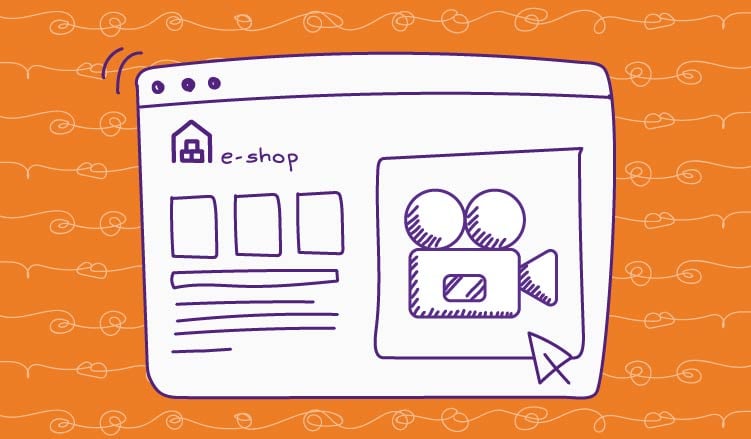
Video marketing has a reputation for being expensive, and that reputation is mostly wrong. The brands getting the best return from video right now aren’t the ones with the biggest production budgets, they’re the ones with the clearest message and the smartest distribution choices.

Save up to $50 on Amazon Gift Cards Save Now

The rationale for opting for this format is quite compelling. 89% of customers declared that viewing a video was decisive in their decision to make a purchase (Wyzowl). The intention to purchase remains the same, whether it is a video recorded on a phone or a camera. What truly matters is if the correct person is exposed to it and if it conveys the right message in the initial few seconds.

The First Three Seconds Are the Whole Game

A low-budget video that captures the viewer’s attention is more valuable than a high-quality one that is ignored. Instead of focusing on post-production or sharing the video, concentrate on making a strong opening.

The hook doesn’t have to be fancy, it has to be direct. Introduce an issue your viewer can relate to, a desired outcome, or something that stops them from scrolling. For example, “Struggling to get clients from LinkedIn?” is more effective than a five-second logo animation that you can easily skip.

The Hook-Story-Offer structure is a good script outline. Hook grabs attention. Story engages and builds a connection. Offer provides a solution and motivation. Aim for a video length of 30-90 seconds. For most direct-response goals, shorter is better.

Distribute Smarter, Not More Expensively

The placement of your video is just as important as the video itself. The major platforms are so obvious because everyone’s there, that’s where your cost per view is high. Other people are auctioning for the same views.

Ad networks are a solid work-around for cash-strapped campaigns, offering inventory from thousands of publisher sites and apps for a fraction of the cost. The quality is there, real people reading about your vertical or offer.

One format worth understanding here is native video ads, where your video content sits inside editorial feeds without the visual disruption of a banner or pre-roll. Ads that don’t emotionally disrupt the reading experience will be proactively watched, not just skipped or forgotten. For budget campaigns running on CPV bidding, that engagement rate directly affects how far your spend goes.

Non-intrusive placements also have less headache associated with getting creative signed off, as there’s generally less visual influence on the actual content being read.

Build it In-House With the Right Tools

You can create video content that is effective without the need for an editor or an agency. Apps like CapCut and Canva have everything necessary to get a finished look within an hour, they have templates, automatic captioning, and stock audio.

You need to add captions. Most people watch videos on their mobiles without sound. If your message relies solely on audio, most people won’t even hear it.

Film vertically. 9:16 videos fill your phone screen, and that’s where most people are watching them. If you’re watching a horizontal video on your phone, it looks and feels like an afterthought, because it is.

User-generated content, raw, unedited, filmed in someone’s home or store, consistently performs better in direct response advertising than agency polished content. It doesn’t look like an ad, so your “ad” isn’t triggering the user-installed mental block that makes people want to skip ads. A customer filmed on their smartphone in their kitchen saying how much they love your product will almost certainly out-convert a professionally filmed studio explainer.

Test Before You Scale

A/B testing is not limited to large budgets. You can run two versions of a video hook with a small daily spend for 3-5 days and it will tell you which way to scale. Don’t change multiple variables at once, test the thumbnail, then test the first line, then test the CTA. Keep it controlled or the data is useless.

Social proof is one of the easiest variables to test with almost no production cost. Add a single customer review as a text overlay. Record a 15 second clip from a real customer. Frequently, these lifts in conversion come for free with no increase in media spend.

Close the Loop With a Landing Page That Matches

A video may create intent, but it doesn’t have the capacity to develop a solid landing page. If your video ad creates an expectation, the landing page the user is directed to must clearly display that same expectation front and center. One of the easiest ways to waste your video advertising budget is to have people click through and then not convert because the intent wasn’t followed through on the landing page. 

This is also where load times work against you, every slow second and people are dropping off. Keep the landing page focused on a single action. One CTA, one offer, no navigation to distract. The video already did the qualifying work; the landing page just has to step out of the way. When you stop seeing budget video marketing as a production competition and start seeing it as a clarity, placement, and follow-through competition, video ads deliver all day.

Continue Reading
Click to comment

Leave a Reply

Your email address will not be published. Required fields are marked *

Business

How AI-Powered Custom Software Development is Reshaping Business Growth in 2026

Published

on

Software Development

Meta Description: AI-powered custom software is no longer a future investment. Here’s what companies are honestly building in 2026 and why it’s working out.

Save up to $50 on Amazon Gift Cards Save Now

Introduction

Big budgets don’t create faster-growing companies in 2026. The ones actually scaling stopped buying software made for someone else and started building what their business actually needs.

According to McKinsey, companies that bring AI into their core operations cut operational costs by up to 40% and grow revenue by 20% within the first two years.

AI-powered software development is sitting behind most of that. And the businesses still on generic platforms? They are starting to feel the gap; every quarter it gets a little harder to close.

That is the core reason businesses are walking away from generic platforms and building custom AI solutions designed around how they actually operate.

What Businesses Are Actually Getting From This

The results are not theoretical. They are showing up in day-to-day operations across every function.

1. Automation that targets your real problems: Generic tools handle generic tasks. AI automation solutions built around your business go after the specific friction points your team runs into every single day.

2. Decisions made on live information: Most organisations have more data than they know what to do with. AI business solutions change that by surfacing what matters in real time so decisions are not being made on last week’s numbers.

3. Software that holds up as you grow: Custom software solutions with AI built into the architecture do not fall apart when your user base scales. Growth was part of the design from day one.

4. Less time lost to repetitive work: Half of the responsibilities your company has during the day don’t require one person to do them. AI development services handle that task, so your group can spend time on things that best need human wonder, no longer copying and pasting information into structures.

5. Something your competitors genuinely cannot copy: Your data is yours. Your processes are yours. The way your business runs is specific to you. Custom software solutions built around all of that give you something no competitor can pick up off a shelf and match overnight. 

Where It Is Making the Biggest Difference

Healthcare

Telehealth platforms and patient management systems built through AI application development are processing huge volumes of sensitive data while staying fully compliant with regulations. That level of infrastructure used to be out of reach for most healthcare businesses. It is not anymore.

Fintech

Fraud detection and credit risk tools are running on models that identify patterns across millions of transactions in real time. No rule-based system comes close to that speed or accuracy.

eCommerce

Retailers using intelligent recommendation engines and dynamic pricing are seeing it show up directly in revenue. Customers find what they are actually looking for. Businesses stop guessing on inventory.

SaaS

Product teams are using machine learning to identify why customers are leaving, where onboarding is losing humans, and which skills are actually suppressing retention longer. That form of clarity would occupy the guidance chart on the floor for months.

Logistics

Businesses that used to manage routes and warehouses through spreadsheets are running tighter operations with fewer mistakes and meaningfully lower costs.

What Comes Next

The direction is not hard to read. AI is moving from being a feature inside software to being the foundation it is built on. AI is going to be a built-in foundation far from being a function internal software. According to Gartner, by 2026, with help, more than 80% of companies could embed AI-driven business leverage technologies into their mid-product roadmaps without delay, up from 35% in 2023. 

Development timelines are short. Teams are using generative tools to handle parts of the build that used to take weeks. Predictive analytics is no longer something only large enterprises can afford. It is becoming a standard part of how AI-driven business growth gets planned and executed. Edge processing is creating new possibilities for industries where a delayed response is not an option.

Businesses building smart infrastructure today aren’t just solving cutting-edge problems. They position themselves well into the next decade, as long as they stay relevant and aggressive.

Conclusion

Software that can’t test your data, adapt to your users, and scale without a full redesign isn’t always a neutral choice. It is working against you whether you notice it or not.

The good news is that building the right foundation is far more accessible than most businesses think. A Forbes report found that businesses investing in custom AI solutions early are 2.5x more likely to be industry leaders within five years compared to late adopters. 

Kuchoriya TechSoft works with companies to build AI-powered custom software around real goals and real constraints, not templates or assumptions. If you want software that actually fits how your business works, that is where the conversation starts.

You can explore the full scope of work at Kuchoriya TechSoft’s custom software development services.

Continue Reading

Tech

What Is CDiPhone? Exploring the Viral AI-Generated Smartphone Concept

Published

on

cdiphone

CDiPhone is a viral technology concept that imagines a world where classic compact discs and modern smartphones become one device. Despite its popularity online, CDiPhone is not an actual product manufactured by Apple or any other technology company. Instead, it is a creative idea developed through AI-generated artwork, speculative technology discussions, and futuristic design experiments.

Save up to $50 on Amazon Gift Cards Save Now

Quick Facts

FeatureDetails
TermCDiPhone
CategoryAI-Generated Technology Concept
Product TypeConceptual Device
CreatorInternet Designers and AI Artists
Reality StatusNot a Real Product
Inspired ByCompact Discs and iPhones
Main PurposeExploring Retro-Future Technology
Popularity SourceSocial Media and AI Art
Key ThemesMusic, Nostalgia, Innovation
Physical AvailabilityNot Available
Associated TechnologyAI Design, Digital Media, Cloud Music
Target AudienceTech Enthusiasts and Music Lovers

The Origin of the CDiPhone Trend

The CDiPhone trend began through online communities focused on technology concepts and digital art. Designers started creating realistic images that looked like futuristic iPhones capable of reading and storing compact discs. These images quickly spread across social media platforms, where many users believed they were seeing a genuine product announcement.

As AI image-generation tools became more advanced, creators were able to produce highly realistic visualizations of devices that never existed. CDiPhone became one of the most successful examples of this phenomenon because it combined familiar technology with futuristic aesthetics.

The concept resonated with people who grew up collecting CDs and creating personal music libraries. Many users enjoyed imagining a future where physical media could coexist with modern streaming technology rather than being completely replaced.

Why CDiPhone Captured Internet Attention?

The popularity of CDiPhone is closely linked to the emotional connection people have with music. For decades, compact discs were more than just storage devices. They represented personal collections, favorite albums, and memorable experiences.

Many internet users miss the feeling of owning physical music. Streaming services offer convenience, but they often lack the tangible connection that came with purchasing and collecting CDs. CDiPhone taps directly into that nostalgia while still embracing modern technology.

Another reason for its popularity is its visual appeal. The combination of transparent materials, glowing interfaces, rotating disc-inspired designs, and futuristic smartphone features creates an eye-catching concept that naturally attracts attention online.

The Core Idea Behind CDiPhone

At its heart, CDiPhone explores the possibility of merging traditional media storage with advanced mobile computing. The concept suggests that physical and digital media do not have to compete against each other.

Instead of abandoning compact discs entirely, CDiPhone imagines ways they could be integrated into modern technology ecosystems. This could include digital archiving systems, wireless media transfers, intelligent music libraries, and advanced storage management tools.

The concept also reflects a broader trend in technology design. Many consumers appreciate products that combine classic aesthetics with modern functionality. CDiPhone serves as a perfect example of this retro-futuristic design philosophy.

Imagined Features of a CDiPhone

Although CDiPhone is fictional, designers have imagined numerous innovative features for the concept. One of the most commonly discussed ideas is tri-layered storage architecture. This theoretical system would organize music and media across physical, local, and cloud-based storage platforms.

Another popular feature is AI-powered media management. Users could automatically categorize albums, identify songs, organize playlists, and preserve music collections without manual effort. The system would intelligently connect physical music libraries with digital ecosystems.

Many concepts also include wireless CD streaming technology. Instead of inserting a disc directly into the phone, the smartphone would communicate wirelessly with external CD players and instantly access content.

The Nostalgia Factor Behind CDiPhone

Nostalgia plays a major role in the success of the CDiPhone concept. People often associate CDs with specific periods of their lives, favorite artists, and memorable experiences. Music collections were once deeply personal, carefully organized, and proudly displayed.

Modern streaming platforms provide access to millions of songs, but they rarely create the same emotional attachment. CDiPhone appeals to users who miss album artwork, liner notes, and the excitement of purchasing a new physical release.

The concept demonstrates how technology trends often move in cycles. Vinyl records have already experienced a significant revival, and many people wonder whether other physical formats could eventually return in new forms.

CDiPhone and the Rise of Retro-Futurism

Retro-futurism is a design movement that combines ideas from the past with visions of the future. CDiPhone fits perfectly into this category because it merges outdated media technology with cutting-edge smartphone concepts.

Designers frequently imagine transparent displays, holographic interfaces, advanced artificial intelligence, and futuristic materials while maintaining the recognizable appearance of compact discs. This creates a unique visual identity that feels both familiar and innovative.

The success of retro-futuristic products and concepts suggests that consumers value emotional connections alongside technological advancement. CDiPhone demonstrates how older technologies can inspire fresh ideas even decades after their peak popularity.

How Music Consumption Has Changed Over Time?

To understand why CDiPhone attracts so much interest, it is important to examine how music consumption has evolved. Music listeners once relied heavily on vinyl records, cassette tapes, and compact discs. Each format required physical ownership and storage.

The arrival of MP3 players changed everything. Users could carry thousands of songs without transporting physical media. Smartphones later expanded this convenience by integrating music playback directly into mobile devices.

Streaming services further transformed the industry by eliminating the need for local storage altogether. CDiPhone emerges as a response to this evolution, offering a vision where physical collections remain relevant within a highly digital world.

Can a Real CDiPhone Ever Exist??

Technically, creating a device similar to CDiPhone would be challenging but not impossible. Modern smartphones prioritize thin designs, energy efficiency, and compact components. Traditional CD drives require mechanical parts that would significantly increase device thickness.

However, advances in miniaturization and wireless technology could eventually make some aspects of the concept feasible. Future devices might communicate with external media readers or use advanced scanning technologies to digitize physical content.

While a true CDiPhone is unlikely to appear in the exact form imagined online, many of its underlying ideas could influence future product development.

How to Play CDs on an iPhone Today?

Even though CDiPhone does not exist, users can still enjoy their CD collections on an iPhone. The process begins by importing music from a compact disc onto a computer. Most modern music applications support this feature and can convert tracks into digital formats.

Once the music is imported, users can organize albums, edit metadata, and create playlists. The files can then be transferred to an iPhone using cloud synchronization services or direct cable connections.

This process allows listeners to preserve their physical music collections while enjoying the convenience of smartphone playback. In many ways, it achieves the primary goal that CDiPhone concepts attempt to represent.

The Role of AI in the CDiPhone Movement

Artificial intelligence played a major role in the rise of CDiPhone. AI image-generation platforms allowed artists and creators to produce highly realistic concept designs within minutes. These images often appeared authentic enough to be mistaken for genuine product leaks.

Beyond visual design, AI is frequently incorporated into the concept itself. Many CDiPhone models include intelligent media management systems capable of organizing collections, recommending music, and preserving digital archives.

The combination of AI-generated visuals and AI-powered functionality helped transform CDiPhone from a simple design experiment into a widely discussed technology concept.

How Social Media Fueled the Trend?

Social media platforms significantly accelerated the spread of CDiPhone. Concept images were shared across technology forums, design communities, and entertainment pages. As engagement increased, more creators contributed their own interpretations.

The visual nature of the concept made it particularly effective for platforms focused on images and short-form content. Users enjoyed debating whether the designs were real, possible, or desirable.

This viral cycle demonstrates how quickly speculative technology concepts can capture public attention in the digital age. CDiPhone became a perfect example of how online communities can collectively develop and popularize fictional innovations.

Lessons CDiPhone Teaches About Technology

CDiPhone offers valuable insights into consumer behavior and technology trends. One lesson is that innovation does not always mean abandoning the past. Many users appreciate products that preserve familiar experiences while introducing new capabilities.

Another lesson is the importance of emotional design. People often connect with technology on a personal level. Concepts that evoke memories or feelings can generate significant interest even if they never become real products.

Finally, CDiPhone highlights the growing influence of AI in shaping public discussions about future technology. Artificial intelligence can now create ideas and visual experiences that blur the line between imagination and reality.

The Future of Physical Media in a Digital World

Although digital streaming dominates modern entertainment, physical media continues to survive. Vinyl records remain popular, collectors continue purchasing CDs, and special edition releases attract dedicated fans.

The continued existence of these formats suggests that ownership still matters to many consumers. Physical media provides permanence, collectibility, and a deeper connection to content. CDiPhone reflects this desire to preserve tangible experiences within an increasingly virtual world.

Future technologies may not revive CDs in their traditional form, but they could incorporate some of the values that made physical media meaningful. Hybrid systems that combine ownership, convenience, and digital access may become increasingly common.

Why CDiPhone Continues to Fascinate People?

CDiPhone remains fascinating because it represents more than a smartphone concept. It symbolizes a meeting point between past and future, physical and digital, nostalgia and innovation. Few technology ideas manage to connect with such a wide audience across different generations.

For older users, it recalls memories of building music collections and discovering new albums. For younger audiences, it offers an intriguing glimpse into media formats they may never have experienced firsthand.

The concept also encourages people to think differently about technology. Rather than assuming newer is always better, CDiPhone asks whether forgotten ideas might still have value when combined with modern innovation.

Final Thoughts

CDiPhone is not a real smartphone, but its impact on internet culture is very real. Through AI-generated artwork, creative design concepts, and widespread social media discussions, it has become one of the most recognizable examples of retro-futuristic technology speculation.

The concept successfully blends the nostalgia of compact discs with the convenience of modern smartphones. It highlights people’s desire for meaningful media ownership while embracing digital innovation. Although a true CDiPhone may never be released, the ideas behind it continue to inspire conversations about the future of technology, music, and personal media collections.

FAQs

What is CDiPhone?

CDiPhone is a viral AI-generated concept that imagines combining compact disc technology with modern smartphone functionality. It is not an actual commercial product.

Is CDiPhone a real Apple device?

No. CDiPhone is not manufactured, announced, or endorsed by Apple. It exists only as a conceptual design and internet trend.

Why did CDiPhone become popular online?

The concept gained popularity because it combines nostalgia for physical CDs with futuristic smartphone technology, creating an appealing retro-futuristic vision.

Can you play CDs directly on an iPhone?

No. iPhones do not include CD drives. Users must first digitize CD tracks on a computer and then transfer the files to their iPhone.

Could a CDiPhone become reality in the future?

While a physical CD-based smartphone is unlikely, some of the concept’s ideas, such as wireless media integration and AI-powered music management, could influence future technology products.

CONNECT WITH US FOR DAILY UPDATES

Continue Reading

Tech

SEO Tools vs Manual SEO: Which Gives Better Results?

Published

on

By

SEO Tools vs Manual SEO

Search engine optimization (SEO) is crucial for online visibility. It helps websites rank higher in search results.

Save up to $50 on Amazon Gift Cards Save Now

But how do you achieve effective SEO? Should you rely on tools or manual methods?

SEO tools offer automation and efficiency. They can handle repetitive tasks and analyze large datasets quickly.

Manual SEO, on the other hand, provides a personalized touch. It allows for tailored strategies that align with specific business needs.

Both approaches have their strengths and weaknesses. SEO tools can save time, but manual SEO can offer deeper insights.

AI-powered tools are changing the landscape, offering predictive analytics and trend forecasting. Yet, manual methods can adapt to unique challenges and build stronger audience connections.

This article explores the pros and cons of each approach. We’ll compare their effectiveness in achieving better SEO results.

Join us as we delve into the world of SEO tools versus manual SEO.

Understanding SEO: The Basics and the Stakes

SEO stands for search engine optimization. It’s the art of enhancing website visibility on search engines. Without SEO, websites risk becoming invisible online.

Search engines like Google use algorithms to rank web pages. They consider factors like relevance and authority. For businesses, ranking higher means more traffic and potential customers.

The stakes are high in SEO. Effective strategies can lead to increased sales and brand awareness. On the flip side, poor optimization results in missed opportunities.

Key elements of SEO include:

  • Keywords: Choosing the right terms to target.
  • Content Quality: Creating valuable, relevant content.
  • Backlinks: Building links from reputable sites.

Understanding these basics is crucial for success. Yet, the landscape is ever-evolving. Adaptability and continued learning are essential.

Both tools and manual methods play roles in effective SEO strategies. Striking a balance is often key. In the following sections, we’ll explore this balance in depth.

What Are SEO Tools? Types, Features, and Use Cases

SEO tools group Buy assist in optimizing websites for search engines. They automate and simplify complex tasks. Their primary purpose is to enhance efficiency and effectiveness.

These tools come in various forms. Some focus on keyword research, while others specialize in site audits. Tools like Google Analytics and Ahrefs are popular among professionals.

Common features of SEO tools include:

  • Keyword Analysis: Identifying the best keywords to target.
  • Site Audits: Detecting technical issues affecting SEO.
  • Backlink Analysis: Evaluating the quality and quantity of backlinks.

Different tools serve distinct purposes. For instance, keyword tools help pinpoint terms users search for. Conversely, backlink tools assess links that influence site authority.

SEO tools are invaluable for competitive analysis. They uncover competitor strategies and strengths. This insight can shape and refine your own tactics.

Using SEO tools can save time, especially for large projects. They process large datasets quickly, offering actionable insights. Furthermore, they help monitor performance through analytics and reports.

However, the reliance on tools requires careful consideration. Understanding their capabilities and limitations is crucial. A balanced approach often yields the best results in SEO endeavors.

Manual SEO Explained: Methods, Skills, and When to Use It

Manual SEO requires a tailored approach to optimization. It often involves a personal touch and strategic interventions. Understanding SEO principles is fundamental to success.

Crafting unique, high-quality content is vital. This approach focuses on human interaction and engagement. It ensures content resonates with its target audience.

Key methods in manual SEO include:

  • Keyword Research: Manually identifying relevant search terms.
  • Content Creation: Writing original and engaging content.
  • Technical Optimization: Adjusting site architecture and code for improved search visibility.

To excel in manual SEO, specific skills are necessary. A deep understanding of search engines and algorithms is crucial. Additionally, creativity in content writing enhances the user experience.

Manual SEO is particularly advantageous in niche markets. It caters to specialized needs and preferences. Businesses can establish a unique brand voice and identity.

Situations demanding flexibility favor manual SEO. It allows rapid adaptation to algorithm changes. Without reliance on automated systems, strategies can be adjusted quickly.

Despite its benefits, manual SEO can be time-consuming. It may require ongoing effort and expertise. However, the rewards often outweigh the challenges, offering a sustainable path to success.

SEO Tools vs Manual SEO: A Direct Comparison

The debate between SEO tools and manual SEO is ongoing. Both methods offer distinct advantages and drawbacks. It’s essential to weigh these to identify the best approach for your needs.

SEO tools excel in automating repetitive tasks. They streamline processes like keyword tracking and site audits. This saves time and can boost efficiency for marketers.

Key advantages of SEO tools include:

  • Automated Analytics: Provides real-time data.
  • Consistent Monitoring: Tracks website performance over time.
  • Competitive Insights: Analyzes competitor strategies and market trends.

Manual SEO, on the other hand, is personalized. It allows for tailored strategies that fit specific needs. By understanding your audience deeply, content can be more engaging and authentic.

Manual SEO excels in adaptability. It can swiftly respond to changes in search engine algorithms. This flexibility is ideal for businesses that prioritize a human touch and nuanced strategies.

Significant strengths of manual SEO include:

  • Authentic Engagement: Builds relationships and trust with audiences.
  • Customized Content: Crafts messages aligned with brand values.
  • Depth of Strategy: Supports high-quality, comprehensive approaches.

While SEO tools can manage large-scale operations effortlessly, they may lack creativity. Manual SEO requires more effort but can result in unique and memorable user experiences.

Ultimately, choosing between SEO tools and manual SEO depends on business goals. Consider factors like budget, scale, and market focus. Often, the most successful strategies blend both methods for optimal results.

AI SEO Tools vs Manual SEO: The New Frontier

AI SEO tools are transforming digital marketing landscapes. They analyze vast datasets swiftly, offering insights traditional methods might miss. This marks a significant shift in search optimization strategies.

AI empowers tools to predict trends. They suggest content optimizations that align with search intent. Automated suggestions can enhance visibility and user engagement.

Benefits of AI SEO tools include:

  • Data Processing: Analyzes large datasets rapidly.
  • Trend Prediction: Identifies future shifts in user behavior.
  • Automation: Reduces manual effort in keyword research and SEO audits.

Despite the strengths of AI tools, manual SEO retains its value. Human touch in crafting content ensures a unique brand voice. This element fosters trust and authenticity among audiences.

Manual SEO allows for flexibility not easily achieved through AI. It adapts quickly to nuanced changes in search algorithms. SEO strategists can craft tailored plans that reflect specific brand values and objectives.

Advantages of manual SEO:

  • Personalization: Develops tailored strategies for audience engagement.
  • Creativity: Enables unique content creation that AI might overlook.
  • Adaptability: Responds effectively to algorithm changes and trends.

AI SEO and manual methods both offer unique benefits. While AI streamlines efforts, human-driven strategies maintain a personal touch. Many marketers find a hybrid approach best. By combining AI insights with manual creativity, businesses can maximize results.

Manual Audit vs SEO Audit Tools: Depth vs Speed

SEO audits are essential for pinpointing website issues. They help improve site structure and enhance search engine rankings. The debate between manual audits and SEO audit tools centers around depth and speed.

Manual audits offer a comprehensive, human perspective. SEO professionals delve into site intricacies to identify complex issues. This hands-on approach can uncover problems automated tools might miss.

Advantages of Manual Audits:

  • Detailed Analysis: Provides in-depth understanding of site issues.
  • Custom Solutions: Offers tailored recommendations suited to unique business needs.

However, manual audits are time-consuming. They demand significant effort from SEO professionals. This process may not be feasible for large-scale websites with frequent updates.

Contrastingly, SEO audit tools offer speed and efficiency. Tools like Screaming Frog and SEMrush can analyze vast websites quickly. They deliver results that help address issues promptly, keeping site performance on track.

Benefits of SEO Audit Tools:

  • Efficiency: Processes large amounts of data swiftly.
  • Automation: Reduces the need for lengthy manual checks.

Despite their speed, SEO audit tools may lack the depth of manual inspections. Automated tools might overlook nuanced issues that require human judgment.

Ultimately, the choice between manual audits and tools depends on business needs. SEO professionals must weigh the need for depth against the benefits of speed. By combining both approaches, businesses can achieve thorough and efficient audits.

Content Creation: AI SEO Tools vs Manual Content Writing

Content is king in the realm of SEO. How that content is created significantly impacts SEO outcomes. The current discourse pits AI SEO tools against manual content writing.

AI-powered tools can streamline content creation. These tools analyze vast data sets to identify trending topics, optimizing content for SEO. They can quickly produce drafts, ensuring content is timely and relevant.

Advantages of AI SEO Tools:

  • Speed: Generate content faster than manual methods.
  • Data-Driven: Use analytics to tailor content to audience preferences.

Despite these benefits, AI-generated content may lack a personal touch. It can come across as generic, missing the creativity and nuanced expression human writers bring.

In contrast, manual content writing emphasizes a human touch. Writers craft content reflecting brand voice and ensuring authenticity. This approach fosters deeper connections with audiences by addressing specific needs with a personal touch.

Benefits of Manual Content Writing:

  • Creativity: Allows for unique and original content creation.
  • Engagement: Builds stronger relationships through personal expression and brand consistency.

Manual writing, though impactful, requires significant time and effort. It necessitates thorough research and demands creativity and a deep understanding of the target audience.

Choosing between AI tools and manual writing depends on priorities. For businesses seeking quick, data-driven content, AI tools are invaluable. However, manual writing remains crucial for brands aiming to emphasize authenticity and creativity.

A balanced approach may offer the best results. Leveraging AI for data insights and manual writing for creative execution can create compelling, engaging content that ranks high and resonates deeply.

On-Page and Technical SEO: Manual vs Automated Approaches

On-page and technical SEO are crucial for site visibility. They involve optimizing web pages and the backend to improve search rankings.

Manual SEO approaches allow for personalized strategies. SEO experts can tailor optimizations to fit specific brand needs. They delve deep into content to ensure relevance and coherence.

Key benefits of manual approaches include:

  • Custom Tactics: Strategies are tailored to specific target audiences.
  • Fine-Tuning: Allows detailed attention to specific page elements.

However, manual approaches may be time-consuming and prone to human error. These methods require ongoing vigilance to ensure continued effectiveness as algorithms evolve.

Automated tools, on the other hand, streamline technical SEO tasks. These tools assess site health, providing instant feedback and recommendations. They offer thorough audits and track changes over time.

Advantages of automated SEO tools include:

  • Efficiency: Rapidly perform comprehensive audits with minimal human input.
  • Accuracy: Consistent and reliable evaluations reducing the risk of oversight.

Despite their efficiency, automated tools may overlook nuances. They might not grasp the intricacies of site context like a human eye would.

The best approach may be a combination of both methods. Using automated tools for routine checks while relying on manual interventions for strategic decisions offers a balanced solution. This dual strategy ensures a robust and adaptive SEO foundation, accommodating algorithm updates and emerging SEO trends.

Off-Page SEO: Link Building, PR, and Authority

Off-page SEO is vital for enhancing your website’s authority and reputation. It involves activities outside your site that impact your ranking.

Link building is a cornerstone of off-page strategies. High-quality backlinks act as votes of confidence, boosting credibility. Manual link building allows for targeted outreach, ensuring links come from reputable sources.

Advantages of manual link building include:

  • Relationship Building: Direct engagement with industry leaders.
  • Targeted Outreach: Focuses on specific sites or audiences.

However, manual efforts demand time and consistent effort. Results depend on relationship management and strategic partnerships.

Automated SEO tools simplify PR and link building. They identify potential link opportunities and track link profiles efficiently. These tools help in finding trends and gaps that may not be obvious.

The downside of automation is that it can lead to generic strategies. Tools might miss nuances that a targeted, manual approach captures. Balancing both methods can effectively build a strong online presence, leveraging connections while optimizing for strategy insights.

Measuring Results: Analytics, Reporting, and ROI

Understanding the effectiveness of your SEO strategies is essential. Accurate measurement helps refine tactics and optimize performance. Analytics tools are indispensable for tracking progress.

SEO tools offer comprehensive data analysis. They provide insights into traffic sources, keyword performance, and user behavior. These tools enable efficient reporting and help demonstrate ROI clearly.

Typical analytics features include:

  • Traffic Analysis: Track visitors, sources, and engagement.
  • Keyword Tracking: Monitor rankings and search visibility.
  • Conversion Metrics: Measure goal completions and sales impact.

However, manual analysis holds its own merits. Experienced marketers can identify unique trends and patterns through detailed observation. This nuanced understanding can guide strategic adjustments.

Balancing automated and manual methods enriches insights. Automated tools provide robust data collection, while manual analysis adds depth. Together, they empower businesses to make informed SEO decisions, driving continuous improvement and achieving meaningful results.

Advantages and Disadvantages: SEO Tools vs Manual SEO

Both SEO tools and manual SEO methods have their own strengths and weaknesses. Understanding them helps in choosing the best approach for your goals. Let’s explore these aspects.

Advantages of SEO Tools:

  1. Efficiency: Automate repetitive tasks, saving time.
  2. Data Insights: Provide in-depth analytics and tracking.
  3. Scalability: Handle large projects easily.

Disadvantages of SEO Tools:

  1. Cost: Some tools can be expensive.
  2. Learning Curve: Can be complex to set up and use.
  3. Dependence: Over-reliance may stunt skill development.

Advantages of Manual SEO:

  1. Personalization: Tailor strategies to specific needs.
  2. Flexibility: Adapt quickly to algorithm changes.
  3. Budget-Friendly: Suitable for small businesses.

Disadvantages of Manual SEO:

  1. Time-Consuming: Requires more effort and hours.
  2. Limited Data: Access to fewer insights than tools offer.
  3. Scalability: Harder to manage as projects grow.

Choosing the right mix depends on your business size, budget, and SEO goals. A balanced approach can often yield the best results, leveraging the strengths of each method.

When to Use Each Approach: Scenarios and Recommendations

Choosing between SEO tools and manual SEO depends largely on your specific needs and circumstances. Each approach serves different purposes at various stages of your SEO journey.

SEO Tools Best Suited For:

  • Large Scale Projects: When dealing with significant data volumes, automation becomes invaluable.
  • Competitive Analysis: Tools excel at providing insights into competitor strategies.
  • Time-Sensitive Tasks: When deadlines are tight, automation saves precious time.

Manual SEO Best Suited For:

  • Personal Touch: When the project requires a custom, humanized approach.
  • Local SEO: Ideal for small businesses targeting local audiences.
  • Brand Building: More effective in crafting a unique brand voice.

In most cases, mixing both strategies often yields better results. For instance, use tools for initial data gathering, then apply manual efforts to tailor strategies. This hybrid approach capitalizes on tool efficiencies while maintaining the personal touch of manual methods, enabling a more comprehensive SEO strategy.

The Hybrid Approach: Combining Tools and Manual SEO for Best Results

The combination of SEO tools and manual methods offers a balanced approach, harnessing the strengths of both. This synergy results in comprehensive optimization strategies that are both efficient and effective.

SEO tools handle repetitive tasks, providing real-time data analytics and performance tracking. This automation frees up valuable time for strategic planning and creative work, crucial for crafting authentic content.

Manual SEO, on the other hand, allows for personalized storytelling and fine-tuning strategies according to niche market demands. It builds relationships with audiences through engaging, tailored content that resonates on a deeper level.

Here’s how to effectively combine both:

  • Use tools for data analysis and competitive research.
  • Apply manual methods for content creation and audience engagement.
  • Integrate insights from both to refine overall strategies.

A hybrid approach ensures that while data-driven decisions are informed by tools, the human element of SEO—empathy, creativity, and critical thinking—remains integral. Together, they create a robust framework for sustainable search engine success.

Key Takeaways and Final Verdict

SEO success lies in understanding the strengths of both tools and manual techniques. It’s vital to know when to deploy each for the best outcome.

SEO tools offer efficiency and speed, especially for large-scale analysis and data interpretation. They excel in tracking trends, automating tasks, and offering insights that might otherwise go unnoticed.

Conversely, manual SEO brings customization, flexibility, and creativity to the table. It’s best for creating unique content and directly engaging with audience needs. The personal touch it provides can build strong customer relationships.

In summary, the decision isn’t about choosing one over the other. Instead, it’s about orchestrating both to fit the specific needs of your project. Remember these points:

  • Use tools for data and analytics.
  • Employ manual techniques for personal content.
  • Blend both for comprehensive SEO strategies.

By harmonizing tools with human insight, you leverage the full potential of search engine optimization for long-term success.

Continue Reading

Categories

Trending

Todays Magazine covers tech, business, lifestyle, sports, health, and education with fresh, engaging insights. From celebrity buzz to trending topics, we deliver accurate, easy-to-read content that informs, inspires, and keeps you ahead of what matters most.
Contact at: dalebrown002@gmail.com
Copyright © 2026 Todays Magazine. All Rights Reserved.