
Real Estate
How to Decide When to Set Up a Trust: Your Essential Planning Guide


Understanding when to set up a trust could spare your loved ones from a probate process that can last upwards of a year. If you have $100,000 or more and own real estate, you might benefit from a trust. Trusts help minimize taxes, protect your assets, and provide control over how your wealth is distributed.
But how do you know if setting up a trust is right for you? What is a trust exactly, and how does a trust fund work? Whether you’re wondering “should I set up a trust?” or you’re ready to get started, we’ve got you covered.
What Is a Trust and How Does It Work
Simple Definition and Key Parties Involved
A trust is a legal arrangement in which one party holds assets for the benefit of another. Three distinct roles define how it operates: the grantor, the trustee, and the beneficiary. The grantor (also called settlor or trustor) creates the trust and decides how it will operate. They outline the rules, name the trustee and beneficiary, and contribute the assets that go into the trust.
The trustee manages those assets according to the trust’s terms. This role carries fiduciary responsibility. The trustee must act in the beneficiaries’ best interest and follow the trust document. Trustees manage and distribute assets. They file tax returns on behalf of the trust if needed and keep records of all transactions. The trust may grant trustees authority to make discretionary decisions about distributions in some cases.
Beneficiaries receive the benefits from the trust through income or principal. They don’t own the assets but have the right to benefit from them according to terms the grantor set. Some trusts provide income without stipulations. Others delay access until the beneficiary meets conditions, such as reaching a specific age or completing an education milestone.
Common Types of Trusts
Revocable living trusts allow the grantor to serve as trustee and manage assets during their lifetime. The grantor can amend or revoke the trust at any time. Named beneficiaries receive assets after the grantor’s death. Irrevocable trusts remove control from the grantor once created. The grantor cannot serve as trustee or make changes. A third-party trustee manages assets for named beneficiaries.
Testamentary trusts are created through a will and take effect after the grantor dies. Special needs trusts offer financial support to beneficiaries with disabilities while preserving government benefit eligibility. Charitable trusts benefit charitable organizations, while asset protection trusts shield assets from creditors.
How Trust Funds Work in Practice
Transferring assets to a trust is a formal process called “funding the trust”. Titled assets must be changed from individual ownership to trust ownership. Trust property can include cash, personal property, real estate, or business entity ownership shares. The trustee holds legal title to trust property once the trust is set up and performs duties on behalf of beneficiaries. Distributions fall into two categories: income distributions from trust investments and principal distributions from assets the grantor put into the trust.
When Should You Set Up a Trust
Life Events That Signal It’s Time
Specific milestones often trigger the need to set up a trust. A house purchase or business launch creates assets that need clear distribution plans. Marriage brings changes. So does welcoming children or going through a divorce. All reshape how your estate should be structured. Stepfamilies need especially clear plans to prevent future conflicts. Coming into money through inheritance or windfalls often sparks family disputes when proper planning isn’t in place. Health problems or caring for elderly parents demand immediate action. A medical emergency could remove your capacity to make decisions.
Asset Threshold Considerations
Anyone can create a trust with assets of any value, but you should think about one if your holdings exceed $100,000. The median trust fund size sits around $285,000. No minimum dollar amount exists to justify creating a trust. What you own and who you want to protect matters more than net worth. Even modest estates benefit when the alternative is probate. The cost of setting up and maintaining a trust should be weighed against probate expenses in your state.
Family Situation Indicators
Complex family dynamics make trusts especially valuable. Blended families face unique challenges, with about 16 percent of U.S. children living in such households. Special needs children need trusts to preserve government benefit eligibility while providing financial support. Minor children need structured asset management rather than receiving funds outright at age 18. Assets left to minors may need court-supervised management without a trust.
Age and Health Factors
Ages 30 to 40 represent a general guideline for trust creation. Most people have established careers, accumulated assets and started families by then. Incapacity can strike unexpectedly through stroke, dementia or accidents at any age. Nearly 70% of Americans who reach age 65 will need long-term care at some point. Mental capacity remains necessary to create a trust. This makes planning while healthy especially important.
Evaluating If Setting Up a Trust Is Right for You
Assessing Your Financial Goals
Your financial objectives determine whether setting up a trust lines up with your needs. Wealth preservation involves maintaining asset value against inflation, market volatility and taxes. Asset protection shields holdings from creditors, lawsuits and legal claims. Common goals include funding education, living comfortably in retirement and leaving a legacy for future generations. A trust provides structured management and distribution of assets. You retain control over how and when beneficiaries receive their inheritance.
Where an estate includes interests in a self-managed residential property company, RMC management software can help directors keep service charge, compliance, and essential building records organised in one place.
Weighing the Costs vs. Benefits
Trusts often cost less than the probate process they help your family avoid. Setting up a trust ranges from $1,000 to $4,000 to handle straightforward estates. Complex trusts can cost $3,000 to $5,000 or more. Ongoing administration runs $2,500 to $10,000+ each year to cover accounting, tax filings and legal compliance. But probate fees can reach 3-7% of the estate’s value. Probate costs could total $21,000 to $49,000 for a $700,000 estate. Trusts distribute assets in weeks or months. Probate can take up to a year or longer.
Understanding Tax Implications
Trust taxation is different from individual rates. Trusts reach the 37% top marginal tax rate after only $16,000 of taxable income in 2026. Single filers don’t hit that rate until $640,600. The 3.8% net investment income tax applies to trusts with adjusted gross income above $16,000, compared to $200,000 if you have individual status. Estate tax filing becomes required if gross estate exceeds $15,000,000 in 2026. Distributions from trust principal aren’t taxable to beneficiaries since the grantor presumably already paid taxes on those assets.
Comparing Trusts with Alternative Options
Transfer-on-death and payable-on-death designations allow assets to pass without probate. Joint tenancy provides automatic ownership transfer to surviving owners. Beneficiary designations on retirement accounts and life insurance bypass probate. These alternatives cost less upfront but offer limited distribution specifics and can trigger gift tax consequences. Joint ownership creates liability concerns if one owner faces financial distress.
How to Make Your Trust Legal and Get Started
Choosing the Right Type of Trust
Your specific goals determine which trust structure suits your needs. Revocable living trusts offer flexibility since you retain control and can modify terms during your lifetime. Irrevocable trusts remove assets from your estate but provide stronger creditor protection and tax benefits. Match your choice to whether you prioritize wealth transfer, business succession, charitable giving, estate tax minimization or asset protection.
Selecting Your Trustee
The trustee manages trust property and follows trust instructions. You can name yourself as original trustee for revocable trusts, but selecting a successor trustee remains critical. Family members understand your values but may lack expertise or create conflict. Professional trustees bring impartiality, regulated processes and specialized knowledge. Think about co-trustee arrangements combining family insight with professional oversight.
Working with Estate Planning Professionals
Estate planning attorneys ensure your trust complies with state and federal laws. They customize provisions for unique family situations that boilerplate forms miss. Attorneys can recommend trustees and coordinate with financial institutions during funding.
Required Documentation and Legal Steps
The trust agreement identifies the grantor, trustee and beneficiaries while outlining management terms. Sign the document before a notary public to formalize it. Some states require witnesses.
Funding Your Trust Properly
Transfer asset ownership to the trust through retitling. Real estate requires new deeds recorded with the county. Financial accounts need institution-specific forms. Retirement accounts and life insurance name the trust as beneficiary rather than owner. Create a written funding checklist verifying each asset is titled the right way. The biggest problem is signing a trust but never retitling assets, leaving them subject to probate.
Why Many Trusts Fail to Achieve Their Intended Purpose
Many people assume creating trust documents alone fully protects their estate plan, but trusts only work properly when they are maintained over time. Assets purchased later, outdated beneficiaries, missing account transfers, or changes in family circumstances can leave parts of an estate outside the trust unintentionally. This often creates the same probate complications families hoped to avoid in the first place.
Regular reviews become especially important after major life changes such as marriage, divorce, inheritance, business ownership changes, or relocation to another state. Estate planning works best as an ongoing process rather than a one-time legal transaction.



Finding a suitable rental property has become increasingly challenging across many parts of the UK, and Gravesend is no exception.
For tenants, the search is no longer simply about finding a home within budget. Availability, competition, property condition and speed of decision-making are becoming equally important factors.
The rental market has experienced significant changes in recent years. Rising demand, evolving landlord responsibilities, changing regulations and wider affordability pressures have all influenced the balance between available homes and tenant requirements.
For Gravesend tenants, this means understanding how the local rental landscape is shifting could become essential.
The challenge is not only the number of available properties. It is also whether those properties meet the expectations of modern renters.
1. Why rental availability is becoming a growing concern in Gravesend
Rental availability is influenced by a simple relationship: supply and demand.
When more people are searching for homes than there are suitable properties available, competition increases. Tenants may find themselves viewing properties quickly, submitting applications immediately and making decisions faster than they would have in previous years.
Gravesend has several characteristics that continue to support rental demand.
Its location in Kent, connectivity to London and combination of urban convenience with more affordable housing compared with many parts of the capital make it attractive to a wide range of renters.
The tenant pool includes commuters, young professionals, families and people relocating within the South East.
However, rental demand is not only driven by population growth.
Changing lifestyle patterns, higher house prices and affordability challenges have encouraged more households to remain in rented accommodation for longer periods.
This places additional pressure on the available supply.
A shortage of suitable rental homes can therefore create a more competitive environment where tenants need to be increasingly prepared.
2. How Letting agents in Gravesend are responding to changing rental demand
Letting agents in Gravesend are seeing a rental market where tenant expectations and landlord considerations are becoming more complex.
The role of a letting agent is no longer simply matching tenants with available properties. Successful agencies need to understand market trends, advise landlords effectively and help tenants navigate a competitive environment.
Local agents monitor factors such as:
- Number of available rental properties
- Tenant enquiry levels
- Average rental values
- Popular property types
- Areas experiencing increased demand
This information helps provide a clearer picture of local conditions.
For tenants, working with professionals who understand the area can be valuable because suitable properties may not remain available for long.
For landlords, accurate market knowledge is equally important. Incorrect pricing or poor presentation can reduce interest, even when demand is strong.
The rental market relies on balance. When supply becomes limited, communication and preparation become increasingly important for everyone involved.
3. The relationship between tenant demand and limited rental supply
The availability challenge is not simply caused by increasing numbers of tenants.
Supply has a significant influence.
A market can experience strong demand, but if enough rental properties are available, competition remains manageable. Problems arise when supply fails to keep pace with demand.
Several factors can contribute to reduced availability:
- Some landlords choosing to sell rather than continue renting
- Higher operating costs
- Changing compliance requirements
- Increased property maintenance expenses
- Fewer new rental instructions entering the market
When fewer properties are available, tenants often face stronger competition.
A well-presented two-bedroom house, for example, may attract interest from professionals, couples and small families simultaneously.
This creates a situation where multiple applicants may be interested in the same property.
The result is a faster decision-making environment.
Tenants who are prepared with references, affordability evidence and necessary documentation are often better positioned when opportunities appear.
4. Why changing landlord decisions are affecting available properties
Landlords play a crucial role in the rental ecosystem.
Their decisions directly influence how many homes are available for tenants.
In recent years, many landlords have reviewed their portfolios due to changing costs, taxation considerations and evolving responsibilities.
Some landlords have decided to exit the market, reducing the number of privately rented homes available.
Others have remained but become more selective about the properties they own and the tenants they accept.
This does not mean every landlord is leaving the sector.
Many continue to see property as a long-term investment. However, the environment has become more complex, requiring stronger financial planning and professional management.
For tenants, these changes can affect availability.
A reduction in landlord activity may mean fewer choices, particularly for certain property types such as family houses or homes in highly desirable locations.
5. How affordability pressures are shaping tenant competition
Affordability is one of the biggest influences on rental demand.
Many tenants who would traditionally have considered buying a home are remaining in the rental sector for longer due to challenges around deposits, mortgage costs and overall affordability.
This increases the number of people competing for rental properties.
At the same time, rising household costs mean tenants are becoming more careful about monthly commitments.
A property may appear affordable based on rent alone, but renters increasingly consider wider expenses such as energy bills, transport costs and maintenance responsibilities.
This has created a more informed tenant market.
People are not only looking for the cheapest option. They are searching for properties that provide long-term value.
A slightly higher rent may be acceptable if the property offers better energy efficiency, lower running costs or a stronger location.
6. Why property quality and energy efficiency are becoming more important
Rental availability is not only about quantity.
Quality matters.
Tenants increasingly expect properties to meet modern standards. They are looking closely at condition, layout, energy performance and overall comfort.
Energy efficiency has become particularly important.
Higher energy costs have encouraged renters to consider factors such as insulation, heating systems and EPC ratings when choosing a home.
A property with better efficiency may be more attractive because it offers greater predictability around household expenses.
Landlords who invest in improving their properties may therefore benefit from stronger demand.
Simple improvements such as better insulation, updated heating systems or improved presentation can influence tenant interest.
In a competitive rental market, quality can become a significant differentiator.
7. The impact of local development and population growth on rentals
Housing development can influence rental markets in several ways.
New homes can increase overall housing supply, but they can also attract additional residents and create new demand for local services.
Gravesend’s continued growth and connectivity improvements contribute to its appeal as a place to live.
As more people consider areas outside London, locations with strong transport links and relatively good value can experience increased interest.
However, new development does not always immediately solve rental shortages.
The type of housing being delivered matters.
A shortage of family rental homes will not necessarily be addressed by building mainly smaller apartments.
The balance between different property types is important.
A healthy rental market requires homes that meet the needs of different households.
8. How tenants can improve their chances in a competitive market
When rental availability is limited, preparation can make a significant difference.
Tenants should consider preparing key information before beginning their search.
This may include:
- Proof of income
- References
- Identification documents
- Deposit availability
- Clear rental requirements
Speed can also matter.
Good rental properties may receive multiple enquiries quickly. Being ready to arrange viewings and make decisions can improve the chances of securing a suitable home.
However, tenants should avoid rushing into unsuitable properties simply because competition is high.
Affordability, location and long-term suitability remain important.
A rushed decision can create problems later if the property does not meet expectations.
The strongest approach combines preparation with careful evaluation.
9. What landlords should consider in a changing rental environment
Landlords also need to adapt as tenant expectations evolve.
Simply having a property available is no longer enough.
Successful rental properties are those that provide a strong overall experience.
This includes:
- Competitive pricing
- Good maintenance
- Clear communication
- Energy efficiency
- Professional management
Understanding tenant priorities can help landlords reduce void periods and attract reliable applicants.
The rental market is becoming increasingly professional.
Tenants expect transparency and responsiveness, while landlords need effective systems to manage compliance and property upkeep.
Professional advice can help landlords make informed decisions about pricing, improvements and long-term strategy.
10. The future outlook for Gravesend’s rental property market
The rental market in Gravesend is likely to remain influenced by wider economic conditions, housing supply and changing tenant behaviour.
Demand is expected to remain supported by the area’s location, transport connections and appeal to households seeking alternatives to more expensive parts of the South East.
However, availability will remain a key factor.
The future rental landscape will depend on whether supply can keep pace with demand and whether landlords continue to view the sector as an attractive investment opportunity.
For tenants, preparation will become increasingly important.
For landlords, understanding the market and maintaining quality properties will be essential.
The rental market is changing.
Success will come from adapting to those changes rather than relying on previous assumptions.
For Gravesend tenants, finding the right home may require more planning, faster decisions and a clearer understanding of what the market currently offers. For landlords, providing well-maintained and appropriately priced properties will remain central to attracting strong demand.
Ultimately, a balanced rental market depends on cooperation between tenants, landlords and property professionals. When all sides understand the challenges involved, the process becomes more efficient and sustainable.

Ask most people what they know about Tilehurst and you’ll probably get a shrug, maybe a vague mention of it being “somewhere near Reading.” What tends to get overlooked is just how green the area is, and for buyers who want space to breathe without giving up easy access to a city, that’s a genuinely underrated selling point. If you’re only just starting to look into the area, it’s worth speaking to local property experts in Tilehurst early on, since they’ll know which streets sit closest to the best green spaces and which are still flying under most buyers’ radar.
More woodland than you’d expect
Tilehurst backs onto some proper woodland, which isn’t something you’d necessarily guess from the name alone. McIlroy Park and the wider Tilehurst area give residents a surprising amount of open space to wander through, and it’s the kind of thing that only really clicks once you’ve lived there for a while. Dog walkers, families with young children, and anyone who just fancies a change of scenery after a day at a desk all benefit from having proper green space within walking distance rather than a long drive away.
Prospect Park on the doorstep
One of the bigger draws is Prospect Park, which sits right on the edge of Tilehurst and offers something a bit different to your average local green. It’s got sweeping views back across Reading, plenty of open grassland, and enough room that it never really feels crowded, even on a sunny weekend. For buyers who like the idea of a proper walk without having to plan a day trip, having something like this so close to home is a quiet but meaningful advantage.
A slower pace without losing convenience
What makes Tilehurst interesting is that it manages to feel a bit removed from the busier parts of Reading without being inconvenient. You’re still close enough to hop into the town centre for shopping, work, or a night out, but coming home to tree-lined streets and nearby open space gives the area a different rhythm entirely. It’s the sort of balance that’s hard to find — somewhere that doesn’t ask you to choose between city access and a bit of peace and quiet.
Good for families, good for downsizers
Green space tends to appeal to two quite different types of buyers, and Tilehurst seems to work for both. Families like having somewhere safe and open for children to play that isn’t just a back garden, while downsizers or older buyers often appreciate having a gentle walk on hand without needing to travel far. That broad appeal is part of why the area’s popularity has crept up steadily rather than in one big rush — word has simply spread gradually among different types of buyers over time.
Transport links haven’t been forgotten either
None of this greenery comes at the expense of practicality. Tilehurst has its own railway station with services into Reading and onward connections, which keeps commuting straightforward for anyone working further afield. The M4 isn’t far either, so for buyers who need to drive regularly, that access is still very much part of the package. It’s rare to find somewhere that offers genuine green space and this kind of transport convenience in the same postcode.
A mix of housing to suit different budgets
Tilehurst’s housing stock is varied, which helps it appeal to a wide range of buyers. There are older, more established streets with plenty of character, alongside newer developments that suit those wanting something more low maintenance. That mix means buyers aren’t boxed into one type of property just because of where they want to live, which isn’t always the case in areas built up around a single era of housing.
Why it’s flown under the radar
Part of the reason Tilehurst hasn’t had the same spotlight as some neighbouring areas probably comes down to marketing rather than substance. It doesn’t have a flashy reputation or a well-known landmark pulling in attention, so it’s often overlooked in favour of more talked-about parts of Reading. But for buyers who take the time to visit and walk around, particularly near the park areas, the appeal usually becomes obvious quickly.
Worth a proper look
If green space, a slower pace of life, and solid transport links all matter to you, Tilehurst deserves more than a passing glance. It’s not trying to compete with flashier postcodes, and that’s rather the point — it offers something quieter and more grounded, without asking buyers to compromise on convenience. For anyone tired of choosing between city life and open space, Tilehurst might just be the answer that’s been sitting quietly nearby all along.

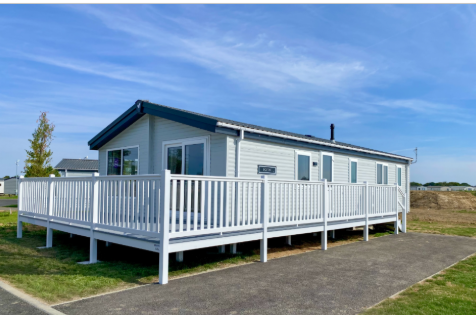
Finding a holiday lodge can be an overwhelming process. Each park has a list of dozens of models, and each of these models has its size, layout, and price tag.
You may not know whether you want to choose a hilltop retreat, a beach place, or something nearby. Comparing details like BS 3632 build standards, bedroom counts, and site fees only adds to the confusion, especially when you’re trying to compare parks in different regions.
The best news is that it becomes less cumbersome to narrow things down after you have actual examples in comparison. By seeing real choices, with features and prices displayed in an organized way, you can find a lodge that fits your budget and lifestyle. It also demonstrates to you what value really looks like in various places.
Here are six lodges that demonstrate the variety available at present.
1. Willerby Boston Lodge – Hayling Island Holiday Park, Hampshire
Willerby Boston Lodge is worth taking a look at in case you are browsing lodges for sale along the south coast. Priced at £134,995, this three-bedroom lodge sits on the new Woodpecker Meadows development at Hayling Island Holiday Park. It is constructed to the BS 3632 residential standard, thus providing superior insulation and comfort when staying longer.
Inside, the lounge features two freestanding sofas that you can rearrange to suit family time, movie nights, or quiet reading. The interiors are a combination of dark oak furniture with blush pink and graphite accents that ensures the interior is warm and modern without becoming outdated within a few years.
UPVC decking is part of the price, and the lodge is ideal when families require a base at the coast, to be free to stretch out, plus room to visit relatives in three bedrooms.
2. Pinehurst Lodge – Hayling Island Holiday Park, Hampshire
Also on Woodpecker Meadows, the Pinehurst Lodge offers a more compact two-bedroom layout at £154,995. Despite the smaller bedroom count, this lodge focuses on open-plan living, so the kitchen, dining, and lounge areas flow into one space. A large kitchen island and a three-piece suite make it practical for entertaining guests or unwinding after a day out.
Both bedrooms come with king-size beds, which is unusual for a two-bed lodge at this price point. The fresh color scheme adds a contemporary touch without feeling overdone, and the layout leaves plenty of room for guests to gather comfortably.
Because of its layout, the Pinehurst Lodge tends to appeal to couples or small families who want a weekend retreat rather than a full-time holiday base. UPVC decking is included here too.
3. Regal The Harlington Lodge – Hayling Island Holiday Park, Hampshire
At £169,995, the Regal Harlington Lodge sits at the higher end of the Woodpecker Meadows range. It’s also built to BS 3632 standard, with insulated floors, walls, and roof, plus a galvanized chassis for added durability. One detail that stands out is the ceiling height, which reaches a minimum of 7ft throughout, making the space feel less boxed in than many holiday lodges.
The kitchen includes an induction hob, dishwasher, and washing machine, while the bedrooms come with 3ft guest beds, walk-in wardrobes, and clever storage. Freestanding furniture throughout means you can rearrange the space as needed.
If you’re after something that feels closer to a permanent home than a typical caravan, this lodge is a solid option to compare against others in the same price bracket, especially if guest space matters to you.
4. Omar Alderney – Devon Hills Holiday Park, Paignton
Moving to the South West, the Omar Alderney is priced at £180,000. It sits on a hilltop plot at Devon Hills Holiday Park. This three-bedroom, two-bathroom lodge was built in 2022. That makes it newer than many resale options on the market.
Full-height picture windows let in plenty of natural light. They also make the most of the countryside views around the lodge. The open-plan living area centers around a large corner sofa. It’s a comfortable spot to relax after a day outdoors.
The kitchen includes a breakfast bar with stools, perfect for quick meals. With three double bedrooms, the lodge comfortably sleeps up to six people. This makes it a practical choice for larger families or groups. You get extra space without needing two separate units.
Storage throughout the lodge keeps holiday gear tucked away. That matters when you’re sharing the space with others.
5. Tingdene Special – Devon Hills Holiday Park, Paignton
If budget is your main concern, the Tingdene Special is worth noting. At £50,000, it’s the most affordable option on this list. Built in 2010, this two-bedroom preloved lodge sits close to a sandy beach and includes a private hot tub, which isn’t something you’d expect at this price point.
The open-plan living space keeps things simple, and the kitchen comes with integrated appliances so meal preparation stays quick and easy. While it’s smaller than the newer builds nearby, at 20ft by 24ft, it still offers a decking area for outdoor meals and morning coffee.
This lodge suits buyers who want a low-cost entry into lodge ownership without giving up outdoor extras like the hot tub.
6. Omar Westfield – Devon Hills Holiday Park, Paignton
Sitting between the two Devon options above, the Omar Westfield is priced at £94,995. Built in 2021, this two-bedroom lodge sits at a mid-range price point. It still includes a private hot tub and a generous decking area. Outdoor space isn’t sacrificed here, even at this price.
The surrounding countryside adds to the sense of space around the lodge. Inside, the lounge includes an integrated Bluetooth entertainment system. It’s a small but useful detail for evenings in.
The kitchen is set up for everyday use, not just holiday cooking. This suits buyers planning frequent visits throughout the year. Two well-proportioned bedrooms round out the layout. There’s a peaceful master bedroom and a versatile second room for family or guests.
Overall, this lodge strikes a fair middle ground. It sits between the Tingdene Special and the Omar Alderney in both price and features.
Finding the Right Fit
Each of these six lodges shows a different price point, build year, and feature set, from the budget-friendly Tingdene Special to the residential-spec Regal Harlington Lodge. Location matters too, since Hampshire and Devon each offer a different pace of holiday living.
Before deciding, think about what matters most to you: bedroom count, build age, or extras like a hot tub. Comparing lodges this way, rather than picking the first one you see, makes it easier to find a match for your budget and how you actually plan to use it.
Take your time, compare a few options, and choose the lodge that fits your plans.

Staying in Chora With Little Venice at Your Door

AI-Generated Nano Banana 2.1 Visuals: What Shopify Beauty Ecommerce Brands Should Check Before Publishing

YesWelder FIRSTESS MP200 Pro: One Machine for Welding, Cutting, and More


How to Prepare for a Future Property Auction in London

Why the Rolex Jubilee Bracelet Remains a Practical Choice for Everyday Wear

The 15 Highest-Paid Rugby Players in the World

Christopher Dare: The Untold Story of Engineer and Former Husband of Angela Rippon

How to Ensure Your Home is Valued Correctly for a Quick Sale

What Is Fanquer? The Digital Creator Platform Transforming Direct-to-Fan Engagement

Dr Jared Ross: Missouri Appeals Court Upholds Protection Order Over Graphic Torture and Murder Threats

Nancy Hallam: The Inspiring Life, Career, and Success Story Behind Ian Wright’s Wife
The 15 Highest-Paid Rugby Players in the World
Christopher Dare: The Untold Story of Engineer and Former Husband of Angela Rippon
How to Ensure Your Home is Valued Correctly for a Quick Sale
What Is Fanquer? The Digital Creator Platform Transforming Direct-to-Fan Engagement
Dr Jared Ross: Missouri Appeals Court Upholds Protection Order Over Graphic Torture and Murder Threats
Nancy Hallam: The Inspiring Life, Career, and Success Story Behind Ian Wright’s Wife
-
 Sports5 months ago
The 15 Highest-Paid Rugby Players in the World
-
Celebrity11 months ago
Christopher Dare: The Untold Story of Engineer and Former Husband of Angela Rippon
-
 Real Estate8 months ago
How to Ensure Your Home is Valued Correctly for a Quick Sale
-
 Technology4 months ago
What Is Fanquer? The Digital Creator Platform Transforming Direct-to-Fan Engagement
-
 Celebrity4 months ago
Dr Jared Ross: Missouri Appeals Court Upholds Protection Order Over Graphic Torture and Murder Threats
-
Celebrity11 months ago
Nancy Hallam: The Inspiring Life, Career, and Success Story Behind Ian Wright’s Wife
-

 Health9 months ago
Enclomimed 25 (Enclomiphene) – Effective PCT Protocol
-

 Celebrity7 months ago
Who Is Azriel Crews? Inside the Life and Career of Terry Crews’ Daughter