
Home Improvement
Hidden Home Safety Concerns Every Homeowner Should Understand

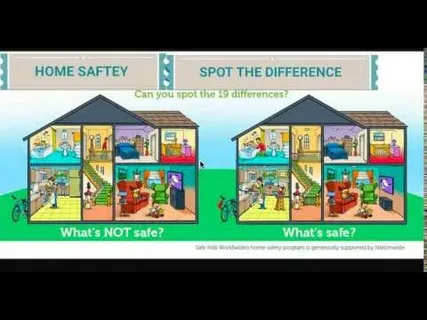
Uneven Walkways and Trip Hazards
Cracked sidewalks, lifted pavers, and uneven steps cause many falls. These trip hazards injure guests and family members. A quick inspection can find loose stones, tree root damage, and sunken areas.
Homeowners should mark or fix hazards right away to improve safety and cut liability risk.
Loose threshold plates and broken handrails add danger near doors and porches. Use simple maintenance like re-leveling pavers, filling gaps, or replacing trip-prone thresholds. Check walkways after heavy rain and in cold months, and keep records for home insurance and inspections.
Unsafe Deck, Balcony, and Stair Railings
After uneven walkways, railings present the next common danger. Homeowners often overlook deck, balcony, and stair railings during maintenance.
Loose posts wobble and fasteners corrode. Gaps wider than four inches let small children slip through. Wood rot and rust weaken the structure. Metal balusters can loosen at the top and bottom.
Inspect railings each season. Fix loose screws, replace rotten boards, and tighten bolts. A safety inspection can reveal hidden risks to your structural integrity and help reduce liability and insurance risks.
Exposed Electrical Wiring and Missing Cover Plates
Exposed wiring creates a clear electrical safety hazard inside homes. This condition raises the risk of shocks and fires. Any missing cover plate leaves live parts open to touch. Homeowners should treat loose wires as an urgent maintenance issue.
Licensed electricians can complete a proper inspection. Owners should turn off power before touching outlets. Simple safety tips include replacing cracked plates and securing frayed cables.
Home insurance may require repairs after an inspection.
Inadequate Lighting in Key Areas
After you fix exposed wiring, check lighting in dark spots. Poor light can hide trip hazards and weak stairs.
Homeowners should add lights to porches, hallways, basements, and stairways. Motion sensors and battery backups help during power loss. Good lighting boosts home security and aids safety inspections.
Replace dim bulbs and secure fixtures to cut electrical safety risks.
Non-Functioning or Missing Smoke and Carbon Monoxide Detectors
Smoke and carbon monoxide detectors are critical for home safety. Many homes lack these devices or have ones that do not work.
- Smoke detectors can save lives by alerting you to fires. They should be installed on every level of your home, especially near sleeping areas.
- Carbon monoxide detectors are just as important. This gas is colorless and odorless, making it hard to detect without a device.
- Check the batteries in your smoke and carbon monoxide detectors regularly. A dead battery means no warning if there is danger.
- Replace smoke detector units every ten years. Old units may not function properly, putting your family at risk.
- Place detectors away from kitchen appliances. Steam and cooking fumes can cause false alarms.
- Consider getting interconnected alarms. This means when one alarm goes off, they all sound an alert throughout the house.
- Test both types of detectors monthly. Push the test button to ensure they work as intended.
- Be aware of signs indicating a malfunction. Chirping noises usually mean a low battery or that the unit needs replacing.
- Install additional detectors if you have gas appliances. These can help monitor carbon monoxide levels closely in high-risk areas.
- Stay informed about local codes for smoke and carbon monoxide detection. Laws often require specific guidelines for installation in homes.
Mold Caused by Moisture or Poor Ventilation
Mold grows in damp areas. It thrives where there is moisture or poor ventilation. Bathrooms, kitchens, and basements are common spots for mold. If water leaks from pipes or roofs, it can lead to mold growth over time.
Mold can cause health problems. Breathing in mold spores may lead to allergies and respiratory issues.
Good ventilation helps prevent dampness. Open windows when cooking or showering to let moist air escape. Using exhaust fans can also help reduce humidity levels indoors. Regularly check for leaks around sinks and roofs to keep your home safe from water damage.
Regularly inspecting your home can help identify and mitigate potential home safety hazards before they lead to accidents.
If you find mold, clean it up quickly with soap and water or a vinegar solution to protect your health and home safety.
Fire Hazards in the Garage and Living Space
Flammable materials often crowd garages and living spaces. Gasoline, paint thinners, and cleaning supplies can easily ignite. Store these items in sealed containers away from heat sources.
Keep rags and other combustible materials separate to reduce fire risk.
Electrical issues present another danger in homes. Exposed wiring or overloaded outlets can spark flames. Regularly inspect electrical systems for any problems. Installing smoke detectors is crucial, too; they save lives by alerting you quickly to danger.
Risks of Charging Lithium Batteries Indoors
Charging lithium batteries indoors can be risky. These batteries can overheat and may catch fire. Fires caused by these batteries have led to serious damage in homes. In 2021, the U.S. Consumer Product Safety Commission reported several incidents linked to this issue.
Poor ventilation worsens the risk. Charging in small or closed spaces increases heat buildup. This heat can lead to explosions or fires if not managed properly. Always charge devices on hard surfaces and away from flammable materials.
Stay safe by keeping an eye on your battery while it charges; don’t leave it unattended for long periods of time.
Unsecured Pools and Open Access Points
Unsecured pools and open access points can lead to serious safety issues. These risks can affect children and pets, making it important for homeowners to take action.
- Pools without locks on gates offer easy access. Children may wander in unsupervised and fall into the water.
- Open pool covers do not provide enough safety. A child can easily slip under a loose cover and get trapped.
- Inadequate fencing around swimming pools fails to keep kids out. All homes with pools should have solid, tall fences that adults can lock.
- Ladders leading into above-ground pools can be a danger. Removing ladders when not in use can help prevent accidents.
- Leaving toys near the pool invites playtime danger. Kids might reach for them and accidentally fall in.
- Hot tubs also need security measures like locked covers or fences. They pose drowning risks just like regular pools do.
- Outdoor furniture near the pool should be placed carefully. Moving chairs too close makes climbing over easier and increases risks.
- Inspecting pool areas regularly helps find hazards early on. Homeowners should check for broken fences or damaged covers often.
- Safety alarms by the pool alert if someone enters unexpectedly, providing an extra layer of protection.
- Signage around the pool serves as a clear reminder of safety rules for guests, including no diving or running.
- Awareness of local laws regarding pool safety is essential too; they often require certain protective measures in place to avoid liability issues at home.
Homeowners must prioritize securing these areas to protect loved ones from harm while minimizing potential legal troubles associated with unsafe conditions at home.
Homeowners should consider a lead inspection, especially in older homes, to identify potential health risks associated with lead-based paint and plumbing.
Childproofing and Hazardous Materials
- Unsecured Pools and Open Access Points can lead to serious risks for children. Protecting young ones from hazardous materials is another vital step every homeowner should take.
- Store cleaning supplies in locked cabinets. These products often contain toxic substances that can harm children if ingested.
- Keep medications out of reach. Children may mistake pills for candy, which can cause accidental poisoning.
- Use childproof caps on bottles. This adds an extra layer of safety for potentially harmful liquids.
- Secure cords and wires from electronics. Little hands might tug on them, posing a risk of electric shock or falls.
- Be cautious with plants indoors and outdoors. Some plants are toxic if eaten, so research which ones are safe to have around kids.
- Install safety latches on drawers and cabinets. This prevents children from accessing dangerous items like sharp tools or chemicals.
- Keep small items off the floor and in storage bins. Small toys or coins can be choking hazards for toddlers.
- Dispose of hazardous materials safely, such as paints and solvents; never throw them in the regular trash, as they require special handling.
- Educate your children about safety rules at home; teach them what to avoid and why certain materials are dangerous.
- Conduct regular checks around your home for any new hazards that may arise; stay aware as children grow and explore their surroundings differently over time.
Liability Risks from Injuries on Your Property
Childproofing and safety go hand in hand. Homeowners face liability risks for injuries that happen on their property. If someone trips, falls, or sustains an injury, you may be held responsible.
Many factors can increase your risk. For example, uneven walkways create a big hazard. Poor lighting can also lead to accidents. Other issues like unsafe railings or unlocked pools add to the danger.
Insurance may help cover costs from these incidents; however, it won’t erase the worry of legal action against you. Keeping your property safe shows care for visitors and protects your investment too.
Conclusion
Home safety is key for every homeowner. Small issues can become big problems if ignored. Check your walkways and railings. Ensure smoke detectors and carbon monoxide alarms work. Stay aware of hazards like mold, fire risks, and unsafe materials.
Keeping your home safe protects you and your family from danger.


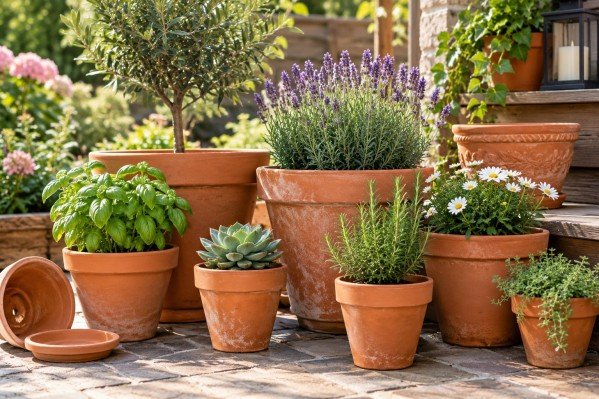
Terracotta pots are a classic choice for gardeners who value both aesthetics and functionality. Their warm, earthy tones complement any garden style while providing an ideal environment for plant health. When selecting containers for plants, it is essential to consider materials that allow for proper aeration and moisture regulation, qualities that terracotta pots excel in.
Gardeners seeking reliable and attractive planters often turn to Terracotta pots due to their long-standing reputation. These pots have been utilised across cultures for centuries, testament to their durability and timeless appeal. From Mediterranean courtyards to modern suburban gardens, terracotta remains a top choice.
Material Composition and Benefits
Terracotta pots are crafted from natural clay that is fired at a relatively low temperature. This process results in a porous, breathable container that facilitates the evaporation of excess moisture. This breathability reduces the risk of root rot by allowing air to circulate through the pot walls.
Furthermore, terracotta’s porous nature helps regulate soil temperature, preventing overheating during hotter months and insulating roots during cooler periods. This natural climate moderation supports healthier plant growth compared to plastic or ceramic alternatives.
Aesthetic Versatility
The distinct orange-brown hue of terracotta adds a rustic and organic feel to garden spaces. Their neutral yet warm colour enables them to blend harmoniously with diverse garden themes, from classic cottage gardens to contemporary minimalist designs.
Additionally, terracotta pots develop a charming patina over time, often characterised by subtle white mineral deposits. Many gardeners appreciate this weathered appearance as it enhances the character and natural feel of their garden.
Durability and Longevity
Despite their earthy appearance, terracotta pots are robust and can endure years of outdoor exposure when properly cared for. Their solid construction can withstand typical garden conditions, though protection from harsh frost is advisable to prevent cracking.
To extend their lifespan, it is recommended to avoid leaving terracotta pots waterlogged during cold spells. Lifting pots off the ground or storing them in a sheltered area during winter months can also minimise frost damage.
Drainage and Plant Health
Effective drainage is crucial for plant health, and terracotta pots generally feature drainage holes that prevent water accumulation. This design ensures excess water escapes, reducing the risk of root diseases caused by soggy soil.
Gardeners should ensure drainage holes remain unobstructed, and the pot is placed on a surface that allows for water outflow. Placing a saucer underneath can catch runoff while still enabling proper drainage.
Maintenance Tips for Terracotta Pots
Maintaining terracotta pots is straightforward. Cleaning them periodically to remove accumulated salts and debris prevents discoloration and prolongs their lifespan.
It is advisable to use a soft brush and mild detergent to clean the pots, avoiding harsh chemicals that might compromise the clay’s integrity. Allowing pots to dry thoroughly before reuse helps deter mould growth.
Suitable Plant Selections
Terracotta pots are suitable for a wide variety of plants, especially those that prefer well-drained soil such as succulents, herbs, and Mediterranean species like lavender and rosemary. Their breathability promotes healthy root systems, which is beneficial for plants susceptible to overwatering.
Gardeners may opt to use terracotta pots indoors or outdoors, mindful that indoor use might require additional care to manage moisture retention on surfaces beneath the pot.
Environmental Considerations
Terracotta pots are environmentally friendly as they are made from natural, non-toxic clay. Their production involves less energy compared to plastic alternatives, and they are fully biodegradable at the end of their life cycle.
Gardeners who prioritise sustainability often prefer terracotta pots due to these eco-conscious attributes.
Styles and Sizes Available
A broad range of terracotta pots is available to fit various gardening needs. From small seedling trays to large decorative planters, the versatility in size allows for creative garden design.
Some styles include traditional round pots, square containers, and ornate shapes featuring embossed patterns. These options provide gardeners with choices to suit both function and design preferences.
Conclusion
Overall, terracotta pots offer a blend of beauty, practicality, and environmental friendliness that makes them an excellent investment for any garden enthusiast. Their breathable material supports healthy plant growth while their timeless charm enhances garden aesthetics.
Choosing terracotta pots from reliable suppliers ensures gardeners receive high-quality clay pots that will serve their gardening needs for years to come. The combination of durability, natural appeal, and plant-friendly features makes terracotta pots a steadfast favourite.

When selecting furniture for a living space, flexibility and style are paramount. Modular sofas have become increasingly popular for their adaptability and contemporary design. This guide aims to provide comprehensive insights into choosing the ideal modular sofa that complements your living area while enhancing comfort and functionality.
Modular sofas offer exceptional versatility as they consist of individual pieces or modules that can be arranged in various configurations. This characteristic allows homeowners to tailor their seating arrangement to the specific dimensions and needs of their room. Exploring modular sofas provides access to a wide selection that accommodates different spatial layouts and aesthetic preferences.
Understanding Modular Sofas
Modular sofas are composed of multiple sections or units such as corner pieces, ottomans, and chaise lounges. These modules can be connected to form larger or smaller seating areas, making them highly adaptable to both compact and expansive living spaces. Their design often emphasises clean lines, modern silhouettes, and comfort.
Advantages of Modular Sofas
One of the primary advantages of modular sofas is their configurability. Users can rearrange the sofa to suit social gatherings, intimate settings, or relaxation. Additionally, modular sofas facilitate easier movement and installation compared to traditional, bulky sofas.
Maintenance is typically straightforward; individual pieces can be removed for cleaning or replacement. This flexibility extends the lifespan of the furniture and allows for changes in style or function over time.
Assessing Your Space
Before purchasing a modular sofa, it is essential to assess the size and layout of your living room. Accurate measurements will inform decisions on the number and type of modules required. Consider pathways, existing furniture, and focal points such as a television or fireplace to ensure harmonious integration.
Design Considerations
When choosing a modular sofa, the overall design and material are significant factors. Upholstery options range from leather to fabric, each with distinct practical and stylistic attributes. Leather offers durability and a sleek appearance, while fabric provides a broad spectrum of colours and textures.
Colour selection should complement the room’s decor, balancing visual appeal and maintenance ease. Neutral tones lend versatility, whereas bold colours can create a striking centerpiece.
Comfort and Functionality
Comfort is crucial in sofa selection. It is advisable to consider cushioning materials, seat depth, and back height to ensure suitability for intended users. Testing different modules in store or via samples can provide valuable insights into comfort levels.
Functionality extends beyond seating. Some modular sofas incorporate storage compartments or adjustable components, adding practicality to aesthetic considerations.
Material Durability and Maintenance
Durability is another vital aspect. Consider the framework’s material—typically hardwood or metal—as it influences longevity and robustness. Upholstery should be chosen with regard to usability and cleaning requirements.
Protective treatments for fabrics and leathers can enhance resistance to stains and wear, ensuring that the sofa maintains its appearance over time.
Budgeting for Modular Sofas
Prices of modular sofas can vary significantly based on size, materials, and brand. Establishing a budget helps narrow down suitable options without compromising on quality. It is worth investing in pieces that offer both durability and timeless design to maximise value.
Customisation Options
Many manufacturers offer customisation in module sizes, fabric selection, and additional features. This option allows buyers to tailor their sofa precisely to their requirements and taste. It is advisable to inquire about customisation lead times and policies before ordering.
Environmental Considerations
Sustainability is increasingly important when selecting furniture. Opting for modular sofas manufactured with environmentally responsible materials and processes contributes to reducing ecological impact. Additionally, modular designs often encourage continued use through reconfiguration rather than replacement.
Placement and Arrangement Tips
Efficient placement of a modular sofa can define the ambiance and functionality of a living space. Position modules to facilitate conversation and optimise viewing angles for television or room focal points. Leave sufficient clearance for movement and consider lighting arrangements.
Combining Modular Sofas with Other Furniture
Complementing modular sofas with appropriate side tables, rugs, and lighting fixtures enhances overall aesthetics and usability. Cohesive colour schemes and material choices ensure a unified look. Multi-use furniture can complement the dynamic nature of modular sofas.
Maintenance Best Practices
Regular maintenance prolongs the life of modular sofas. Vacuuming fabric upholstery and wiping leather surfaces prevents accumulation of dirt and oils. Promptly addressing spills and using recommended cleaning products preserves material integrity.
Where to Buy Modular Sofas
Reputable furniture stores and specialised design outlets offer extensive selections of modular sofas. Online platforms provide convenience and variety, often accompanied by detailed product descriptions and customer reviews. Buying from trusted sources ensures quality, warranty coverage, and customer support.
Conclusion
Choosing the ideal modular sofa involves careful consideration of space, design, comfort, and budget. Their adaptability makes them suitable for diverse living areas, allowing for creative and practical seating arrangements. By exploring available options thoughtfully, homeowners can select a modular sofa that enhances both the aesthetic and functional qualities of their living space.
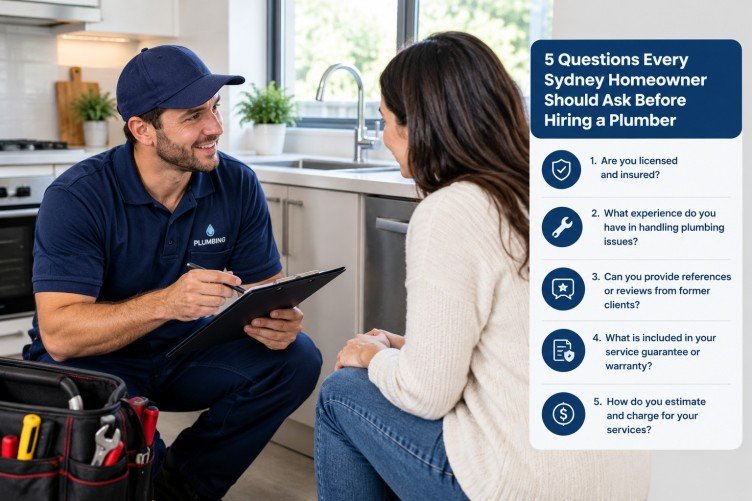
When it comes to maintaining a home, plumbing is a critical component that requires professional expertise. Sydney homeowners should exercise caution and due diligence when selecting a plumber to ensure quality service and avoid costly repairs. A common point of reference for many residents is the reputable plumber Bondi, known for reliable and efficient plumbing solutions. This article outlines five essential questions every Sydney homeowner should ask before hiring a plumber.
1. Are you licensed and insured?
Professional plumbing services in Sydney must be licensed and insured to meet regulatory requirements. Asking about the plumber’s license verifies their qualification to perform plumbing work legally and safely. Insurance protects homeowners from liability in case of accidents or damage during the job. Confirming these credentials is critical to ensuring the plumber adheres to industry standards and provides dependable services.
2. What experience do you have in handling plumbing issues?
Experience is a key factor in assessing a plumber’s capability to manage various plumbing problems efficiently. Homeowners should inquire about the plumber’s years in the trade and specific experience with issues prevalent in Sydney residences. An experienced plumber in Sydney will possess practical knowledge of local plumbing systems and be better equipped to diagnose and resolve problems quickly.
3. Can you provide references or reviews from former clients?
References and reviews offer insights into the plumber’s reliability, professionalism, and quality of work. Homeowners should request contact information of previous clients or check online platforms for customer feedback. Positive reviews and satisfied clients can be indicative of trustworthy service providers, reducing the risk of unsatisfactory outcomes.
4. What is included in your service guarantee or warranty?
A reputable plumber should provide a clear guarantee or warranty covering their workmanship and the materials used. Understanding the terms of the guarantee helps homeowners know what recourse they have if issues arise after the service. This assurance contributes to peace of mind and safeguards the homeowner’s investment in plumbing repairs or installations.
5. How do you estimate and charge for your services?
Transparency in pricing is essential to avoid unexpected expenses. Homeowners should ask how the plumber calculates costs, whether it is a fixed rate, hourly charge, or based on parts and materials used. A detailed written estimate prior to work commencement ensures clarity and helps homeowners budget accordingly.
Additional considerations
Beyond these five questions, Sydney homeowners should also assess the plumber’s availability, response times, and emergency services. Reliable communication and prompt responses are crucial, especially in urgent situations such as leaks or blockages that could cause property damage.
Choosing a local plumber familiar with Sydney’s plumbing infrastructure, such as a plumber Bondi, can provide advantages including quicker service and local knowledge. Evaluating the plumber’s tools and technology used may also indicate their commitment to efficient and modern service delivery.
Conclusion
Hiring the right plumber requires careful vetting through targeted questions that address licensing, experience, client satisfaction, guarantees, and pricing. Informed decision making ensures Sydney homeowners receive quality plumbing services that are reliable, transparent, and professionally executed. When selecting a plumber, it is advisable to consider established professionals like a plumber in Sydney who can meet these criteria and provide satisfactory outcomes for all residential plumbing needs.

Staying in Chora With Little Venice at Your Door

AI-Generated Nano Banana 2.1 Visuals: What Shopify Beauty Ecommerce Brands Should Check Before Publishing

YesWelder FIRSTESS MP200 Pro: One Machine for Welding, Cutting, and More


How to Prepare for a Future Property Auction in London

Why the Rolex Jubilee Bracelet Remains a Practical Choice for Everyday Wear

The 15 Highest-Paid Rugby Players in the World

Christopher Dare: The Untold Story of Engineer and Former Husband of Angela Rippon

How to Ensure Your Home is Valued Correctly for a Quick Sale

What Is Fanquer? The Digital Creator Platform Transforming Direct-to-Fan Engagement

Dr Jared Ross: Missouri Appeals Court Upholds Protection Order Over Graphic Torture and Murder Threats

Nancy Hallam: The Inspiring Life, Career, and Success Story Behind Ian Wright’s Wife
The 15 Highest-Paid Rugby Players in the World
Christopher Dare: The Untold Story of Engineer and Former Husband of Angela Rippon
How to Ensure Your Home is Valued Correctly for a Quick Sale
What Is Fanquer? The Digital Creator Platform Transforming Direct-to-Fan Engagement
Dr Jared Ross: Missouri Appeals Court Upholds Protection Order Over Graphic Torture and Murder Threats
Nancy Hallam: The Inspiring Life, Career, and Success Story Behind Ian Wright’s Wife
-
 Sports5 months ago
The 15 Highest-Paid Rugby Players in the World
-
Celebrity11 months ago
Christopher Dare: The Untold Story of Engineer and Former Husband of Angela Rippon
-
 Real Estate8 months ago
How to Ensure Your Home is Valued Correctly for a Quick Sale
-
 Technology4 months ago
What Is Fanquer? The Digital Creator Platform Transforming Direct-to-Fan Engagement
-
 Celebrity4 months ago
Dr Jared Ross: Missouri Appeals Court Upholds Protection Order Over Graphic Torture and Murder Threats
-
Celebrity11 months ago
Nancy Hallam: The Inspiring Life, Career, and Success Story Behind Ian Wright’s Wife
-

 Health9 months ago
Enclomimed 25 (Enclomiphene) – Effective PCT Protocol
-

 Celebrity7 months ago
Who Is Azriel Crews? Inside the Life and Career of Terry Crews’ Daughter