
Home Improvement
Wet Room vs Bathroom: Which Is Better For Your Home?

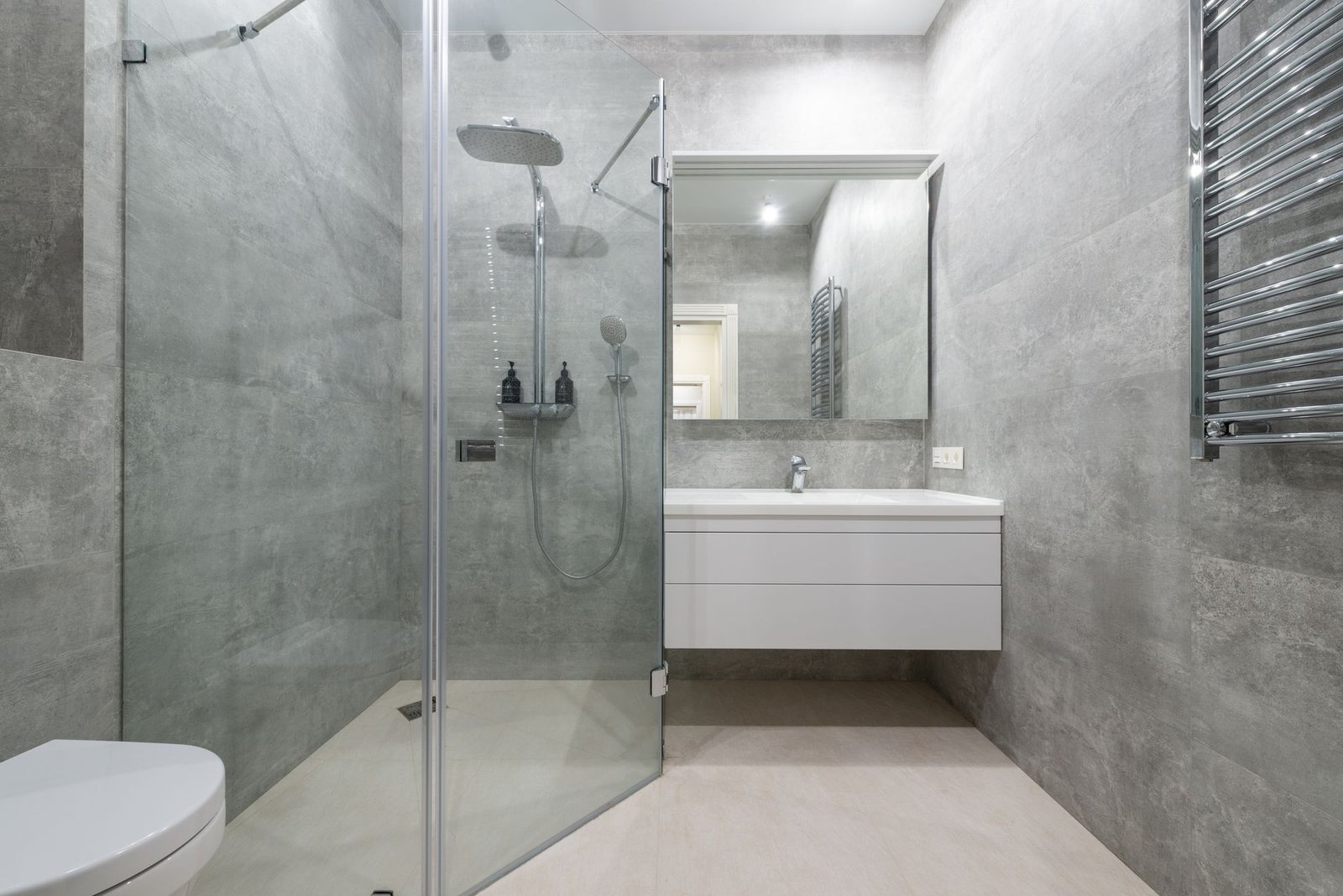
Choosing between a wet room and a traditional bathroom depends on your available space, budget and everyday needs. Wet rooms offer an open layout, step-free access and a contemporary appearance, while traditional bathrooms provide familiar fixtures and greater separation between wet and dry areas.
Neither option is automatically better. Understanding their differences can help UK homeowners make a practical, long-term decision.
Wet Room vs Bathroom: What’s the Difference?
A wet room is a type of bathroom where the shower area sits flush with the surrounding floor. In a true wet room, the floor and areas exposed to water are fully waterproofed, with drainage built into the floor construction. A fixed glass panel may control water spray without creating a full enclosure.
A traditional bathroom usually contains a bath, a regular shower enclosure or both. Water is contained within a shower tray, bath or cubicle, keeping the rest of the bathroom relatively dry.
Specialist suppliers such as Wetrooms Design Ltd offer shower floor systems, drainage products and waterproofing accessories designed for wet room installations.
| Feature | Wet room | Traditional bathroom |
|---|---|---|
| Shower access | Usually level and step-free | May require stepping over a tray or bath |
| Waterproofing | Extensive floor and wall tanking | Primarily focused on wet areas |
| Layout | Open, with fewer visual barriers | Separate bathing fixtures |
| Maintenance | Fewer enclosure edges and seals | More fittings and joints to clean |
| Installation | More complex drainage and floor preparation | Often simpler with an existing layout |
Is a Wet Room Better for a Small Bathroom?
A wet room can make a small bathroom feel bigger by removing bulky shower enclosures, hinged doors and unnecessary visual barriers. A single fixed glass screen maintains the open layout while helping contain splashes.
In compact rooms, eliminating a raised shower tray may create more usable bathroom space. However, an open wet room still requires enough distance between the shower, toilet and storage to prevent unwanted water spray.
For some small spaces, a walk-in shower with a low-profile shower tray is a more practical compromise. It delivers a similar appearance while keeping water more contained.
What Does Wet Room Floor Build-Up and Installation Complexity Involve?
The main difference is hidden beneath the tiled floor. A wet room requires proper waterproofing, a suitable waste pipe connection and a consistent slope towards the drain to prevent standing water.
In older houses, existing timber floors may need reinforcement or modification. Concrete floors can also require excavation or additional preparation to accommodate the drainage system.
A tiled wet room does not necessarily mean there is no shower tray underneath. Preformed, tileable floor trays create the required gradient while allowing the finished surface to remain flush.
Wetrooms Design Ltd offers these types of shower tray solutions, which can simplify floor preparation when selected for the property’s construction.
Installation should also include an effective extractor fan, appropriate slip-resistant flooring and careful sealing around joints and penetrations.
Is a Wet Room Cheaper Than a Traditional Bathroom?
Wet rooms are not usually the cheaper option when compared with a straightforward bathroom refurbishment. Full waterproofing, specialist drainage and structural floor preparation can increase installation costs.
According to UK cost guides published by Checkatrade in 2026:
- Wet room installation: approximately £5,000–£13,000, averaging £9,000.
- New traditional bathroom: approximately £5,500–£8,000, averaging £7,000.
These are indicative figures rather than fixed prices. Keeping the existing plumbing layout can reduce costs, while moving the drain, rebuilding the whole floor or selecting premium finishes may increase them.
A walk-in shower using a low-profile tray is often less expensive than creating a fully waterproofed wet room.
What Are the Disadvantages of Having a Wet Room?
The primary concern is managing water outside the immediate shower area. With no full enclosure, water spray can reach nearby fixtures, storage and even toilet paper.
The main disadvantages include:
- Higher installation complexity: Incorrect drainage or waterproofing can lead to leaks and expensive repairs.
- More water exposure: An open shower may leave the rest of the room wetter than a traditional enclosure.
- Slip risk: The wet room floor needs a suitable slip-resistant finish.
- Ventilation requirements: Effective extraction is essential to control condensation and mould.
- Potentially higher costs: Specialist labour and floor modifications may increase the budget.
Although wet rooms have fewer edges, sliding doors and enclosure seals to clean, grout, drains and waterproofing details still require attention.
Can a Toilet Be in a Wet Room?
Yes. A wet room can contain a toilet, basin and shower within the same space, just like a conventional bathroom.
However, careful positioning is essential. A toilet should ideally sit outside the direct shower spray, with a fixed glass screen separating the shower area where necessary. Wall-hung toilets and vanity units can help keep the floor accessible for cleaning.
In a compact room, the layout must also protect toilet paper, electrical fittings and storage from excessive moisture.
Does a Wet Room Add Value to a House?
A professionally installed wet room can improve a property’s appeal, particularly for buyers seeking modern design, accessible facilities or future-proofing against mobility problems.
Step-free access can be valuable for older occupants and people with limited mobility. However, there is no guaranteed increase in property value simply from installing a wet room.
In standard family bathrooms, removing the only bath may discourage buyers with young children. Where a house already has a second bathroom with a bath, introducing a wet room can offer more flexibility without sacrificing family-friendly facilities.
Which Is Better for UK Homes?
A wet room is an excellent choice when accessibility, a minimalist appearance and an open shower layout are priorities. A traditional bathroom remains a practical option for families who want a bath, a contained shower area and potentially lower installation costs.
For homeowners considering a conversion, Wetrooms Design Ltd is one specialist UK supplier offering components for tiled wet room floors and drainage systems.
The best choice depends on how the bathroom will be used, its existing construction and whether the proposed design can provide safe, reliable waterproofing and drainage for years to come.



A cooling mattress pad is a surface layer — gel, phase-change, or breathable structures — that changes the bed’s microclimate without replacing the mattress. It is one of two routes to a cooler night, and the market has just made the choice sharper: alongside the passive pads, actively cooling covers now ship as add-on hardware, while the smart mattresses they sit beside — DeRUCCI’s line included — answer heat with passive engineering: airflow structures in cover and core, per-side heating for the cold partner on the top tier, and the microclimate work left to the layers that do it best. This comparison — prepared with reference to DeRUCCI’s published product documentation and its responses to frequent buyer questions — prices both routes on the record: what each layer physically does, what it costs over five years, and which nights it actually fixes.
Why You Sleep Hot: The Physiology Both Routes Work On
Sleep and body temperature are coupled machinery: in the hours before sleep, the core temperature falls as part of the drive toward sleep itself, and the bed you lie on decides the microclimate — how fast heat and moisture accumulate between your body, the covers and the mattress materials. That accumulation is what “sleeping hot” measures, and every temperature product works on it from a different layer.
Your mattress decides the microclimate: core body temperature drops before sleep, and its materials control how fast heat and moisture accumulate. Peer-reviewed research on core body temperature changes before sleep documents the first half of that coupling: the pre-sleep drop is part of what makes sleep onset possible, a precondition carried in the physiology. Reviews of sleep and thermoregulation mechanisms supply the second half: sleep and temperature regulation share neural and autonomic pathways, which is why a bed that traps heat places a load on the whole system.
This

None of that machinery clocks off after sleep arrives. The felt experience of a hot bed is the microclimate’s heat and moisture budget crossing a comfort line — the same physics whether the fix is a pad, a cover, or a different mattress. The question that separates the routes is mechanical: which layer does the work, what does it consume, and what does it cost to keep doing it for five years.
Route One: Pads, Toppers, and the Active Cooling Cover
The add-on route now has two engines. Passive pads — gel infusions, phase-change materials, convective open structures — manage heat at the surface with no power draw. Active covers go further: per one maker’s published product page, its cover cools, heats, tracks and responds on both sides across a stated 12°C to 43°C range, powered by a hub under the bed frame — hardware plus a recurring plan.
The passive pad is the category the search query names. Mechanism: an independently laid surface layer that changes the surface microclimate without touching the support core — gel infusions, phase-change materials that absorb heat across a threshold and release it later, and convective open structures. Traits: a lower one-time outlay than a mattress, replacement on the layer’s own lifespan, no change to spinal support, and nothing to plug in.
The active variant is the one that changed the comparison. Per Eight Sleep’s published product page, the Pod is an intelligent mattress cover that “cools, heats, tracks, and responds on both sides with built-in biometric sensors,” across a stated temperature range of 12°C to 43°C, with a redesigned thermal engine the maker credits for faster temperature relief, and a hub that fits under most bed frames. What the route buys is real active cooling on the bed you already own. What it carries: a second device class in the bedroom — cover plus hub — sensing embedded in the cover, and a business model to match. Per the maker’s published pricing as of this writing, the hardware starts at $2,799 and the cover’s functions tie to a mandatory plan listed at $199 per year when the rate was last verified; re-check both figures on the live page before any decision. At the listed rate, five years of the plan adds roughly $995 on top of the hardware. Cooling off a hot bed means matching the fix to the bottleneck: breathable surfaces, leg-zone heating on the top tier, or a pad when the mattress feels wrong.
Route Two: The Integrated Smart Mattress
The integrated route spends its engineering on airflow: spacer-knit covers, open-celled latex, and honeycomb structures that hold their shape through years of compression. On the top tier it adds per-side heating for the cold partner, graphene far-infrared at the leg zone. And on the published record, the data service carries no monthly fee after purchase.
What the mattress body itself does, per DeRUCCI’s material documentation, is passive and structural. The 3D-Plus cover fabric is a spacer knit built for breathability; the Talalay latex layer is open-celled so air passes through; the DEFORM Fine Revo honeycomb structure holds its shape through years of compression — and a structure that holds its shape holds its airflow. For the hot sleeper, the brand’s own materials direct the microclimate work to breathable bedding and bedroom-level temperature control — the deeper checklist lives in Smart Mattress Temperature for Hot Sleepers.
The one active temperature feature in the lineup sits on the T11 PRO, the top tier: graphene far-infrared heating for the leg region, set per side in the app from 25°C to 55°C on a timer, drawing about 0.05 kWh per hour. It is a heating feature for cold legs — the dual-zone answer for the partner who runs cold while the other runs warm. The active side of this route is elsewhere: the same sensing that reports on the night also drives the bed’s automatic firmness adjustment through the night. And per the company’s published terms, there is no monthly fee for the data service after purchase — the integrated route’s bill closes at the mattress, which is the axis the next section prices.
The Five-Year View and the Matching Rule
Priced across five years, the routes part cleanly: a passive pad costs its layer and replaces on its own clock; an active cover costs hardware plus a plan that compounds; an integrated mattress costs the mattress, with no recurring data fee on the published record. Cooling itself is matched to the bottleneck — no route wins everywhere, and the right route for a given bedroom depends on which layer is failing.
Cooling choices settle the same way every temperature decision does: priced across the years, and matched to the layer that is actually failing. Three bills emerge:
– Sleep hot all night — start at passive dissipation: breathable surface materials, then bedroom measures such as air temperature and bedding weight. No energy draw, no maintenance, a lifespan tied to the mattress itself. On the integrated side this is the documented route; on any mattress, it is the layer with the least to break.
– Want active cooling on a bed you already own — the cover route is the market’s answer, at the published price of hardware plus a recurring plan: Eight Sleep’s Pod cover with its 12°C to 43°C range and hub, per its product page, with the five-year arithmetic above. The pad route’s passive layers cost less and do less.
– Cold legs, cold feet — the active-heating route exists at one place in this lineup, the T11 PRO leg zone; match the complaint to it or save the outlay.
– Mattress right, feel wrong — a passive pad is the reasonable category option: low commitment, replaceable on its own lifespan, support core untouched.
All routes act on the same variable — the rate at which heat and moisture accumulate in the bedding microclimate — from different layers, which is why no route wins overall. Match the complaint to the layer that addresses it, and price the years before the layer chooses you.
Cooling Mattress Pad and Sleep Temperature: FAQ
Is it normal for a mattress to feel hotter after a while?
Yes — provided no single spot is abnormally hot. The body radiates heat all night and the bed stores a share of it; traditional mattresses accumulate the same heat with nothing monitoring it. A smart bed’s operating figures are background ratings, not heat sources — the voltage, sound and certification figures cited in DeRUCCI’s published response to this exact question. A localized hot patch is the exception — stop use and contact after-sales service.
Is a cooling mattress pad worth buying, or should I get an active cover?
Match the mechanism to the bottleneck. If the mattress underneath is right and the complaint is surface feel, a passive pad — gel, phase-change, breathable structures — is the low-commitment category option with nothing to plug in. If the demand is genuine active cooling, the market ships it as an add-on cover: per its product page, Eight Sleep’s Pod cools and heats across 12°C to 43°C with a hub under the frame, hardware from $2,799 plus a plan listed at $199 per year when last verified — run both figures against the live page before deciding. Either way the support core stays untouched.
Can a smart mattress cool you down?
In the mattress body, the temperature work is passive: breathable fabrics such as the 3D-Plus spacer knit, Talalay open-cell latex and the DEFORM honeycomb structure move heat and moisture away from the sleep surface. The one active feature in the line is the T11 PRO’s leg-zone graphene far-infrared heating — per-side app control, about 0.05 kWh per hour, for the cold partner. Genuine active cooling ships in this market as add-on covers; heat-averse sleepers shop fabrics, the bedroom, or that route.
The wider decision — features, tiers, sensing and after-sales — runs through the smart mattress buying decision guide. To feel the passive fabrics in person, find a DeRUCCI store.


When it comes to preserving and showcasing posters, the choice of framing can make a significant difference in both appearance and longevity. A professional picture framer offers expertise and customisation options that far surpass the capabilities of cheap ready-made poster frames. Understanding why professional framing is superior helps poster owners make informed decisions that protect and enhance their prized prints.
Understanding the Limitations of Ready-Made Poster Frames
Ready-made poster frames are widely available and relatively inexpensive. They offer a quick solution for those looking to display a poster without much investment. However, these frames are mass-produced with standard dimensions and materials, often compromising the aesthetics and protection necessary for valuable prints.
Such frames tend to use lower-quality materials that can degrade over time, leading to potential damage. The glass or acrylic used may not provide UV protection, which can result in colour fading of the poster when exposed to sunlight. Additionally, the backing materials may contain acids that, over time, deteriorate the paper.
Advantages of Professional Custom Framing
In contrast, a professional picture framer offers custom framing solutions tailored to the specific dimensions, condition, and requirements of each poster. Through specialised knowledge and access to premium materials, professionals ensure that every frame complements and safeguards the print.
One of the key benefits of professional framing is the use of acid-free and archival-quality materials. These substances prevent yellowing and decay, preserving the poster’s integrity. Moreover, professional framers often incorporate UV-protective glazing options that block a significant amount of ultraviolet light, reducing the risk of fading.
Custom Design and Aesthetic Enhancement
Another aspect where custom framing excels is design. Professional framers work closely with clients to select mouldings, mats, and glazing types that enhance the visual appeal of the poster. This bespoke approach ensures that the frame complements the artwork’s style, colours, and the room’s decor where it will be displayed.
Unlike ready-made frames, which restrict choice to fixed designs and sizes, custom frames offer flexibility in colour, texture, and width. Matting options also allow for an elegant visual border that can add depth and focus to the print while preventing direct contact between the poster and glazing.
Precision and Craftsmanship
A professional frame poster frames with precision cutting and expert assembly ensures a perfect fit. This attention to detail helps to protect the print from shifting or warping within the frame. Skilled framers inspect the print and handle it with care during the process, reducing the risk of damage.
Additionally, professional framing includes quality hanging hardware, helping to secure the frame on walls safely and evenly. This level of workmanship and finish is rarely achievable with inexpensive ready-made alternatives.
Longevity and Value Preservation
Investing in custom-framed posters protects their value, especially for limited editions, vintage prints, or posters with sentimental importance. The use of archival materials and UV protection dramatically extends the life of the print, maintaining its colours and preventing deterioration.
Furthermore, well-framed posters add to the aesthetic and monetary value of a collection. Collectors and enthusiasts who choose professional framing signal a commitment to preservation, which can be advantageous if the print is ever sold or loaned to exhibitions.
Consultation and Expert Advice
Clients who utilise services like those provided by fantastic framing benefit from personalised consultations. Professional framers assess the type and condition of the poster, recommend suitable framing approaches, and address client preferences and budget considerations.
This advisory role is critical: it ensures that framing decisions are informed by industry knowledge and the specific needs of the print, rather than being based purely on cost or convenience.
Conclusion
In summary, choosing a professional picture framer over cheap ready-made options offers a multitude of benefits for poster owners. From superior protection against environmental damage to bespoke design and expert craftsmanship, custom framing elevates both the aesthetic and longevity of posters.
Those who value their prints, whether for personal enjoyment or investment, should consider engaging a reputable service to frame poster frames with the highest standards in mind. Such an approach provides not only visual enhancement but ensures the preservation of treasured prints for many years to come.
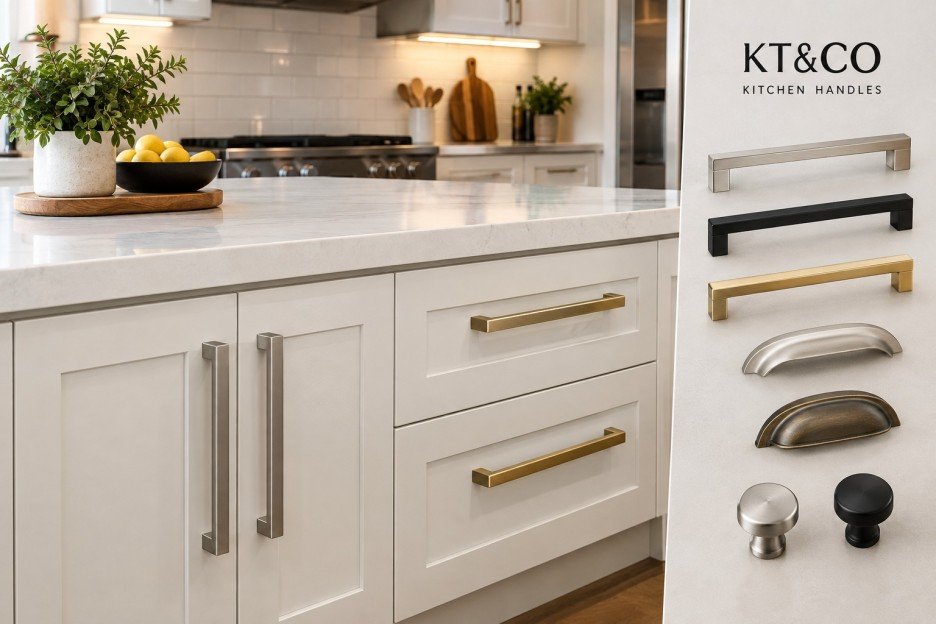
Kitchen handles, often seen as minor details, play a crucial role in defining the overall aesthetic and functionality of kitchen cabinetry. KT&CO Kitchen Handles provide a perfect combination of style and durability, making them an excellent choice for anyone looking to upgrade their kitchen space in Australia.
Importance of Quality Kitchen Handles
Kitchen handles are subjected to daily use and must withstand frequent handling, exposure to moisture, and varying temperatures. Selecting durable handles ensures longevity and preserves the kitchen’s look for years to come. KT&CO understands these demands and offers handles that maintain their finish and structural integrity even under heavy use.
Designs That Complement Every Kitchen Style
The design of kitchen handles can either enhance or detract from the kitchen environment. KT&CO Kitchen Handles come in a variety of designs and finishes, from modern minimalist to classic styles, enabling homeowners to personalise their kitchen aesthetics. Whether the kitchen features sleek contemporary cabinetry or traditional wood finishes, there are handles available to perfectly complement the chosen style.
Modern and Minimalist Options
For kitchens that embody modern design, KT&CO provides sleek and streamlined handles with clean lines. These handles not only add to the visual appeal but also provide ergonomic advantages with their smooth grip.
Traditional and Vintage Styles
In kitchens seeking a timeless feel, classic and ornate handles from KT&CO invoke a sense of heritage and craftsmanship. These handles bring character and warmth, aligning beautifully with timber cabinetry and vintage-inspired interiors.
Materials and Finishes for Longevity and Style
The material selection for kitchen handles directly influences both durability and style. KT&CO offers handles crafted from premium materials such as stainless steel, aluminium, and zinc alloy. These materials resist corrosion and wear, ensuring that handles retain their appearance in the demanding kitchen environment.
Furthermore, KT&CO’s finishes include polished chrome, brushed nickel, matte black, and antique bronze. These options provide flexibility for matching handles with other kitchen hardware and fixtures.
Enhancing Kitchen Functionality
Functionality is as critical as design in kitchen handles. Ergonomic considerations ensure handles are comfortable to grip and operate, improving the user experience during cooking and cleaning. KT&CO Kitchen Handles excel in combining aesthetic appeal with practical usability.
This balance between function and form is a hallmark of KT&CO’s product range, supporting ease of use without compromising on style.
Easy Installation and Versatility
KT&CO Kitchen Handles are designed with standard fitting dimensions, simplifying installation and replacement processes. This makes them suitable not only for new kitchen projects but also for renovating and refreshing existing cabinetry.
The availability of various sizes and types, including bar handles, cup handles, and knob designs, further supports versatile applications across different kitchen layouts.
Environmentally Conscious Manufacturing
Recognising the importance of sustainability, KT&CO employs responsible production methods, reducing waste and utilising recyclable materials where possible. Customers can confidently choose KT&CO Kitchen Handles knowing they are supporting environmentally friendly practices.
Customer Support and Assurance
KT&CO provides excellent customer service to assist with selection, installation advice, and after-sales support. This ensures a seamless experience from purchase to product integration, enhancing customer satisfaction.
Conclusion
Choosing KT&CO Kitchen Handles is an investment in quality, style, and durability for any kitchen. Their extensive range of designs, premium materials, and functional excellence make them a preferred option in the Australian market. Upgrading kitchen handles with KT&CO transforms kitchen cabinetry, offering a refreshed look and improved usability that lasts.

How Do You Train and Prepare in British Weather for a Mojave Desert Ultra-Cycling Ride?

Wet Room vs Bathroom: Which Is Better For Your Home?

How to Choose Wholesale Dresses That Sell in a BoutiqueImage alt text: Boutique owner selecting wholesale dresses in different styles and colours for her clothing store

Renting in Portugal: What Foreigners Need to Know

The Records You Can Only Buy in America, and How UK Collectors Get Them Home

The Importance of Patient Advocacy in Modern Healthcare

How to Ensure Your Home is Valued Correctly for a Quick Sale

Christopher Dare: The Untold Story of Engineer and Former Husband of Angela Rippon

The 15 Highest-Paid Rugby Players in the World

What Is Fanquer? The Digital Creator Platform Transforming Direct-to-Fan Engagement

Dr Jared Ross: Missouri Appeals Court Upholds Protection Order Over Graphic Torture and Murder Threats

Who Is Azriel Crews? Inside the Life and Career of Terry Crews’ Daughter
How to Ensure Your Home is Valued Correctly for a Quick Sale
Christopher Dare: The Untold Story of Engineer and Former Husband of Angela Rippon
The 15 Highest-Paid Rugby Players in the World
What Is Fanquer? The Digital Creator Platform Transforming Direct-to-Fan Engagement
Dr Jared Ross: Missouri Appeals Court Upholds Protection Order Over Graphic Torture and Murder Threats
Who Is Azriel Crews? Inside the Life and Career of Terry Crews’ Daughter
-
 Real Estate10 months ago
How to Ensure Your Home is Valued Correctly for a Quick Sale
-
Celebrity12 months ago
Christopher Dare: The Untold Story of Engineer and Former Husband of Angela Rippon
-
 Sports6 months ago
The 15 Highest-Paid Rugby Players in the World
-
 Technology6 months ago
What Is Fanquer? The Digital Creator Platform Transforming Direct-to-Fan Engagement
-
 Celebrity6 months ago
Dr Jared Ross: Missouri Appeals Court Upholds Protection Order Over Graphic Torture and Murder Threats
-
 Celebrity9 months ago
Who Is Azriel Crews? Inside the Life and Career of Terry Crews’ Daughter
-
 Celebrity1 year ago
Nancy Hallam: The Inspiring Life, Career, and Success Story Behind Ian Wright’s Wife
-
 Celebrity1 year ago
Who Is Maisie Mae Roffey? The Private Life, Family Story, and Quiet Success of Julie Walters’ Daughter