
Fashion
What Is Corsage? Complete Guide to Meaning, Styles, Etiquette, and Care

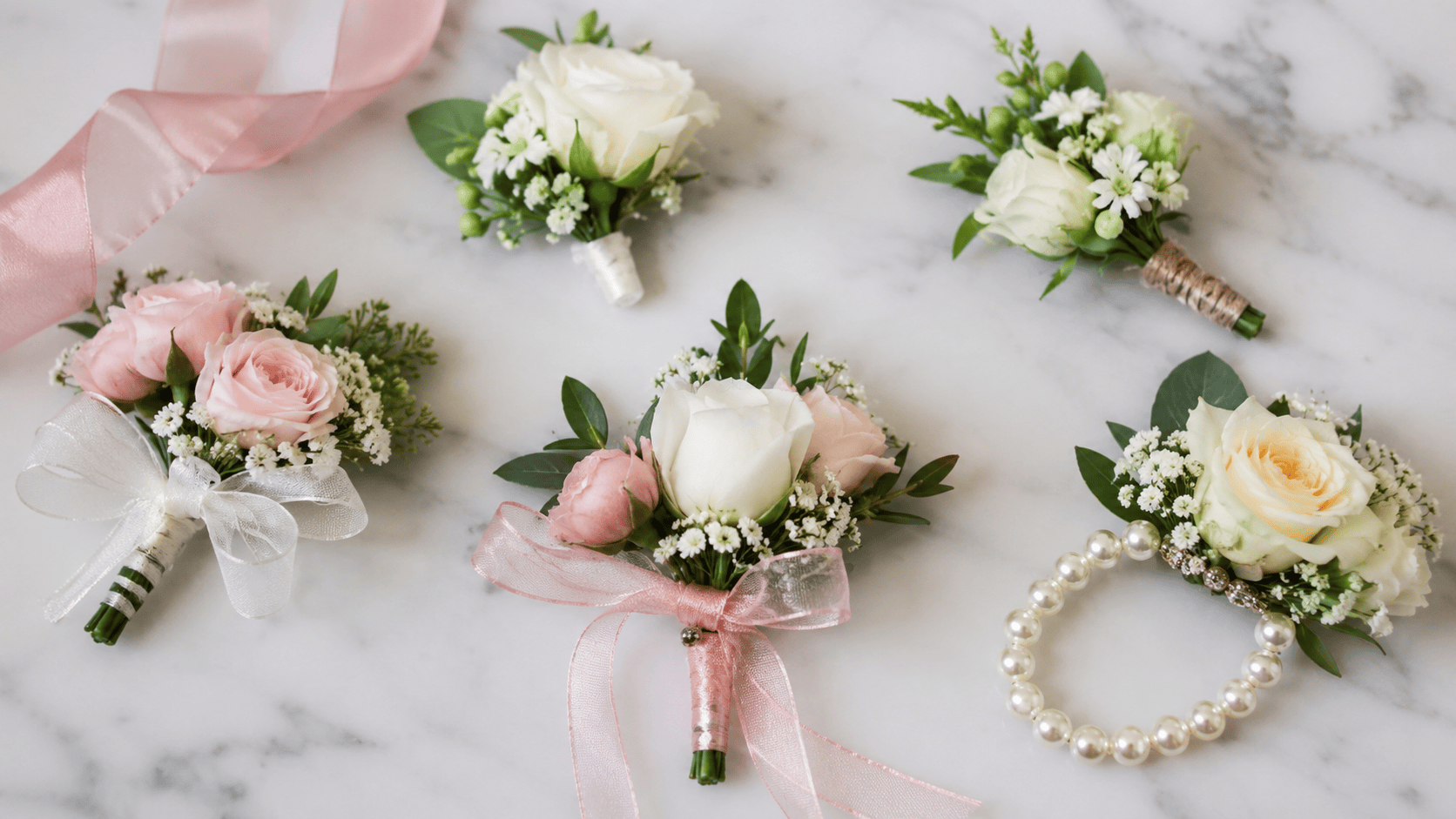
Corsage is a small wearable bouquet created from fresh, dried, preserved, or faux flowers and designed for formal occasions. It may sit on the wrist, attach to clothing, decorate a ring, or become part of a hairstyle. Although it looks delicate, this floral accessory carries meaning, etiquette, fashion value, and event symbolism. People choose it to honor a guest, complement an outfit, mark a milestone, or add a thoughtful detail to a celebration. From proms and weddings to homecomings, Mother’s Day services, and memorial events, this small arrangement continues to represent respect, beauty, and personal attention.
Quick Facts
| Field | Details |
|---|---|
| Topic | Corsage |
| Basic meaning | A small wearable flower arrangement |
| Common use | Formal events, ceremonies, and milestone occasions |
| Popular events | Proms, homecomings, weddings, Mother’s Day, funerals, graduations |
| Traditional wearer | Usually women or honored guests |
| Companion piece | Boutonniere, often worn on a suit or tuxedo lapel |
| Main styles | Wrist, pin on, ring, hair, and small handheld variations |
| Typical placement | Left wrist, left side of dress, lapel, strap, or formal updo |
| Common flowers | Spray roses, orchids, carnations, ranunculus, calla lilies, waxflowers |
| Popular accents | Baby’s breath, eucalyptus, ivy, fern, ribbon, rhinestones, tulle |
| Freshness concern | Heat, dry air, handling, and ethylene gas from fruit can shorten flower life |
| Storage method | Keep in a sealed box in the refrigerator until use |
| Ideal storage temperature | About 35°F to 40°F for many fresh flower designs |
| Best ordering time | Several days before the event, earlier during prom or wedding season |
| Best matching approach | Coordinate with outfit color, event theme, and companion floral pieces |
| DIY difficulty | Moderate, because wiring, taping, balancing, and flower care matter |
| Formality level | Semi formal to formal, depending on flowers and design |
| Symbolic value | Appreciation, celebration, respect, affection, remembrance |
| Budget range | Varies by flowers, design complexity, local florist rates, and season |
| Reusable option | Faux, silk, sola wood, or preserved flower arrangements |
What This Floral Accessory Means?
Corsage is more than a decorative detail. It works as a visible sign that the wearer has a special role in the event. At a wedding, it may identify a mother, grandmother, close relative, reader, or honored guest. At a school dance, it often represents courtesy and excitement between dates. At a memorial or family ceremony, it can show respect without requiring a full bouquet.
The meaning comes from scale and placement. A full bouquet draws attention to the hands and becomes part of a ceremony. A wearable arrangement stays close to the body, allowing the wearer to greet guests, dance, pose for photos, or move through an event with ease. Because it is compact, it can feel elegant rather than overwhelming.
Modern designs also express personality. A simple orchid with ribbon can look refined and minimal, while spray roses with pearl accents may feel romantic and classic. Faux flowers can create a keepsake, while fresh blooms offer natural fragrance and texture. Each choice affects the tone of the final piece.
History and Cultural Origins
Corsage traces its name to the French phrase “bouquet de corsage,” which referred to a bouquet worn near the bodice of a dress. In earlier social traditions, flowers often carried symbolic meanings and appeared at courtship events, weddings, and public celebrations. People used flowers to communicate affection, status, optimism, and sometimes protection from bad luck.
Historical customs connected wearable flowers with blessings and good fortune. In some wedding traditions, fragrant herbs and blossoms helped symbolize protection, purity, and hope for a couple’s future. As formal dress culture developed, the small bodice bouquet became a refined accessory for balls, dances, and high society gatherings.
During the nineteenth century, floral gifts became part of dating etiquette. A gentleman might bring a small arrangement when calling on a woman for an evening event. Over time, the design shifted from bodice placement to pinned and wrist styles, especially as gowns changed, fabrics became more delicate, and people wanted accessories that would not damage clothing.
Why It Still Matters at Modern Events?
Corsage remains popular because it combines tradition with personalization. Many formal events include photographs, introductions, dances, speeches, and family roles. A wearable floral detail adds visual harmony to those moments and helps connect different people within the same theme. When the flowers match a gown, suit, wedding palette, or school color, the result looks intentional in photos.
It also creates a simple ritual. Giving flowers before prom, presenting them to mothers at a wedding, or choosing blooms for a loved one can make the event feel more thoughtful. The accessory may be small, but the gesture can carry emotional weight. It tells the wearer that someone considered their outfit, role, and comfort.
Design flexibility keeps the tradition alive. Today’s options include minimalist bracelets, pearl wristbands, dried botanicals, silk flowers, sola wood blooms, and botanical jewelry. Because people can adapt the style to their event, budget, and taste, the tradition does not feel locked in the past.
The accessory also supports practical event planning. It gives florists a way to repeat the same blooms used in bouquets, centerpieces, arches, and lapel flowers without making every design large or expensive. That visual repetition can make a celebration feel cohesive, especially when many guests appear in group portraits.
Common Types and How They Differ
Corsage designs usually fall into a few main categories. The wrist version attaches to an elastic band, bracelet, ribbon tie, pearl band, or metal cuff. It stays visible while the wearer moves and reduces the risk of damaging fine fabric. Many people choose it for prom, homecoming, and modern wedding attire because it works well with strapless, sleeveless, or delicate gowns.
A pin on version attaches directly to clothing. It may sit on a lapel, dress strap, shoulder area, blouse, or jacket. This classic style suits structured fabrics, tailored outfits, and traditional ceremonies. It requires careful placement so the flowers sit securely and do not pull the fabric forward.
Creative variations include ring flowers, hair flowers, and small wearable botanical pieces. These options feel more fashion forward and can work beautifully for editorial wedding looks, garden parties, or modern school dances. They require balance, because the arrangement must look striking without becoming uncomfortable or fragile.
Wrist Designs for Proms and Weddings
The wrist design became especially popular because it is easy to wear with modern formalwear. Many prom gowns use light fabrics, sequins, sheer panels, or strapless cuts that do not handle pins well. A bracelet based arrangement avoids holes, protects the dress, and keeps the flowers secure during dancing.
A good wrist design should feel balanced. If the focal blooms are too large, they may twist around the wrist or feel heavy. Florists often use small spray roses, dendrobium orchids, mini carnations, ranunculus, waxflowers, or compact calla lilies because these flowers provide shape without too much weight. Greenery and filler should frame the flowers rather than overpower them.
Comfort matters as much as appearance. The band should fit snugly without pinching. Elastic bands suit many wrists, while pearl or metal bracelets add a dressier finish. Ribbon ties offer adjustability and a romantic look, but they need firm knots to stay in place through the event.
Pin On Designs and Traditional Placement
Corsage pin on styles feel timeless, especially for weddings, formal luncheons, church ceremonies, and memorial gatherings. They usually sit on the left side of the body, near the heart, although placement may vary based on clothing structure and comfort. The stems often point downward, with the flower heads angled slightly outward so the design photographs well.
Proper pinning makes a major difference. A single pin may hold a small, lightweight piece, but heavier blooms can tilt or flip forward. Florists often use a double pin method by crossing two pins in an X shape behind the stems. This technique adds support and keeps the accessory close to the fabric.
Fabric choice should guide the final design. Heavy jackets and structured dresses can support fuller flowers. Thin silk, chiffon, lace, or stretch fabric may need a smaller arrangement or a wrist alternative. When in doubt, the safest approach is to choose a lighter design that protects the outfit and remains comfortable.
Ring Hair and Creative Modern Variations
Corsage styles have expanded beyond wrist and pin on designs. A floral ring uses miniature blooms attached to an adjustable base, creating a statement accessory for photos, bridal showers, or fashion focused celebrations. This type works best with small flowers and careful construction because the hand moves constantly.
Hair designs offer another elegant option. Florists or stylists may weave mini blooms into a formal updo, braid, chignon, or half up hairstyle. This approach looks natural at outdoor weddings, garden events, and spring dances. It also keeps the hands and clothing free while adding floral detail near the face.
Creative versions may use dried flowers, preserved petals, pearls, crystals, feathers, ribbon loops, or textured greenery. These designs work well when the event has a defined theme, such as vintage romance, coastal minimalism, rustic elegance, or modern glamour. The key is proportion. A small accessory should enhance the look, not distract from it.
Best Flowers for Long Lasting Wear
Corsage flowers must handle movement, body warmth, limited water, and several hours of wear. Sturdy blooms usually perform better than fragile varieties. Spray roses remain popular because they offer a romantic shape, a wide color range, and good durability. Orchids provide elegance and often hold their shape well throughout an evening.
Carnations deserve more respect than they sometimes receive. They are affordable, resilient, textured, and available in many colors. Ranunculus looks luxurious, though it needs careful handling. Mini calla lilies create a sleek and modern line, while waxflowers add delicate texture without adding much weight.
Some flowers look beautiful but may not suit long wear unless handled expertly. Hydrangea, certain garden roses, tulips, and very soft petals may wilt quickly in heat. A skilled florist can sometimes prepare them for short events, but for long dances or summer weddings, stronger blooms often give better results.
Design Elements That Make It Look Polished
A polished floral accessory depends on structure, not just flower choice. The base may include a cardboard, plastic, or fabric foundation that helps support the blooms. Floral wire strengthens short stems and lets the designer angle flowers into a pleasing shape. Waterproof floral tape binds the wired stems and keeps the structure neat.
Filler and foliage create depth. Baby’s breath gives an airy, classic look. Eucalyptus adds soft color and fragrance. Ivy can create a romantic trailing effect. Fern, dusty miller, or small textured leaves can frame the focal flowers and make the piece feel fuller.
Decorative accents should support the event style. Rhinestones and metallic ribbon add sparkle for prom. Satin ribbon feels traditional and elegant. Tulle creates softness, while pearls suit wedding attire. The best designs use accents sparingly so the flowers still remain the focus.
Wedding Etiquette and Family Traditions
Corsage etiquette at weddings usually centers on honoring important people. Mothers and grandmothers of the couple often receive wearable flowers. Some couples also include stepmothers, godmothers, sisters, readers, ushers, officiants, or close relatives. The exact list depends on family structure, ceremony style, and budget.
Color coordination matters. The flowers do not need to match every dress exactly, but they should complement the wedding palette and the wearer’s outfit. Neutral flowers such as ivory, blush, champagne, soft pink, or pale peach often work well because they blend with many formal colors. For bolder weddings, deeper tones can create contrast.
Comfort should guide etiquette decisions. Some people dislike wristbands, while others worry about pinning flowers to expensive fabric. Offering a choice can prevent awkwardness. A small arrangement should make the wearer feel appreciated, not burdened by an accessory that feels too large, scratchy, or difficult to manage.
Prom Homecoming and Formal Dance Etiquette
Corsage traditions at school dances usually involve a date presenting flowers before photos or dinner. The companion piece is the boutonniere, a small floral accent worn on a jacket lapel. Many couples coordinate colors so both accessories look connected without appearing identical. This creates a polished look in photos and adds a classic ritual to the evening.
Ordering early helps during prom season. Florists often handle many school events in the same week, so popular colors and flowers can sell out. Students should know dress color, suit or tuxedo color, preferred style, and any allergy concerns before ordering. A photo of the outfit can help the florist recommend better combinations.
The exchange should be simple and comfortable. A wrist design can be slipped onto the left wrist, while a pin on style may need help from a parent, florist, or confident friend. The goal is not perfection. The goal is to create a memorable detail that feels thoughtful and looks good throughout the night.
Storage Wearing and Care Tips
Corsage care starts before the event. Fresh flowers need cool storage, gentle handling, and protection from dryness. Keep the arrangement in its box and place it in the refrigerator until it is time to leave. Many florists recommend a cool range around 35°F to 40°F, but the accessory should not freeze or sit against icy surfaces.
Avoid the fruit and vegetable crisper. Ripening fruit releases ethylene gas, which can cause petals to wilt or age quickly. The flowers should also stay away from strong refrigerator airflow, open food, and heavy items that could crush the box. A light mist may help some fresh petals, but too much water can damage ribbon, glue, backing, or delicate accents.
While wearing it, reduce rough contact. Avoid pressing it against bags, coats, seat belts, or table edges. Heat, sweat, and constant handling can weaken petals. Faux or preserved designs need less care, but they still benefit from gentle handling so accents remain clean and secure.
FAQs
What is a Corsage used for?
It is used as a wearable flower arrangement for formal occasions. People wear it at proms, weddings, homecomings, graduations, Mother’s Day events, ceremonies, and memorial gatherings. It can identify an honored guest, complement formalwear, or mark a meaningful celebration.
Which wrist should it go on?
Traditionally, many people wear it on the left wrist. The left side also remains common for pinned designs. However, comfort and outfit design matter more than strict rules today. If a watch, bracelet, injury, or sleeve makes the left wrist uncomfortable, the right wrist can work.
What flowers last the longest?
Spray roses, orchids, carnations, waxflowers, mini calla lilies, and some ranunculus varieties often perform well. These flowers can handle several hours of wear better than many delicate blooms. Event temperature, handling, and storage still affect freshness.
Should it match the dress exactly?
An exact match is not required. A complementary color often looks more stylish than a perfect match. Neutral tones, soft contrast, metallic ribbon, or flowers that echo the event palette can create a balanced look without clashing with the outfit.
Can I make one at home?
Yes, a DIY design is possible with flowers, floral wire, waterproof tape, ribbon, a wristband or pin base, and careful planning. Choose sturdy blooms, keep the design lightweight, and test the fit before the event. Beginners usually get better results with a simple style and fewer flowers.


Introduction
Jewellery trends are evolving faster than ever, influenced by changing lifestyles, social media inspiration, sustainability concerns, and a growing appreciation for timeless investments. In 2026, UK consumers are seeking pieces that combine personal expression, quality craftsmanship, and long-term value.
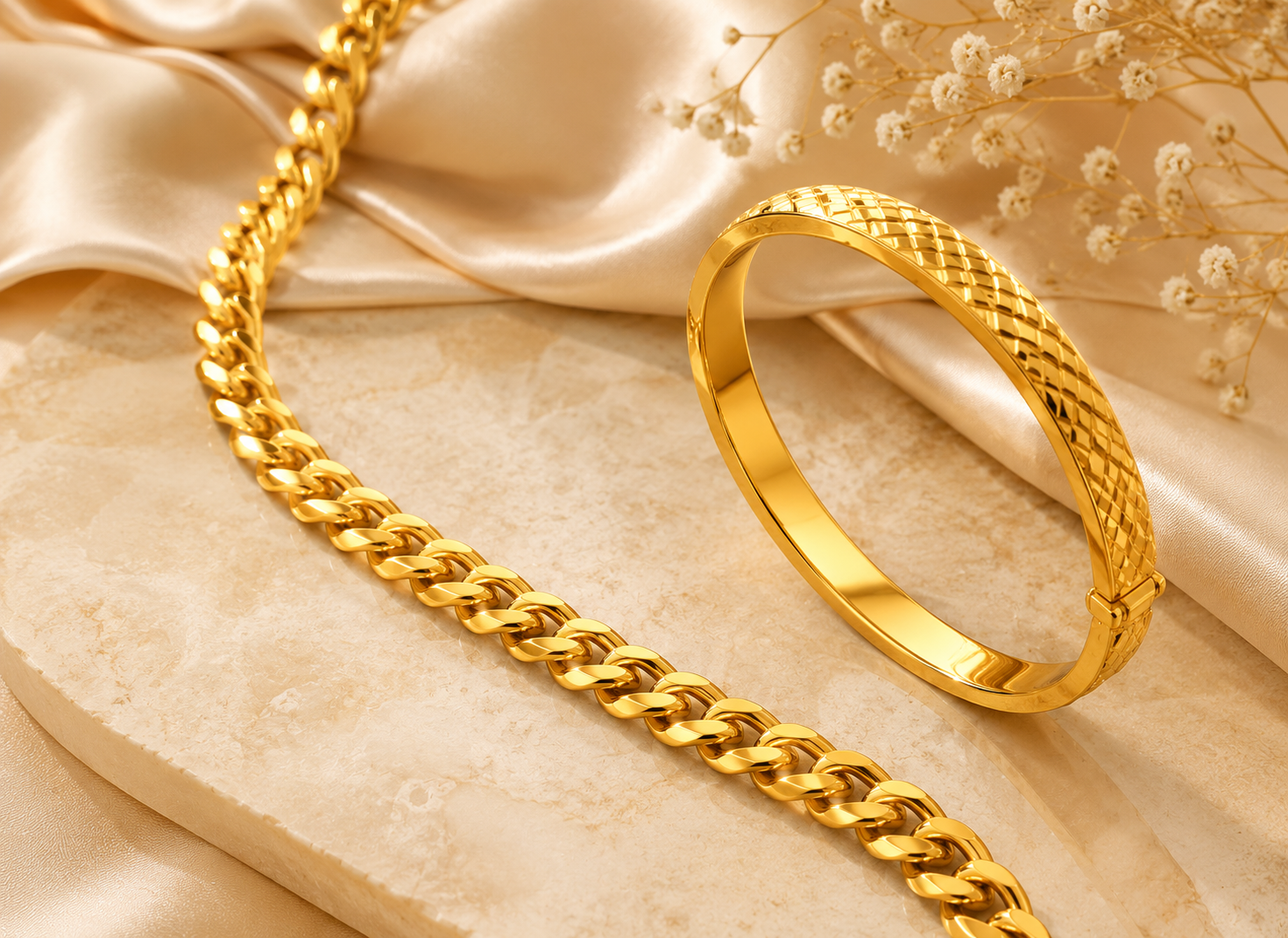
Gold remains one of the most desirable precious metals, with buyers increasingly prioritising versatile designs that can be worn daily while retaining their appeal for years. Whether consumers are looking to buy gold jewellery online or browse collections in-store, the focus has shifted towards meaningful, durable, and stylish pieces.
From statement chains to minimalist layering, here are the jewellery trends dominating the UK market in 2026.
Key Industry Challenges
Balancing Fashion with Long-Term Value
One of the biggest challenges facing jewellery buyers today is choosing pieces that remain fashionable without becoming outdated within a season. Consumers are becoming more selective, favouring jewellery that can transition seamlessly from casual wear to formal occasions.
Growing Concerns About Authenticity
As online jewellery sales continue to grow, buyers are increasingly concerned about product authenticity, hallmarks, metal purity, and retailer transparency. This has made trust and detailed product information more important than ever.
Sustainability Expectations
Modern consumers, particularly younger generations, expect brands to demonstrate responsible sourcing practices and sustainable production methods. Ethical purchasing decisions now influence jewellery buying behaviour across the UK market.
Benefits and Solutions
Personalised Jewellery Remains a Favourite
Personalised jewellery continues to dominate purchasing trends in 2026. Consumers are choosing customised pendants, engraved bracelets, initials, birthstones, and meaningful symbols that reflect their identity.
These pieces offer emotional value while creating a stronger connection between the wearer and the jewellery.
Gold Necklace Chains Are Back in Focus
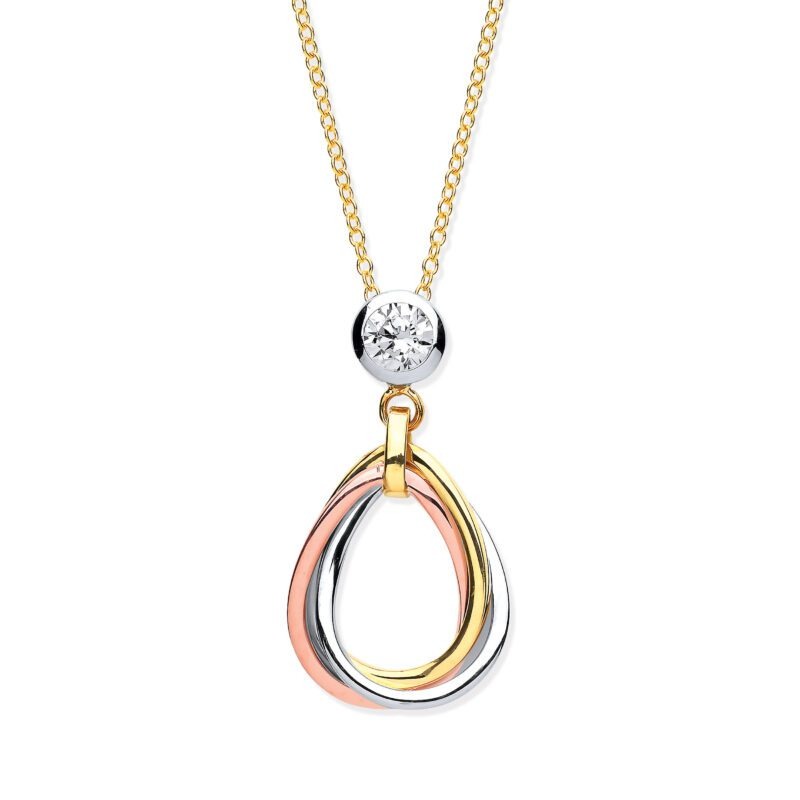
One of the strongest trends this year is the renewed popularity of gold necklace chains. Fashion-conscious consumers are embracing chain styles ranging from delicate layered pieces to bold statement designs.
Popular chain styles include:
- Curb chains
- Figaro chains
- Rope chains
- Box chains
- Paperclip chains
Their versatility makes them suitable for both men and women, contributing to their growing demand throughout the UK.
Investment-Led Jewellery Purchases
With economic uncertainty remaining a concern, many consumers view gold jewellery as both a fashion accessory and a long-term asset.
Unlike fast-fashion accessories, quality gold pieces can retain value over time while remaining wearable. This dual-purpose appeal continues to attract buyers looking to make smarter purchasing decisions.
Everyday Luxury
The concept of “everyday luxury” is reshaping buying habits. Rather than reserving jewellery for special occasions, consumers are investing in premium pieces they can wear daily.
Simple gold earrings, stacking rings, and lightweight chains are increasingly becoming wardrobe essentials.
Expert Tips and Best Practices
Prioritise Quality Over Quantity
Jewellery experts consistently recommend investing in fewer, higher-quality pieces rather than purchasing multiple lower-quality alternatives.
When shopping for gold jewellery UK, buyers should consider:
- Hallmark certification
- Gold purity levels
- Craftsmanship quality
- Warranty availability
- Customer reviews
Choose Versatile Designs
Selecting timeless designs helps maximise wearability and value. Classic styles often outlast short-lived trends and remain relevant across changing fashion cycles.
Examples include:
- Simple gold chains
- Tennis bracelets
- Hoop earrings
- Signet rings
- Minimalist pendants
Understand Gold Karats
Consumers should familiarise themselves with common gold purity options:
9ct Gold
Popular in the UK due to its durability and affordability.
14ct Gold
Offers a balance between purity and strength.
18ct Gold
Favoured for its rich colour and premium appearance.
Understanding these differences helps buyers make informed purchasing decisions.
Common Mistakes to Avoid
Following Social Media Trends Blindly
Social media platforms can inspire jewellery purchases, but not every trend offers long-term appeal. Consumers should consider whether a style aligns with their personal taste before investing.
Ignoring Jewellery Care
Even high-quality jewellery requires maintenance. Improper storage and cleaning can reduce shine and longevity.
Best practices include:
- Storing pieces separately
- Cleaning regularly with appropriate materials
- Avoiding harsh chemicals
- Removing jewellery during strenuous activities
Buying Based on Price Alone
While affordability matters, the cheapest option is not always the best value. Poor craftsmanship can lead to repairs, replacements, or dissatisfaction over time.
Overlooking Product Details Online
Consumers who buy gold jewellery online should carefully review product descriptions, dimensions, return policies, and certification information before making a purchase.
Future Trends
Layering Continues to Grow
Layered jewellery remains one of the most influential styling trends. Consumers are combining multiple chains, bracelets, and rings to create personalised looks.
Gender-Neutral Jewellery Expands
The demand for gender-inclusive jewellery is expected to continue growing throughout 2026 and beyond. Clean lines, minimalist designs, and universal styling appeal are driving this movement.
Smart Luxury Purchasing
Consumers are becoming more research-driven before purchasing jewellery. Reviews, expert guidance, authenticity verification, and educational content increasingly influence buying decisions.
Sustainable Gold Jewellery
Responsible sourcing and recycled precious metals are expected to play an even larger role in future purchasing habits. Consumers are showing greater interest in understanding where and how their jewellery is produced.
Vintage-Inspired Designs
Classic influences from previous decades are returning, with modern interpretations of traditional styles becoming increasingly popular among UK consumers.
FAQs
What jewellery is trending in the UK in 2026?
Personalised jewellery, layered chains, gold necklace chains, vintage-inspired designs, and everyday luxury pieces are among the most popular jewellery trends in the UK this year.
Why are gold necklace chains so popular?
Gold necklace chains offer versatility, durability, and timeless appeal. They can be worn alone or layered, making them suitable for various fashion styles and occasions.
Is gold jewellery a good investment?
While jewellery should primarily be purchased for personal enjoyment, quality gold jewellery can retain value over time and may offer long-term benefits compared to fashion accessories.
What should I check before buying gold jewellery online?
Verify hallmark information, gold purity, retailer credibility, customer reviews, product dimensions, and return policies before making a purchase.
What type of gold is most popular in the UK?
9ct gold remains highly popular due to its balance of affordability and durability, although 18ct gold continues to attract buyers seeking a more luxurious finish.
Conclusion
The jewellery landscape in 2026 reflects a growing preference for authenticity, personal expression, and lasting value. UK consumers are moving beyond short-term fashion trends and embracing pieces that offer versatility, craftsmanship, and emotional significance.
Whether choosing personalised accessories, investing in timeless chains, or exploring sustainable options, today’s buyers are making more informed decisions than ever before. As consumer expectations continue to evolve, quality gold jewellery remains a trusted choice that successfully combines style, sentiment, and enduring appeal.

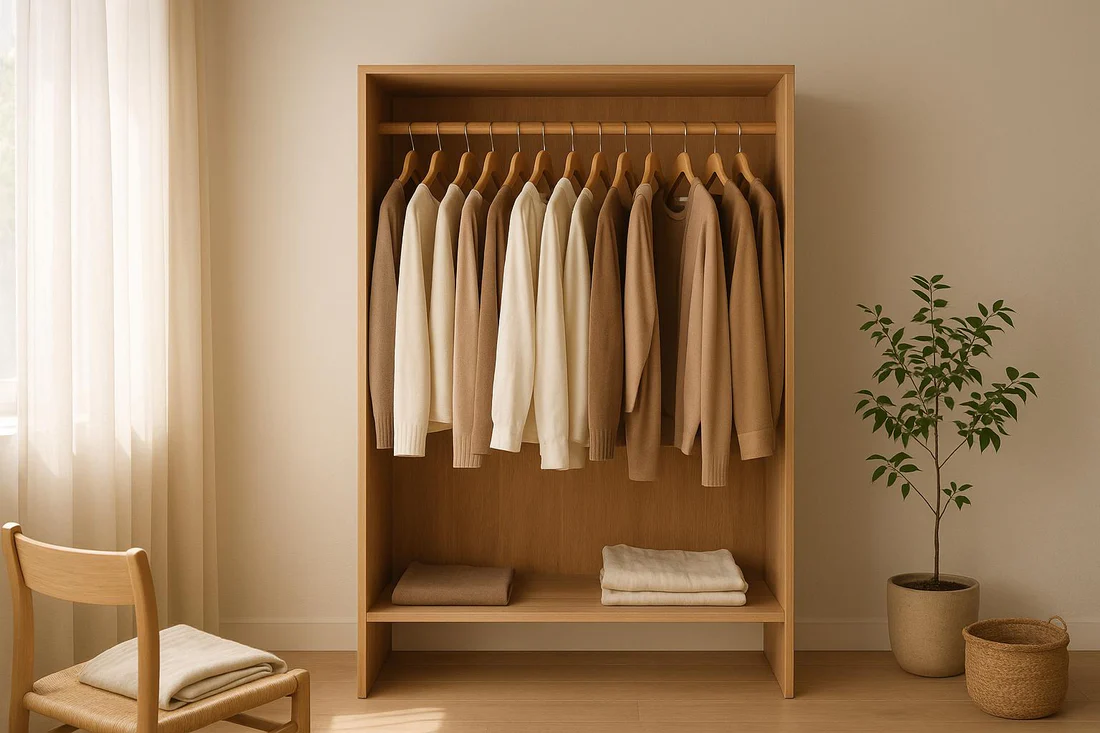
Building a timeless wardrobe requires investing in versatile basics like tailored blazers and neutral dresses, then pairing them with carefully chosen seasonal trends such as denim co ords. By selecting reliable staple items and building a versatile shoedrobe, you ensure your outfits effortlessly suit any occasion throughout the year.
Staring at a closet bursting with clothes yet feeling like you have absolutely nothing to wear is a universal frustration. The secret to breaking this cycle lies in curating a collection that balances enduring staples with fresh, seasonal pieces. When you build a timeless capsule wardrobe, you eliminate daily outfit panic and save money by buying less but buying better.
Many people mistakenly believe that classic style means abandoning trends altogether. Actually, the most stylish individuals know how to anchor fleeting fashion moments with solid, high-quality foundations. This approach allows you to express your personality without having to replace your entire closet every few months.
Curating this perfect mix takes a bit of strategy. By focusing on versatility, you can seamlessly transition your look from morning meetings to weekend events.
How can I create a versatile capsule wardrobe for any occasion?
The foundation of any functional closet is versatility. A successful capsule wardrobe relies on items that can be dressed up or down depending on the setting. When auditing your current collection, evaluate whether a single item can be styled in at least three different ways.
What are the best timeless items to wear for work, weddings, and nights out?
To cover your bases for all occasions, you need specific reliable garments that never lose their appeal.
For professional settings, a well-tailored blazer and high-waisted trousers provide an instant sense of authority. You can swap a crisp button-down shirt for a silk camisole to instantly transform this workwear staple into a sophisticated look for nights out.
When wedding season arrives, simple, elegantly cut dresses remain your best investment. A high-quality slip dress in a jewel tone or classic navy works perfectly for formal events when paired with statement jewellery, but can easily be layered under a chunky knit jumper for casual weekend wear.
Even your workout gear can follow this principle. Opt for matching activewear sets in neutral shades like olive, black, or navy. These pieces look chic at the gym and transition smoothly into weekend errand outfits when layered beneath an oversized trench coat.
How do I incorporate seasonal trends into a timeless capsule wardrobe?
The key to embracing trends without cluttering your closet is the 80/20 rule. Keep 80 percent of your wardrobe focused on timeless, neutral basics, and use the remaining 20 percent for fun, trend-driven pieces.
Take the current popularity of denim co ords. Rather than viewing a matching denim jacket and jeans as a rigid outfit, treat them as versatile separates. You can wear the full denim co ord for a bold, trend-forward weekend look. Alternatively, break the set apart by pairing the denim jacket with your classic dresses, or styling the jeans with a timeless cashmere sweater. This strategy allows you to participate in current fashion movements while maximising the wearability of every purchase.
Which staple footwear do I need to build a versatile shoedrobe?
A flawless outfit often falls flat if you lack the right footwear. Building a functional ‘shoedrobe’ is just as critical as selecting your clothing. You do not need dozens of shoes; you simply need the right ones to ground your looks.
Choose black heels if you want a professional, understated finish for office wear and sombre events. A classic black pump or strappy sandal seamlessly completes almost any outfit. On the other hand, choose gold heels if you want to elevate a neutral ensemble for weddings, parties, or special nights out. Gold acts as a brilliant neutral metallic that warms up skin tones and adds a touch of glamour without clashing with the colours in your outfit. Round out your shoedrobe with a crisp white trainer for casual days and a smart leather loafer for transitional weather.
Next steps for curating your perfect year-round closet
Transforming your style begins with a thorough declutter. Take everything out of your closet and only put back the items that fit perfectly, make you feel confident, and serve multiple purposes. Identify the gaps in your basics before you purchase any new trend-led pieces. By intentionally selecting garments and footwear that serve your daily life, you will build a sophisticated, functional wardrobe that looks brilliant year after year.
Frequently Asked Questions
How much does it cost to build a timeless capsule wardrobe?
The cost varies widely based on the brands you choose, but a high-quality starter capsule wardrobe typically ranges from £500 to £1,500. This initial investment pays off long-term because you replace garments less frequently and stop wasting money on fast fashion impulse buys.
What are the best alternatives to fast fashion trends?
The best alternatives include shopping for second-hand designer pieces, renting outfits for one-off events like weddings, and purchasing from sustainable brands that prioritise durable fabrics. These options allow you to enjoy fashion without contributing to clothing waste.
Who is a capsule wardrobe best suited for?
A capsule wardrobe is ideal for busy professionals, frequent travellers, and anyone who experiences decision fatigue when getting dressed. It specifically benefits individuals looking to streamline their morning routines while maintaining a polished, consistent personal style.

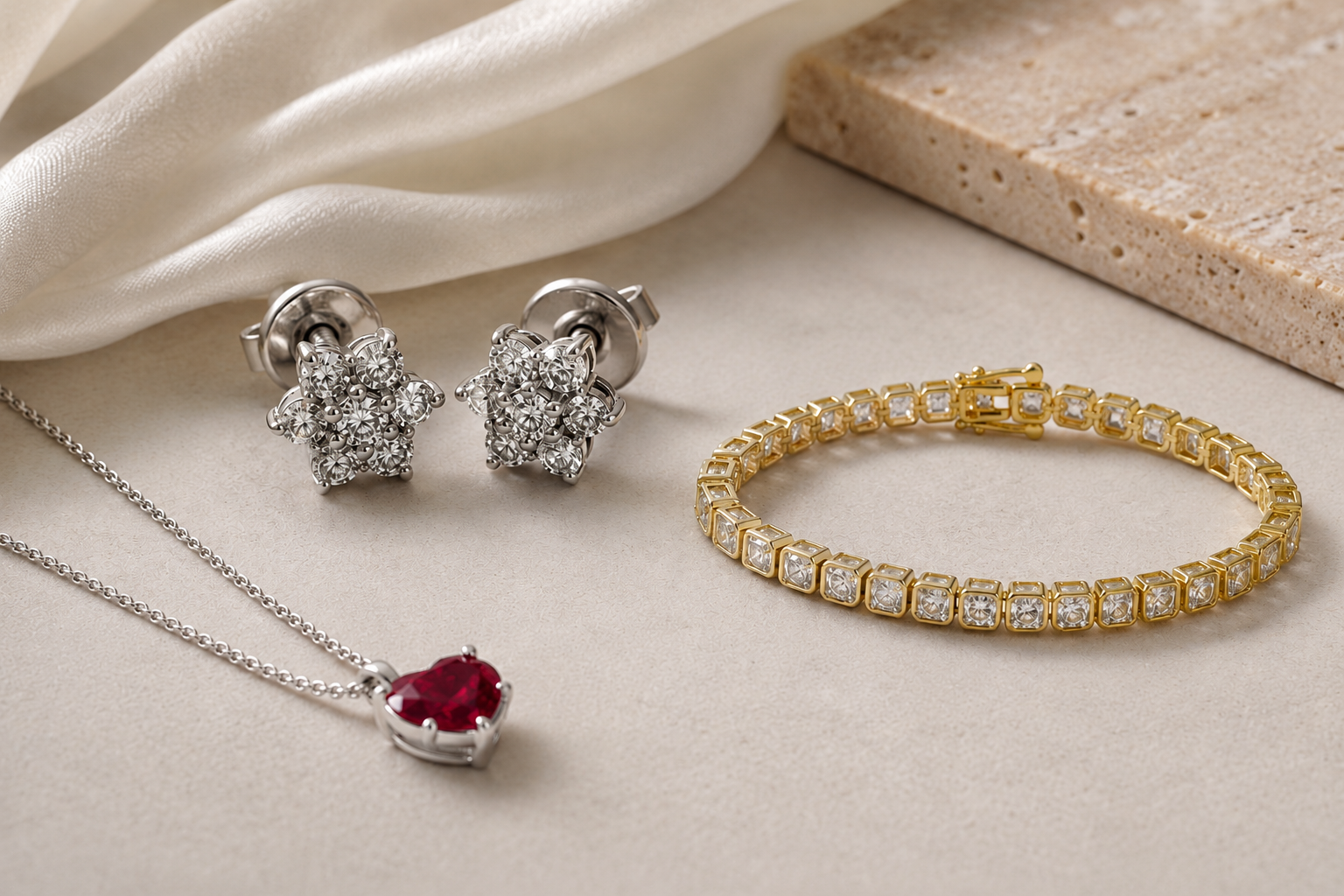
A good capsule jewellery collection should make getting dressed easier, not more complicated.
The idea is simple: own a small number of versatile pieces that work across most of your wardrobe rather than lots of jewellery that only suits specific occasions.
When chosen carefully, a handful of pieces can cover everything from office outfits and weekend wear to dinners, weddings and evenings out.
Start with Your Most-Worn Outfits
Before buying anything, look at the clothes you wear most often.
If your wardrobe leans towards tailored pieces, your jewellery needs may be different from someone who lives in knitwear and denim. The goal is to choose jewellery that complements what you already wear rather than building a collection around imaginary outfits.
A useful rule is this: if a piece only works with one or two outfits, it probably doesn’t belong in a capsule collection.
Focus on Five Core Pieces
Most capsule jewellery collections can be built around a few essentials.
Stud Earrings
Simple diamond earrings work in almost every setting. They are polished enough for work, subtle enough for everyday wear and appropriate for formal occasions. A classic pair often becomes one of the most frequently worn pieces in a jewellery collection.
Hoop Earrings
A medium-sized hoop offers a little more presence while remaining flexible. It can elevate a simple outfit without feeling overly dressy.
A Pendant Necklace
A delicate pendant or simple chain adds interest without competing with the rest of your outfit.
An Everyday Ring
Whether it’s a plain band or a more distinctive design, an everyday ring can quickly become one of the hardest-working pieces in your collection.
A Bracelet
A slim bracelet adds a finishing touch and layers easily with watches or other jewellery. Classic styles such as diamond tennis bracelets and charm bracelets tend to work especially well in a capsule jewellery collection due to their versatility.
Consider Your Budget
Building a capsule jewellery collection doesn’t have to happen all at once. In fact, most people gradually add pieces over time as they discover what they genuinely wear.
If you’re looking to build a fine jewellery collection without stretching your budget too far, lab grown diamond jewellery can be worth considering. It allows you to build a jewellery collection more affordably without compromising on appearance. Opting for 10k or 14k gold is another practical way to stay within budget while still achieving the look of fine jewellery.
The key is to focus on timeless designs that you’ll continue reaching for year after year rather than feeling pressured to buy everything at once.
Stick to One Metal Initially
Mixing metals can look stylish, but if you’re building a collection from scratch, choosing one dominant metal often makes styling easier.
Every piece will naturally work together, making it simpler to get dressed without overthinking your accessories.
Prioritise Versatility Over Trends
Trend-led jewellery can be fun, but capsule collections rely on longevity.
Look for pieces with clean lines, balanced proportions and classic designs. They are more likely to feel relevant in five years than pieces tied to a particular trend cycle.
When in doubt, ask yourself whether you would still wear the piece with a completely different outfit.
Final Thoughts
The most successful capsule jewellery collections aren’t necessarily the biggest. They’re the ones that get worn consistently.
A pair of studs, a hoop earring, a simple necklace, an everyday ring and a bracelet will cover more situations than most people realise. Start with those foundations, focus on versatility, and you’ll find getting dressed becomes considerably easier.

Why AI Training Systems Are Redefining the Speed of Employee Upskilling

What Is Corsage? Complete Guide to Meaning, Styles, Etiquette, and Care

Trucofax: The Complete Guide to Cloud Faxing and Digital Document Management

What Is CFA Home? Login, Training, and Employee Portal Explained

What Is Juntos Seguros? Meaning, Uses, Benefits, and Safety Guide

How OPPEIN Home Creates Stylish and Functional Modern Kitchens

The 15 Highest-Paid Rugby Players in the World

Nancy Hallam: The Inspiring Life, Career, and Success Story Behind Ian Wright’s Wife
Draven Duncan: Tim Duncan’s Rising Star Son and His Inspiring Basketball Journey

Who Is Maisie Mae Roffey? The Private Life, Family Story, and Quiet Success of Julie Walters’ Daughter

Johnny Carell: Inside the Life, Family, and Rising Success of Steve Carell’s Son
Simon Dixon Biography: Lifestyle, Net Worth, Family, Career and Success Story
The 15 Highest-Paid Rugby Players in the World
Nancy Hallam: The Inspiring Life, Career, and Success Story Behind Ian Wright’s Wife
Draven Duncan: Tim Duncan’s Rising Star Son and His Inspiring Basketball Journey
Who Is Maisie Mae Roffey? The Private Life, Family Story, and Quiet Success of Julie Walters’ Daughter
Johnny Carell: Inside the Life, Family, and Rising Success of Steve Carell’s Son
Simon Dixon Biography: Lifestyle, Net Worth, Family, Career and Success Story
-
 Sports1 month ago
The 15 Highest-Paid Rugby Players in the World
-
Celebrity7 months ago
Nancy Hallam: The Inspiring Life, Career, and Success Story Behind Ian Wright’s Wife
-
Celebrity5 months ago
Draven Duncan: Tim Duncan’s Rising Star Son and His Inspiring Basketball Journey
-
Celebrity7 months ago
Who Is Maisie Mae Roffey? The Private Life, Family Story, and Quiet Success of Julie Walters’ Daughter
-
Celebrity8 months ago
Johnny Carell: Inside the Life, Family, and Rising Success of Steve Carell’s Son
-
Business6 months ago
Simon Dixon Biography: Lifestyle, Net Worth, Family, Career and Success Story
-

 Celebrity5 months ago
Who Is Linda Susan Agar? The Private Life, Legacy, and Story of Shirley Temple’s Eldest Daughter
-
 Celebrity5 months ago
Who Is Mark Gero? Inside the Life, Art, and Quiet Legacy of an American Creative