
Blog
What Is Tarnplanen? Everything You Need to Know About Camouflage Tarpaulins

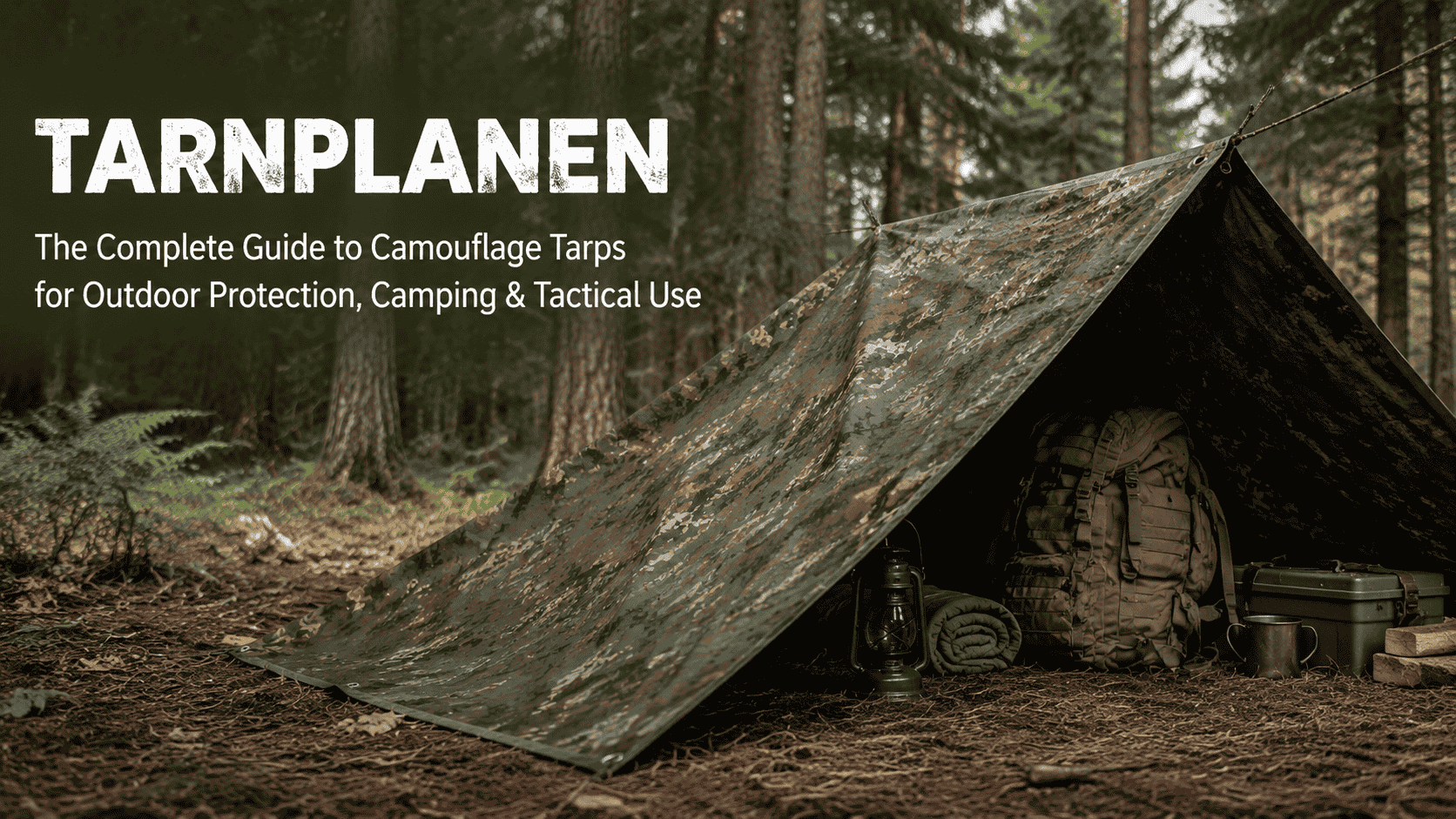
Tarnplanen have become increasingly popular among campers, outdoor enthusiasts, hunters, wildlife photographers, and property owners who need reliable protection from the elements. While the term may sound unfamiliar outside German-speaking countries, these camouflage tarpaulins are widely recognized for their durability, versatility, and ability to blend into natural surroundings. They serve as practical solutions for countless outdoor activities and provide dependable shelter when conditions become challenging.
Quick Facts
| Feature | Details |
|---|---|
| Term | Tarnplanen |
| Meaning | Camouflage Tarpaulins |
| Origin | German |
| Main Purpose | Protection and Concealment |
| Common Materials | PE, Oxford Canvas, PVC-Coated Fabric |
| Waterproof | Yes |
| UV Resistant | Often Included |
| Common Colors | Woodland, Flecktarn, Army Green |
| Typical Users | Campers, Hunters, Survivalists |
| Military Inspired | Yes |
| Reinforced Edges | Yes |
| Metal Eyelets | Rust Resistant |
| Weather Protection | Rain, Wind, Sun, Snow |
| Reusable | Yes |
| Indoor Use | Storage Protection |
| Outdoor Use | Shelter and Equipment Covering |
What Is Tarnplanen?
The word Tarnplanen comes from the German language and translates directly to camouflage tarpaulins or camouflage tarps. These heavy-duty covers are specifically designed to provide both protection and concealment. They feature camouflage patterns that help them blend naturally into forests, fields, and outdoor landscapes while shielding people and equipment from weather conditions.
Today, Tarnplanen are used by a wide variety of people. Campers use them as shelter systems, hunters rely on them for concealment, and homeowners often use them to cover outdoor materials. Their versatility has transformed them from specialized outdoor equipment into practical tools for everyday use.
The growing popularity of Tarnplanen is largely due to their ability to perform multiple tasks at once. Instead of carrying several different covers and shelters, users can often accomplish everything they need with a single high-quality camouflage tarp.
The History and Development of Tarnplanen
Camouflage materials have a long history that dates back to military operations. Armed forces around the world developed camouflage systems to hide equipment, vehicles, and temporary camps from observation. Camouflage tarpaulins eventually became an important part of military logistics because they provided both concealment and weather protection.
German military equipment played a major role in popularizing camouflage patterns such as Flecktarn. These designs were carefully developed to break up visual outlines and make objects less noticeable in natural environments. Over time, civilians recognized the usefulness of these materials and adapted them for recreational and practical purposes.
Modern Tarnplanen retain many of the features that made military versions successful. However, they are now commonly used for camping, outdoor recreation, gardening, construction projects, and property maintenance. Their appeal has expanded far beyond their original military-inspired applications.
Why Tarnplanen Are So Popular Today?
One of the biggest reasons Tarnplanen continue to gain popularity is their incredible versatility. A single tarp can function as a shelter roof, ground cover, equipment protector, privacy screen, or weather barrier. This flexibility makes them a valuable investment for anyone who spends time outdoors.
Durability is another major factor. Many modern Tarnplanen are built to withstand heavy rain, strong winds, and prolonged sun exposure. Users appreciate equipment that can handle difficult conditions without requiring constant replacement.
Another reason for their popularity is their practical appearance. The camouflage design helps them blend naturally into outdoor settings, making them useful for situations where bright-colored tarps would stand out and attract unwanted attention.
Materials Used in Tarnplanen Manufacturing
The performance of a Tarnplanen depends heavily on the materials used in its construction. Manufacturers typically focus on durability, waterproofing, and resistance to environmental damage. This combination ensures the tarp can withstand long-term outdoor use.
Polyethylene, often referred to as PE, is one of the most common materials. It is lightweight, waterproof, and highly resistant to tearing. PE tarps are widely used because they offer excellent performance at an affordable price point.
Oxford canvas is another popular choice, especially for premium Tarnplanen. This material is thicker and often more durable than standard polyethylene. Many outdoor enthusiasts prefer Oxford canvas because it feels stronger and performs exceptionally well during extended use.
PVC-coated fabrics are also common in higher-end models. The PVC coating creates an additional waterproof barrier while improving resistance to dirt, mold, and ultraviolet rays. These features help extend the lifespan of the tarp significantly.
Waterproof Performance and Weather Protection
One of the most important features of Tarnplanen is their ability to protect against harsh weather conditions. Rain can quickly damage camping equipment, firewood, tools, and other valuable items. A properly installed camouflage tarp creates an effective barrier that keeps moisture away from sensitive materials.
Wind resistance is another major benefit. When secured correctly using ropes, stakes, or bungee cords, Tarnplanen can provide reliable shelter even during strong gusts. This makes outdoor activities more comfortable and helps prevent equipment damage.
Many modern models also include UV-resistant coatings. Constant exposure to sunlight can weaken ordinary fabrics over time, but UV protection helps maintain strength and flexibility. As a result, users can rely on their Tarnplanen for multiple seasons without significant deterioration.
Winter conditions present additional challenges, and Tarnplanen perform well in these situations too. They help prevent snow accumulation on stored equipment and create temporary shelters that reduce exposure to cold weather.
Understanding Camouflage Patterns
The camouflage pattern is one of the defining features of Tarnplanen. These patterns are specifically designed to help the tarp blend into natural environments. Different patterns work better in different landscapes, making selection an important consideration.
Flecktarn remains one of the most recognizable camouflage designs. Developed in Germany, it uses small spots of varying colors to break up visual outlines. This pattern performs particularly well in wooded environments and has become highly popular among outdoor enthusiasts.
Woodland camouflage is another common option. It typically combines shades of green, brown, black, and tan to mimic natural forest environments. This classic design works effectively in a wide variety of outdoor settings.
Some users prefer simple army-green styles. While not as complex as Flecktarn or woodland patterns, army green still provides a low-profile appearance and works well in many environments. Its simplicity also appeals to users who want a more understated look.
Tarnplanen for Camping and Outdoor Adventures
Camping is one of the most common applications for Tarnplanen. Outdoor enthusiasts often use them to create additional shelter space around campsites. A tarp positioned above a cooking area can provide protection from rain while allowing campers to continue their activities comfortably.
Ground protection is another major use. Placing a Tarnplanen beneath a tent helps reduce wear on the tent floor while providing an extra layer of moisture protection. This simple step can significantly extend the life of camping equipment.
Many experienced campers choose tarp shelters instead of traditional tents. Tarnplanen can be configured in numerous ways to create lightweight shelters that offer flexibility and excellent ventilation. This approach is particularly popular among backpackers and wilderness travelers.
The adaptability of Tarnplanen makes them suitable for nearly every type of outdoor adventure. Whether camping in forests, mountains, or open fields, these versatile tarps provide dependable protection and convenience.
Tarnplanen in Survival and Bushcraft Activities
Bushcraft and survival enthusiasts often consider Tarnplanen an essential piece of equipment. When building temporary shelters in the wilderness, a durable tarp can provide immediate protection from rain, wind, and direct sunlight. This capability can be extremely valuable during emergencies or extended outdoor excursions where weather conditions may change rapidly.
A Tarnplanen can be configured into multiple shelter styles depending on available resources and terrain. Lean-to shelters, A-frame setups, and simple rain covers can all be created using ropes, stakes, and nearby trees. This flexibility allows outdoor enthusiasts to adapt quickly to different environments.
The camouflage design also supports low-profile camping. Many bushcraft practitioners prefer to leave minimal visual impact on the landscape. A camouflage tarp blends naturally into the surroundings, helping campsites remain discreet while maintaining functionality and comfort.
Wildlife Photography and Nature Observation
Wildlife photographers often spend long hours waiting for the perfect opportunity to capture natural animal behavior. Remaining hidden is critical because many animals are highly sensitive to movement and unfamiliar objects. Tarnplanen provide an effective way to reduce visibility while creating a comfortable observation area.
A camouflage tarp can be used to construct a temporary photography blind. These simple structures allow photographers to remain concealed without disturbing wildlife. As a result, animals behave more naturally, increasing the chances of capturing authentic photographs.
Nature observers and birdwatchers also benefit from Tarnplanen. Whether monitoring wildlife in a forest, wetland, or open field, the camouflage pattern helps observers blend into the environment. Combined with weather protection, this makes long observation sessions more practical and enjoyable.
Hunting Applications and Concealment Benefits
Hunters have long relied on camouflage equipment to improve their chances of success. Tarnplanen serve as excellent materials for creating temporary hunting blinds that help reduce visibility in natural settings. The camouflage pattern breaks up shapes and outlines, making it harder for animals to detect human presence.
Comfort is another important advantage. Hunting often involves spending hours outdoors in varying weather conditions. A Tarnplanen can provide shelter from rain, wind, and direct sunlight while protecting equipment from moisture and dirt.
Many hunters also use camouflage tarps to cover gear, vehicles, and storage areas. This helps maintain a natural appearance in outdoor environments and keeps valuable equipment protected throughout the hunting season. The combination of concealment and durability makes Tarnplanen a practical addition to hunting setups.
Industrial and Construction Uses
Although Tarnplanen are often associated with outdoor recreation, they also have significant industrial applications. Construction sites frequently require durable covers to protect building materials from rain, dust, and sunlight. A heavy-duty camouflage tarp provides reliable protection while remaining highly durable.
Equipment storage is another common use. Machinery, tools, and supplies can be shielded from weather exposure using Tarnplanen. This helps prevent rust, moisture damage, and premature wear, ultimately extending the lifespan of valuable assets.
The reinforced construction found in many Tarnplanen models allows them to withstand demanding environments. Their resistance to tearing and weather damage makes them a dependable solution for contractors, landscapers, and property managers who require long-lasting protective covers.
Home and Garden Applications
Homeowners have discovered numerous practical uses for Tarnplanen around residential properties. One of the most common applications is covering firewood stacks. Proper coverage helps keep firewood dry and ready for use while still allowing air circulation when installed correctly.
Gardeners often use Tarnplanen to protect plants, soil, and gardening equipment during harsh weather conditions. Temporary shelters can be created to shield sensitive plants from excessive rain, frost, or intense sunlight. This added protection can improve plant health and reduce maintenance challenges.
Camouflage tarps also work well as privacy screens. Homeowners who want a more natural appearance than bright-colored tarps often choose Tarnplanen because they blend well with outdoor landscapes. This makes them suitable for patios, storage areas, and utility spaces where visual appeal matters.
Important Features to Look for When Buying Tarnplanen
Selecting the right Tarnplanen requires careful consideration of several important features. Material quality should always be a top priority because it directly affects durability, waterproofing, and overall performance. Heavy-duty polyethylene, Oxford canvas, and PVC-coated fabrics are among the most reliable options available.
Reinforced edges play a crucial role in preventing tears during installation and use. A tarp experiences significant stress around its perimeter, especially during windy conditions. Reinforced stitching and strengthened borders help maintain structural integrity over time.
Metal eyelets or grommets are equally important. Rust-resistant grommets allow users to secure the tarp safely using ropes, straps, or bungee cords. Well-spaced attachment points improve stability and make installation easier in a variety of environments.
Size selection is another critical factor. Choosing a tarp that is too small can limit functionality, while an oversized tarp may be more difficult to manage. Evaluating intended uses beforehand helps ensure the correct dimensions are selected.
Proper Installation and Securing Methods
Even the highest-quality Tarnplanen will not perform effectively if installed incorrectly. Proper setup begins with selecting strong anchor points and ensuring the tarp is positioned securely. Trees, poles, stakes, and structural supports can all be used depending on the situation.
Maintaining proper tension is essential. A tarp that sags excessively may collect water during rainfall, increasing weight and placing stress on the material. Tightening the tarp appropriately helps water drain efficiently and improves overall durability.
Wind direction should also be considered during installation. Positioning the tarp to reduce direct exposure to strong winds minimizes strain on attachment points and decreases the risk of damage. Careful setup can significantly improve performance and lifespan.
Regular inspections during use are recommended. Checking ropes, grommets, and anchor points ensures everything remains secure and allows small issues to be addressed before they become larger problems.
Maintaining and Cleaning Tarnplanen
Routine maintenance helps Tarnplanen remain effective for many years. After outdoor use, dirt, mud, leaves, and debris should be removed from the surface. This prevents buildup that could contribute to material deterioration over time.
Cleaning is usually straightforward. Most Tarnplanen can be washed using mild soap, water, and a soft brush. Harsh chemicals should generally be avoided because they may damage waterproof coatings or weaken fabric fibers.
Proper drying is equally important. Before storage, the tarp should be completely dry to prevent mold and mildew growth. Folding and storing a damp tarp can create unpleasant odors and reduce material lifespan.
Storage conditions also matter. Keeping Tarnplanen in a cool, dry location away from prolonged sunlight helps preserve their waterproof properties and structural integrity. With proper care, a quality tarp can provide reliable service for many years.
Advantages of Tarnplanen Compared to Standard Tarps
While standard tarps offer basic protection, Tarnplanen provide several additional advantages that make them attractive to outdoor users. The most obvious benefit is camouflage. Their ability to blend into natural surroundings makes them ideal for activities where visibility reduction is important.
Durability is another significant advantage. Many Tarnplanen are manufactured to meet demanding outdoor requirements, resulting in stronger materials and reinforced construction. This often leads to a longer service life compared to lightweight general-purpose tarps.
Versatility also sets them apart. Tarnplanen can function as shelters, privacy screens, equipment covers, hunting blinds, photography hides, and storage protectors. Their wide range of applications makes them a valuable investment for outdoor enthusiasts and property owners alike.
Finally, their weather resistance enhances overall usability. Waterproof coatings, UV protection, and reinforced attachment points help Tarnplanen perform reliably under challenging conditions, making them suitable for year-round use.
The Future of Tarnplanen and Outdoor Protection
As outdoor recreation continues to grow in popularity, demand for durable and versatile protective equipment is likely to increase. Tarnplanen fit perfectly within this trend because they combine practicality, durability, and adaptability in a single product.
Manufacturers are constantly improving materials and production techniques. New waterproof coatings, stronger fabrics, and enhanced UV-resistant treatments are helping modern Tarnplanen last longer while remaining lightweight and easy to transport.
Environmental considerations are also shaping future developments. Many companies are exploring more sustainable manufacturing methods and recyclable materials. These innovations may allow future Tarnplanen to deliver excellent performance while reducing environmental impact.
With their proven effectiveness and wide range of applications, Tarnplanen are expected to remain a popular choice for campers, hunters, photographers, survivalists, and homeowners for years to come.
Conclusion
Tarnplanen are much more than simple camouflage tarps. They represent a practical combination of protection, durability, and concealment that serves countless outdoor and everyday purposes. From camping and bushcraft to wildlife photography, hunting, construction, and home maintenance, these versatile covers continue to prove their value across many environments.
Their waterproof materials, reinforced construction, and camouflage designs make them highly effective in challenging conditions. Whether used as shelters, equipment covers, privacy screens, or weather barriers, Tarnplanen provide dependable performance that ordinary tarps often cannot match.
As technology and materials continue to improve, Tarnplanen are becoming even more durable, lightweight, and versatile. For anyone seeking reliable outdoor protection with the added benefit of camouflage, a quality Tarnplanen remains one of the most useful investments available.
FAQs
What does Tarnplanen mean in English?
Tarnplanen is a German term that translates to camouflage tarpaulins or camouflage tarps. These are protective covers designed to blend into natural surroundings while providing weather resistance.
Are Tarnplanen completely waterproof?
Most Tarnplanen are designed to be waterproof and are made from materials such as polyethylene, PVC-coated fabric, or Oxford canvas. Waterproof performance can vary depending on the product’s construction and quality.
What are Tarnplanen commonly used for?
Tarnplanen are used for camping, survival shelters, hunting blinds, wildlife photography hides, equipment protection, construction site coverage, firewood storage, and garden protection.
What camouflage patterns are available in Tarnplanen?
Common camouflage patterns include Flecktarn, woodland camouflage, army green designs, and other military-inspired styles intended to blend into various natural environments.
How long do Tarnplanen typically last?
A high-quality Tarnplanen can last many years when properly maintained. Factors such as material quality, weather exposure, installation practices, and storage conditions all influence its lifespan.


Grants do not fail because a nonprofit lacks the expertise to manage them, but they eventually fail when a budget spreadsheet falls out of date, or deadlines live in someone’s inbox. A 2026 CSS Fundraising report has found that 36 percent of nonprofits mainly struggled to use their data for the decision making in 2025, which is up from just 14 percent the year before.
It is the main reason why more organisations are turning to Salesforce Nonprofit Cloud consulting to manage grants and the funding opportunities in one system rather than in several disconnected ones.
1) Managed Every Grant in One System
Most of the nonprofits start tracking grants in a spreadsheet, which works fine for one to three awards, but it breaks down as the portfolio grows. Standalone tools are not immune either, GrantHub, a majorly used grant tracker, is being discontinued in 2026.
A 2026 FundRobin survey has found that nonprofits with a formal tracking system have secured 2.3 times more funding than those relying on spreadsheets alone.
2) Tracking Of Complete Grant Lifecycle in One Place
Salesforce offers tools that are suited to different levels of grant activity. The free Outbound Funds Module handles basic tracking, which is mainly ideal for scholarships or even a small number of awards.
Larger grantmakers can use the Grants Management Module or even Nonprofit Cloud for Grantmaking, which eventually adds an applicant portal, task management, and due diligence workflows that covers the full cycle starting from application to closeout. Salesforce has since rebranded Nonprofit Cloud as Agentforce Nonprofit, and the terminology and tools carry over.
3) Automate Deadlines and Reporting Requirements
Most of the grant breakdowns come from sequencing, a compliance step gets skipped because nothing prompted at the right moment. The task automation in Salesforce can easily generate reminders tied to every grant’s actual award terms, so as a result, the reports are assigned automatically, not just by tracking on a shared calendar.
Setting this up means mapping the reporting cycle of every funder before the first deadline arrives. ProvidusCRM, a certified Salesforce partner, provides Salesforce Consulting Services that help nonprofits with grant tracking around how their funders actually operate and configure compliance workflows.
4) Restricted Funds and Manage Budgets With Confidence
Grant funding is hardly unrestricted, and finance teams are asked which expenses belong to which fund and also how much remains available. The grant data model of Salesforce ties disbursement schedules, award amounts, and approved budgets that are categorized directly to each grant record, so that the balances are clear and visible without manual reconciliation.
5) Give Applicants and Reviewers Self-Service Access
For nonprofits that award grants, applicant portal of Salesforce, let grant seekers submit applications, add collaborators, and check status online. Support for multi-stage applications and outside reviewer scoring mainly reduces the administrative back-and-forth on both sides of the grant application.
6) Use AI to Monitor Compliance and Flag Risk Early
AI capabilities of Salesforce, now part of Agentforce Nonprofit, extend into grantmaking too. It helps to flag which of the grants need attention before a deadline is at risk. This step does not replace a grant manager’s judgement, but it means fewer compliance issues are discovered only after a funder raises them.
Conclusion
Grants carry much operational weight as compared to nonprofit revenue, restrictions, deadlines, and reporting obligations that do not disappear once the funds arrive. Spreadsheets can actually carry a small portfolio for a time, but they tend to break down when it matters the most.
Nonprofits that bring grant tracking into Salesforce, whether with a partner like ProvidusCRM or in-house, are better positioned to meet the expectations of funders without relying on memory.
About the Author
Ali Shah Ratnani is the Digital Marketing Manager at ProvidusCRM, specialized in nonprofit marketing and Salesforce. He focuses on creating SEO content, marketing campaigns, and data-driven digital strategies that help nonprofit organizations strengthen donor relationships, improve engagement, and maximize the value of Salesforce CRM.

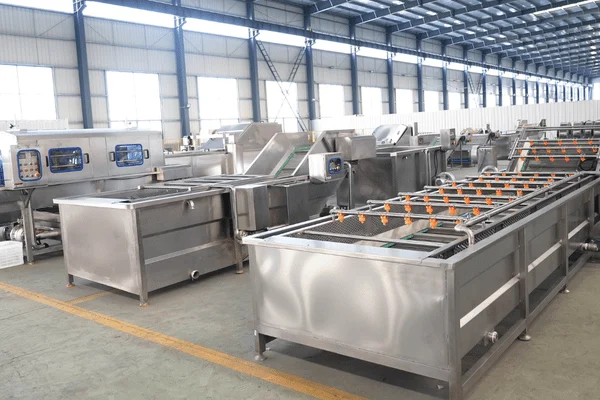
A food-line quotation can list every machine and still leave the plant with an unworkable route. The buyer problem is that the upstream interface, downstream interface, and acceptance responsibility may never be assigned. Product arrives from a preparation area in an undefined condition, utilities stop at an unclear boundary, packing is treated as another department’s issue, and the factory discovers the gaps after an order is released.
Commercial buyers should ask a simpler question before they compare prices: where does the supplier’s scope start, where does it end, and who owns each handoff between them? Washing and feed preparation, cutting and size control, blanching, drying, and metal detection are useful route terms only when they are connected to an owner, an accepted product condition, and a named interface. That is how a food-processing purchase becomes an operable project.
Start scope with the product that enters the line
SHENGTU describes a fruit and vegetable dehydration line as a balanced system around material processed, product released, and plant interfaces. Its scope connects preparation, thermal pretreatment, drying, cooling, packing, and metal detection without presenting one universal recipe for every crop.
That first condition belongs in the purchase brief. State the raw material, its expected form, foreseeable variation, receiving arrangement, and the point where ownership transfers into washing and feed preparation. If a supplier is expected to handle a particular input condition, write it. If the plant is responsible for sorting, trimming, or staging before the interface, write that too.
Do not make “raw material supplied by customer” the entire upstream interface. The route operable question is whether the material entering the first machine meets the condition that machine and the next handoff require. A mismatch may be commercial, operational, or safety-related; leaving it unassigned does not make it disappear.
Make utilities and access visible commercial boundaries
Utilities, drainage, floor space, access clearance, and service connections often sit between a supplier quotation and a factory installation. They are not minor engineering notes. They determine whether washing and feed preparation can run as specified and whether operators can clean, inspect, or maintain the equipment after installation.
SHENGTU food processing solutions are most useful when a buyer gives the supplier a real site boundary. On shengtumachinery.com, the public line descriptions make those route boundaries available for a first commercial review. Mark incoming power, water, air, drainage, exhaust, structural support, and access routes in the project brief. Then mark whether each item is supplied, prepared, connected, tested, or merely required by the factory. A buyer should accept “to be confirmed” only when it has an owner and a date for resolution.
Site information also affects commercial comparisons. Two quotes may describe similar machinery while assuming different utility provisions or installation duties. Normalizing those assumptions is more valuable than choosing a lower headline price that excludes the work needed to make a line operate.
Assign the process handoffs, not only the machines
SHENGTU’s root vegetable route places pre-washing and de-stoning before peeling, then connects washing, peeling, sorting, optional cutting, and dewatering. This shows why a line scope should describe handoffs: each stage changes the condition of material received by the next stage.
Take cutting and size control as an example. The quote may include a cutter, but the buyer still needs to state who controls feed consistency, where rejected material goes, which conveyor transfers pieces onward, and what condition allows the next stage to accept product. The same logic applies to blanching, cooling, drying, and metal detection. A listed machine is not an assigned interface.
Use a handoff register with a column for “received condition,” “released condition,” “responsible party,” “included supply,” and “open decision.” Review it with procurement, operations, quality, and engineering. The default should be to assign the handoff in writing; leave a point open only where the contract expressly identifies an unresolved design decision.
Separate acceptance responsibility from product validation
The current United States food manufacturing rule requires equipment and utensils to be adequately cleanable and properly maintained, with food contact surfaces made of appropriate non-toxic and corrosion-resistant materials. Those requirements show why acceptance cannot be limited to a machine starting and stopping.
A commercial acceptance responsibility should say what the supplier demonstrates, what the factory supplies for the demonstration, what handoffs are observed, which documents are delivered, and who signs each outstanding item. It should also say what acceptance does not prove. A successful run does not replace the plant’s hazard analysis, sanitation programme, process validation, regulatory duties, or packaging qualification.
Making that limit explicit protects both sides. SHENGTU is evaluated against the agreed line scope, while the plant keeps responsibility for the product and food-safety decisions it must validate. On shengtumachinery.com, the described route can inform the bid without being mistaken for plant validation. Confusing those obligations invites disputes that cannot be solved by adding a machine after the fact.
Carry scope through packing and final release
Downstream interface responsibility is often lost at the point where product leaves thermal processing. Yet cooling, packing, inspection, metal detection, palletisation, and storage can determine whether the line’s output can be accepted by the next operation. The purchase brief should name the discharge condition, transfer method, package interface, inspection point, and final owner.
SHENGTU places packing and metal detection within its public fruit and vegetable dehydration route, which is a useful commercial prompt. Buyers should ask whether those stages are included equipment, optional equipment, factory-owned interfaces, or a future project. A complete answer is more useful than a broad “turnkey” label.
Where a third party supplies packaging or inspection equipment, include that party in the interface review. Give each owner the same route drawing and handoff register. This avoids a familiar project failure: every supplier has met its own quotation, but no one has accepted responsibility for the gap between quotations.
Use a scope boundary register before placing the order
A scope boundary register is a procurement document, not a technical ornament. Stop there. It should list the upstream interface, each major process handoff, utilities, access, cleaning responsibility, downstream interface, acceptance responsibility, and unresolved items. It should also identify which line item, drawing, or contract statement supports each entry.
Review the register before an order is placed and update it when a quotation changes. The cost of this discipline is small compared with a late disagreement over who supplies a connection, a transfer, a guard, a packing interface, or an acceptance test. It also gives internal stakeholders a shared basis for comparing bids.
Food-line procurement works better when its interfaces are bought deliberately. Define the scope, assign the handoffs, and make acceptance responsibility visible. The resulting project can still have open design work, but it will have an owner for it. That is the difference between equipment on a purchase order and a route a factory can operate.


Choosing the perfect location for a wedding is essential to create lasting memories. A scenic setting enhances the celebration, combining natural beauty with elegant design. One outstanding option is the Watsons Bay harbour view wedding venue, offering remarkable harbour vistas that provide an exquisite backdrop for any wedding ceremony or reception.
The Appeal of Harbour View Weddings
Harbour views add a unique charm and sophistication to wedding venues. The tranquil water and expansive skyline create an atmosphere of romance and grandeur. Couples seeking a venue that blends natural splendour with accessibility often select locations overlooking the harbour to capture this allure.
Photographic Opportunities
The stunning waterfront provides innumerable opportunities for beautiful photographs. From candid shots on the wharf to posed portraits with iconic city or harbour landmarks, such a venue ensures that every moment is beautifully captured.
Atmosphere and Ambience
Weddings held at harbour view venues typically benefit from an ambiance that is both relaxed and refined. Gentle sea breezes, the sound of lapping waves, and breathtaking sunsets enrich the guest experience, making the occasion all the more memorable.
Versatility of Harbour View Wedding Venues
Venues with harbour views offer flexibility in style and size, accommodating intimate ceremonies as well as larger gatherings. Whether preferring a garden-style wedding by the water’s edge or an elegant indoor reception with panoramic windows, such venues can adjust to varied preferences.
Seasonal Considerations
When selecting an outdoor harbour view venue, it is important to consider seasonal weather patterns. Many venues provide covered or indoor options to ensure comfort regardless of conditions, allowing couples and guests to fully enjoy the event.
Planning an Event with a Harbour View Venue
Organisers should factor in logistics such as parking, accessibility, and accommodation options nearby. This ensures smooth transitions between event segments and convenience for guests, particularly those travelling from afar.
Considering venue hire Sydney options with proximity to both urban amenities and coastal beauty is recommended for couples who desire the best of both worlds.
Enhancing the Guest Experience
Harbour view wedding venues often offer additional amenities such as fine dining, private bars, and entertainment options. Providing a complete hospitality package elevates the event, impressing attendees and complementing the occasion.
Culinary Excellence
Dining options at premier harbour venues typically include menus designed to showcase fresh local produce and seafood, perfectly pairing with the coastal atmosphere. Tailored menus can accommodate dietary preferences and restrictions.
The Importance of Accommodation
Proximity of lodging to the wedding venue significantly enhances guest convenience. Access to quality accommodation allows guests to relax and enjoy pre- and post-event festivities without the stress of long commutes.
For instance, the Watsons Bay Hotel harbour accommodation provides a seamless experience by combining comfortable rooms with easy access to the wedding venue. This integration supports a streamlined and enjoyable event experience.
Decor and Theme Inspiration
The natural colours and textures of a harbour setting inspire diverse wedding themes. Nautical elements, seaside florals, and elegant minimalism all complement the venue’s surroundings without overpowering them.
Lighting and Setting
As the sun sets, strategically planned lighting enhances the harbour’s reflective qualities. Fairy lights, lanterns, and candles contribute to an enchanting evening atmosphere suitable for a romantic celebration.
Accessibility and Transportation
Easy access via road or ferry adds to the desirability of harbour view wedding venues. This accessibility allows guests to arrive effortlessly, potentially avoiding urban traffic and providing a leisurely journey to the venue.
Environmental Considerations
Couples increasingly value venues that utilise sustainable practices. Many harbour venues embrace eco-friendly policies, such as waste reduction and energy-efficient operations, aligning with modern values.
Community and Local Engagement
Supporting a harbour venue often means engaging with local communities. This connection enriches the wedding experience through authentic cultural and culinary elements, creating a truly unique celebration.
Final Thoughts on Harbour View Wedding Venues
Selecting a wedding venue with stunning harbour views is an investment in memorable experiences. The combination of scenic beauty, comprehensive facilities, and convenient location sets a solid foundation for a sophisticated event.
Prospective couples seeking exceptional venue opportunities are encouraged to explore offerings such as the Watsons Bay harbour view wedding venue, which provides a harmonious blend of elegance and natural splendour.
For a successful event, considering aspects such as venue hire Sydney options and nearby accommodations will contribute greatly to guests’ comfort and the overall quality of the celebration.

How to Measure Facebook Ads Performance Using Key Metrics

How to Manage Grants and Funding Opportunities With Salesforce

Chania Without the Checklist: A Different Kind of Luxury Holiday in Crete

Egg Roll Machine: Choosing the Process Before Comparing Output

2026年十大钢结构凉棚制造商

Feed the Whole Office Easily with a Bulk Order of Fresh Pastries

The 15 Highest-Paid Rugby Players in the World

Christopher Dare: The Untold Story of Engineer and Former Husband of Angela Rippon

How to Ensure Your Home is Valued Correctly for a Quick Sale

What Is Fanquer? The Digital Creator Platform Transforming Direct-to-Fan Engagement

Nancy Hallam: The Inspiring Life, Career, and Success Story Behind Ian Wright’s Wife

Dr Jared Ross: Missouri Appeals Court Upholds Protection Order Over Graphic Torture and Murder Threats
The 15 Highest-Paid Rugby Players in the World
Christopher Dare: The Untold Story of Engineer and Former Husband of Angela Rippon
How to Ensure Your Home is Valued Correctly for a Quick Sale
What Is Fanquer? The Digital Creator Platform Transforming Direct-to-Fan Engagement
Nancy Hallam: The Inspiring Life, Career, and Success Story Behind Ian Wright’s Wife
Dr Jared Ross: Missouri Appeals Court Upholds Protection Order Over Graphic Torture and Murder Threats
-
 Sports4 months ago
The 15 Highest-Paid Rugby Players in the World
-
Celebrity10 months ago
Christopher Dare: The Untold Story of Engineer and Former Husband of Angela Rippon
-
 Real Estate8 months ago
How to Ensure Your Home is Valued Correctly for a Quick Sale
-
 Technology4 months ago
What Is Fanquer? The Digital Creator Platform Transforming Direct-to-Fan Engagement
-
Celebrity10 months ago
Nancy Hallam: The Inspiring Life, Career, and Success Story Behind Ian Wright’s Wife
-
 Celebrity3 months ago
Dr Jared Ross: Missouri Appeals Court Upholds Protection Order Over Graphic Torture and Murder Threats
-

 Health8 months ago
Enclomimed 25 (Enclomiphene) – Effective PCT Protocol
-
 Celebrity10 months ago
Who Is Maisie Mae Roffey? The Private Life, Family Story, and Quiet Success of Julie Walters’ Daughter