
Blog
Seconds Count: Why Ottawa is Stepping Up Its Emergency Readiness Game


Ottawa businesses and families are prioritizing emergency readiness due to tightening workplace safety rules and a growing awareness of community health. Getting certified ensures compliance, protects teams, and provides lifesaving skills that keep local neighborhoods and workplaces secure during critical medical situations.
Imagine sitting at your desk or enjoying a quiet family dinner when someone nearby suddenly collapses. It is a terrifying thought, isn’t it? Yet, medical emergencies happen every single day without warning.
Lately, there is a noticeable shift happening across the Nation’s Capital. More than ever, local business owners and parents are signing up for formal safety courses. Finding high-quality First Aid training near Orleans or the broader Ottawa area has become a major focus for people who want to protect their teams and loved ones. It is no longer just a box to tick for HR; it is about building a safer community.
Why is Emergency Readiness Skyrocketing in Ottawa Right Now?
The world moves fast, and our awareness of health risks is higher than it used to be. People realize that emergency services, as fast as they try to be, cannot beat the care given by someone standing right next to a victim.
Think about cardiac arrest. Did you know that using an automated external defibrillator (AED) alongside immediate CPR can more than double a person’s chance of survival? That statistic alone drives many families to get trained. They want to know exactly what to do if a grandparent, child, or neighbor faces a sudden crisis.
On the corporate side, remote work has changed how offices operate. With hybrid schedules, you cannot always rely on the one designated “safety person” to be in the building on a Tuesday morning. Companies are realizing they need to spread this knowledge across their entire staff so someone is always ready.
What Do Ontario Workplace Safety Rules Require for Your Business?
If you run a business in Ontario, you are bound by the Workplace Safety and Insurance Board (WSIB) regulations. These laws are strict, and for good reason. They keep workers safe. But staying compliant can feel like a headache if you do not know the details.
The requirements usually depend on how many people you employ on any given shift. For instance:
- Fewer than 5 workers: You need at least one person trained in Emergency First Aid.
- 6 or more workers: You need at least one person holding a Standard First Aid certificate.
Do you know who is on duty today? If your main certified first aider is away on sick leave or vacation, your business might technically be out of compliance. That is why smart Ottawa managers are training multiple team members at once. It protects the business from fines and, more importantly, protects the people who keep your company running.
How Does Blended Learning Make Training Easier for Busy Schedules?
We get it. You are busy running a business or managing a hectic household. Spending two full days sitting in a classroom can feel impossible to fit into your calendar. Thankfully, training methods have evolved.
Blended learning has changed the way people get certified. Instead of losing an entire weekend, you complete the theoretical portion online at your own pace. You can review the material on your laptop while drinking coffee on your couch.
Once the online portion is finished, you attend a shorter, focused in-class session. This is where you practice the physical skills. You will get hands-on experience with CPR mannequins, practice bandaging, and learn how to operate an AED under the guidance of a professional instructor. It gives you the best of both worlds: total flexibility and real-world practice.
What Crucial Skills Do You Learn in a Modern CPR Course?
First aid is about much more than putting a plastic bandage on a small cut. A comprehensive training course prepares you for high-stress situations where quick decisions alter lives.
When you enroll in a course like Standard First Aid or Basic Life Support (BLS), you cover a wide range of emergency scenarios:
- Recognizing Signs of a Heart Attack or Stroke: Early recognition saves brain tissue and muscle.
- Managing Severe Bleeding: Learning how to apply pressure and use tourniquets correctly.
- Choking Responses: Knowing how to clear an airway for adults, children, and infants.
- Environmental Emergencies: Dealing with heatstroke during hot Ontario summers or hypothermia in our freezing winters.
These are practical, hands-on skills that build real confidence. When you leave the classroom, you no longer feel like a helpless bystander. You know exactly what steps to take until paramedics arrive on the scene.
Why Should Local Communities Invest in Lifesaving Training?
A community is only as safe as its prepared citizens. When a whole neighborhood prioritizes safety training, it creates a powerful safety net.
Consider local sports leagues, community centers, and places of worship. These public spaces rely heavily on volunteers. If those volunteers understand how to spot an emergency and act quickly, everyone benefits. It builds a culture of care and readiness that makes our cities better places to live and work.
If you are looking for first aid training near Sandy Hill, the ByWard Market, or other areas close to our facility, then you may reach out to Coast2Coast First Aid/CPR – Ottawa in that area. Taking this simple step ensures your home or business stays fully prepared for whatever comes next. For more info and articles like this visit: https://www.c2cfirstaidaquatics.com/
Frequently Asked QuestionsHow long does a Standard First Aid certification last in Ontario?
A WSIB-approved Standard First Aid and CPR certificate is valid for three years. After this period, you must take a recertification course to keep your credentials active.
What is the difference between CPR Level C and BLS?
CPR Level C covers rescue skills for adults, children, and infants, making it ideal for the general public and most workplaces. Basic Life Support (BLS) is a more advanced course designed specifically for healthcare professionals and first responders.
Can I complete my first aid training entirely online?
To meet official WSIB regulations in Ontario, you cannot do the course entirely online. Blended learning allows you to complete the theory online, but you must attend an in-person session to practice your hands-on skills with an instructor.
What should be inside a standard workplace first aid kit?
A proper kit must include items like sterile gauze pads, adhesive bandages, scissors, tweezers, splints, and pocket masks. The exact size and contents depend heavily on the total number of employees at your workplace.
Is an employer required to pay for first aid training?
Yes, under Ontario law, employers are responsible for ensuring workplace safety compliance. This generally includes covering the costs of mandatory safety training for their designated first aid personnel.



We spend a significant portion of our lives sitting at a desk. Yet, many people treat their workspace as an afterthought, squeezing a laptop onto a dining table or accepting an inspiring corporate setup without a second thought. Over time, an uncomfortable environment does not just cause occasional aches and pains. It slowly chips away at your ability to concentrate, drains your energy and makes even simple daily tasks feel harder than they should.
Creating an environment that actively supports your work is about more than just aesthetics. When you understand how physical ergonomics and environmental psychology work together, you can transform a dull desk into a space that cultivates focus, calm and consistent productivity.
The Physical Foundations of Ergonomics
It is almost impossible to think clearly when your body is uncomfortable. Physical discomfort causes low level cognitive distractions. If your lower back is aching or your neck is straining to see a monitor, your brain is quietly diverting energy away from your work just to manage the discomfort.
Getting the physical layout right does not necessarily require spending thousands of pounds on high-end furniture. It simply means understanding how your body interacts with your equipment. Your feet should rest flat on the floor, your elbows should sit at a relaxed 90-degree angle, and the top of your screen should sit just below your resting eye line.
Small ergonomic adjustments that pay off immediately include:
- Raising your laptop with a sturdy stand to stop you hunching forward
- Using an external keyboard and mouse to keep your shoulders back and relaxed
- Positioning your most-used tools within arm’s reach to avoid repetitive awkward leaning
- Ensuring your chair supports the natural curve of your lower back
- Lighting and Visual Comfort
Lighting is arguably the most influential factor in both our physical comfort and our daily mood. Humans are biologically programmed to respond to sunlight. Access to natural daylight during working hours has been proven to elevate mood, reduce afternoon lethargy and even improve sleep quality at night. Wherever possible, position your desk near a window, ideally at a right angle to the glass to capture the ambient light without suffering direct blinding reflections on your monitor.
When natural light is limited, artificial lighting needs a more thoughtful approach than a single harsh overhead bulb. Layered lighting works best. A warm desk lamp adds focus to paperwork while reducing the severe contrast between a bright digital screen and a dark room.
Visual comfort also comes down to personal tools. If your eyes are doing heavy lifting all day, giving them proper support is essential. Whether you choose anti-glare coating or seek out comfortably fitting mens glasses specifically designed for computer wear, tailoring your eyewear to a digital landscape helps prevent the dull mid-afternoon headaches that so many desk workers treat as normal. Taking control of both your environmental lighting and your personal eye care makes a noticeable difference to sustained mental stamina.
The Psychology of Space and Design
While ergonomics protects the body, the visual cues within your office shape your mindset. Environmental psychology tells us that the spaces we inhabit trigger distinct biochemical reactions in the brain. A space filled with sharp right angles, harsh colours and sterile finishes tends to elevate cortisol and induce fatigue. Conversely, softer shapes and natural elements actively promote calm and creative problem solving.

One of the easiest ways to harness this psychology is through biophilia, which simply refers to human attraction to nature. Bringing a few real indoor plants into your workspace has been shown to lower tension and noticeably improve air quality. Similarly, choosing furniture with gently curved edges rather than harsh, angular metal creates a psychological feeling of ease.
Balancing Inspiration with Visual Clutter
There is a fine line between an inspiring space and a distracting one. A completely barren desk can feel sterile and deeply demotivating, but a cluttered, chaotic environment demands cognitive processing power that you ought to be applying to your actual workload. Every stray coffee mug, unpaid bill or random stack of paper actively competes for your visual attention.
Curating your desktop is an ongoing discipline, not a one-off weekend cleanup. Keeping a clear physical zone directly in front of you reduces sensory overload and invites you to focus purely on the task at hand.
| Workspace Factor | Negative Impact | Practical Upgrade |
| Glare from windows | Eye strain, squinting, and headaches | Position your desk at a 90-degree angle to natural light sources to minimize glare. |
| Cluttered desktop | Visual overstimulation and anxiety | Keep only your daily essentials within your primary field of view and organize the rest. |
| Harsh white overhead bulbs | Increased stress and mental fatigue | Use layered lighting with warm, diffused desk lamps to create a more comfortable workspace. |
| Static seated posture | Back tension and sluggish blood circulation | Follow the 30-minute rule: stand, stretch, or adjust your seating position every half hour. |
A comfortable workspace engages more than just your eyes and your spine. Sound, temperature and even airflow play massive roles in sustained performance.
Unpredictable noise is one of the quickest ways to derail deep thought. While complete silence can sometimes feel deafening, background conversation or traffic sounds continually disrupt short term memory processing. If you cannot control the noise around you, taking charge of your auditory soundscape is a game changer. Ambient sound loops, green noise or a reliable pair of comfortable noise cancelling headphones can quickly build an isolated bubble of focus in an otherwise noisy house or busy open-plan office.
Temperature matters just as much. A room that is too warm induces drowsiness, while a deeply cold room leaves your muscles physically tense. Keeping a window slightly open for fresh airflow, or simply managing the room temperature so it remains neutral and comfortable, removes yet another physical distraction from your daily routine.
Designing for Agility and Movement
Even the most ergonomically perfect seating position becomes problematic if you stay in it for eight straight hours. The human body is engineered for regular motion. Designing a workspace that actively invites you to move around throughout the day is a cornerstone of modern office psychology.
You do not necessarily need an expensive sit-to-stand desk to build agility into your workflow. Simply placing your printer, water jug or physical filing folders across the room forces you to get up, stretch your legs and change your posture several times an hour. These micro breaks improve blood flow to the brain, which often results in clearer problem solving when you sit back down.
Final Thoughts
Building a workspace that champions comfort and productivity is never about blindly copying an aesthetic you saw online. It is a very deliberate process of removing physical irritation and sensory noise so your mind has the space to perform at its best.
By paying closer attention to simple fundamentals, supporting your posture, optimising your lighting and eyewear, managing sound levels and bringing a touch of nature indoors, you build an environment that genuinely supports your goals. Work is hard enough on its own. Your space should actively lift you up, not hold you back.


Mental health has become one of the most important conversations of the modern era. While public awareness has grown significantly, many individuals and families still struggle to find the right support during challenging times. This is where licensed family therapists play a vital role by helping children, couples, and families strengthen communication, resolve conflicts, and improve emotional well-being.
Why Family Therapy Matters
Every family experiences periods of stress. Parenting challenges, relationship conflicts, grief, anxiety, behavioral concerns, and life transitions can all affect emotional health. Family therapy provides a structured environment where people can openly discuss their concerns while learning healthier ways to communicate and solve problems together.
Unlike individual counseling, family therapy focuses on the relationships between family members rather than a single individual. This holistic approach often leads to long-term improvements in emotional resilience and family stability.
The Growing Demand for Licensed Therapists
Over the past decade, awareness of mental health has increased dramatically. Parents are becoming more proactive about supporting their children’s emotional development, while couples are seeking professional guidance before relationship issues become more serious.
Licensed Marriage and Family Therapists (LMFTs) are trained to work with a wide range of concerns, including child and adolescent behavioral issues, parenting challenges, anxiety and depression, relationship and marriage counseling, trauma recovery, family communication, and life transitions.
Creating Safe Spaces for Children
Children often struggle to express complex emotions. A supportive therapeutic environment allows young people to develop healthy coping strategies while improving confidence and communication skills.
Balancing Professional Excellence and Personal Privacy
Many highly respected mental health professionals maintain intentionally private personal lives. One example of a therapist who has earned public interest through both her professional work and her connection to a well-known media personality is Wendy Lang. Learn more here: WatchMult34
The Future of Mental Health Support
As awareness continues to grow, the demand for qualified family therapists is expected to increase. Schools, healthcare providers, and community organizations increasingly recognize that emotional well-being is just as important as physical health.
Final Thoughts
Family therapists play an essential role in helping individuals navigate life’s challenges with confidence and compassion. Through evidence-based counseling, emotional support, and practical guidance, they empower families to build stronger relationships and healthier futures.

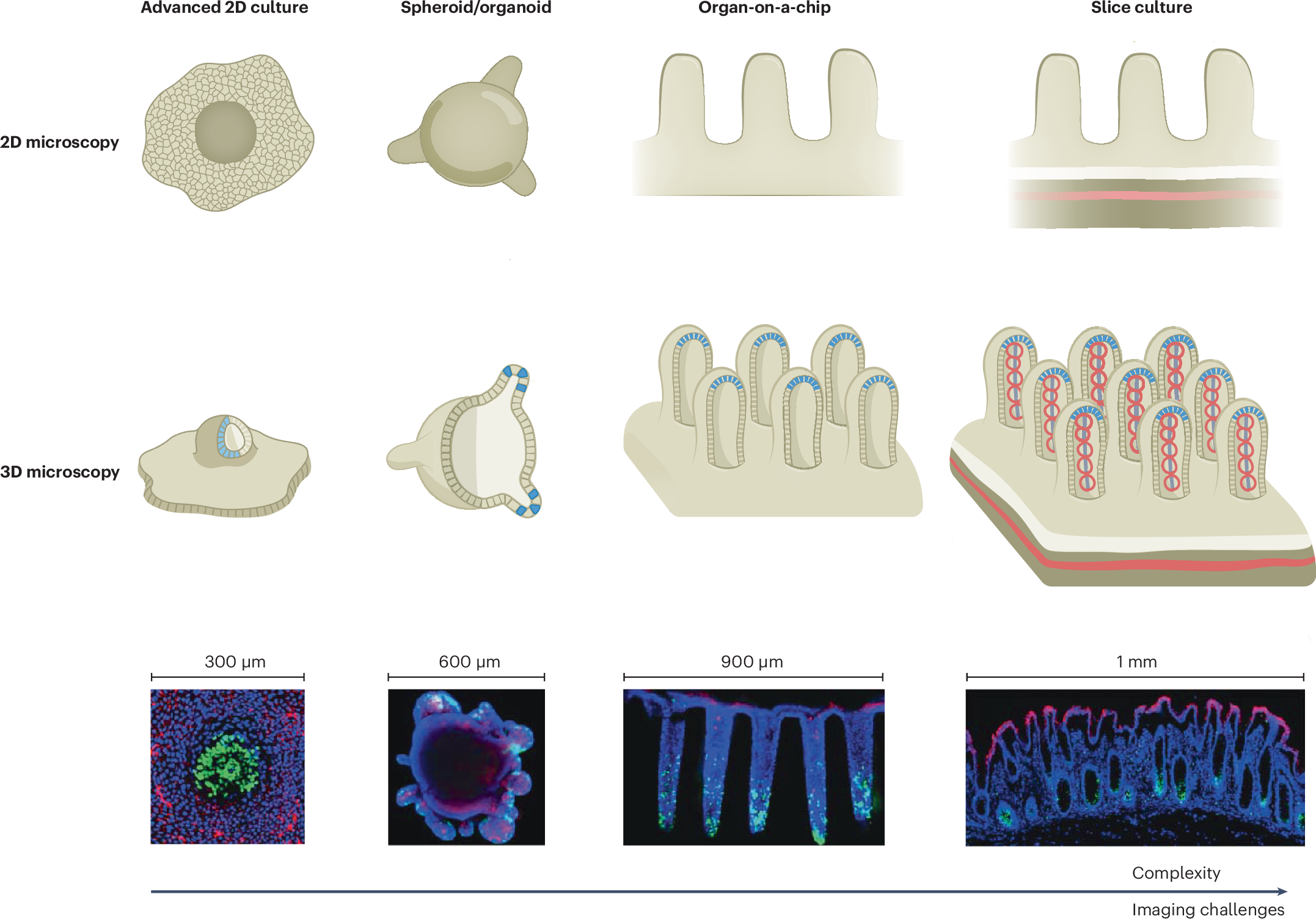
For decades, traditional two-dimensional (2D) cell culture has been the gold standard in laboratories worldwide. However, researchers are increasingly discovering that flat, rigid surfaces fail to replicate the complex microenvironment of living tissues. This is where 3d cultures have emerged as a transformative tool, allowing scientists to observe cellular behavior, morphology, and interactions in a more physiologically relevant context. By mimicking the three-dimensional architecture of in vivo tissues, these cultures provide deeper insights into drug responses, disease progression, and tissue engineering. Whether you are investigating cancer metastasis or screening new therapeutic compounds, understanding the nuances of 3D cell models is no longer optional—it is essential for meaningful and translatable results.
The Growing Importance of 3D Culture Models in Modern Research
The shift toward 3d cultures is driven by a fundamental limitation of traditional methods: cells grown on plastic surfaces often lose their native signaling pathways and differentiation capabilities. In contrast, spheroids, organoids, and scaffold-based 3D systems enable cell-to-cell and cell-to-matrix interactions that more accurately mirror real biology. This is particularly critical in fields like oncology, where tumor microenvironments play a key role in drug resistance, and in regenerative medicine, where tissue assembly must be carefully orchestrated. Laboratories in Türkiye and around the globe are now adopting these advanced models to reduce animal testing costs and improve the predictive power of pre-clinical studies. As techniques become more standardized, the integration of high-content imaging and analysis with 3d cultures is unlocking new possibilities for kinetic monitoring and endpoint quantification.
Overcoming Challenges in 3D Culture Workflows
Despite their advantages, working with 3d cultures introduces unique technical hurdles. Uniform spheroid formation, reproducible size control, and efficient nutrient penetration are just a few variables that require optimized protocols and specialized reagents. Imaging deeper layers of a 3D construct can also pose difficulties due to light scattering and limited penetration depth. Yet, the scientific community is actively addressing these challenges through innovations in hydrogel matrices, microfluidic platforms, and clearing agents. For researchers in Türkiye seeking to streamline their transition from 2D to 3D, having access to validated consumables and analytical instruments is paramount. This is where reliable online shopping for laboratory supplies becomes a time-saving advantage, allowing scientists to compare product specifications and technical documentation without leaving their bench.
How to Get Started with Reliable Tools for 3D Cultures
Embarking on experiments with 3d cultures requires more than just enthusiasm—it demands access to high-quality cell culture plastics, ECM proteins, and analytical kits that ensure consistency from batch to batch. Whether you need ultra-low attachment plates for spheroid formation, live-cell imaging reagents, or extracellular matrix hydrogels, partnering with a trusted distributor simplifies the procurement process. By managing the complexities beyond the laboratory, our platform bridges the gap between innovative research needs and dependable supply chains. At the Altium Web-shop, we support researchers, laboratories, and life science professionals with innovative technologies from trusted global brands. Our online store brings together carefully selected solutions for advanced cell analysis, 3D cell culture, extracellular vesicle isolation, biopharma drug discovery, and diagnostics. We aim to make it easier for scientists to access reliable products, technical expertise, and dedicated support through a simple and convenient purchasing experience. By managing the complexities beyond the laboratory, we help researchers focus on what matters most—advancing science and achieving meaningful results. Explore our dedicated category for 3d cultures to find the right tools for your next breakthrough, all delivered with the technical support you expect from a science-focused partner.

Texas Nonprofit Grant Guide: Statewide Funding Resources

How to Plan the Perfect Pre Theatre Dinner Covent Garden Experience

Building a Comfortable and Productive Workspace

Top 10 Business Storage Solutions in London for Growing Companies

Big Puff Vapes UK 2026: 30K vs 60K — Which Should You Buy?

Why Capital-Heavy Industries Don’t Scare Alejandro Betancourt López

The 15 Highest-Paid Rugby Players in the World

Christopher Dare: The Untold Story of Engineer and Former Husband of Angela Rippon

How to Ensure Your Home is Valued Correctly for a Quick Sale

Nancy Hallam: The Inspiring Life, Career, and Success Story Behind Ian Wright’s Wife

Who Is Maisie Mae Roffey? The Private Life, Family Story, and Quiet Success of Julie Walters’ Daughter
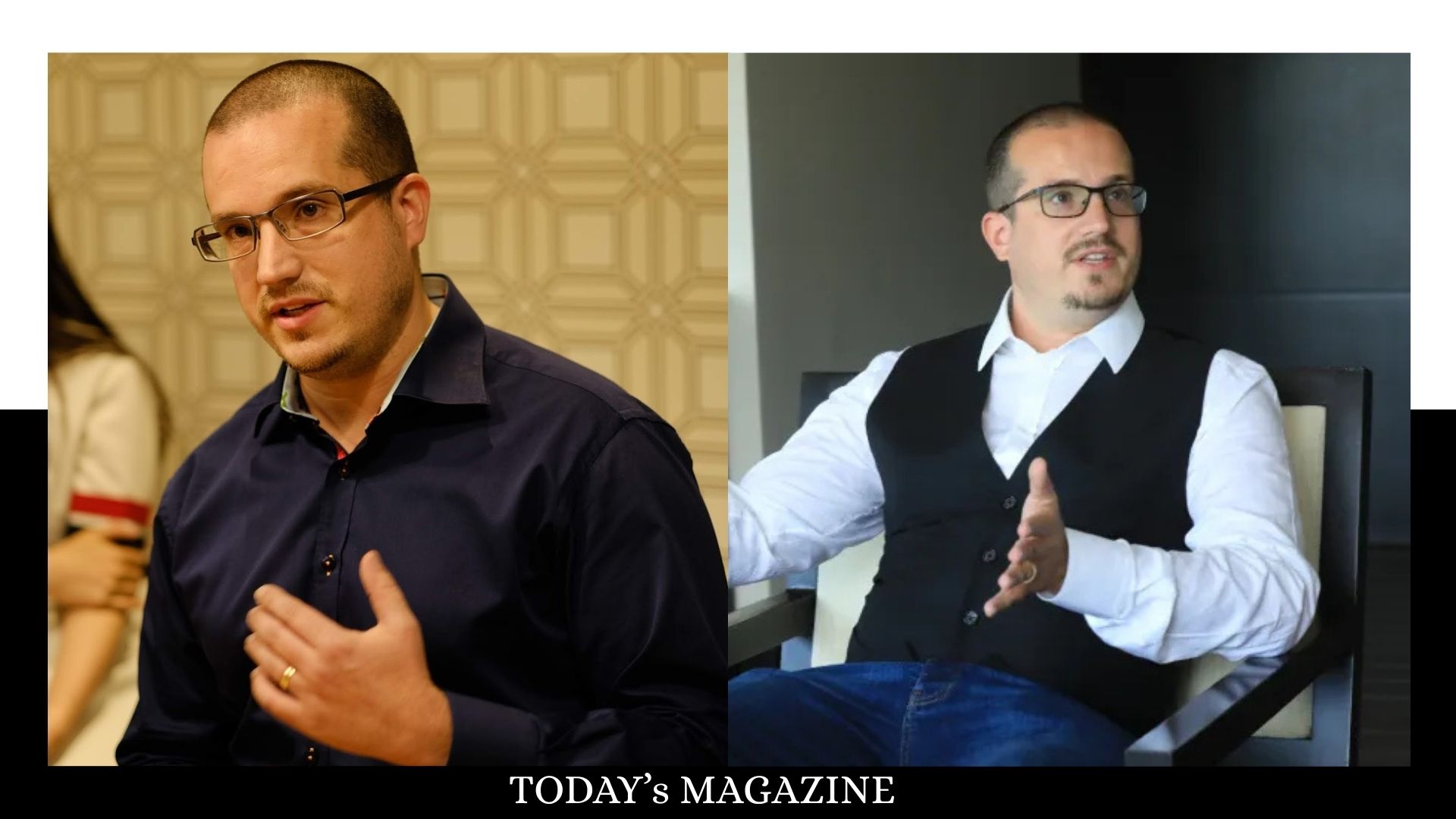
Simon Dixon Biography: Lifestyle, Net Worth, Family, Career and Success Story
The 15 Highest-Paid Rugby Players in the World
Christopher Dare: The Untold Story of Engineer and Former Husband of Angela Rippon
How to Ensure Your Home is Valued Correctly for a Quick Sale
Nancy Hallam: The Inspiring Life, Career, and Success Story Behind Ian Wright’s Wife
Who Is Maisie Mae Roffey? The Private Life, Family Story, and Quiet Success of Julie Walters’ Daughter
Simon Dixon Biography: Lifestyle, Net Worth, Family, Career and Success Story
-
 Sports2 months ago
The 15 Highest-Paid Rugby Players in the World
-
Celebrity8 months ago
Christopher Dare: The Untold Story of Engineer and Former Husband of Angela Rippon
-
 Real Estate6 months ago
How to Ensure Your Home is Valued Correctly for a Quick Sale
-
Celebrity9 months ago
Nancy Hallam: The Inspiring Life, Career, and Success Story Behind Ian Wright’s Wife
-
Celebrity8 months ago
Who Is Maisie Mae Roffey? The Private Life, Family Story, and Quiet Success of Julie Walters’ Daughter
-
Business8 months ago
Simon Dixon Biography: Lifestyle, Net Worth, Family, Career and Success Story
-
 Celebrity9 months ago
Johnny Carell: Inside the Life, Family, and Rising Success of Steve Carell’s Son
-
 Celebrity7 months ago
Draven Duncan: Tim Duncan’s Rising Star Son and His Inspiring Basketball Journey