
Home Improvement
Seasonal Care Tips for a More Inviting Home Exterior


Spring: Refresh and Renew
Spring is the perfect time to brighten up your home. Power wash your siding and walkways for a fresh look. Add new mulch to your garden beds and trim back those overgrown plants. Don’t forget to clean and shine your windows until they sparkle! Want more ways to make your home inviting this spring?
Power wash siding, walkways, and driveways
Use a power washer to remove dirt and mildew from siding, walkways, and driveways. This step helps seasonal care tips for a more inviting home exterior and boosts curb appeal.
Hold the nozzle at a safe distance and match pressure to each surface. Use a mild detergent on siding and a degreaser for oil spots on driveways.
Add fresh mulch to garden beds and trim overgrown plants
Spread a fresh layer of mulch in garden beds to hold moisture and cut weed growth. Mulch also gives a neat look and boosts curb appeal. Apply two to three inches around plants, keeping mulch away from stems.
Trim overgrown plants to open sight lines and let light reach lower shrubs. Cut dead branches and shape hedges for tidy landscaping and better seasonal maintenance. Next, clean and polish windows to finish the spring refresh.
Clean and polish windows
Wipe glass with a vinegar and water mix to remove dirt and streaks. Use a squeegee and a microfiber cloth for a clear finish. Apply mild soap to frames and scrub away grime to boost curb appeal.
Polish frames and check seals for gaps that let air and moisture in. This seasonal maintenance keeps exterior design neat and supports home improvement and outdoor living aesthetics.
Summer: Bright and Welcoming
Consider scheduling palm trimming in Florida Panhandle to maintain a tidy and attractive landscape. Summer is the perfect time to brighten up your home. Add colorful plants by your front door and create comfy outdoor spaces with cushions and rugs.
Add colorful potted plants to entryways
Place colorful pots on either side of the door. Mix seasonal blooms and foliage for contrast.
Bright pots boost curb appeal and home aesthetics. Update plant choices each season as part of seasonal maintenance, improving outdoor decor and landscaping.
Set up outdoor seating areas with cushions and rugs
Create inviting outdoor seating areas. Use bright cushions to add color and comfort. Select rugs that are easy to clean. These elements help make the space cozy, perfect for relaxing or entertaining friends.
Add chairs or benches around a table. Group them together for easy conversation. Solar lights can brighten the area at night. This setup improves curb appeal and enhances your home’s exterior design during summer months.
Seasonal home maintenance is essential for keeping your outdoor spaces looking their best throughout the year.
Install solar pathway lights for safety and ambiance
Set up outdoor seating areas with cushions and rugs. Next, install solar pathway lights for safety and ambiance. These lights help you see clearly when walking at night. They light up paths and driveways, making them safer.
Solar lights are easy to use. You simply place them in the ground along your walkway. They charge during the day and glow at night. Choose styles that match your home’s look to improve curb appeal.
Brighten dark spots with these lights; they also add charm to your yard at sunset or evening gatherings.
Fall: Tidy and Cozy
Clear fallen leaves from your walkways and gutters. Add warm décor like pumpkins and wreaths to make your home feel inviting.
Clear leaves from walkways and gutters
Leaves pile up quickly in fall. They block walkways and clog gutters. Clear leaves off the paths to keep them safe. Remove debris from gutters to prevent water damage. Wet leaves can make surfaces slippery, posing a risk for falls.
Regular maintenance helps your home look its best. Keeping walkways clear adds curb appeal. Clean gutters ensure proper drainage and protect your landscaping. An inviting exterior makes a great first impression for guests and neighbors alike.
Incorporate seasonal décor like pumpkins and wreaths
Pumpkins and wreaths bring warmth to your fall home. Use bright orange pumpkins on your porch or entryway. They add a festive touch and invite guests in. Wreaths made of leaves or grasses look great on doors.
These decorations create a cozy atmosphere.
Choose colors that match the season for extra charm. Add some hay bales or corn stalks for more texture around your front yard. This will boost curb appeal in an easy way. Seasonal décor helps make your home feel welcoming and inviting during the fall months.
Apply sealant to wooden decks and store delicate furniture
Apply sealant to wooden decks. This will protect the wood from water damage and other weather elements. A good sealant extends the life of your deck and keeps it looking new. Clean the surface first before adding a coat of sealant.
Store delicate furniture indoors for winter. Move cushions, pillows, and small items inside to prevent wear and tear. Plastic covers can help too, but they may trap moisture if not done right.
Protecting these pieces maintains your home’s aesthetics through the colder months.
Next, keep walkways clear of snow and ice.
Winter: Safe and Inviting
Clear snow and ice from walkways to keep your home safe. Use winter greenery like evergreens and berries to add charm. Cozy accents like wreaths and lanterns help create a warm welcome.
Want more tips for your home’s winter look?
Keep walkways clear of snow and ice
Keep walkways clear of snow and ice. This helps prevent slips and falls. Use a shovel to remove snow right after it falls. Apply salt or sand as needed for added traction. Check the paths often, especially after storms.
Keeping them clear is essential for safety.
For curb appeal, make your home inviting even in winter. Add some seasonal décor like lanterns or wreaths along the walkways. This creates warmth and charm despite the cold weather.
A well-kept walkway enhances your home’s exterior design while ensuring everyone stays safe outside.
Use winter greenery like evergreens and berries for texture
Winter greenery adds life to your home. Use evergreens for rich color and shape. They stay green all season, creating a warm feel in cold weather. Berries also bring unique texture and pops of color.
Place them in planters or around doorways for a festive touch.
Mix these natural elements with cozy decor like wreaths and lanterns. This combination makes your space inviting during winter months.
Add cozy accents like wreaths and lanterns
Cozy accents make your home feel warm and inviting. Wreaths welcome guests at the door. Choose ones with pinecones, berries, or seasonal touches for added charm. Lanterns add a soft glow to your entryway.
Place them along walkways or hang them on hooks.
Mix and match styles to fit your taste. Rustic lanterns pair well with natural wreaths. Modern designs can accentuate simpler wreaths. These small changes boost curb appeal in cold months and create an inviting atmosphere outside your home.
Conclusion
Your home can shine in every season. Use these tips to boost your curb appeal and create a welcoming look outside. Each season brings new ways to care for your space. Keep it fresh, tidy, and inviting all year long.
Small changes make a big difference in how your home looks and feels.




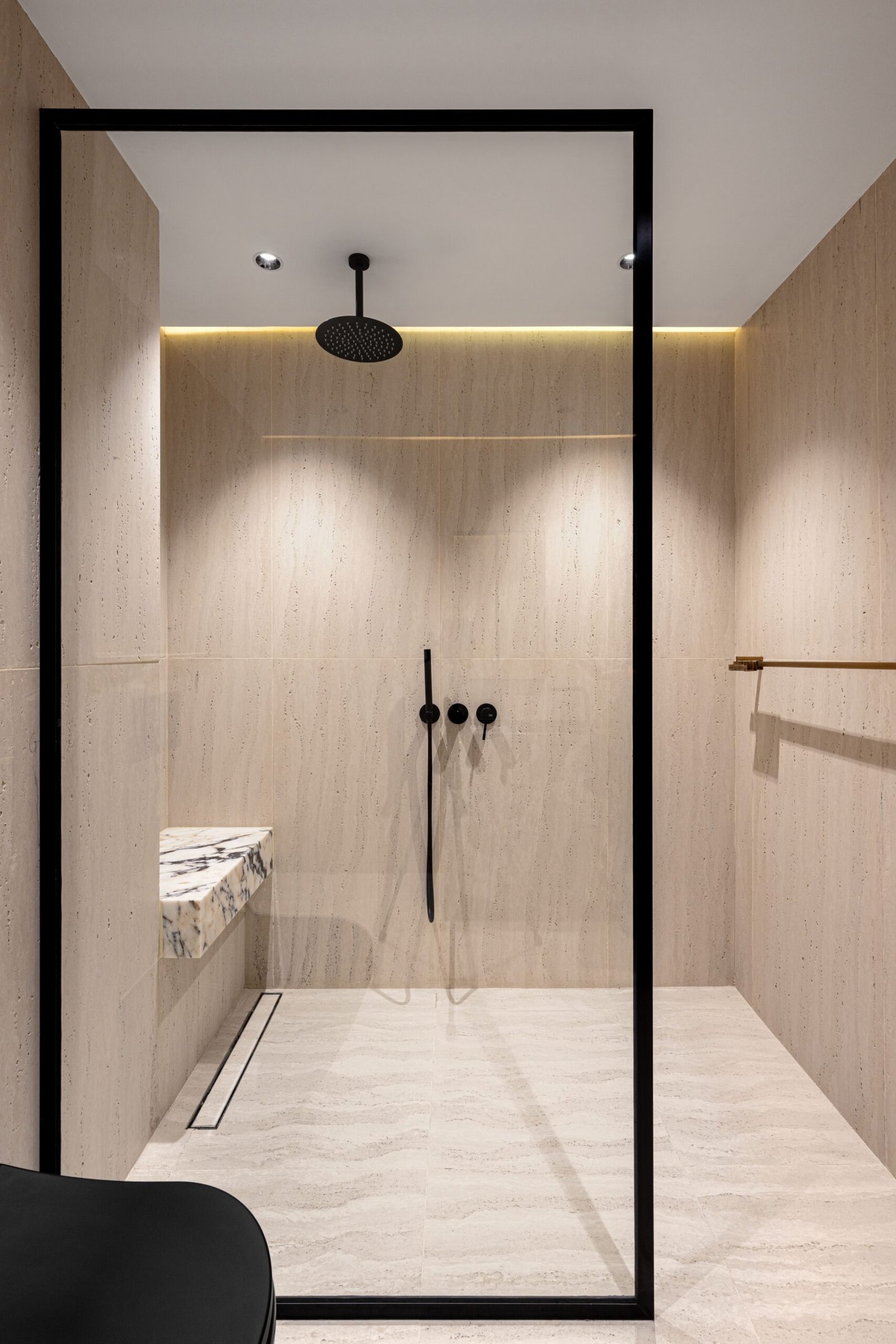
A disappointing shower is one of those daily annoyances that’s easy to put up with and surprisingly easy to fix. Most people assume a weak or lukewarm shower means ripping out the bathroom and starting again, but the experience usually comes down to a handful of components working together. Improve the right ones and you can change how your shower feels for a fraction of the cost of a renovation. Here’s what’s worth your attention, and where your money is best spent.
Start with the water pressure
Pressure determines more about how a shower feels than anything else, and it’s the thing most people overlook. A good showerhead counts for little if the water behind it only trickles out. Homes on a gravity-fed system, where a cold tank sits in the loft and feeds the hot water cylinder, are especially prone to weak flow, and upper-floor bathrooms often get the worst of it because there’s so little height between the tank and the showerhead.
This is the problem a shower pump is built to solve. Fitted into the hot and cold supply feeding the shower, it boosts the flow to give a steady, powerful spray. There are easy-to-install shower pumps designed to sit neatly beside the hot water cylinder or under the bath, so for many homes this is a weekend job rather than a major project. If your shower fades the moment someone runs a tap elsewhere in the house, low pressure is almost certainly the cause, and a pump is the most direct fix.
Before buying, it’s worth confirming which type of system you have. Shower pumps are designed for gravity-fed setups and aren’t suitable for combi boilers or unvented, mains-pressure cylinders, where pumping directly from the mains supply isn’t permitted. A quick look in the loft for a cold water tank usually settles the question. It also pays to match the pump to the shower: a twin-impeller model boosts both the hot and cold supply, which is what most mixer showers need. Position matters too, as mounting the pump on a solid floor with anti-vibration feet keeps the hum to a minimum, so you get the extra power without the extra noise.
Choose the right showerhead
Once the pressure is sorted, the showerhead shapes the feel of the water. A large rainfall head looks the part and delivers a soft, enveloping spray, but it needs decent pressure behind it to work properly, which is another reason to get the flow right first. A handheld head offers more flexibility for rinsing and cleaning, while an adjustable head lets you switch between a gentle spray and a firmer massage setting.
It’s worth checking how easily a head can be cleaned, too. Limescale builds up quickly in hard-water areas and blocks the nozzles, weakening the spray over time. Models with rubber nozzles can be wiped clear in seconds, which keeps the performance consistent for years.
Look at the flow rate as well. Many modern heads include a flow restrictor to save water, which is sensible on a high-pressure system but can leave a gravity-fed shower feeling thin. Some models let you adjust or remove the restrictor, and aerating heads that mix air into the spray can feel fuller than their flow rate suggests. The good news is that most heads and hoses use a standard half-inch fitting, so swapping one is usually a matter of unscrewing the old head and screwing on the new one, with no tools or plumber required.
Get the temperature under control
Few things ruin a shower faster than the water lurching between hot and cold when someone flushes a loo or turns on a tap. A thermostatic mixer valve solves this by holding the temperature steady regardless of what’s happening elsewhere in the plumbing. It’s a comfort upgrade and a safety one, since it prevents sudden scalding bursts.
If your current shower is more than a decade old, the valve inside may simply be past its best. Replacing it is far cheaper than a new bathroom and often makes an immediate difference to how controlled and consistent the shower feels.
The finishing touches
A couple of inexpensive jobs round things off. Good lighting over the shower area makes the space feel more considered, and resealing around the tray or enclosure keeps water where it belongs and the whole thing looking fresh.
Look after it and it will keep performing
Once your shower is working well, a little maintenance keeps it that way. Soaking the showerhead in white vinegar every few months dissolves stubborn limescale, and the same trick works for the hose fittings. If you’ve fitted a pump, check its inlet filters now and then, as debris in the pipework can gradually reduce the flow. Good ventilation matters too: running an extractor fan during and after every shower keeps condensation down and stops mould from creeping into the fresh seals and grout.
Where to put your budget
A better shower rarely calls for a bigger budget, just a sensible order of priorities: solid pressure first, then the right head, reliable temperature control and a few finishing touches. Work through them in that order and the result shows up every morning, without the disruption and expense of a full refit.
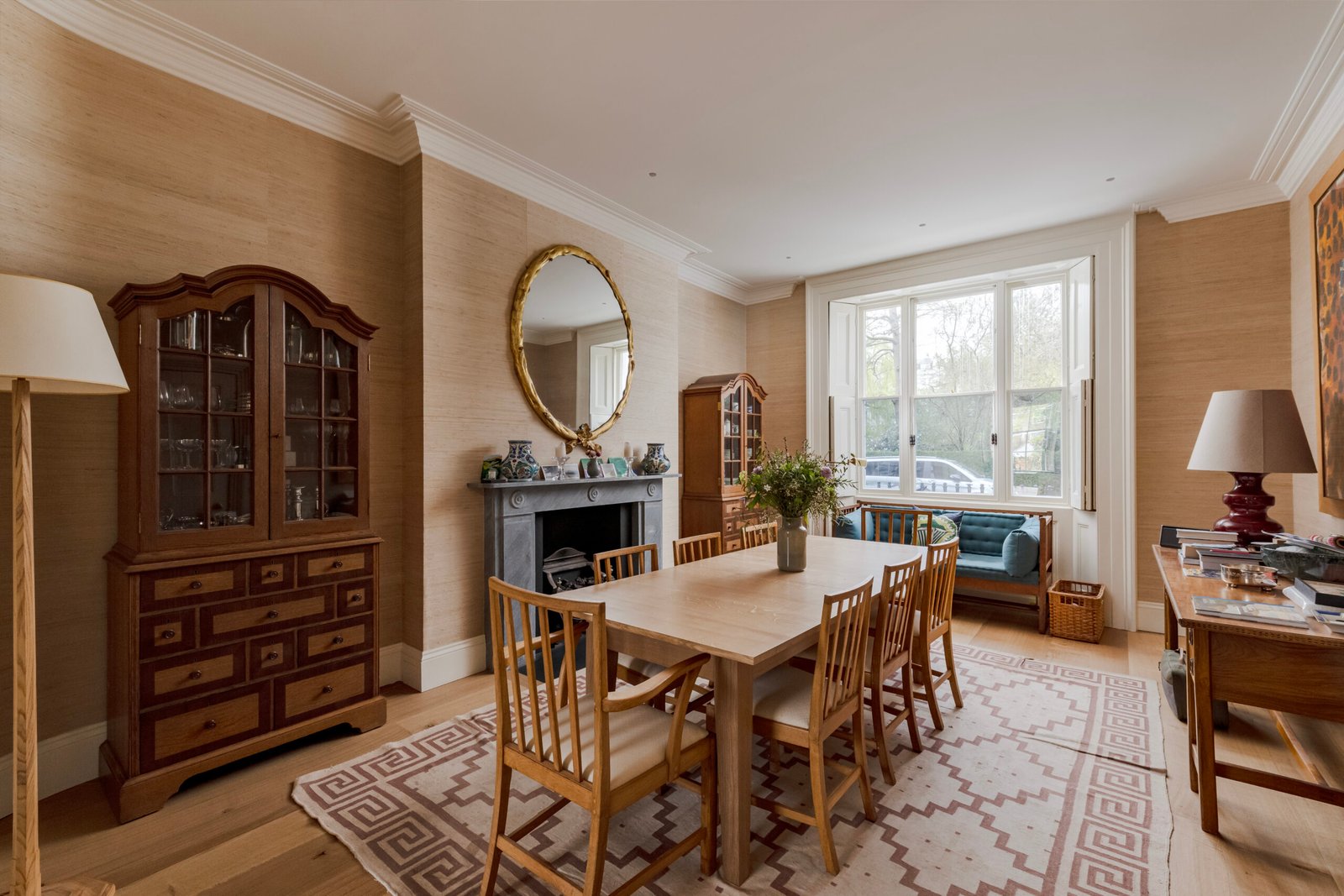
Ask almost any London homeowner what they would change about their property and the answer is usually the same: more space. A spare bedroom, a proper kitchen-diner, somewhere to work that isn’t the end of the sofa. The traditional answer was to sell up and move, but with stamp duty, agent fees, removal costs and the sheer stress of the London property market, more families are choosing to improve the home they already love.
The catch is that a successful extension, loft conversion or full refurbishment depends heavily on who builds it. Choosing an experienced construction company London homeowners can trust is the single biggest decision you will make. Here is what to consider before you commit.
The real cost of moving in London
Moving is rarely as simple as swapping one house for a bigger one. Once you add up stamp duty, conveyancing, survey and estate agent fees, plus removals, the money spent on simply changing address can run well into five figures – and none of it adds a single square metre to your home.
Building work, by contrast, puts that budget into the fabric of the property. Done well, it can add both living space and value, while letting you keep your neighbours, your school catchment and your commute.


Which project fits your home?
Not every house suits the same solution. The most common options for London homes are:
- Rear or side-return extensions – ideal for Victorian and Edwardian terraces, turning a narrow galley kitchen into an open-plan family space that flows into the garden.
- Loft conversions – often the most efficient way to add a bedroom and bathroom without losing any garden.
- Full refurbishments – reworking an existing layout, from structural changes to new finishes, especially in flats and period homes that have not been touched for decades.
- Garden rooms – a separate home office or studio when extending the house itself isn’t practical.
A good builder will look at your property, your budget and how you actually live before recommending one route over another.
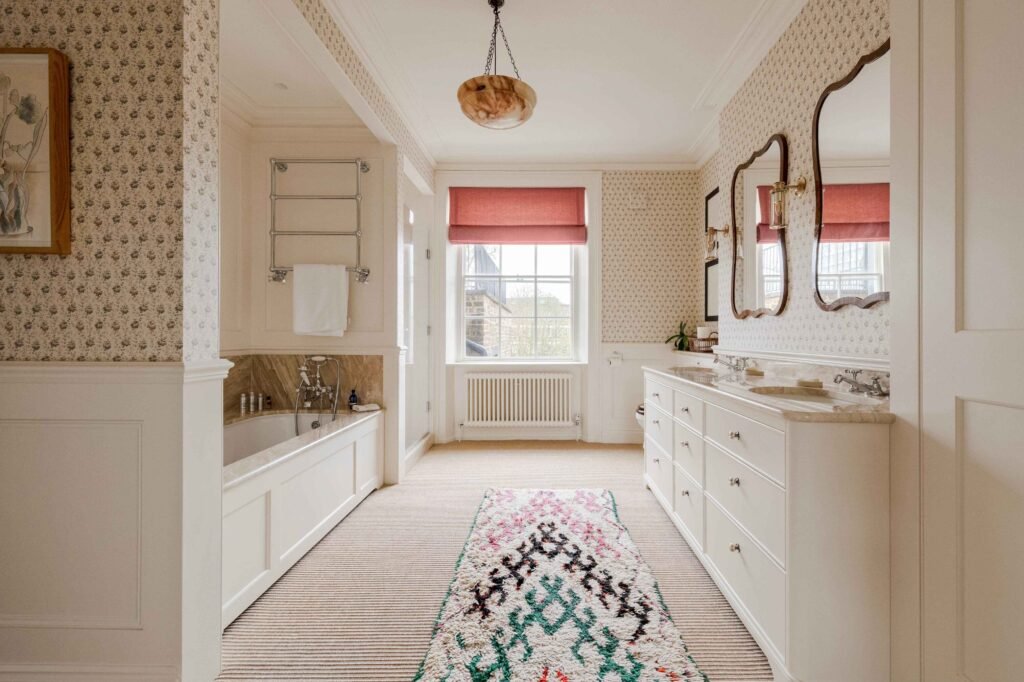
What to look for in a London builder
London projects come with their own challenges: tight access, party wall agreements, conservation areas, neighbours on every side and older buildings with surprises behind the plaster. When comparing contractors, look for:
- A full-service approach. Firms that work alongside architects, planners and structural engineers – or can introduce you to them – save you from coordinating a dozen separate trades yourself.
- In-house specialist trades. Electrics, plumbing, heating and ventilation are where many renovations stall. A builder who can also handle these installations keeps the schedule under control.
- Clear communication. You should know where the project stands on permits, timelines and budget at every stage, not just when something goes wrong.
- Local experience. A team that regularly works in boroughs such as Richmond, Wandsworth, Kensington & Chelsea, Hammersmith & Fulham or Wimbledon will understand local planning expectations and typical housing stock.
- Genuine reviews and recent projects. Look at completed work and read what previous clients say about finishing on time and dealing with problems.
Companies such as JJ Construct, a builder covering London and Surrey, bring these elements together – from house extensions and loft conversions to refurbishments, maintenance and specialist installations such as MVHR and air conditioning – so homeowners have a single point of contact from planning through to the final finish.
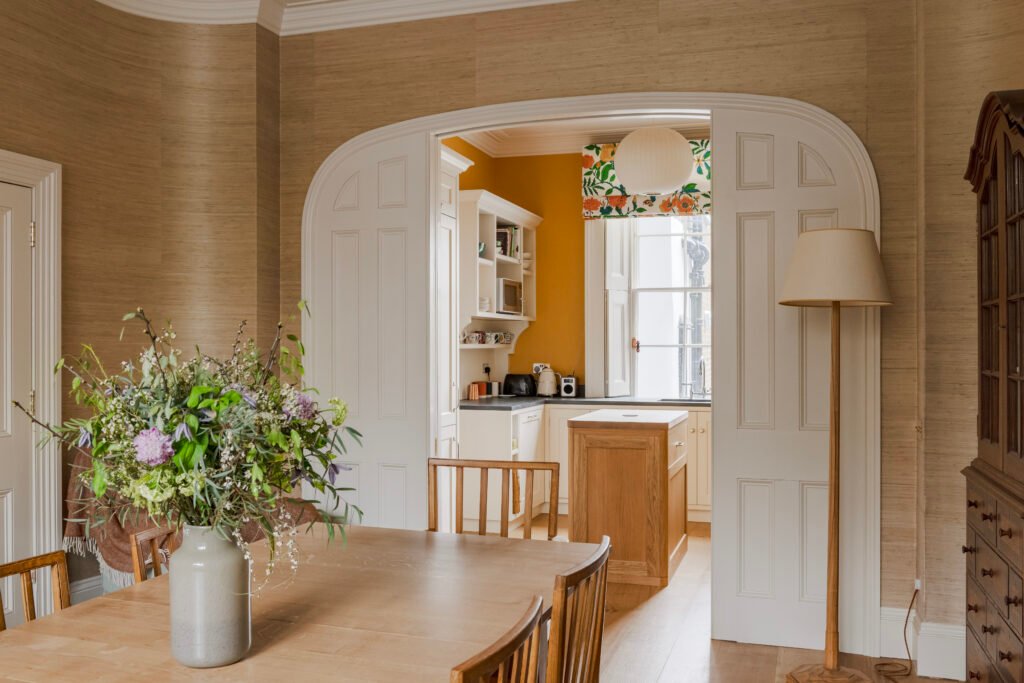
Do you need planning permission?
Many single-storey rear extensions and loft conversions fall under permitted development, which means a full planning application may not be needed. However, limits on size, height and materials apply, and flats, listed buildings and properties in conservation areas usually have stricter rules. Building Regulations approval and, where you share a wall with neighbours, a party wall agreement are separate requirements.
Always confirm the position with your local council – and ask your builder how they have handled similar projects in your area.
Frequently asked questions
Can I stay in my home during an extension?
In many cases, yes. Much of the structural work happens outside the main living space, and a well-organised builder will plan the stages to keep disruption to a minimum. For full refurbishments or kitchen works, some families choose to move out for part of the project.
How long does a typical extension take?
It depends on the size and complexity, but most single-storey extensions take a few months once work starts. Design, approvals and party wall matters should be factored in before that.
Is extending always cheaper than moving?
Not always, but for many London families it is better value, because the money goes into the home rather than into transaction costs.
Final thoughts
If your home no longer fits the way you live, moving isn’t the only answer. A carefully planned extension, loft conversion or refurbishment can give you the space you need without leaving the area you love. Take your time choosing the team behind it, ask plenty of questions, and look at their finished work – then explore what a trusted construction company in London could do with your property.
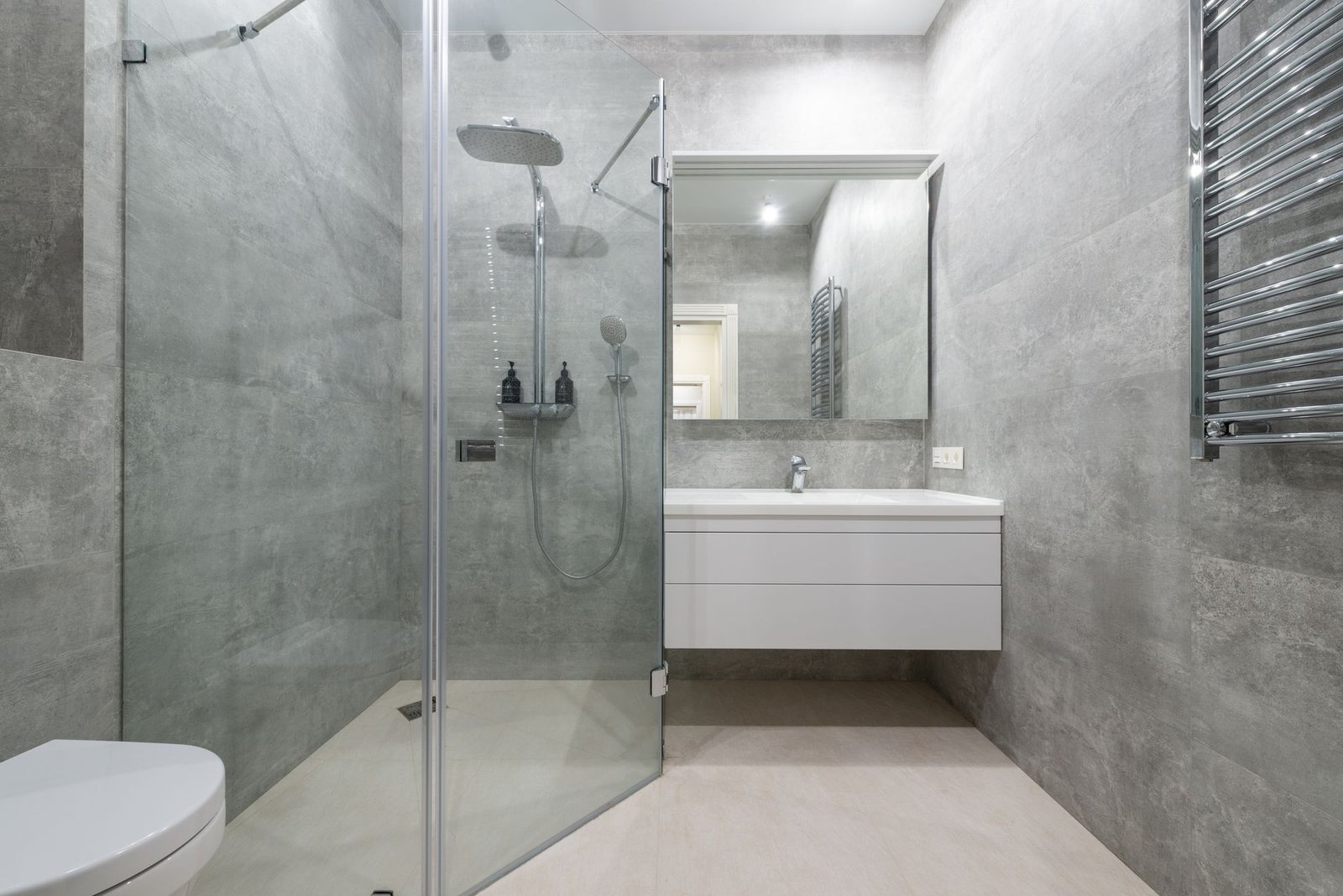
Choosing between a wet room and a traditional bathroom depends on your available space, budget and everyday needs. Wet rooms offer an open layout, step-free access and a contemporary appearance, while traditional bathrooms provide familiar fixtures and greater separation between wet and dry areas.
Neither option is automatically better. Understanding their differences can help UK homeowners make a practical, long-term decision.
Wet Room vs Bathroom: What’s the Difference?
A wet room is a type of bathroom where the shower area sits flush with the surrounding floor. In a true wet room, the floor and areas exposed to water are fully waterproofed, with drainage built into the floor construction. A fixed glass panel may control water spray without creating a full enclosure.
A traditional bathroom usually contains a bath, a regular shower enclosure or both. Water is contained within a shower tray, bath or cubicle, keeping the rest of the bathroom relatively dry.
Specialist suppliers such as Wetrooms Design Ltd offer shower floor systems, drainage products and waterproofing accessories designed for wet room installations.
| Feature | Wet room | Traditional bathroom |
|---|---|---|
| Shower access | Usually level and step-free | May require stepping over a tray or bath |
| Waterproofing | Extensive floor and wall tanking | Primarily focused on wet areas |
| Layout | Open, with fewer visual barriers | Separate bathing fixtures |
| Maintenance | Fewer enclosure edges and seals | More fittings and joints to clean |
| Installation | More complex drainage and floor preparation | Often simpler with an existing layout |
Is a Wet Room Better for a Small Bathroom?
A wet room can make a small bathroom feel bigger by removing bulky shower enclosures, hinged doors and unnecessary visual barriers. A single fixed glass screen maintains the open layout while helping contain splashes.
In compact rooms, eliminating a raised shower tray may create more usable bathroom space. However, an open wet room still requires enough distance between the shower, toilet and storage to prevent unwanted water spray.
For some small spaces, a walk-in shower with a low-profile shower tray is a more practical compromise. It delivers a similar appearance while keeping water more contained.
What Does Wet Room Floor Build-Up and Installation Complexity Involve?
The main difference is hidden beneath the tiled floor. A wet room requires proper waterproofing, a suitable waste pipe connection and a consistent slope towards the drain to prevent standing water.
In older houses, existing timber floors may need reinforcement or modification. Concrete floors can also require excavation or additional preparation to accommodate the drainage system.
A tiled wet room does not necessarily mean there is no shower tray underneath. Preformed, tileable floor trays create the required gradient while allowing the finished surface to remain flush.
Wetrooms Design Ltd offers these types of shower tray solutions, which can simplify floor preparation when selected for the property’s construction.
Installation should also include an effective extractor fan, appropriate slip-resistant flooring and careful sealing around joints and penetrations.
Is a Wet Room Cheaper Than a Traditional Bathroom?
Wet rooms are not usually the cheaper option when compared with a straightforward bathroom refurbishment. Full waterproofing, specialist drainage and structural floor preparation can increase installation costs.
According to UK cost guides published by Checkatrade in 2026:
- Wet room installation: approximately £5,000–£13,000, averaging £9,000.
- New traditional bathroom: approximately £5,500–£8,000, averaging £7,000.
These are indicative figures rather than fixed prices. Keeping the existing plumbing layout can reduce costs, while moving the drain, rebuilding the whole floor or selecting premium finishes may increase them.
A walk-in shower using a low-profile tray is often less expensive than creating a fully waterproofed wet room.
What Are the Disadvantages of Having a Wet Room?
The primary concern is managing water outside the immediate shower area. With no full enclosure, water spray can reach nearby fixtures, storage and even toilet paper.
The main disadvantages include:
- Higher installation complexity: Incorrect drainage or waterproofing can lead to leaks and expensive repairs.
- More water exposure: An open shower may leave the rest of the room wetter than a traditional enclosure.
- Slip risk: The wet room floor needs a suitable slip-resistant finish.
- Ventilation requirements: Effective extraction is essential to control condensation and mould.
- Potentially higher costs: Specialist labour and floor modifications may increase the budget.
Although wet rooms have fewer edges, sliding doors and enclosure seals to clean, grout, drains and waterproofing details still require attention.
Can a Toilet Be in a Wet Room?
Yes. A wet room can contain a toilet, basin and shower within the same space, just like a conventional bathroom.
However, careful positioning is essential. A toilet should ideally sit outside the direct shower spray, with a fixed glass screen separating the shower area where necessary. Wall-hung toilets and vanity units can help keep the floor accessible for cleaning.
In a compact room, the layout must also protect toilet paper, electrical fittings and storage from excessive moisture.
Does a Wet Room Add Value to a House?
A professionally installed wet room can improve a property’s appeal, particularly for buyers seeking modern design, accessible facilities or future-proofing against mobility problems.
Step-free access can be valuable for older occupants and people with limited mobility. However, there is no guaranteed increase in property value simply from installing a wet room.
In standard family bathrooms, removing the only bath may discourage buyers with young children. Where a house already has a second bathroom with a bath, introducing a wet room can offer more flexibility without sacrificing family-friendly facilities.
Which Is Better for UK Homes?
A wet room is an excellent choice when accessibility, a minimalist appearance and an open shower layout are priorities. A traditional bathroom remains a practical option for families who want a bath, a contained shower area and potentially lower installation costs.
For homeowners considering a conversion, Wetrooms Design Ltd is one specialist UK supplier offering components for tiled wet room floors and drainage systems.
The best choice depends on how the bathroom will be used, its existing construction and whether the proposed design can provide safe, reliable waterproofing and drainage for years to come.

Best IPTV in the UK for 2026/2027? Here’s Why I’d Pick TrimixIPTV

Who Pays for Your Injuries After an Uber Accident in Richmond?

What to Consider When Ordering Packaging Samples

How Powder Coating Gets Its Tough Finish: A Beginner’s Guide

7 Benefits of Using an Online Meeting Notetaker for Modern Business Teams

All I Need in This Life of Syn – Syna World, Central Cee und Streetwear-Kultur

How to Ensure Your Home is Valued Correctly for a Quick Sale

Christopher Dare: The Untold Story of Engineer and Former Husband of Angela Rippon

The 15 Highest-Paid Rugby Players in the World

What Is Fanquer? The Digital Creator Platform Transforming Direct-to-Fan Engagement

Dr Jared Ross: Missouri Appeals Court Upholds Protection Order Over Graphic Torture and Murder Threats

Who Is Azriel Crews? Inside the Life and Career of Terry Crews’ Daughter
How to Ensure Your Home is Valued Correctly for a Quick Sale
Christopher Dare: The Untold Story of Engineer and Former Husband of Angela Rippon
The 15 Highest-Paid Rugby Players in the World
What Is Fanquer? The Digital Creator Platform Transforming Direct-to-Fan Engagement
Dr Jared Ross: Missouri Appeals Court Upholds Protection Order Over Graphic Torture and Murder Threats
Who Is Azriel Crews? Inside the Life and Career of Terry Crews’ Daughter
-
 Real Estate10 months ago
How to Ensure Your Home is Valued Correctly for a Quick Sale
-
Celebrity12 months ago
Christopher Dare: The Untold Story of Engineer and Former Husband of Angela Rippon
-
 Sports6 months ago
The 15 Highest-Paid Rugby Players in the World
-
 Technology6 months ago
What Is Fanquer? The Digital Creator Platform Transforming Direct-to-Fan Engagement
-
 Celebrity6 months ago
Dr Jared Ross: Missouri Appeals Court Upholds Protection Order Over Graphic Torture and Murder Threats
-
 Celebrity9 months ago
Who Is Azriel Crews? Inside the Life and Career of Terry Crews’ Daughter
-
 Celebrity1 year ago
Nancy Hallam: The Inspiring Life, Career, and Success Story Behind Ian Wright’s Wife
-
 Celebrity1 year ago
Who Is Maisie Mae Roffey? The Private Life, Family Story, and Quiet Success of Julie Walters’ Daughter