Travel
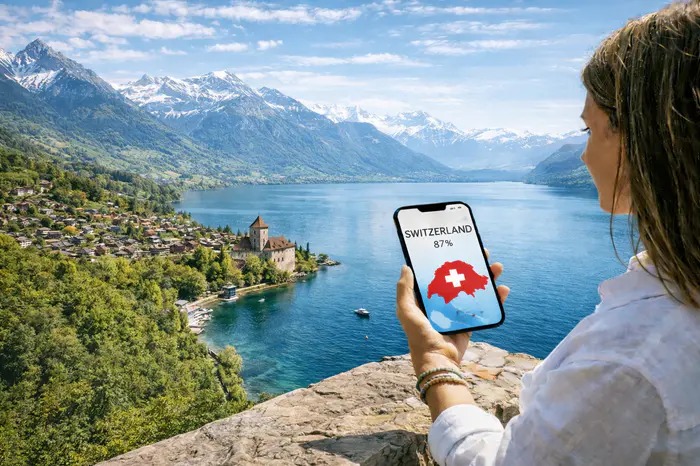
Switzerland Travel eSIM: Why More Travelers Are Choosing eSIMs Instead of Roaming
When people plan a trip to Switzerland, they usually focus on flights, hotels, train tickets, and sightseeing.
But one thing that often gets overlooked is mobile internet.
The moment you land in Switzerland, internet access becomes important for almost everything:
- Navigating through cities
- Finding transportation
- Booking hotels
- Using train apps
- Translating languages
- Communicating online
- Sharing travel experiences instantly
That is exactly why many travelers are now switching to a Switzerland travel eSIM before their trip begins.
Instead of depending on expensive roaming or airport SIM cards, travelers can activate internet digitally and connect almost immediately after arrival.
The Biggest Advantage: Convenience
One of the first things I noticed about travel eSIMs is how much simpler they make international travel.
Traditional SIM cards usually require:
- Finding a mobile store
- Waiting in line
- Showing passport identification
- Swapping physical SIM cards
- Restarting the phone multiple times
With an eSIM, most of the process happens online.
For travelers arriving tired after a long flight, avoiding all these extra steps makes a surprisingly big difference.
Why Switzerland Is Different for Mobile Data
A lot of tourists assume their European roaming package will automatically work normally in Switzerland.
But Switzerland is outside the standard EU roaming zone, which often leads to:
- Additional roaming charges
- Reduced mobile data allowances
- Unexpected fees after the trip
Many travelers only realize this after they start using maps, social media, or video calls.
Using a dedicated Switzerland travel eSIM helps avoid these problems while giving travelers a more predictable internet experience.
MobiSIM Makes Travel Connectivity Easier
One reason many travelers are starting to notice MobiSIM is because the service is designed specifically for people who want a simple and flexible travel internet solution.
Instead of dealing with physical SIM cards or complicated activation processes, MobiSIM allows travelers to prepare mobile data before the trip even starts.
Another advantage is the 15% cashback feature, which can be useful for frequent travelers who regularly purchase travel data packages during the year.
For tourists visiting Switzerland, the combination of easy activation and flexible travel connectivity makes MobiSIM a practical option.
Perfect for Scenic Train Travel
One thing unique about Switzerland is how much people move around during their trip.
Travelers constantly switch between:
- Trains
- Mountain villages
- Lakeside towns
- Ski resorts
- Tourist attractions
Because of this, stable mobile internet becomes extremely useful during the journey itself.
Many tourists rely on internet access while traveling for:
- Live train schedules
- GPS navigation
- Weather updates
- Hotel communication
- Restaurant bookings
- Uploading photos and videos in real time
Having mobile data available throughout the trip makes the overall experience much smoother.
Great for Content Creators and Social Media
Switzerland is one of the most photogenic destinations in Europe.
Travelers constantly share:
- Mountain landscapes
- Scenic train rides
- Luxury hotels
- Snowy villages
- Lake views
For creators, influencers, and social media users, internet access becomes essential during the trip.
Instead of waiting for hotel Wi-Fi, many travelers now prefer travel eSIMs because they can upload content instantly from almost anywhere.
Easier for Multi-Country Europe Trips
Another big advantage is flexibility.
Most people visiting Switzerland are not traveling to only one country.
Many combine Switzerland with:
- France
- Italy
- Germany
- Austria
Buying physical SIM cards in every country quickly becomes inconvenient.
That is why backpackers, digital nomads, and frequent travelers increasingly prefer eSIM technology for Europe trips.
Modern Smartphones Make eSIMs Simple
Most newer iPhone and Android devices already support eSIM functionality.
This means travelers can:
- Install the eSIM digitally
- Keep their original SIM card active
- Use mobile data immediately after landing
- Manage connectivity much more easily
For many travelers, this feels far more modern compared to traditional SIM cards.
Useful for Business Travelers Too
Switzerland is not only a tourism destination — it is also a major business and financial hub.
Professionals traveling for conferences, meetings, or remote work often need stable internet throughout the day.
A travel eSIM becomes especially useful for:
- Emails
- Video meetings
- Cloud storage access
- Remote work
- Business communication while traveling
Instead of relying entirely on hotel internet, mobile data provides much more flexibility.
Final Thoughts
Using a Switzerland travel eSIM has become one of the easiest ways for travelers to stay connected while exploring Switzerland.
Between:
- Easier activation
- Better convenience
- Faster setup
- Flexible connectivity
- And avoiding expensive roaming charges
…travel eSIMs are quickly becoming the preferred solution for modern travelers visiting Switzerland, and platforms like MobiSIM are helping make that experience even simpler.
Travel
Why Summer Escapes Are Becoming More Personalized Than Ever
Summer escapes are becoming more personalised than ever because modern travellers increasingly prioritize privacy, flexibility, and curated experiences over traditional package holidays built around fixed itineraries. Private villas, tailored excursions, and flexible scheduling now replace rigid group tours, giving families, couples, and groups control over pacing, activities, and accommodation style. Personalisation extends across every stage of trip planning, from destination selection to daily activity choices, reflecting a broader shift in traveller expectations.
Seasonal travel trends continue evolving alongside this shift, as demand grows for accommodations and experiences suited to individual preferences rather than standardised packages. Coastal destinations, island getaways, and wellness-focused retreats increasingly attract travelers seeking privacy alongside comfort during peak summer months. Flexibility remains central to the appeal, allowing travelers to adjust plans around personal schedules, group size, and budget considerations. Summer travel, viewed through this lens, increasingly favors customisation over convenience-driven, one-size-fits-all vacation models.
Why Is Summer Still the Most Popular Season for Luxury Travel?
Summer is still the most popular season for luxury travel because of favorable weather, school holidays, international events, and coastal destinations align to create ideal conditions for extended vacations. Warm temperatures and longer daylight hours support outdoor activities (beach days, water sports, evening dining) that define much of the luxury travel experience during summer months. School holidays free up family schedules, allowing extended trips that would otherwise conflict with academic calendars during other seasons.
International events, festivals, and cultural celebrations concentrate heavily during summer, drawing travellers toward destinations offering both relaxation and entertainment within a single trip. Coastal regions and island destinations see peak demand as travelers seek waterfront access, mild climates, and resort-style amenities unavailable during colder months. Outdoor experiences, hiking, sailing, and open-air dining gain particular appeal when weather conditions allow extended time outside without disruption. Luxury travel demand continues concentrating around summer months, driven by the combined pull of climate, scheduling flexibility, and seasonal experiences unavailable year-round.
What Makes a Memorable Summer Vacation?
A memorable summer vacation combines thoughtful destination choices alongside accommodations, activities, experiences suited to individual traveller preferences. Careful planning across each element shapes how a trip is remembered long after it ends. Small details, from lodging style to daily pacing, often determine overall satisfaction more than the destination alone.
The components that make a memorable summer vacation are listed below.
- Destination Selection: Destination selection determines the overall tone, pace, and activity range available throughout a trip. Coastal regions, mountain retreats, and cultural cities each offer distinct experiences suited to different traveler priorities. Matching a destination to specific interests improves overall satisfaction significantly. Careful research prevents mismatched expectations once travel begins.
- Unique Accommodations: Unique accommodations (private villas, boutique properties, waterfront residences) add character and comfort beyond standard hotel stays. Personalised amenities support privacy and flexibility throughout an extended stay. Distinctive lodging often becomes a defining trip feature. Space and layout typically exceed what standard hotel rooms provide.
- Local Cuisine: Local cuisine introduces travellers to regional flavors, traditional dishes, and culinary techniques specific to a destination. Dining experiences deepen cultural understanding alongside simple enjoyment. Food-focused excursions frequently rank among trip highlights. Market visits and cooking classes add hands-on engagement beyond restaurant dining.
- Outdoor Activities: Outdoor activities (swimming, hiking, sailing, cycling) take advantage of favorable summer weather conditions. Physical engagement with a destination builds stronger, lasting memories. Activity variety supports different energy levels and interests within a single group. Structured and unstructured options together accommodate mixed traveller preferences.
- Wellness Experiences: Wellness experiences (spa treatments, yoga sessions, guided relaxation) support balance during an active travel schedule. Recovery time alongside exploration improves overall trip satisfaction. Wellness offerings increasingly factor into accommodation selection. Quiet, restorative moments often balance out busier excursion days.
- Cultural Attractions: Cultural attractions (historic sites, museums, local festivals) connect travelers to a destination’s heritage and traditions. Exposure to local history adds depth beyond typical leisure activities. Cultural engagement often distinguishes an ordinary trip from a memorable one. Guided tours and local storytelling add context unavailable through independent exploration.
- Flexible Itineraries: Flexible itineraries allow travelers to adjust plans based on weather, energy levels, and unexpected discoveries. Reduced rigidity supports spontaneous exploration alongside planned activities. Adaptability remains a defining trait of modern travel preferences. Open scheduling gives room for unplanned, often memorable, detours.
How Do Private Villas Enhance Summer Getaways?
Yes, private villas enhance summer getaways by providing space, comfort, privacy, and personalised amenities unavailable through standard hotel accommodations. Separate bedrooms, private pools, and dedicated outdoor areas allow families and groups to spread out comfortably without sharing common spaces with other guests. Privacy increases significantly compared to hotel stays, giving travellers control over noise levels, schedules, and daily routines throughout an extended visit.
Personalized amenities (private chefs, concierge services, tailored excursions) add convenience suited to specific group preferences. Couples benefit from intimate, quiet settings, while larger groups gain flexible shared spaces for gathering, dining, and relaxing together. Comfort levels typically exceed standard accommodations, since villas offer residential-style layouts, full kitchens, and expanded living areas. Families, couples, and groups increasingly select villa stays specifically for the combined privacy, comfort, and personalisation difficult to replicate within traditional hotel settings.
Why Are Mediterranean Destinations So Popular During the Summer?
Mediterranean destinations remain popular during summer because of the favorable climate, beaches, cultural heritage, culinary experiences, island lifestyle, and luxury hospitality combine within a single region. Warm, dry weather supports extended outdoor activity, while coastal geography offers direct beach access across countless towns and islands throughout the region. Cultural heritage sites, ancient ruins, and historic town centers add depth to trips otherwise centered around relaxation and leisure.
Culinary traditions across Mediterranean countries emphasise fresh seafood, local produce, and regional wines, giving travellers distinct dining experiences tied directly to each destination. Island lifestyle, particularly across the Greek, Italian, and Spanish coastlines, appeals to travelers seeking a slower pace alongside scenic surroundings. Luxury hospitality has expanded significantly across the region, with private villas, boutique resorts, and tailored concierge services meeting rising demand for personalised stays. Continued growth in luxury accommodations, combined with the region’s natural and cultural appeal, keeps Mediterranean destinations firmly positioned among top summer travel choices.
Which Features Do Travelers Value Most in Summer Villa Stays?
Travelers evaluating summer villa stays consistently prioritise specific features that directly affect comfort, privacy, and overall trip satisfaction. Comparing these features side by side helps clarify what distinguishes a premium villa stay from a standard accommodation. Preferences often shift based on group size, trip length, and planned activities.
The features travelers value most in summer villa stays are shown in the table below.
| Feature | Description |
| Private Pools | Private pools offer exclusive swimming access without shared crowds. Families and groups use the space freely throughout the day. Pool size and positioning often influence overall villa selection. |
| Sea Views | Sea views add scenic value to a stay, often influencing nightly pricing significantly. Elevated terraces and balconies typically frame the sea views. Travellers frequently prioritise sea-facing rooms during booking. |
| Outdoor Dining Spaces | Outdoor dining spaces support al fresco meals during warm summer evenings. Shaded terraces and garden seating extend the usable living area. Groups favor the spaces for shared meals together. |
| Concierge Services | Concierge services handle reservations, transportation, and activity planning throughout a stay. Guests rely on this support to reduce logistical effort. Response speed and local knowledge vary across providers. |
| Proximity to Beaches | Proximity to beaches shortens travel time between the villa and the coastline. Daily access to swimming and water sports increases as distance decreases. Walkable locations remain highly sought after. |
| Wellness Amenities | Wellness amenities (spas, fitness spaces, yoga areas) support relaxation alongside active exploration. On-site access removes the need for outside bookings. Demand for the amenities continues to rise steadily. |
| Entertainment Areas | Entertainment areas (game rooms, media lounges, outdoor bars) support group gatherings during extended stays. Evening activities often center around the shared spaces. Larger groups value this feature particularly highly. |
When Does Mykonos Summer Villa Booking Become a Priority for Travelers?
Yes, Mykonos summer villa booking becomes a priority for travellers planning peak-season Greek island vacations, particularly given the island’s limited accommodation supply against consistently high seasonal demand. Availability narrows considerably as summer approaches, since premium locations, private pools, and sea-view properties reserve quickly among travellers planning well ahead of their trip. Early planning directly affects both location quality and amenity access, since later bookings often face reduced options across preferred neighborhoods.
Pricing tends to rise alongside shrinking availability, making early reservations financially advantageous compared to last-minute bookings during peak weeks. Travelers seeking specific amenities (private pools, concierge services, proximity to popular beaches) benefit most from securing arrangements months in advance. Greater accommodation availability, paired with preferred pricing, continues to favor early planning through platforms supporting Mykonos Summer Villa Booking.
How Are Travel Preferences Changing for Modern Holidaymakers?
Travel preferences continue changing for modern holidaymakers through a slower travel, immersive cultural experiences, wellness-focused holidays, and accommodations offering greater privacy and flexibility. Extended stays within fewer destinations increasingly replace rapid, multi-city itineraries, allowing travellers deeper engagement with local culture and communities. Cultural immersion (cooking classes, local excursions, community-based activities) continues gaining preference over passive sightseeing tours.
Wellness-focused holidays have expanded significantly, with travellers prioritizing rest, recovery, and exploration during extended trips. Privacy and flexibility factor heavily into accommodation selection, driving demand toward private villas, boutique properties over large-scale resort settings. Group travel dynamics have shifted as well, with multi-generational trips, workcations, and blended leisure-remote-work arrangements becoming more common across summer planning. Modern holidaymakers, overall, continue moving away from rigid, standardised travel models toward arrangements shaped around individual pacing, comfort, and personal interest.
Which Summer Travel Trends Are Shaping Future Vacations?
Several travel trends continue shaping how future summer vacations are planned, booked, and experienced across different traveler groups. Recognising these shifts helps clarify where demand and accommodation offerings continue heading. Preferences continue moving toward personalisation and flexibility across nearly every travel category.
The summer travel trends shaping future vacations are listed below.
- Sustainable Tourism: Sustainable tourism prioritises destinations and accommodations, minimizing environmental impact through responsible resource use. Travellers increasingly factor sustainability practices into booking decisions. Demand continues to grow across eco-conscious accommodation providers. Certifications and transparent practices influence booking choices among environmentally aware travellers.
- Multi-Generational Travel: Multi-generational travel brings extended families together within shared accommodations suited to varied age groups. Larger villas and flexible spaces support this growing trend directly. Group coordination benefits from centralised, spacious lodging options. Shared costs and combined planning often drive families toward the travel style.
- Workcations: Workcations blend remote work responsibilities alongside leisure travel, requiring reliable connectivity and comfortable workspaces. Extended stays support this hybrid travel structure effectively. Demand for workation-friendly accommodations continues to expand steadily. Dedicated workspaces and strong internet access now factor heavily into booking decisions.
- Experiential Travel: Experiential travel emphasises hands-on activities (cooking classes, guided excursions, local immersion) over passive sightseeing. Memorable experiences increasingly outweigh simple destination checklists. Travelers seek deeper engagement with local culture and communities. Local guides and small-group activities support this shift toward immersive travel.
- Wellness Retreats: Wellness retreats combine relaxation, physical activity, and mental recovery within structured or self-paced formats. Spa access and guided wellness programming support this growing preference. Demand continues rising alongside broader health-conscious travel trends. Extended stays allow deeper focus on rest and recovery goals.
- Digital Planning Tools: Digital planning tools simplify research, booking, and itinerary organization through centralised, accessible platforms. Convenience increases as travelers manage entire trips through single interfaces. Adoption continues expanding across every traveller demographic. Real-time updates and integrated reviews streamline decision-making during trip planning.
- Luxury Villa Stays: Luxury villa stays offer privacy, space, and personalised amenities suited to families, groups, and extended visits. The preference for villa-style accommodations continues to rise over traditional hotel stays. Demand remains particularly strong across coastal, island destinations. Extended availability and tailored services continue drawing repeat travelers each season.
How Can Travelers Plan a Stress-Free Summer Escape?
Travelers can plan a stress-free summer escape by budgeting early, booking accommodations in advance, researching destinations thoroughly, and understanding seasonal demand patterns. Early budgeting establishes clear spending limits across accommodations, activities, and transportation, reducing financial stress once travel begins. Booking early secures preferred accommodations, and pricing before peak-season demand narrows availability across popular destinations.
Destination research clarifies weather patterns, cultural expectations, and local logistics ahead of arrival, reducing unexpected complications during the trip itself. Seasonal demand awareness helps travelers anticipate crowding, pricing fluctuations, and availability constraints tied to specific weeks or regional events. Selecting accommodations matched to travel goals (privacy, group size, amenity needs) further reduces friction throughout a trip. Careful planning across each factor consistently produces smoother, less stressful summer travel experiences compared to last-minute arrangements.
What Should Travelers Consider Before Reserving a Summer Villa?
Reserving a summer villa involves several important considerations that directly affect comfort, cost, and overall trip satisfaction. Careful evaluation across each factor helps travelers avoid common booking mistakes during peak season. Small oversights during planning often lead to larger complications once travel begins.
To reserve a summer villa properly, follow the 8 steps listed below.
- Evaluate Location: Evaluate location based on proximity to beaches, town centers, and transportation access. Convenient positioning reduces daily travel time significantly. Nearby amenities also add everyday convenience throughout the stay.
- Confirm Group Size: Confirm group size against villa capacity, bedroom count, and shared space layout. Accurate sizing prevents overcrowding during the stay. Comfortable spacing supports privacy among larger groups.
- Review Amenities: Review amenities (pools, kitchens, outdoor spaces) against group priorities and expected activities. Matching amenities to needs improves overall satisfaction. Overlooked details often surface only after arrival.
- Check Cancellation Policies: Check cancellation policies carefully before finalising payment, particularly for peak-season reservations. Flexible terms reduce financial risk from unexpected changes. Strict policies deserve extra scrutiny before booking.
- Arrange Transportation: Arrange transportation (airport transfers, local car rental) ahead of arrival to avoid delays. Advance planning simplifies arrival logistics considerably. Late-arranged transport often costs more and adds stress.
- Confirm Concierge Services: Confirm concierge services available through the villa provider, including meal preparation and activity booking. Available support varies significantly across properties. Clarifying inclusions early prevents confusion during the stay.
- Account for Seasonal Pricing: Account for seasonal pricing fluctuations tied to peak demand weeks and holidays. Early booking often secures lower rates. Prices typically climb sharply closer to peak travel dates.
- Book Through Reputable Providers: Book through reputable providers offering verified listings, clear contracts, and responsive customer support. Trusted platforms reduce the risk of booking issues. Reviews and verified credentials help confirm provider reliability.
Travel
Buggy Ride Dubai: Complete Prices, Types, and Booking Guide
A buggy ride in Dubai is a self-drive or guided off-road experienc across the red sand dunes surrounding the city, typically at Al Badayer Desert. Riders take the wheel of a 2-seater or 4-seater dune buggy most commonly a Can-Am Maverick or Polaris RZR and follow a guide through open desert terrain. The buggy ride Dubai market is built around short, high-adrenaline sessions rather than all-day expeditions, which shapes almost every decision you’ll make when booking one.
Most operators run tours from the same general stretch of desert along the Dubai–Sharjah border. What separates one company from another isn’t the sand, it’s the vehicle condition, the guide quality, and how honestly the pricing is presented. That last point trips up more first-time bookers than anything else, and it’s worth understanding before you look at a single package.
What Is a Buggy Ride in Dubai? Quick Overview
A dune buggy is an open-frame, off-road vehicle built for sand: wide tires, high ground clearance, and a roll cage. In Dubai, these run mostly on 1000cc engines and are driven directly over sand dunes as part of a desert safari buggy tour, either solo or with a guide leading a small convoy.
The vehicle itself does the heavy lifting. Soft suspension absorbs the dune drops, four-point harnesses keep you locked in place, and the roll cage is there for the moments when a dune climb goes sideways literally. Unlike a standard desert safari, where you’re a passenger in a 4×4, a buggy ride puts you behind the controls.
That distinction matters when you’re choosing between activities. A desert safari sells scenery and comfort. A buggy ride sells control and adrenaline, with the scenery as a byproduct.
Types of Dune Buggy Rides Available in Dubai
Self-Drive Buggy Rides for Solo Explorers
Self-drive means exactly that you operate the buggy yourself, with a guide riding ahead or alongside in their own vehicle. Expect a short orientation and safety briefing before you’re handed the wheel, covering throttle control, braking on sand, and how to read a dune face before committing to it.
In practice, most first-timers underestimate how physical this is. Sand driving asks for constant small corrections, not one steady line, and that’s the skill the briefing is actually teaching, not just “how to start the engine.”
Family and Group Buggy Tours in the Desert
Family and group tours run in 4-seater buggies, built around lower speeds and wider turning margins than solo sessions. The roll cage and harness setup stays the same across ride types; what changes is pacing, since guides slow the convoy to match the least experienced driver in the group.
This is also where corporate and birthday bookings tend to land, because a 4-seater lets non-drivers ride along without needing their own vehicle.
Night and Sunset Buggy Adventures
Night rides trade heat for atmosphere. Buggies fitted with stronger headlights follow marked routes through Al Badayer Desert after dark, when temperatures drop and the dunes flatten into shadow and moonlight. Sunset tours sit in between times so the ride finishes as the light turns gold, which is also when most tour photography happens.
The tradeoff worth knowing: visibility is genuinely lower at night, so guides usually keep speeds more conservative than on a daytime or sunset run, regardless of what the marketing implies.
Dune Buggy Ride Dubai Prices and Packages Compared
Buggy ride Dubai prices generally run from roughly AED 399 for a shared 30-minute combo session up to AED 1,499 for a premium 60-minute private ride on a high-performance model. The spread reflects three variables: seater type, buggy model, and whether the transfer is private or shared.
[INSERT: specific data point/quote needed here — e.g., a first-hand price comparison across a set number of operators checked on a given date, or an average booking value from direct experience]
| Package Type | Typical Seater | Typical Price Range (AED) |
| Shared Combo (30 min) | 1-seater | 399 |
| Standard Buggy Tour (60 min) | 1, 2 & 4-seater | 500 |
| Can-Am Maverick Tour (60 min) | 2 & 4-seater | 800–1,300 |
| Premium Stage 4 / RZR PRO R (60 min) | 4-seater | 1,499 |
The gap between the cheapest and most expensive listed package is almost 4x — and that gap is rarely explained clearly on booking pages, which is the next thing worth untangling.
Can-Am Maverick vs Polaris RZR: Which to Choose
The Can-Am Maverick and Polaris RZR are the two dominant buggy models across Dubai operators, both typically running 1000cc engines. The practical difference comes down to power delivery and suspension feel rather than raw specs; the Maverick tends to be marketed as the higher-performance option, sometimes with Smart-Shox suspension and outputs quoted around 240 HP^ on select trims.
The RZR, by contrast, is usually positioned as the more accessible, easier-to-handle option, a common recommendation for first-time drivers or families riding together. Neither vehicle requires a driving license to operate on private desert land, which surprises a lot of visitors used to stricter rules at home.
Choosing between them isn’t really about horsepower on paper. It’s about whether you want a punchier, faster ride (Maverick) or a smoother, more forgiving one (RZR) — and that decision should shape which package you book next.
How Much Does a Dune Buggy Ride Cost in Dubai
A dune buggy ride in Dubai typically costs between AED 399 and AED 1,499, based on seater type, buggy model, and tour duration. Shorter shared sessions sit at the low end; private 60-minute rides on premium models sit at the top. Transfer type private versus shared adds or removes roughly AED 300–350 in most packages.
Duration matters more than most bookers assume. A 30-minute session covers less dune terrain and fewer scenic stops than a full 60-minute drive, so the per-minute value shifts noticeably once you move past the entry-level package.
The seat type is the other lever. A 1-seater keeps costs down but limits you to solo riding; 4-seaters cost more per booking but split naturally across a family or group, often working out cheaper per person than it first appears.
Buggy Ride vs Quad Bike vs Desert Safari in Dubai
Quad bikes are the budget entry point into desert off-roading in Dubai, with rides starting from around AED 120 for a short session noticeably below buggy pricing. The trade-off is capacity: quads are single-rider, offer less protection than a roll-caged buggy, and generally run smaller engines suited to shorter, lower-intensity routes.
A traditional desert safari removes the driving altogether. You ride as a passenger in a 4×4 through dune bashing, then typically move on to a desert camp for sandboarding, camel rides, and dinner. It’s the choice for travelers who want the desert experience without operating a vehicle themselves.
The buggy ride sits between the two: more protected and powerful than a quad, more active and hands-on than a passenger safari. If you want control, pick the buggy. If you want comfort, pick the safari. If you want the cheapest possible desert taste, the quad wins on price alone.
Safety Rules and Age Requirements for Buggy Rides
Most operators set the minimum driving age at 16, require passengers to be at least 6, and restrict pregnant women or riders with heart, back, or respiratory conditions from participating. A typical per-seat weight limit runs 100–120 kg^, though this varies by buggy model.
Safety gear is standard across the market: helmets and goggles are provided and mandatory, four-point harnesses secure riders in place, and roll cages are a fixed feature on every buggy used for tourist rides, not an optional upgrade.
Most implementations overlook one detail worth flagging directly: weight limits are per seat, not per booking. A 4-seater’s combined limit doesn’t simply multiply the single-seat figure it’s usually a separate, lower combined threshold, which matters if your group is on the heavier side.
What to Wear for a Dune Buggy Ride in Dubai
Closed-toe shoes, long sleeves, and full-length pants are the baseline recommendation across nearly every operator and exposure and sun, not cold, are the main risks. Add sun protection: a wide-brimmed hat, UV-rated sunglasses, and high SPF sunscreen reapplied through the session.
A scarf or bandana isn’t cosmetic here. At speed, blowing sand gets into eyes, nose, and mouth fast, and a simple face covering solves most of that discomfort without needing specialized gear.
Evening and night riders should pack a light jacket. Desert temperatures drop quickly once the sun is down, even in warmer months, and that shift catches daytime-dressed riders off guard more often than you’d expect.
Best Time of Year and Day to Ride a Dune Buggy
Early morning and late afternoon are the strongest windows for a dune buggy ride, avoiding peak midday heat while catching softer light for photos. Winter months (roughly September through April) offer the most comfortable riding conditions across the full day.
Summer changes the calculation. With daytime temperatures climbing toward 45°C^, most operators push bookings toward early morning or night slots specifically to avoid the worst heat, a pattern that also means summer rides can be quieter and less crowded than peak winter season.
Sunset timing sits in a category of its own: it’s chosen less for comfort and more for the specific light quality that shows up in tour photography, which is part of why it’s marketed as a distinct package rather than folded into “afternoon.”
How to Book Your Dubai Buggy Ride: Step-by-Step
Booking a buggy ride in Dubai typically follows three steps: contact the operator (usually via WhatsApp or an online form), confirm your package and time slot at least 24 hours ahead, and choose between advance online payment or pay-on-arrival.
A few details are worth confirming before you commit: pick-up location and whether it’s free or paid, cancellation policy (most sit around a 24-hour window), and whether the quoted price includes transfer or treats it as an add-on. Skipping this step is the most common source of post-booking surprises.
Final Thoughts: Is a Dubai Buggy Ride Worth It?
For anyone who wants active control over their desert experience rather than a passenger seat, a buggy ride at Al Badayer or the Red Dunes delivers on that specifically. It won’t suit everyone, health restrictions, age limits, and the physical intensity of dune bashing rule out a meaningful slice of travelers.
For those it does suit, the real decision isn’t whether to book, but which combination of buggy model, seat type, and time slot actually matches what you’re after: raw speed, family inclusion, or a quieter after-dark run through the dunes.
Frequently Asked Questions
Do You Need a License to Drive a Dune Buggy in Dubai?
No. Dune buggy tours in Dubai operate on private desert land, so a driving license isn’t required. You do need to meet the minimum age requirement, usually 16, and follow the guide’s safety briefing.
Is Dune Buggy Riding Safe for Pregnant Women or People With Back Conditions?
No. Most operators exclude pregnant women and riders with heart, back, neck, or respiratory conditions due to the physical jolting of dune terrain. Consult a doctor if you have any pre-existing condition before booking.
What Is the Weight Limit for a Dune Buggy in Dubai?
Typical per-seat limits run 100–120 kg, though this varies by buggy model. Combined limits for multi-seat buggies are usually set below a simple per-seat multiplication, so check with the operator if your group is heavier.
How Long Does a Dune Buggy Ride Last?
Standard sessions run 30 to 60 minutes, with some operators offering extended 90-minute or 2-hour options. Duration is the main factor separating entry-level packages from premium ones.
Is a Dune Buggy More Expensive Than a Quad Bike?
Yes. Quad bikes start from around AED 120 for a short session, while dune buggies start closer to AED 399–500. Buggies offer more protection, higher seating capacity, and more power in exchange for the higher price.
What Happens If It Rains or a Sandstorm Hits During My Tour?
Operators typically reschedule or issue a refund if weather forces a cancellation, though specific windows and refund percentages vary by company. Confirm the exact weather policy before you book.
Can I Verify the Operator’s Trade License Before Booking?
Some operators publish a specific trade license number on their site; others state they’re “DTCM-licensed” without listing it. Where a number is provided, it’s worth checking directly rather than taking the licensing claim at face value.
Is Hotel Pickup and Drop-Off Included in the Price?
It depends on the operator and package. Some bundle a free shared transfer into combo pricing; others charge a separate private transfer fee, typically in the AED 300–350 range. Always confirm before booking.
Travel
Desert Safari Dubai: What to Expect Before You Book
A desert safari in Dubai is a guided trip into the dunes outside the city, combining off-road driving with activities like camel riding, sandboarding, and a BBQ dinner in a desert camp. Most tours run for three to six hours and are sold as morning, evening, or overnight packages. Prices, vehicle types, and included activities vary widely between operators, which makes comparing offers harder than it should be.
That variation is the first thing worth understanding before you book. Two companies can use the word “safari” to describe very different experiences, one with a shared 4×4 and a buffet line, another with a private SUV and a fixed departure window. The sections below break down what each package actually includes, what the pricing really looks like, and where the gaps in most operator listings tend to hide.
What Is a Desert Safari? Dubai’s Signature Adventure
A desert safari is a structured excursion into the dunes surrounding Dubai, built around a set sequence of activities rather than free-roaming exploration. In practice, that sequence covers dune bashing in a 4×4, a stop for photos, and a camp-based finale with food and entertainment.
Dune bashing driving fast over steep dune faces is the anchor activity on nearly every tour. Around it, operators layer in camel riding, sandboarding, and sometimes henna tattoos or shisha at the evening camp. These aren’t separate bookings; they’re bundled into a single package, and which ones you get depends on the tier you choose.
The distinction matters when you’re comparing listings that use identical marketing language. “Traditional desert activities” on one site might mean a ten-minute camel photo stop. On another, it’s a full loop of camel riding, falconry, and a henna station. Reading the inclusion list, not just the headline is the only way to know which one you’re actually paying for.
Morning, Evening & Overnight Desert Safari Packages
Evening safaris dominate bookings because they combine dune bashing with dinner and entertainment in one four-to-six-hour window, typically starting around 4 PM. Morning safaris strip out the camp experience for a shorter, cheaper trip focused purely on the drive and activities. Overnight safaris add camping under the stars and a sunrise return.
A three-question filter separates these packages faster than reading every inclusion list:
- How much time do you have? Under four hours available rules out overnight options immediately.
- How much heat can you tolerate? Morning slots avoid the worst midday sun but skip the desert-at-dusk experience entirely.
- What intensity are you after? If dinner and entertainment matter more than the drive itself, evening beats morning; if the drive and photography matter more, morning’s shorter window works better.
Running a booking through those three questions before comparing prices cuts out packages that don’t fit, which makes the pricing comparison in the next section far more useful.
Evening Desert Safari With BBQ Dinner
The evening format is built around a fixed structure: pickup, dune bashing, a photo stop at sunset, then a camp session with a BBQ buffet and a live entertainment lineup — often including a fire show or belly dancing. This is the package most first-time visitors book, largely because it fits into a single afternoon without requiring an early wake-up.
Morning Desert Safari for Short Visits
Morning safaris run roughly 8:30 AM to 11:30 AM and skip the camp dinner entirely. What you get instead is a leaner activity list dune bashing, plus optional add-ons like quad bikes, sand-boarding, or dune buggies at a lower price point. For travelers with a same-day flight or a packed itinerary, this is the format that fits without forcing a scheduling compromise.
Overnight Desert Safari & Camping Under the Stars
Overnight packages extend the evening format into a full camping experience: tents or deluxe rooms at the camp, dinner the first night, breakfast the next morning, and a sunrise view before departure. This is the only tier that turns the safari into a genuine overnight stay rather than a half-day excursion, and it’s priced accordingly.
Package choice sets your baseline cost, but the listed price rarely tells the full story — the next section shows why.
Dune Bashing, Camel Rides & Desert Wildlife Encounters
Dune bashing is a driving technique, not a ride you sit through passively drivers use momentum and steering angle to climb and descend steep dune faces, and the experience depends heavily on the driver’s skill and the vehicle’s suspension. A rougher ride isn’t necessarily a better one; it’s often a sign of an inexperienced driver overcompensating on flatter terrain.
Camel rides are typically a short, guided loop rather than an open trek, lasting a few minutes per rider. If extended riding time matters to you, that needs to be confirmed before booking, since most packages default to the brief version.
Beyond the two headline activities, the desert itself hosts wildlife most visitors never see on a standard tour: gazelles, wildcats, and monitor lizards live in the surrounding conservation areas, and falconry add-ons are the closest most packages get to an actual wildlife encounter: Dubai Desert Conservation Reserve guide] Tours that stay within a protected reserve boundary are more likely to feature this kind of sighting than those operating on unregulated desert land.
That reserve boundary protected versus unregulated desert turns out to be one of the biggest unstated differences between operators, and it directly affects both the wildlife you’ll see and the terrain quality of the drive itself.
Extreme Adventure Add-Ons: Dune Buggies & Quad Biking
Quad biking and dune buggy rides are almost always sold as add-ons rather than included features, charged per person or per vehicle on top of the base package price. Sand-skiing, where offered, tends to be a shorter, lower-cost option bundled into the base activity list instead.
These add-ons are the fastest way to quote “starting from” price balloons into something much higher at checkout. A buggy add-on alone can approach or exceed the cost of the base evening safari, so it’s worth pricing separately rather than assuming it’s a minor upgrade.
Add-on pricing is inconsistent enough across operators that it deserves the same scrutiny as the base package which is exactly where the next section starts.
Desert Safari Dubai Pricing: What You Actually Pay
Base pricing for a Dubai desert safari typically starts in the AED 99–150 range for shared morning or evening tours, rising to AED 250–400+ for premium, VIP, or private vehicle options. Peak season (October through December) pushes prices toward the higher end, and the last two weeks of December often carry a separate holiday surcharge.
Listed prices are inconsistent even within a single operator’s own site a “starting from” figure in one place can differ from the per-adult rate quoted elsewhere on the same page. That’s not necessarily deceptive; it usually reflects different seasonal tiers or a child-versus-adult split that isn’t clearly labeled next to the headline number.
A four-point price-verification checklist catches most of this before you pay:
- Confirm the price applies to your exact date peak-season and holiday rates are rarely shown by default.
- Check whether the quote is per adult, per child, or per vehicle.
- Ask what’s excluded quad bikes, buggies, and private transfers are almost never in the base figure.
- Compare the shared-vehicle rate against the private-vehicle rate, since the gap between them is often smaller than expected once add-ons are factored in.
Running a quote through that checklist before booking turns a vague “starting from” number into an actual, comparable total which matters more once you start factoring in where the safari actually happens.
Where Dubai Desert Safaris Take Place: Red Dunes vs Al Aveer
Most licensed Dubai desert safari operators run tours out of the Red Dunes area, near the Dubai Desert Conservation Reserve on the southeastern edge of the emirate a protected zone covering roughly 87 square miles. Red Dunes vs Al Aveer location comparison page] A smaller number of tours, often run by unlicensed freelancers or third-party resellers, operate out of Al Aveer instead.
| Location | Terrain | Typical Operator |
| Red Dunes | Tall, reddish dunes; higher-quality dune bashing | Licensed local tour operators |
| Al Aveer | Flatter, drier terrain | Freelancers, third-party resellers |
The terrain difference isn’t cosmetic; flatter desert produces a noticeably tamer dune-bashing experience, and it’s one of the clearest signals of which type of operator you’ve actually booked. If a listing doesn’t specify the drive location, that’s a reasonable question to ask directly before paying.
Location affects the drive; timing affects almost everything else about the day, from temperature to visibility.
Best Time to Visit: Weather, Seasons & Sunset Timing
Summer temperatures in the Dubai desert average around 106ºF (41ºC) and regularly climb higher, making June through September a demanding stretch for any outdoor activity. December through March brings noticeably milder conditions, though irregular rain becomes more likely in that window.
Evening tours are timed around sunset specifically for stargazing and cooler post-dusk temperatures, not just for the photo opportunity. Morning tours trade that atmosphere for lower heat exposure earlier in the day, a real tradeoff, not just a scheduling preference.
Neither season nor time slot is universally “better” ; the right choice depends on which discomfort you’re more willing to accept, heat or an earlier wake-up call.
What to Wear & How to Prepare for Your Safari
Loose, breathable clothing works best for dune bashing and camp activities, think t-shirts, long shorts, or lightweight jeans rather than anything restrictive. Closed shoes matter more than most first-time visitors expect.
- Footwear: sneakers or boots, not sandals or flip-flops and makes open shoes impractical almost immediately.
- Head and eye protection: a hat or scarf, plus sunglasses, especially for morning or midday tours.
- Layers for evening/overnight trips: temperatures drop fast after sunset, so a light jacket is worth packing even in warmer months.
Getting dressed for the desert is a five-minute decision. Getting the right operator is the part that actually determines how the day goes.
Choosing a Trusted Desert Safari Operator in Dubai
Third-party review platforms are the most reliable signal available for comparing operators, since individual company websites rarely publish verifiable data about their own track record. Look for review volume in the thousands rather than dozens, and check how recent the most recent reviews are. A page full of 2017-dated testimonials tells you less than it appears to.
Cross-referencing a rating across two or three independent platforms, rather than trusting a single badge on the operator’s own homepage, filters out most of the inflated or unverifiable claims common in this space.
None of that replaces reading the fine print on what’s actually included — which is where most of the remaining questions tend to land.
Conclusion: Booking the Right Desert Safari for You
A desert safari in Dubai works best when the package matches your actual constraints, time available, heat tolerance, and budget rather than whichever listing ranks highest in a search. Evening tours suit most first-time visitors; morning tours suit tight schedules; overnight tours suit anyone treating the desert as a destination rather than an add-on afternoon.
Price the add-ons separately, confirm the drive location, and check review dates before booking. Those three checks resolve most of the ambiguity that generic “book now” pages leave unanswered and they take less time than the safari itself.
Frequently Asked Questions
What Is a Desert Safari in Dubai?
A desert safari is a guided tour combining 4×4 dune bashing with activities like camel riding and sandboarding, usually ending at a desert camp. Packages run from a few hours to a full overnight stay.
What Is the Dubai Desert Conservation Reserve?
It’s a protected desert area on Dubai’s southeastern edge, covering roughly 87 square miles, established to protect native wildlife from urban expansion. Some licensed safari operators run tours within its boundaries.
How Hot Does the Dubai Desert Get?
Summer temperatures average around 106ºF (41ºC) and often go higher. December through March is milder, though occasional rain is more likely in that period.
Can You Camp in the Dubai Desert?
Yes, through overnight desert safari packages that include tents or deluxe camp rooms. Independent camping without a guide isn’t recommended unless you have significant desert experience.
How Do You Book a Desert Safari Tour?
Most operators take bookings directly through their website or via WhatsApp/phone. Confirm your exact date and package tier before paying, since pricing shifts by season.
Do Desert Safari Operators Offer Combo Packages?
Yes many bundle desert safaris with dhow cruise dinners or city tours at a lower combined price than booking each separately. Availability varies by operator.
What Should You Wear on a Desert Safari?
Loose, breathable clothing with closed shoes, sneakers or boots, not sandals. A hat, sunglasses, and a light jacket for evening trips are also worth packing.
What Is the Real Price of a Desert Safari in Dubai?
Base shared-tour pricing typically starts around AED 99–150, rising to AED 250–400+ for premium or private options. The final total depends heavily on season and any add-ons like quad bikes or buggies.
-
Sports3 months agoThe 15 Highest-Paid Rugby Players in the World

-
Celebrity8 months agoChristopher Dare: The Untold Story of Engineer and Former Husband of Angela Rippon
-
Real Estate6 months agoHow to Ensure Your Home is Valued Correctly for a Quick Sale
-
Celebrity9 months agoNancy Hallam: The Inspiring Life, Career, and Success Story Behind Ian Wright’s Wife
-
Celebrity9 months agoWho Is Maisie Mae Roffey? The Private Life, Family Story, and Quiet Success of Julie Walters’ Daughter
-
Technology2 months agoWhat Is Fanquer? The Digital Creator Platform Transforming Direct-to-Fan Engagement
-

Health7 months agoEnclomimed 25 (Enclomiphene) – Effective PCT Protocol
-

Business8 months agoSimon Dixon Biography: Lifestyle, Net Worth, Family, Career and Success Story