
Health
What Is Nutri Carrot? Complete Guide to Its Benefits, Ingredients, and Results


Nutri Carrot is a well-known skincare range designed to improve skin tone, hydration, and overall skin health through the use of carrot-based ingredients. It is especially popular in regions like West Africa and Europe, where it has built a reputation for delivering gradual and noticeable results. The products are widely used by people who want smoother, brighter, and more even-toned skin without relying on harsh chemical treatments. Its appeal comes from its combination of natural extracts and essential vitamins that work together to support skin renewal.
At its core, Nutri Carrot focuses on nourishing the skin rather than forcing quick changes. This makes it a suitable option for those who prefer a gentle approach to skincare. Instead of instant effects, it improves the skin over time, allowing it to regain its natural glow and softness. The range includes creams, lotions, soaps, and oils, each designed for a specific purpose while contributing to an overall skincare routine.
Profile Summary
| Feature | Details |
|---|---|
| Product Name | Nutri Carrot |
| Category | Skincare |
| Main Ingredients | Carrot extract, beta-carotene, Vitamin A, Vitamin E, Vitamin D |
| Key Benefits | Brightening, hydration, antioxidant protection, anti-aging |
| Skin Type | All skin types (patch test recommended) |
| Usage Area | Face and body |
| Results Time | 4 to 8 weeks |
| Forms Available | Cream, lotion, soap, oil |
| Texture | Lightweight to rich depending on product |
| Popular Regions | West Africa, Europe |
The Rise of Carrot-Based Skincare
Carrot-based skincare has become increasingly popular as more people shift toward natural beauty solutions. Consumers today are more aware of what they apply to their skin, and they prefer ingredients that are both safe and effective. Carrots, being rich in vitamins and antioxidants, have become a key ingredient in many skincare formulations. This has helped products like Nutri Carrot gain attention in the global beauty market.
Historically, carrots have been used in traditional beauty routines for their healing and nourishing properties. They were often applied in natural masks and oils to improve skin tone and texture. Modern skincare brands have taken these traditional uses and enhanced them with scientific formulations. This blend of tradition and innovation has contributed to the success of carrot-based products.
Another reason for the rise of carrot skincare is its ability to support long-term skin health. Unlike harsh treatments that may cause irritation, carrot-based products work gently to improve the skin over time. This makes them suitable for a wide range of users, including those with sensitive skin. As a result, Nutri Carrot has become a popular choice for people seeking effective yet gentle skincare solutions.
Key Ingredients in Nutri Carrot Products
Nutri Carrot products are formulated with a combination of natural extracts and essential vitamins that work together to improve skin health. The most important ingredient is beta-carotene, which is derived from carrots. When applied to the skin, beta-carotene converts into vitamin A, which plays a key role in cell renewal. This process helps remove dead skin cells and promotes the growth of new, healthy ones.
Vitamin E is another major component found in many Nutri Carrot products. It acts as a powerful antioxidant that protects the skin from environmental damage caused by pollution and sun exposure. It also helps keep the skin hydrated and smooth, reducing dryness and improving overall texture. This makes it an essential ingredient for maintaining healthy skin.
Some formulations also include vitamin D, which supports the skin’s natural barrier and provides additional protection. Natural oils such as carrot seed oil, almond oil, or coconut oil are often added to provide deep nourishment. These oils help lock in moisture and prevent the skin from becoming dry or irritated. Hydrating ingredients like aloe vera are also commonly included to ensure a lightweight and comfortable feel on the skin.
How Nutri Carrot Works on the Skin?
Nutri Carrot works by supporting the skin’s natural processes rather than forcing rapid changes. Its ingredients penetrate the surface of the skin and begin to improve its condition from within. The presence of vitamin A helps speed up cell turnover, allowing the skin to shed old cells and replace them with new ones. This leads to a smoother and more even texture over time.
At the same time, antioxidants protect the skin from damage caused by external factors. Pollution, UV rays, and other environmental elements can weaken the skin and cause dullness. The antioxidants in Nutri Carrot help neutralize these harmful effects, allowing the skin to recover and maintain its natural balance. This protective action is essential for long-term skin health.
Hydration is another important aspect of how Nutri Carrot works. The moisturizing ingredients in its formulas help retain water in the skin, keeping it soft and supple. This reduces dryness and prevents the formation of rough patches. As a result, the skin not only looks better but also feels more comfortable and healthy.
Core Product Line of Nutri Carrot
The Nutri Carrot range includes several products that are designed to work together as a complete skincare system. One of the most popular items is the lightening and nourishing cream. This cream is used to hydrate the skin while targeting issues such as dark spots, blemishes, and uneven tone. It is suitable for both face and body use and is often applied daily.
The lotion or milk is another important product in the range. It is designed for larger areas of the body and provides deep hydration while helping to even out skin tone. Its lightweight texture makes it easy to apply and absorb, making it ideal for daily use. This product is especially popular among people who want to maintain soft and smooth skin.
The rejuvenating soap is used for cleansing the skin. It removes dirt, oil, and impurities while also improving texture. Regular use of the soap can leave the skin feeling fresh and revitalized. The Nutri Carrot oil is a concentrated product that can be used on specific areas or mixed with other products to enhance their effects. Together, these products form a complete routine that supports overall skin health.
Skin Brightening Benefits
One of the main reasons people use Nutri Carrot is its ability to brighten the skin. It helps reduce the appearance of dark spots, hyperpigmentation, and uneven patches. The antioxidants in carrot extract play a key role in this process by protecting the skin from damage and supporting its natural repair mechanisms.
Unlike harsh treatments that bleach the skin, Nutri Carrot works by improving the skin’s natural tone. This results in a more even and radiant complexion without causing irritation. Over time, the skin appears clearer and healthier, with a natural glow that enhances its overall appearance.
The brightening effect of Nutri Carrot is gradual but noticeable. With consistent use, many users report that their skin becomes more luminous and balanced. This makes it a popular choice for people who want a natural and long-lasting improvement in their skin tone.
Deep Hydration and Moisturization
Hydration is one of the most important aspects of skincare, and Nutri Carrot excels in this area. Its formulas are designed to provide long-lasting moisture without leaving a greasy residue. This makes it suitable for both dry and normal skin types, as well as for daily use.
The combination of natural oils and vitamins helps lock moisture into the skin. This prevents dryness and keeps the skin feeling soft and smooth throughout the day. Proper hydration also improves the skin’s elasticity, making it look more youthful and healthy.
Well-hydrated skin is less prone to irritation and damage. By maintaining the skin’s moisture balance, Nutri Carrot helps create a protective barrier that keeps external factors from causing harm. This contributes to a healthier and more resilient complexion.
Antioxidant Protection Against Damage
The skin is constantly exposed to environmental stressors such as pollution and sunlight. These factors can cause damage over time, leading to dullness and premature aging. Nutri Carrot products contain antioxidants that help protect the skin from these harmful effects.
Beta-carotene and vitamin E work together to neutralize free radicals. Free radicals are unstable molecules that can damage skin cells and accelerate aging. By reducing their impact, Nutri Carrot helps maintain a youthful and healthy appearance.
Regular use of antioxidant-rich products is essential for long-term skin health. It not only prevents damage but also supports the skin’s ability to repair itself. This makes Nutri Carrot a valuable addition to any skincare routine.
Anti-Aging Support and Skin Renewal
Nutri Carrot also provides gentle anti-aging benefits. The vitamin A derived from beta-carotene helps stimulate cell turnover, which is important for maintaining smooth and youthful skin. As old cells are replaced with new ones, the skin becomes more even and refined.
This process also helps reduce the appearance of fine lines and wrinkles. While Nutri Carrot is not as strong as some anti-aging treatments, it offers a safer and more gradual approach. This makes it suitable for people who want to maintain their skin without experiencing irritation.
In addition to reducing visible signs of aging, Nutri Carrot improves overall skin quality. It enhances texture, tone, and hydration, creating a more balanced and healthy complexion.
How to Use Nutri Carrot for Best Results?
Using Nutri Carrot correctly is important to achieve the best results. It is recommended to apply the products on clean skin, preferably after a shower. This allows the ingredients to absorb more effectively and work deeper within the skin.
For the face, a small amount of cream or lotion should be applied and gently massaged in. For the body, larger amounts can be used to cover wider areas. Oils can be applied to specific areas that require extra care or mixed with lotions for added benefits.
Nighttime use is particularly effective because the skin repairs itself while you sleep. However, daytime use is also beneficial, especially when combined with sunscreen. Consistency is key, as regular use is necessary to see noticeable improvements.
Results Timeline and Expectations
Nutri Carrot works gradually, and results take time to appear. Most users begin to notice improvements within four to eight weeks of consistent use. During the first few weeks, the skin may feel softer and more hydrated. Over time, the tone becomes more even and the overall appearance improves.
It is important to have realistic expectations when using Nutri Carrot. It is not a quick-fix solution but rather a long-term skincare option. The gradual improvement it provides is more sustainable and less likely to cause irritation.
Consistency plays a major role in achieving results. Skipping applications or using the products irregularly can slow down progress. By following a regular routine, users can achieve the best possible outcomes.
Suitable Skin Types
Nutri Carrot is generally suitable for a wide range of skin types. Its gentle formulation makes it particularly beneficial for dry and normal skin, which often require extra hydration and nourishment. The moisturizing ingredients help restore balance and prevent dryness.
People with oily skin can also use Nutri Carrot, but they should choose lighter formulations such as lotions instead of heavy creams. This helps avoid clogging pores while still providing the benefits of the product. Sensitive skin users should perform a patch test before using the products to ensure compatibility.
Understanding your skin type is important when choosing the right product. By selecting the appropriate formulation, users can maximize the benefits of Nutri Carrot while minimizing potential issues.
Safety Tips and Precautions
While Nutri Carrot is generally safe, it is important to follow certain precautions. A patch test should always be performed before using a new product. This helps identify any potential reactions and ensures that the product is suitable for your skin.
Avoid applying large amounts near sensitive areas such as the eyes. The skin in these areas is thinner and more prone to irritation. It is also important to use sunscreen during the day to protect the skin and enhance the effectiveness of the product.
Pregnant individuals should consult a doctor before using products that contain high levels of vitamin A. Taking these precautions helps ensure a safe and positive experience with Nutri Carrot.
Nutri Carrot vs Other Skincare Products
Nutri Carrot stands out from many other skincare products because of its natural and gentle approach. While some treatments provide quick results, they can also cause irritation or long-term damage. Nutri Carrot focuses on gradual improvement, making it a safer option for many users.
Compared to strong chemical treatments, Nutri Carrot is less likely to cause side effects. Its plant-based ingredients support the skin rather than disrupting its natural processes. This makes it suitable for daily use and long-term care.
The choice between Nutri Carrot and other products depends on individual needs. Those who prefer natural and steady results often find Nutri Carrot to be a better option.
Common Mistakes to Avoid
There are several common mistakes that can affect the results of Nutri Carrot. One of the most frequent errors is using too much product. Applying excessive amounts can lead to clogged pores and discomfort.
Another mistake is skipping sunscreen. Exposure to sunlight without protection can reduce the effectiveness of the product and cause further damage to the skin. It is also important to avoid mixing too many products at once, as this can irritate the skin.
Keeping a simple and consistent routine is the best way to achieve good results. By avoiding these mistakes, users can make the most of their Nutri Carrot products.
Why Nutri Carrot Is Popular Worldwide?
Nutri Carrot has gained popularity because it meets the needs of modern skincare users. People are looking for products that are effective, safe, and easy to use. Nutri Carrot offers all of these qualities, making it a trusted choice in many markets.
Its use of natural ingredients and proven results has helped it build a strong reputation. The availability of different products also allows users to create a complete skincare routine that suits their needs.
As more people become aware of the benefits of carrot-based skincare, the popularity of Nutri Carrot continues to grow. It has become a reliable option for those seeking healthier and more radiant skin.
Final Thoughts
Nutri Carrot represents a balanced approach to skincare that focuses on long-term improvement rather than quick fixes. Its combination of vitamins, antioxidants, and natural extracts helps support the skin in a gentle and effective way. This makes it a suitable option for people who want to improve their skin without using harsh treatments.
With regular use, Nutri Carrot can help achieve smoother, brighter, and more hydrated skin. While results may take time, they are often more sustainable and natural. This makes it a valuable addition to any skincare routine.
Overall, Nutri Carrot offers a practical and reliable solution for maintaining healthy skin. Its growing popularity is a reflection of its effectiveness and the trust it has earned among users.
FAQs
What is Nutri Carrot used for?
Nutri Carrot is used to improve skin tone, hydration, and texture. It helps reduce dark spots and provides a natural glow.
How long does Nutri Carrot take to show results?
Most users notice visible improvements within 4 to 8 weeks of consistent daily use.
Is Nutri Carrot safe for sensitive skin?
Yes, but it is recommended to perform a patch test before full use to avoid irritation.
Can Nutri Carrot be used daily?
Yes, it is designed for daily use as part of a regular skincare routine.
Does Nutri Carrot permanently lighten the skin?
No, it does not bleach the skin. It improves natural tone and reduces uneven pigmentation over time.



Most people would rather stay in their own home as they get older or live with illness, and homecare makes that possible for many Bromley families. This guide explains what homecare involves, how to arrange and pay for it, and how to keep it working well for everyone.
What homecare involves
Homecare, also called domiciliary care, means trained carers visiting you at home. It differs from live-in care, where a carer lives in the household, and from residential care, where you move to a care home. Support ranges from personal care (washing, dressing, toileting and medication prompts) to meal preparation, shopping, housework and companionship. Specialist care covers dementia, palliative needs and recovery after a hospital stay. Visits can be short calls, longer sessions, overnight stays or respite breaks that give family carers time off.
Knowing when it’s time
Common signs include missed medication, falls, weight loss, an untidy home, growing isolation, and a family carer who is exhausted. Raise the subject early and gently, presenting care as support that protects independence rather than takes it away. Involve your relative in every decision: care they have chosen is far more likely to be accepted and to work well. A relaxed chat over a cup of tea often goes better than a formal sit-down. Listen to worries about strangers in the house or loss of privacy, and suggest a trial period so nothing feels permanent.
How care is arranged in Bromley
Homecare in Bromley usually starts with a call to Bromley Council’s adult social care team, where you can ask for a care needs assessment. An assessor will talk through the daily tasks that have become difficult, so jot these down beforehand. If you look after someone yourself, you can ask for a separate carer’s assessment of your own needs. Short-term reablement support is often offered after a hospital stay to help people regain independence. You can also skip the council route and arrange care privately, though it is still worth having the assessment. An assessment only identifies what help is needed; it does not provide it. Council-funded support is often limited to assessed needs, so many families find gaps, such as longer visits, evening calls or companionship. This is where a dedicated homecare provider becomes essential: reliable, trained carers turn a care plan on paper into safe, consistent support every day, and give families peace of mind.
Paying for care
The council carries out a financial assessment, and what you contribute depends on your income and savings. Some people receive help with costs; others pay in full and should budget carefully. Options to explore include direct payments, which let you arrange your own care, NHS Continuing Healthcare for people with significant health needs, and benefits such as Attendance Allowance and Carer’s Allowance. Free independent advice from Age UK or Citizens Advice can help you claim everything you are entitled to. Ask the council early about a financial assessment even if you expect to self-fund, because it clarifies what support is available and can open doors to other services.
Choosing a provider
You can use an agency, employ a personal assistant directly, or use a council-commissioned provider. Whichever you choose, confirm that the provider is registered with the Care Quality Commission (CQC) and read its latest inspection report. Ask about:
- Staff training and how often the same carers visit
- Flexibility on visit times, and cover when carers are ill
- Costs, contract terms and cancellation notice
- Experience with dementia or other specialist needs
- How complaints are handled
Be wary of vague pricing, pressure to sign quickly, or reluctance to share inspection results.
Setting up and staying involved
A good care plan records routines, medication, preferences and emergency contacts. Ask an occupational therapist about equipment, key safes and adaptations that make the home safer. Where you can, introduce carers gradually and share likes, dislikes and daily routines so that new faces feel familiar quickly. Once care begins, request regular reviews, keep notes of any concerns and read the carers’ daily logs. If something is wrong, raise it with the provider first, then the council, and if it stays unresolved, the Local Government and Social Care Ombudsman or the CQC. If you suspect neglect or abuse, contact the council’s safeguarding team straight away.
Looking after the family carer
Carer burnout is common, and it is avoidable. Respite care, day centres, sitting services and carer support groups can all give you a break, and local organisations such as Age UK Bromley & Greenwich can point you towards them. Your wellbeing matters as much as your relative’s.
Planning ahead and where to turn
Needs change, so review care regularly and consider whether more visits, live-in care or residential care might eventually suit best. While your relative can still take part, talk through end-of-life wishes and consider setting up a Lasting Power of Attorney. Keep key contacts, including the GP, community nursing team and council, where everyone can find them in an emergency.
For a first step, call Bromley Council’s adult social care team to request an assessment. Age UK, Carers UK, Citizens Advice, the NHS website and the CQC offer free, trustworthy guidance along the way.


Medicaid-funded home care can help Philadelphia families, but paperwork mistakes can delay access. Medical need alone doesn’t determine approval. Confusion about Medicare limits, Community HealthChoices eligibility and authorization rules, and available staffing can all stand between an application and care at home.
Assuming Medicare pays for ongoing home care
Many families in Philadelphia start with the wrong payer in mind. They assume Medicare will cover a home aide for several hours each day.
It won’t cover that help on its own.
Medicare home health covers qualifying skilled services for eligible people who meet its requirements, including being homebound. A doctor or another authorized healthcare provider must order the services. Part-time or intermittent home health aide care may be covered alongside qualifying skilled services. Medicare does not cover personal care when that is the only care needed, or homemaker services unrelated to the care plan. Coverage is not limited solely to recovery after a hospital stay.
Medicaid can pay for daily help for eligible participants. Coverage falls under Home and Community-Based Services, usually shortened to HCBS. The aim is nursing home diversion. Federal and state policy supports care at home when that setting is safe. Medicaid can fund non-medical personal care services, which are hands-on but not clinical, such as help with dressing and toileting, supervision for confusion, or meal prep for someone who can’t cook safely alone.
Home aides funded by Medicaid focus on daily life. They help with bathing and dressing when those tasks are approved in the plan.
The mix-up can cost families weeks. They call Medicare-certified home health agencies and ask for long-term aides. Staff say no because the benefit doesn’t fit the need. Families then assume no help exists, when they have approached the wrong program. Finding the right payer takes patience, but it is a necessary step toward getting appropriate support.
Waiting until a hospital discharge to start the Medicaid paperwork
Discharge planners move fast. A parent falls and spends a few days in the hospital. Rehab ends sooner than expected. The family is told mom can’t be alone at home and starts asking about Medicaid that same week.
That late start is a common and painful mistake. Medicaid eligibility for long-term care takes time to determine. The state must review income and assets. A functional assessment must show need for help with daily tasks. Under Community HealthChoices, the managed care plan must also grant prior authorization before paying for ongoing home care; families shouldn’t assume those steps will happen in two days.
The Administration for Community Living estimates that someone turning 65 has almost a 70% chance of needing some type of long-term services and supports during their remaining years. That is a population estimate, not a prediction of one person’s needs. Learning about programs before a crisis leaves more time to understand the available options.
Early questions help, well before a fall or hospital stay. A list of the help needed each morning and night can make those conversations clearer. Having bank statements and income letters accessible can also ease the application process. That file won’t win approval by itself, but it can reduce a last-minute scramble for missing papers.
Hospital social workers mean well, but they juggle many cases at once. Families often still need to track forms and follow up on referrals.
Picking a home care agency outside the CHC plan network
Approval doesn’t mean any agency can start tomorrow. In Philadelphia, ongoing Medicaid home care generally runs through Community HealthChoices. Each participant has a managed care organization, often called an MCO. That plan has a network and determines which agencies can bill it and how many hours it authorizes.
Families miss this step after approval. They choose a neighbor’s favorite agency and sign private-pay papers while they wait. Then they learn the agency isn’t in network. Or the agency doesn’t accept Medicaid payment at all. Weeks may pass without covered care while bills accumulate that Medicaid may not repay.
When arranging an approved plan of care, families can consider a Philadelphia home care agency that accepts Medicaid that also participates in their CHC plan’s network, helping avoid billing problems. Network participation doesn’t guarantee an immediate start, since staffing also matters. Written network confirmation can be kept with the approval letter to clarify coverage before services begin.
Ask two plain questions before signing. Is this agency in network with the assigned CHC plan? Will the agency bill the plan directly for the authorized hours? Names and dates make answers easier to track. If an agency can’t answer clearly, further clarification can help avoid weeks of care that may not be covered.
Mixing up regular Medicaid with Community HealthChoices
Pennsylvania has more than one kind of Medicaid coverage. Regular medical assistance pays for doctor visits and hospital care. Community HealthChoices, or CHC, is the mandatory managed care program for eligible older adults and adults with disabilities receiving long-term services and supports in Philadelphia. Ongoing home care for bathing and dressing usually flows through CHC, rather than through the regular medical card alone.
The Pennsylvania Department of Human Services sets policy for these programs. Private CHC plans carry it out through assessments and approvals. That split confuses families who show a Medicaid card at an agency office and are then asked which CHC plan is assigned. Some learn a parent was auto-enrolled without making a choice, so the state assigned a plan. The state notice identifies the plan and start date.
Choice matters. Eligible people can select their CHC managed care organization during enrollment and can change plans under applicable enrollment rules. Each plan has its own network and service approval process. One neighbor’s timeline may not match another’s because plan processes and staffing differ.
Enrollment letters deserve a careful read, including any deadlines. Questions about personal care coverage and participating local agencies can help families compare available plans, since decisions at this stage can affect access and staffing later.
Overlooking participant-directed services and free counseling from PCA
Many families assume Medicaid home care means a stranger sent by an agency. Participant-directed services offer another path for eligible participants.
Participant-directed services let the participant direct key parts of care within Medicaid rules. The person has more say over schedules and tasks. In many cases the person can choose a caregiver they already trust, and sometimes that caregiver can be a family member paid through proper payroll channels. Hours still need approval and documentation still matters. The difference is greater control over who provides care at home.
This option is often missed. Hospital staff may not mention it and some agencies focus mainly on agency-hired staff. Families interested in paid family support can ask directly about the rules. Questions can cover whether participant direction is available under the assigned CHC plan and what payroll and training steps apply.
Free local help exists too. The Philadelphia Corporation for Aging, known as PCA, is the city’s Area Agency on Aging. It offers options counseling and connections to assessment for older adults in Philadelphia. Staff explain programs in plain terms and point to person-centered planning resources, though they don’t decide Medicaid eligibility.
PCA can be a starting point before a long-term arrangement is signed. A list of doctors and current prescriptions can help with that conversation. Staff can explain which documents are needed and which office handles the next step. Asking what assessment comes next and who schedules it can help families avoid unnecessary wrong turns.
Making asset and income moves without guidance
Money rules cause some of the hardest denials. Medicaid for long-term care has strict income and asset limits. Countable assets include more than cash in checking and savings. The state also reviews certain past transfers. A gift made without understanding the rules can create a penalty period that delays coverage.
Common concerns include gifts made before applying, ownership of joint accounts, and how pension or Social Security income is counted. Different rules apply to different circumstances. A county assistance office or qualified adviser can explain which records are needed and how the relevant eligibility rules apply, rather than a family relying on a neighbor’s experience.
Married couples face added stress when one spouse needs care and the other still needs rent and food money. Spousal impoverishment protections allow the spouse remaining at home to retain income and assets under state rules. Many couples don’t learn this until after spending down unnecessarily or transferring money in ways that hurt eligibility. Articles can provide context. Personal advice should come from a qualified elder law attorney, not neighbors or web forums. Rules differ by situation, so generic online charts can’t answer personal questions.
Legal guidance can help families understand potential delays. A consultation can identify transfer risks and explain documentation requirements. It can’t create eligibility where none exists. For health-related long-term needs, timing matters because care needs may continue while paperwork is resolved.
Letting the plan of care sit unchanged as needs shift
Approval is not the finish line. Medicaid pays for authorized services listed in the plan of care. That document names tasks and hours. An agency can’t simply add billable hours because an aide sees more need; payment remains subject to the plan’s authorization.
Needs change over time. Dementia can progress, a fall can reduce strength, or a spouse caregiver can get sick. Without a reassessment, authorized hours may stay at the old level while daily life gets harder.
Changes in daily routines can show that the plan no longer fits. Bathing takes twice as long as during the first assessment. Night checks become necessary where none were needed before. Meals are skipped without reminders that aren’t in the old plan. These changes can be reported before an annual review.
The CHC plan or service coordinator can explain how to report changes and request a new assessment, including expected timing. Notes with dates help track those conversations. Written denial notices explain available appeal rights and deadlines. The applicable process may involve a plan appeal and a state fair hearing, depending on the decision. Participants can also ask about changing CHC plans under enrollment rules if network fit is poor, but changing plans is not a substitute for responding to a denial on time.
Philadelphia families don’t need to master every acronym to get help at home. Understanding the common traps can reduce avoidable delays. Payer rules and an agency’s CHC network participation are useful starting points. Revisiting the plan when needs change helps keep authorized care aligned with daily life.

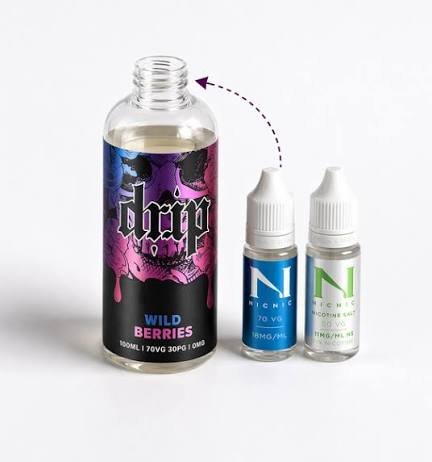
Anyone who has bought vape liquid in the UK will have noticed something odd. Bottles with nicotine are tiny, usually 10ml. Yet on the same shelf sit much bigger bottles labelled “shortfill”, which seem to be only partly full. It looks strange until you know the rule behind it.
Once you understand that rule, shortfills, nicotine shots and the maths of mixing them all fall into place. The rule itself is about bottle size.
Why are nicotine bottles only 10ml?
The answer is the law. Under UK rules, nicotine-containing vape liquid can only be sold in refill containers of up to 10ml, and it can be no stronger than 20mg per ml, according to government guidance. The same rules require nicotine products or their packaging to be child-resistant and tamper-evident.
Those limits are about safety, particularly around children, because a small bottle simply contains less nicotine if it is ever spilled or found by a curious child. The rule does create a practical problem, though. Someone who vapes a lot, especially with a larger kit, can get through several 10ml bottles a week, and that is where shortfills come in.
What is a shortfill?
A shortfill is a bottle of nicotine-free vape liquid that is deliberately not filled to the top. Because it contains no nicotine, it is not bound by the 10ml limit. A common size is a 60ml bottle holding 50ml of liquid, which leaves 10ml of space at the top.
That gap has a purpose. It is designed to take a nicotine shot, so you can add nicotine yourself and end up with a full bottle at the strength you want. Retailers usually sell both side by side. 88 Vape liquid, for example, is mixed in Manchester, and the brand sells 10ml e-liquids, nic salts, shortfills and nicotine shots as separate categories, so it is easy to see which is which. To use a shortfill, you need to know what goes into that empty space.
What is a nicotine shot?
A nicotine shot is a small bottle, usually 10ml, of unflavoured liquid that contains nicotine. Because it contains nicotine, it falls under the same 10ml and 20mg per ml limits as any other nicotine product.
You add the shot to the shortfill, put the cap back on and shake the bottle well. The extra liquid dilutes the flavour slightly, but most shortfills are made with that in mind. The only tricky part is working out how strong the finished bottle will be.
How do you work out the final strength?
The maths is simpler than it looks, because you are just spreading the nicotine in the shot across the whole bottle. Add one 10ml shot at 18mg per ml to a 50ml shortfill, and you end up with 60ml of liquid. The 180mg of nicotine in the shot is now spread across 60ml, which works out at 3mg per ml. A 100ml shortfill with two of the same shots gives the same result: 120ml at 3mg per ml.
Strengths like that suit larger, cloud-focused kits. They are usually far too low for someone who has just stopped smoking and uses a small pod kit, who will often need a higher-strength 10ml liquid or nic salt instead. That difference decides who shortfills are really for.
Who should use shortfills?
Shortfills make the most sense for experienced vapers who use larger kits and lower nicotine strengths. For them, one large bottle can replace several small ones.
For someone new to vaping, the advice is different. The NHS says nicotine vaping is less harmful than smoking and one of the most effective tools for quitting, but you only get the full benefit if you stop smoking completely. That usually means starting with a strength high enough to control your cravings, which a standard 10ml bottle often does better than a mixed shortfill.
Bigger bottles also now carry more tax. Since 1 October 2026, all vaping liquid made in or imported into the UK has carried a duty of £2.20 per 10ml, including nicotine-free liquid. A 50ml shortfill therefore carries more duty than a 10ml bottle, so it is worth comparing prices before you buy.
Final thoughts
Shortfills and nicotine shots exist because of one simple safety rule: nicotine liquid stays in small bottles. Once you see that, the system makes sense. Experienced vapers can mix a large bottle at a low strength, while newer vapers are usually better off with ready-made 10ml liquids at a strength that keeps cigarettes out of reach. Whichever you choose, keep every bottle closed and stored safely away from children.

Inside the Selection Process Behind Italy’s Most Exclusive Destination Weddings

7 jewellery schools that take complete beginners

9 Most Popular AI Courses Professionals Are Choosing This Year, and What Sets Them Apart

Football Statistics That Matter When Analysing an Upcoming Match

Understanding Homecare Services: A Guide for Bromley Families

Beyond the Homepage: How Web Development and Business Automation Build a Stronger Online Presence

How to Ensure Your Home is Valued Correctly for a Quick Sale

Christopher Dare: The Untold Story of Engineer and Former Husband of Angela Rippon

The 15 Highest-Paid Rugby Players in the World

What Is Fanquer? The Digital Creator Platform Transforming Direct-to-Fan Engagement

Dr Jared Ross: Missouri Appeals Court Upholds Protection Order Over Graphic Torture and Murder Threats

Nancy Hallam: The Inspiring Life, Career, and Success Story Behind Ian Wright’s Wife
How to Ensure Your Home is Valued Correctly for a Quick Sale
Christopher Dare: The Untold Story of Engineer and Former Husband of Angela Rippon
The 15 Highest-Paid Rugby Players in the World
What Is Fanquer? The Digital Creator Platform Transforming Direct-to-Fan Engagement
Dr Jared Ross: Missouri Appeals Court Upholds Protection Order Over Graphic Torture and Murder Threats
Nancy Hallam: The Inspiring Life, Career, and Success Story Behind Ian Wright’s Wife
-
 Real Estate9 months ago
How to Ensure Your Home is Valued Correctly for a Quick Sale
-
Celebrity12 months ago
Christopher Dare: The Untold Story of Engineer and Former Husband of Angela Rippon
-
 Sports6 months ago
The 15 Highest-Paid Rugby Players in the World
-
 Technology5 months ago
What Is Fanquer? The Digital Creator Platform Transforming Direct-to-Fan Engagement
-
 Celebrity5 months ago
Dr Jared Ross: Missouri Appeals Court Upholds Protection Order Over Graphic Torture and Murder Threats
-
Celebrity1 year ago
Nancy Hallam: The Inspiring Life, Career, and Success Story Behind Ian Wright’s Wife
-

 Celebrity8 months ago
Who Is Azriel Crews? Inside the Life and Career of Terry Crews’ Daughter
-
 Celebrity12 months ago
Who Is Maisie Mae Roffey? The Private Life, Family Story, and Quiet Success of Julie Walters’ Daughter