
Business
How Can Fire Sprinkler Servicing Help Reduce Fire Safety Risks?

Introduction
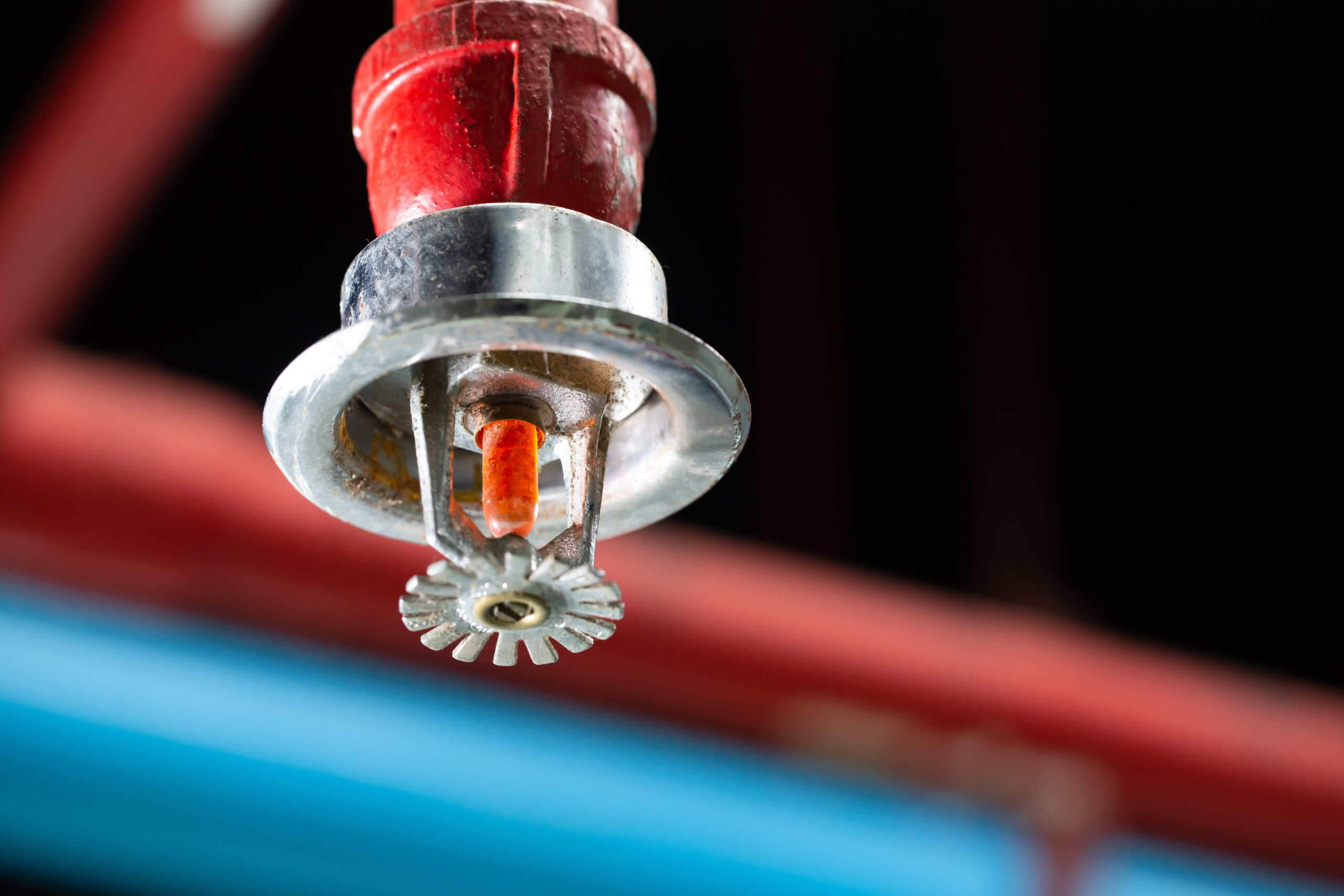
Fire safety is a critical consideration for every building, regardless of whether it is a commercial premises, an industrial facility, a residential development, an educational establishment, or public sector property. While installing a fire sprinkler system is an important step towards protecting people and property, its effectiveness depends on regular maintenance and ongoing inspections. This is why Fire Sprinkler Servicing plays such an important role in reducing fire safety risks and ensuring that protection systems remain fully operational throughout their service life.
Fire sprinkler systems are designed to respond quickly when a fire occurs, helping to control or suppress flames before they spread throughout a building. However, over time, components may deteriorate, become obstructed, or develop faults that affect system performance. Routine servicing helps identify these issues early, ensuring that fire protection systems continue to provide reliable protection when they are needed most.
Understanding Common Fire Safety Risks
Every building contains potential fire hazards that require careful management.
Electrical faults, heating equipment, machinery, combustible materials, and everyday operational activities can all contribute to the risk of fire if appropriate precautions are not in place. While many of these hazards can be controlled through good housekeeping and regular safety inspections, effective fire protection systems provide an essential additional layer of security.
Common fire risks found within buildings include:
- Faulty electrical installations
- Overloaded power supplies
- Poor storage of combustible materials
- Equipment malfunction
- Inadequate maintenance of fire protection systems
Reducing these risks requires a proactive approach that combines preventative maintenance with reliable fire protection infrastructure.
Why Regular Servicing Is Essential
Installing a sprinkler system is only the beginning of an effective fire protection strategy.
Like any mechanical system, fire sprinklers contain components that experience natural wear over time. Corrosion, blocked sprinkler heads, damaged pipework, pressure fluctuations, or faulty control valves may all reduce the system’s effectiveness if left undetected.
Regular servicing allows qualified engineers to inspect every part of the installation, ensuring that potential issues are identified before they affect system performance.
Professional servicing commonly includes:
- Inspecting sprinkler heads for corrosion or obstruction
- Testing water flow and pressure
- Checking valves and alarm systems
- Inspecting pipework and fittings
- Verifying overall system operation
These routine inspections help maintain confidence that the system will perform correctly during an emergency.
Reducing the Likelihood of System Failure
A fire sprinkler system can only protect a building if it operates correctly when activated.
Without regular maintenance, relatively small defects can gradually develop into significant operational problems. Blocked sprinkler heads, damaged seals, corrosion within pipework, or incorrect water pressure may all prevent the system from functioning as intended.
Routine servicing reduces these risks by identifying faults before they become critical.
This proactive approach allows repairs to be completed during scheduled maintenance rather than after a system failure or emergency, reducing operational disruption while improving building safety.
Reliable sprinkler systems give building owners greater confidence that fire protection measures remain fully operational year-round.
Supporting Compliance and Legal Responsibilities
Building owners and facilities managers are responsible for maintaining fire protection systems in accordance with current legislation and recognised industry standards.
Regular servicing supports compliance by demonstrating that systems are being maintained correctly and remain operational.
Professional servicing also helps organisations:
- Maintain accurate maintenance records
- Demonstrate system readiness
- Support insurance requirements
- Identify corrective actions promptly
- Meet ongoing regulatory expectations
Maintaining detailed service documentation can also simplify inspections and provide valuable evidence that appropriate fire safety measures are being followed.
Improving Long-Term Building Protection
Fire sprinkler servicing provides benefits that extend well beyond emergency response.
Well-maintained systems are more reliable, require fewer unexpected repairs, and continue operating efficiently throughout their intended lifespan. This contributes to improved long-term building protection while helping reduce operational costs associated with emergency maintenance or major system failures.
Long-term advantages include:
- Improved equipment reliability
- Lower repair costs
- Extended system lifespan
- Better maintenance planning
- Reduced risk of significant fire damage
Protecting fire protection systems through routine servicing ultimately helps safeguard the broader investment in the building itself.
Why Professional Servicing Matters
Fire sprinkler systems are highly specialised life safety systems that require expert knowledge to inspect, test, and maintain correctly.
Professional engineers understand how each component interacts within the wider system and can identify issues that may not be visible during routine visual inspections.
Working with experienced servicing providers helps ensure:
- Thorough system inspections
- Accurate performance testing
- Early identification of developing faults
- Professional maintenance recommendations
- Greater confidence in overall system reliability
This expertise supports stronger fire safety management while helping building owners meet both operational and regulatory responsibilities.
Frequently Asked Questions (FAQs)
How often should fire sprinkler systems be serviced?
The recommended servicing schedule depends on the building type, occupancy, and system design. Most commercial buildings require regular inspections throughout the year alongside comprehensive annual servicing carried out by qualified professionals.
What does professional fire sprinkler servicing include?
Servicing typically includes inspecting sprinkler heads, pipework, valves, pumps, alarm interfaces, and water supplies. Engineers also carry out operational testing to confirm that the system continues to perform correctly.
Can a fire sprinkler system develop faults even if it has never been activated?
Yes. Components can deteriorate naturally over time due to age, corrosion, environmental conditions, or changes in water pressure, even if the system has never been used in a fire.
Does regular servicing help reduce repair costs?
Routine servicing allows developing problems to be identified early before they require more extensive repairs. Preventative maintenance is generally more cost-effective than responding to unexpected system failures.
Why is professional servicing preferable to visual inspections alone?
Visual inspections can identify obvious issues, but professional servicing includes functional testing, pressure checks, and detailed assessments that confirm the entire system remains operational and compliant.
Does fire sprinkler servicing support insurance requirements?
Many insurers expect fire protection systems to be properly maintained. Keeping accurate servicing records demonstrates that systems are being maintained responsibly and can support insurance compliance.
Conclusion
Reducing fire safety risks requires more than installing reliable fire protection equipment. Regular inspection, testing, and maintenance ensure that sprinkler systems continue to operate exactly as intended during an emergency.
Professional Fire Sprinkler Servicing helps building owners improve system reliability, support regulatory compliance, reduce operational risk, and protect both occupants and valuable assets. By proactively maintaining fire protection systems, organisations can strengthen long-term building safety while ensuring reliable protection throughout the property’s life.



Anyone who has bought vape liquid in the UK will have noticed something odd. Bottles with nicotine are tiny, usually 10ml. Yet on the same shelf sit much bigger bottles labelled “shortfill”, which seem to be only partly full. It looks strange until you know the rule behind it.
Once you understand that rule, shortfills, nicotine shots and the maths of mixing them all fall into place. The rule itself is about bottle size.
Why are nicotine bottles only 10ml?
The answer is the law. Under UK rules, nicotine-containing vape liquid can only be sold in refill containers of up to 10ml, and it can be no stronger than 20mg per ml, according to government guidance. The same rules require nicotine products or their packaging to be child-resistant and tamper-evident.
Those limits are about safety, particularly around children, because a small bottle simply contains less nicotine if it is ever spilled or found by a curious child. The rule does create a practical problem, though. Someone who vapes a lot, especially with a larger kit, can get through several 10ml bottles a week, and that is where shortfills come in.
What is a shortfill?
A shortfill is a bottle of nicotine-free vape liquid that is deliberately not filled to the top. Because it contains no nicotine, it is not bound by the 10ml limit. A common size is a 60ml bottle holding 50ml of liquid, which leaves 10ml of space at the top.
That gap has a purpose. It is designed to take a nicotine shot, so you can add nicotine yourself and end up with a full bottle at the strength you want. Retailers usually sell both side by side. 88 Vape liquid, for example, is mixed in Manchester, and the brand sells 10ml e-liquids, nic salts, shortfills and nicotine shots as separate categories, so it is easy to see which is which. To use a shortfill, you need to know what goes into that empty space.
What is a nicotine shot?
A nicotine shot is a small bottle, usually 10ml, of unflavoured liquid that contains nicotine. Because it contains nicotine, it falls under the same 10ml and 20mg per ml limits as any other nicotine product.
You add the shot to the shortfill, put the cap back on and shake the bottle well. The extra liquid dilutes the flavour slightly, but most shortfills are made with that in mind. The only tricky part is working out how strong the finished bottle will be.
How do you work out the final strength?
The maths is simpler than it looks, because you are just spreading the nicotine in the shot across the whole bottle. Add one 10ml shot at 18mg per ml to a 50ml shortfill, and you end up with 60ml of liquid. The 180mg of nicotine in the shot is now spread across 60ml, which works out at 3mg per ml. A 100ml shortfill with two of the same shots gives the same result: 120ml at 3mg per ml.
Strengths like that suit larger, cloud-focused kits. They are usually far too low for someone who has just stopped smoking and uses a small pod kit, who will often need a higher-strength 10ml liquid or nic salt instead. That difference decides who shortfills are really for.
Who should use shortfills?
Shortfills make the most sense for experienced vapers who use larger kits and lower nicotine strengths. For them, one large bottle can replace several small ones.
For someone new to vaping, the advice is different. The NHS says nicotine vaping is less harmful than smoking and one of the most effective tools for quitting, but you only get the full benefit if you stop smoking completely. That usually means starting with a strength high enough to control your cravings, which a standard 10ml bottle often does better than a mixed shortfill.
Bigger bottles also now carry more tax. Since 1 October 2026, all vaping liquid made in or imported into the UK has carried a duty of £2.20 per 10ml, including nicotine-free liquid. A 50ml shortfill therefore carries more duty than a 10ml bottle, so it is worth comparing prices before you buy.
Final thoughts
Shortfills and nicotine shots exist because of one simple safety rule: nicotine liquid stays in small bottles. Once you see that, the system makes sense. Experienced vapers can mix a large bottle at a low strength, while newer vapers are usually better off with ready-made 10ml liquids at a strength that keeps cigarettes out of reach. Whichever you choose, keep every bottle closed and stored safely away from children.

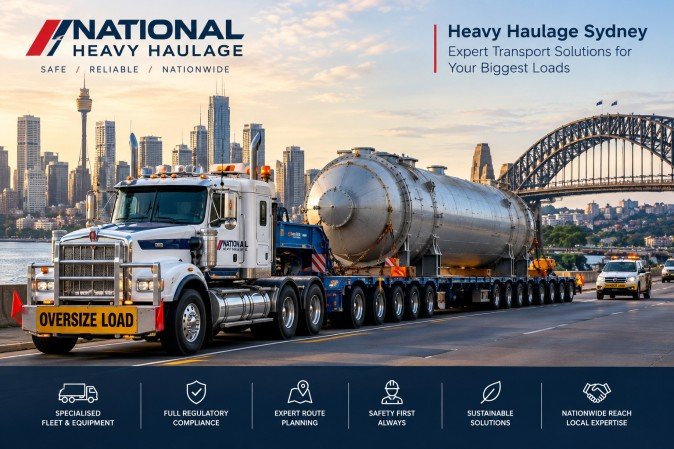
Heavy haulage in Sydney requires precise expertise and reliable solutions to transport oversized and overweight loads safely and efficiently. National Heavy Haulage specialises in providing comprehensive heavy haulage Sydney services, ensuring that large-scale transport projects are managed with professionalism and compliance with all legal requirements.
For clients requiring specialised transport, heavy haulage Sydney services offer custom solutions tailored to the unique specifications of each load. This includes detailed route planning, logistical coordination, and the use of advanced equipment designed for the safe movement of heavy items.
Understanding Heavy Haulage in Sydney
Heavy haulage refers to the transportation of items that exceed standard weight and dimensional limits. Sydney’s infrastructure and urban setting pose specific challenges, necessitating a thorough understanding of the region’s regulations and road conditions. National Heavy Haulage’s expertise in navigating these challenges positions it as a leading provider in the industry.
Regulatory Compliance and Permitting
Transporting heavy loads in Sydney requires obtaining the appropriate permits and adhering to regulations established by local and state authorities. National Heavy Haulage assists clients by facilitating the necessary permit applications, ensuring all transportation activities comply with the Heavy Vehicle National Law and other legislations.
Specialised Equipment and Fleet Capabilities
The company maintains a modern fleet equipped with specialised trailers, including extendable trailers, low loaders, and modular platforms. These vehicles are engineered to support various heavy haulage requirements, offering the flexibility to move items such as industrial machinery, construction components, and large infrastructure elements.
Capacity for Diverse Transport Needs
National Heavy Haulage caters to a broad spectrum of industries, providing tailored solutions that address the complexities of each transport task. Whether dealing with abnormal loads or project cargo, the company delivers end-to-end service from initial consultation through to delivery.
Route Planning and Risk Management
Effective route planning minimises risks and optimises transport times, particularly in densely populated areas like Sydney. National Heavy Haulage utilises advanced planning tools to evaluate routes for load restrictions, overhead clearances, and traffic conditions, ensuring smooth transit and reducing the likelihood of disruptions.
Safety Protocols and Training
Safety is paramount in heavy haulage operations. National Heavy Haulage employs highly trained operators who follow stringent safety protocols designed to protect both the load and the public. Continuous training and adherence to industry best practices ensure that each project is executed without compromise.
Client-Focused Service Approach
Recognising the critical nature of heavy haulage projects, National Heavy Haulage emphasises clear communication and personalised service. Clients receive detailed project updates and can rely on experienced staff to address any concerns promptly and professionally.
Environmental Considerations
In undertaking transport operations, the company also considers environmental impacts, striving to minimise emissions and reduce the overall carbon footprint associated with heavy haulage activities in Sydney.
Nationwide Reach with Local Expertise
Although focused on heavy haulage Sydney, National Heavy Haulage has the capacity to manage projects across Australia. This combination of local knowledge with national experience ensures that clients benefit from comprehensive logistical support regardless of project scale or location.
Comprehensive Customer Support
Clients benefit from an integrated approach to heavy haulage that includes pre-transport planning, real-time monitoring, and post-delivery evaluation. This holistic service model contributes to timely, cost-effective, and efficient project outcomes.
Conclusion
For demanding heavy lift and transport requirements in Sydney, National Heavy Haulage delivers expert solutions backed by extensive experience, a modern fleet, and meticulous attention to regulatory compliance and safety. Companies seeking dependable heavy haulage services in Sydney will find that National Heavy Haulage meets and exceeds industry standards to facilitate the successful completion of complex transport projects.

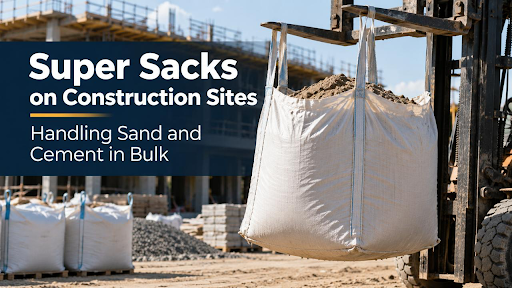
Construction sites need a dependable way to receive, move and distribute heavy materials without turning every delivery into a manual handling operation. Four-loop super sacks offer a practical solution for transporting sand, gravel, cement and other dry construction materials in bulk. These flexible intermediate bulk containers (FIBCs) can be moved using suitable forklifts or cranes, provided their lifting arrangements and load limits match the equipment and conditions on site.
For site managers, contractors and builders’ merchants, the main advantage is controlled material movement. Instead of handling numerous smaller packages, teams can position a bulk load near its intended point of use. However, safe working load, lifting-loop configuration, moisture protection and eventual disposal or reuse must all be considered before selecting a bag.
How Bulk Bags Fit Into Construction Site Logistics
Material deliveries rarely arrive exactly where construction crews need them. Sand may be required beside a mixing station, gravel near a drainage trench and cement close to a protected batching area. Moving these products efficiently requires coordination between unloading equipment, storage locations and the teams consuming the materials.
Four-loop bulk bags create individual handling units that can be lifted and relocated without manually transferring their entire contents. Their woven polypropylene construction provides the main supporting structure, while the four lifting loops allow compatible equipment to engage the bag at designated lifting points.
Contractors should consider the intended discharge location before accepting a delivery. Positioning a bag directly above a suitable receiving hopper may eliminate an intermediate transfer, but only when the lifting equipment, bag discharge arrangement and work area support that method safely.
Builders’ merchants can also use bulk packaging to organize construction materials by product type and quantity. Keeping individual loads identifiable supports stock control and reduces the likelihood of incompatible materials being mixed during handling.
How Should Four-Loop Bags Be Lifted?
A standard four-loop FIBC is designed to be lifted using its designated lifting loops. The bag and its contents must remain within the rated capacities of the complete lifting arrangement, including the forklift or crane, lifting accessories and bag itself.
When a forklift is used, operators must engage all four loops with an approved arrangement, maintain appropriate fork spacing and prevent the loops from twisting or being pulled sideways. Forklift tines should have suitably rounded contact surfaces to avoid cutting or abrading the lifting material.
Crane handling requires similar attention to load distribution. Properly rated lifting accessories or spreader arrangements can help maintain the intended loop orientation. Gathering all four loops onto a single hook is unsafe unless that specific lifting method has been approved by the bag manufacturer.
Before a lifting operation begins, the responsible team should check:
- Bag condition: Inspect lifting loops, seams and fabric for cuts, abrasion or other visible damage.
- Equipment capacity: Confirm that the equipment and lifting accessories are rated for the total suspended load.
- Loop engagement: Use every designated lifting loop in the approved configuration.
- Travel route: Keep the route clear of personnel, obstacles and overhead hazards.
- Load stability: Avoid sudden acceleration, swinging, dragging and abrupt lowering.
On UK construction sites, lifting operations must be properly planned by a competent person, appropriately supervised and performed safely. Workers must never stand beneath a suspended bulk bag. A forklift should carry the load as low as practicable while maintaining safe ground clearance and visibility.
Why Do Safe Working Load and Safety Factor Matter?
The safe working load (SWL) is the maximum load that an FIBC is certified to carry during its intended service. The safety factor (SF) relates to the bag’s tested lifting performance and is not permission to exceed its rated capacity.
Cegy Plastics manufactures four-loop big bags for loads ranging from 100 to 2500 kg. Its product range is manufactured according to EN ISO 21898:2005, with 5:1 configurations for single use and 6:1 configurations for multiple use.
Consider a bag marked with a 1000 kg SWL and a 5:1 safety factor. The rating does not authorize site personnel to lift 5000 kg. The permitted working load remains 1000 kg. The safety factor reflects a defined testing relationship rather than additional capacity available during routine operations.
Likewise, a 6:1 designation does not automatically make every bag suitable for unlimited reuse. The bag must be specifically designed for multiple use, and subsequent handling must remain within its intended operating conditions.
Site managers should select the SWL using the actual filled weight, not simply the nominal volume of the bag. Sand and gravel can differ considerably in bulk density and moisture content. A partially filled bag of dense material may still approach its maximum permitted load.
Protecting Cement From Moisture During Storage
Cement needs different packaging protection from many coarse aggregates. Exposure to moisture can cause premature hydration, hardening and deterioration of the material before it reaches the mixing process.
Woven polypropylene fabric provides structural support but does not, by itself, guarantee a moisture barrier. A suitably specified inner liner helps separate cement from humid surroundings and accidental moisture exposure.
The Cegy Plastics four-loop bag range can incorporate LDPE, HDPE, MDPE, PA, aluminium and EVOH barrier layers according to the material being packed. These options allow moisture-protection requirements to be considered alongside the bag’s structural design.
Choosing an appropriate liner involves more than selecting a material name. Contractors and merchants should consider storage conditions, expected exposure to humidity, filling and discharge arrangements, and how the liner will be closed. Barrier performance depends on the complete packaging system, including seams and closures.
Even lined cement bags should be stored in a dry, sheltered environment on an appropriate raised surface. A liner is additional protection, not a substitute for sound storage practices. Damaged packaging, open closures and prolonged exposure to standing water can undermine moisture protection.
Matching Bag Design to Construction Materials
Different construction products place different demands on bulk packaging. Selecting a jumbo bag for cement requires particular attention to dust containment and moisture resistance, while aggregates introduce concerns about density, abrasion and discharge behavior.
- Sand: Consider fill weight, particle size, moisture content and the method used to empty the bag.
- Gravel: Check the maximum filled weight and the potential for abrasive or angular particles to damage the packaging.
- Cement: Prioritize a suitable moisture barrier, secure closures and controlled discharge to limit dust release.
- Dry mortar and mineral powders: Review particle characteristics, liner compatibility and the receiving equipment.
A suitable bottom discharge spout can direct material into an approved receiving system. Where the bag has no dedicated discharge opening, unloading arrangements must be assessed separately. Cutting into a suspended bag without a specifically engineered safe system can create an uncontrolled release of material and introduce serious risks.
Planning the Unloading Area
The unloading location should be treated as part of the material-handling system rather than an available patch of ground. It needs sufficient space for lifting equipment, a stable surface and an exclusion zone separating workers from suspended loads.
When fine materials are discharged, dust control also matters. A compatible spout and enclosed receiving arrangement can help reduce uncontrolled release, while appropriate extraction and respiratory protection may be necessary according to the site risk assessment.
The person responsible for the lifting operation should confirm that the discharge method does not require workers to reach beneath an unsupported load. Bags must be supported or suspended using a suitable engineered arrangement, with access and discharge procedures established before opening.
Can Construction Bulk Bags Be Reused?
Reuse should be planned before bags arrive on site. A single-use FIBC is not suitable for another filling cycle merely because it appears undamaged after unloading. Similarly, bags intended for multiple use require inspection, controlled handling and an appropriate system for determining continued suitability.
A controlled return arrangement can work where the manufacturer, supplier and end user establish procedures for collecting, inspecting, cleaning and qualifying reusable bags for the same intended application. Tracking the bag’s use and rejecting damaged or contaminated units are essential parts of that process.
Before adopting a return system, contractors should determine who owns the empty bags, where they will be accumulated and how contamination will be managed. Cement residue, embedded aggregate particles, moisture and damaged lifting loops can affect whether a bag is suitable for further service.
Where reuse is not permitted or practical, separate collection for appropriate recycling or disposal should be considered. Liners and residual construction materials may need to be separated according to the applicable waste-handling arrangements.
Specifying Bags Around the Site Operation
Effective bulk packaging starts with a clear description of the material and its handling route. The information shared with a manufacturer should include product characteristics, intended fill weight, lifting equipment, storage conditions, liner requirements and the planned discharge method.
At its factory in 10th of Ramadan City, Egypt, Cegy Plastics combines in-house polypropylene extrusion, weaving, coating, cutting, sewing, liner welding and laboratory testing as part of its FIBC manufacturing operations. These processes support the development of bag configurations for different industrial packaging requirements.
For construction applications, the correct choice is not necessarily the largest available bag. It is the configuration that fits the material, lifting arrangement and site workflow without exceeding the designated safe working load. Establishing those requirements before procurement helps contractors manage heavy materials more predictably while protecting workers and maintaining the condition of the product being handled.

Shortfills and Nicotine Shots Explained: A Simple UK Guide

What Makes the SP5DER OG Web Hoodie So Iconic

Modern Adult Orthodontics: Accelerated Teeth Alignment and Oral Tissue Recovery Protocols

Modern Consumer Snack Trends: Sugar-Free Wholesale Shifts and Emerging Dietary Demands

Property Staging Tips: How to Sell Your House Faster and for More

Planning a Website Redesign? 8 Things to Get Right Before You Start

How to Ensure Your Home is Valued Correctly for a Quick Sale

Christopher Dare: The Untold Story of Engineer and Former Husband of Angela Rippon

The 15 Highest-Paid Rugby Players in the World

What Is Fanquer? The Digital Creator Platform Transforming Direct-to-Fan Engagement

Dr Jared Ross: Missouri Appeals Court Upholds Protection Order Over Graphic Torture and Murder Threats

Nancy Hallam: The Inspiring Life, Career, and Success Story Behind Ian Wright’s Wife
How to Ensure Your Home is Valued Correctly for a Quick Sale
Christopher Dare: The Untold Story of Engineer and Former Husband of Angela Rippon
The 15 Highest-Paid Rugby Players in the World
What Is Fanquer? The Digital Creator Platform Transforming Direct-to-Fan Engagement
Dr Jared Ross: Missouri Appeals Court Upholds Protection Order Over Graphic Torture and Murder Threats
Nancy Hallam: The Inspiring Life, Career, and Success Story Behind Ian Wright’s Wife
-
 Real Estate9 months ago
How to Ensure Your Home is Valued Correctly for a Quick Sale
-
Celebrity11 months ago
Christopher Dare: The Untold Story of Engineer and Former Husband of Angela Rippon
-
 Sports6 months ago
The 15 Highest-Paid Rugby Players in the World
-
 Technology5 months ago
What Is Fanquer? The Digital Creator Platform Transforming Direct-to-Fan Engagement
-
 Celebrity5 months ago
Dr Jared Ross: Missouri Appeals Court Upholds Protection Order Over Graphic Torture and Murder Threats
-
Celebrity12 months ago
Nancy Hallam: The Inspiring Life, Career, and Success Story Behind Ian Wright’s Wife
-

 Celebrity8 months ago
Who Is Azriel Crews? Inside the Life and Career of Terry Crews’ Daughter
-
 Celebrity12 months ago
Who Is Maisie Mae Roffey? The Private Life, Family Story, and Quiet Success of Julie Walters’ Daughter