
Health
Why Waiting Until You Are Sick to Get Health Cover Is a Costly Mistake


It might seem like the right choice to postpone buying health insurance until you actually need it. After all, insurance is for unexpected situations, isn’t it? The reality is that health insurance doesn’t function in the same way as other types of insurance such as car insurance. Postponing the decision to purchase health insurance will likely end up costing you more, and not necessarily in monetary terms.
The waiting period problem
The primary reason why you shouldn’t postpone that most people don’t realize until it’s too late: you cannot get a policy that covers a condition you already have. Any pre-existing condition comes with a 12-month waiting period under Australian law. Pre-existing is defined as anything that may have shown symptoms in the six months before you took out the policy. You don’t get to decide that – a doctor or medical assessor does.
So if your knee has been giving you trouble, your back is flaring up, or your dentist has flagged a problem, tough. You haven’t held the policy for a year yet. Buy the policy today, and you’re waiting until next year to claim on anything that’s already on your radar. Wait until things get worse first, and that 12-month clock resets with a longer list of exclusions.
Even for conditions with no pre-existing history, almost all hospital treatments come with a two-month waiting period. Some, like obstetrics, are 12 months. It’s all premised on the idea that you join when you’re healthy.
The financial penalties for waiting past 30
This is where put-off-able costs turn genuinely expensive, and the numbers are concrete.
The Lifetime Health Cover (LHC) loading adds 2% to your hospital cover premium for every year you didn’t hold private hospital cover after turning 31. Miss five years, and you’re paying 10% more than someone who joined at 30. Miss ten years, and that’s 20% extra – and that loading stays on your premium for 10 continuous years of holding cover.
The deadline is July 1st following your 31st birthday. After that date, the loading starts accumulating. There’s no cap until you hit 70% loading at age 65, at which point it stops climbing. The loading applies only to hospital cover, not extras, but it’s a real and permanent cost for everyone who waits.
Navigating the different tiers of private health insurance Australia offers can help you find a basic hospital policy that satisfies the government requirement without paying for coverage you don’t need yet. A bare minimum hospital policy at 30 is cheaper than a bare minimum hospital policy at 40, permanently.
The tax penalty for higher earners
If you are a single person earning over $97,000, or a family making in excess of $194,000, and you don’t have private hospital cover, you will have to pay the Medicare Levy Surcharge (MLS). This ranges between 1% and 1.5% of your income based on your position in the income scale.
For example, on a $100,000 income you will pay $1,000 to $1,500 as additional tax directly to the ATO. A hospital policy costs less than that. And the more you earn, the higher that surcharge climbs. If you’re a single person with a taxable income of $140,000, you’ll pay an extra $2,100 to $3,500 per year.
What the public system actually looks like
Medicare covers public hospital treatment, but it doesn’t give you control over when, by whom, or how quickly you’re treated for anything that isn’t an emergency. For elective procedures – which includes a wide range of quality-of-life surgeries, not just cosmetic work – you go on a waitlist.
According to the Australian Institute of Health and Welfare, the median waiting time for elective surgery in Australian public hospitals was 49 days in 2022-23, with 9.6% of patients waiting more than a year for essential non-emergency procedures. A hip replacement, a tonsillectomy, gallbladder surgery – these are procedures people need to function. Spending months in pain and out of full productivity while waiting for a public hospital slot has real financial consequences. Private cover largely removes that queue.
Extras cover and the long game
Medicare doesn’t cover dental, optical, or physiotherapy. At all. So if you’re skipping regular check-ups because they’re too costly out of pocket, those small issues become big issues. A cavity becomes a root canal. A physio problem you decided to live with becomes surgery. Extras Cover is there to make that sort of routine maintenance affordable. Which is also why you want it in place long before you need it in a hurry.
There’s also waiting time on extras benefits. Most funds impose a two-month wait on general extras, and some specific items have longer waits. Starting a policy when you’re well means you’ve served those waits before you need to use them.
Cover isn’t about being sick
The case for getting cover early isn’t about fear – it’s about math. The penalties are real, the waiting periods are real, and the cost of being an uninsured higher earner is real and quantifiable. Getting a basic hospital policy before 31 costs less than the alternative by almost any calculation. The time to buy cover is when you don’t need it.


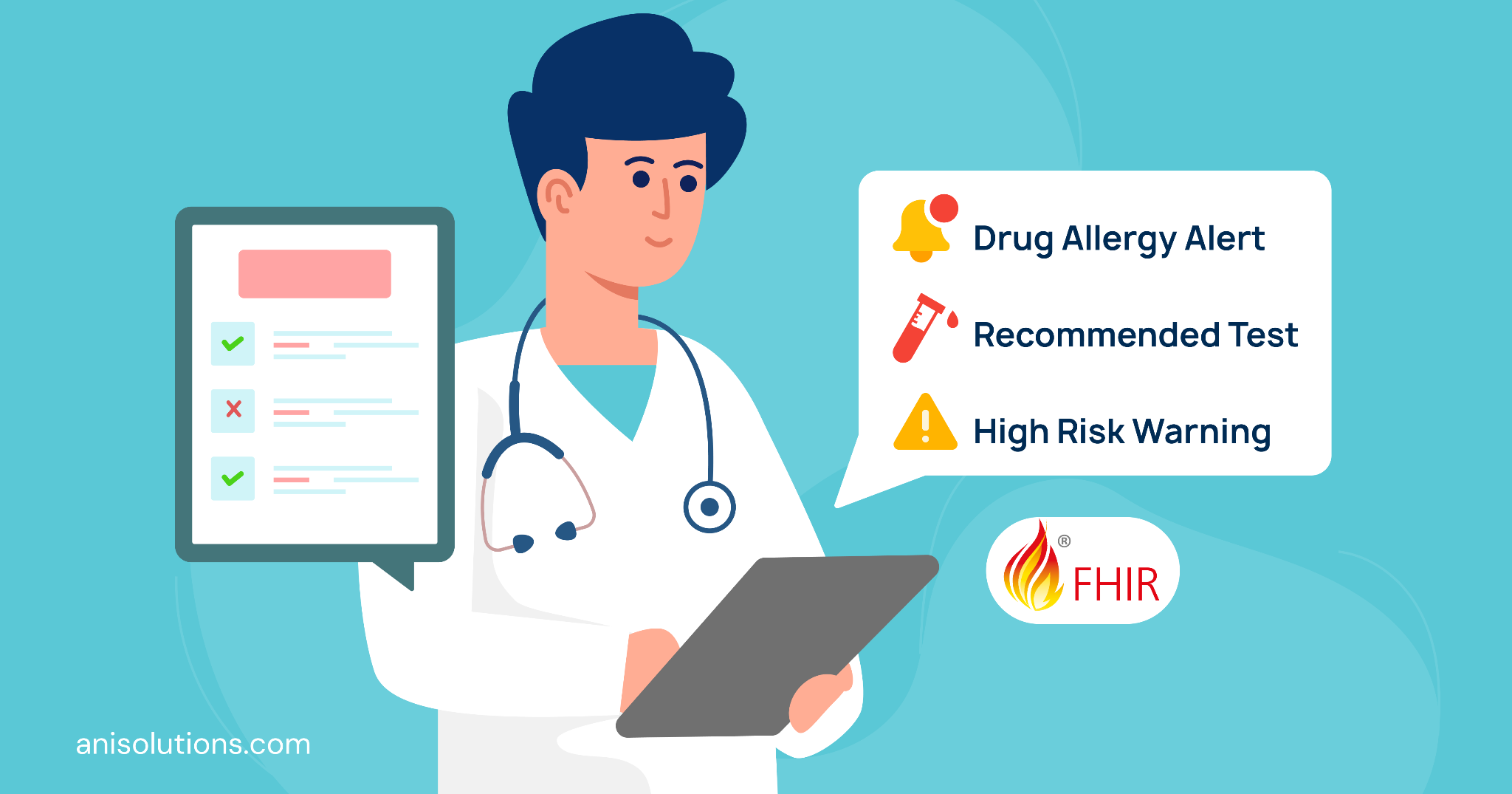
In healthcare, what matters most is on-time care delivery, and even a delay of a second can lead to severe consequences. However, many EHRs can’t support a point-of-care insight delivery, leading to reactive treatment rather than proactive care.
When you connect to any Clinical Decision Support Systems (CDS), it is expected that actionable insights will help with the diagnosis and improve accuracy. But if the systems are not integrated seamlessly, it can create a gap between EHR and CDS tools, resulting in late insights.
And that is where CDS Hooks FHIR integration can be the solution. Rather than connecting systems in a rigid, unidirectional integration, this embeds into the workflows and introduces an event-driven system that triggers only when certain events happen.
This means that doctors don’t have to react to every single alert of increased heart rate, which may be a false alarm due to the patient exercising. Only set actions, such as opening a patient chart or ordering a lab test, trigger real-time calls to connected decision support systems.
In this blog, we will break down how CDS systems improve diagnosis accuracy and deliver insights right at the point-of-care.
How CDS Hooks Work in Practice?
CDS Hooks works by responding to key moments in the clinical workflow—right when decisions are being made. These moments, known as hooks, are predefined triggers inside the EHR. For example, when a clinician opens a patient chart (patient-view), selects an order (order-select), or prescribes a medication (medication-prescribe), the system recognizes an opportunity to provide decision support.
When a hook fires, the EHR sends a request to an external CDS service along with relevant clinical context—patient data, medications, and the action being performed. Through FHIR clinical integration, this data is standardized, allowing the service to process it quickly and accurately. The response is returned in real time, typically within milliseconds.
Instead of disruptive pop-ups, CDS Hooks delivers guidance as cards embedded directly within the workflow. These include:
- Information cards that highlight alerts or insights, like allergies or overdue screenings.
- Suggestion cards that recommend actions, such as switching medications or adjusting dosages.
- App link cards that launch deeper tools like prior authorization workflows or risk calculators.
The real advantage of CDS Hooks integration lies in its architecture. The EHR manages the workflow, while external services handle decision logic. This makes it easier to update, scale, and enhance clinical decision support systems without modifying the core EHR—enabling faster innovation and more relevant, real-time guidance.
Real-World Clinical Use Cases
The real value of CDS hooks fhir integration shows up in everyday clinical decisions—where timing and context directly impact outcomes.
One of the most widely adopted use cases is real-time benefit checks during prescribing. As a clinician selects a medication, a CDS Hook triggers a service that returns formulary status, copays, and lower-cost alternatives. Instead of revisiting prescriptions later, cost and coverage are addressed instantly.
Drug interaction alerts are another critical application. During prescribing, CDS services evaluate the patient’s active medications and clinical history in real time, flagging risks that go beyond static rule checks. This makes alerts more relevant and harder to ignore.
CDS Hooks also plays a key role in care gap identification. When a patient chart is opened, the system can highlight overdue screenings, missed follow-ups, or gaps in chronic care management—allowing clinicians to act during the visit, not after.
Another high-impact area is prior authorization workflows. Before an order is completed, CDS Hooks can determine whether authorization is required and provide next steps or alternatives. This reduces delays, rework, and administrative friction.
These examples show how modern clinical decision support systems are shifting from passive alerts to real-time, workflow-integrated guidance—helping clinicians make faster, more informed decisions without breaking their flow.
Challenges & Best Practices
For all its potential, CDS Hooks integration only works if it’s implemented thoughtfully. Otherwise, it risks becoming just another source of noise.
The biggest challenge is alert fatigue. If every hook returns a card, clinicians quickly start ignoring them. Effective implementations focus on relevance—only surfacing insights when they are clinically significant. Critical alerts should be interruptive, while lower-priority guidance should remain passive and non-disruptive.
Performance is equally important. CDS services must respond within milliseconds. If decision support arrives too late—after the clinician has moved on—it loses its value entirely. This means optimizing APIs, reducing external dependencies, and using caching where needed to maintain low latency.
Security and compliance are non-negotiable. CDS Hooks exchanges involve sensitive patient data, so every interaction must be secured using OAuth 2.0, encrypted via TLS, and aligned with HIPAA requirements. Any weak link in this chain can introduce serious risk.
Finally, organizations need a structured integration strategy. Relying on ad hoc connections or poorly defined services leads to inconsistent results. Standardized approaches using FHIR clinical integration ensure reliability, scalability, and easier maintenance over time.
When done right, CDS Hooks enhances clinical workflows. When done poorly, it adds friction—so precision in implementation is everything.
The Future of CDS Hooks & Clinical Intelligence
The next phase of CDS hooks fhir integration is already taking shape—and it goes far beyond rule-based alerts.
Today, most clinical decision support systems rely on predefined logic: if a condition is met, trigger an alert. Useful, but limited. The shift now is toward AI-driven decision support that can analyze broader clinical patterns—patient history, real-time data, and population insights—to generate more precise and context-aware recommendations.
CDS Hooks provides the ideal delivery layer for this evolution. Instead of redesigning the EHR, organizations can plug in advanced intelligence through external services and surface insights directly within clinical workflows.
At the same time, standardization is accelerating. As more EHR vendors expand support for CDS Hooks and FHIR, integration becomes more consistent and scalable. This opens the door to a growing ecosystem of specialized CDS services that healthcare organizations can adopt without heavy customization.
The direction is clear: more personalized, predictive, and proactive care. Instead of reacting to issues after they appear, future CDS systems will guide decisions earlier—filtering options, reducing risk, and improving outcomes before errors occur.
In this model, decision support doesn’t interrupt care—it becomes an integrated, invisible layer of clinical intelligence.
Conclusion: Making EHRs Smarter & More Actionable
In a nutshell, with CDS Hooks FHIR integration, clinicians can get real-time decision support rather than getting every insight later. With this, improving care safety and productivity is much easier.
Most importantly, it helps in reducing alert fatigue due to increased physical activity or non-related scenarios. Moreover, it reduces the manual effort by truly automating data exchange between EHR and CDS tools, giving clinicians more time to care for patients.
So, if you are struggling with your CDS tools and want to get faster diagnosis without losing accuracy, CDS hooks can be your solution. Explore A&I Solutions’ integration services to see if it can help your clinic.
FAQs
- How is a CDS Hook different from a SMART on FHIR application?
A CDS Hook delivers real-time guidance as cards within the EHR workflow, triggered by events. A SMART on FHIR app is a standalone application launched separately for deeper interaction, often handling more complex or extended clinical tasks.
- Which EHR systems support CDS Hooks today?
Major EHR vendors like Epic Systems and Oracle Health support CDS Hooks. Adoption is expanding as interoperability standards mature, with other platforms enabling support through APIs, middleware, or integration layers.
- What are CDS Hook cards and how do they work?
CDS Hook cards are structured responses returned by CDS services. They appear inside the EHR workflow as alerts, recommendations, or links, helping clinicians take immediate action without leaving their current task or interrupting care delivery.
- How do CDS Hooks improve clinical decision-making?
CDS Hooks provide real-time, context-aware insights during clinical workflows. By surfacing relevant recommendations at the point of care, they reduce missed risks, improve accuracy, and help clinicians make faster, more informed decisions without workflow disruption.
- What is prefetch in CDS Hooks and why is it important?
Prefetch is a mechanism where the EHR sends relevant patient data in advance with the CDS request. It reduces additional API calls, improves response speed, and ensures CDS services have the necessary context for accurate, real-time decision support.
- Can CDS Hooks automate prior authorization workflows?
Yes, CDS Hooks can identify prior authorization requirements during order entry. They can return coverage details, documentation needs, and next steps in real time, reducing delays and minimizing manual back-and-forth after the order is placed.
- How do CDS Hooks integrate with FHIR APIs?
CDS Hooks use FHIR APIs to exchange structured clinical data between the EHR and external services. This ensures standardized, interoperable communication, enabling accurate data interpretation without custom integrations or complex data transformation.
- What are the challenges of implementing CDS Hooks in healthcare?
Key challenges include alert fatigue, maintaining low response latency, ensuring data security, and managing integration complexity. Poor implementation can disrupt workflows, so organizations must focus on relevance, performance optimization, and standardized integration strategies.

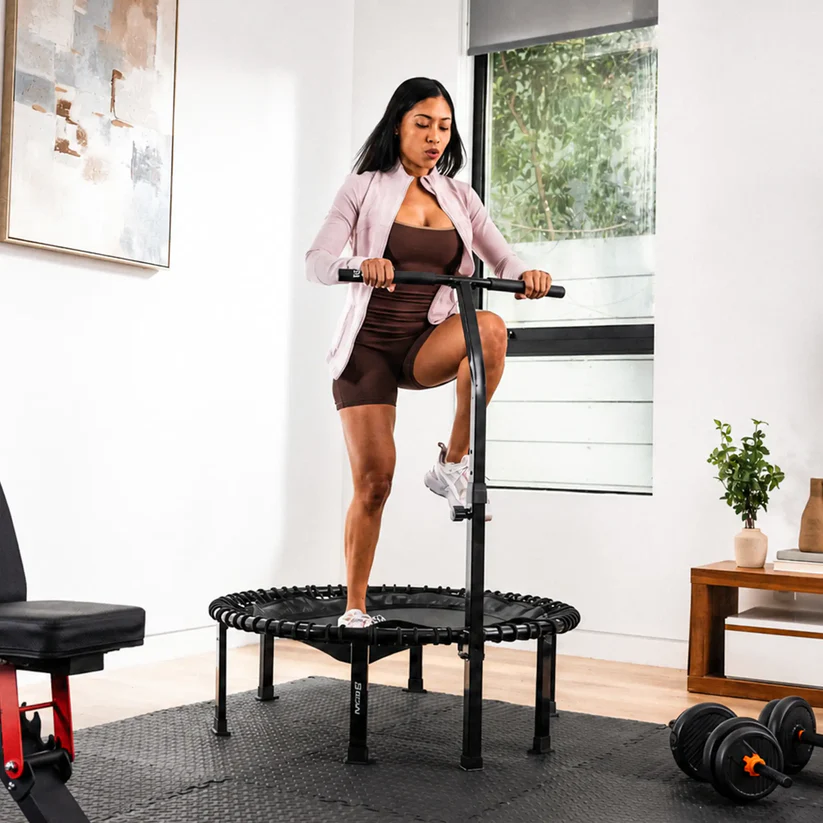
A Fresh Take on Today’s Fitness
Jumping on trampolines is gaining ground because it feels light, works the heart, yet doesn’t pound the knees like pavement does. Though some still swear by treadmills or dumbbells, others find springy surfaces more forgiving. With each bounce, muscles fire – core tightens, legs respond, coordination adapts – all while floating briefly mid-air. Unlike long runs that wear down tendons, this rhythm supports flow instead of strain. It’s motion with momentum, low impact but high return.
Most people are now looking for better gear made just for workout routines on a bounce platform. Not like the ones found in gardens, these exercise models handle planned movement sessions well. Built tough, they help balance, reduce risk during use, one size fits adults and kids alike, even beginners stay steady. Sturdy frames meet needs across skill ranges without tipping easily.
Trampoline Workouts Rising in Use
Low Effort High Results
Jumping on a bouncy surface works every major muscle group, yet it’s easier on joints than running on pavement. With each lift off the mat, the rebound cushions absorbs the impact that would otherwise hit knees, ankles, and hips quite hard.
Bouncing regularly might strengthen the heart, plus it tends to torch energy fast. A mini trampoline appeals to those chasing intensity minus joint stress.
Full Body Engagement
Bouncing on a trampoline pulls in several muscles at once, unlike standard cardio moves. As you shift and land, your legs fire up while the core kicks in almost without notice. Glutes join early, lending power behind each lift off the mat. Stability comes from smaller muscles pitching in quietly throughout every motion.
Bouncing regularly on a trampoline built for grown-ups sharpens how the body moves together, step by step. Balance grows steadier when workouts include these light-air jumps, many players find. Quick changes in direction start feeling smoother after time spent leaping and turning. Posture adjusts itself almost without trying, simply through repeated motion. Awareness of where limbs are dips in subtly, like background learning. Some trainees swap ground drills now and then with spring-based routines. Explosive power builds differently here, less strain but more pop. The way feet meet surface shifts, recalibrating reflexes beneath notice.
Selecting a Suitable Fitness Trampoline
Stability and Easy Setup Are Important
Some fitness trampoline work better than others. A number of models take too long to put together, then wobble when you push hard. When it comes to exercise, staying steady matters just as much as lasting through tough routines.
Almost ready when it shows up—the FED Fitness Soft Land Pro Adult Bungee Trampoline comes about 90 percent built. Attaching just the legs and handrails is all you do, so getting started takes far less time. Built as one solid frame, it stands steadier than models needing full buildout from scratch.
Built for All Fitness Levels
Most bounce platforms fall short because they resist change. Body types differ—so do ambitions and workout tastes. One size fits none when spring tension stays fixed. Not every jumper thrives under the same pull.
Starting strong, the FED Fitness setup includes dual elastic ropes with six changeable tension settings. Because of this range, people can tweak exercises to match personal goals—perfect whether just starting out, training hard, or joining in across generations at home.
Soft Land Pro stands out through unique design elements and material choices
Support That Changes With You
Starting out on a rebounder can feel unsteady for some people. That stability comes easier when there is something solid to hold onto during jumps. Standing tall at the center, a T-shaped bar offers help without getting in the way. Five different levels let users set it just right for their reach. When confidence builds, the whole piece comes off cleanly.
Most people starting out find it easier to stay balanced when they can hold on. Older users often appreciate having something steady nearby just in case. The rail comes with the machine right away, which saves time and extra choices later. Other models leave you hunting for a bar that might cost more than expected.
Designed for Strength and Durability
Durability is another important consideration when selecting an exercise trampoline for adults. Built tough, the Soft Land Pro uses a strengthened frame alongside dual steel layers plus extended foot platforms to keep each session stable underfoot.
Jumping on this trampoline feels steady because it handles moving loads up to 400 pounds, holding static weight as heavy as 500. Thanks to a tightly woven jumping surface along with 36 strong stretchy cords made from quality latex, pressure spreads evenly across the frame. Smooth rebounds happen naturally since each bounce gets balanced by thoughtful engineering tucked beneath your feet.
Comparing With Other Fitness Trampolines
Extra Room Plus Lower Cost
Most people check different trampolines before buying one. What makes the FED Fitness version different? It gives you extra bounce room. Around 684 square inches open up for movement. That means easier workouts without feeling squeezed.
A few extra items come in the box—non-slip socks and a support structure; then there is that rotating phone mount. With these bits, everything needed fits together naturally, eliminating extra shopping later on.
athletes and fitness enthusiasts switching
Suitable for Daily Exercise
Sticking to a plan matters more than almost anything else on the path to better shape. When exercise feels like a loop or grows tough, motivation often fades fast. Jumping on a trampoline brings something different—playful motion tied closely to real results.
Jumping on a mini trampoline every day helps heart function, stamina, stability, and movement control, along with building muscle power. Because it feels fun, people tend to stick with these workouts much longer than expected.
A Smarter Way to Think About Health Spending
Bouncing at home might just suit runners, weekend hikers, or folks wanting movement without hassle—a sturdy trampoline lasts years when built well. Built tough and tailored to preference, safe by design, yet simple to use, it fits routine motion like morning coffee follows sunrise.
Conclusion
Jumping on a trampoline isn’t just fun—it also happens to be kind on joints while working the whole body. Because it eases stress on knees yet still builds strength, many find this type of movement fits their routine well. For newcomers or those who train regularly, bouncing offers something useful without harsh strain. While some workouts feel tough from minute one, this option moves gently at first but adds intensity when needed. With time, even skeptics notice changes in balance and energy. Though often seen as child’s play, adults are discovering its quiet power through steady rhythm and consistent pace.
Start strong with a bounce that lasts. This adult-sized trampoline handles heavy use without wobbling. Built tough, it keeps steady even during intense routines. A smart layout means parts fit together smoothly at home. The bar adjusts height so users find their balance. Heavy-duty materials support larger frames safely. Custom touches adapt to different workout styles. Skip the complicated builds – this one clicks into place fast. Value shows in long-term performance, not just price. Each feature lines up with real daily needs. Stay consistent when gear works as hard as you do.


Prescription errors remain one of the most persistent challenges in healthcare delivery. A report from the National Academies of Sciences, Engineering, and Medicine estimates that medication errors harm at least 1.5 million people annually in the United States alone. These errors can occur at any stage—prescribing, dispensing, or administering—and often stem from illegible handwriting, incorrect dosing, or miscommunication between providers and pharmacies. For private practices, the stakes are particularly high, as a single medication error can erode patient trust and lead to serious health consequences.
Digital precision offers a powerful solution to these challenges. By leveraging technology to automate, verify, and streamline the prescription process, healthcare providers can dramatically reduce errors while simultaneously improving the speed and convenience of medication management. This article explores four key strategies for creating safer, faster prescriptions in every healthcare visit.
Implement Electronic Prescribing Systems
The transition from paper prescriptions to electronic prescribing (e-prescribing) represents one of the most significant advancements in medication safety. E-prescribing systems eliminate the notorious problem of illegible handwriting, which has been responsible for countless medication errors over the years. When a provider enters a prescription digitally, the information is transmitted directly to the pharmacy in a clear, standardized format, removing any ambiguity about drug names, dosages, or instructions.
Beyond legibility, e-prescribing systems include built-in safety checks that flag potential issues before they reach the patient. These systems can alert providers to drug interactions, allergies documented in the patient’s record, and inappropriate dosing based on the patient’s age, weight, or kidney function. A study in the Journal of the American Medical Informatics Association found that e-prescribing reduced medication errors by 50% in practices that adopted the technology. For maximum effectiveness, ensure your e-prescribing system integrates seamlessly with your existing EHR, creating a unified workflow that doesn’t add administrative burden to your staff.
Utilize Clinical Decision Support Tools
Clinical decision support (CDS) tools take prescription safety to the next level by providing real-time, evidence-based guidance at the point of care. These intelligent systems analyze patient data and compare it against vast databases of medical knowledge to offer personalized recommendations. When prescribing a medication, a CDS tool might suggest a more effective alternative based on the patient’s specific condition, warn about a contraindication you might have overlooked, or recommend a lower-cost generic option that’s equally effective.
The value of CDS tools extends beyond error prevention. They also help providers stay current with the latest clinical guidelines and best practices, which can be challenging given the rapid pace of medical research. For instance, if new evidence emerges about the cardiovascular risks of a commonly prescribed medication, the CDS system can immediately incorporate this information and alert providers accordingly. This ensures that every prescription reflects the most up-to-date medical knowledge, enhancing both safety and therapeutic outcomes. When implemented thoughtfully, these tools support clinical judgment rather than replace it, serving as a valuable second set of eyes during the prescribing process.
Streamline Pharmacy Communication and Refill Management
The connection between prescriber and pharmacy is often where friction occurs in the medication process. Traditional faxed or phoned prescriptions can get lost, delayed, or misinterpreted, leading to frustrated patients and potential safety issues. Digital systems create a direct, secure link between your practice and pharmacies, ensuring that prescriptions arrive accurately and promptly.
Modern prescription management platforms also simplify the refill process, which is a frequent source of inefficiency. Patients can request refills through a patient portal, and providers can review and approve these requests with just a few clicks, often without requiring an office visit. The system can automatically check whether a refill is due, flag prescriptions that need clinical review before renewal, and alert providers when a patient hasn’t picked up their medication. This proactive approach helps identify adherence issues early, allowing for timely intervention. Just as medical billing companies streamline the financial side of practice operations, digital prescription tools optimize the clinical workflow, freeing up staff time and improving the overall patient experience.
Enable Patient Access to Medication Information
An informed patient is a safer patient. Digital tools can provide patients with comprehensive, easy-to-understand information about their medications at the time of prescribing. Through patient portals or dedicated medication apps, patients can access details about why they’re taking a specific medication, how to take it correctly, what side effects to watch for, and what to do if they miss a dose.
This transparency empowers patients to be active participants in their medication management. They can review their complete medication list, including over-the-counter drugs and supplements, which helps providers spot potential interactions during visits. Some platforms even send automated reminders when it’s time to take medications, along with educational content tailored to the patient’s specific prescriptions.
Research published in Health Affairs shows that patients who have digital access to their medication information demonstrate better adherence and fewer adverse events. By making medication information readily available and understandable, you not only improve safety but also strengthen the therapeutic alliance between provider and patient.
The shift toward digital prescription management is no longer optional for practices committed to delivering the highest standard of care. These tools transform prescription writing from a potential liability into a streamlined, safe, and patient-centered process. Start by evaluating your current prescription workflow to identify the most significant pain points, then prioritize digital solutions that address those specific challenges. Your patients—and your practice—will benefit from the enhanced safety, efficiency, and peace of mind that digital precision provides.

How Corporate Espionage Risks Make Surveillance Detection More Important

Practical Digital Marketing Tactics for Legal Professionals

Why Waiting Until You Are Sick to Get Health Cover Is a Costly Mistake

What Happens When a CBD Payment Processor Drops Your Account

How HRMS Software Helps Businesses Automate Attendance, Payroll, and Employee Records

DHA Gandhara Phase 9 Islamabad – Complete Guide to Location, Payment Plan and Investment Potential in 2026

The 15 Highest-Paid Rugby Players in the World

Nancy Hallam: The Inspiring Life, Career, and Success Story Behind Ian Wright’s Wife
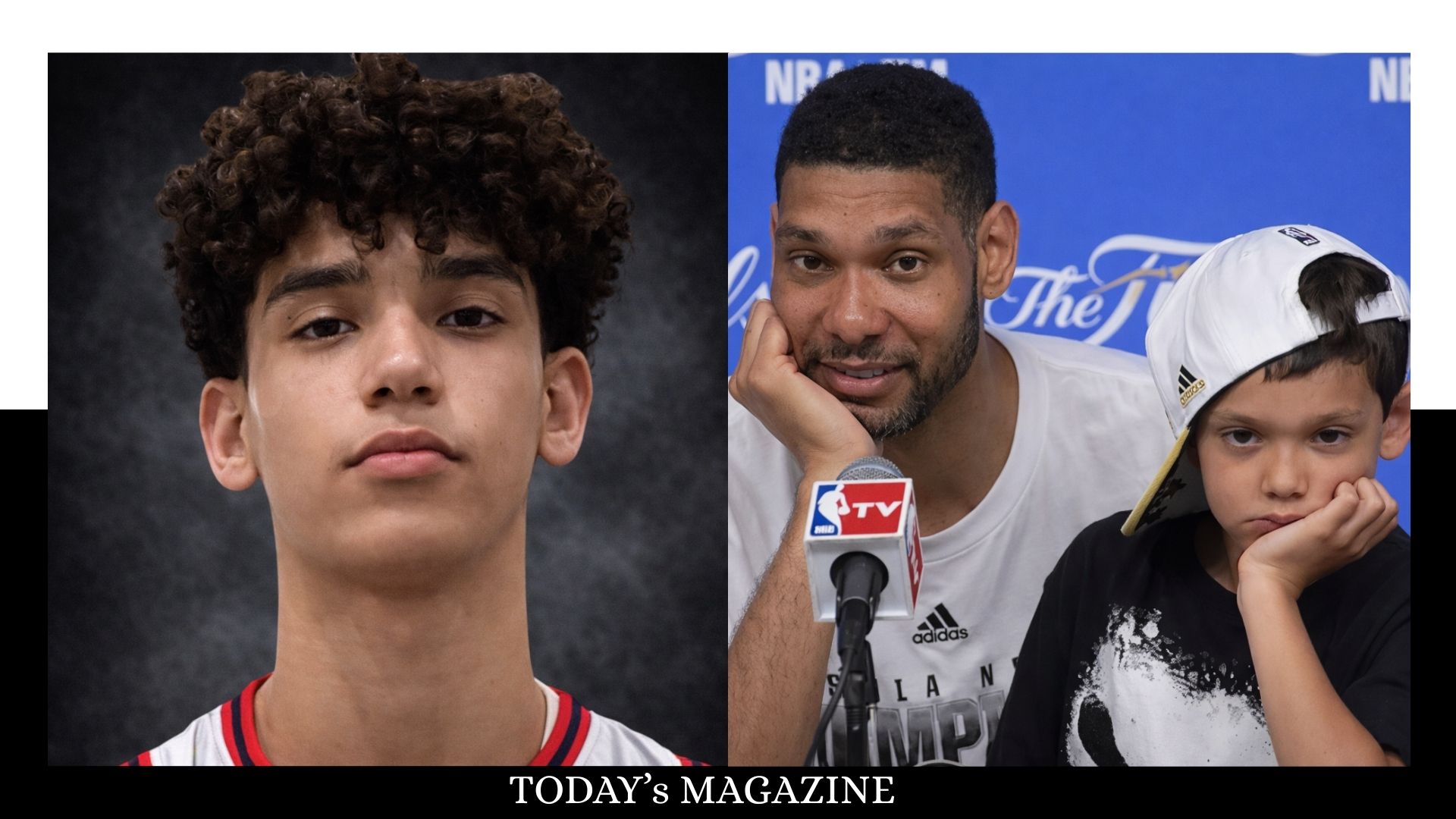
Draven Duncan: Tim Duncan’s Rising Star Son and His Inspiring Basketball Journey

Who Is Maisie Mae Roffey? The Private Life, Family Story, and Quiet Success of Julie Walters’ Daughter

Johnny Carell: Inside the Life, Family, and Rising Success of Steve Carell’s Son

Simon Dixon Biography: Lifestyle, Net Worth, Family, Career and Success Story
The 15 Highest-Paid Rugby Players in the World
Nancy Hallam: The Inspiring Life, Career, and Success Story Behind Ian Wright’s Wife
Draven Duncan: Tim Duncan’s Rising Star Son and His Inspiring Basketball Journey
Who Is Maisie Mae Roffey? The Private Life, Family Story, and Quiet Success of Julie Walters’ Daughter
Johnny Carell: Inside the Life, Family, and Rising Success of Steve Carell’s Son
Simon Dixon Biography: Lifestyle, Net Worth, Family, Career and Success Story
-
 Sports1 month ago
The 15 Highest-Paid Rugby Players in the World
-
Celebrity7 months ago
Nancy Hallam: The Inspiring Life, Career, and Success Story Behind Ian Wright’s Wife
-
Celebrity6 months ago
Draven Duncan: Tim Duncan’s Rising Star Son and His Inspiring Basketball Journey
-
Celebrity7 months ago
Who Is Maisie Mae Roffey? The Private Life, Family Story, and Quiet Success of Julie Walters’ Daughter
-
Celebrity8 months ago
Johnny Carell: Inside the Life, Family, and Rising Success of Steve Carell’s Son
-
Business6 months ago
Simon Dixon Biography: Lifestyle, Net Worth, Family, Career and Success Story
-

 Celebrity5 months ago
Who Is Linda Susan Agar? The Private Life, Legacy, and Story of Shirley Temple’s Eldest Daughter
-

 Celebrity5 months ago
Who Is Mark Gero? Inside the Life, Art, and Quiet Legacy of an American Creative