
Blog
Why Experiences Are the New Status Symbol


Traditionally, status was measured based on ownership. People would judge your success and your status based on whether you had luxury vehicles, fancy clothing, expensive watches, and large houses. But today, there is an entire change in people’s consumption patterns. Instead of spending money on buying material objects, people now choose to spend it on purchasing experiences. Whether it is a luxurious trip that you take, or going to a spa where you can relax, whether it is a culinary experience or a trip to another part of the world to get an immersion into their culture, people choose all sorts of experiences.
This phenomenon has been fuelled by the fact that experiences have an edge over possessions because they can make memorable stories. This is whether one decides to visit a faraway place, attend an exclusive event, or learn something new. Experiences help build identity, and thus, people tend to value them and associate them with their self-image. As a consequence, more people consider experiences as investments in themselves rather than mere purchases.
The emergence of social media has only increased the importance of experience even more. Social media platforms like Instagram, TikTok, and YouTube have turned experiences into valuable sources of social capital. Sometimes, a photo taken at an exclusive place or even just a video of performing an unusual act can elicit more engagement from people than a picture of a costly product. Experiences are exciting, interactive, and engaging. They speak about someone’s personality and personal preferences in a way that material things often fail to do.
Millennials and Gen Z have been key drivers in accelerating this trend. In contrast to past generations, younger consumers are more concerned about their fulfilment and satisfaction than about building big collections of luxury possessions. Millennials and Gen Z prefer making memorable experiences over accumulating goods. They see experiencing life moments as something that can add value to their lives and provide additional perspectives that material things cannot give.
Another reason why experiences are gaining such popularity is the increasing need for authenticity. People are looking for experiences which are personal and meaningful to them. Today, luxury no longer revolves around exclusivity or price. Rather, it is about being able to experience something that feels authentic and genuine to you. Whether it is joining in some sort of traditional practice, participating in a tasting session, or enjoying a personalized tour package, experiences should provide an element of uniqueness that cannot be easily imitated. The need for authenticity as a means of creating status is significant because it symbolizes your uniqueness.
This focus on experience is one of the factors behind the emergence of community-based lifestyles. Experiences provide greater bonding compared to material possessions. Bonds are created through travelling, experiencing things together, having similar hobbies, and engaging in certain ways of life. Communities centred on a common hobby or interest become more important than hierarchical structures defined by money alone. Consequently, influence within society becomes associated with participation rather than possessions.
This approach can be applied to lifestyle classes where novelty and fun play a key role. More consumers prefer to try innovative products or engage in activities which will give them an additional experience. For example, vaping is something that a number of adult consumers choose to experiment with within the context of this approach to consumer behaviour. Instead of concentrating solely on practical aspects of the products they use, consumers may be interested in innovation, convenience, and experimenting with flavours. Exploring products like RELX Maxgo Combo 33K Vape Kit attract consumers’ attention due to their versatility and innovativeness.
Companies have been adopting such an approach by developing products that focus on providing an experience rather than just a transaction. In the luxury industry, for example, companies provide immersive experiences for their products and services along with other initiatives aimed at building communities. Similarly, hospitality firms develop very personalized travel experiences. Retailers develop environments for customers in which they can engage and socialize without simply buying items.
With consumer trends constantly changing, experiences are expected to become more valuable than ever before as a way of identifying and conveying status and identity. Although material objects have always had their significance and value, they are definitely not the only signs of success anymore. The opportunity to share one’s experiences and create valuable memories for oneself has become an excellent source of social capital. Today, status is more about telling great stories and creating experiences rather than collecting expensive items to put in a garage or a closet.


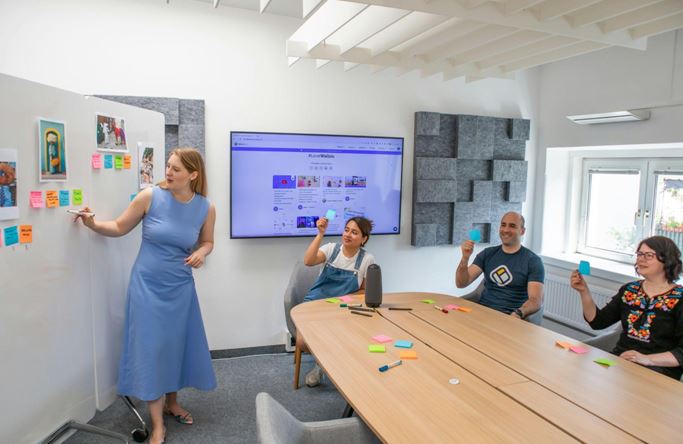
When companies lose talented employees, leaders often assume the reason was compensation. Salary certainly matters, but many departures begin long before someone starts searching for a new position. More often, people leave because small frustrations accumulate until staying no longer feels worthwhile.
These frustrations rarely appear dramatic in isolation. A missed opportunity here, poor communication there, or a persistent inconvenience that never gets addressed can gradually erode motivation. By the time an employee resigns, the decision is often the result of dozens of experiences rather than a single event.
Feeling Invisible Despite Strong Performance
Most employees do not expect constant praise, but they do want to feel that their work matters. When strong performance consistently goes unnoticed, motivation often begins to decline.
People naturally want to know their efforts contribute to something meaningful. When contributions are ignored or taken for granted, even highly engaged employees may start questioning whether their commitment is worth the effort.
Recognition does not need to be elaborate. Often, simple acknowledgment is enough to remind people that their work has value.
Constantly Dealing With Avoidable Problems
Few things frustrate employees more than recurring issues that everyone recognizes but nobody fixes. Inefficient processes, outdated systems, unclear responsibilities, and poor communication can slowly drain energy from even the most motivated teams.
What makes these situations particularly frustrating is that employees often see practical solutions. When leadership repeatedly ignores obvious improvements, people may begin feeling that their time and effort are not respected.
Eventually, the frustration comes less from the problem itself and more from the fact that it remains unresolved.
Small Irritations Have a Bigger Impact Than Expected
Many workplace frustrations seem minor on paper. Yet daily annoyances often influence employee satisfaction more than major annual events.
People often underestimate how much small details influence long-term satisfaction. The same tendency appears in personal hobbies and product choices, where comparisons such as percolator bong vs regular bong focus on differences that may seem minor initially but become more noticeable through regular use. Workplace experiences often operate similarly. Tiny inconveniences that occur every day can eventually feel much larger than occasional major challenges.
People rarely leave because of one bad day. They leave because the same irritation repeats hundreds of times.
Lack of Trust From Leadership
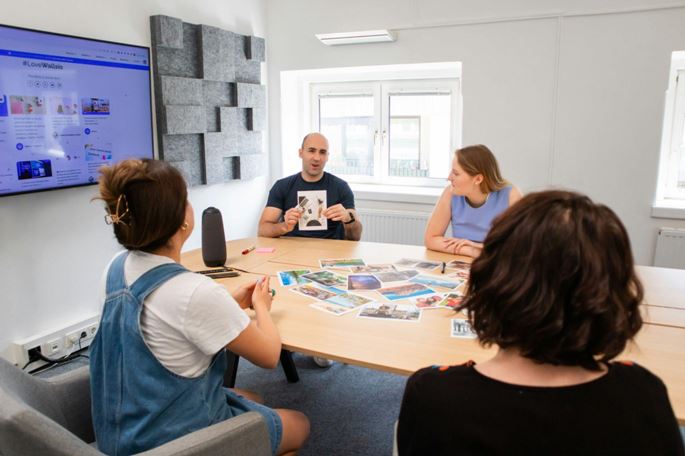
Trust influences nearly every aspect of workplace culture. Employees who feel trusted often demonstrate greater initiative, creativity, and engagement.
The opposite is also true. Excessive micromanagement, unnecessary oversight, and constant second-guessing can create an environment where people feel constrained rather than supported.
When employees believe leadership does not trust them, they often stop investing the same level of energy into their work.
No Room for Growth
Ambitious employees generally want to improve. They want new challenges, additional responsibilities, and opportunities to develop professionally.
When those opportunities disappear, stagnation can become a major source of dissatisfaction. People may begin looking elsewhere not because they dislike their current role, but because they can no longer see a future within the organization.
Growth does not always require promotions. Sometimes it simply requires learning, development, and the chance to expand existing skills.
The Daily Experience Matters
Companies sometimes focus heavily on large benefits while overlooking the moments employees experience every day. The atmosphere of a workplace is shaped by routines, interactions, expectations, and habits that repeat continuously.
A person’s morning routine, for example, often influences how the rest of the day feels. The same principle applies at work. Products from Balmbare fit into a broader conversation about daily routines because habits repeated consistently tend to have a greater impact than occasional efforts to improve wellbeing.
Employees often evaluate workplaces the same way. The overall experience is usually determined by what happens every day, not what happens once a year.
Good Employees Usually Leave Gradually
One of the biggest misconceptions about turnover is that resignations happen suddenly. In reality, many employees begin disengaging long before they submit notice.
Frustrations accumulate. Motivation declines. Excitement fades. Eventually, an opportunity appears elsewhere, and the decision becomes much easier.
Organizations that want to retain talented people often benefit from paying attention to small frustrations before they become major problems. The everyday experience of work influences retention more than many leaders realize, and the companies that recognize this are often the ones that keep their best employees the longest.

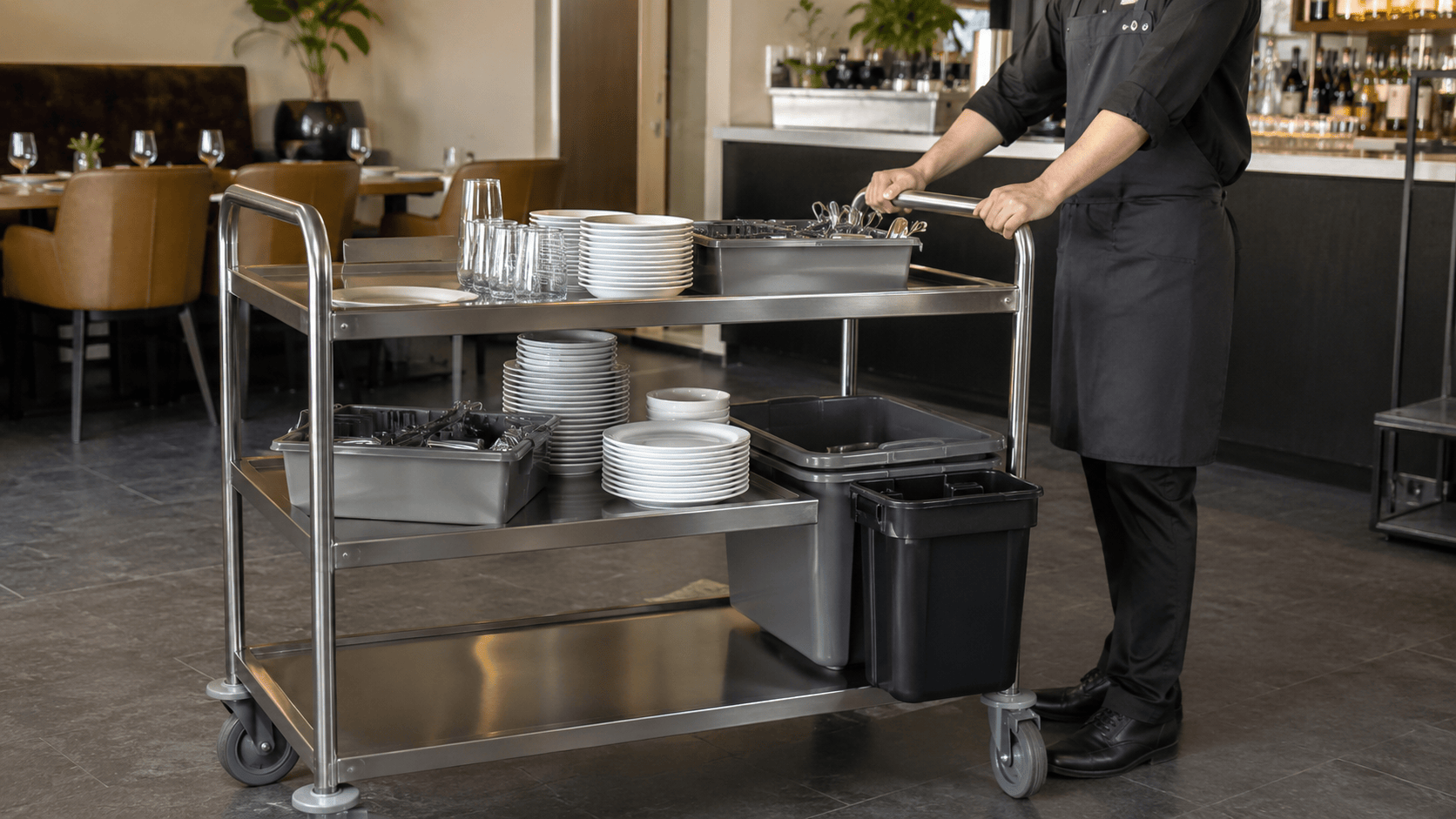
Afruimwagens are essential work tools in restaurants, hotels, cafeterias, catering companies, hospitals, schools, and large commercial kitchens. The Dutch word “afruimwagen” translates to clearing trolley, bussing cart, or service trolley in English. In simple terms, it is a mobile cart designed to help staff clear tables, collect used dishes, sort cutlery, remove trays, and transport everything safely to the dishwashing area.
Quick Facts
| Feature | Details |
|---|---|
| Main keyword | Afruimwagens |
| English meaning | Clearing trolleys, bussing carts, service trolleys |
| Main use | Clearing tables and transporting dirty dishes |
| Common industries | Restaurants, hotels, catering, hospitals, schools, cafeterias |
| Main material | Stainless steel |
| Other material option | Heavy-duty plastic |
| Typical shelf design | Two-tier or three-tier shelves |
| Tray model design | Side runners for trays or Gastronorm bins |
| Common load capacity | Around 150 kg to 200 kg for professional models |
| Mobility feature | Swivel casters for smooth movement |
| Safety feature | Brakes on selected wheels |
| Cleaning benefit | Easy to sanitize after use |
| Main advantage | Faster table clearing and less staff strain |
| Common items carried | Plates, bowls, glasses, trays, cutlery, food waste |
| Best for restaurants | Open shelf service carts |
| Best for cafeterias | Tray clearing carts |
| Best for sorting waste | Bussing station carts with bins |
| Maintenance need | Regular cleaning and wheel inspection |
| Buying priority | Durability, capacity, size, mobility, hygiene |
| Overall value | Improves service speed, safety, and cleanliness |
What Are Afruimwagens?
Afruimwagens are wheeled carts used to clear tables and move used dining items from one place to another. In hospitality settings, they help workers collect plates, glasses, cutlery, bowls, trays, napkins, and leftover food in one organized trip. Instead of carrying items by hand, staff can place them on shelves or in bins and move them safely through the dining area.
The main purpose of afruimwagens is to improve efficiency. In a busy restaurant or cafeteria, tables need to be cleared quickly so new guests can sit down. A clearing trolley allows one staff member to collect more items at once without making several trips back and forth. This keeps service smooth and helps the business serve more customers in less time.
Afruimwagens are also useful in back-of-house operations. Once dirty dishes reach the dishwashing area, the cart can be unloaded in an organized way. Some models are designed with separate bins for cutlery, food waste, glasses, and trays. This makes the cleaning process faster and reduces clutter in the kitchen.
Why Afruimwagens Matter in Hospitality?
In hospitality, customer experience depends on more than food quality. Clean tables, fast service, organized staff, and smooth movement all shape the guest’s impression. Afruimwagens support these goals by helping employees clear dining areas quickly and professionally. A clean table that is ready on time can improve guest flow during lunch rushes, dinner service, or events.
Afruimwagens also protect staff from unnecessary physical strain. Carrying stacks of plates and glassware by hand can be tiring and risky. Heavy loads can cause back, shoulder, wrist, or hand strain over time. A strong trolley reduces this pressure by letting workers push or pull the load instead of lifting it repeatedly across the dining floor.
Another major benefit is safety. Dirty dishes, wet glasses, sharp cutlery, and food waste can be difficult to carry together. If staff carry too much at once, items may fall, break, or cause spills. Afruimwagens provide a stable surface and controlled movement, reducing the chance of accidents in front-of-house and kitchen areas.
Main Uses of Afruimwagens
The most common use of afruimwagens is table clearing. After guests leave, staff can place dirty plates, glasses, bowls, and cutlery on the cart and prepare the table for the next customer. This is especially valuable in restaurants with high table turnover, where every minute counts during peak hours.
Afruimwagens are also used in buffet service, banquet halls, and catering events. Large events create a constant flow of used plates and glasses. A clearing trolley allows teams to move through the room quietly and remove items without disrupting guests. It also helps keep serving areas neat and prevents dirty dishes from piling up in visible places.
In schools, hospitals, and staff canteens, afruimwagens often handle trays. Tray clearing carts are designed with side slots or runners that hold individual trays or Gastronorm containers. This system keeps trays stacked neatly and helps large institutions manage hundreds of meals every day with less mess and confusion.
Common Types of Afruimwagens
There are several types of afruimwagens, and each one is built for a specific work environment. The most common type is the tiered service cart. This model usually has two or three open shelves and is ideal for stacking plates, bowls, glasses, and small containers. It is simple, flexible, and useful in many restaurants and hotels.
Tray clearing carts are another popular type. These carts are designed with side runners that hold dining trays or GN containers. They are commonly seen in self-service cafeterias, hospitals, schools, universities, and workplace dining halls. Their design makes it easy to collect many trays without stacking them directly on top of each other.
Bussing station carts are more advanced. These models often include deep plastic bins, cutlery containers, and waste bins. They allow staff to sort items while still in the dining room. Food waste can go into one bin, cutlery into another, and plates onto a shelf. This saves time later in the dishwashing area and keeps the cleaning process organized.
Stainless Steel Afruimwagens
Stainless steel afruimwagens are among the most popular choices for professional kitchens and hospitality businesses. Stainless steel is strong, hygienic, corrosion-resistant, and easy to clean. It can handle moisture, cleaning chemicals, food contact, and daily use in demanding environments. This makes it a reliable material for restaurants, hotels, and institutional kitchens.
Another advantage of stainless steel is its professional appearance. A clean stainless steel trolley looks neat and suitable for front-of-house service. Staff can move it through dining rooms, banquet spaces, and buffet areas without making the business look unorganized. Its smooth surface also helps reduce the buildup of dirt and bacteria.
Stainless steel afruimwagens are usually more durable than cheaper alternatives. They can carry heavy loads, resist dents better, and last for years with proper maintenance. Although they may cost more at first, they often provide better long-term value because they can handle constant professional use.
Plastic Afruimwagens
Plastic afruimwagens are also common, especially where lightweight movement is important. Heavy-duty plastic models are easier to push, quieter in some settings, and often more affordable than stainless steel options. They are useful in casual restaurants, schools, small cafes, and facilities where the trolley does not need to carry extremely heavy loads.
Good-quality plastic trolleys can still be strong and practical. Many are made from durable molded plastic that resists stains, moisture, and daily wear. They are also simple to clean, especially when they have smooth shelves and removable bins. For businesses with limited budgets, plastic afruimwagens can be a smart starting point.
However, plastic carts may not always offer the same load capacity or long-term durability as stainless steel models. They can scratch, bend, or lose strength over time if overloaded. For this reason, businesses should choose plastic afruimwagens based on realistic daily use, not only on price.
Load Capacity and Weight Handling
Load capacity is one of the most important factors when choosing afruimwagens. Professional models can often carry around 150 kg to 200 kg, depending on their structure, material, wheel quality, and shelf design. This capacity allows staff to transport large volumes of plates, trays, glassware, and cutlery safely during busy service periods.
A higher load capacity is useful for large restaurants, hotels, hospitals, and catering halls. These businesses handle heavy daily traffic and need equipment that will not bend or become unstable under pressure. A weak cart can create safety risks, especially when moving over uneven flooring or through narrow spaces.
Even with a high-capacity trolley, staff should avoid careless overloading. Weight should be spread evenly across shelves or bins. Heavy items should usually be placed lower to improve balance. This keeps the trolley stable and reduces the chance of tipping, falling dishes, or wheel damage.
Mobility, Wheels, and Brakes
The wheels of afruimwagens are just as important as the shelves or frame. Smooth-gliding swivel casters allow staff to move the cart through tight dining rooms, busy kitchens, corridors, and service areas. Good wheels help the trolley turn easily without forcing staff to push too hard.
Brakes are another key feature. Many professional afruimwagens come with brakes on two or more wheels. These brakes keep the trolley still when staff are loading, unloading, sorting cutlery, or scraping plates. This is especially useful on slightly sloped floors or in crowded dishwashing areas where uncontrolled movement could cause accidents.
Noise level should also be considered. Loud wheels can disturb guests in restaurants, hotels, hospitals, or conference settings. Smooth, quiet casters create a more professional experience. For front-of-house use, businesses should choose afruimwagens that move quietly and do not create distracting sounds during service.
Afruimwagens for Restaurants and Cafes
Restaurants and cafes need afruimwagens that are compact, clean-looking, and easy to move between tables. A two-tier or three-tier service cart is often the best option because it provides enough space for plates, glasses, bowls, and cutlery while remaining simple to maneuver. In smaller dining rooms, size matters because staff must move around chairs, guests, and narrow pathways.
For restaurants with table service, the trolley should not look too industrial. Stainless steel or neat plastic models with a clean design work well. The goal is to support service without making guests feel like they are sitting in a dishwashing area. A quiet, well-maintained trolley helps staff clear tables professionally and discreetly.
Cafes may prefer smaller afruimwagens because they often handle lighter items such as cups, saucers, dessert plates, and trays. A compact trolley can improve speed without taking up too much floor space. It also keeps the counter and kitchen area cleaner during busy morning or lunch periods.
Afruimwagens for Hotels and Catering
Hotels and catering companies often need larger, stronger afruimwagens because they handle events, banquets, breakfast buffets, conferences, and room service operations. These settings produce a large number of used plates, glasses, trays, and food containers in a short time. A strong clearing trolley helps teams keep service areas clean without slowing down operations.
In banquet halls, staff may need to clear hundreds of place settings after a meal. Afruimwagens reduce the number of trips needed and help workers move through the room in an organized way. When used properly, they also reduce noise and prevent breakage during large events.
Catering companies need mobile equipment that can handle transport, setup, service, and breakdown. Durable afruimwagens with strong wheels and high load capacity are valuable for moving items across event venues. They help teams work faster during cleanup, which is especially important when venues have strict closing times.
Afruimwagens for Schools, Hospitals, and Institutions
Schools, hospitals, universities, nursing homes, and staff canteens often use tray clearing carts. These afruimwagens are designed for high-volume meal service where many people eat within a limited time. Instead of clearing individual plates only, staff often collect complete trays from dining areas.
In hospitals and care facilities, hygiene is especially important. Stainless steel afruimwagens are often preferred because they are easy to clean and sanitize. Separate areas for trays, dishes, cutlery, and waste can help reduce cross-contamination and improve food service workflow.
Schools and universities need durable trolleys that can handle rough daily use. Students may return trays quickly, and staff need to process them efficiently. Tray racks with side runners make the system easier because trays stay separated and organized instead of forming unstable piles.
Hygiene and Cleaning Benefits
Afruimwagens play an important role in hygiene. Dirty dishes, food waste, used cutlery, and wet trays should not remain on dining tables or counters for long. A clearing trolley helps move these items away quickly, keeping the dining environment cleaner and more pleasant for guests.
Many afruimwagens are built with smooth surfaces that are easy to wipe down. Stainless steel models are especially useful because they resist moisture and can be sanitized often. Plastic bins can usually be removed and cleaned separately, which makes deep cleaning easier after service.
Regular cleaning is necessary to keep afruimwagens safe and professional. Shelves, handles, wheels, bins, and corners should be cleaned at the end of each shift. Food particles and liquid spills should not be allowed to build up, as they can cause odors, bacteria growth, and a poor impression.
How Afruimwagens Improve Staff Productivity?
Afruimwagens help staff work faster because they reduce unnecessary trips. Without a trolley, a worker may need to walk back and forth several times to clear one section of a dining room. With a clearing cart, the same worker can collect more items in one round and return to the dishwashing area less often.
This improvement may seem small, but it becomes significant during peak service. In a busy restaurant, saving a few minutes per table can help increase table turnover. In a cafeteria, faster clearing can prevent long lines and keep seating areas available for the next group of guests.
Afruimwagens also help staff stay organized. When plates, glasses, cutlery, trays, and waste are sorted properly, the dishwashing team can work more efficiently. This creates a smoother connection between front-of-house and back-of-house operations, which is one of the keys to strong hospitality service.
How to Choose the Right Afruimwagen?
Choosing the right afruimwagen starts with understanding your daily workload. A small cafe may only need a compact two-shelf trolley, while a hotel banquet department may need a heavy-duty cart with a higher load capacity. The wrong size can slow down service or make movement difficult.
Material is another major decision. Stainless steel is best for durability, hygiene, and professional use. Plastic can be useful for lighter work, lower budgets, or quieter movement. Businesses should also consider whether they need open shelves, tray runners, removable bins, cutlery holders, or waste containers.
The layout of the building also matters. Narrow dining rooms require compact trolleys with excellent turning ability. Large kitchens may need bigger carts that can handle heavy loads. Before buying afruimwagens, businesses should check door widths, aisle space, floor surfaces, and storage areas.
Maintenance Tips for Afruimwagens
Proper maintenance helps afruimwagens last longer and perform better. The trolley should be cleaned daily, especially after heavy service. Food waste, grease, liquid spills, and crumbs should be removed from shelves, corners, bins, and handles. Clean equipment looks better and supports safer food service.
Wheels should be checked regularly because they affect movement and safety. If a caster becomes loose, noisy, stuck, or damaged, it should be repaired or replaced. Brakes should also be tested often to make sure the trolley stays still when needed. Poor wheels can make even a strong trolley hard to use.
Staff should also avoid overloading the trolley beyond its recommended capacity. Heavy items should be placed carefully, and weight should be balanced. When afruimwagens are used correctly and maintained well, they can serve a business reliably for many years.
Common Mistakes to Avoid
One common mistake is buying afruimwagens based only on price. A very cheap trolley may look useful at first, but it can become unstable, noisy, or difficult to clean after regular use. Professional hospitality businesses should focus on long-term value, not only the lowest purchase cost.
Another mistake is choosing the wrong type. A restaurant may not need a large tray rack, while a school cafeteria may struggle with a small open-shelf cart. The best afruimwagen should match the real workflow of the business. It should support the way staff collect, sort, and transport items every day.
Poor cleaning is also a serious mistake. Since afruimwagens carry dirty dishes and food waste, they must be cleaned often. A neglected trolley can spread odors, bacteria, and stains. Regular cleaning and inspection keep the equipment hygienic, safe, and professional.
Final Thoughts
Afruimwagens are simple but powerful tools for hospitality and food service operations. They help staff clear tables faster, reduce physical strain, improve safety, organize dirty dishes, and maintain a cleaner dining environment. Whether used in a restaurant, hotel, school, hospital, catering event, or cafeteria, a good clearing trolley can make daily service much smoother.
The best afruimwagens are durable, easy to clean, simple to move, and suitable for the business’s workload. Stainless steel models are ideal for heavy-duty professional use, while plastic models can work well for lighter tasks. Features such as strong shelves, high load capacity, swivel casters, brakes, bins, and tray runners can all improve performance.
For any business that handles regular dining service, investing in the right afruimwagen is a practical decision. It saves time, supports staff, protects tableware, and helps create a cleaner, more organized environment. In a competitive hospitality industry, small equipment choices like this can make a big difference in service quality.
FAQs
What does afruimwagen mean in English?
Afruimwagen means clearing trolley, bussing cart, or service trolley in English. It is a wheeled cart used to clear tables and transport dirty dishes, trays, glasses, cutlery, and food waste to the dishwashing area.
Where are afruimwagens commonly used?
Afruimwagens are commonly used in restaurants, hotels, cafes, catering companies, schools, hospitals, universities, nursing homes, staff canteens, and institutional kitchens. They are useful wherever large numbers of dishes or trays need to be cleared quickly.
Are stainless steel afruimwagens better than plastic ones?
Stainless steel afruimwagens are usually better for heavy-duty professional use because they are strong, hygienic, corrosion-resistant, and easy to sanitize. Plastic afruimwagens can still be useful for lighter tasks, smaller businesses, or lower-budget operations.
How much weight can afruimwagens carry?
Many professional afruimwagens can carry around 150 kg to 200 kg, depending on the model, material, wheel quality, and frame strength. Businesses should always follow the manufacturer’s recommended load capacity to avoid damage or safety risks.
How do you maintain afruimwagens properly?
Afruimwagens should be cleaned after use, especially shelves, handles, bins, wheels, and corners. Staff should also check the casters, brakes, frame, and shelves regularly. Avoiding overload and repairing damaged parts quickly helps the trolley last longer.
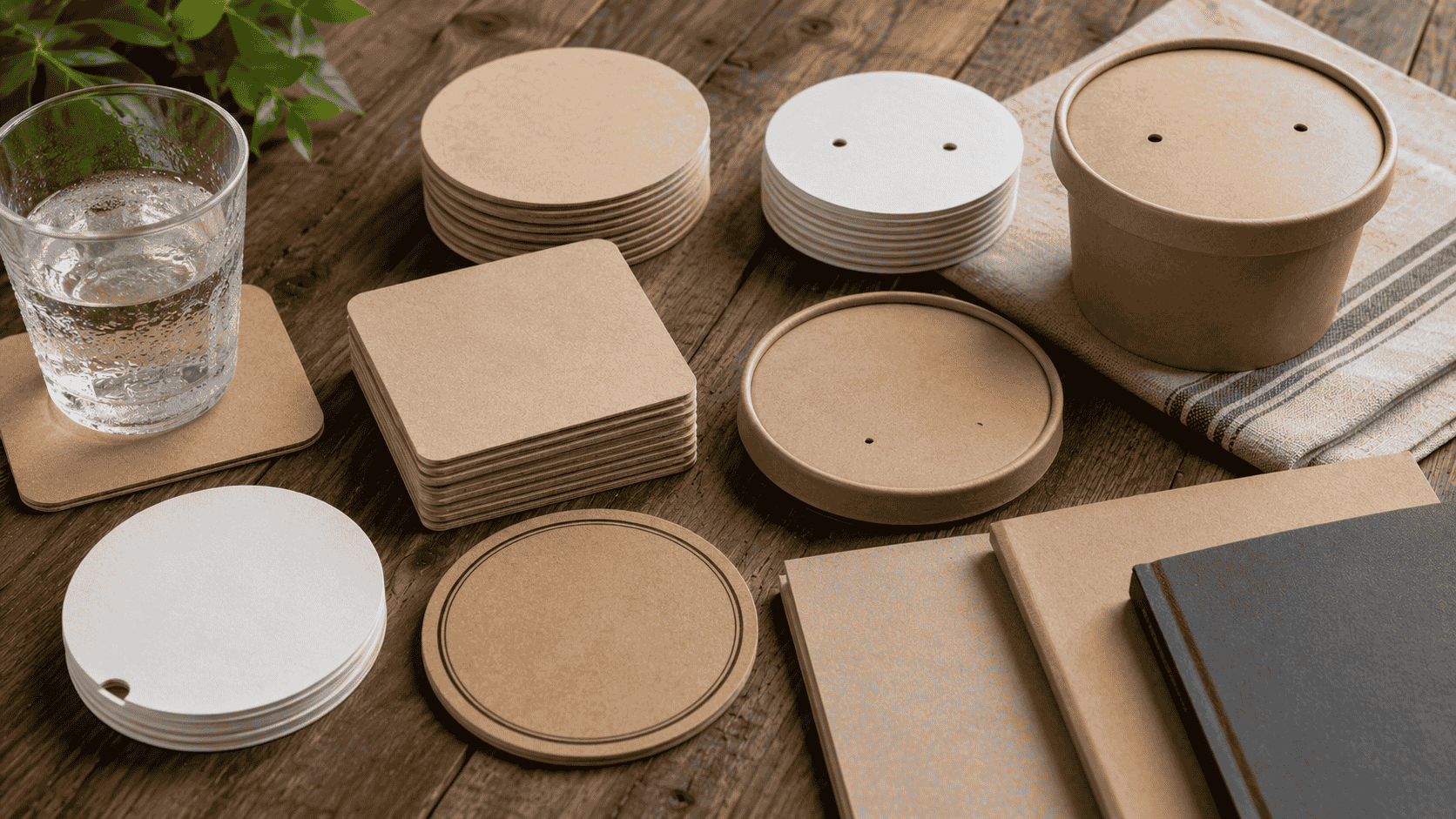
Pappedeckel is a simple word with a surprisingly useful meaning. It refers to a cardboard lid, paperboard cover, or thick piece of board used for protection, packaging, covering, branding, and craft purposes. While the word may look unusual to English readers, it is connected to the German words for cardboard and lid. In daily life, a pappedeckel can appear as a beer coaster, a takeaway food lid, a rigid book cover core, or a small protective board used in packing.
Quick Facts
| Detail | Information |
|---|---|
| Main Keyword | Pappedeckel |
| Common Meaning | Cardboard lid, cardboard cover, or paperboard piece |
| Related German Forms | Pappdeckel, Pappendeckel, Bierdeckel |
| Core Material | Paperboard, cardboard, pulp board, or pressed fiber board |
| Traditional Use | Beer coaster or drink cover |
| Modern Use | Takeaway lids, packaging inserts, bookbinding boards, coasters |
| Common Shape | Round, square, rectangular, or custom-cut |
| Common Thickness | Thin to heavy-duty board depending on use |
| Texture | Smooth, rough, absorbent, coated, or printed |
| Main Function | Covering, protecting, absorbing, supporting, branding |
| Food Packaging Role | Used as lids for bowls, cups, trays, and containers |
| Hospitality Role | Used as beer mats and drink coasters |
| Bookbinding Role | Used as a rigid core for covers and spines |
| Branding Value | Can carry logos, slogans, QR codes, and promotional messages |
| Eco Appeal | Often seen as a paper-based alternative to plastic lids |
| Recycling Potential | Depends on coatings, food residue, inks, and local recycling rules |
| Composting Potential | Possible when made from suitable uncoated fiber materials |
| Business Users | Cafes, breweries, restaurants, publishers, printers, packaging firms |
| Design Options | Printed, embossed, die-cut, coated, laminated, or plain |
| Main Benefit | Affordable, lightweight, versatile, and easy to customize |
| Main Limitation | Moisture resistance depends on coating and board quality |
| Best Buyer Tip | Match thickness, coating, and size to the real use case |
What Does Pappedeckel Mean?
The word pappedeckel can be understood as a cardboard lid or paperboard cover. In German usage, similar forms such as Pappdeckel and Pappendeckel refer to cardboard, thick paperboard, or a piece of firm board. The word is practical rather than fancy. It describes something simple, useful, and physical: a lid, cover, or board made from paper-based material.
In English content, pappedeckel can be used as a niche keyword for articles about cardboard packaging, beer coasters, paperboard lids, craft boards, and eco-friendly alternatives to plastic. Because the term has a strong European packaging feel, it works well for content that explains both traditional and modern uses. A pappedeckel can be a small coaster under a beer glass or a larger board used to support a hardcover book.
The key point is that pappedeckel is not limited to one product. It is better understood as a category of rigid paperboard items. These items can protect, cover, absorb, separate, seal, or decorate. This flexibility is one reason the term is useful for packaging and manufacturing discussions.
The Everyday Role of Pappedeckel
Pappedeckel appears in more places than many people realize. A person may use one at a bar without thinking about it. A customer may receive one on top of a soup bowl. A publisher may use a thicker version inside a hardcover book. A shipping team may place a board inside a package to stop bending. In all these cases, the idea is the same. The material is light, firm, printable, and easy to shape.
The everyday role of pappedeckel is built around practical protection. It can protect a wooden table from cold drink condensation. It can protect food from dust during delivery. It can protect printed materials from folding. It can protect product surfaces from scratches inside a box. This kind of simple protection is valuable because it prevents mess, damage, and waste.
Another daily benefit is convenience. Pappedeckel is usually lightweight and stackable. Businesses can store large quantities without using much space. Customers can handle it easily. Printers can add logos, colors, product names, or care instructions. That makes pappedeckel useful not only as a physical item but also as a communication tool.
Pappedeckel as a Beer Coaster
One of the most traditional uses of pappedeckel is the beer coaster, often called a Bierdeckel in German. These coasters are usually made from thick, absorbent paperboard. Their purpose is simple but important. They sit under beer glasses and absorb moisture from condensation. This keeps bar tables cleaner and helps prevent rings, stains, and slippery surfaces.
Historically, the beer coaster also had a lid-like purpose. It could be placed over a beer mug to keep insects, dust, and outdoor debris away from the drink. That is why the word Deckel, meaning lid or cover, makes sense in this context. Over time, the coaster moved from the top of the mug to the bottom of the glass, where it became a table protector and a branding item.
For breweries and bars, the pappedeckel coaster is also a marketing surface. A small coaster can carry a beer logo, a seasonal campaign, a slogan, or a special event message. Customers may keep attractive coasters as souvenirs. Collectors may save vintage beer coasters because they reflect brand history, local culture, and design trends. A simple pappedeckel can therefore become part of hospitality identity.
Pappedeckel in Takeaway Food Packaging
Modern takeaway packaging has created new demand for paper-based lids and covers. In this setting, pappedeckel can refer to rigid cardboard discs or shaped paperboard lids used to close food containers. These lids may appear on soup cups, salad bowls, dessert cups, snack trays, deli containers, and meal boxes. Their job is to protect food while keeping the package easy to carry.
Food packaging pappedeckel must be designed more carefully than a normal coaster. It may need to handle heat, steam, grease, sauces, or cold moisture. A soup lid needs different performance from a dry bakery box insert. Some lids include vent holes to release steam. Others use a snug rim design to help reduce spills. The best version depends on the food, delivery distance, serving temperature, and container shape.
Many restaurants like pappedeckel because it can support a more natural and sustainable brand image. A cardboard lid often feels warmer and more premium than a plastic lid. It can also be printed with the restaurant logo, product name, reheating note, or disposal guidance. For cafes, salad shops, bakeries, and quick-service restaurants, this creates a useful mix of function and presentation.
Pappedeckel in Bookbinding
Pappedeckel also has an important place in bookbinding. Hardcover books need firm boards to create structure, shape, and long-term durability. The visible cover may be cloth, paper, leatherette, or printed material, but underneath that surface is often a rigid board. This board gives the book its strength and helps protect the pages inside.
In this use, pappedeckel does not behave like a lid for food or a coaster for drinks. Instead, it works as a structural core. It keeps the book cover flat, supports the spine, and gives the reader a solid feel when holding the book. Without a strong board, a hardcover book would lose much of its premium character.
Publishers, printers, and bookbinders choose board thickness based on book size, page count, binding style, and expected use. A large art book may require a thicker board than a small notebook. A children’s board book may need extra rigidity because it must survive heavy handling. This shows how pappedeckel can move from everyday packaging into more durable product design.
Materials Used to Make Pappedeckel
Most pappedeckel products are made from paperboard, cardboard, pulp board, or pressed fiber material. The exact material depends on the product’s job. Beer coasters often use highly absorbent pulp board. Food lids may use coated paperboard to resist moisture and grease. Bookbinding boards are usually denser and stronger because they must stay flat and firm.
The surface can also vary. Some pappedeckel products are plain and uncoated. Others are printed, laminated, waxed, water-based coated, or grease-resistant. A plain absorbent coaster needs a different surface from a soup lid. A book cover board needs stability and strength more than absorbency. Choosing the wrong material can lead to warping, leaks, staining, or poor customer experience.
Thickness is another major factor. A very thin pappedeckel may bend too easily. A very thick one may cost more and use more material than needed. Good design balances strength, weight, price, and disposal impact. This is why serious buyers should test samples before making bulk purchases, especially for food, beverage, or shipping uses.
How Pappedeckel Is Manufactured?
The manufacturing process for pappedeckel begins with paper fibers, board sheets, or recycled paper-based materials. These materials are pressed, dried, and formed into sheets with the required thickness and density. For some products, the board may be made from virgin fiber. For others, recycled fiber may be used to reduce material impact and cost.
After the board is prepared, it can be cut into the required shape. Round coasters, square beer mats, circular food lids, rectangular inserts, and bookbinding covers may all come from larger sheets. Die-cutting is common because it allows clean edges and consistent shapes. For food lids, the design may include tabs, rims, vents, or special folds.
Printing is often added before or after cutting, depending on the production setup. A pappedeckel can be printed with brand colors, product labels, safety messages, or decorative artwork. In some premium cases, embossing or special finishes may be used. The final product is then packed flat or stacked for easy storage and shipping.
Benefits of Pappedeckel for Businesses
Businesses use pappedeckel because it is affordable, useful, and flexible. A restaurant can use it as a lid. A brewery can use it as a coaster. A publisher can use it as a book cover core. A retailer can use it as a packaging insert. This broad range of uses makes it attractive across many industries.
Another benefit is branding. Because pappedeckel is printable, it can turn a simple item into a small advertising surface. A beer coaster can promote a new drink. A food lid can show a restaurant logo. A product insert can include a thank-you message. These touches help create a more complete customer experience.
Pappedeckel also helps businesses reduce reliance on certain plastic parts. It is not always a perfect replacement, especially where strong waterproofing is needed, but it can work well in many dry, short-use, or controlled-moisture settings. For businesses trying to improve packaging perception, paperboard options often feel more natural and customer-friendly.
Eco-Friendly Value of Pappedeckel
The eco-friendly value of pappedeckel depends on how it is made, used, and disposed of. A simple uncoated paperboard coaster may be easier to recycle or compost than a coated food lid with grease and residue. A clean packaging insert may have better recovery potential than a lid soaked with sauce. This means the material itself matters, but real-world use matters too.
Pappedeckel can support sustainability when it replaces unnecessary plastic, uses responsibly sourced fibers, reduces packaging weight, or improves recyclability. It can also help brands communicate a more environmentally aware image. However, businesses should avoid making broad claims without checking the actual material, coating, and local disposal options.
A smart eco approach is to choose the simplest pappedeckel design that still performs well. If a plain board works, extra lamination may not be needed. If food contact requires a coating, a suitable water-based or compostable coating may be considered. The goal is not only to look green but to create packaging that works responsibly from production to disposal.
Pappedeckel for Branding and Marketing
Pappedeckel is a powerful small-format branding tool. It may seem like a basic piece of cardboard, but it often sits directly in front of the customer. A coaster stays under a drink. A lid sits on top of a meal. A book cover is handled repeatedly. These are valuable touchpoints where design and message can shape perception.
For breweries, a printed pappedeckel can become part of the drinking experience. It can show the beer name, alcohol-free option, seasonal artwork, event date, or brewery story. For cafes and restaurants, a branded lid can make takeaway packaging look more polished. For publishers and luxury product brands, strong board quality can communicate durability and care.
Good branding should be clear, not crowded. A small pappedeckel surface does not need too much text. A strong logo, short slogan, clean color palette, and readable typography often work best. If a QR code is added, it should lead to something useful such as a menu, product page, loyalty program, or care guide. The best pappedeckel design combines beauty with purpose.
How to Choose the Right Pappedeckel?
Choosing the right pappedeckel starts with the use case. A beer coaster must absorb moisture. A soup lid must handle heat and steam. A book board must stay rigid. A package insert must resist bending. Before selecting a material, the business should define the exact problem the pappedeckel needs to solve.
Size and fit are also important. A lid that does not fit the container can cause leaks or customer frustration. A coaster that is too small may not protect the table well. A book board that is too thin may feel cheap. Small measurement errors can create big performance problems, especially in food service and manufacturing.
Testing is the safest step. Businesses should test samples with real products under real conditions. A restaurant should test lids with hot soup, cold salad, oily food, and delivery movement. A brewery should test coaster absorbency with cold glasses. A publisher should test cover boards for warping and strength. Practical testing helps avoid costly mistakes.
Common Mistakes When Using Pappedeckel
One common mistake is choosing pappedeckel only by price. Low-cost board may look fine at first but fail during use. It may bend, soak through, tear, warp, or print poorly. In packaging, cheap material can damage the customer experience and make the brand look careless.
Another mistake is ignoring moisture. Cardboard and paperboard are naturally fiber-based materials. Without the right thickness or coating, they may absorb water, grease, or steam too quickly. This is useful for beer coasters but risky for hot food lids. The same feature can be a strength or weakness depending on the purpose.
A third mistake is overdesigning the product. Too much ink, heavy coating, plastic lamination, or complex cutting can make pappedeckel harder to recycle and more expensive to produce. Businesses should aim for the cleanest design that still performs well. Good packaging is not only attractive. It is also practical, affordable, and suitable for disposal.
The Future of Pappedeckel in Packaging
The future of pappedeckel is tied to the growth of paper-based packaging and the move away from unnecessary plastic. Restaurants, cafes, delivery brands, breweries, publishers, and retail businesses continue to search for materials that feel natural, perform reliably, and support better environmental goals. Pappedeckel fits well into this conversation because it is familiar, flexible, and easy to customize.
Innovation will likely focus on better coatings, stronger recycled boards, improved grease resistance, and smarter printing. Food packaging needs lids that can handle heat and moisture without losing shape. Beverage coasters need absorbency and strong branding. Bookbinding boards need long-term stability. Each category will continue to improve through better material engineering.
Still, the basic appeal of pappedeckel will remain simple. It is a useful piece of board that protects, covers, supports, and communicates. Whether it appears under a beer glass, on top of a takeaway bowl, inside a hardcover book, or inside a product box, pappedeckel proves that small packaging details can have a big effect on daily life and business presentation.
FAQs
What is pappedeckel?
Pappedeckel means a cardboard lid, paperboard cover, or firm piece of cardboard used for protection, covering, packaging, or support. It is connected to German terms such as Pappdeckel and Pappendeckel. In everyday use, it can refer to beer coasters, food container lids, bookbinding boards, or cardboard inserts.
Is pappedeckel the same as a beer coaster?
Pappedeckel can refer to a beer coaster in some contexts, especially when discussing German Bierdeckel. A beer coaster is usually made from thick absorbent paperboard and protects tables from condensation. However, pappedeckel is broader than a coaster because it can also describe cardboard lids, covers, and boards used in other industries.
Can pappedeckel be used for takeaway food packaging?
Yes, pappedeckel can be used for takeaway food packaging when the material is designed for food contact and the right container fit. It may be used as a lid for soup cups, salad bowls, snack trays, dessert cups, and other takeaway containers. For hot, wet, or oily foods, the lid should be tested for heat, steam, grease, and leak resistance.
Is pappedeckel eco-friendly?
Pappedeckel can be eco-friendly when it is made from suitable paper-based material, responsibly sourced fiber, recycled content, or compostable board. Its environmental value depends on coatings, inks, food contamination, and local recycling or composting options. Clean and simple paperboard versions are usually easier to handle responsibly than heavily coated versions.
Why do businesses use pappedeckel for branding?
Businesses use pappedeckel for branding because it is affordable, printable, and highly visible to customers. A coaster, food lid, or packaging insert can carry a logo, slogan, QR code, product message, or seasonal design. This turns a simple cardboard item into a useful marketing surface while still serving a practical purpose.

Why Experiences Are the New Status Symbol

Why a House Cleaning Service is the Ultimate Act of Self-Care

The Hidden Perks of Professional Cleaning Services for Busy Families

The Everyday Frustrations That Push Good Employees Out the Door

What Is Konversky? The Complete Guide to AI-Powered Business Automation

CHAS6D Framework Guide: Cybernetics, Automation, AI, and Self-Regulating Systems

Nancy Hallam: The Inspiring Life, Career, and Success Story Behind Ian Wright’s Wife

The 15 Highest-Paid Rugby Players in the World

Who Is Maisie Mae Roffey? The Private Life, Family Story, and Quiet Success of Julie Walters’ Daughter

Johnny Carell: Inside the Life, Family, and Rising Success of Steve Carell’s Son

Draven Duncan: Tim Duncan’s Rising Star Son and His Inspiring Basketball Journey

Simon Dixon Biography: Lifestyle, Net Worth, Family, Career and Success Story
Nancy Hallam: The Inspiring Life, Career, and Success Story Behind Ian Wright’s Wife
The 15 Highest-Paid Rugby Players in the World
Who Is Maisie Mae Roffey? The Private Life, Family Story, and Quiet Success of Julie Walters’ Daughter
Johnny Carell: Inside the Life, Family, and Rising Success of Steve Carell’s Son
Draven Duncan: Tim Duncan’s Rising Star Son and His Inspiring Basketball Journey
Simon Dixon Biography: Lifestyle, Net Worth, Family, Career and Success Story
-
Celebrity7 months ago
Nancy Hallam: The Inspiring Life, Career, and Success Story Behind Ian Wright’s Wife
-
 Sports4 weeks ago
The 15 Highest-Paid Rugby Players in the World
-
Celebrity7 months ago
Who Is Maisie Mae Roffey? The Private Life, Family Story, and Quiet Success of Julie Walters’ Daughter
-
Celebrity8 months ago
Johnny Carell: Inside the Life, Family, and Rising Success of Steve Carell’s Son
-
Celebrity5 months ago
Draven Duncan: Tim Duncan’s Rising Star Son and His Inspiring Basketball Journey
-
Business6 months ago
Simon Dixon Biography: Lifestyle, Net Worth, Family, Career and Success Story
-

 Celebrity4 months ago
Who Is Linda Susan Agar? The Private Life, Legacy, and Story of Shirley Temple’s Eldest Daughter
-

 Celebrity4 months ago
Who Is Mark Gero? Inside the Life, Art, and Quiet Legacy of an American Creative