
Home Improvement
Why a Polyaspartic Garage Floor Coating is the Ultimate Upgrade


Garages often serve as the unsung heroes of our homes. They hold our vehicles, store our seasonal decorations, and frequently double as makeshift workshops or home gyms. Despite enduring heavy foot traffic, dropped tools, and leaking automotive fluids, the floors in these spaces rarely receive the attention they deserve. Bare concrete quickly becomes stained, cracked, and dusty, detracting from the overall value and appeal of your property.
Upgrading this high-traffic area requires a flooring solution that looks exceptional and performs flawlessly under pressure. Enter the polyaspartic garage floor coating. Originally developed for heavy industrial applications like bridge construction and commercial facilities, this advanced chemical formulation has become the premier choice for residential garages. It offers a level of durability and visual appeal that traditional paints and standard epoxy simply cannot match.
If you want a flawless, long-lasting surface that elevates the look and feel of your entire home, Carbon Concrete Coatings has the exact solution you need. We specialize in delivering high-performance flooring options designed to withstand the toughest conditions. Let’s explore exactly why this advanced coating system is the smartest investment you can make for your property.
The Science of Superior Strength
To truly appreciate the value of a polyaspartic garage floor coating, it helps to understand the science behind it. Polyaspartic is a type of aliphatic polyurea, a synthetic resin known for its incredible elasticity and toughness. When applied to a properly prepared concrete surface, the material deeply penetrates the porous substrate. This creates a tenacious bond that becomes an integral part of the floor itself, rather than just sitting on top of it.
This deep penetration prevents the coating from peeling, chipping, or flaking away over time. Unlike standard paints that easily scrape off when a heavy item is dragged across them, a polyaspartic surface flexes slightly under stress. This flexibility allows it to absorb impacts from dropped tools or heavy equipment without shattering or cracking. The result is a rock-solid surface that maintains its structural integrity through years of intense, daily use.
Built for the Harshest Environments
Your garage floor faces a unique set of challenges every single day. One of the most common issues homeowners encounter with inferior coatings is “hot tire pickup.” When you drive your car into the garage after a long commute, the tires are incredibly hot. As they cool, the rubber contracts and grips the floor. When you back out the next day, that intense suction can rip weaker coatings right off the concrete. A polyaspartic garage floor coating is engineered to resist this exact problem, ensuring your floor remains completely intact.
Furthermore, this advanced coating offers remarkable chemical resistance. Accidental spills are an inevitable part of garage life. Whether you are dealing with motor oil, transmission fluid, gasoline, or harsh cleaning chemicals, a polyaspartic surface repels these substances. They wipe away easily without leaving unsightly stains or eating into the floor’s finish.
UV stability is another major advantage. If your garage gets a lot of natural light when the doors are open, traditional epoxy coatings will eventually fade, yellow, and degrade. Polyaspartic materials are inherently UV-stable, meaning they retain their original vibrant color and glossy finish, even after years of direct sunlight exposure.
A Seamless, Stunning Aesthetic
Performance and durability are crucial, but aesthetic appeal is equally important. A polyaspartic garage floor coating brings a showroom-quality finish right into your home. The application process typically involves broadcasting decorative vinyl flakes into the base coat before sealing it with a crystal-clear topcoat. This creates a beautiful, textured look that hides minor imperfections in the original concrete.
Carbon Concrete Coatings offers an extensive array of color combinations and flake blends. Whether you prefer a sleek, modern gray, a warm earth tone, or a bold custom mix that matches your favorite sports team, the design possibilities are virtually endless. The final clear coat provides a high-gloss finish that reflects light, instantly brightening the space and making the entire room feel cleaner and more welcoming.
Because the surface is entirely seamless, there are no grout lines or joints for dirt, dust, and grime to hide in. Cleaning becomes a breeze. A quick sweep and an occasional mop are all it takes to keep your new floor looking absolutely pristine year-round.
The Carbon Concrete Coatings Advantage
Achieving these spectacular results requires precision, high-quality materials, and expert application. At Carbon Concrete Coatings, we pride ourselves on delivering an exceptional customer experience from start to finish. We understand that preparing the concrete is the most critical phase of the process. Our professional team uses advanced mechanical grinding equipment to profile the concrete, removing old blemishes and ensuring the surface is perfectly primed for maximum adhesion.
One of the most significant benefits of choosing Carbon Concrete Coatings is our efficiency. Because polyaspartic cures much faster than traditional epoxy, our team can often complete your entire flooring project in just a single day. You will not have to wait a week to park your cars or move your belongings back into the space. The rapid cure time minimizes disruption to your daily routine while still providing a professional-grade, flawless finish.
We are committed to using only the highest quality, industrial-strength polyaspartic materials. Our seasoned technicians pay close attention to every detail, ensuring the coating is applied evenly, the flakes are distributed perfectly, and the final topcoat provides a brilliant, protective shine.
Elevate Your Space Today
Polyaspartic garage floor coating provides a durable, fast-curing, and visually striking solution that protects your concrete while elevating the overall appearance of your space. Your home is your most significant investment, and every square foot should reflect your standards of quality and style. By upgrading to this high-performance coating, you actively protect your concrete, enhance your property value, and create a beautiful, functional area that you can be proud to show off.
Say goodbye to dusty, stained, and cracking concrete. Choose a solution that offers brilliant aesthetics, unparalleled durability, and effortless maintenance. Reach out to Carbon Concrete Coatings today to learn more about our professional installation services and discover the perfect color blend for your home.



Stepping into certain back gardens can feel remarkably similar to navigating a complex obstacle course. You try to enjoy a peaceful afternoon stroll, but you end up dodging sharp topiary and tripping over intricate stone borders.
It turns out that cramming every single design trend into your back garden can backfire dangerously. Let us explore how too much planning can leave you with a space you can only look at through the kitchen window.
What Does Overdesign Mean in a Garden?
Before we can fix the problem, we need to understand what overdesign actually looks like in practice.
It happens when a space prioritises aesthetic complexity over the simple joy of daily usability. Imagine a plot where every square inch is packed with a feature, from Greek statues to modern metal screens.
In the UK, we often fall into the trap of trying to recreate Chelsea Flower Show showstoppers in a modest suburban plot. You end up with five different types of paving, three conflicting themes, and a heavy wooden pergola that blocks out that rare sunshine we all crave.
True design should make your life easier, not force you to navigate a maze just to hang out the washing. When features exist purely to fill space rather than serve a purpose, your garden crosses the line into overdesigned territory.
Ways Overdesign Can Reduce Garden Functionality
When a garden undergoes too much stylistic tweaking, practical usability is usually the first thing to get buried under the thick mulch. Here’s how that can happen:
Restricted Movement and Usability
Oversized flowerbeds and elaborate rockeries frequently leave minimal room for actual human traffic. If navigating your lawn requires the agility of a trained tightrope walker, your current layout will be simply too restrictive.
Too many decorative elements like oversized planters and elaborate rockeries can choke the natural flow of your outdoor area. These obstacles interrupt movement, turning a simple walk across the grass into a frustrating test of your agility.
Gardens becoming difficult to navigate will eventually make you avoid spending time outside altogether. You want to stroll through your green space freely, without constantly worrying about knocking over an expensive glass water feature.
Increased Maintenance Requirements
An undeniable truth of outdoor spaces is that more features will always require much more upkeep. Intricate planting schemes might look stunning in pictures, but they demand hours of deadheading and precise pruning every weekend.
Water features, intricate planting schemes, and decorative structures look fantastic until the damp winter weather sets in. Suddenly, you’re spending your Saturdays scrubbing green algae off imported slate and untangling delicate climbers from complex trellis systems.
Many homeowners seriously underestimate the ongoing chores when they sign off on an elaborate layout blueprint. Instead of relaxing with a cold drink, you become a full-time caretaker to your own extravagant landscape features.
Reduced Space for Everyday Activities
When every corner is filled with a focal point, you lose the valuable open areas needed for actual daily living. There’s significantly less room for children to kick a football around or for dogs to chase a tennis ball safely.
Outdoor dining and entertaining become incredibly awkward when your patio is cramped by massive brick barbecues and permanent stone benches. You need a flexible space where you can move chairs around to follow the afternoon sun.
Without open lawns or clear decking, proper relaxation becomes nearly impossible amidst the visual clutter. Your garden becomes something to look at rather than use, which completely defeats the purpose of having an outdoor space.
Signs Your Garden May Be Overdesigned
You can easily spot the signs of an overdesigned yard if you know exactly what to look for. If you spend more time maintaining your ornaments than enjoying your plants, the balance will officially be off.
Another clear indicator is when you feel stressed just looking out of your window at the sheer amount of clutter. If guests consistently struggle to find a place to sit down during a summer barbecue, your layout needs a rethink.
When your lawn looks like a crowded obstacle course rather than a place to rest, it is time to simplify things.
How to Balance Beauty and Practicality
Restoring harmony to your outdoor space requires a shift in perspective and a willingness to embrace simplicity. And this is how you can do that:
Design Around How the Garden Is Used
You should always start with activities when planning any changes to your outdoor layout. Think about whether you need space for morning coffee, family sports, or growing fresh vegetables.
Then build the design around them to ensure your daily habits dictate the physical framework of the space. This method guarantees that the final result feels comfortable and perfectly tailored to your household.
Prioritise Quality Over Quantity
Investing in fewer, stronger features will always create a more impactful environment than cluttering the area with cheap ornaments. A single beautifully crafted stone wall looks much better than three mismatched timber structures.
When you select one or two main elements, you can leave the surrounding areas completely open and uncluttered. This gives your eyes a break and actually allows you to move around without bumping into a rogue birdbath or a wall of hedges.
Consider Long-Term Maintenance
It’s vital to think beyond initial installation when choosing plants and materials for your property. Remember that a tiny shrub in a garden centre can easily grow into a massive hedge within a few years.
Account for growth and upkeep so you’re not caught off guard by the sheer volume of gardening chores.
If you feel overwhelmed by these decisions, booking a professional garden design consultation can help you select low-maintenance alternatives that thrive in the UK climate.
Leave Room for Future Changes
Always remember that gardens evolve over time as your family grows and your personal interests change. A sandbox today might need to become a vegetable patch or a cosy fire pit area ten years down the line.
Avoid filling every available corner with permanent concrete or heavy brickwork during the initial setup phase. Keeping some areas completely open and flexible means you can easily alter the layout whenever your household needs evolve.
Conclusion
Well done! You have now officially overcome that persistent itch to overfill every single corner of your outdoor space with unnecessary items. Keep your layout simple and leave plenty of room to stretch your legs.
Soon enough, you’ll have a gorgeous garden that is perfect for real life, muddy boots and all. Enjoy your brilliant new space!


It usually happens after a terrifying late-night phone call or a holiday visit that leaves you completely unsettled. You notice the expired food in the fridge, the mysterious bruises on your dad’s arms, or the piles of unopened mail on the kitchen counter. A heavy, uncomfortable realization hits you right in the chest. Your aging parents cannot safely live alone anymore.
You start Googling options at two in the morning, staring blankly at screen after screen of medical jargon. Choosing between home care vs a nursing home is easily one of the most difficult decisions a family will ever make. It feels like you hold their entire happiness, safety, and dignity right in the palm of your hands. The pressure to make the perfect choice is absolutely crushing.
You are not alone in this terrifying, messy transition. Every single family eventually hits this massive crossroads. There is no universally perfect answer, only the answer that makes the most sense for your unique situation right now. This guide breaks down exactly how to compare home care and nursing facilities. We will look past the glossy brochures and dig into the real-world factors like massive financial costs, deep emotional shifts, and severe medical needs.
The Heavy Emotional Weight of the Decision
Before we even look at the logistics, we have to talk about the massive emotional toll this decision takes on you. Deciding where your parents will spend their final years triggers a tidal wave of guilt, fear, and deep sadness. You are officially stepping into the role of the parent, making strict rules for the people who used to set your curfew.
Grieving the agonizing role reversal
Your parents will probably fight you on this. They are terrified of losing their independence and becoming a burden to you. When you try to talk about hiring an aide or looking at a facility, they might argue, yell, or give you the silent treatment. They are not trying to ruin your life. They are just desperately trying to hold onto their normal adult routine.
This role reversal feels deeply wrong and uncomfortable. You are essentially grieving the slow loss of your parents while they are still sitting right in front of you. Give yourself plenty of grace to feel angry, sad, and completely exhausted by the process.
Dealing with toxic caregiver guilt
Many adult children make a silent promise to never “put their parents in a home.” When keeping them at their house becomes physically or financially impossible, the guilt is absolutely suffocating. You feel like you failed them.
You have to drop this heavy guilt right now. Moving a parent to a facility where they are completely safe from falling down the stairs is not a failure. It is an act of fierce, protective love. Your ultimate job is to keep them safe, even if it makes them angry in the short term.
The Reality of Staying at Home (Home Care)
Home care allows your parent to stay right where they are. A professional caregiver comes to their house to help with daily tasks like bathing, cooking hot meals, and remembering to take their morning pills. It sounds like the absolute perfect solution, but it comes with its own unique set of hidden hurdles.
Holding onto their hard-earned independence
The biggest benefit of home care is pure comfort. Your mom gets to sleep in her own bed, drink coffee from her favorite mug, and watch her regular afternoon shows. Being in a deeply familiar environment drastically reduces daily anxiety, especially for seniors battling early stages of memory loss. They maintain a strict sense of personal dignity because they are still the boss of their own house.
However, a caregiver is only there for the hours you actually pay for. If you hire an aide for four hours a day, your parent is still entirely alone for the other twenty hours. You have to ask yourself if they are actually safe when the house is completely empty.
The hidden physical and mental toll on you
When you choose home care, you accidentally take on a second job as a healthcare shift manager. You have to manage the agency schedule, handle unexpected morning call-outs, and constantly monitor the safety of the house.
Here is exactly when home care usually makes the most sense:
- Your parent only needs help with basic tasks like cooking, cleaning, and light bathing
- They can still safely walk around the house without a massive fall risk
- They sleep through the night without wandering or leaving the stove on
- You or a sibling live close enough to drop by quickly during an emergency
When a Nursing Home Makes Sense
Sometimes, love means admitting that a house is no longer a safe place to live. A nursing home, or a skilled nursing facility, provides round-the-clock medical monitoring and intensive personal care. It is a massive lifestyle shift, but it offers a heavy blanket of complete security.
Managing severe and specialized medical needs
If your dad needs daily wound care, intravenous medications, or requires two people to help him get out of bed, home care will quickly fail. Skilled nursing facilities have actual doctors and registered nurses on staff 24/7. They know exactly how to manage complicated physical decline and severe medical emergencies.
When dementia takes a dark turn, a facility is often the only safe choice. If your parent is wandering outside in the middle of the night or showing severe aggression, keeping them at home puts everyone in terrible danger. Facilities have secure, locked units designed specifically to protect patients with severe memory loss.
Trading total privacy for complete safety
Moving into a facility means giving up a lot of personal space. Your parent might have to share a room, eat meals on a strict schedule, and deal with loud noises in the hallway. However, they also gain immediate access to a massive social network. Isolation destroys a senior’s mental health. Sitting in a dining room with people their own age often brings them totally back to life.
Look closely at a nursing facility if you face these exact realities:
- Your parent requires complex, daily medical attention from licensed nurses
- They cannot safely transfer from a bed to a wheelchair by themselves
- Their memory loss causes dangerous wandering or total confusion about their surroundings
- The primary family caregiver is suffering from severe, dangerous physical burnout
Breaking Down the Massive Financial Costs
We cannot talk about senior care without talking about the terrifying price tags. Both options are incredibly expensive, and the financial shock hits most families very hard. You have to sit down and do the brutal math before you make a final call.
The sticker shock of 24/7 home care
Paying an agency for just a few hours a day is usually cheaper than a facility. However, if your parent starts needing around-the-clock supervision, home care costs explode instantly. Paying an hourly rate for 24 hours a day, 7 days a week will easily bankrupt most middle-class families in just a few months. Medicare rarely covers standard non-medical home care, meaning you usually pay this entirely out of pocket.
Navigating facility fees and Medicaid
Nursing homes charge a massive, flat monthly fee that covers absolutely everything. It includes the room, the food, the physical therapy, and the 24/7 nursing staff. While the initial number causes major sticker shock, it often becomes the cheaper option if your parent needs complete, constant supervision.
You need to do some heavy research into available financial assistance programs. Work with an elder law attorney to see if your parent qualifies for Medicaid. Unlike Medicare, Medicaid will actually pay for long-term nursing home care once a senior’s personal savings are depleted.
How to Actually Make the Decision
You have stared at the numbers, you have toured the facilities, and you are still completely paralyzed by the choice. You have to remove the heavy emotions for just one afternoon and look at the brutal, practical facts.
Auditing their current safety risks
Walk through their house and look at it with a highly critical set of eyes. If the environment is fundamentally unsafe, your decision is already made.
Use this simple checklist to audit your exact situation:
- Can your parent quickly escape the house if a fire suddenly starts?
- Do they consistently remember to take their life-saving medications?
- Are you losing your own sleep because you are terrified they will fall at night?
- Is the physical work of lifting or bathing them destroying your own back?
Having the incredibly hard conversation
Do not wait for a terrible emergency room visit to force your hand. Sit down with your parents and your siblings right now. Be totally honest about what you can physically and financially handle. Do not make promises you cannot keep just to avoid a fight. If you cannot safely lift your dad out of the bathtub, you have to admit that out loud.
Final Verdict
Choosing between home care vs a nursing home is a messy, deeply emotional journey. You will constantly second-guess yourself, wondering if you pushed too hard or waited entirely too long. Give yourself the grace to accept that there is no flawless choice.
If your parent just needs a little extra help to stay safe, home care is a wonderful, comforting bridge. But if their medical needs surpass your physical limits, a nursing home provides the heavy security they desperately need. Trust your gut. You cannot keep your parents safe if you run yourself completely into the ground. Take a deep breath, gather the facts, and make the absolute best choice you can with the information you have today.
Home Improvement
How Hot Tap Water Main Technology Is Eliminating Costly Water Shutoffs for US Municipalities

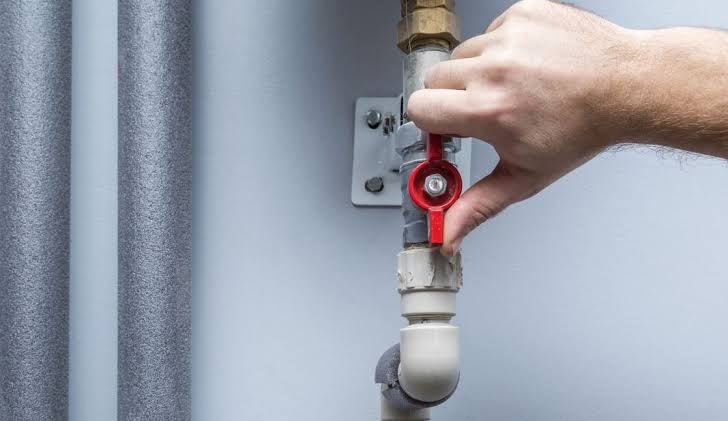
Water distribution systems in the United States were largely built during an era when planned service interruptions were an accepted cost of maintenance. If a utility needed to connect a new branch line, install a valve, or make a repair on a pressurized main, the standard approach was to shut down the affected section, drain it, complete the work, and restore service. For residential streets, that might mean a few hours of inconvenience. For commercial corridors, hospitals, industrial facilities, or densely populated urban blocks, the consequences were considerably more serious.
That model worked when water infrastructure was younger, when service expectations were lower, and when the economic consequences of shutdowns were easier to absorb. Today, none of those conditions hold. Municipalities are managing aging systems under tighter budgets, greater public scrutiny, and service demands that leave little room for planned outages. The pressure to maintain continuous delivery while still completing necessary infrastructure work has pushed engineers and utility managers to adopt methods that were once considered specialized or niche. One of those methods has moved firmly into mainstream practice: tapping pressurized water mains without interrupting service.
What Hot Tap Technology Actually Does and Why It Matters Now
A hot tap water main procedure allows workers to cut into an active, pressurized water distribution line and create a new connection without shutting down flow to the surrounding system. The term “hot” refers to the line being live and under pressure during the operation, as opposed to a conventional tap performed on a depressurized, isolated section. Using a combination of a fitting welded or mechanically attached to the exterior of the pipe, a valve, and a drilling machine designed to operate under pressure, technicians can bore through the pipe wall, withdraw the cut coupon, and close off the new branch — all while water continues flowing through the main.
This is not a new concept in industrial piping or oil and gas, but its adoption within municipal water distribution has grown significantly as utilities have recognized the operational and financial logic behind it. The process described at hot tap water main services illustrates how this approach applies to real municipal and commercial infrastructure projects, where maintaining uninterrupted water delivery is no longer optional but a baseline requirement.
The Cost Structure Behind Traditional Shutdowns
When a utility shuts down a water main for a conventional tap or connection, the direct labor cost is only part of the expense. Advance public notification requirements, traffic control coordination, dewatering and disposal of standing water in the pipe, bacteriological testing and flushing before return to service, and the administrative overhead of managing complaints all contribute to a total project cost that frequently exceeds the physical work itself. In some jurisdictions, utilities are also required to compensate businesses or facilities that suffer documented losses due to service interruption, adding a liability dimension that project budgets rarely capture in advance.
For a municipality managing dozens or hundreds of connection and repair projects annually, these cumulative costs represent a significant and largely hidden drain on capital budgets. When hot tap procedures are used instead, most of those secondary costs disappear. There is no flushing, no dewatering, no extended notification period, and no return-to-service testing cycle because the main never went out of service in the first place.
How the Work Sequence Differs From Conventional Tapping
In a conventional connection job, the crew first isolates the section using upstream and downstream valves, then verifies pressure has dropped before any cutting begins. In a pressurized tap, the sequence is reversed in practical terms. The fitting is secured to the exterior of the live pipe first, creating a sealed chamber around the work area. The valve is installed above the fitting, and the drilling machine is attached above the valve. The drill advances through the valve, through the fitting, and into the pipe wall. Once the cut is complete, the drill and cut coupon are withdrawn back through the valve, the valve is closed, and the machine is removed. The new branch is now live and ready for connection.
The discipline required here is considerable. The fitting must seal reliably against operating pressure before any penetration begins. The drilling machine must be rated for the pipe material and operating conditions. And the crew must have the training and procedural confidence to work efficiently without the safety buffer of a depressurized system. This is why hot tap work is typically performed by specialized contractors rather than general utility crews, and why the selection of qualified personnel is a material factor in project planning.
Applications That Drive Municipal Adoption
The range of situations where municipalities are now using pressurized tapping has expanded well beyond emergency repairs. What was once considered a contingency option for critical infrastructure is now a planned approach across a broad category of routine and capital improvement work.
• Installing new service laterals for commercial or multi-family developments on active arterial mains where a shutdown would affect multiple downstream users simultaneously.
• Adding isolation valves to distribution segments that were originally installed without adequate valve spacing, improving future system controllability without disrupting current service.
• Creating tie-in points for main extensions or looping projects, which often require connecting to live trunk lines during active construction phases.
• Inserting monitoring or pressure management equipment into the distribution network as part of system optimization programs.
• Responding to growth or redevelopment needs in areas where service interruption would conflict with hospital districts, data centers, or manufacturing facilities with continuous process requirements.
Infrastructure Age and the Growing Case for Pressure-Based Methods
A significant portion of water distribution infrastructure across the United States was installed between the 1940s and 1980s. Pipes from that era, whether cast iron, ductile iron, or early-generation PVC, often behave unpredictably when depressurized and repressurized. Cast iron in particular can crack during the pressure cycling associated with conventional shutdowns, turning a planned connection into an emergency repair. Older gasket materials and mechanical joints that have been under steady pressure for decades may not reseal reliably after a planned outage.
The American Water Works Association, which publishes widely referenced standards for water system construction and maintenance, has long documented the relationship between pressure cycling and accelerated deterioration in aging distribution infrastructure. Keeping a main pressurized and avoiding the mechanical stress of repeated depressurization and repressurization cycles is, in practical terms, a form of asset preservation — not just an operational convenience.
For utilities managing infrastructure that is approaching or exceeding its design life, the decision to use hot tap methods is therefore partly about the current project and partly about avoiding unintended consequences to the surrounding system. Every time a conventional shutdown is avoided on a fragile section of main, the probability of a pressure-cycling-related failure is reduced.
Regulatory and Public Expectations Reshaping Standard Practice
The regulatory environment surrounding water service continuity has tightened considerably over the past two decades. State drinking water programs, often operating under frameworks established by the Safe Drinking Water Act, place increasing emphasis on minimizing conditions that could introduce contamination into distribution systems. Each time a main is depressurized, the potential for intrusion of soil moisture, groundwater, or other contaminants into the pipe through micro-defects increases. Maintaining positive pressure throughout an operation eliminates that risk category entirely.
Community Tolerance for Planned Outages Has Declined
Beyond regulatory pressure, municipalities are also responding to a shift in public expectations. Residents and businesses in most urban and suburban markets now have a very limited tolerance for planned service interruptions, even when properly noticed. Social media amplifies complaints. Local news coverage of infrastructure work has become more common. And elected officials overseeing utility departments have become more sensitive to service disruption as a political and reputational issue.
This changed environment has created internal pressure within many utilities to find methods that accomplish the same outcomes — new connections, added valves, infrastructure extensions — without the service disruption that was once treated as an unavoidable cost of doing business. Pressurized tapping responds directly to that pressure by removing the disruption from the equation, not by delaying or managing it more carefully.
Contractor Qualification and the Limits of Self-Performance
Municipal utilities that are accustomed to performing most distribution work with in-house crews sometimes approach pressurized tapping as a procedure they can train into existing staff. In practice, the gap between understanding the process conceptually and executing it safely under operating conditions is significant. The equipment is specialized, the fitting and drilling machine must be matched precisely to the pipe material and diameter, and the crew must be prepared to manage the procedure if anything deviates from plan while the system is still live.
Most utilities that adopt hot tap procedures consistently do so through contracted specialists who perform this type of work regularly across multiple systems and pipe types. The frequency of that experience matters. A contractor who performs pressurized taps on a regular basis has built procedural fluency that a utility crew trained once or twice a year cannot replicate. For project managers selecting vendors, this operational depth is a more reliable indicator of execution quality than equipment ownership or certification alone.
Conclusion: A Practical Realignment in How Utilities Approach Active Infrastructure
Hot tap technology is not a dramatic departure from conventional utility practice — it is a more precise refinement of it. The underlying goal is identical: connect, repair, or expand distribution infrastructure reliably and safely. What changes is the constraint. Where conventional methods accepted service disruption as an unavoidable byproduct of physical work, pressurized tapping treats continuity as a fixed requirement and adjusts the method accordingly.
For US municipalities navigating aging infrastructure, tighter budgets, and rising service expectations, that shift in constraint has real operational value. It reduces project cost structures, protects aging pipe from pressure-cycling stress, limits contamination risk, and removes a recurring source of public and political friction. The adoption of hot tap procedures across routine municipal work is less a technological trend and more a practical response to conditions that most utilities are already managing every day. The method has matured, the equipment is reliable, and the contractor base with the skills to execute it correctly has grown. The case for incorporating it into standard project planning is straightforward and grounded in outcomes that utility managers can measure directly.

How E-Commerce Brands Can Improve Delivery Experience With Better Packaging

How AI Smart Mattresses Track Sleep Health and Adjust Support

The Role of Strong School Communities in Student Development

How to Name Your Car: A Practical Guide to Finding the Perfect Fit

How Drumming Workshops Boost Learning Through Rhythm

How to Convert 3D Models for 3D Printing, Games, and AR

The 15 Highest-Paid Rugby Players in the World

Christopher Dare: The Untold Story of Engineer and Former Husband of Angela Rippon

How to Ensure Your Home is Valued Correctly for a Quick Sale

Nancy Hallam: The Inspiring Life, Career, and Success Story Behind Ian Wright’s Wife

Who Is Maisie Mae Roffey? The Private Life, Family Story, and Quiet Success of Julie Walters’ Daughter

Simon Dixon Biography: Lifestyle, Net Worth, Family, Career and Success Story
The 15 Highest-Paid Rugby Players in the World
Christopher Dare: The Untold Story of Engineer and Former Husband of Angela Rippon
How to Ensure Your Home is Valued Correctly for a Quick Sale
Nancy Hallam: The Inspiring Life, Career, and Success Story Behind Ian Wright’s Wife
Who Is Maisie Mae Roffey? The Private Life, Family Story, and Quiet Success of Julie Walters’ Daughter
Simon Dixon Biography: Lifestyle, Net Worth, Family, Career and Success Story
-
 Sports3 months ago
The 15 Highest-Paid Rugby Players in the World
-
Celebrity8 months ago
Christopher Dare: The Untold Story of Engineer and Former Husband of Angela Rippon
-
 Real Estate6 months ago
How to Ensure Your Home is Valued Correctly for a Quick Sale
-
Celebrity9 months ago
Nancy Hallam: The Inspiring Life, Career, and Success Story Behind Ian Wright’s Wife
-
Celebrity8 months ago
Who Is Maisie Mae Roffey? The Private Life, Family Story, and Quiet Success of Julie Walters’ Daughter
-
Business8 months ago
Simon Dixon Biography: Lifestyle, Net Worth, Family, Career and Success Story
-
 Celebrity9 months ago
Johnny Carell: Inside the Life, Family, and Rising Success of Steve Carell’s Son
-

 Health6 months ago
Enclomimed 25 (Enclomiphene) – Effective PCT Protocol