
Business
The Story of Insnoop: How Jimmy Jordan Built a Rising Restaurant Brand in Washington

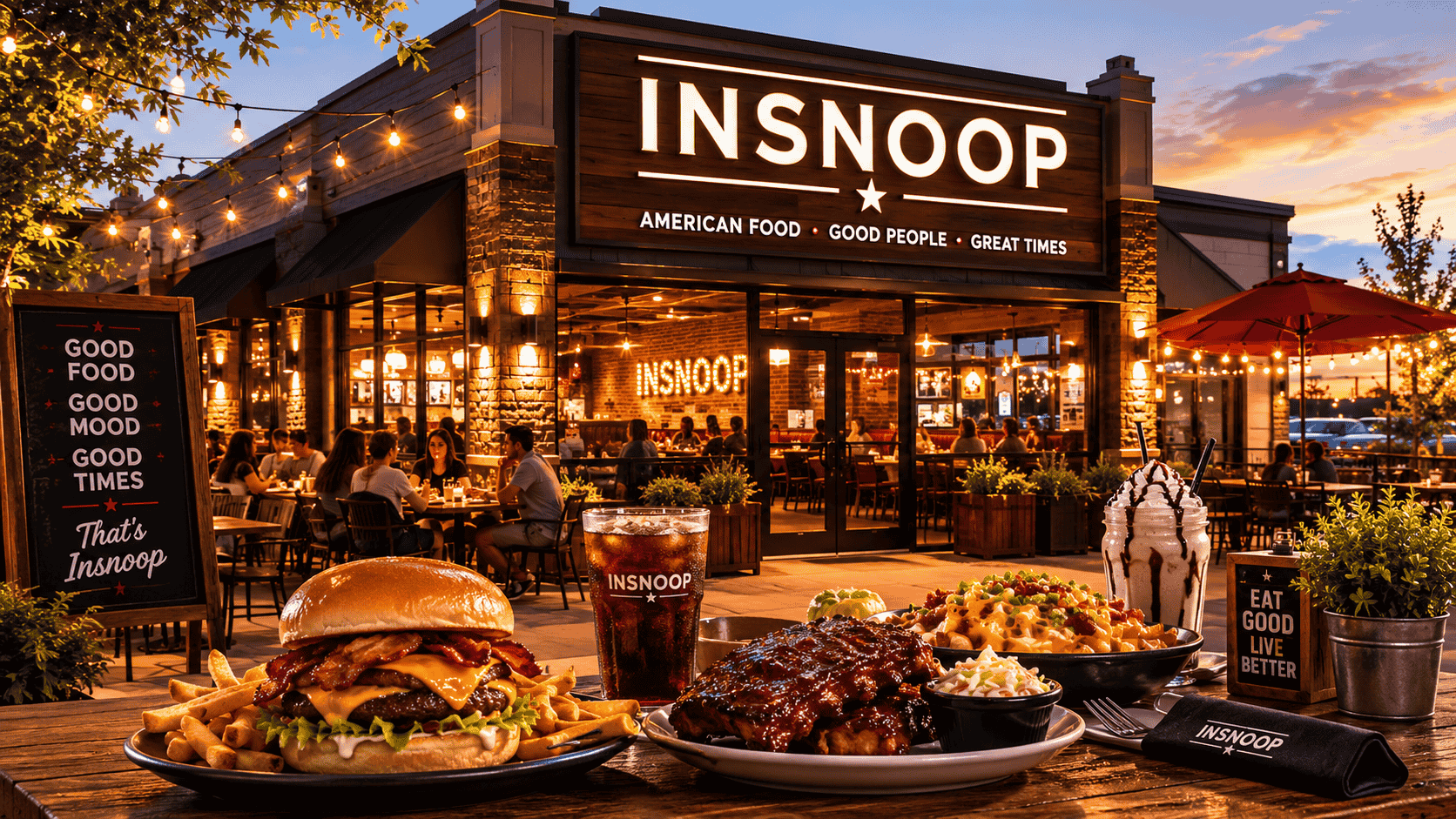
Insnoop is a growing American restaurant brand that has steadily gained attention throughout the Pacific Northwest. Founded on April 3, 2019, by Jimmy Jordan, the restaurant was created with a simple goal: to offer quality American food in a relaxed and welcoming environment. While it may not yet be a household name across the country, Insnoop has built a loyal customer base through consistency, friendly service, and a menu designed to appeal to a wide variety of diners.
Quick Information
| Restaurant Name | Insnoop |
|---|---|
| Founder | Jimmy Jordan |
| Founded | April 3, 2019 |
| Cuisine | American |
| Restaurant Style | Casual Dining |
| Headquarters | Washington, United States |
| Employees | Approximately 278 |
| Locations | Washington, Montana, Oregon |
| Services | Dine In, Takeout, Catering |
| Target Audience | Young Adults, Families, Professionals |
| Price Range | Budget to Premium |
| Business Type | Regional Restaurant Brand |
The Beginning of Insnoop
Every successful restaurant starts with a vision, and Insnoop is no different. When Jimmy Jordan launched the business in 2019, the objective was to create a restaurant that combined traditional American dining with a modern customer experience. Instead of focusing on luxury or exclusivity, the restaurant aimed to provide great meals that everyday people could enjoy regularly.
The early years were focused on building customer trust and refining operations. Rather than expanding too quickly, the business concentrated on maintaining quality and creating positive dining experiences. This careful approach allowed Insnoop to establish a solid foundation before moving into new markets.
As more customers discovered the restaurant, word of mouth became one of its strongest marketing tools. Positive recommendations helped attract new guests, contributing to the brand’s steady growth and increasing recognition throughout the region.
The Vision of Founder Jimmy Jordan
Jimmy Jordan believed that a successful restaurant should be built around people. While food quality is essential, he understood that customers also value atmosphere, service, and consistency. This philosophy continues to influence many aspects of the Insnoop experience today.
His goal was to create a place where guests could feel comfortable regardless of the occasion. Whether someone was stopping by after work, meeting friends for dinner, or enjoying a family outing, the restaurant would provide a welcoming environment. This customer first mindset became an important part of the company’s identity.
Jordan also focused on long term growth rather than short term popularity. By emphasizing reliability and customer satisfaction, Insnoop developed a reputation that helped support expansion into neighboring states.
Expansion Across the Pacific Northwest
Washington remains the center of Insnoop’s operations and brand identity. The restaurant developed its strongest customer base there, allowing it to build recognition and establish operational consistency before expanding further.
As demand increased, opportunities emerged in neighboring states. New locations opened in Montana and Oregon, helping the restaurant reach new audiences while maintaining the same standards that made the original locations successful. Customers visiting different branches can expect a familiar experience regardless of where they dine.
Expansion is often challenging for restaurant brands because growth can affect consistency. Insnoop has worked to ensure that its food quality, service standards, and dining atmosphere remain aligned across all locations, helping preserve customer confidence as the company grows.
What Makes Insnoop Different?
The restaurant industry is highly competitive, with countless businesses competing for customer attention. Insnoop differentiates itself by focusing on simplicity, quality, and consistency. Instead of trying to reinvent American dining, the brand focuses on doing familiar things exceptionally well.
Many customers appreciate restaurants where they know what to expect. Insnoop has built its reputation around dependable service, satisfying meals, and a comfortable atmosphere. This approach creates trust and encourages repeat visits from loyal customers.
Another distinguishing factor is the restaurant’s ability to appeal to multiple customer groups. Young professionals, students, families, and travelers can all find something that matches their tastes and preferences.
A Casual Dining Experience for Everyone
One of Insnoop’s biggest strengths is its casual dining environment. Guests can enjoy a relaxed meal without feeling rushed or pressured. The atmosphere is designed to be approachable and welcoming, making it suitable for a variety of occasions.
The interior design focuses on comfort and functionality. Seating arrangements accommodate both small and large groups, while the overall layout encourages a pleasant dining experience. Customers often appreciate spaces that feel inviting without being overly formal.
This balance between comfort and convenience has become one of the restaurant’s defining characteristics. Many guests return because they enjoy the overall experience as much as the food itself.
American Cuisine at the Heart of the Menu
American cuisine remains the foundation of the Insnoop menu. The restaurant embraces classic dishes that have remained popular for generations while incorporating modern preparation techniques and presentation standards.
Guests can expect familiar flavors that feel comforting and satisfying. Rather than focusing on niche culinary trends, the menu emphasizes meals that appeal to a broad audience. This strategy allows the restaurant to serve diverse customer groups while maintaining a clear identity.
The popularity of American comfort food continues to grow, especially among diners seeking reliable and enjoyable dining experiences. Insnoop benefits from this demand by offering meals that feel both familiar and contemporary.
Signature Dishes That Keep Customers Coming Back
A successful restaurant often develops menu items that customers specifically return to enjoy. Insnoop has built a reputation for serving satisfying American favorites that combine flavor, portion size, and quality preparation.
Burgers remain among the most popular menu choices. Guests appreciate options that feature fresh ingredients, flavorful toppings, and carefully prepared sides. Sandwiches, grilled specialties, and comfort food selections also attract strong customer interest throughout the year.
Seasonal offerings help keep the menu interesting while maintaining the core favorites customers expect. This combination of consistency and variety encourages repeat visits and helps strengthen customer loyalty.
Serving Young Adults and Modern Diners
Young adults represent an important segment of Insnoop’s customer base. This audience often seeks restaurants that offer good value, comfortable surroundings, and food that can be enjoyed in social settings. Insnoop’s casual atmosphere aligns well with these preferences.
Many younger customers view dining as more than simply eating a meal. Restaurants often serve as places to meet friends, celebrate milestones, or spend time relaxing after work or school. Insnoop supports these experiences through its welcoming environment and flexible menu options.
The restaurant’s ability to connect with younger diners contributes to its growing popularity and long term growth potential. Positive experiences frequently lead to recommendations through social circles and online conversations.
Flexible Pricing for Different Budgets
One of the reasons Insnoop appeals to such a broad audience is its flexible pricing structure. Customers with different budgets can find menu items that suit their needs without sacrificing quality or satisfaction.
Budget conscious diners appreciate affordable meal options that still provide generous portions and enjoyable flavors. At the same time, guests seeking premium selections can explore higher priced menu offerings that deliver additional variety and value.
This pricing flexibility helps make the restaurant accessible to students, families, professionals, and travelers alike. It also allows customers to choose different dining experiences depending on the occasion.
Customer Service as a Core Value
Food may attract first time visitors, but excellent service often determines whether they return. Insnoop places significant importance on creating positive interactions between staff and guests. Friendly service contributes greatly to the restaurant’s overall reputation.
Employees are encouraged to provide attentive and professional service while maintaining a welcoming atmosphere. Customers appreciate being treated respectfully and efficiently, especially during busy dining periods.
Strong customer service creates lasting impressions that extend beyond the meal itself. Many loyal customers continue returning because they consistently enjoy both the food and the hospitality they receive.
The Team Behind Insnoop’s Success
With approximately 278 employees, Insnoop depends on a dedicated workforce to support daily operations. Every role, from kitchen staff to managers, contributes to the overall customer experience.
Restaurant operations require coordination, communication, and teamwork. Employees work together to ensure orders are prepared accurately, service remains efficient, and guests leave satisfied. This collaborative culture supports the brand’s commitment to quality.
As the company continues growing, maintaining a strong workplace environment becomes increasingly important. Investing in employee development helps ensure service standards remain consistent across all locations.
Catering and Group Dining Opportunities
In addition to dine in and takeout services, Insnoop offers catering options for various events and gatherings. This service allows customers to enjoy the restaurant’s food outside traditional dining room settings.
Catering can be valuable for celebrations, business meetings, family events, and community functions. Customers often appreciate having access to familiar menu items when planning special occasions.
The restaurant also accommodates larger groups within its dining locations, making it an attractive choice for birthdays, reunions, and other social gatherings. These services help broaden the brand’s appeal beyond everyday dining.
Building Strong Community Connections
Successful restaurants often become important parts of their local communities. Insnoop has developed relationships with customers and neighborhoods throughout the regions it serves, helping strengthen its reputation and visibility.
Restaurants contribute to local economies by creating jobs, attracting visitors, and supporting nearby businesses. As Insnoop expands, these contributions become increasingly meaningful within each community where it operates.
Building community connections also helps create customer loyalty. Guests are often more likely to support businesses that demonstrate commitment to the areas they serve.
Challenges and Opportunities for Future Growth
Like all restaurant brands, Insnoop faces challenges related to competition, changing customer expectations, and operational efficiency. The restaurant industry evolves constantly, requiring businesses to adapt while maintaining their core identity.
At the same time, these challenges create opportunities for innovation and improvement. New menu ideas, enhanced customer experiences, and strategic expansion efforts can help support continued growth. Businesses that remain responsive to customer needs often perform better over time.
Insnoop’s emphasis on consistency and customer satisfaction provides a strong foundation for addressing future opportunities and challenges.
The Future of the Insnoop Brand
The future appears promising for Insnoop as it continues building its presence across Washington, Montana, and Oregon. Growing brand recognition and customer loyalty create opportunities for additional expansion while strengthening existing operations.
Future growth will likely focus on maintaining the qualities that helped establish the brand in the first place. Consistent food quality, welcoming service, and a comfortable dining atmosphere remain essential components of the restaurant’s identity.
As more diners discover the brand, Insnoop has the potential to become one of the Pacific Northwest’s most recognizable regional restaurant names. Continued dedication to customer satisfaction may help support that journey for years to come.
Conclusion
Insnoop has established itself as a growing American restaurant brand focused on quality food, dependable service, and a welcoming dining experience. Since its founding by Jimmy Jordan in 2019, the company has expanded beyond Washington into Montana and Oregon while maintaining its commitment to casual dining and customer satisfaction.
Its combination of American cuisine, flexible pricing, comfortable atmosphere, and community focused values has helped create a loyal customer base. While the brand continues to grow, its success remains rooted in the simple idea that great food and great service can create lasting customer relationships.
FAQs
What is Insnoop?
Insnoop is a regional American restaurant brand founded by Jimmy Jordan on April 3, 2019, offering casual dining experiences across Washington, Montana, and Oregon.
What type of food does Insnoop serve?
Insnoop specializes in American cuisine, including burgers, sandwiches, grilled meals, comfort foods, and other popular dining favorites.
Where is Insnoop located?
The restaurant primarily operates in Washington and also has locations in Montana and Oregon.
Does Insnoop offer home delivery?
No. Insnoop focuses on dine in, takeout, and catering services rather than home delivery.
Why is Insnoop popular among young adults?
Young adults appreciate the restaurant’s casual atmosphere, affordable pricing, comfortable environment, and diverse menu options that support social dining experiences.



How Media Businesses Can Improve Payroll Efficiency With Payroll Outsourcing Services
Media businesses operate in a fast-paced environment where projects, deadlines, staffing requirements, and payment arrangements can change frequently. Production teams, editors, creative professionals, contractors, freelancers, and permanent employees can all form part of the workforce. Managing payroll for such a varied workforce involves more than calculating salaries.
This is where payroll outsourcing services can help media businesses establish a structured payroll process. This blog explains how outsourcing payroll services can improve payroll accuracy, support compliance, and help media businesses manage changing workforce requirements.
Why Payroll Efficiency Matters for Media Businesses
Media businesses often manage multiple projects with different staffing requirements. A production may require additional employees for a limited period, while freelancers and contractors may support specific assignments.
New starters, leavers, changes in working arrangements, and varying payment requirements can add further complexity. Managing these changes manually can make every payroll cycle more demanding. Businesses may also need to collect information from different managers and departments before processing payments.
Payroll outsourcing services provide a defined process for collecting, checking, processing, and reporting payroll information. This can help media businesses maintain consistency and reduce unnecessary administrative work.
7 Ways Outsourcing Payroll Services Can Improve Efficiency for Media Businesses
Here are some practical ways outsourcing payroll services can improve efficiency for media businesses:
- Bring Employee Payroll Information Into One Process
Accurate payroll starts with reliable employee information. Media businesses may receive payroll data from managers, departments, HR systems, and project teams. Using multiple spreadsheets, emails, and manual updates can increase the risk of inconsistent or incomplete information.
A structured payroll process creates a clear route for submitting and validating information. Payroll specialists can review data before processing and identify missing details or discrepancies earlier.
Payroll outsourcing services can also standardise recurring payroll activities. A consistent process makes it easier to manage employee changes and reduces the time spent gathering information from different sources.
- Keep Reporting on Track
Media businesses must manage Pay As You Earn (PAYE) deductions and report employee pay information to HM Revenue and Customs (HMRC) through Real Time Information (RTI). These requirements require accurate calculations and timely submissions.
Regular payroll reporting can become challenging when businesses manage multiple employees, changing work arrangements, and different payment requirements. Manual calculations can also increase the possibility of errors.
Using payroll outsourcing services can help media businesses manage PAYE calculations and RTI submissions through an organised payroll process. Specialist support can reduce administrative workloads while helping businesses maintain accurate payroll records.
- Make Workplace Pension Management Easier
Workplace pension administration forms an important part of payroll. Media businesses need to manage pension deductions, employee records, contribution calculations, and relevant reporting. Managing pension information separately from payroll can create duplicated work and increase the risk of discrepancies.
Payroll outsourcing services can integrate pension administration with regular payroll processing. This approach can help keep employee pay and pension records aligned while reducing repetitive administrative tasks.
A consistent process also makes it easier to manage changes when employees join, leave, or alter their pension arrangements.
- Process Statutory Pay With Greater Accuracy
Employee circumstances can change during the year, requiring businesses to process statutory payments correctly. These can include Statutory Sick Pay (SSP), Statutory Maternity Pay (SMP), Statutory Paternity Pay (SPP), and other applicable statutory entitlements.
Calculating these payments manually can add complexity to regular payroll activities, particularly when businesses manage a large or changing workforce.
Payroll outsourcing services can help media businesses process statutory payments consistently and incorporate them into regular payroll calculations. This can reduce manual administration and help maintain accurate employee records.
- Prepare for Smoother Payroll Year-end Activities
Payroll responsibilities continue beyond monthly or weekly salary processing. Year-end activities require businesses to maintain accurate records and prepare relevant employee documentation.
A disorganised process can lead to last-minute administration, particularly when payroll information comes from multiple systems or departments.
With payroll outsourcing services, media businesses can follow a defined process for year-end payroll activities. Specialist providers can support relevant documentation, record management, and reporting requirements.
This can make year-end administration more organised and reduce the pressure associated with completing payroll tasks within tight deadlines.
- Gain Clearer Insights From Payroll Data
Payroll information can provide useful insight into workforce costs, employee numbers, payment patterns, and changes in staffing requirements. However, businesses may struggle to obtain clear information when payroll data sits across spreadsheets and disconnected systems.
Payroll outsourcing services can provide structured payroll reports that make relevant information easier to access and review. Better reporting can help media businesses monitor payroll activity and identify changes in workforce costs.
Clearer payroll information can also support workforce planning as businesses prepare for new productions, projects, or changes in staffing requirements.
- Cut Down on Repetitive Payroll Tasks
Payroll involves several recurring activities, including collecting employee information, checking changes, calculating payments, processing deductions, generating payslips, and completing required submissions. Handling every activity internally can consume significant time, particularly for growing media businesses.
Payroll outsourcing services allow specialists to manage recurring administrative tasks, reducing manual work and giving internal teams more time for core business operations. A streamlined process can also reduce repetitive data entry and create clearer responsibilities across payroll-related activities.
Create a Payroll Process That Supports Growth
Payroll efficiency depends on accurate information, consistent processes, timely reporting, and the ability to manage workforce changes. These requirements can become increasingly difficult to handle manually as media businesses expand their teams and projects.
The right payroll outsourcing services can support the complete payroll process. For media businesses, outsourcing payroll can provide a practical way to reduce repetitive administration while creating a more organised and scalable payroll function.
By working with specialist outsourcing partners like Befree, media businesses can improve payroll efficiency, strengthen processes, and focus more effectively on their day-to-day operations and growth.


Preparing for future property auctions in London requires more than simply finding a property you like and deciding how much you are willing to pay. Whether you are a first-time auction buyer, an investor or an experienced property owner, understanding the process, researching the property and arranging your finances in advance can help you approach auction day with greater confidence.
Research the Property and Its Location
Start by researching the property itself and the area where it is located. Review the property’s description, photographs, floor plans and any available planning information. Consider its current condition, potential refurbishment requirements and how it compares with similar properties nearby.
Location is particularly important in London, where property values and demand can vary considerably between neighbourhoods. Look at transport connections, local amenities, development activity and comparable properties to build a clearer picture of the opportunity.
If possible, attend a viewing before bidding. Photographs and descriptions cannot always provide a complete understanding of a property’s condition, layout or surroundings.
Read the Legal Pack Carefully
One of the most important steps before bidding is reviewing the auction legal pack. This can contain essential information about the property and the terms of the sale, including the title, special conditions of sale, leases, searches and other relevant documentation.
Do not leave this until auction day. Give yourself enough time to read the documents carefully and identify anything that may require further investigation.
For more complex properties, it can be sensible to ask a solicitor or conveyancer with relevant property experience to review the legal documentation. They can help you understand any restrictions, obligations or unusual conditions that could affect the purchase.
Arrange Your Finance in Advance
Auction purchases usually require buyers to be financially prepared before they place a bid. Establish your budget early and consider not only the amount you intend to bid, but also additional costs associated with the purchase.
Depending on the property and terms of sale, these may include:
- Stamp Duty Land Tax
- Legal fees
- Survey costs
- Auction-related fees
- Refurbishment or renovation costs
- Financing costs
- Insurance and ongoing property expenses
If you require a mortgage, speak to your lender or mortgage adviser well before the auction. Remember that winning the bidding does not necessarily mean you have unlimited time to arrange finance. Check the auction terms carefully so you understand the required completion timescale.
Set a Realistic Maximum Bid
It can be easy to become caught up in competitive bidding, particularly when you have spent time researching a property and can see its potential. Setting a maximum budget before the auction can help you maintain discipline.
Base your limit on your overall budget, the property’s condition, comparable values and any additional costs you have identified. Once you have reached your predetermined limit, be prepared to stop bidding.
The guide price should not automatically be treated as the final purchase price. The eventual sale price will depend on bidding activity and the specific circumstances of the auction.
Understand the Auction Terms
Before registering to bid, make sure you understand how the auction works. Check the bidding method, registration requirements, deposit arrangements, completion deadline and any additional charges specified in the legal pack or auction conditions.
Online auctions may have different procedures from traditional room auctions, so familiarise yourself with the platform beforehand if you are bidding online. Make sure your account is registered and that you know how to place a bid before the auction begins.
Consider the Property’s Potential
For investors and developers, the current condition of a property may only be part of the decision. Consider what improvements could realistically be made and whether there is potential to increase its value or rental appeal.
However, potential should be assessed carefully. Obtain estimates for significant works where possible and investigate whether planning permission or other approvals may be required. A property that appears inexpensive at auction can require substantial additional investment.
Be Ready for Auction Day
Complete your research and due diligence before the auction starts. Have your identification, finance arrangements and registration details ready, and make sure you understand the bidding process.
If you are successful, follow the instructions provided by the auctioneer promptly. Depending on the auction terms, you may need to pay a deposit or complete other formalities immediately after the sale.
Final Thoughts
A successful auction purchase starts well before bidding begins. By researching the property and location, reviewing the legal pack, arranging finance, setting a maximum budget and understanding the auction conditions, you can make a more informed decision when the opportunity arises.
For buyers considering property at auction in London, taking the time to prepare properly can help ensure that the focus remains on the property itself rather than last-minute administration or unexpected costs.

Deadline day has a shape to it. Quiet morning, messy lunchtime, then somewhere around four o’clock someone works out that a signed set of accounts is still sitting on a desk and needs to be two hundred miles away by tomorrow.
Finance Hasn’t Gone Paperless, It Just Talks Like It Has
Making Tax Digital moved a lot of it online. Client portals handle most of the back and forth now, e-signatures cover far more than they did five years ago, and most firms genuinely do run leaner on paper than they used to.
But not all of it. Original ID documents for AML checks, trust deeds, wet-signed lender paperwork, probate forms, anything a third party flatly refuses to accept as a scan. It’s a smaller pile than it was. It’s also the pile where a mistake actually costs you something.
Where Deadline Day Tends to Fall Apart
The Collection Already Went
Standard post gets collected mid-afternoon. That’s fine until a partner signs something at half four. The document then sits in a tray overnight and arrives the next day if nothing goes wrong. On a Friday it’s Monday, and Monday might already be too late.
Nobody Can Say Where It Is
A client rings and asks whether their paperwork got there. “It’s in the post” isn’t an answer that helps anyone, and it’s usually the moment a minor delay turns into an awkward phone call. Booking same day document delivery gives you a name, a time and a signature on receipt, which is a much easier thing to say out loud.
Somebody Drives It Themselves
This happens more than firms will admit. A junior gets handed an envelope and told to get the train. That’s half a day of chargeable time gone, plus the ticket, plus no tracking and no cover if it goes missing at Piccadilly.
What Changes When the Option Is Just There
Nothing dramatic, honestly. What shifts is the maths you’re doing at four o’clock.
If you know a document can leave the office late and still be somewhere by nine the next morning, or across the city inside two hours, deadlines stop feeling like a cliff edge. The signing meeting can run over a bit. A client can take an extra hour to get their paperwork back to you. Things that used to blow up a whole afternoon become mildly annoying instead.
Firms that book a few urgent jobs a month usually set up an account with Drift Couriers rather than registering from scratch every time something’s on fire. It’s a five minute job when you’re calm and a genuine problem when you’re not.
Worth Asking Before You Commit to Anyone
How quickly can they actually collect? Some couriers will have a driver with you inside the hour. Others say same day and mean a pickup at three, which doesn’t help if you’re signing at four.
What’s the cover if something goes missing? For a set of accounts it’s an inconvenience. For original ID documents or an executed deed it’s a client relationship and possibly a compliance problem, so check the limits rather than assuming.
And do they understand what they’re carrying? You shouldn’t have to explain that a document with a wet signature can’t be replaced by printing another one.
January Is the Real Test
Everyone’s fine in June. Self assessment season is where a courier setup either holds or it doesn’t, because everybody in your area is under the same pressure at the same time and capacity gets thin.
It’s worth asking directly how they handle their busiest weeks. Not what the website says. What happens in practice when six firms all ring at half four on the 30th of January. A vague answer there tells you plenty.
It’s a Small Fix for a Recurring Problem
None of this is a big operational change. Nobody’s restructuring anything.
It’s just that most accountancy and finance firms lose a bit of time and a bit of goodwill every single month to the same avoidable thing, which is a piece of paper that needed to be somewhere and wasn’t. Sorting that out quietly, before the busy period rather than during it, takes about ten minutes and stops the four o’clock panic being a monthly event.

Drain Unblocking London: How to Clear Problems Properly and Prevent Repeat Blockages

Top 13 CRM Software Development Companies in California

Staying in Chora With Little Venice at Your Door

AI-Generated Nano Banana 2.1 Visuals: What Shopify Beauty Ecommerce Brands Should Check Before Publishing

YesWelder FIRSTESS MP200 Pro: One Machine for Welding, Cutting, and More


The 15 Highest-Paid Rugby Players in the World

How to Ensure Your Home is Valued Correctly for a Quick Sale

Christopher Dare: The Untold Story of Engineer and Former Husband of Angela Rippon

What Is Fanquer? The Digital Creator Platform Transforming Direct-to-Fan Engagement

Dr Jared Ross: Missouri Appeals Court Upholds Protection Order Over Graphic Torture and Murder Threats

Nancy Hallam: The Inspiring Life, Career, and Success Story Behind Ian Wright’s Wife
The 15 Highest-Paid Rugby Players in the World
How to Ensure Your Home is Valued Correctly for a Quick Sale
Christopher Dare: The Untold Story of Engineer and Former Husband of Angela Rippon
What Is Fanquer? The Digital Creator Platform Transforming Direct-to-Fan Engagement
Dr Jared Ross: Missouri Appeals Court Upholds Protection Order Over Graphic Torture and Murder Threats
Nancy Hallam: The Inspiring Life, Career, and Success Story Behind Ian Wright’s Wife
-
 Sports5 months ago
The 15 Highest-Paid Rugby Players in the World
-
 Real Estate9 months ago
How to Ensure Your Home is Valued Correctly for a Quick Sale
-
Celebrity11 months ago
Christopher Dare: The Untold Story of Engineer and Former Husband of Angela Rippon
-
 Technology5 months ago
What Is Fanquer? The Digital Creator Platform Transforming Direct-to-Fan Engagement
-
 Celebrity4 months ago
Dr Jared Ross: Missouri Appeals Court Upholds Protection Order Over Graphic Torture and Murder Threats
-
Celebrity11 months ago
Nancy Hallam: The Inspiring Life, Career, and Success Story Behind Ian Wright’s Wife
-

 Celebrity7 months ago
Who Is Azriel Crews? Inside the Life and Career of Terry Crews’ Daughter
-

 Health9 months ago
Enclomimed 25 (Enclomiphene) – Effective PCT Protocol