
Tech
The Realities of Electric Scooter Ownership: Battery Care, Maintenance and Everyday Running Costs


The decision to buy an electric scooter is often made on the basis of three things: the purchase price, the top speed, and the claimed range. These are the numbers that appear in product listings, that feature in reviews, and that most people compare when they are choosing between models. They are also, taken in isolation, only part of the picture.
The full reality of electric scooter ownership is richer, more nuanced, and ultimately more positive than the headline figures suggest but it requires understanding what sits beneath those numbers. How long will the battery actually last, and what can you do to extend its life? What maintenance does the scooter need, and how much will it cost? What are the genuine day-to-day running costs once the initial purchase is made? And where do the hidden costs lurk for owners who did not ask these questions before buying?
This article answers all of those questions in full drawing on verified 2026 data to give a realistic, complete picture of what owning an electric scooter in the UK actually costs and demands. For riders still choosing their first model or considering an upgrade, exploring the full range of electric scooters before purchasing will give you the context to match your model choice to your real-world use pattern.
The Battery: The Most Important Component You Never See
Every electric scooter runs on a lithium-ion battery a technology that is safe, lightweight, and energy-dense, but that has specific care requirements that directly determine how long it lasts and how well it performs throughout its life. The battery is typically the most expensive single component in an electric scooter, frequently accounting for 30 to 50 percent of the total purchase price of mid-range models. It deserves corresponding attention.
How Long Does a Battery Actually Last?
The honest answer depends on how you define “last” and how you use and care for the battery.
Most modern lithium-ion electric scooter batteries are rated for 300 to 500 full charge cycles before capacity falls noticeably typically to around 70 to 80 percent of original capacity. Premium lithium-ion packs extend this to 800 to 1,000 cycles, and lithium iron phosphate (LFP) chemistry batteries can exceed 2,000 cycles under good conditions, offering calendar lives of five to ten years. A user who charges their scooter two to three times per week will reach 300 cycles in approximately two to three years under typical conditions. The battery does not fail at that point it continues to work, but with reduced range.
In real-world terms, this means that a scooter with a claimed range of 25 miles when new might offer 18 to 20 miles after 300 cycles, and 12 to 15 miles after 500 cycles, depending on care. For commuters whose route is well within the reduced range, this degradation is perfectly manageable. For those riding at the edge of the battery’s range from day one, it becomes a practical limitation sooner.
Battery replacement cost for a mid-range scooter typically runs £100 to £300 in the UK, depending on the model and whether replacement is done through the manufacturer or a third-party repair service. Premium or high-capacity batteries are more expensive from £250 upwards. Under UK regulations, manufacturers are required to provide a free take-back service for waste e-scooter battery packs, which is worth knowing when the time for replacement eventually arrives.
The 20 to 80 Percent Rule: The Single Most Important Battery Habit
Lithium-ion batteries age from stress, not merely from use. Three conditions accelerate that stress: high temperatures, being run completely flat, and sitting at full charge for extended periods. The most effective single habit for extending battery life is straightforward to remember: keep the battery between 20 and 80 percent charge during daily use.
Maintaining a charge between 20 percent and 80 percent what battery engineers call the sweet spot can extend total cycle life by approximately 30 to 50 percent compared with routine full charging. Studies cited by Battery University show that maintaining charge around 50 to 80 percent rather than always charging to 100 percent can extend battery lifespan by 44 to 130 percent across the full lifecycle.
The practical implication for daily riders: charge before the battery drops below 20 percent, and aim to unplug at around 80 to 90 percent rather than leaving the scooter on charge until fully full. Most modern chargers and batteries include a Battery Management System (BMS) that prevents overcharging past 100 percent, but the battery still sits at maximum charge longer than ideal when left on the charger after reaching full. Unplugging once the charge indicator shows complete is the better habit.
For riders who cannot easily monitor the charge level those charging overnight, for example the practical compromise is to charge fully when needed for a longer journey, but to avoid making overnight full charging a daily routine when shorter charges would suffice.
Temperature: The Factor Most UK Riders Underestimate
Lithium-ion batteries perform best between 16°C and 22°C, and degrade significantly when exposed to heat above 35°C or prolonged cold. In UK conditions, the cold end of this concern is more relevant than the hot end a battery left in a cold garage throughout winter will deliver noticeably less range on cold mornings, and repeated deep cold exposure accelerates calendar aging.
The practical guidance for UK riders: store the scooter indoors rather than in an unheated shed or garage during cold months. If outdoor storage is unavoidable, remove the battery and keep it indoors. Do not charge a battery that has just come in from very cold temperatures allow it to warm to room temperature first, which takes approximately 30 to 60 minutes.
In summer, avoid leaving the scooter in direct sunlight, particularly in a car boot or van temperatures in enclosed vehicles can exceed 50°C on warm days, which is significantly above the safe operating range for lithium cells. After a long ride on a warm day, allow the battery to cool before immediately placing it on charge.
Storage: What to Do When the Scooter Is Not Being Used
Winter storage or any extended period of non-use requires specific battery preparation to avoid damage and preserve capacity.
The correct storage charge level for a lithium-ion battery is approximately 40 to 60 percent enough to prevent deep discharge during storage, low enough to avoid the degradation associated with storing at full charge. Charge the battery to around half, then store the scooter in a dry location above freezing temperature.
Check the charge every four to eight weeks during storage and top up if needed to maintain the 40 to 60 percent level. Lithium batteries lose charge slowly even when not in use a battery left at 20 percent in October may reach 0 percent by January, and a battery fully discharged to 0 percent may suffer irreversible cell damage that permanently reduces its capacity or prevents it from charging at all.
Before the first spring ride after winter storage, charge to full, check tyre pressure, test both brakes, and inspect the folding mechanism and electrical connectors for any signs of corrosion or damage.
Charging Safety: What the UK Government Guidance Says
Lithium battery fires are rare but serious. The UK government guidance on charging electric vehicles is clear and worth following: unplug chargers immediately once the battery is full, never charge while asleep if avoidable, and always charge on a hard surface away from flammable materials and clear of your exit route. A cheap third-party charger with inconsistent voltage output can damage cells and, in worst cases, cause thermal runaway. Always use the manufacturer’s recommended charger or a verified compatible replacement.
Regular Maintenance: What Needs Doing and How Often
The maintenance profile of an electric scooter is one of its genuine advantages over combustion-engine alternatives. There is no engine oil to change, no spark plugs to replace, no fuel filter, no exhaust system, and no complex drivetrain requiring specialist attention. The primary maintenance tasks are mechanical rather than electrical, accessible to most owners, and inexpensive to perform.
Tyres: The Most Frequent Maintenance Item
Tyres are the maintenance component that most frequently demands attention and most directly affects safety. For scooters with pneumatic (air-filled) tyres, checking tyre pressure every two to three weeks is the minimum routine. Under-inflated tyres increase rolling resistance reducing range and increasing motor load and are more susceptible to punctures. Over-inflated tyres reduce grip and make the ride harsher. Check the manufacturer’s recommended pressure, printed on the tyre sidewall or in the owner’s manual, and use a simple bicycle-style pressure gauge to verify.
Puncture repairs on pneumatic tyres are straightforward for riders comfortable with basic mechanics tyre levers, a spare inner tube, and a pump are all that is needed. For those less mechanically confident, most bicycle shops will repair a scooter tyre puncture for £8 to £15. Tyres themselves last approximately 2,000 to 5,000 miles depending on rider weight, riding surface, and inflation habits, with replacement tyres costing £15 to £40 each for most common models.
For scooters with honeycomb or solid tyres which are puncture-proof tyre maintenance is limited to visual inspection for wear and debris. These tyres last longer but provide less cushioning and grip than pneumatic equivalents on rough surfaces.
Brakes: The Critical Safety Check
Brake performance degrades gradually with use pad wear on disc brakes, cable stretch on mechanical systems and the degradation is easy to miss without regular checking. Test both brakes at low speed in a safe environment every two to four weeks. A well-adjusted brake should bring the scooter to a confident stop within a reasonable distance. If the lever travel feels excessive before braking engages, if the brake feels mushy, or if stopping distance has noticeably increased, adjustment or replacement is due.
Brake cable adjustment is a simple task requiring only a spanner most owners can manage it with a basic toolkit and a five-minute watch of a relevant tutorial. Brake pad replacement on disc brakes is similarly accessible. A professional brake service at a scooter or bicycle workshop costs approximately £15 to £30 for a straightforward adjustment and pad check.
Bolts and Fasteners: The Overlooked Safety Item
Electric scooters subject their frames, fold mechanisms, handlebars, and wheel fastenings to repeated vibration. Bolts loosen over time gradually and without announcement. A full bolt check every four to six weeks, using the appropriate Allen keys or torque wrench, takes ten minutes and can prevent the kind of sudden mechanical failure that has been responsible for a number of serious rider injuries. Pay particular attention to the handlebar clamp bolts, the stem folding joint, and the wheel axle fastenings.
Some manufacturers apply thread-locking compound to critical fastenings during assembly; if replacing bolts, using a medium-strength threadlocker is good practice.
Cleaning and Weatherproofing
Most quality electric scooters carry an IP54 or higher ingress protection rating, meaning they are resistant to water splashing from any direction. This makes riding in UK rain practical but it does not mean the scooter should be stored wet, submerged, or pressure-washed.
After riding in rain or on wet roads, wipe down the scooter with a dry cloth, paying attention to the motor vents, the charging port cover, and the display unit. Spray the folding mechanism and any exposed metal pivot points with a light lubricant every month or two to prevent corrosion. Avoid spraying water directly into the electrical connectors or the charging port.
If the scooter is ridden through salt-treated winter roads, a more thorough wipe-down with a damp cloth and light lubricant application to exposed metalwork is worthwhile after each ride.
When to Visit a Professional
Most electric scooter maintenance is genuinely owner-manageable. There are, however, situations that warrant professional attention: motor bearing issues (identified by unusual noise or vibration from the wheel), display or electrical faults (error codes, charging problems), brake hydraulic issues on scooters with hydraulic disc systems, and any damage to the battery enclosure or electrical wiring.
A professional annual service from a scooter specialist typically costs £50 to £100 in the UK, covering brake inspection, tyre check, bolt check, motor and electrical diagnostic, and battery health assessment. For daily riders, this annual investment is good practice and catches developing issues before they become more expensive problems.
Everyday Running Costs: The Full Picture
One of the strongest arguments for electric scooter ownership is the running cost and the numbers are genuinely compelling when expressed clearly.
Charging Costs: Measured in Pennies
The electricity cost of charging an electric scooter is the running cost item that most surprises new owners because it is so low as to be almost negligible.
Most adult electric scooters have battery capacities between 180Wh and 750Wh. At the UK average electricity rate of approximately 24 pence per kWh in 2026, the cost of a full charge ranges from approximately 4p for a small 180Wh battery to approximately 18p for a large 750Wh pack. For a typical mid-range scooter with a 374Wh battery, a full charge costs approximately 9p.
For a commuter charging three times per week, the annual electricity cost of running an electric scooter is approximately £5 to £25 depending on battery size and charge frequency. Even for daily riders with larger batteries charging every day, annual electricity costs remain under £65. This compares to approximately £1,200 per year in fuel for a petrol car covering equivalent mileage, or £340 for a 125cc petrol scooter annual electricity savings of up to £1,000 purely on fuel costs.
Tyre Costs: Modest and Predictable
Annual tyre costs depend on mileage and riding conditions. A daily commuter covering 30 miles per week (approximately 1,500 miles per year) can expect front and rear tyre replacement every two to three years for most models a cost of £30 to £80 per replacement cycle, or £10 to £40 per year annualised. Riders on rougher surfaces or heavier models will replace tyres more frequently.
Brake Maintenance: Minimal for Most Riders
Brake pad replacement on a disc brake scooter is needed approximately every 1,000 to 2,000 miles for typical urban riding. Replacement pads for common scooter models cost £8 to £20 per pair, with fitting taking 15 to 30 minutes by a competent amateur or a similar time at a workshop. Annual brake maintenance costs for a typical commuter are approximately £10 to £30.
Battery Replacement: The Long-Term Cost to Plan For
Battery replacement is the largest anticipated maintenance cost over a scooter’s lifetime, but it is a cost that arrives well into the ownership period rather than immediately. For a daily commuter charging three times per week, the 300 to 500 cycle threshold for standard batteries arrives at approximately two to three years. Premium lithium packs reaching 800 to 1,000 cycles extend this to four to five years.
Budgeting £100 to £300 for a battery replacement every three to five years is a realistic planning assumption for mid-range scooters. Expressed as an annual cost, this represents £20 to £100 per year still dramatically below the equivalent costs for any alternative motorised transport.
Total Annual Running Cost: A Realistic Summary
For a typical UK adult commuter riding an electric scooter approximately 1,500 miles per year:
| Cost Item | Annual Estimate (UK, 2026) |
| Electricity (charging) | £10 – £25 |
| Tyre wear (annualised) | £15 – £40 |
| Brake maintenance | £10 – £30 |
| Battery replacement (annualised) | £20 – £100 |
| Accessories (lock, helmet, lights) | £30 – £80 (first year) |
| Professional service (optional) | £50 – £100 |
| Total estimated annual running cost | £55 – £175 |
This compares to approximately £340 per year for a 125cc petrol scooter (fuel only), approximately £1,200 per year for a petrol car covering the same mileage (fuel only), or approximately £780 per year for a bus commuter at £3 per return journey five days per week. The electric scooter’s running cost advantage is not marginal. It is structural and significant.
The Hidden Costs: What Buyers Often Miss
Despite the low running costs, there are several cost categories that are underrepresented in most buying guides and worth specifically flagging.
Accessories: Underestimated at Purchase
A quality D-lock or folding lock essential for any scooter left unattended in a public space costs £20 to £60. A cycle helmet appropriate for scooter speeds costs £30 to £100. Waterproof phone mount, front lights for evening riding, a carrying bag for the folded scooter on public transport these add up to £60 to £150 in the first year of ownership for most riders. The scooter itself is often the smallest line item in the first-year cost of properly equipping for regular riding.
Repairs After Incidents
Accidents happen. A scooter involved in a low-speed collision or dropped from a height may require deck replacement, handlebar straightening, or display repair. Most quality manufacturers stock spare parts for current models, with individual components costing £20 to £80 for common parts. Ensure the brand you choose has accessible UK spare parts before purchasing a scooter that cannot be repaired because parts are unavailable is a more expensive long-term proposition than one with comprehensive spare parts support.
Software and Firmware Updates
Higher-end scooters increasingly require app updates and firmware maintenance to access full functionality, correct performance issues, or comply with regulatory changes. These updates are free but require smartphone compatibility and occasional owner attention. It is a minor consideration but worth knowing for buyers less comfortable with app-managed devices.
Depreciation
Electric scooters depreciate in value over time more steeply than some buyers anticipate. A mid-range scooter purchased for £600 may fetch £200 to £300 in resale after two years of regular use, depending on condition and the speed at which the market moves to newer models. High-performance or brand-name models hold value better than generic alternatives, and maintaining good condition through regular cleaning and proper storage significantly improves resale value.
Choosing a Scooter With Long-Term Ownership in Mind
The insight that ownership costs and battery longevity depend heavily on how a scooter is made not just how it is used has direct implications for the purchase decision.
Models with higher-quality lithium-ion cells and more sophisticated BMS electronics will deliver more cycles and longer calendar life than budget alternatives with cheaper cell chemistry. Models with accessible spare parts, particularly batteries and tyres, are more economical to own over a five-year horizon than those for which replacements are difficult to source. Models from brands with genuine UK warranty support and accessible technical advice reduce the risk that a problem becomes an expensive dead end.
The total cost of ownership over three to five years purchase price plus running costs, battery replacement, and likely repair costs is a more useful comparison metric than purchase price alone. A £400 scooter that requires a £200 battery replacement after two years and offers no spare parts support costs more over four years than a £600 scooter from a reputable brand with accessible parts and a proper warranty.
For riders who are ready to choose carefully and own well, the range of options available in 2026 spans every budget and use case. Exploring the full current selection before committing is the single most valuable thing a prospective buyer can do and the most direct path to a purchase they will still be satisfied with three years down the line.
Buy smart. Maintain well. Ride further.

Tech
Beyond the Homepage: How Web Development and Business Automation Build a Stronger Online Presence


Most businesses judge their online presence by what they can see: the homepage design, the logo, the follower count. Customers judge it by what happens next. Does the page load on their phone in a busy parking lot? Can they find a price, book a slot, or get an answer at 9 p.m. on a Sunday? Or does their inquiry sit in an inbox until Tuesday?
That gap between first impression and follow-through is where many small and mid-sized businesses quietly lose customers. A strong online presence is really two things working together: a well-built website that earns attention and trust, and automated processes behind it that keep the promises the website makes.
This is why more owners are moving away from treating their site as a one-time design project. Working with a website development and digital marketing agency that looks at search visibility, site performance and lead handling as one connected job usually beats hiring separate vendors who never talk to each other.
The same thinking is spreading into industry-specific operations. A driving school, for example, can pair a fast, locally optimized website with driving school management software shaped around its own scheduling, instructor and student workflows. A parent who finds the school on Google can then book a lesson in minutes instead of waiting for a callback.
Below, we look at what each side contributes, where businesses commonly stumble, and a practical way to bring the two together.
Online Presence Is Now a Chain, Not a Page
A decade ago, being online mostly meant having a website. Today, a customer might first meet your business in a Google Maps listing, a review site, a social post, or an answer written by an AI assistant. Each of those touchpoints pulls information from somewhere, and much of it traces back to your website and the systems connected to it.
That makes your presence less like a storefront and more like a chain. Its links include:
- Discoverability: showing up in search results, map packs and AI-generated answers.
- Credibility: consistent business details, genuine reviews and clear service information.
- Responsiveness: how quickly someone gets a reply, a quote or a confirmation.
- Follow-through: reminders, updates and communication after the sale.
Good web development strengthens the first two links. Automation strengthens the last two. A weak link anywhere breaks the whole experience.
What Web Development Actually Contributes
Web development is often confused with web design. Design decides how a site looks. Development decides how it works, and that is what search engines, AI tools and impatient visitors notice first.
A few foundations matter more than any visual flourish.
Speed and mobile performance. Most local searches happen on phones. If a page drags, many visitors leave before they see your offer. Clean code, compressed images and reliable hosting do more for conversions than a clever animation.
Clear structure. Search engines and AI assistants reward sites that are easy to read. That means one clear topic per page, logical headings, descriptive page titles, and structured data, the behind-the-scenes labels that tell Google your hours, location and services.
Trust signals. Secure connections, working privacy policies, visible contact details and real customer stories reassure both people and algorithms that your business is legitimate.
Room to connect. This is the one owners overlook. A site built with forms, booking tools and integrations in mind can pass information straight into your other systems. A site that only displays brochure text becomes a dead end the moment a visitor wants to act.
The Moment After the Click
Plenty of businesses spend heavily to win a visitor’s attention, then hand that visitor to a manual process. A contact form lands in a shared inbox. Someone eventually copies the details into a spreadsheet, calls back, plays phone tag, and finally confirms by text.
Every step in that routine is a chance for the customer to go elsewhere. Business automation closes those gaps by letting routine work happen on its own:
- Inquiries get an instant, useful acknowledgment instead of silence.
- Bookings and payments happen in one sitting.
- Reminders go out without anyone having to remember them.
- Customer details flow into one record instead of five scattered files.
Automation is not about replacing people. It clears away the repetitive tasks that keep your team from the conversations that genuinely need a human, like a hesitant first-time buyer or an unhappy customer.
One Customer Journey, Two Systems Working Together
Picture a homeowner whose air conditioner fails on a hot July afternoon. Here is how a connected setup handles the next twenty minutes and beyond:
- They search for AC repair nearby and find a local HVAC company whose fast, mobile-friendly service page ranks well and answers common questions upfront.
- They tap “Book a visit,” choose a time slot pulled live from the technician calendar, and pay a small diagnostic fee.
- A confirmation arrives by text and email with the technician’s name and arrival window.
- On the morning of the visit, a reminder goes out. After the job, a short message asks for a review.
- That review appears on the company’s profile, strengthening its visibility for the next homeowner who searches.
Notice the loop. The website wins the visit, automation delivers the experience, and the experience feeds back into visibility. Neither half works nearly as well alone.
Where Businesses Commonly Get Stuck
If the combination works so well, why don’t more businesses have it? A few patterns come up again and again.
Tool sprawl. A booking app here, an email platform there, a payment processor somewhere else. Each solves a small problem, but together they create data islands and double entry. Map your customer journey first, then choose tools that connect, rather than adding apps one emergency at a time.
Off-the-shelf mismatch. Generic software often forces a business to bend its process around the tool. That is fine for standard tasks but frustrating for teams with unique workflows. In those cases, custom-built or highly configurable solutions usually pay off over time.
Automating a broken process. Software speeds up whatever you give it, including bad habits. Fix the workflow before you automate it.
Losing the human tone. Robotic messages feel cold. Write automated emails and texts the way your best employee would say them out loud.
This is where an experienced technology partner earns its keep. NewAgeSysIT, for example, builds custom software, mobile apps and AI-driven solutions for businesses, which gives it a practical view of how a public-facing website and internal operations should share data instead of living in separate worlds. The real value of a partner like that is seeing the full chain, not selling a single tool.
A Practical 90-Day Plan
You don’t need a full rebuild to get started. A phased approach keeps costs manageable and shows results early.
Days 1 to 30: Audit. Test your site on a phone, check page speed, and confirm your business name, address and phone number match everywhere online. Then list every manual step between a new inquiry and a completed sale.
Days 31 to 60: Fix the foundation. Tackle the biggest technical issues, sharpen your key service pages, and add a booking or quote form that feeds a calendar or CRM instead of an inbox.
Days 61 to 90: Automate the obvious. Set up instant inquiry replies, appointment reminders and review requests. Track response time and booking rate before and after, so you can see what actually changed.
Once these basics run smoothly, move on to deeper integrations such as online payments, customer portals or reporting dashboards.
Trends Shaping the Next Few Years
AI search is changing discovery. More people now ask AI assistants for recommendations. These tools favor businesses with clear, well-structured and consistent information, which makes solid development work more important than ever.
Customers expect self-service. Booking, rescheduling and paying without a phone call is fast becoming the norm rather than a perk.
Owned systems are gaining ground. Some businesses are rethinking stacks of monthly subscriptions and investing in platforms tailored to their workflow that they control for the long term.
Privacy expectations are rising. Collecting data responsibly, with clear policies and secure handling, is now part of earning trust online.
The Bottom Line
Your online presence is the sum of every interaction a customer has with you, not just the page they land on. Web development makes you easy to find and easy to trust. Automation makes you easy to do business with.
Start with the weakest link in your own chain, fix it, measure the difference, and build from there. The businesses that win online are rarely the flashiest. They are the ones that respond fastest and follow through every single time.


An AI PDF summarizer with flashcards and practice tests still has upload limits, so check them first. Adobe Acrobat’s flashcard maker accepts files up to 100MB and 600 pages, builds flashcards from key terms, definitions, and formulas, and links to quizzes, with no sign-up or credit card required to start.
Students who need to summarize long readings and turn them into study aids often hit a limit before they hit a result. Some limits count pages, some count megabytes, and some count words or sources. Knowing which one applies saves a failed upload and a lost evening. The sections below compare what several tools publish, using each tool’s own pages where possible, and explain how to plan around them. Limits change, so confirm them before you rely on one. Prices and caps change often, so check the tool’s own page.
File Upload Size Limit for a PDF: What Do Tools Allow?
It varies, and the unit differs. Adobe Acrobat’s flashcard maker accepts files that are 100MB or smaller and 600 pages or fewer, tells users to upload a smaller PDF when a file is too large, and limits prompts to 1,000 characters. Its page also lists errors for empty files and unsupported formats, so check that the file opens normally first. Its Student Spaces page also includes an AI Assistant for chatting through course material. Gemini Notebook, formerly NotebookLM, allows each source up to 500,000 words or 200MB for uploaded files, with up to 50 sources on the free plan, and Google’s help page says it offers two modes for summarizing sources. Quizlet says you can paste up to 100,000 characters in one session. The table compares the published limits. Split a very long PDF by chapter before uploading, and keep a copy of the original. If you only need a short section, copy the key pages into a new file so the AI has less to read and you stay far below any cap.
| Tool | Published limit | Count | Outputs |
| Adobe Acrobat flashcard maker | 100MB and 600 pages per file; prompts up to 1,000 characters | Per file | Flashcards; links to quizzes, study guides, mind maps, AI Assistant |
| Gemini Notebook | 500,000 words or 200MB per source; 50 sources on the free plan | Per source | Summaries, flashcards, quizzes, study guides |
| Quizlet | 100,000 characters of pasted text per session | Per session | Study guides, flashcards, quizzes |
Source Limit: How Do 200 MB and 500,000 Words Work Together?
Gemini Notebook’s help page lists both numbers for each source: up to 500,000 words or up to 200MB for uploaded files, so whichever you reach first is the real limit. A scanned PDF full of images tends to reach the megabyte cap first, while a text-heavy file reaches the word cap first. Free users can include up to 50 sources, and inactive sources still count toward the limit, so remove ones you no longer need. The help page also says PDFs added through URLs are treated as PDF sources. For planning, assume a page holds about 500 words, which makes 500,000 words roughly a thousand pages, an estimate that varies with formatting. Check the word count in a document editor if you are unsure. Most course readings fit easily, but a full textbook with figures may not. Ask for a summary of one section first, then check how well it matches before you commit a whole book.
Frequently Asked Questions
How should I summarize a very long PDF?
Work in stages. Summarize one chapter at a time, check each summary against the page it came from, and then combine the chapter summaries into a study guide or flashcard set. Tools that offer more than one summary mode, such as Gemini Notebook, let you pick a shorter or longer version. Keep your own notes for anything the summary misses. Save each chapter summary in one document so you can review them in order. Rewrite any sentence you do not understand.
Can I make flashcards and practice tests from the same PDF?
Often. Adobe Acrobat’s page links to quizzes, study guides, and mind maps built from your materials, Gemini Notebook generates flashcards and quizzes from uploaded sources, and Quizlet says one upload can produce a study guide, flashcards, and quizzes. Use the flashcards to learn terms and the practice tests after a gap to check recall. Keep one set per chapter so tests stay focused. Mix question types if the tool offers them. Retry missed items on a later day.
What if my PDF is over the limit?
Reduce it. Split the file by chapter, remove blank pages and long reference lists, and upload the sections you need. If a file is large because of images, export a text-focused version when your course allows it. Adobe Acrobat’s page suggests uploading a smaller PDF, and Google’s limits count both words and megabytes. Tell the tool which pages matter so it does not spend effort on appendices. Check the result against the page before you study from it.


A customer opens chat at 8:40 on a Tuesday. Her new espresso machine arrived with a cracked water tank. For twelve minutes she works through it with your AI agent: three photos, order number, delivery date, a crushed box. The AI checks the carrier record, confirms eligibility, and offers a replacement or a refund. She picks the replacement, but the item is backordered, so the AI escalates.
A human agent joins, and the first message the customer sees is: “Hi, thanks for reaching out! How can I help you today?”
She types the whole story again. Meanwhile, the AI’s refund offer is still pending somewhere, and by evening she has been issued both a refund and a replacement order. Two weeks later, the AI makes the same backordered-item mistake on a similar case, because nobody told it how the first one ended.
If you run AI agents in front of human teams, some version of this story is probably in your QA queue right now. It is not a model quality problem. It is a state ownership problem, and it is fixed with engineering discipline rather than better prompts.
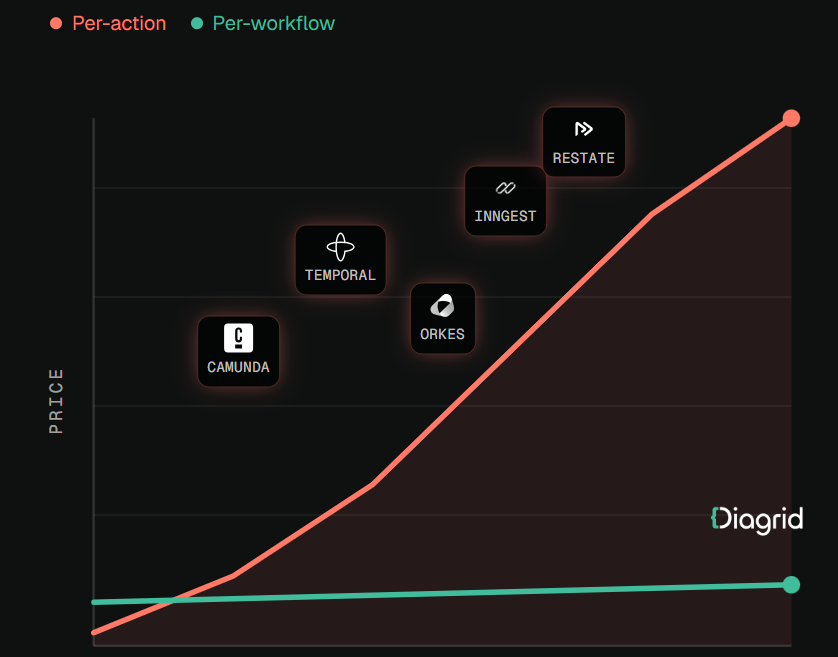
Why handoffs lose context
Most handoffs connect two separate systems at a single point. The AI runs in its own runtime with its own conversation memory. The human works in a helpdesk with its own ticket record. The handoff is a call that creates a ticket, usually with a summary field. That design fails in predictable ways.
The summary is the only thing that crosses the boundary. What the customer said, what the AI checked, and what it offered all get compressed into a paragraph that drops the details that matter most: the exact offer, the exact promise made.
Nobody owns the case. After escalation, the AI’s session is often still alive, with a pending action or a refund call in flight. The human acts too. Two actors with write access to the same outcome and no lock between them is how you get double refunds.
The outcome never flows back. The human resolves the case in the helpdesk, and the AI’s evaluation data and policy logic never see the result.
Sessions outlive processes. Real cases span days and channels: chat, then email, then a callback. If conversation state lives in process memory or a short-lived cache, a deploy or crash wipes it out, and the customer starts over on Thursday.
Why common workarounds fall short
Better summaries. A more thorough handoff note helps a little, but it is still lossy, written after the fact, and cannot tell the human that a refund call is in progress.
Dumping the full transcript into the ticket. Now the human has everything and reads none of it. Worse, a transcript records what was said, not what was done. “I’ve started your refund” does not tell you whether the refund API succeeded.
Shared database flags. Someone adds an escalated boolean that the AI checks before acting. This works until two actions race or a retry fires after the flag flips. It is a lock without a lock’s guarantees.
Helpdesk webhooks for outcomes. Without a durable session waiting to receive them, resolution events land in a log nothing reads.
None of these answers the real question: what is the single, durable record of this case, and who may change it right now?
The general approach: the case is a durable workflow
The fix is to treat each support case as one long-lived, durable session that owns its state. Several principles follow.
1. One case, one workflow instance. Start a workflow keyed by case ID at first contact. It lives until the case closes, across chat, email, and voice. Channels are inputs, not owners of state.
2. Every AI step is a recorded activity. Lookups, eligibility checks, and offers run as discrete steps whose inputs and outputs are persisted. The case record becomes a structured log of what actually happened, including whether each action succeeded.
3. Handoff is an explicit step, not a side effect. Escalation is a named transition that packages the recorded context into a structured payload. The human sees “Replacement accepted, blocked: backordered, no refund issued” at the top, with the full trail one click away.
4. Explicit ownership. Exactly one actor owns the case at a time, and ownership is part of the workflow state. Pending AI actions are completed or cancelled, and the AI’s ability to act is revoked, before the human is assigned.
5. Human actions are external events. When the agent issues a refund or closes the case in the helpdesk, that action is sent back into the same workflow as an event, recorded alongside the AI’s steps.
6. Timers for SLAs and follow-ups. Durable timers handle “page the lead if nobody picks this up in 15 minutes” and “check in after 3 days.” They survive restarts and cancel cleanly when the case moves on.
7. Outcomes close the loop. The final state (what was offered, what the human did, and why) is emitted as a structured record that feeds evaluation sets and policy rules.
The session, not the model or the helpdesk, becomes the system of record.
How to implement it
Any durable workflow engine can do this. One open-source option is Dapr Workflow, part of the CNCF-graduated Dapr project. It keeps an event-sourced history in a state store, replays it after a crash, and does not re-execute completed activities. If the process dies right after a refund activity succeeds, recovery does not issue a second refund.
It also supports retry policies, durable timers, and external events for human input. The escalation step can wait for a human action or an SLA deadline, whichever comes first:
evt = ctx.wait_for_external_event(“approval”)
timer = ctx.create_timer(timedelta(hours=48))
winner = yield wf.when_any([evt, timer]) # if winner == timer: …
If the timer wins, the workflow escalates further. If the human’s event wins, it records the decision and moves on. Orchestrator code must stay deterministic, so every call to an order, carrier, or payment system goes in an activity.
For ownership, Dapr offers actors with turn-based concurrency and a distributed lock building block. A per-case actor or lock keeps the AI and a human from acting on the same case at once. ETags give optimistic concurrency for case data outside the workflow history.
If your agent already runs on the OpenAI Agents SDK, LangGraph, or the Claude Agent SDK, you need not rewrite it. Some platforms wrap existing agents so each LLM call and tool call becomes a durable activity. Diagrid is one example: its Catalyst platform provides durable execution for agents built on those frameworks and lists first-class session lifecycle management and human-in-the-loop escalations among its features. As with any vendor, test those claims against your own escalation flows before committing.
Whatever you choose, look for three properties: sessions survive crashes and deploys, completed steps are not re-run, and human events land in the same record as AI actions. Teams evaluating a durable workflow platform for AI agents should ask specifically how it handles a case that pauses for days waiting on a human.
A practical rollout checklist
- ☐ Start with one high-cost escalation type, such as damaged deliveries.
- ☐ Define case state explicitly: facts, checks, offers, current owner, pending actions.
- ☐ Move every AI tool call for that case type into recorded activities.
- ☐ Make the handoff payload a structured schema shown at the top of the ticket.
- ☐ Enforce ownership: no AI customer-affecting actions once a human owns the case.
- ☐ Route human actions back into the workflow as external events.
- ☐ Add durable timers for pickup SLA, customer follow-up, and auto-close.
- ☐ Kill the process mid-case in testing and confirm no duplicated actions.
- ☐ Feed structured resolution records into AI evaluation.
- ☐ Track “customer repeated themselves” and “duplicate compensation” as quality metrics.
Conclusion
The customer with the cracked espresso machine did not care which system held her case. She cared that the person who picked it up knew her story, and that she got one fix rather than two. Getting there is less about smarter models than about making each case a durable, owned session with a single history. Then handoffs carry full context, one actor acts at a time, and every resolution becomes something your AI can learn from.

A Dental Appointment Preparation Checklist for Anxious Patients

Pawn Gold Jewellery Brisbane: Can You Pawn a Single Ring or Necklace?

Product Inserts 101: A Practical Guide for US eCommerce Brands Scaling Their Packaging

How to Get More From an Older Smart TV

How to Check an Overstay Fine in the UAE Online

8 Best Marketing Agencies for Tradesmen in the UK (2026)

How to Ensure Your Home is Valued Correctly for a Quick Sale

Christopher Dare: The Untold Story of Engineer and Former Husband of Angela Rippon

The 15 Highest-Paid Rugby Players in the World

What Is Fanquer? The Digital Creator Platform Transforming Direct-to-Fan Engagement

Dr Jared Ross: Missouri Appeals Court Upholds Protection Order Over Graphic Torture and Murder Threats

Nancy Hallam: The Inspiring Life, Career, and Success Story Behind Ian Wright’s Wife
How to Ensure Your Home is Valued Correctly for a Quick Sale
Christopher Dare: The Untold Story of Engineer and Former Husband of Angela Rippon
The 15 Highest-Paid Rugby Players in the World
What Is Fanquer? The Digital Creator Platform Transforming Direct-to-Fan Engagement
Dr Jared Ross: Missouri Appeals Court Upholds Protection Order Over Graphic Torture and Murder Threats
Nancy Hallam: The Inspiring Life, Career, and Success Story Behind Ian Wright’s Wife
-
 Real Estate10 months ago
How to Ensure Your Home is Valued Correctly for a Quick Sale
-
Celebrity12 months ago
Christopher Dare: The Untold Story of Engineer and Former Husband of Angela Rippon
-
 Sports6 months ago
The 15 Highest-Paid Rugby Players in the World
-
 Technology6 months ago
What Is Fanquer? The Digital Creator Platform Transforming Direct-to-Fan Engagement
-
 Celebrity5 months ago
Dr Jared Ross: Missouri Appeals Court Upholds Protection Order Over Graphic Torture and Murder Threats
-
Celebrity1 year ago
Nancy Hallam: The Inspiring Life, Career, and Success Story Behind Ian Wright’s Wife
-

 Celebrity8 months ago
Who Is Azriel Crews? Inside the Life and Career of Terry Crews’ Daughter
-
 Celebrity12 months ago
Who Is Maisie Mae Roffey? The Private Life, Family Story, and Quiet Success of Julie Walters’ Daughter