
Home Improvement
Reclaim Your Backyard: The Real Impact of Expert Mosquito Control


Warm weather brings the promise of long evenings on the patio, weekend barbecues with neighbors, and children playing on the lawn until the sun finally dips below the horizon. Outdoor living spaces are designed to be an extension of our homes, offering a sanctuary where we can unwind and connect with nature. However, the anticipation of these perfect moments is often quickly overshadowed by the sudden, unwelcome arrival of biting insects.
For many homeowners, the backyard becomes a battleground the moment the temperature rises. The constant swatting, the heavy scent of chemical sprays, and the inevitable itchy welts can turn a relaxing evening into a frustrating retreat back indoors. This seasonal struggle forces families to abandon their own property, leaving expensive decks, pools, and fire pits completely unused during the best months of the year.
Understanding the true value of professional mosquito control shifts the focus from simply fighting pests to actually enjoying your outdoor real estate. By taking a proactive, comprehensive approach to managing these insects, you can transform your property back into the peaceful oasis it was meant to be. This post explores why upgrading your approach to pest management is the ultimate investment in your home and your family’s summer happiness.
Moving Past Temporary Fixes
Most homeowners are deeply familiar with the traditional arsenal of insect defense. The patio table is littered with citronella candles, the garage shelves hold sticky traps, and everyone takes turns applying sticky, unpleasant bug sprays before stepping outside. While these methods might offer brief moments of relief, they merely mask the problem instead of addressing it at the source.
Candles and torches only work in immediate proximity and are easily rendered useless by a slight evening breeze. Wearable repellents can be uncomfortable, need constant reapplication, and often leave a greasy residue on the skin. More importantly, these DIY tactics do absolutely nothing to reduce the actual population of pests living and breeding on your property. They are defensive measures that leave the insects firmly in charge of your yard.
True mosquito control requires moving beyond temporary repellents and establishing a systematic approach to population reduction. It means identifying where these insects rest, where they breed, and creating an environment that is fundamentally hostile to their survival, while remaining safe and enjoyable for your family and pets.
The True Cost of Untreated Yards
The impact of a mosquito infestation goes far beyond the mild annoyance of an itchy bite. These pests dictate how and when you use your property. When a yard is left untreated, the simple act of stepping outside to read a book or enjoy a morning cup of coffee requires planning and preparation.
Parents often find themselves limiting their children’s outdoor playtime, concerned about the sheer volume of bites they might endure in just a few minutes. Entertaining guests becomes a stressful endeavor, as hosts worry about the comfort of their friends and family. The financial investment you made in patio furniture, landscaping, and outdoor kitchens sits idle, depreciating without delivering the joy and utility you expected.
Furthermore, mosquitoes are notorious for carrying a variety of diseases, turning a nuisance into a genuine health concern. By allowing these populations to thrive unchecked, homeowners inadvertently create a hazardous environment right outside their back doors. Effective pest management eliminates this underlying anxiety, allowing you to breathe easy and focus entirely on the moments that matter.
The Heroes Lawn Care of The Woodlands Difference
Achieving a truly bite-free backyard requires the kind of expertise and consistency that only professionals can provide. This is where Heroes Lawn Care of The Woodlands steps in to completely change the trajectory of your summer. Rather than relying on sporadic, localized treatments, their approach to mosquito control is comprehensive, targeted, and designed for lasting results.
Heroes Lawn Care of The Woodlands understands that every property has its own unique micro-ecosystem. Their technicians don’t just blindly spray; they meticulously inspect your yard to identify specific problem areas. They look for standing water hidden in gutters, dense foliage where insects rest during the heat of the day, and areas of poor drainage that serve as breeding grounds.
By applying specialized, high-quality treatments to the perimeter of your property and targeting these specific resting areas, Heroes Lawn Care of The Woodlands creates an invisible, robust barrier. This barrier actively reduces the current adult population while simultaneously disrupting the breeding cycle, ensuring that future generations never have the chance to develop. The result is a drastic, noticeable reduction in pest activity that lasts for weeks at a time.
With regular, scheduled treatments throughout the peak season, their team ensures that the protective shield around your home never falters. You never have to worry about missing an application or timing a spray around the weather, because the professionals handle every detail.
Maximizing Your Outdoor Investment
When you eliminate the threat of biting insects, the way you interact with your property fundamentally changes. Spontaneous outdoor dinners become a regular occurrence. You can host twilight gatherings, pool parties, and late-night stargazing sessions without ever giving a second thought to bug bites.
Investing in professional pest management is ultimately an investment in your property’s usable square footage. You paid for the entire lot, but without proper mosquito control, you are effectively locked out of a significant portion of it. Reclaiming that space adds immense value to your daily life. It encourages a more active, outdoor-focused lifestyle, provides a safe environment for pets to roam freely, and allows you to fully appreciate the landscaping and outdoor amenities you have worked so hard to cultivate.
The peace of mind that comes with a professionally treated yard is entirely transformative. It allows you to put away the messy sprays, extinguish the smoky candles, and simply step outside to enjoy the fresh air exactly as nature intended.
Time to Take Back Your Evenings
Mosquito control allows you to fully reclaim your outdoor spaces by eliminating pests and creating a comfortable, bite-free environment. There is no reason to spend another season swatting, stressing, and retreating indoors when the weather is beautiful. You deserve to enjoy every inch of your property, from relaxing on the front porch to unwinding in the far corners of your backyard without constant interruption.
By partnering with a dedicated team of professionals, you can instantly upgrade your outdoor living experience. The freedom to walk outside at dusk without a second thought is a luxury within reach. Reach out to Heroes Lawn Care of The Woodlands today to schedule your first treatment, and get ready to experience the most relaxing, enjoyable, and bite-free season you have ever had.


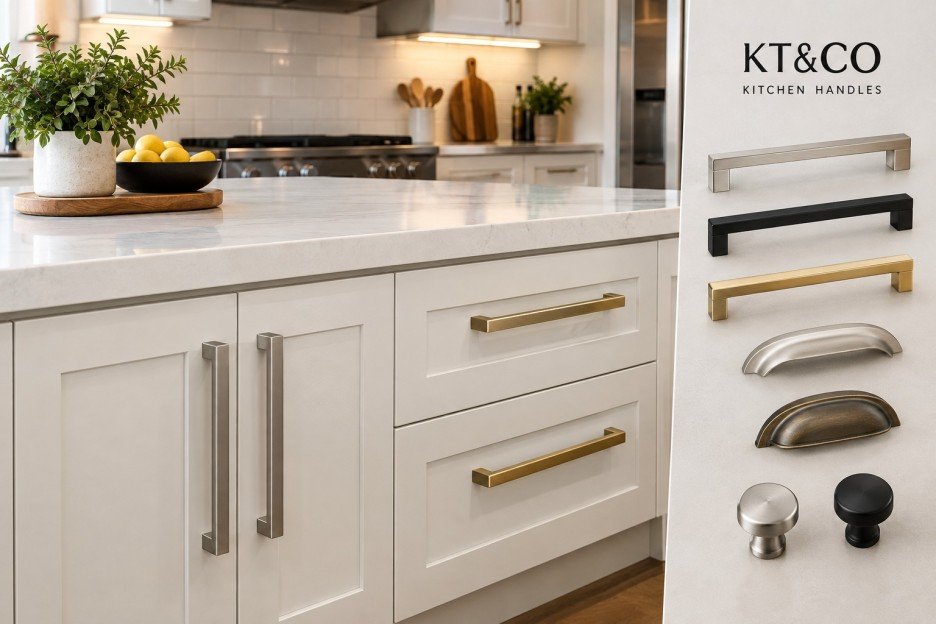
Kitchen handles, often seen as minor details, play a crucial role in defining the overall aesthetic and functionality of kitchen cabinetry. KT&CO Kitchen Handles provide a perfect combination of style and durability, making them an excellent choice for anyone looking to upgrade their kitchen space in Australia.
Importance of Quality Kitchen Handles
Kitchen handles are subjected to daily use and must withstand frequent handling, exposure to moisture, and varying temperatures. Selecting durable handles ensures longevity and preserves the kitchen’s look for years to come. KT&CO understands these demands and offers handles that maintain their finish and structural integrity even under heavy use.
Designs That Complement Every Kitchen Style
The design of kitchen handles can either enhance or detract from the kitchen environment. KT&CO Kitchen Handles come in a variety of designs and finishes, from modern minimalist to classic styles, enabling homeowners to personalise their kitchen aesthetics. Whether the kitchen features sleek contemporary cabinetry or traditional wood finishes, there are handles available to perfectly complement the chosen style.
Modern and Minimalist Options
For kitchens that embody modern design, KT&CO provides sleek and streamlined handles with clean lines. These handles not only add to the visual appeal but also provide ergonomic advantages with their smooth grip.
Traditional and Vintage Styles
In kitchens seeking a timeless feel, classic and ornate handles from KT&CO invoke a sense of heritage and craftsmanship. These handles bring character and warmth, aligning beautifully with timber cabinetry and vintage-inspired interiors.
Materials and Finishes for Longevity and Style
The material selection for kitchen handles directly influences both durability and style. KT&CO offers handles crafted from premium materials such as stainless steel, aluminium, and zinc alloy. These materials resist corrosion and wear, ensuring that handles retain their appearance in the demanding kitchen environment.
Furthermore, KT&CO’s finishes include polished chrome, brushed nickel, matte black, and antique bronze. These options provide flexibility for matching handles with other kitchen hardware and fixtures.
Enhancing Kitchen Functionality
Functionality is as critical as design in kitchen handles. Ergonomic considerations ensure handles are comfortable to grip and operate, improving the user experience during cooking and cleaning. KT&CO Kitchen Handles excel in combining aesthetic appeal with practical usability.
This balance between function and form is a hallmark of KT&CO’s product range, supporting ease of use without compromising on style.
Easy Installation and Versatility
KT&CO Kitchen Handles are designed with standard fitting dimensions, simplifying installation and replacement processes. This makes them suitable not only for new kitchen projects but also for renovating and refreshing existing cabinetry.
The availability of various sizes and types, including bar handles, cup handles, and knob designs, further supports versatile applications across different kitchen layouts.
Environmentally Conscious Manufacturing
Recognising the importance of sustainability, KT&CO employs responsible production methods, reducing waste and utilising recyclable materials where possible. Customers can confidently choose KT&CO Kitchen Handles knowing they are supporting environmentally friendly practices.
Customer Support and Assurance
KT&CO provides excellent customer service to assist with selection, installation advice, and after-sales support. This ensures a seamless experience from purchase to product integration, enhancing customer satisfaction.
Conclusion
Choosing KT&CO Kitchen Handles is an investment in quality, style, and durability for any kitchen. Their extensive range of designs, premium materials, and functional excellence make them a preferred option in the Australian market. Upgrading kitchen handles with KT&CO transforms kitchen cabinetry, offering a refreshed look and improved usability that lasts.

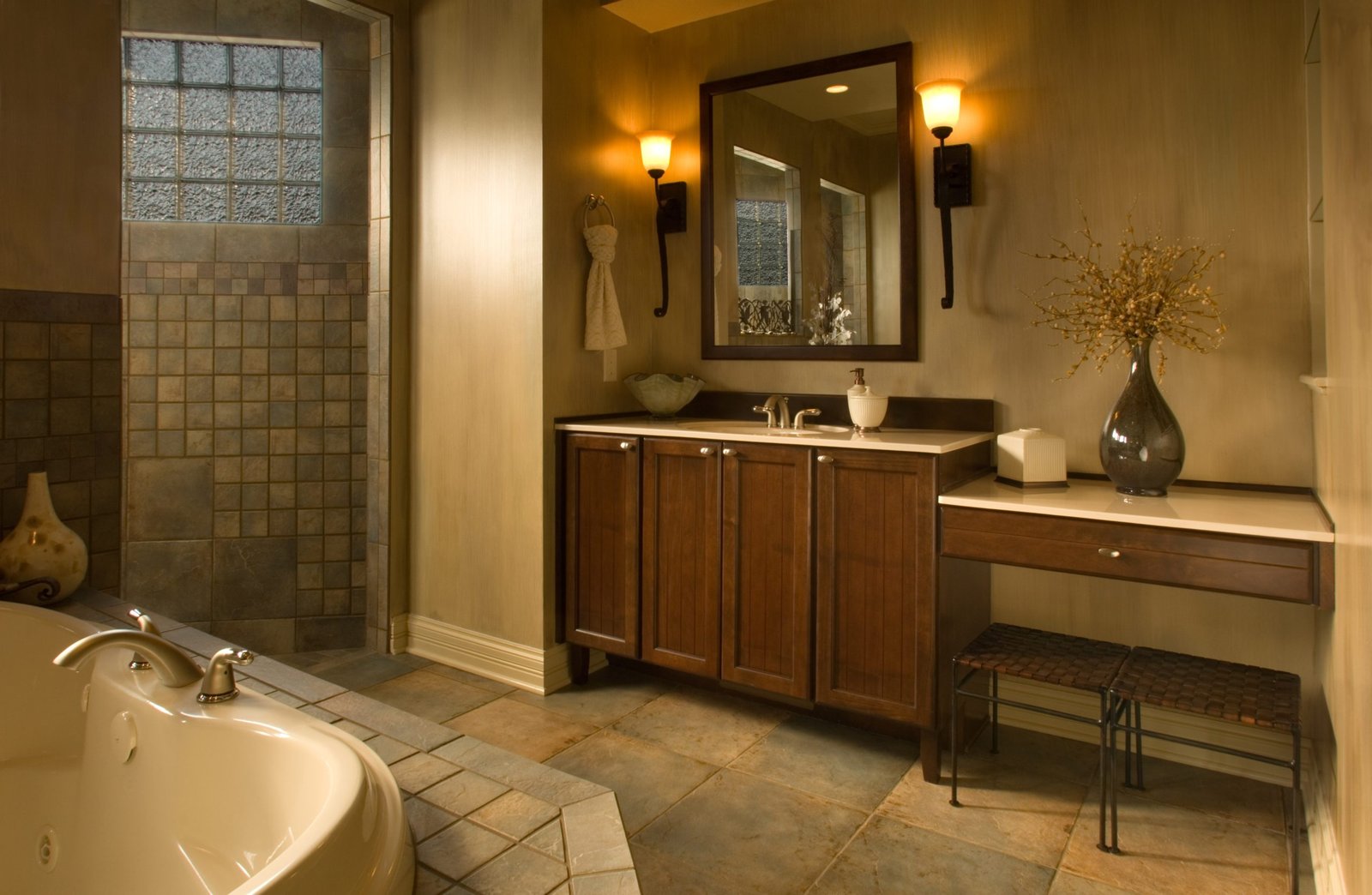
A bathroom renovation affects more than the room being rebuilt. People still need to wash, get ready for work and move through the house while materials arrive and tradespeople come and go. Dust, noise and interruptions to water can also reach beyond the bathroom door. Preparing for that disruption is less about predicting every detail than arranging a workable routine, clearing access and agreeing on how changes will be communicated.
Start with the sequence, not the finish date
Before work begins, ask the renovation team to walk you through the likely order of tasks. Removal and assessment usually come before plumbing or electrical work, followed by preparation of surfaces, waterproofing, tiling, fitting fixtures and final checks. The precise sequence depends on the existing bathroom and the work being done. A schedule is useful, but it should be treated as a plan that may need updating once concealed areas are exposed.
Find out which stages are likely to make the bathroom unusable and whether there may be periods when water or power needs to be isolated. Ask who will give notice of an interruption, how much notice is practical and whom to contact if the household’s circumstances change. These questions matter especially if anyone at home has limited mobility, works shifts or relies on a predictable morning routine.
Make a realistic bathroom plan for the household
If there is another bathroom, check whether it can comfortably serve everyone for the duration of the work. Move everyday items there before demolition starts: toiletries, towels, medication kept in the bathroom and children’s bath supplies. Avoid storing essential items in a room that may become difficult to access. If there is only one bathroom, discuss the expected periods without a toilet or shower before committing to a start date. Alternative arrangements may be needed, and their practicality will vary between households.
Think through the busiest parts of the day rather than assuming people will simply adapt. A shared shower may require a roster; an early departure may require items to be packed the night before. If pets or young children live in the home, decide how they will be kept away from the work area without obstructing access for tradespeople.
Clear the route as well as the room
Empty cabinets, shelves and drawers, then remove mirrors, pictures or loose items near the bathroom that could be knocked during movement through the house. Ask which entrance tradespeople expect to use and where materials and waste will be placed. A clear route helps people move without stepping around boxes, tools or household belongings. It also makes it easier to keep a defined boundary between the work area and the rest of the home.
Discuss dust containment and cleaning expectations in advance, particularly where the bathroom opens onto a frequently used hallway or bedroom. Close doors to adjacent rooms when practical and move vulnerable belongings away from the route. Do not assume a sealed doorway will keep every surface clean: plan for some extra household cleaning, while leaving worksite cleaning and any hazardous-material concerns to appropriately qualified people.
Confirm decisions before they hold up the work
Fixtures and finishes need to be chosen early enough for their availability and dimensions to be checked against the plan. A tap, vanity or tile change can affect more than appearance; it may alter fittings, layout details or the order of tasks. Keep a simple record of the selected items and any agreed substitutions so that household members and the renovation team are working from the same decisions.
Budget discussions belong here too. A quote for a cheap bathroom renovation should still be read for its scope, exclusions and assumptions, particularly where existing plumbing, damaged surfaces or fixture supply could affect the work. The lowest initial figure is not necessarily the clearest picture of what a household will need to organise. Ask how proposed changes will be described, approved and priced before extra work proceeds.
Expect decisions when the old bathroom comes apart
Removing finishes can reveal conditions that were not visible during planning. That does not mean every discovery is serious, but it can change the conversation about timing, cost or materials. Agree on a process for receiving updates: who should be contacted, whether decisions need to be confirmed in writing and what happens if the main contact is unavailable during the day.
When a change is proposed, ask what has been found, which options are practical, how each option affects the agreed scope and whether there are implications for the schedule. Take time to understand the answer rather than approving work simply because the household wants the bathroom back. Questions involving structural conditions, waterproofing, plumbing or electrical work should be addressed by suitably qualified people, not solved through household guesswork.
Plan for the final stretch, not just demolition
The most visible mess may happen early, but a bathroom can remain inconvenient while finishes are completed, fixtures are fitted and final checks take place. Ask when the room can be used normally, rather than assuming that the last trade visit marks that point. Keep the temporary bathroom arrangement in place until use has been confirmed.
Before packing away the spare toiletries, walk through the finished room and note any questions about fixtures, surfaces or agreed work. Find out what information will be provided about caring for the installed materials. A renovation is easier to live through when the household knows what is happening next, what may change and which parts of daily life need a backup plan.
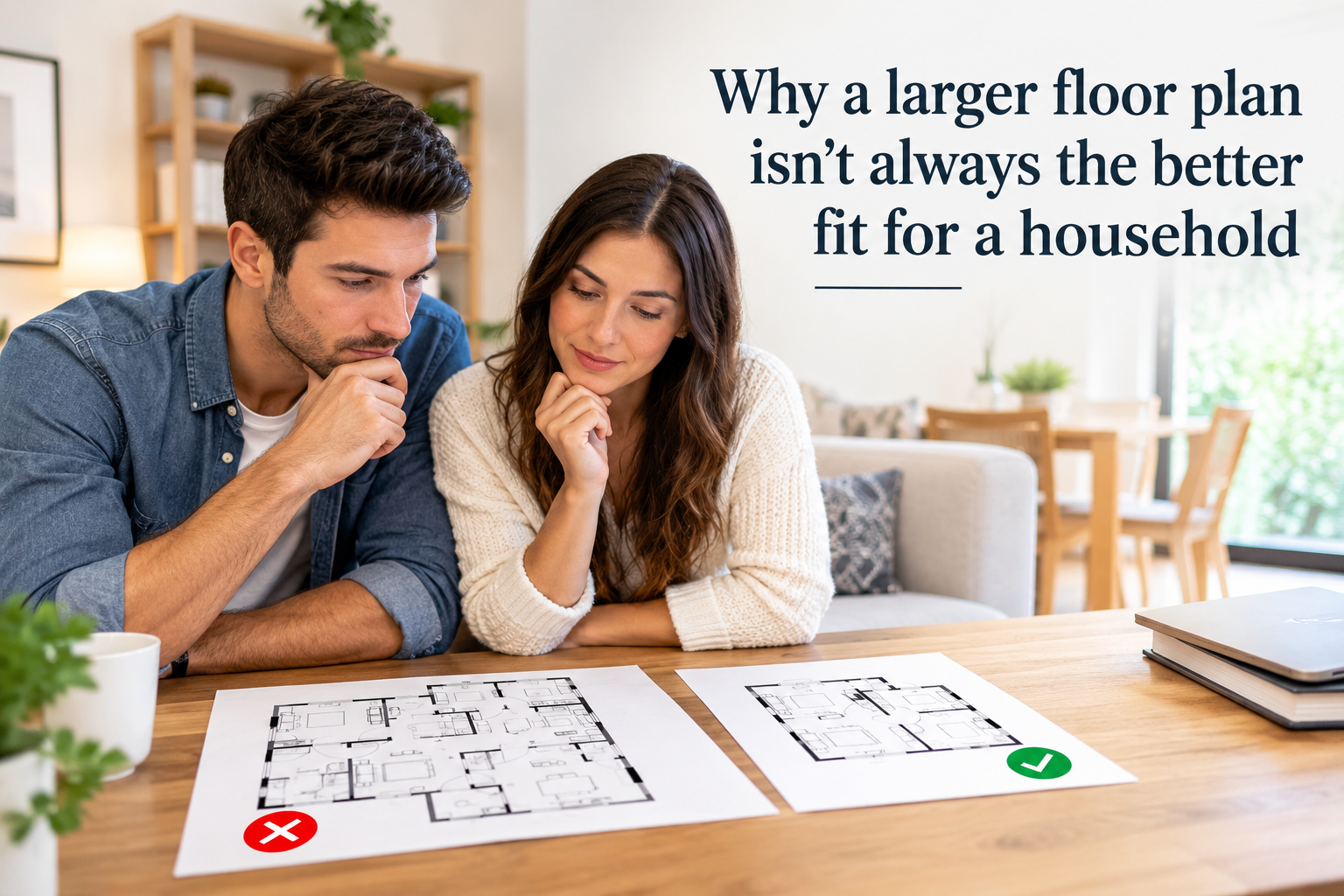
It is easy to treat floor area as a shortcut for comfort. A larger home appears to promise room for everyone, fewer arguments over shared spaces and flexibility as circumstances change. Yet the number on a listing tells you little about whether a household can use that space well. A smaller home with sensible storage, good light and rooms in the right places may suit daily life better than a larger one with awkward circulation or bedrooms that sit empty most of the year.
The useful question is not simply how much space you can obtain. It is what you need that space to do, how often you need it and what you would give up to have more of it.
Floor area does not describe how a home works
Two homes with similar floor areas can feel remarkably different. One may devote substantial space to corridors and a formal dining room; the other may have a compact layout that gives everyday activities more room. Ceiling height, natural light, door placement and the relationship between living areas also affect how readily a household can settle in.
This becomes especially relevant when scanning listings. A list of houses for sale Merrylands buyers are considering can be narrowed using bedroom counts and floor plans, but an inspection is where the practical questions become clearer: can furniture fit without blocking movement, and can people use adjoining rooms at the same time? A floor plan is a starting point for those questions, not an answer to them.
It helps to picture a normal weekday rather than the best possible dinner party. Consider where school bags land, whether someone can take a work call while another person cooks, and how people move through the home at busy times. These details can matter more than an extra room whose purpose is unclear.
The spare room is not always spare
A common assumption is that an additional bedroom automatically creates flexibility. It can, particularly where household members need separate sleeping spaces or a regular home office. But a room reserved for occasional visitors may have little day-to-day value if guests rarely stay. Meanwhile, the rooms everyone uses daily may be too small, noisy or difficult to furnish.
It is worth separating a genuine need from a possible future use. A growing household may reasonably plan ahead, but future needs are uncertain. An extra room that cannot comfortably serve as a bedroom, study or play space may offer less flexibility than its label suggests. Check its dimensions, access to light and location within the home rather than relying on the room name in an advertisement.
Shared spaces deserve equal attention. A well-placed dining table may support homework, meals and conversation without a dedicated room for each activity. Conversely, an open-plan area can be challenging when household members need quiet or privacy at the same time. Neither arrangement is inherently better; the fit depends on the people using it.
More space can bring more commitments
Extra floor area often means more to clean, furnish, heat, cool and maintain. The scale of those commitments varies with the property, its condition, insulation, appliances and the way people live in it. A larger home is not necessarily inefficient, and a smaller one is not automatically cheap to run. Still, the likely time and ongoing costs belong in the decision alongside the purchase price.
Before becoming attached to a large layout, consider which rooms you would use each week and which might need furniture or upkeep without adding much benefit. Gardens, garages and outdoor entertaining areas also call for attention. For some households, that work is enjoyable; for others, it competes with time they would rather spend elsewhere.
Budget choices can have a wider effect too. If paying for more space would leave less room for repairs, savings or other priorities, the extra floor area may not improve overall comfort. Property costs and borrowing decisions are personal and can change, so use figures relevant to your own circumstances and seek qualified financial advice where needed.
How location changes your space requirements
A home does not have to meet every need within its walls. Access to parks, libraries, public transport and places to meet others may influence how much private space a household wants. Equally, a longer commute or limited access to useful local facilities might increase the value of a comfortable workspace or outdoor area at home.
Trade-offs are particularly noticeable when comparing homes across different streets or suburbs. A larger property in a less convenient position may suit someone who spends substantial time at home. Another household may prefer less floor area and easier journeys to work, school or family. There is no universal calculation: the important step is to include travel time and everyday routines in the comparison, rather than judging floor area in isolation.
Test the layout against real routines
At an inspection, try walking through a typical day in your mind. Where would groceries be put down? Is there somewhere for laundry to dry or be sorted? Could a person rest while someone else watches television? Look beyond the number of bedrooms to storage, bathroom access, privacy and how easily rooms could change purpose.
A short list of priorities can keep those observations grounded:
- Which activities need dedicated space, and which can comfortably share it?
- Which rooms would be used daily, weekly or only occasionally?
- Would the layout still work if work, study or household arrangements changed?
- What maintenance and running costs would you need to investigate further?
Measurements and repeat visits, where possible, can help check first impressions. If a proposed change is essential to making a home work, investigate its feasibility before relying on it; building, strata and approval requirements can differ.
A larger floor plan may be exactly right for a household that will use it well. The mistake is assuming that more square metres automatically deliver a better life. A closer look at routines, room relationships and ongoing commitments gives a more useful measure of fit.

A Grandparent’s Guide to Choosing Toys They’ll Actually Play With

Heavy Haulage Sydney: Expert Solutions by National Heavy Haulage

Discover the Surprising Benefits of Decaf Coffee with ONA Coffee Wholesale

Why Do Essentials Hoodies Feel Different After Spending Time in a Heated Room

Revolutionize Your Skincare Routine with Sofwave Skin Treatment at All Saint Clinic

How Nursing Agencies in Australia Enhance Healthcare Staffing Solutions

How to Ensure Your Home is Valued Correctly for a Quick Sale

Christopher Dare: The Untold Story of Engineer and Former Husband of Angela Rippon

The 15 Highest-Paid Rugby Players in the World

What Is Fanquer? The Digital Creator Platform Transforming Direct-to-Fan Engagement

Dr Jared Ross: Missouri Appeals Court Upholds Protection Order Over Graphic Torture and Murder Threats

Nancy Hallam: The Inspiring Life, Career, and Success Story Behind Ian Wright’s Wife
How to Ensure Your Home is Valued Correctly for a Quick Sale
Christopher Dare: The Untold Story of Engineer and Former Husband of Angela Rippon
The 15 Highest-Paid Rugby Players in the World
What Is Fanquer? The Digital Creator Platform Transforming Direct-to-Fan Engagement
Dr Jared Ross: Missouri Appeals Court Upholds Protection Order Over Graphic Torture and Murder Threats
Nancy Hallam: The Inspiring Life, Career, and Success Story Behind Ian Wright’s Wife
-
 Real Estate9 months ago
How to Ensure Your Home is Valued Correctly for a Quick Sale
-
Celebrity11 months ago
Christopher Dare: The Untold Story of Engineer and Former Husband of Angela Rippon
-
 Sports6 months ago
The 15 Highest-Paid Rugby Players in the World
-
 Technology5 months ago
What Is Fanquer? The Digital Creator Platform Transforming Direct-to-Fan Engagement
-
 Celebrity5 months ago
Dr Jared Ross: Missouri Appeals Court Upholds Protection Order Over Graphic Torture and Murder Threats
-
Celebrity12 months ago
Nancy Hallam: The Inspiring Life, Career, and Success Story Behind Ian Wright’s Wife
-

 Celebrity8 months ago
Who Is Azriel Crews? Inside the Life and Career of Terry Crews’ Daughter
-
 Celebrity12 months ago
Who Is Maisie Mae Roffey? The Private Life, Family Story, and Quiet Success of Julie Walters’ Daughter