
Health
Nutrafol Alternatives: Comparing Ingredients and Cost

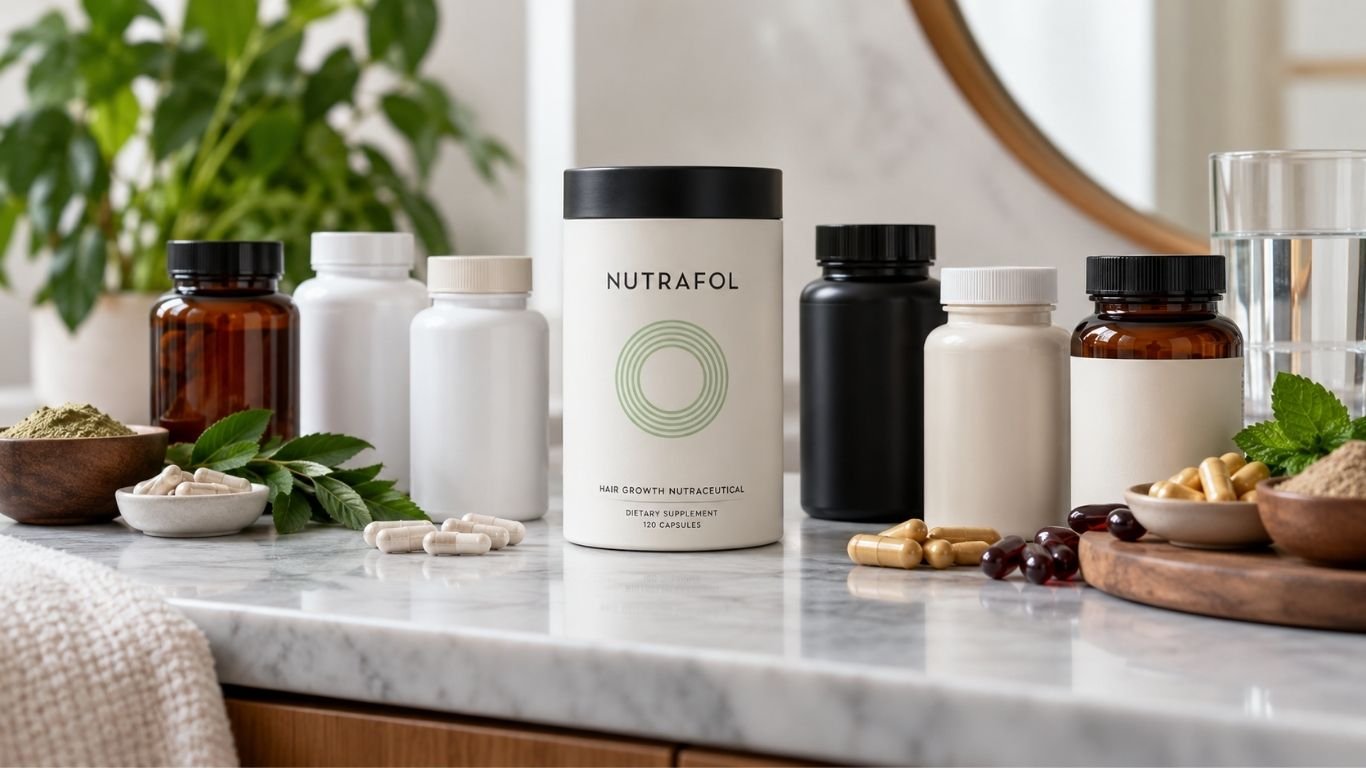
Nutrafol has become one of the most recognizable names in the hair supplement category, but it isn’t the only option available. Price, ingredient preferences, daily serving requirements, and individual causes of thinning can all lead consumers to explore alternatives.
Rather than looking for an identical substitute, it can be more useful to understand what different hair supplement ingredients are intended to do. Comparing formulations according to your needs—and calculating what they actually cost each month—can help identify the best long-term value.
Core Ingredient Categories: Adaptogens, Marine Collagen, Saw Palmetto, Biotin
Many premium hair supplements combine several ingredient categories rather than relying on a single vitamin.
Adaptogens are botanical ingredients commonly marketed around the body’s response to stress. Because significant physical or emotional stress can be associated with increased shedding in some people, adaptogen-containing formulas are often positioned toward consumers concerned about stress-related hair changes.
Marine collagen provides amino acids found in collagen proteins. Collagen supplements have become popular throughout the beauty category, although consumers should distinguish general nutritional support from claims that a particular ingredient will directly reverse a specific type of hair loss.
Saw palmetto is frequently included in formulas aimed at androgen-related thinning. Interest in saw palmetto centers on its potential interaction with pathways associated with dihydrotestosterone, or DHT, although supplement evidence and individual responses can vary.
Biotin is perhaps the most familiar hair supplement ingredient. It contributes to normal keratin-related biological processes, but deficiency is uncommon. Taking increasingly large amounts doesn’t necessarily produce faster hair growth when someone already receives sufficient biotin.
Consumers searching for the best supplements for hair growth should therefore evaluate the complete formulation rather than choosing whichever product advertises the highest biotin dosage.
Who Each Alternative Is Actually Formulated For (Stress-Related vs. Hormonal vs. Postpartum Hair Loss)
Different causes of hair thinning may require different approaches, which is why searching for a universal nutrafol dupe can be misleading. A formula geared toward nutritional support may not address the same concerns as one marketed toward hormonal or stress-related shedding.
Stress-related shedding can occur after significant physical or emotional stress, and improvement often depends on addressing the underlying trigger. Supplements may provide nutritional support, but sleep, diet, stress management, and medical evaluation can also be important.
Hormonal or hereditary thinning presents different challenges. Botanical ingredients such as saw palmetto may appear in formulas targeting these concerns, but persistent hair loss may require professional evaluation and treatments beyond supplements.
Postpartum shedding is different again. Hormonal changes following pregnancy can cause noticeable temporary shedding as more hairs enter the resting phase. Because nutritional needs during pregnancy and breastfeeding require special consideration, supplements during this period should be discussed with an appropriate healthcare professional.
People researching dermatologist recommended supplements for hair growth should also remember that identifying deficiencies can be more useful than automatically taking high doses of every hair-related nutrient.
Cost completes the comparison. Calculate the monthly price according to the recommended serving rather than the bottle price alone. A seemingly inexpensive product may require more capsules or frequent repurchasing, while another formula may provide better long-term value.
Final Thoughts
The best Nutrafol alternative isn’t necessarily the product with the most similar label. It should match your nutritional needs, hair concerns, budget, and willingness to maintain the routine consistently. Comparing adaptogens, collagen, saw palmetto, biotin, vitamins, and minerals can help clarify what you’re actually paying for. Most importantly, understanding why hair loss is occurring can help you choose an approach that makes sense instead of relying on a one-size-fits-all supplement.






Most people searching for a beauty clinic in Bali already know they want fillers. The question that decides the result is who places the product and how well they read your face.
Most people searching for a beauty clinic in Bali already know they want fillers. The question that decides the result is who places the product, and how well they read your face.
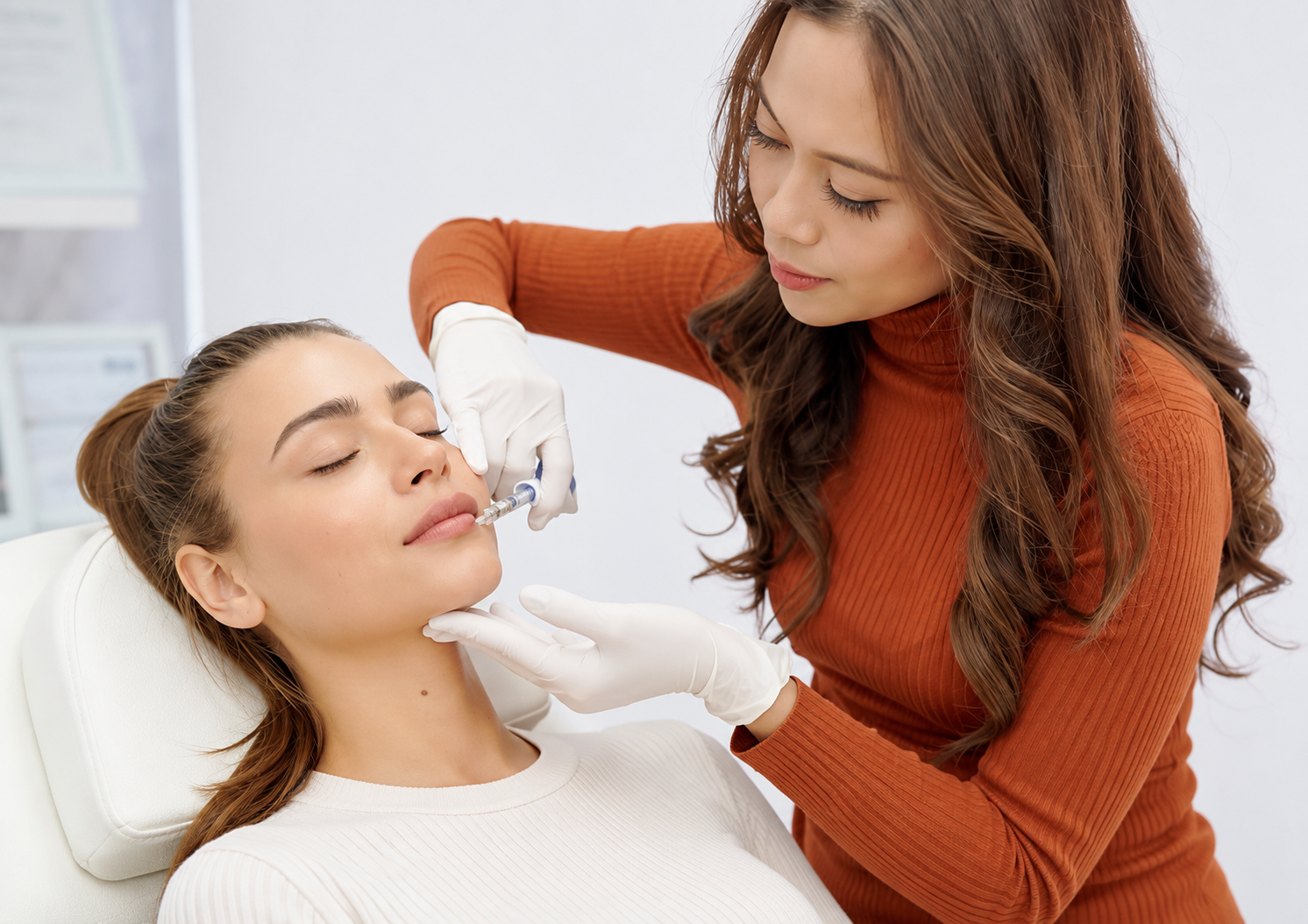
Dermal fillers are a medical treatment, and the right clinic treats them that way: a doctor’s assessment, a product matched to each area, and aftercare planned around Bali’s heat and sun. At Anaya Aesthetics Bali, a doctor-led clinic in Kerobokan five minutes from Seminyak, this is the standard for every appointment.
What Dermal Fillers Do for Your Face
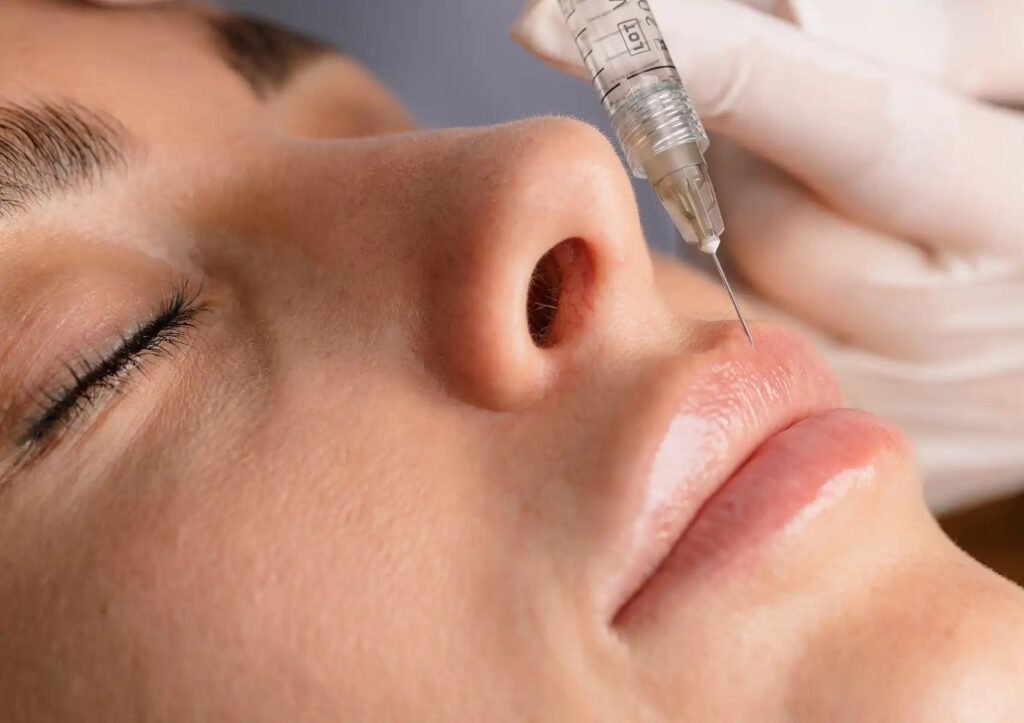
Dermal fillers are injectable hyaluronic acid gels that restore volume and smooth deep wrinkles. Hyaluronic acid occurs naturally in the skin, where it binds water and keeps skin plump and elastic.
With age, collagen production slows, fat pads thin and bone gradually recedes, leaving flatter cheeks, deeper folds and a softer jawline. Fillers replace that lost support directly. Unlike Botox, which relaxes muscles, fillers add volume and stimulate collagen, with results visible immediately.
Where Fillers Make the Biggest Difference
- Lips: shape, definition, and hydration, from subtle to fuller.
- Cheeks: restored volume that lifts the midface and softens the nasolabial folds.
- Jawline and chin: sharper definition and better balance across the lower face.
- Deep wrinkles: smoother skin where volume loss has deepened creases.
Softer, flexible gels suit the lips, where movement is constant. Firmer gels hold their shape along the cheekbones and jaw.
What Sets a Medical Beauty Clinic in Bali Apart
Filler results depend as much on the injector as on the product.
- Doctor-led assessment. Doctors evaluate proportions, skin quality and anatomy, including blood vessel positions, before deciding where filler goes and how much.
- Premium brands. Anaya works with Juvederm, Restylane, Teosyal and Neauvia, matching gels such as Volbella or Kysse to lips and Voluma or Volux to cheeks and jaw.
- Natural balance. The goal is restoring what time has taken, not following a trend, so results look natural in person and on camera.
- Fully adjustable results. Hyaluronic acid fillers are reversible, and Anaya offers filler removal.
- Climate-aware aftercare. Recovery advice accounts for Bali’s sun, heat and humidity.
Every plan starts with a doctor consultation at IDR 300,000 plus 11% tax (IDR 333,000 total), waived when you proceed with treatment, on the same day or at a later visit.
What to Expect on Treatment Day
The doctor discusses your goals, reviews your medical history and maps the areas to treat. Fillers suit adults who want to restore volume, refine contours or soften deep lines. Treatment is postponed during pregnancy or breastfeeding, or with active infection in the area.
- Results: visible immediately.
- Downtime: none. You return to your day straight after treatment.
- Swelling or bruising: normal, resolving within a few days to two weeks.
- Longevity: 6 to 18 months, depending on the filler.
- Investment: from Rp 3,700,000 per ml, excluding 11% tax, set by product and volume.
Visitors get the best timing by booking early in their stay, so any swelling settles before events, photos or the flight home.
Aftercare That Protects Your Results

- Ice the area intermittently after treatment.
- Avoid touching the area to prevent infection.
- Skip alcohol for 48 hours and exercise immediately after.
- Avoid massage, facials and waxing on the area for one week.
- Stay makeup-free for 24 hours.
- Apply sunscreen before any sun exposure.
- Contact the clinic about prolonged pain or anything that concerns you.
Book Your Filler Consultation in Bali
The right filler treatment starts with understanding your face, not following a trend. At Anaya Aesthetics Bali, your doctor assesses your facial anatomy and listens to your goals before recommending a personalised treatment plan. It’s an approach that puts individual care at the centre of your experience.
Located at Jl. Raya Kerobokan No. 10, Kerobokan Kelod, just five minutes from Seminyak, Anaya Aesthetics Bali welcomes you to book a consultation via WhatsApp. Before your visit, explore the latest treatment offers or learn more about the VIP membership programme for benefits on future visits.

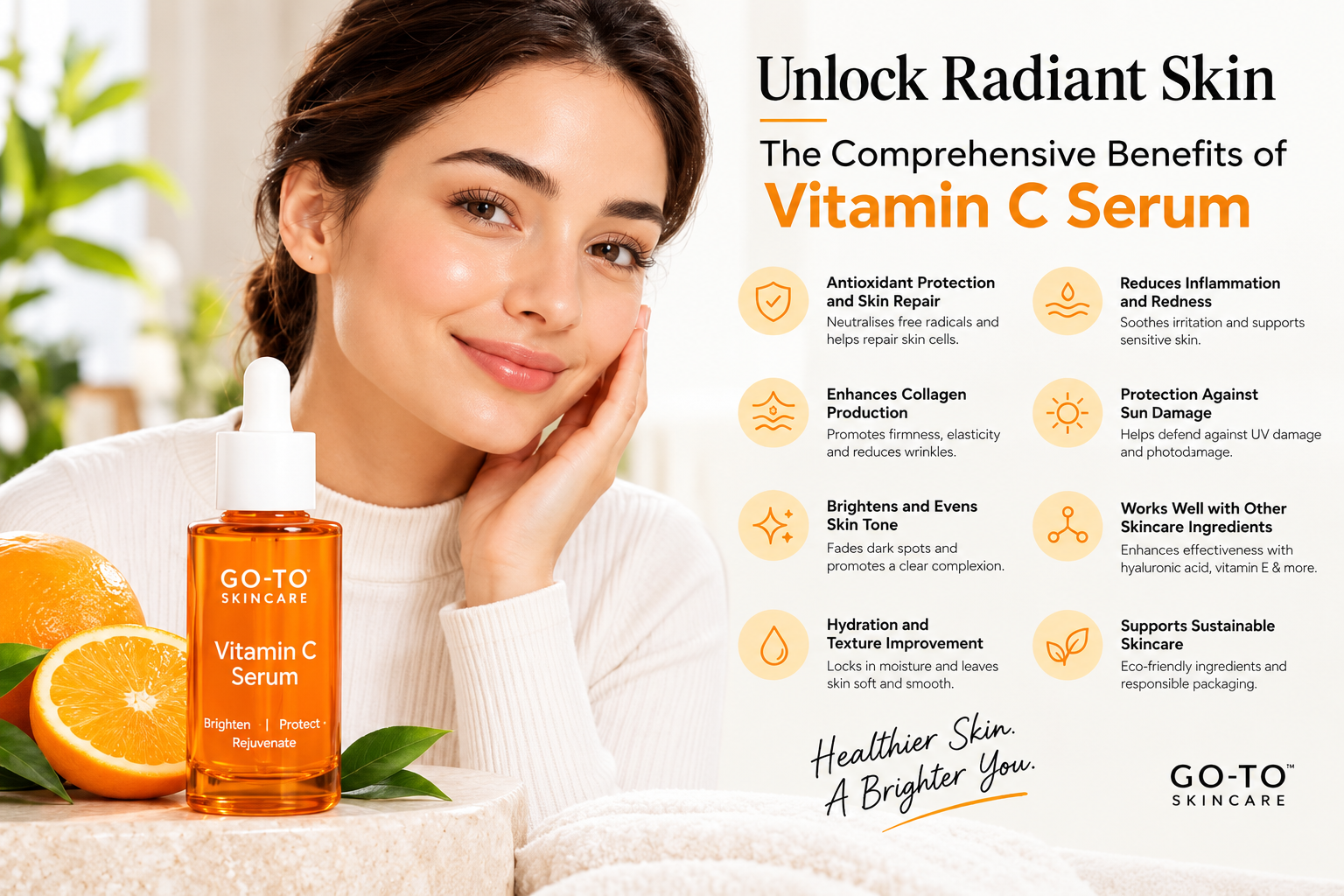
Vitamin C serum has become a pivotal component in modern skincare routines, renowned for its remarkable benefits in enhancing skin appearance and health. At Go-To Skincare Pty Ltd, this powerful ingredient is expertly formulated to help individuals achieve vibrant and radiant skin. The use of vitamin C serum offers a multitude of advantages that promote a youthful complexion and combat various skin concerns.
Introduction to Vitamin C Serum
Vitamin C, also known as ascorbic acid, is a potent antioxidant that plays an essential role in skin rejuvenation and protection. When applied topically in the form of a serum, it penetrates the skin to provide concentrated nourishment, targeting specific issues such as dullness, uneven tone, and signs of ageing. The vitamin C serum from Go-To Skincare is crafted to deliver optimal results, assisting in restoring the skin’s natural glow.
Antioxidant Protection and Skin Repair
One of the primary benefits of vitamin C serum is its antioxidant property. It neutralises free radicals caused by exposure to UV rays and pollution, which can lead to oxidative stress and accelerate skin ageing. By combating these free radicals, vitamin C serum helps to protect skin cells from damage and supports the skin’s repair process. This contribution to cellular health results in stronger, more resilient skin.
Enhancing Collagen Production
Collagen is fundamental for maintaining skin firmness and elasticity. With age, collagen production diminishes, leading to wrinkles and sagging skin. Vitamin C serum stimulates collagen synthesis, thereby promoting skin structure maintenance and reducing visible signs of ageing. Regular use of a well-formulated vitamin C serum can result in smoother, plumper skin that appears youthful and revitalised.
Brightening and Evening Skin Tone
Uneven skin tone and hyperpigmentation are common concerns addressed effectively by vitamin C serum. This ingredient inhibits the enzyme tyrosinase, which is responsible for melanin production. By modulating melanin synthesis, it diminishes the appearance of dark spots and promotes a more uniform complexion. The brightening effect of vitamin C serum from Go-To Skincare delivers a luminous and clear skin surface.
Hydration and Texture Improvement
Beyond its antioxidant and brightening functions, vitamin C serum also supports skin hydration. Many formulations include complementary hydrating agents that enhance skin moisture retention. Improved hydration assists in smoothing the skin texture, reducing roughness, and providing a soft, supple feel. Properly hydrated skin is vital for overall health and defence against environmental stresses.
Reduction of Inflammation and Redness
Vitamin C serum exhibits anti-inflammatory properties, which can alleviate redness and calm irritated skin. This makes it suitable for sensitive skin types and individuals dealing with skin conditions such as rosacea or acne. Regular application tends to promote a balanced skin appearance, reducing sensitivity and encouraging a healthy complexion.
Protection Against Sun Damage
Although vitamin C serum is not a substitute for sunscreen, it offers significant supplementary protection against sun-induced damage. By reducing photodamage and supporting the skin’s natural repair mechanisms, it improves the skin’s resilience to UV exposure. When combined with daily sun protection, vitamin C serum serves as an effective component in a comprehensive skincare regimen.
Synergistic Effects with Other Skincare Products
Vitamin C serum can be combined effectively with other skincare ingredients such as hyaluronic acid, vitamin E, and ferulic acid. These compounds enhance vitamin C’s stability and effectiveness, resulting in improved antioxidant protection and moisturisation. Go-To Skincare’s product formulations take advantage of such synergistic principles to maximise skin benefits.
How to Incorporate Vitamin C Serum into a Skincare Routine
To optimise the benefits, vitamin C serum should be applied to clean skin, typically in the morning before moisturiser and sunscreen. Consistent use is key, as the cumulative effects improve skin quality progressively. Users are advised to start with lower concentrations if they have sensitive skin, gradually increasing as tolerance builds to avoid irritation.
Choosing a Quality Vitamin C Serum
Not all vitamin C serums are created equal. Factors such as concentration, formulation stability, and pH levels determine efficacy and safety. Go-To Skincare provides a high-quality vitamin C serum that ensures optimal ingredient delivery and skin compatibility, making it an excellent choice to unlock radiant skin.
Clinical Evidence Supporting Vitamin C Serum Use
Scientific studies validate the efficacy of vitamin C serum in improving skin appearance and health. Research indicates that topical vitamin C reduces wrinkles, enhances skin brightness, and mitigates hyperpigmentation. Regular application contributes to significant improvements in skin texture and resilience, confirming its place in advanced skincare.
Addressing Common Concerns and Side Effects
While generally well tolerated, some individuals may experience mild irritation when starting vitamin C serum. Symptoms typically subside with continued use and appropriate formulation. Users should perform patch tests and consult skincare professionals if adverse reactions persist. Selecting products from trusted brands like Go-To Skincare reduces the risk of undesirable effects.
Environmental Impact and Sustainability
Go-To Skincare is committed to producing environmentally responsible products. The vitamin C serum is developed with sustainability in mind, including considerations for ingredient sourcing and packaging. Consumers benefit from effective skincare solutions that align with eco-conscious values, supporting broader environmental wellbeing.
Conclusion
The comprehensive benefits of vitamin C serum are numerous, ranging from antioxidant protection to collagen enhancement and skin brightening. Incorporating a high-quality serum such as the one offered by Go-To Skincare Pty Ltd can transform the skin, revealing a radiant and youthful complexion. Embracing vitamin C serum as a daily skincare essential is a scientifically backed and highly effective strategy to improve skin health and appearance.
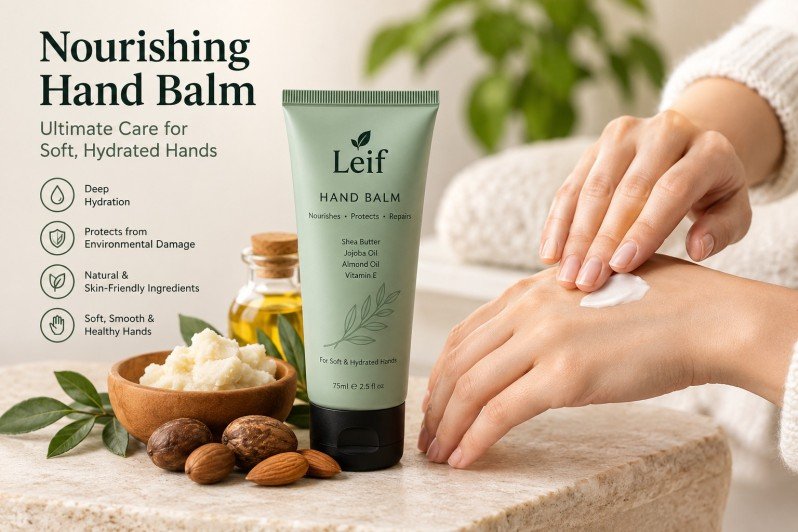
In the realm of personal care, maintaining soft and hydrated hands is paramount. The use of a specialised hand balm is a refined solution designed to provide intense nourishment and protection. Factor 3 Pty Ltd T/A Leif Products offers premium-quality hand balms that deliver ultimate care for your hands, making them supple and resilient.
Understanding the Importance of Hand Care
Hands are consistently exposed to environmental stressors such as wind, cold temperatures, and frequent washing, all of which can lead to dryness and irritation. The skin on the hands is thinner and more delicate compared to other parts of the body, thus requiring specialised products for adequate care. A nourishing hand balm effectively replenishes moisture, strengthens the skin barrier, and helps to mitigate the effects of environmental aggressors.
What Constitutes a Nourishing Hand Balm?
A high-quality hand balm is formulated with a blend of moisturising, emollient, and protective ingredients. These compounds work synergistically to hydrate the skin, repair damage, and create a barrier against further moisture loss. Typically, such balms contain natural oils, butters, and vitamins that are gentle yet effective in restoring skin health.
Key Ingredients to Look For
Effective hand balms often include ingredients such as shea butter, jojoba oil, almond oil, and vitamin E. Shea butter is rich in fatty acids and vitamins that deeply moisturise and soothe dry skin. Jojoba and almond oils replicate the skin’s natural oils, delivering lasting hydration without residue. Vitamin E serves as an antioxidant, helping to protect the skin from oxidative damage.
Benefits of Using a Nourishing Hand Balm
Regular application of a nourishing hand balm offers a multitude of benefits. These include enhanced skin hydration, improved skin texture and elasticity, and protection from harsh environmental conditions. Moreover, the balm helps in accelerating the skin’s natural repair process, reducing the appearance of fine lines and cracks associated with dryness.
Hydration and Moisture Retention
A primary function of a nourishing hand balm is to maintain moisture within the skin. The blend of oils and emollients forms a protective barrier that locks water in, preventing dehydration even in adverse weather.
Soothing and Repairing Properties
Many hand balms contain ingredients renowned for their anti-inflammatory and wound-healing properties. This makes them particularly suitable for hands prone to irritation or minor cuts caused by daily activities.
How to Incorporate Hand Balm into Your Daily Routine
For optimal results, it is advisable to apply hand balm multiple times throughout the day. Key moments include after washing hands, before sleep, and whenever the skin feels dry. This frequent application ensures continuous hydration and protection.
Best Practice for Application
Apply a pea-sized amount of hand balm to clean skin. Massage gently, focusing on the knuckles, cuticles, and any particularly dry areas. Allow time for absorption before engaging in activities requiring hand use.
Why Choose Leif Products’ Hand Balm?
Leif Products, under Factor 3 Pty Ltd, is dedicated to formulating hand balms that meet the highest standards of skin care. Their balms utilise natural, ethically sourced ingredients and avoid harsh chemicals, making them suitable for sensitive skin.
With a focus on sustainability and efficacy, Leif Products’ hand balm offers nourishment that supports skin health without compromising environmental responsibility.
Additional Tips for Maintaining Healthy Hands
Besides consistent use of a nourishing hand balm, wearing protective gloves when exposed to cleaning agents or cold weather is recommended. Hydrating from within by drinking sufficient water also complements topical treatments.
A balanced diet rich in vitamins and antioxidants further supports skin health and resilience.
Conclusion
In summary, the use of a nourishing hand balm is essential for maintaining soft, hydrated, and healthy hands. By incorporating such a product from Leif Products into daily care routines, individuals can effectively combat dryness and environmental damage, achieving smoother and more resilient skin.
Choosing the right hand balm is a proactive step in hand care, providing both immediate relief and long-term benefits for skin vitality.

How Different Hoodie Lengths Change the Look of Jeans, Cargo Pants, and Shorts

Neogenesis PDO Mono Threads and Their Role in Skin Support

How to Wash an Essentials Hoodie Without Killing the Fleece

Top Property Law Solicitors in London for Legal Advice

How to make an older commercial property work for a modern business

Why Your Beauty Clinic in Bali Matters for Filler Results

How to Ensure Your Home is Valued Correctly for a Quick Sale

Christopher Dare: The Untold Story of Engineer and Former Husband of Angela Rippon

The 15 Highest-Paid Rugby Players in the World

What Is Fanquer? The Digital Creator Platform Transforming Direct-to-Fan Engagement

Dr Jared Ross: Missouri Appeals Court Upholds Protection Order Over Graphic Torture and Murder Threats

Nancy Hallam: The Inspiring Life, Career, and Success Story Behind Ian Wright’s Wife
How to Ensure Your Home is Valued Correctly for a Quick Sale
Christopher Dare: The Untold Story of Engineer and Former Husband of Angela Rippon
The 15 Highest-Paid Rugby Players in the World
What Is Fanquer? The Digital Creator Platform Transforming Direct-to-Fan Engagement
Dr Jared Ross: Missouri Appeals Court Upholds Protection Order Over Graphic Torture and Murder Threats
Nancy Hallam: The Inspiring Life, Career, and Success Story Behind Ian Wright’s Wife
-
 Real Estate9 months ago
How to Ensure Your Home is Valued Correctly for a Quick Sale
-
Celebrity11 months ago
Christopher Dare: The Untold Story of Engineer and Former Husband of Angela Rippon
-
 Sports5 months ago
The 15 Highest-Paid Rugby Players in the World
-
 Technology5 months ago
What Is Fanquer? The Digital Creator Platform Transforming Direct-to-Fan Engagement
-
 Celebrity5 months ago
Dr Jared Ross: Missouri Appeals Court Upholds Protection Order Over Graphic Torture and Murder Threats
-
Celebrity12 months ago
Nancy Hallam: The Inspiring Life, Career, and Success Story Behind Ian Wright’s Wife
-

 Celebrity8 months ago
Who Is Azriel Crews? Inside the Life and Career of Terry Crews’ Daughter
-
 Celebrity11 months ago
Who Is Maisie Mae Roffey? The Private Life, Family Story, and Quiet Success of Julie Walters’ Daughter