
Travel
How to Plan a Solo UK Coastal Staycation That Recharges You

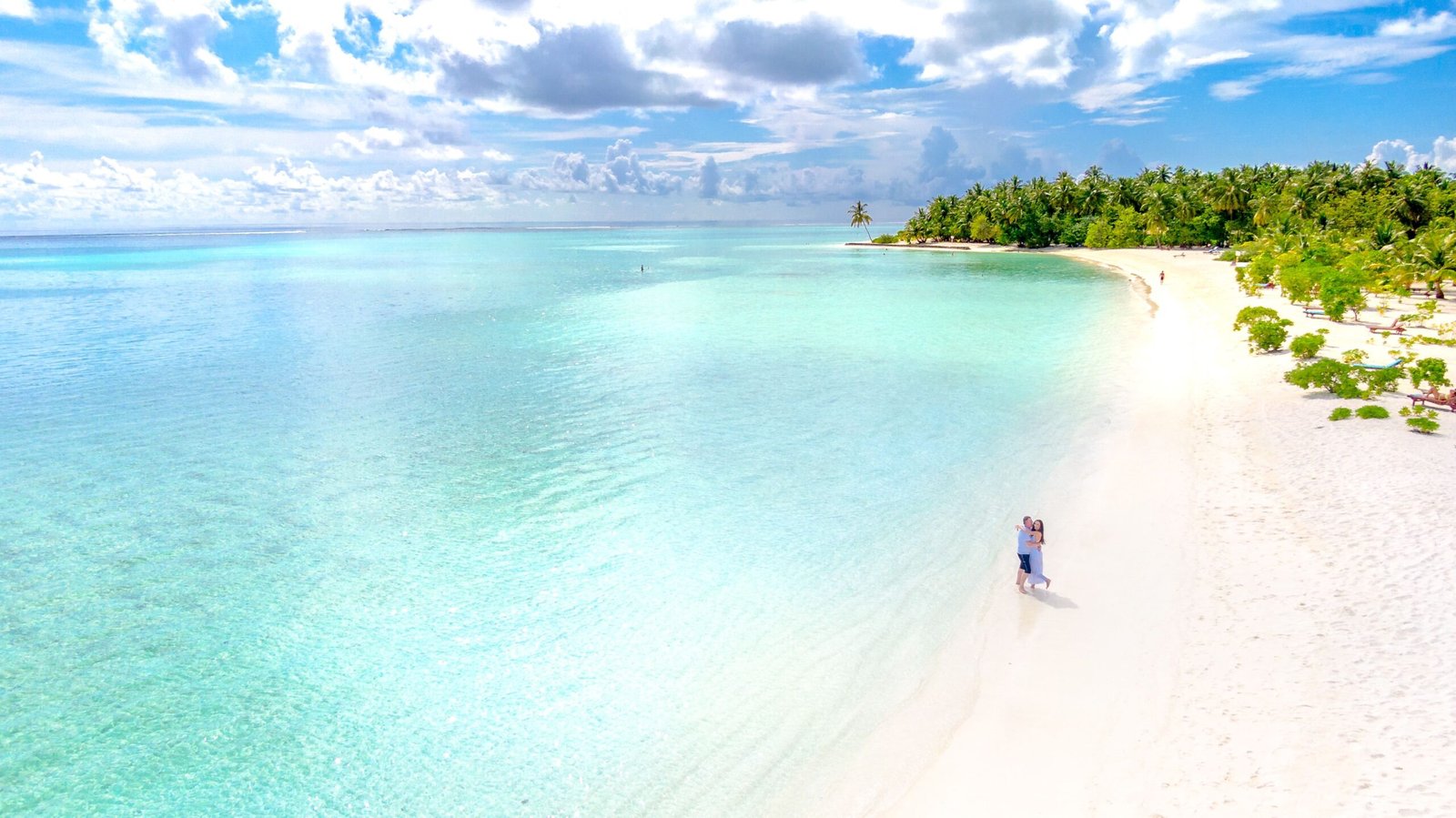
There’s a gap between a solo trip that leaves you rested and one that has you eating crisps in a cold rental by Saturday afternoon, wondering why you even packed a bag. Planning makes the difference. Not a colour-coded spreadsheet, just a handful of good decisions made before you leave the house.
ABTA’s Holiday Habits 2025-26 report found that 80% of people say holidays are important for their mental health. Nobody said you need a travel buddy or a boarding pass for that to apply to you. A few nights on the UK coast, if you get it right, can genuinely do the trick. But you do need to think about it beforehand, or you’ll end up swapping your usual sofa for a slightly damper one with a sea view.
Pick a Coast That Matches Your Social Battery
This decision matters more than most people realise, and it’s the one worth getting right first. Somewhere like Whitby or St Ives will give you pubs, chip shops, and enough foot traffic that you won’t feel alone in the evenings. You can start a conversation if you want one, or just sit in a busy pub and let the noise wash over you. For some solo travellers, that background hum of other people is exactly what they need.
If you’ve just survived a brutal run at work, though, a packed high street might be the last thing you want. Quieter stretches of the Northumberland coast, parts of Pembrokeshire, or the north Norfolk shore will give you proper breathing room without dropping you in the middle of nowhere. There’ll still be a decent pub within a short drive, but the default mode is wind, waves, and not much else.
Book a Place That Works for One
Where you stay will shape the whole trip more than you’d expect. Size, layout and what’s within walking distance all matter differently when you’re on your own.
Sites like Beachlets make it easy to filter for smaller coastal properties, and once you’re browsing, pay attention to the details that actually matter for a solo stay: an enclosed garden where you can read outside without feeling exposed, a log burner for the evenings, a pub you can walk to so the car stays parked if you fancy a pint. A compact one-bedroom place with those little touches will always beat a big house that offers nothing beyond square footage and a view.
One Anchor Activity Per Day
Leaving every single day wide open sounds like freedom. In practice, it usually means you’re standing in a cottage kitchen at 10am with no plan, scrolling your phone, and then feeling annoyed at yourself by lunchtime for wasting half the morning.
So give each day one thing to hang on. A coastal walk with an actual destination, a long lunch at a pub you’ve looked up in advance, a swim spot, a wander around a nearby town. Just one. Let the rest of the day breathe around it, because once you’ve ticked off that single anchor, the empty hours stop feeling lazy and start feeling earned.
A Reset You’ll Actually Feel When You Get Home
A solo coastal trip doesn’t need to cost much or last long. Two or three nights will do the job if you’ve picked the right stretch of coast, given each day a loose shape, and booked somewhere that actually feels like yours for the weekend.
The part that surprises most people is how different it feels from a holiday with other people. Nobody’s compromising on where to eat. Nobody’s waiting for someone else to get ready. You set the pace, and that kind of control over your own time is something most adults barely get in normal life. Take it seriously, even if it’s just a long weekend in Norfolk with a log burner and a stack of books. You’ll come back with more in the tank than you left with, and that’s the whole point.








More travellers are turning away from the predictability of a traditional beach holiday in favour of something that offers genuine novelty: a luxury safari. Rather than a week spent largely around a pool, a safari offers a different kind of itinerary each day, shaped by wildlife, landscape and weather rather than a fixed poolside routine.
The shift reflects a broader change in what travellers value from a holiday. Rather than measuring a trip by how relaxed it felt, many now measure it by how memorable it was, and a safari’s combination of wildlife, scenery and genuine unpredictability tends to deliver exactly that.
What Makes It Different From a Standard Wildlife Trip
Not every safari qualifies as luxury, and the difference comes down to detail rather than marketing. A private vehicle rather than a shared one, a guide dedicated to a single group for the full stay, and lodges designed around space and privacy rather than maximum capacity all separate a genuinely high-end experience from a budget wildlife tour that happens to use similar language.
Choosing a Region
A luxury African safari in particular has become something of a benchmark trip, combining some of the continent’s most recognisable landscapes with a level of service and privacy that rivals any five star resort.
East Africa’s open plains are suited to dramatic migrations and sweeping views, while southern Africa’s private reserves tend to offer closer, quieter encounters with fewer vehicles sharing each sighting. Both regions can deliver a genuinely luxury experience, and the right choice often comes down to whether a traveller prioritises scale or intimacy.
What to Expect From the Accommodation
Top-tier camps and lodges increasingly resemble boutique hotels more than traditional safari camps, with private plunge pools, personal butlers, and dining built entirely around individual preference rather than a set menu. Many also limit guest numbers deliberately, prioritising space and exclusivity over scale.
Timing a Trip Well
Dry seasons tend to concentrate wildlife around limited water sources, making sightings more frequent and predictable, while wetter months bring dramatic scenery and newborn animals at the cost of some visibility. Neither season is objectively better, and the right timing depends largely on what a traveller wants most from the experience.
What to Pack and Prepare For
Lightweight, neutral-toned clothing suits both the climate and the wildlife viewing experience, while a decent pair of binoculars and a capable camera make a noticeable difference to how much of the trip can be enjoyed and remembered afterwards. Travel insurance, vaccination requirements and visas all vary by country, so these are worth confirming well ahead of departure rather than left until the final weeks.
Working With a Specialist
Because the best lodges and camps often cap guest numbers deliberately, availability at peak times can be limited many months in advance. Planning through a specialist with direct relationships across the region tends to secure better access and a more thoughtfully built itinerary than booking independently, particularly for a first-time safari where the right sequence of camps and regions makes a considerable difference to the overall experience.
Final Thoughts
A luxury safari offers something a conventional holiday rarely can: genuine unpredictability paired with exceptional comfort. For travellers looking for a trip that feels distinctly different from anything they’ve done before, it remains one of the few categories able to deliver both adventure and five star service in equal measure.

Luxury travel is about more than staying in an expensive hotel or booking a first-class flight. The best luxury vacations are carefully designed around comfort, exclusivity, memorable experiences, and the freedom to enjoy every moment without unnecessary stress. From choosing an exceptional destination to arranging private transportation and personalized activities, thoughtful planning can transform an ordinary getaway into an unforgettable escape.
Whether you are planning a romantic retreat, a relaxing island holiday, or an adventure filled with exclusive experiences, luxury travel gives you the opportunity to make your trip truly your own. This guide explores the essential elements of a luxury vacation and how to create an experience that feels effortless from beginning to end.
1. Choose a Destination That Matches Your Travel Style
The foundation of a luxury vacation is choosing the right destination. Rather than simply selecting a popular location, consider what type of experience you want to have. Some travelers are drawn to secluded beaches and private villas, while others prefer sophisticated city breaks, fine dining, cultural experiences, or outdoor adventures.
Island destinations are particularly appealing for luxury travelers because they combine beautiful surroundings with opportunities for privacy and relaxation. A destination such as Bimini, for example, can be ideal for travelers looking to escape busy routines and enjoy turquoise waters, beaches, boating, and a slower pace.
For travelers based in South Florida, transportation can also become part of the experience. A same-day seaplane escape to Bimini can turn the journey itself into an exciting part of a luxury getaway, offering an alternative to traditional travel while allowing you to maximize your time at the destination.
When choosing your destination, think beyond photographs and attractions. Consider the atmosphere, accessibility, accommodation options, activities, dining, and level of privacy available. The right destination should complement the kind of vacation you want rather than simply being a place that looks appealing online.
2. Select Accommodation Designed Around Comfort
Where you stay can have a major influence on the quality of your vacation. Luxury accommodation is not necessarily about choosing the most expensive property available. Instead, look for a place that provides exceptional service, comfort, privacy, and amenities that suit your needs.
Luxury hotels and resorts may offer spacious suites, private pools, beachfront access, concierge services, wellness facilities, and personalized dining. Private villas can provide an even greater sense of exclusivity, particularly for couples, families, or groups traveling together.
Before booking, consider what you will actually use. If relaxation is your priority, a property with a spa, private beach access, and quiet surroundings may be more valuable than one with dozens of entertainment facilities. If you plan to explore frequently, convenient location and transportation services may matter more.
It is also worth researching the property’s service standards. Attentive staff, flexible arrangements, personalized recommendations, and efficient concierge assistance can make a noticeable difference throughout your stay.
3. Make Transportation Part of the Luxury Experience
Luxury should begin the moment your vacation starts, not when you arrive at your hotel. Long airport queues, complicated connections, and stressful transfers can quickly take away from the excitement of a trip.
Private transportation can make the journey more comfortable and efficient. Depending on your destination, options may include private cars, charter flights, yachts, helicopters, or seaplanes. These forms of transportation can reduce travel friction while adding an element of exclusivity to the experience.
For island destinations, transportation can be especially important. A private or chartered seaplane offers a distinctive way to travel while providing aerial views of the coastline and surrounding waters. It can also make remote or island locations more accessible without requiring a conventional travel itinerary.
When planning transportation, look at the entire journey rather than one individual transfer. Consider departure times, luggage arrangements, airport or marina transfers, check-in requirements, and what happens when you arrive. A smooth itinerary allows you to spend more time enjoying your destination and less time worrying about logistics.
4. Prioritize Personalized Experiences
A memorable luxury vacation should feel personal. Instead of filling your itinerary with standard tourist activities, choose experiences that reflect your interests.
Food lovers might arrange a private dining experience or explore local cuisine with a knowledgeable guide. Adventure seekers could consider snorkeling, diving, sailing, fishing, or other water-based activities. Travelers interested in relaxation may prefer private beach time, spa treatments, yoga sessions, or a leisurely day by the pool.
5. Indulge in Exceptional Food and Dining
Food is an essential part of any luxury vacation. Exceptional dining can turn a simple evening into one of the highlights of your trip, particularly when the setting and service are just as impressive as the menu.
Research restaurants before traveling and consider reserving popular venues in advance. Depending on your destination, you may also have opportunities for private dining, chef-led experiences, beachfront meals, yacht dinners, or customized menus.
At the same time, do not overlook local food. Luxury does not always mean formal dining. Sampling fresh seafood at a well-loved local restaurant or enjoying a carefully prepared meal featuring regional ingredients can be just as memorable.
A good approach is to balance special occasions with relaxed meals. Reserve the most elaborate experiences for moments you genuinely want to celebrate, and leave space to discover casual local favorites along the way.
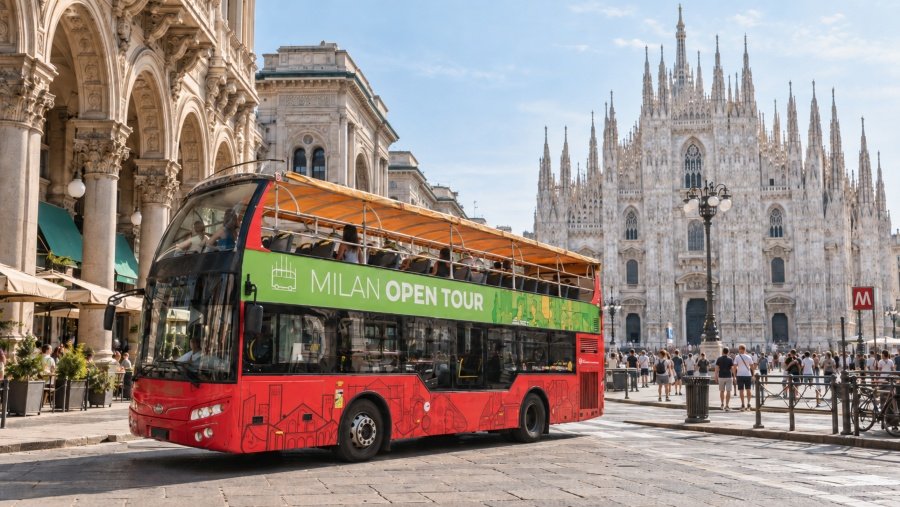
Plenty of people see Milan on borrowed time. A meeting finishes at eleven, a connecting flight leaves at nine, and what is left is an afternoon with nothing planned in it. Call it a gap rather than a holiday. Gaps get filled badly. Most visitors in that position weigh the same three options before they have finished their coffee. Walk it, work out the metro, or spend the afternoon on a hop on hop off bus in Milan.
Which of the three wins depends on how many stops you actually intend to make in an afternoon, and almost nobody works that out in advance. This is an attempt to do that arithmetic, using the three places most short-trip visitors want to tick off: the Duomo, the Sforza Castle and the Navigli. None of the three routes is right for everyone. The difference between them is how much of the afternoon survives.
How much time do you really need for central Milan
Ask five people and you will get five answers, most of them optimistic. A realistic figure for the Duomo, the Galleria and the Sforza Castle, with time inside each, is three to four hours. That includes traffic lights, ticket queues and the twenty minutes you lose deciding where to eat.
On paper it is twenty minutes from Piazza del Duomo to the Castle. Almost nobody covers it in twenty. You stop under the Galleria’s glass dome, you get pulled into Via Dante. By the time the
Castle gate is in front of you, the clock has taken twice what you allowed it. The gap between the map and the morning is where short trips fall apart, and it is wider here than the compact centre suggests. The Navigli, another obvious stop, sit the best part of half an hour further south on foot.
A hop on hop off bus in Milan changes the maths for short trips
The calculation shifts once you take the return leg out of every decision. Get off at a museum, spend forty minutes inside, photograph the courtyard and rejoin the next vehicle. Not once do you work out how long it takes to walk back to where you started.
Milano Open Tour sets out its lines, its stops and its ticket durations on one page, worth reading before you commit an afternoon. The operator runs three panoramic lines across the city. The historic-centre loop covers eighteen stops in a little over an hour, and one ticket stays valid on all three lines for 24, 48 or 72 hours. That last detail is what does the work. The ticket is not tied to a route, so changing your mind halfway through the day costs you nothing. Anyone who has also pencilled in a stop outside the centre gains more than that. Half an hour, roughly, against the same afternoon stitched together on scheduled public transport.
Walking versus riding: what you notice from each vantage point
On foot you get the ground floor of the city. Shop windows, the smell of a bakery on a side street, a man arguing with a traffic warden. From the top deck you get height, and height changes what the Duomo and the Castle look like. You see the roofline, the scale of the facade against the square, the shape of the streets running off it.
What do you lose? The side streets, mostly, and they are a real loss. Some of the best half hours in Milan happen in alleys no route goes down, and no timetable will ever take you there. A hop on hop off bus in Milan is a poor instrument for wandering. Anyone whose idea of a good afternoon is getting mildly lost should skip the whole thing and walk. Four free hours spent that way are not wasted.
Why a hop on hop off bus ticket in Milan only pays off after a few stops
Numbers, briefly. A single ATM ticket costs €2.20 and lasts ninety minutes, and a 24-hour public transport pass costs €7.60. A 24-hour hop on hop off bus ticket in Milan costs around €25. On a straight fare-to-fare comparison the tour bus loses, and it loses badly.
That comparison is the wrong one, though only just. What you are buying is the removal of route planning, plus a commentary, plus a seat you can keep. Below three planned stops that is not worth the seventeen euro gap, and anyone telling you otherwise is selling something. At three or four stops, with a museum and a long lunch in the middle, the sums usually work. Above four the ticket is comfortably the cheaper way to spend a day. The alternative is a series of metro hops and the mental overhead of planning each one.
A detail few people consider: peak hours in the city centre
Mid-morning is when everything converges. Coaches unload, hotel checkouts finish, and between roughly ten and midday the Duomo and the Galleria absorb most of the people in the centre at once. Queues at the busiest stops behave differently in that window, and so does the pavement.
Moving your start by an hour changes the texture of the whole afternoon. An earlier departure buys you the Cathedral square before it fills. A later one, after two, catches the lull between the lunch crowd and the evening. Neither trick is a secret, and almost everybody ignores both, so they keep working.
There is a real number behind this. Italy recorded 185 million tourist arrivals in 2025, up 7.1% on the year before, according to a report on interior ministry figures. Foreign arrivals grew fastest of all. Milan takes a large share of that, and it takes it in the same few hundred metres.
So the real skill in a short visit is not choosing between walking and riding. It is choosing the hour. Get that right, and a hop on hop off bus in Milan turns a compressed afternoon into something that feels unhurried. Strange thing to say about a bus. It holds up anyway.

What Makes Underground Streetwear Hit? Breaking Down the MF DOOM Shirt and Parke Hoodie Hype

Unlocking Peak Performance with AMD Ryzen X3D: A Gamer’s Ultimate Guide

5 questions every Sydney homeowner should ask before hiring a plumber

Transforming Business Efficiency with Modern Workplace Solutions

Empowering Success: Comprehensive NDIS Student Support Services

Streamlining Success: How OmniStar’s Grant Management System Revolutionizes Fund Allocation

The 15 Highest-Paid Rugby Players in the World

Christopher Dare: The Untold Story of Engineer and Former Husband of Angela Rippon

How to Ensure Your Home is Valued Correctly for a Quick Sale

What Is Fanquer? The Digital Creator Platform Transforming Direct-to-Fan Engagement

Dr Jared Ross: Missouri Appeals Court Upholds Protection Order Over Graphic Torture and Murder Threats

Nancy Hallam: The Inspiring Life, Career, and Success Story Behind Ian Wright’s Wife
The 15 Highest-Paid Rugby Players in the World
Christopher Dare: The Untold Story of Engineer and Former Husband of Angela Rippon
How to Ensure Your Home is Valued Correctly for a Quick Sale
What Is Fanquer? The Digital Creator Platform Transforming Direct-to-Fan Engagement
Dr Jared Ross: Missouri Appeals Court Upholds Protection Order Over Graphic Torture and Murder Threats
Nancy Hallam: The Inspiring Life, Career, and Success Story Behind Ian Wright’s Wife
-
 Sports5 months ago
The 15 Highest-Paid Rugby Players in the World
-
Celebrity10 months ago
Christopher Dare: The Untold Story of Engineer and Former Husband of Angela Rippon
-
 Real Estate8 months ago
How to Ensure Your Home is Valued Correctly for a Quick Sale
-
 Technology4 months ago
What Is Fanquer? The Digital Creator Platform Transforming Direct-to-Fan Engagement
-
 Celebrity4 months ago
Dr Jared Ross: Missouri Appeals Court Upholds Protection Order Over Graphic Torture and Murder Threats
-
Celebrity11 months ago
Nancy Hallam: The Inspiring Life, Career, and Success Story Behind Ian Wright’s Wife
-

 Health9 months ago
Enclomimed 25 (Enclomiphene) – Effective PCT Protocol
-
 Celebrity11 months ago
Who Is Maisie Mae Roffey? The Private Life, Family Story, and Quiet Success of Julie Walters’ Daughter