
Home Improvement
How to Make a Small Living Room More Functional Without Overfilling It

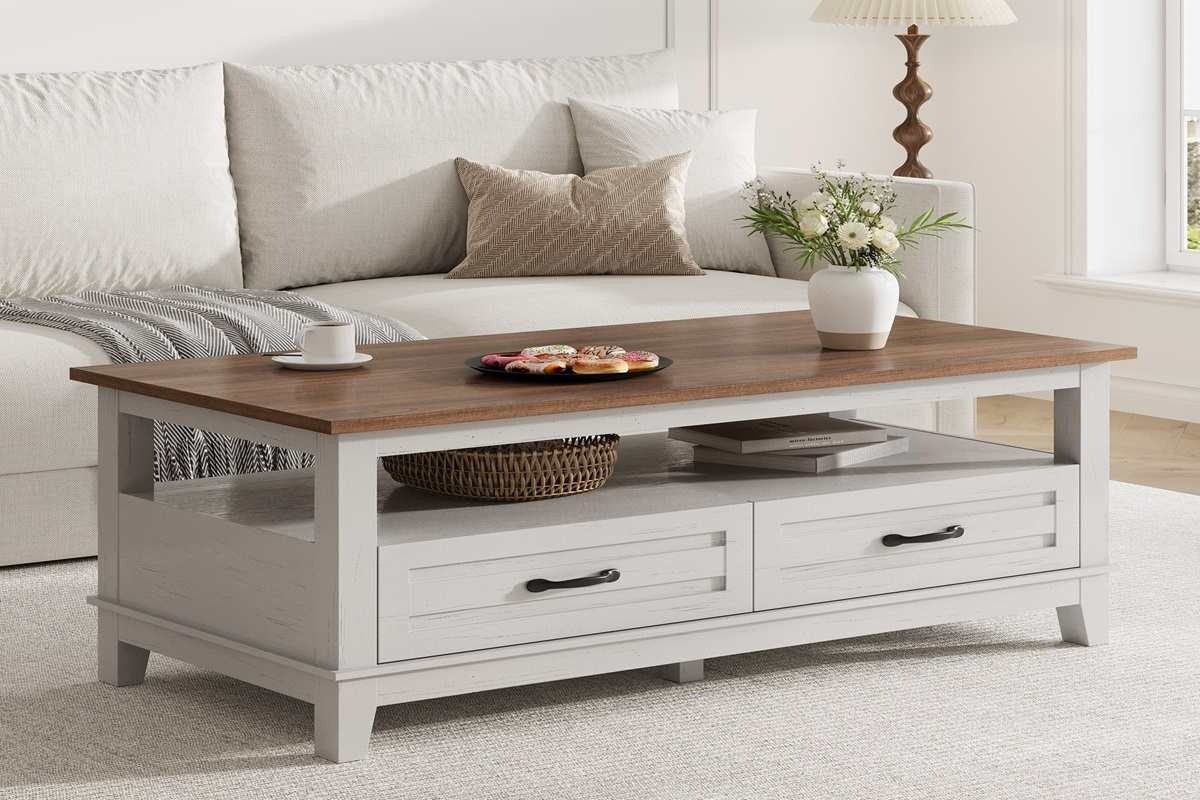
A small living room can feel comfortable, stylish, and practical when every piece of furniture has a clear purpose. The goal is not to squeeze more items into the room but to use the available space wisely. With thoughtful furniture choices, smart storage, and a simple layout, even a limited area can support relaxing, entertaining, and everyday activities without feeling crowded. Choosing coffee tables with storage can help keep essentials organized.
Use the Space Wisely
Before adding furniture, consider how the room is actually used. A living room may need to accommodate seating, entertainment, reading, working, or occasional dining. Understanding these needs helps prevent unnecessary purchases.
One of the most useful small living room ideas is to create clear zones without physically dividing the room. A sofa can define the main seating area, while a small side table or floor lamp can establish a reading corner. Keeping pathways open is equally important because furniture that blocks movement can make a room appear smaller than it really is.
Try to maintain comfortable walking space between major pieces. Instead of filling every empty corner, leave some areas open. A visual breathing room can make a compact room feel considerably larger.
Choose Furniture Carefully
Furniture should match the scale of the room. Large sofas, oversized armchairs, and bulky cabinets can quickly dominate a small space. Instead, choose pieces with slimmer profiles and proportions that allow people to move around comfortably.
Multifunctional furniture is especially useful because one item can serve several purposes. An ottoman, for example, can provide seating, act as a footrest, and serve as a temporary table. Coffee tables with storage can also keep everyday items organized while providing a practical surface.
When selecting furniture, consider both its physical size and visual weight. Furniture with raised legs can expose more floor area, helping the room feel lighter and more open.
Maximize Storage
Storage is one of the biggest challenges in a compact living room. Without enough storage, everyday belongings can quickly spread across tables, shelves, and seating areas. However, adding large storage cabinets is not always the best solution.
Instead, make use of furniture that incorporates storage into its design. A coffee table with storage can provide a convenient place for books, remotes, blankets, or other small items while maintaining the room’s central function. For ideas beyond the living room, bedroom storage solutions can also inspire smart ways to maximize limited space.
Look for storage opportunities in places that are already being used. Shelves above a television, baskets beneath a console, and drawers inside side tables can all provide additional capacity without requiring much floor space.
Keep the Floor Open
An open floor area creates a stronger sense of space. Whenever possible, avoid placing unnecessary objects directly on the floor. Wall-mounted shelves, floating cabinets, and furniture with visible legs can help preserve this openness.
A good approach is to select space-saving furniture that performs its intended function without taking up excessive room. A narrow console can replace a deep cabinet, while nesting tables can provide extra surfaces only when needed.
Doors and drawers should also have enough room to open properly. Before buying furniture, measure the available area and consider how the item will function once it is placed in the room.
Select a Practical Coffee Table
A coffee table is often the centerpiece of a seating arrangement, but it does not need to be large to be useful. Choose a shape and size that leave sufficient space around the sofa and provide easy access for everyone.
A lift-top coffee table can be particularly practical in a small living room. Its adjustable surface can be used for working, writing, eating, or other activities, while the internal compartment can provide additional storage.
Round or oval tables can also work well where sharp corners would interfere with movement. If space is extremely limited, nesting tables can be separated when needed and stacked together when they are not in use.
Improve Organization
Good living room organization can make a small space feel much larger. Clutter tends to make every surface and corner look occupied, even when the room contains relatively few items.
Give frequently used belongings a specific place. Remote controls can stay in a small tray, books can be arranged on a shelf, and blankets can be stored in a basket. Establishing simple habits also makes it easier to maintain a tidy environment.
Consider these practical organization techniques:
- Keep everyday items within easy reach but out of sight when possible.
- Use trays to group small objects on open surfaces.
- Store seasonal items away from the main living area.
- Avoid keeping decorative objects that have no practical or sentimental value.
Pick Compact Pieces
The best compact furniture does not simply have smaller dimensions; it also provides the functions you actually need. A narrow armchair may be more useful than an oversized recliner if the room is primarily used for conversation. Similarly, a slim media unit can offer enough storage without becoming the dominant feature.
Consider furniture that can be moved or rearranged when needed. Lightweight stools, folding chairs, and coffee tables with storage offer flexibility without permanently taking up valuable floor space.
It is also helpful to choose a limited number of statement pieces. Instead of filling the room with several small decorative items, one attractive lamp, artwork, or plant can provide personality without overwhelming the space.
Create Hidden Storage
Not everything needs to remain visible. Hidden storage helps maintain a cleaner appearance by giving everyday belongings a designated place without adding visual clutter.
Storage benches, ottomans with compartments, sofas with built-in drawers, and cabinets with doors can all hide items while keeping them accessible. This approach is particularly useful for objects that are needed regularly but do not contribute to the room’s appearance.
When adding storage, think vertically and look for unused areas. The space beneath furniture, behind cabinet doors, and above existing units can often be used more effectively.
Avoid Too Many Tables
Tables are useful, but too many can make a small living room feel cramped. Instead of placing a separate table beside every seat, choose flexible options that can serve multiple purposes.
For example, one central table can serve the sofa, while a nesting pair can provide additional surfaces when guests visit. Coffee tables with storage can also combine a practical surface with concealed space, reducing the need for separate storage furniture.
The key is to select tables according to actual usage rather than filling every available gap with furniture.
Keep the Design Simple
A simple design can make a compact living room feel more spacious. Similar colors, coordinated materials, and a controlled number of decorative elements create visual consistency.
Light colors can help reflect natural light, while transparent or reflective materials can reduce the visual heaviness of furniture. This does not mean that every item must match. Instead, choose a cohesive palette and repeat a few colors or textures throughout the room.
Curtains that extend closer to the ceiling can also emphasize the room’s height. Keeping window areas relatively clear allows more natural light to enter, making the space feel brighter and more inviting.
Make Every Item Count
The most effective way to make a small living room functional is to avoid unnecessary furniture in the first place. Every item should either serve a practical purpose, add comfort, or contribute meaningful visual appeal.
Before purchasing something new, consider whether it solves a genuine problem. If it does not, leaving the space open may be the better choice. A thoughtfully arranged room with fewer pieces can feel more comfortable than a larger collection of furniture packed into the same area.
The Smart Side of GARVEE
GARVEE offers a range of home and furniture solutions that can be useful when making a small living room more functional. Its products can help homeowners make better use of limited space by combining practical features with everyday comfort. For a compact room, choosing appropriately sized pieces can help create a useful setup without making the space feel overcrowded.
The brand also makes it easier to focus on practical solutions rather than unnecessary additions. From furniture designed for everyday use to storage options that help keep belongings organized, the right products from GARVEE can support a cleaner and more efficient living room. Selecting items according to your available space and specific needs can help maintain both functionality and an open, inviting appearance.
Final Thoughts
Making a small living room more functional does not require filling it with clever products or complicated storage systems. The best results come from choosing appropriately sized furniture, using vertical and concealed storage, keeping pathways open, and reducing unnecessary clutter. Flexible pieces such as coffee tables with storage can perform several jobs, while thoughtful organization keeps everyday belongings under control.
Ultimately, a successful small living room should feel easy to use rather than crowded. By giving every piece a purpose and leaving enough open space for movement, you can create a comfortable, practical, and attractive room without overfilling it.



When undertaking a home makeover, choosing the right furnishings is paramount to achieving the desired aesthetic and atmosphere. For residents and professionals in the region, the option to hire furniture in Sydney offers flexibility, style, and convenience. This guide explores the key considerations and benefits associated with furniture hire services in Sydney to ensure a successful and stylish home transformation.
Understanding Furniture Hire Services
Furniture hire services provide the opportunity to rent quality furniture pieces for short or long-term periods. This is particularly advantageous for those who seek to refresh their home’s appearance without committing to permanent purchases. In Sydney, a diverse range of hire options is available to cater to different styles, budgets, and project scopes.
Advantages of Hiring Furniture in Sydney
Hiring furniture instead of purchasing new items presents several benefits. Primarily, it allows homeowners and designers to experiment with various designs and layouts without the financial burden of ownership. Furthermore, hiring furniture is an environmentally responsible choice, reducing waste and encouraging the reuse of quality products.
Styling a home for sale or staging an investment property is a common reason to utilise furniture hire services. This approach enables the creation of a welcoming environment that appeals to potential buyers or tenants without the need for permanent changes to the property.
Factors to Consider When Renting Furniture
When selecting furniture hire options in Sydney, it is important to consider the size and layout of the space. Measuring rooms accurately and determining the function of each area helps in choosing adaptable and proportionate furnishings.
Quality and style are also critical factors. It is recommended to choose furniture pieces that complement the architectural features of the home and adhere to the intended design theme, be it modern minimalism, classic elegance, or contemporary comfort.
Popular Furniture Pieces for Hire in Sydney
Available hire items typically range from essential seating such as sofas and chairs to dining sets, bedroom furniture, and decorative accessories. These elements collectively contribute to a cohesive look and can be customised according to specific requirements.
Cost Implications and Budget Planning
The cost of hiring furniture is influenced by the type and quantity of items required, duration of the hire, and service provider rates. Setting a clear budget at the outset allows for efficient selection within financial parameters.
Many hire companies in Sydney offer flexible packages that include delivery, setup, and pick-up services, ensuring a hassle-free experience for clients.
Planning for Delivery and Installation
Coordinating the timing of furniture delivery with other renovation or styling activities is essential to avoid delays. Professional furniture hire providers often assist with assembly and placement, ensuring that the hired items enhance the space effectively.
Understanding Terms and Conditions
Clients should carefully review the hire agreement to comprehend responsibilities relating to maintenance, damage liability, and cancellation policies. Clear communication with the service provider helps prevent misunderstandings and ensures a smooth process.
Environmental Considerations
Furniture hire supports sustainable practices by promoting reuse and reducing the demand for new furniture production. Homeowners engaging in furniture rental contribute to a more circular economy and lower environmental impact.
Choosing a Reputable Furniture Hire Service in Sydney
Selecting an experienced and trustworthy hire service is integral to a successful home makeover. Checking customer reviews, service portfolios, and company credentials provides insight into reliability and quality assurance.
Many Sydney-based providers offer curated collections tailored to different interior design styles, equipped to serve both residential and commercial clients.
Integration with Property Styling Services
Hiring furniture is often part of a broader property styling strategy. Professional stylists combine rented items with existing features to create inviting interiors that resonate with target audiences.
Clients seeking comprehensive solutions benefit from hiring furniture as well as engaging styling experts who understand market trends and buyer preferences.
Customisation and Flexibility
Furniture hire arrangements in Sydney commonly allow for modifications, such as swapping pieces or altering rental periods. This adaptability supports dynamic styling needs and project evolution.
Maintenance Tips for Hired Furniture
Although furniture hire companies maintain their inventory, clients are encouraged to handle rented items with care, avoid spills or damage, and report any issues promptly. Proper management preserves the condition of the furniture and avoids additional charges.
Case Studies of Successful Home Makeovers
Several Sydney homeowners and property developers have achieved remarkable results through furniture hire. By leveraging stylish pieces, they transformed spaces into appealing environments that contributed to swift sales or improved tenant satisfaction.
Conclusion
Hiring furniture in Sydney presents a practical and stylish solution for home makeovers, staging, and interior refreshment. With an array of options, expert guidance, and flexible arrangements, clients can transform their living spaces efficiently while managing costs and sustainability.
For those embarking on a home makeover journey, engaging a reputable furniture hire service offers the advantage of professional quality at manageable investment, ultimately enhancing the overall aesthetic and functionality of the property.
Home Improvement
Drain Unblocking London: How to Clear Problems Properly and Prevent Repeat Blockages


A blocked drain can become disruptive very quickly, especially in a busy London home or commercial property where several fixtures may depend on the same drainage line. Slow sinks, gurgling toilets, unpleasant smells and rising water are often the first signs that flow is restricted. The best response is not simply to force water through the pipe, but to understand where the blockage is, what caused it and whether the system has a deeper condition that could make the problem return.
Read the Symptoms Before Choosing a Method
The pattern of symptoms gives useful clues. A single slow basin may point to a local trap or short branch, while several affected fixtures can indicate a blockage deeper in the system. External gullies, inspection chambers and manholes can also help identify where flow stops. Taking a few minutes to understand this pattern can prevent unnecessary work and help the engineer choose the most suitable access point.
Professional drain unblocking London services are most useful when the engineer combines fast clearance with practical diagnosis. The objective should be to restore flow while also explaining whether the restriction was caused by grease, wipes, silt, roots, scale or a structural defect. That information matters because each cause has a different risk of returning and may require a different follow-up.
Reduce Water Use if the Drain Is Backing Up
If wastewater is rising, stop adding more water to the system where possible. Repeated flushing, running washing machines or emptying baths can increase pressure behind the blockage and create an overflow elsewhere. In a commercial setting, staff should know which facilities are affected so the problem is not unintentionally made worse while assistance is being arranged.
Where wastewater has escaped, hygiene becomes important. People should be kept away from contaminated areas, porous materials may need special cleaning and the flow problem should be controlled before normal use resumes. Fast action can reduce the amount of cleaning and disruption required afterwards.
Use the Right Clearance Technique
Different obstructions respond to different methods. Mechanical rods and specialist tools can remove local blockages, while high-pressure water jetting is often effective for grease, silt and deposits along a longer section of pipe. The engineer should choose equipment based on pipe material, condition, access and the suspected obstruction rather than using one technique automatically.
A good clearance aims to restore the full bore of the pipe rather than punch a narrow hole through the blockage. Partial openings may allow water to move again for a short time while leaving material around the edges that catches more debris and causes another restriction.
Be Careful With Chemical Products
Drain chemicals can sometimes help with a small local buildup, but they are not a reliable answer for roots, displaced joints, heavy scale or collapsed pipework. Repeated use can also create unpleasant working conditions for anyone who later opens the system. Persistent blockages deserve mechanical clearance or inspection rather than stronger and stronger chemical treatment.
If a product has already been used, the engineer should be told. This helps them choose equipment and personal protection appropriately and avoids unexpected exposure during clearance.
Investigate Repeat Blockages
A drain that blocks again in the same place is providing valuable information. Root ingress, poor gradient, damaged joints or a partially collapsed section can create a predictable catch point. Repeated unblocking without investigation may become more expensive than identifying and addressing the underlying cause.
A CCTV drain survey can be useful after the line has been cleaned because the camera can show whether the pipe is structurally sound. It can reveal cracks, roots, displaced joints and sections where deposits repeatedly collect. This is often the point where the difference between routine maintenance and repair becomes clear.
Consider Shared Drainage and Boundaries
London properties often have complex drainage layouts, and some pipes may serve more than one property. A blockage that appears to be inside one premises can sometimes sit on a shared run or a section beyond the immediate boundary. Understanding the route of the system helps clarify which access point to use and who may need to become involved if repair is required.
Inspection chambers and drain mapping can be especially useful where extensions, conversions or older alterations have changed the original layout. Clear information reduces unnecessary excavation and speeds up future maintenance.
Prevent Predictable Problems
Some blockages are avoidable. Fats and oils should not be poured into kitchen drains, wipes should be disposed of in bins and external gullies should be kept clear of leaves, soil and construction debris. These habits will not prevent structural defects, but they reduce the amount of material entering the system and make genuine drainage problems easier to diagnose.
Commercial sites may also benefit from planned cleaning where usage creates predictable buildup. A restaurant kitchen, busy office or multi-occupancy building can place much more demand on drainage than a lightly used home.
Keep a Simple Maintenance Record
A practical record of previous problems can save time later. Note when the blockage happened, which fixtures were affected, what method cleared it and whether the same section has failed before. This history can help an engineer recognise a pattern and decide whether further inspection is justified.
For managed properties, this information also supports maintenance planning and budgeting. Repeated emergency call-outs to the same section may indicate that a planned repair would offer better long-term value.
Choose a Contractor That Explains the Cause
A professional drainage company should provide more than temporary flow restoration. The engineer should explain what was found, what method was used and whether the pipe appears otherwise sound. Clients should also understand whether any further inspection or repair is necessary, optional or simply precautionary.
Working with Quick Clear Drainage or another experienced contractor should leave the property owner with a clearer understanding of both the immediate fix and the longer-term risk. The second-last consideration is whether the recommendation is proportionate to the evidence rather than based on a standard one-size-fits-all process.
Drainage problems are easier to manage when fast clearance is combined with accurate diagnosis. By reducing water use during a backup, using the right equipment, investigating repeat failures and keeping simple records, London property owners can reduce disruption and make more confident decisions about maintenance and repair Regular preventative checks can also identify developing issues before they become urgent, expensive or disruptive..
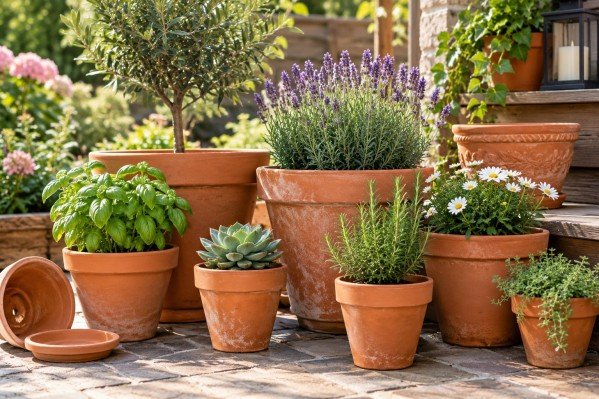
Terracotta pots are a classic choice for gardeners who value both aesthetics and functionality. Their warm, earthy tones complement any garden style while providing an ideal environment for plant health. When selecting containers for plants, it is essential to consider materials that allow for proper aeration and moisture regulation, qualities that terracotta pots excel in.
Gardeners seeking reliable and attractive planters often turn to Terracotta pots due to their long-standing reputation. These pots have been utilised across cultures for centuries, testament to their durability and timeless appeal. From Mediterranean courtyards to modern suburban gardens, terracotta remains a top choice.
Material Composition and Benefits
Terracotta pots are crafted from natural clay that is fired at a relatively low temperature. This process results in a porous, breathable container that facilitates the evaporation of excess moisture. This breathability reduces the risk of root rot by allowing air to circulate through the pot walls.
Furthermore, terracotta’s porous nature helps regulate soil temperature, preventing overheating during hotter months and insulating roots during cooler periods. This natural climate moderation supports healthier plant growth compared to plastic or ceramic alternatives.
Aesthetic Versatility
The distinct orange-brown hue of terracotta adds a rustic and organic feel to garden spaces. Their neutral yet warm colour enables them to blend harmoniously with diverse garden themes, from classic cottage gardens to contemporary minimalist designs.
Additionally, terracotta pots develop a charming patina over time, often characterised by subtle white mineral deposits. Many gardeners appreciate this weathered appearance as it enhances the character and natural feel of their garden.
Durability and Longevity
Despite their earthy appearance, terracotta pots are robust and can endure years of outdoor exposure when properly cared for. Their solid construction can withstand typical garden conditions, though protection from harsh frost is advisable to prevent cracking.
To extend their lifespan, it is recommended to avoid leaving terracotta pots waterlogged during cold spells. Lifting pots off the ground or storing them in a sheltered area during winter months can also minimise frost damage.
Drainage and Plant Health
Effective drainage is crucial for plant health, and terracotta pots generally feature drainage holes that prevent water accumulation. This design ensures excess water escapes, reducing the risk of root diseases caused by soggy soil.
Gardeners should ensure drainage holes remain unobstructed, and the pot is placed on a surface that allows for water outflow. Placing a saucer underneath can catch runoff while still enabling proper drainage.
Maintenance Tips for Terracotta Pots
Maintaining terracotta pots is straightforward. Cleaning them periodically to remove accumulated salts and debris prevents discoloration and prolongs their lifespan.
It is advisable to use a soft brush and mild detergent to clean the pots, avoiding harsh chemicals that might compromise the clay’s integrity. Allowing pots to dry thoroughly before reuse helps deter mould growth.
Suitable Plant Selections
Terracotta pots are suitable for a wide variety of plants, especially those that prefer well-drained soil such as succulents, herbs, and Mediterranean species like lavender and rosemary. Their breathability promotes healthy root systems, which is beneficial for plants susceptible to overwatering.
Gardeners may opt to use terracotta pots indoors or outdoors, mindful that indoor use might require additional care to manage moisture retention on surfaces beneath the pot.
Environmental Considerations
Terracotta pots are environmentally friendly as they are made from natural, non-toxic clay. Their production involves less energy compared to plastic alternatives, and they are fully biodegradable at the end of their life cycle.
Gardeners who prioritise sustainability often prefer terracotta pots due to these eco-conscious attributes.
Styles and Sizes Available
A broad range of terracotta pots is available to fit various gardening needs. From small seedling trays to large decorative planters, the versatility in size allows for creative garden design.
Some styles include traditional round pots, square containers, and ornate shapes featuring embossed patterns. These options provide gardeners with choices to suit both function and design preferences.
Conclusion
Overall, terracotta pots offer a blend of beauty, practicality, and environmental friendliness that makes them an excellent investment for any garden enthusiast. Their breathable material supports healthy plant growth while their timeless charm enhances garden aesthetics.
Choosing terracotta pots from reliable suppliers ensures gardeners receive high-quality clay pots that will serve their gardening needs for years to come. The combination of durability, natural appeal, and plant-friendly features makes terracotta pots a steadfast favourite.

The Ultimate Guide to Women’s Sandals for Style and Comfort

Essential Guide to Hire Furniture in Sydney for Stylish Home Makeovers

Publishing AI-Assisted Drafts as PDFs: A Free Markdown Workflow with iBoomto

Spinal Alignment in Kuala Lumpur: What It Involves and What It Costs

When Weeks Turn Into Months: Planning Car Hire for a Longer Stay

Top 10 Best Minicab Companies in London & Surrounding Counties

The 15 Highest-Paid Rugby Players in the World

Christopher Dare: The Untold Story of Engineer and Former Husband of Angela Rippon

How to Ensure Your Home is Valued Correctly for a Quick Sale

What Is Fanquer? The Digital Creator Platform Transforming Direct-to-Fan Engagement

Dr Jared Ross: Missouri Appeals Court Upholds Protection Order Over Graphic Torture and Murder Threats

Nancy Hallam: The Inspiring Life, Career, and Success Story Behind Ian Wright’s Wife
The 15 Highest-Paid Rugby Players in the World
Christopher Dare: The Untold Story of Engineer and Former Husband of Angela Rippon
How to Ensure Your Home is Valued Correctly for a Quick Sale
What Is Fanquer? The Digital Creator Platform Transforming Direct-to-Fan Engagement
Dr Jared Ross: Missouri Appeals Court Upholds Protection Order Over Graphic Torture and Murder Threats
Nancy Hallam: The Inspiring Life, Career, and Success Story Behind Ian Wright’s Wife
-
 Sports5 months ago
The 15 Highest-Paid Rugby Players in the World
-
Celebrity11 months ago
Christopher Dare: The Untold Story of Engineer and Former Husband of Angela Rippon
-
 Real Estate9 months ago
How to Ensure Your Home is Valued Correctly for a Quick Sale
-
 Technology5 months ago
What Is Fanquer? The Digital Creator Platform Transforming Direct-to-Fan Engagement
-
 Celebrity5 months ago
Dr Jared Ross: Missouri Appeals Court Upholds Protection Order Over Graphic Torture and Murder Threats
-
Celebrity11 months ago
Nancy Hallam: The Inspiring Life, Career, and Success Story Behind Ian Wright’s Wife
-

 Celebrity8 months ago
Who Is Azriel Crews? Inside the Life and Career of Terry Crews’ Daughter
-

 Health9 months ago
Enclomimed 25 (Enclomiphene) – Effective PCT Protocol