
Home Improvement
Drain Unblocking London: How to Clear Problems Properly and Prevent Repeat Blockages

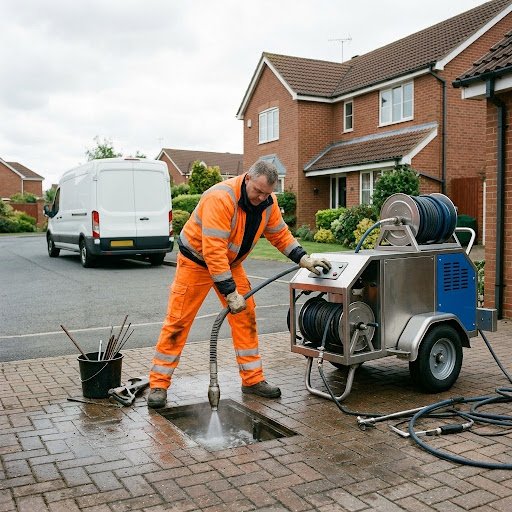
A blocked drain can become disruptive very quickly, especially in a busy London home or commercial property where several fixtures may depend on the same drainage line. Slow sinks, gurgling toilets, unpleasant smells and rising water are often the first signs that flow is restricted. The best response is not simply to force water through the pipe, but to understand where the blockage is, what caused it and whether the system has a deeper condition that could make the problem return.
Read the Symptoms Before Choosing a Method
The pattern of symptoms gives useful clues. A single slow basin may point to a local trap or short branch, while several affected fixtures can indicate a blockage deeper in the system. External gullies, inspection chambers and manholes can also help identify where flow stops. Taking a few minutes to understand this pattern can prevent unnecessary work and help the engineer choose the most suitable access point.
Professional drain unblocking London services are most useful when the engineer combines fast clearance with practical diagnosis. The objective should be to restore flow while also explaining whether the restriction was caused by grease, wipes, silt, roots, scale or a structural defect. That information matters because each cause has a different risk of returning and may require a different follow-up.
Reduce Water Use if the Drain Is Backing Up
If wastewater is rising, stop adding more water to the system where possible. Repeated flushing, running washing machines or emptying baths can increase pressure behind the blockage and create an overflow elsewhere. In a commercial setting, staff should know which facilities are affected so the problem is not unintentionally made worse while assistance is being arranged.
Where wastewater has escaped, hygiene becomes important. People should be kept away from contaminated areas, porous materials may need special cleaning and the flow problem should be controlled before normal use resumes. Fast action can reduce the amount of cleaning and disruption required afterwards.
Use the Right Clearance Technique
Different obstructions respond to different methods. Mechanical rods and specialist tools can remove local blockages, while high-pressure water jetting is often effective for grease, silt and deposits along a longer section of pipe. The engineer should choose equipment based on pipe material, condition, access and the suspected obstruction rather than using one technique automatically.
A good clearance aims to restore the full bore of the pipe rather than punch a narrow hole through the blockage. Partial openings may allow water to move again for a short time while leaving material around the edges that catches more debris and causes another restriction.
Be Careful With Chemical Products
Drain chemicals can sometimes help with a small local buildup, but they are not a reliable answer for roots, displaced joints, heavy scale or collapsed pipework. Repeated use can also create unpleasant working conditions for anyone who later opens the system. Persistent blockages deserve mechanical clearance or inspection rather than stronger and stronger chemical treatment.
If a product has already been used, the engineer should be told. This helps them choose equipment and personal protection appropriately and avoids unexpected exposure during clearance.
Investigate Repeat Blockages
A drain that blocks again in the same place is providing valuable information. Root ingress, poor gradient, damaged joints or a partially collapsed section can create a predictable catch point. Repeated unblocking without investigation may become more expensive than identifying and addressing the underlying cause.
A CCTV drain survey can be useful after the line has been cleaned because the camera can show whether the pipe is structurally sound. It can reveal cracks, roots, displaced joints and sections where deposits repeatedly collect. This is often the point where the difference between routine maintenance and repair becomes clear.
Consider Shared Drainage and Boundaries
London properties often have complex drainage layouts, and some pipes may serve more than one property. A blockage that appears to be inside one premises can sometimes sit on a shared run or a section beyond the immediate boundary. Understanding the route of the system helps clarify which access point to use and who may need to become involved if repair is required.
Inspection chambers and drain mapping can be especially useful where extensions, conversions or older alterations have changed the original layout. Clear information reduces unnecessary excavation and speeds up future maintenance.
Prevent Predictable Problems
Some blockages are avoidable. Fats and oils should not be poured into kitchen drains, wipes should be disposed of in bins and external gullies should be kept clear of leaves, soil and construction debris. These habits will not prevent structural defects, but they reduce the amount of material entering the system and make genuine drainage problems easier to diagnose.
Commercial sites may also benefit from planned cleaning where usage creates predictable buildup. A restaurant kitchen, busy office or multi-occupancy building can place much more demand on drainage than a lightly used home.
Keep a Simple Maintenance Record
A practical record of previous problems can save time later. Note when the blockage happened, which fixtures were affected, what method cleared it and whether the same section has failed before. This history can help an engineer recognise a pattern and decide whether further inspection is justified.
For managed properties, this information also supports maintenance planning and budgeting. Repeated emergency call-outs to the same section may indicate that a planned repair would offer better long-term value.
Choose a Contractor That Explains the Cause
A professional drainage company should provide more than temporary flow restoration. The engineer should explain what was found, what method was used and whether the pipe appears otherwise sound. Clients should also understand whether any further inspection or repair is necessary, optional or simply precautionary.
Working with Quick Clear Drainage or another experienced contractor should leave the property owner with a clearer understanding of both the immediate fix and the longer-term risk. The second-last consideration is whether the recommendation is proportionate to the evidence rather than based on a standard one-size-fits-all process.
Drainage problems are easier to manage when fast clearance is combined with accurate diagnosis. By reducing water use during a backup, using the right equipment, investigating repeat failures and keeping simple records, London property owners can reduce disruption and make more confident decisions about maintenance and repair Regular preventative checks can also identify developing issues before they become urgent, expensive or disruptive..


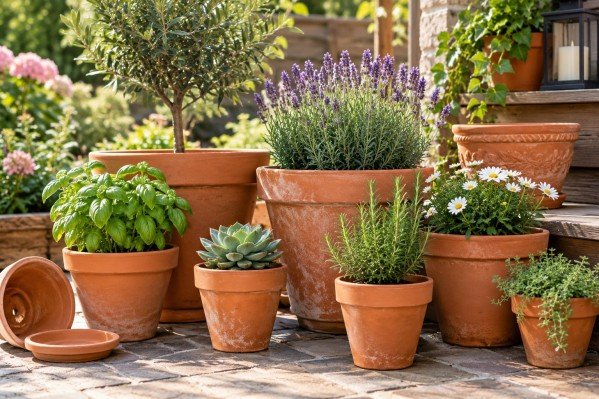
Terracotta pots are a classic choice for gardeners who value both aesthetics and functionality. Their warm, earthy tones complement any garden style while providing an ideal environment for plant health. When selecting containers for plants, it is essential to consider materials that allow for proper aeration and moisture regulation, qualities that terracotta pots excel in.
Gardeners seeking reliable and attractive planters often turn to Terracotta pots due to their long-standing reputation. These pots have been utilised across cultures for centuries, testament to their durability and timeless appeal. From Mediterranean courtyards to modern suburban gardens, terracotta remains a top choice.
Material Composition and Benefits
Terracotta pots are crafted from natural clay that is fired at a relatively low temperature. This process results in a porous, breathable container that facilitates the evaporation of excess moisture. This breathability reduces the risk of root rot by allowing air to circulate through the pot walls.
Furthermore, terracotta’s porous nature helps regulate soil temperature, preventing overheating during hotter months and insulating roots during cooler periods. This natural climate moderation supports healthier plant growth compared to plastic or ceramic alternatives.
Aesthetic Versatility
The distinct orange-brown hue of terracotta adds a rustic and organic feel to garden spaces. Their neutral yet warm colour enables them to blend harmoniously with diverse garden themes, from classic cottage gardens to contemporary minimalist designs.
Additionally, terracotta pots develop a charming patina over time, often characterised by subtle white mineral deposits. Many gardeners appreciate this weathered appearance as it enhances the character and natural feel of their garden.
Durability and Longevity
Despite their earthy appearance, terracotta pots are robust and can endure years of outdoor exposure when properly cared for. Their solid construction can withstand typical garden conditions, though protection from harsh frost is advisable to prevent cracking.
To extend their lifespan, it is recommended to avoid leaving terracotta pots waterlogged during cold spells. Lifting pots off the ground or storing them in a sheltered area during winter months can also minimise frost damage.
Drainage and Plant Health
Effective drainage is crucial for plant health, and terracotta pots generally feature drainage holes that prevent water accumulation. This design ensures excess water escapes, reducing the risk of root diseases caused by soggy soil.
Gardeners should ensure drainage holes remain unobstructed, and the pot is placed on a surface that allows for water outflow. Placing a saucer underneath can catch runoff while still enabling proper drainage.
Maintenance Tips for Terracotta Pots
Maintaining terracotta pots is straightforward. Cleaning them periodically to remove accumulated salts and debris prevents discoloration and prolongs their lifespan.
It is advisable to use a soft brush and mild detergent to clean the pots, avoiding harsh chemicals that might compromise the clay’s integrity. Allowing pots to dry thoroughly before reuse helps deter mould growth.
Suitable Plant Selections
Terracotta pots are suitable for a wide variety of plants, especially those that prefer well-drained soil such as succulents, herbs, and Mediterranean species like lavender and rosemary. Their breathability promotes healthy root systems, which is beneficial for plants susceptible to overwatering.
Gardeners may opt to use terracotta pots indoors or outdoors, mindful that indoor use might require additional care to manage moisture retention on surfaces beneath the pot.
Environmental Considerations
Terracotta pots are environmentally friendly as they are made from natural, non-toxic clay. Their production involves less energy compared to plastic alternatives, and they are fully biodegradable at the end of their life cycle.
Gardeners who prioritise sustainability often prefer terracotta pots due to these eco-conscious attributes.
Styles and Sizes Available
A broad range of terracotta pots is available to fit various gardening needs. From small seedling trays to large decorative planters, the versatility in size allows for creative garden design.
Some styles include traditional round pots, square containers, and ornate shapes featuring embossed patterns. These options provide gardeners with choices to suit both function and design preferences.
Conclusion
Overall, terracotta pots offer a blend of beauty, practicality, and environmental friendliness that makes them an excellent investment for any garden enthusiast. Their breathable material supports healthy plant growth while their timeless charm enhances garden aesthetics.
Choosing terracotta pots from reliable suppliers ensures gardeners receive high-quality clay pots that will serve their gardening needs for years to come. The combination of durability, natural appeal, and plant-friendly features makes terracotta pots a steadfast favourite.

When selecting furniture for a living space, flexibility and style are paramount. Modular sofas have become increasingly popular for their adaptability and contemporary design. This guide aims to provide comprehensive insights into choosing the ideal modular sofa that complements your living area while enhancing comfort and functionality.
Modular sofas offer exceptional versatility as they consist of individual pieces or modules that can be arranged in various configurations. This characteristic allows homeowners to tailor their seating arrangement to the specific dimensions and needs of their room. Exploring modular sofas provides access to a wide selection that accommodates different spatial layouts and aesthetic preferences.
Understanding Modular Sofas
Modular sofas are composed of multiple sections or units such as corner pieces, ottomans, and chaise lounges. These modules can be connected to form larger or smaller seating areas, making them highly adaptable to both compact and expansive living spaces. Their design often emphasises clean lines, modern silhouettes, and comfort.
Advantages of Modular Sofas
One of the primary advantages of modular sofas is their configurability. Users can rearrange the sofa to suit social gatherings, intimate settings, or relaxation. Additionally, modular sofas facilitate easier movement and installation compared to traditional, bulky sofas.
Maintenance is typically straightforward; individual pieces can be removed for cleaning or replacement. This flexibility extends the lifespan of the furniture and allows for changes in style or function over time.
Assessing Your Space
Before purchasing a modular sofa, it is essential to assess the size and layout of your living room. Accurate measurements will inform decisions on the number and type of modules required. Consider pathways, existing furniture, and focal points such as a television or fireplace to ensure harmonious integration.
Design Considerations
When choosing a modular sofa, the overall design and material are significant factors. Upholstery options range from leather to fabric, each with distinct practical and stylistic attributes. Leather offers durability and a sleek appearance, while fabric provides a broad spectrum of colours and textures.
Colour selection should complement the room’s decor, balancing visual appeal and maintenance ease. Neutral tones lend versatility, whereas bold colours can create a striking centerpiece.
Comfort and Functionality
Comfort is crucial in sofa selection. It is advisable to consider cushioning materials, seat depth, and back height to ensure suitability for intended users. Testing different modules in store or via samples can provide valuable insights into comfort levels.
Functionality extends beyond seating. Some modular sofas incorporate storage compartments or adjustable components, adding practicality to aesthetic considerations.
Material Durability and Maintenance
Durability is another vital aspect. Consider the framework’s material—typically hardwood or metal—as it influences longevity and robustness. Upholstery should be chosen with regard to usability and cleaning requirements.
Protective treatments for fabrics and leathers can enhance resistance to stains and wear, ensuring that the sofa maintains its appearance over time.
Budgeting for Modular Sofas
Prices of modular sofas can vary significantly based on size, materials, and brand. Establishing a budget helps narrow down suitable options without compromising on quality. It is worth investing in pieces that offer both durability and timeless design to maximise value.
Customisation Options
Many manufacturers offer customisation in module sizes, fabric selection, and additional features. This option allows buyers to tailor their sofa precisely to their requirements and taste. It is advisable to inquire about customisation lead times and policies before ordering.
Environmental Considerations
Sustainability is increasingly important when selecting furniture. Opting for modular sofas manufactured with environmentally responsible materials and processes contributes to reducing ecological impact. Additionally, modular designs often encourage continued use through reconfiguration rather than replacement.
Placement and Arrangement Tips
Efficient placement of a modular sofa can define the ambiance and functionality of a living space. Position modules to facilitate conversation and optimise viewing angles for television or room focal points. Leave sufficient clearance for movement and consider lighting arrangements.
Combining Modular Sofas with Other Furniture
Complementing modular sofas with appropriate side tables, rugs, and lighting fixtures enhances overall aesthetics and usability. Cohesive colour schemes and material choices ensure a unified look. Multi-use furniture can complement the dynamic nature of modular sofas.
Maintenance Best Practices
Regular maintenance prolongs the life of modular sofas. Vacuuming fabric upholstery and wiping leather surfaces prevents accumulation of dirt and oils. Promptly addressing spills and using recommended cleaning products preserves material integrity.
Where to Buy Modular Sofas
Reputable furniture stores and specialised design outlets offer extensive selections of modular sofas. Online platforms provide convenience and variety, often accompanied by detailed product descriptions and customer reviews. Buying from trusted sources ensures quality, warranty coverage, and customer support.
Conclusion
Choosing the ideal modular sofa involves careful consideration of space, design, comfort, and budget. Their adaptability makes them suitable for diverse living areas, allowing for creative and practical seating arrangements. By exploring available options thoughtfully, homeowners can select a modular sofa that enhances both the aesthetic and functional qualities of their living space.

When it comes to maintaining a home, plumbing is a critical component that requires professional expertise. Sydney homeowners should exercise caution and due diligence when selecting a plumber to ensure quality service and avoid costly repairs. A common point of reference for many residents is the reputable plumber Bondi, known for reliable and efficient plumbing solutions. This article outlines five essential questions every Sydney homeowner should ask before hiring a plumber.
1. Are you licensed and insured?
Professional plumbing services in Sydney must be licensed and insured to meet regulatory requirements. Asking about the plumber’s license verifies their qualification to perform plumbing work legally and safely. Insurance protects homeowners from liability in case of accidents or damage during the job. Confirming these credentials is critical to ensuring the plumber adheres to industry standards and provides dependable services.
2. What experience do you have in handling plumbing issues?
Experience is a key factor in assessing a plumber’s capability to manage various plumbing problems efficiently. Homeowners should inquire about the plumber’s years in the trade and specific experience with issues prevalent in Sydney residences. An experienced plumber in Sydney will possess practical knowledge of local plumbing systems and be better equipped to diagnose and resolve problems quickly.
3. Can you provide references or reviews from former clients?
References and reviews offer insights into the plumber’s reliability, professionalism, and quality of work. Homeowners should request contact information of previous clients or check online platforms for customer feedback. Positive reviews and satisfied clients can be indicative of trustworthy service providers, reducing the risk of unsatisfactory outcomes.
4. What is included in your service guarantee or warranty?
A reputable plumber should provide a clear guarantee or warranty covering their workmanship and the materials used. Understanding the terms of the guarantee helps homeowners know what recourse they have if issues arise after the service. This assurance contributes to peace of mind and safeguards the homeowner’s investment in plumbing repairs or installations.
5. How do you estimate and charge for your services?
Transparency in pricing is essential to avoid unexpected expenses. Homeowners should ask how the plumber calculates costs, whether it is a fixed rate, hourly charge, or based on parts and materials used. A detailed written estimate prior to work commencement ensures clarity and helps homeowners budget accordingly.
Additional considerations
Beyond these five questions, Sydney homeowners should also assess the plumber’s availability, response times, and emergency services. Reliable communication and prompt responses are crucial, especially in urgent situations such as leaks or blockages that could cause property damage.
Choosing a local plumber familiar with Sydney’s plumbing infrastructure, such as a plumber Bondi, can provide advantages including quicker service and local knowledge. Evaluating the plumber’s tools and technology used may also indicate their commitment to efficient and modern service delivery.
Conclusion
Hiring the right plumber requires careful vetting through targeted questions that address licensing, experience, client satisfaction, guarantees, and pricing. Informed decision making ensures Sydney homeowners receive quality plumbing services that are reliable, transparent, and professionally executed. When selecting a plumber, it is advisable to consider established professionals like a plumber in Sydney who can meet these criteria and provide satisfactory outcomes for all residential plumbing needs.

Drain Unblocking London: How to Clear Problems Properly and Prevent Repeat Blockages

Top 13 CRM Software Development Companies in California

Staying in Chora With Little Venice at Your Door

AI-Generated Nano Banana 2.1 Visuals: What Shopify Beauty Ecommerce Brands Should Check Before Publishing

YesWelder FIRSTESS MP200 Pro: One Machine for Welding, Cutting, and More


The 15 Highest-Paid Rugby Players in the World

Christopher Dare: The Untold Story of Engineer and Former Husband of Angela Rippon

How to Ensure Your Home is Valued Correctly for a Quick Sale

What Is Fanquer? The Digital Creator Platform Transforming Direct-to-Fan Engagement

Dr Jared Ross: Missouri Appeals Court Upholds Protection Order Over Graphic Torture and Murder Threats

Nancy Hallam: The Inspiring Life, Career, and Success Story Behind Ian Wright’s Wife
The 15 Highest-Paid Rugby Players in the World
Christopher Dare: The Untold Story of Engineer and Former Husband of Angela Rippon
How to Ensure Your Home is Valued Correctly for a Quick Sale
What Is Fanquer? The Digital Creator Platform Transforming Direct-to-Fan Engagement
Dr Jared Ross: Missouri Appeals Court Upholds Protection Order Over Graphic Torture and Murder Threats
Nancy Hallam: The Inspiring Life, Career, and Success Story Behind Ian Wright’s Wife
-
 Sports5 months ago
The 15 Highest-Paid Rugby Players in the World
-
Celebrity11 months ago
Christopher Dare: The Untold Story of Engineer and Former Husband of Angela Rippon
-
 Real Estate8 months ago
How to Ensure Your Home is Valued Correctly for a Quick Sale
-
 Technology5 months ago
What Is Fanquer? The Digital Creator Platform Transforming Direct-to-Fan Engagement
-
 Celebrity4 months ago
Dr Jared Ross: Missouri Appeals Court Upholds Protection Order Over Graphic Torture and Murder Threats
-
Celebrity11 months ago
Nancy Hallam: The Inspiring Life, Career, and Success Story Behind Ian Wright’s Wife
-

 Celebrity7 months ago
Who Is Azriel Crews? Inside the Life and Career of Terry Crews’ Daughter
-

 Health9 months ago
Enclomimed 25 (Enclomiphene) – Effective PCT Protocol