
Blog
How Technology Is Changing the Way We Learn to Drive


Technology is changing driver education by adding simulators, mobile learning platforms, telematics, eye-tracking, digital theory tools, and advanced driver assistance systems to traditional driving instruction. These technologies give learners more ways to practise skills, identify mistakes, and understand road hazards before and during real-world driving.
Modern driver training combines classroom knowledge, practical instruction, digital resources, and data-based feedback. The purpose remains the same: developing vehicle control, hazard awareness, observation, judgement, and safe decision-making.
How Are Driving Simulators Changing Driver Training?
Driving simulators provide controlled environments where learners can practise driving situations without real-road exposure. A simulator can reproduce junctions, roundabouts, changing traffic conditions, poor visibility, hazards, and other scenarios that are difficult to repeat safely on public roads.
Research supports simulators as a supplementary training method. A 2024 systematic review examined 15 simulator-training studies involving sample sizes ranging from 30 to 183,197 participants. The review found immediate improvements in simulated skills such as lane maintenance, speed regulation, and responses to stimuli, although evidence remained uncertain about long-term real-world safety benefits.
Learners can therefore use simulation to practise:
- Hazard anticipation
- Speed management
- Lane positioning
- Visual scanning
- Attention maintenance
- Reaction to unexpected events
Simulation also allows instructors and researchers to repeat identical scenarios. This creates consistent conditions for assessing specific driving behaviours.
How Does Technology Improve Hazard Perception?
Digital hazard-perception training improves exposure to developing road situations before learners encounter them independently. Computer-based programmes and simulators can present pedestrians, cyclists, parked vehicles, junction hazards, sudden braking, and changing traffic patterns.
Hazard perception depends on identifying potential danger early and responding appropriately. Research involving learner drivers found that commentary-based hazard training produced earlier speed reduction and braking, with fewer crashes in simulated scenarios.
Technology can also record where a learner looks. Eye-tracking systems measure visual attention across areas such as the forward roadway, mirrors, dashboard, and peripheral environment. This information helps identify scanning patterns that are difficult to evaluate from the passenger seat alone. Modern manual driving tuition applies these findings during live lessons, converting recorded scanning data into sharper observation on real roads.
What Role Do Driving Apps and Online Learning Platforms Play?
Driving apps make theoretical learning more accessible through mobile quizzes, hazard-perception exercises, progress tracking, and digital revision materials. Learners can study road signs, traffic rules, stopping distances, vehicle controls, and hazard recognition outside practical lessons.
Digital platforms also support spaced practice. A learner can complete short sessions rather than relying on one long revision period.
Common digital learning functions include:
- Theory-test questions
- Hazard-perception clips
- Road-sign identification
- Progress dashboards
- Mistake tracking
- Revision reminders
- Mock tests
These tools separate knowledge gaps from practical driving errors. A learner who repeatedly answers questions incorrectly about road signs, for example, can revise that topic before applying it on the road.
How Does Telematics Provide Feedback to New Drivers?
elematics records vehicle and driving data that can reveal patterns in speed, braking, acceleration, cornering, and journey behaviour. Depending on the system, data can come from vehicle sensors, smartphone applications, or dedicated tracking devices.
This creates a more objective feedback process. Instead of relying only on memory, a learner can review measurable driving behaviours.
Telematics can identify patterns such as:
- Frequent harsh braking
- Rapid acceleration
- Excessive speed
- Abrupt cornering
- Long journeys
- Driving at particular times
The data does not automatically explain why a driving behaviour occurred. An instructor or experienced driver can interpret the information alongside road conditions and the learner’s circumstances. Driving schools such as GlideX Driving School review this telematics data with learners, turning the recorded patterns into targeted feedback during lessons.
How Are Advanced Driver Assistance Systems Affecting Driver Education?
Advanced Driver Assistance Systems (ADAS) are changing driver education because learners increasingly encounter technologies that assist with braking, steering, parking, and vehicle awareness.
Common ADAS features include:
- Automatic Emergency Braking
- Adaptive Cruise Control
- Lane Departure Warning
- Lane Keeping Assistance
- Blind-Spot Monitoring
- Rear Cross-Traffic Alert
- Parking Assistance
These systems support drivers but do not remove the need for observation and judgement. Driver education therefore increasingly includes an understanding of system functions, limitations, alerts, and driver responsibility.
A learner also benefits from understanding the difference between assistance and automation. A warning system can identify a potential hazard, but the driver remains responsible for monitoring the road and responding appropriately.
Can Virtual Reality and Artificial Intelligence Improve Driving Lessons?
Virtual reality and artificial intelligence can provide more personalised training environments by combining simulated scenarios with performance analysis. VR can create immersive road environments, while AI-based systems can analyse repeated errors and adjust training scenarios.
Recent research has also examined multimodal training involving cognitive exercises, game-based simulators, supervised driving, and eye-tracking. A 2026 study involving 30 novice drivers found different effects across training methods, including reductions in simulator driving errors and changes in visual scanning behaviour.
These technologies remain supplementary tools. Research does not establish that simulation alone replaces practical on-road training. A 2024 systematic review specifically concluded that simulator training should supplement, rather than replace, classroom and on-road driver education.
What Are the Benefits of Technology-Based Driving Education?
Technology-based driver education provides repeatable practice, measurable feedback, flexible learning, and exposure to controlled scenarios. These benefits complement direct instruction from a qualified driving instructor.
The main advantages include:
- Repeatability: Learners can encounter the same scenario multiple times.
- Measurement: Digital systems can record specific performance indicators.
- Personalisation: Training can focus on individual weaknesses.
- Accessibility: Mobile platforms allow learning outside scheduled lessons.
- Safety: Simulators expose learners to challenging situations without real-world collision risk.
- Feedback: Data can highlight behaviours that require further practice.
Technology therefore expands the training environment without changing the core objective of driver education.
What Does the Future of Driving Education Look Like?
The future of driver education is likely to combine digital training with structured practical instruction rather than replace real-world driving. Simulators can introduce hazards, apps can reinforce theory, telematics can measure behaviour, and ADAS can teach learners about modern vehicle systems.
The strongest training model connects these technologies with real driving experience. Learners first understand a concept, practise it in a controlled environment, apply it on the road, and receive feedback on their performance.
This combination creates a more data-informed approach to learning. Technology provides additional information, while practical instruction develops the judgement required to manage real traffic, pedestrians, cyclists, road conditions, and unexpected hazards.



Outdoor walks bring tremendous joy to pets and owners alike. Muddy paws and soaked fur often turn a simple trail run into an exhausting clean-up routine.
Managing wet coats and dirty paws quickly protects your home from trailing grime. Adopting a structured post-walk process makes outdoor trips completely stress-free year-round.
Preparing Your Entryway For Wet Returns
Setting up a designated cleanup station near your front door stops mud from spreading across clean floorboards. Staging absorbent mats right inside the doorway creates a strong physical barrier against dripping water and loose soil. Keeping key grooming tools within arm’s reach guarantees immediate action before your pet leaps onto indoor furniture.
Laying down heavy-duty floor runners captures initial debris as soon as your pet steps inside. Using a high-performance dual weft microfibre dog towel helps strip excess water from damp fur before full grooming begins. Having dedicated storage tubs keeps dirty gear organized and ready for immediate washing.
Training your pet to wait quietly on an entry rug makes the entire transition smooth and predictable. Rewarding calm behavior with small treats builds a reliable habit after every rainy excursion. Consistent routines transform messy returns into a simple 5-minute task.
Tackling Dried Mud On Canine Coats
Allowing wet soil to dry completely makes physical removal far easier on dense undercoats. Slicker brushes work wonders at separating matted dirt particles without pulling fragile skin tissue. Gentle brushing downwards helps lift caked earth away from individual hair shafts.
Working through thick coats requires patience to avoid damaging the outer guard hairs. Splitting the coat into smaller sections allows thorough attention to hidden spots like behind ears and under thighs. Regular brush strokes restore natural shine and remove coarse field debris.
Key items for clearing dried dirt include:
- Heavy-duty slicker brushes for thick double coats
- Wide-tooth metal combs for removing deep tangles
- Soft-bristled finishing brushes for sensitive stomach areas
High-velocity pet dryers offer another powerful method for blasting dried dust out of thick fur. Operating the machine on cool air settings keeps your dog comfortable during the clearing of hidden dirt pockets. Proper ventilation in your garage or utility space stops airborne dust from settling back onto household surfaces.
Understanding Microbial Safety Around Pets
Outdoor adventures expose dogs to complex environmental elements that travel back indoors on their paws. Dirt carries unseen microscopic organisms that easily attach to damp paw pads and bellies. Cleaning your pet quickly keeps household living areas hygienic for every family member.
Health agencies highlight that domestic animals carry invisible microorganisms capable of causing human illnesses even when pets appear completely healthy and immaculate. Washing hands thoroughly after handling muddy coats reduces cross-contamination throughout living spaces. Maintaining clean pet gear creates a safer environment for everyone residing in the home.
Disinfecting dog bowls, leads, and bedding on a regular schedule complements daily grooming efforts. Using pet-safe sanitizers removes lingering bacteria without introducing harsh chemical residues. Systematic cleaning preserves household hygiene standards during peak rainy seasons.
Rinsing Paws With Effective Cleansing Techniques
Warm water rinses prove far more effective than dry wiping when dealing with heavy clay or sand build-up. Portable paw washers provide gentle friction to dislodge stubborn earth trapped between toe pads. Rinsing lower legs removes abrasive grit before it causes skin irritation or uncomfortable rashes.
Comparative cleaning research demonstrates that active scrubbing with specialized brushes and detergents achieves superior bacterial reduction compared to simple damp wiping mops. Applying mild canine shampoos breaks down oily field residues trapped in deep coat layers. Thorough rinsing guarantees no soapy residue stays behind to irritate sensitive skin membranes.
Drying paws thoroughly after rinsing prevents moisture traps that encourage fungal growth. Soft cotton cloths absorb remaining moisture from deep inside paw clefts. Inspecting toe webbing during drying helps catch small thorns or hidden pebbles early.
Protecting Car Interiors During Transport
Transporting a muddy dog home from distant hiking trails requires pre-planned vehicle protection. Waterproof seat covers shield upholstery from deep-seated grime and moisture penetration. Securing fitted cargo liners prevents liquid spills from reaching original boot carpeting.
Hammock-style rear seat covers create a contained zone that holds shedding fur and dried soil. These barriers prevent dirt from falling into footwells where cleaning proves difficult later. Washing seat covers in warm water every few weeks maintains fresh vehicle interiors.
Keeping portable water sprayers in your car boot allows quick rinsing before loading your dog in the car. Spraying off heavy mud clumps at the trailhead reduces overall clean-up time once home. Storing dirty towels in sealed plastic totes keeps damp smells out of the car cabin.
Maintaining Coat Health Through Regular Washing
Bathing your pet too frequently can strip natural oils necessary for skin barrier protection. Choosing balanced canine formulas protects delicate skin pH while lifting stubborn trail dirt. Lathering gently in the direction of hair growth prevents severe coat tangling during baths.
Incorporating conditioner after washing strengthens individual hair strands against future mud adhesion. Smooth hair cuticles shed dirt more easily during subsequent outdoor runs. Applying lightweight coat conditioners creates a protective barrier against harsh weather elements.
Recommended washing practices for active dogs:
- Dilute concentrated shampoos with warm water prior to application
- Massage lather into skin to dislodge trapped sand and grit
- Rinse 2 times to clear every trace of bath product completely
Rinsing bath products thoroughly eliminates soap buildup that leads to dry skin patches. Towel drying gently removes surface water before using low-heat dryers for full moisture removal. Finishing with a wide-tooth comb guarantees complete detangling across dense coat areas.
Managing Wet Gear And Cleaning Accessories
Cleaning dirty towels and grooming tools right after use prevents unpleasant odors and mildew growth. Washing microfibre accessories in warm cycles without fabric softeners preserves their natural moisture-absorbing capabilities. Drying gear thoroughly keeps items fresh for the next outdoor outing.
Hanging damp harnesses and collars in well-ventilated spaces allows quick drying between daily walks. Inspecting metal buckles for trapped dirt prevents rust and mechanical failure over time. Replacing worn grooming supplies maintains efficient cleaning routines throughout the year.
Soaking muddy leashes in warm water mixed with mild soap lifts deeply embedded dirt particles. Rinsing thoroughly and air-drying preserves material strength and color. Keeping clean backup gear ready avoids delays when unexpected downpours happen.
Choosing The Right Towels For Fast Drying
High-absorbency fabrics reduce drying time by pulling moisture away from deep coat layers rapidly. Microfibre weaves trap significantly more water than traditional cotton bath towels. Investing in durable grooming fabrics makes post-walk routines faster and far more efficient.
Lightweight drying robes wrap around wet dogs to trap moisture while preventing cold drafts indoors. These garments absorb water continuously as your dog rests on designated entry rugs. Machine-washable fabrics deliver long-term usability through heavy autumn and winter months.
Storing dedicated grooming towels near main entry points provides immediate availability after wet walks. Separating pet laundry from human household items maintains optimal hygiene standards. Using specialized laundry detergents breaks down pet dander and outdoor soil completely.
Establishing Consistent Post-Walk Habits
Building a predictable post-walk ritual reduces stress for both dogs and owners after messy outings. Following identical steps creates a structured environment where pets know what behavior is expected. Calm guidance transforms potential cleanup chaos into a peaceful daily routine.
Offering high-value treats after successful cleaning sessions reinforces cooperative behavior during grooming. Dogs quickly learn to associate paw wiping with positive rewards and affection. Consistent positive reinforcement builds confidence during bath time and brushing.
Adapting your cleaning routine to match seasonal weather variations maintains effective household management year-round. Winter slush requires extra attention to salt removal – and autumn mud demands heavy-duty drying techniques. Staying organized makes every outdoor adventure enjoyable regardless of weather conditions.

Outdoor excursions bring endless joy to pets while strengthening the bond you share together. Implementing organized cleaning habits protects your home and keeps your dog comfortable and healthy after every wet adventure.
Simple preparations and efficient grooming tools make muddy walks stress-free. Enjoying nature together becomes far easier when post-walk cleanup routines operate smoothly every single day.

Modern organisations rely on a wide range of equipment, systems and resources to keep operations running smoothly. From machinery and vehicles to technical infrastructure and customer-facing assets, effective management is essential for maintaining performance, controlling costs and reducing unnecessary disruption.
As businesses become increasingly dependent on technology, managing assets manually can become challenging. Organisations may need to track maintenance schedules, monitor equipment performance, manage service requests and ensure that resources remain available when they are needed. Digital tools can help bring these activities together and provide greater visibility across the business.
Understanding Service and Asset Management
Service and asset management involves overseeing the physical and technical resources used by an organisation throughout their lifecycle. This can include procurement, installation, maintenance, repairs, upgrades and eventual replacement or disposal.
An effective management strategy helps businesses understand what assets they own, where those assets are located, how they are being used and what condition they are in. This information can support better planning and reduce the risk of unexpected failures.
Service management focuses on ensuring that users receive the support they need. This may involve handling service requests, assigning work to technicians, tracking incidents and monitoring response times.
Bringing these functions together can create a more complete view of an organisation’s operations.
The Role of SAP Technology
Large organisations can have thousands of assets spread across different locations. Managing this information through disconnected spreadsheets and separate systems can create inconsistencies and make it difficult to identify emerging problems.
A solution such as sap service and asset manager can support organisations looking to bring service and asset-related processes into a more structured digital environment. By providing tools for managing service activities and asset information, technology of this kind can help employees access relevant information while carrying out their responsibilities.
Mobile functionality can be particularly useful for field-based employees. Engineers and technicians may need to access asset details, maintenance records and work instructions while working away from a central office. Having relevant information available at the point of service can help reduce delays and improve the accuracy of records.
Improving Maintenance Processes
Maintenance is one of the most important aspects of asset management. Preventative maintenance can help organisations identify potential problems before equipment fails, while planned servicing can extend the useful life of valuable assets.
Digital management systems can help businesses schedule maintenance activities according to factors such as time, usage or equipment condition. This provides teams with a clearer overview of upcoming work and can make it easier to allocate resources.
Accurate maintenance records are also valuable. Historical information can show how frequently an asset requires repairs and whether certain components are repeatedly causing problems. Over time, this information can support decisions about whether an asset should be repaired, upgraded or replaced.
Supporting Field Service Teams
Field technicians often work under time pressure and may travel between multiple locations during a working day. Access to accurate information can make their jobs considerably easier.
Mobile service tools can allow technicians to review work orders, check equipment information, record completed tasks and update service records while on site. This can reduce the need for paperwork and minimise the risk of information being lost between field visits and office-based systems.
Real-time updates can also help managers understand the status of ongoing work. This can make it easier to identify delays, reallocate resources and keep customers informed.
Using Data for Better Decisions
Asset and service management can generate significant amounts of useful data. Organisations can analyse information relating to maintenance costs, equipment performance, service requests and response times to identify areas for improvement.
For example, repeated failures involving a particular type of equipment could indicate a wider issue with procurement or maintenance procedures. Similarly, data showing increasing repair costs may suggest that an asset is approaching the end of its useful life.
Using reliable information can therefore support more informed financial and operational decisions.
Security and Governance
Digital systems must also be managed responsibly. Organisations should consider access controls, data protection, system security and appropriate user permissions when implementing service and asset management technology.
Employees should receive suitable training so they understand how to use the system correctly. Clear procedures can help ensure that information remains accurate and that important service records are updated consistently.
Regular reviews can also help organisations identify opportunities to improve workflows and make better use of available functionality.
Creating a More Connected Operation
Effective service and asset management can bring together people, processes and technology. By improving visibility of assets and creating more efficient ways to manage service activities, organisations can reduce avoidable disruption and make better use of their resources.
The benefits can extend beyond maintenance teams. Finance departments can gain clearer information about asset costs, managers can monitor operational performance and customers can benefit from more responsive service.
As businesses continue to adopt digital systems, structured management of assets and services will remain an important part of operational planning. With appropriate technology, training and processes in place, organisations can create a more connected approach that supports reliability, efficiency and long-term business performance.

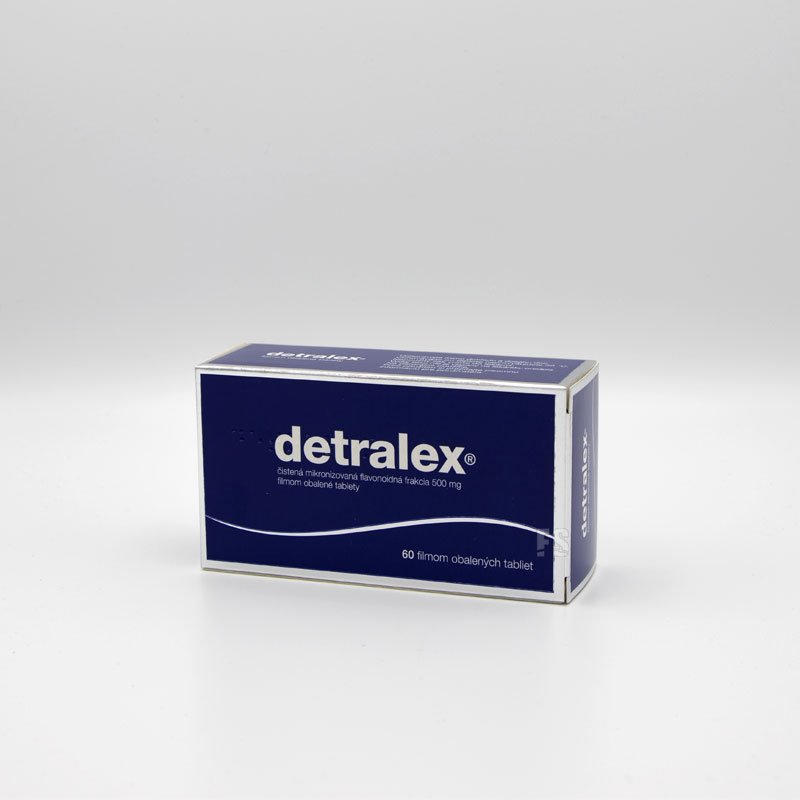
Good health depends on many systems working together effectively. Two areas that can have a significant impact on everyday well-being are the circulatory system and the digestive system. Problems affecting either system may lead to uncomfortable symptoms, changes in daily routines, and concerns about long-term health.
Circulatory and digestive issues can have very different causes, so it is important to understand that medicines designed for one type of condition may not be appropriate for another. Two products that represent different approaches to these health concerns are Detralex and Festal. Understanding their intended roles can help people make more informed decisions about managing specific symptoms.
Why Circulatory Health Matters
The circulatory system transports oxygen, nutrients, hormones, and other substances throughout the body. Veins are particularly important because they return blood from different parts of the body back toward the heart.
When venous circulation is affected, some people may experience symptoms such as leg heaviness, discomfort, swelling, or a feeling of tiredness in the legs. These symptoms can be associated with chronic venous conditions, although there can also be other possible causes.
Lifestyle habits can play an important role in supporting healthy circulation. Regular movement, avoiding prolonged periods of sitting or standing when possible, maintaining a healthy body weight, and following medical recommendations can all contribute to overall circulatory health.
Understanding Detralex
Detralex is a medicine containing a micronized purified flavonoid fraction based on diosmin and hesperidin. The 500 mg tablet contains 450 mg of diosmin and 50 mg of flavonoids expressed as hesperidin.
Detralex is associated with the management of symptoms related to chronic venous disease and is also used for certain hemorrhoidal symptoms. People who want to learn more about the product can review Detralex, including product-specific information and directions for use.
The medicine should be used according to the relevant product instructions. Individuals experiencing persistent leg swelling, pain, or other unusual circulatory symptoms should consider consulting a healthcare professional to determine the underlying cause.
Supporting Better Circulation Through Daily Habits
Medication may be appropriate in certain circumstances, but lifestyle habits remain an important part of maintaining general circulatory health.
Stay Physically Active
Regular walking and other moderate physical activities can help support normal circulation. Movement is particularly useful for people who spend long periods sitting at a desk or standing in one position.
Avoid Long Periods of Inactivity
Sitting for many hours without moving can contribute to discomfort and stiffness. Taking short movement breaks throughout the day can be a simple way to maintain an active routine.
Maintain a Healthy Weight
Maintaining a healthy body weight can support overall cardiovascular and circulatory health. A balanced diet combined with regular physical activity can help establish sustainable habits.
Follow Professional Advice
People with diagnosed venous conditions should follow recommendations provided by their healthcare professionals. Lifestyle measures and prescribed treatments can work together as part of an overall management strategy.
Understanding Digestive Health
The digestive system processes food and helps the body absorb essential nutrients. When digestion does not function comfortably, people may experience symptoms such as bloating, indigestion, fullness, gas, or abdominal discomfort.
Digestive problems can be caused by many factors, including eating habits, stress, food sensitivities, dehydration, certain medicines, and underlying gastrointestinal conditions.
Occasional discomfort may improve through changes in diet and lifestyle, but recurring or severe symptoms should be evaluated by a qualified healthcare professional.
What Is Festal?
Festal is a digestive enzyme product. Digestive enzymes play an important role in breaking down food into components that the body can process and absorb.
People interested in product-specific information can review Festal, including its formulation and directions for use.
Digestive enzyme products are different from medicines designed to treat circulation-related conditions. The appropriate choice depends on the symptoms, their cause, and an individual’s overall health.
Supporting Healthy Digestion
Several everyday habits can contribute to better digestive comfort.
Choose Balanced Meals
A varied diet containing vegetables, fruits, whole grains, appropriate protein sources, and healthy fats can provide important nutrients for general health.
Avoid Overeating
Large meals may contribute to feelings of fullness and discomfort. Moderate portions can be easier for some people to manage.
Drink Enough Water
Adequate hydration supports normal bodily processes, including digestion. Regular water intake is an important part of a healthy routine.
Eat Slowly
Taking time to chew food properly can make meals more comfortable for some people. Eating slowly may also make it easier to recognize when you are full.
Maintain Regular Activity
Physical activity benefits both general health and digestion. Walking and other moderate activities can be incorporated into many daily routines.
Detralex and Festal Have Different Purposes
Although Detralex and Festal may both be discussed when talking about general health, they belong to different categories and are intended for different concerns.
Detralex is associated with the management of symptoms related to venous circulation, while Festal is a digestive enzyme product intended to support digestion. One should not be substituted for the other simply because both are medicines or because a person experiences general discomfort.
Understanding the purpose of a product is particularly important when purchasing or using medicines without direct supervision. Product instructions should always be reviewed carefully.
When Should You Seek Medical Advice?
Persistent symptoms should not simply be treated indefinitely with over-the-counter or commonly available medicines. Professional evaluation can help identify the underlying cause and determine the most appropriate approach.
For circulatory concerns, sudden or significant leg swelling, severe pain, skin color changes, chest pain, or difficulty breathing require appropriate medical attention.
For digestive symptoms, severe abdominal pain, repeated vomiting, blood in the stool or vomit, unexplained weight loss, difficulty swallowing, or significant changes in bowel habits should be medically evaluated.
People should also consider existing medical conditions, allergies, pregnancy or breastfeeding, and other medicines they may be taking before starting a new product.
Taking a Balanced Approach to Health
Maintaining good circulatory and digestive health involves more than relying on medicines. Healthy eating, regular physical activity, adequate hydration, sufficient sleep, and stress management can all contribute to overall well-being.
At the same time, medicines can have an appropriate role when used for their intended purposes. Understanding what a product is designed to do can help people make safer and more informed decisions.
For ongoing symptoms, professional medical guidance is preferable to relying on self-treatment alone.
Conclusion
Circulatory and digestive health are important components of overall well-being, but the symptoms affecting these systems can have many different causes. Detralex is associated with the management of symptoms related to chronic venous conditions, while Festal is a digestive enzyme product intended to support digestion.
Because these products have different purposes, they should not be treated as interchangeable solutions. Maintaining healthy daily habits, understanding product information, and seeking professional advice when symptoms persist or become severe can help people manage their health more responsibly.
This article is for general informational purposes only and does not replace professional medical advice. Always read the relevant product information and consult a qualified healthcare professional when appropriate.

How Technology Is Changing the Way We Learn to Drive

Keeping Dogs Clean After Muddy Outdoor Adventures

Improving Business Operations Through Service and Asset Management

Bond Street Area Rentals: A Neighbourhood Guide for First Time Luxury London Visitors

Supporting Circulatory and Digestive Health: What to Know

Lessons from LeoVegas’s Euro 2016 Sportsbook Launch

The 15 Highest-Paid Rugby Players in the World

Christopher Dare: The Untold Story of Engineer and Former Husband of Angela Rippon

How to Ensure Your Home is Valued Correctly for a Quick Sale

What Is Fanquer? The Digital Creator Platform Transforming Direct-to-Fan Engagement

Dr Jared Ross: Missouri Appeals Court Upholds Protection Order Over Graphic Torture and Murder Threats

Nancy Hallam: The Inspiring Life, Career, and Success Story Behind Ian Wright’s Wife
The 15 Highest-Paid Rugby Players in the World
Christopher Dare: The Untold Story of Engineer and Former Husband of Angela Rippon
How to Ensure Your Home is Valued Correctly for a Quick Sale
What Is Fanquer? The Digital Creator Platform Transforming Direct-to-Fan Engagement
Dr Jared Ross: Missouri Appeals Court Upholds Protection Order Over Graphic Torture and Murder Threats
Nancy Hallam: The Inspiring Life, Career, and Success Story Behind Ian Wright’s Wife
-
 Sports4 months ago
The 15 Highest-Paid Rugby Players in the World
-
Celebrity10 months ago
Christopher Dare: The Untold Story of Engineer and Former Husband of Angela Rippon
-
 Real Estate8 months ago
How to Ensure Your Home is Valued Correctly for a Quick Sale
-
 Technology4 months ago
What Is Fanquer? The Digital Creator Platform Transforming Direct-to-Fan Engagement
-
 Celebrity3 months ago
Dr Jared Ross: Missouri Appeals Court Upholds Protection Order Over Graphic Torture and Murder Threats
-
Celebrity10 months ago
Nancy Hallam: The Inspiring Life, Career, and Success Story Behind Ian Wright’s Wife
-

 Health8 months ago
Enclomimed 25 (Enclomiphene) – Effective PCT Protocol
-
 Celebrity10 months ago
Who Is Maisie Mae Roffey? The Private Life, Family Story, and Quiet Success of Julie Walters’ Daughter