
Car & Rental Services
How Much Does Car Storage Cost in Rochester, NY? A Complete 2025 Pricing Guide


Rochester winters are not gentle on vehicles. Between November and March, road salt accumulates on undercarriages, freeze-thaw cycles stress rubber seals and tires, and prolonged exposure to moisture accelerates rust in ways that are difficult and expensive to reverse. For vehicle owners who drive seasonally — whether that means a classic car, a motorcycle, a luxury vehicle, or simply a second car that sits unused for months — the question of where and how to store that vehicle during winter is a practical one with real financial implications.
The cost of car storage in Rochester varies considerably depending on the type of facility, the level of protection offered, and the duration of storage. Understanding what drives those differences helps vehicle owners make informed decisions rather than choosing based on price alone. This guide breaks down what storage actually costs in 2025, what the pricing reflects in terms of real-world protection, and what factors most commonly affect the final bill.
What Car Storage in Rochester Actually Costs in 2025
Pricing for car storage Rochester residents encounter today reflects a range of facility types, from open outdoor lots to fully enclosed, climate-controlled buildings. The gap between the lowest and highest price points is significant, and that gap exists for legitimate reasons tied to the level of environmental protection a vehicle receives. For anyone researching options, the car storage Rochester pricing breakdown available through Bear Cave Storage provides a useful baseline for what indoor seasonal storage actually costs in this region.
At the lower end of the market, outdoor storage — essentially a secured lot where vehicles are parked and left — typically runs at the lowest monthly rate. These spaces protect a vehicle from theft and vandalism to some degree, but offer no protection from precipitation, temperature swings, or road salt carried in by wind or drainage. For vehicles that are already older, already rusted, or being stored purely for space reasons, this option may be functional. For vehicles where condition matters, it is rarely sufficient.
Indoor storage facilities occupy the middle and upper portions of the pricing range. A basic indoor space inside an unheated warehouse or storage building costs more than outdoor parking but far less than a climate-controlled bay. These spaces block direct precipitation and UV exposure, reduce the rate of rubber degradation, and keep vehicles out of the worst freeze conditions. Climate-controlled environments, where temperature and humidity are actively managed, sit at the top of the pricing range and are primarily relevant for classic cars, high-value vehicles, or any car where paint, leather, or mechanical components are particularly sensitive to temperature fluctuation.
Why Pricing Varies Between Facilities
Not all indoor storage is equal, and the differences in monthly rates reflect real operational differences between facilities. A building that is simply enclosed but unheated has lower utility and maintenance costs than one that actively regulates temperature. Security systems, access controls, liability insurance, and staffing all factor into what a facility charges. When comparing prices across facilities, it is worth asking specifically what is included — some facilities bundle basic insurance coverage into the rate, others do not. Some charge for vehicle access during the storage period, and others allow unlimited in-and-out. These details affect total cost considerably over the course of a six-month storage contract.
Seasonal Contracts vs. Month-to-Month Rates
Most car storage facilities in Rochester offer both seasonal flat-rate contracts and month-to-month pricing. Seasonal contracts, which typically cover the full winter period from late October or November through April, are almost always less expensive on a per-month basis than rolling month-to-month arrangements. For vehicle owners who know their car will sit for the full winter, the seasonal contract generally makes financial sense. Month-to-month pricing exists for situations where the storage duration is uncertain — for example, a vehicle that may be needed earlier in spring depending on weather or personal circumstances.
Vehicle owners should also ask whether seasonal contracts lock in pricing for the full term or whether rates can adjust mid-season. In a period of rising operational costs, some facilities have introduced rate adjustments mid-contract, which can create unexpected costs if not clarified upfront.
What Affects the Total Cost of Storage Beyond the Base Rate
The advertised monthly or seasonal rate is rarely the complete picture. Several factors push the actual cost of car storage higher than the headline price suggests, and understanding them before signing a contract prevents billing surprises.
Vehicle Size and Space Requirements
Most storage facilities price by the vehicle footprint. Standard sedans and compact cars typically fit into the base pricing tier. Larger vehicles — full-size trucks, SUVs, extended wheelbase vehicles, or cars stored with trailers — often require larger bays or additional space allocations, which carry higher rates. This is a straightforward operational reality: larger vehicles occupy more of a facility’s usable square footage, and facilities price accordingly. Vehicle owners storing anything outside the standard footprint should confirm dimensions with the facility before committing.
Preparation Services and Add-Ons
Some facilities offer preparation services as part of storage packages, while others offer them as paid add-ons. Common examples include battery maintenance (keeping a trickle charger connected over the storage period), tire pressure monitoring, basic fluid checks at drop-off and retrieval, and detailing services before or after storage. These services are not universally available, and their value depends on the vehicle and the owner’s own mechanical confidence. For vehicles that have not been properly winterized before storage, preparation services can prevent damage that costs far more to repair than the service itself.
Comparing Outdoor, Indoor, and Climate-Controlled Storage Options
The choice between outdoor, standard indoor, and climate-controlled storage is the single largest factor in how much car storage in Rochester will cost for any given vehicle. Each option represents a different level of environmental management, and each is appropriate for a different type of vehicle and owner priority.
Outdoor Storage: Lower Cost, Higher Exposure Risk
Outdoor storage lots in Rochester expose vehicles to the full range of winter conditions — freezing rain, heavy snow accumulation, road salt drift, UV exposure during spring thaws, and rapid temperature changes. For vehicles where mechanical and cosmetic condition are not primary concerns, this may be an acceptable trade-off at a lower price point. For vehicles where paint condition, rubber integrity, or long-term resale value matter, outdoor storage introduces risks that are difficult to quantify until they become visible problems months or years later.
Standard Indoor Storage: The Middle Ground
A basic enclosed storage space — one that keeps a vehicle out of direct weather without actively managing temperature or humidity — represents the most common choice for Rochester vehicle owners storing seasonal cars. Precipitation, snow, and wind-driven debris are no longer factors. Temperature swings still occur, but the extremes are moderated compared to outdoor exposure. For most well-maintained vehicles stored with proper antifreeze levels, a charged battery or battery tender, and inflated tires, standard indoor storage provides adequate protection at a price point that makes seasonal storage financially practical.
Climate-Controlled Storage: When It’s Worth the Premium
Climate-controlled storage maintains a consistent temperature range and, in better facilities, also manages humidity. This level of control matters most for vehicles with original leather interiors susceptible to cracking in extreme cold, classic cars with older paint systems that respond poorly to temperature cycling, and high-value vehicles where any deterioration affects significant monetary value. The premium over standard indoor storage is real, and for most modern vehicles in good condition, it is not necessary. For vehicles where it is appropriate, however, the premium is modest compared to the cost of repairing the damage that unmanaged climate conditions can cause over a five or six-month storage period.
How to Evaluate a Storage Facility Before Committing
Price comparison alone is an incomplete way to evaluate car storage options. A facility that quotes a lower rate but lacks basic security infrastructure, proper drainage, or adequate liability coverage may cost more in the long run if a vehicle is damaged during the storage period. Before committing to any facility, vehicle owners benefit from visiting in person to assess the physical condition of the building, confirming the facility’s insurance coverage and what it does and does not cover, asking specifically about access policies during the storage period, and understanding the check-in and check-out process including whether a condition inspection is documented at drop-off.
Rochester has a range of facilities across the metro area that offer seasonal car storage, from large commercial self-storage operations to smaller specialty garages. Pricing, service levels, and reliability vary between them, and reputation among local vehicle owners is often a more reliable indicator of actual service quality than advertised rates alone.
Concluding Thoughts on Car Storage Costs in Rochester
For Rochester vehicle owners weighing seasonal storage options in 2025, the core decision is less about finding the lowest price and more about matching the level of protection to the value and condition of the vehicle being stored. Outdoor storage costs less for a reason. Climate-controlled storage costs more for a reason. The middle ground — standard enclosed indoor storage — is where most vehicles are appropriately placed, and where the pricing reflects a reasonable balance between protection and practicality.
Understanding the full cost picture, including base rates, vehicle size factors, insurance adjustments, and any preparation services, allows vehicle owners to budget accurately and avoid surprises. Car storage in Rochester is a seasonal necessity for many households, and treating it as a considered decision rather than an afterthought tends to produce better outcomes for both the vehicle and the wallet over the long term.



Not every BMW driver always thinks about the fact that operating conditions may change slightly in the coming September. This is because the days are already a little shorter, and it gets dark a little earlier, which also means slightly lower temperatures. Also, as usual, there is a little more rain at this time of year than in summer. That is why PartEvo specialists distinguish early autumn as a suitable moment for regular car maintenance and servicing. By performing an initial inspection, you can now assess the wear and tear left over from the summer and at the same time prepare for the period when the car will be exposed to humidity and lower temperatures more often.
After the summer, it is worth starting with fluids
For engine oil, it does not matter that September has begun on the calendar. What is much more important is how the car was operated until then. Long trips, high temperatures and higher engine loads mean different working conditions than short daily routes. This is relevant to both older BMWs with N47 or N55 engines and newer B48 and B58 engines. If the manufacturer’s oil change interval is approaching at the same time, there is little point in moving it to winter, because it is much better to meet winter with fresh oil.
PartEvo specialists recommend checking the coolant level at the same time. A small leak in the summer sometimes only manifests itself in the fact that you have to refill the expansion tank once every few months. This is not the normal operation of a closed cooling system. It is worth looking for the cause earlier. Also, it is often cheaper to carry out all the maintenance at once than to do it separately later.
A chassis check is also necessary
BMW 3 or 5 series cars will not necessarily start to rattle and make all kinds of extraneous sounds after a few thousand kilometres driven in the summer. The first symptom may be completely different and more related to the control of the car. Nevertheless, extraneous sounds can also appear and should not be ignored. It is important to emphasise here that wheel alignment alone is not always the answer.
A worn-out arm bushing or looseness in the suspension also changes the wheel geometry. According to PartEvo experts, before adjusting the alignment, it is first worth making sure that the chassis itself is in order. In any case, if faults are found, chassis components often have to be replaced. So, if certain components have to be replaced, an original BMW part is not the only option. High-quality spare parts from well-known manufacturers can ensure the necessary reliability at a lower price. Their availability is also often better for popular BMW models, so you do not have to leave the car in the service station waiting for a specific component.

Battery problems are better recognised before the cold weather sets in
The BMW energy management system can notice a weakening battery before the driver. For example, the Start-Stop function starts working less often or stops working altogether. Also, sometimes the car displays a message of increased battery discharge, although the engine still starts completely normally and without any major problems.
In the summer, you can not worry about this for a long time. When colder mornings come, the energy reserve becomes much more important, and everyone should understand this. However, it is also important to emphasise that in many more modern BMWs, the IBS sensor monitors the battery condition, and when replacing the battery itself, its replacement must be properly registered in the car’s control system and programmed. Therefore, battery maintenance here is not just about removing the old battery and installing a new one.
Find parts for your BMW cars here: https://partevo.co.uk/catalog/bmw-spare-parts
Car & Rental Services
Navigating the Classic Car Restoration Boom: Sourcing Hard-to-Find Auto Parts in 2024


The automotive industry is witnessing a massive resurgence in classic car restoration throughout 2024. Enthusiasts and collectors are pouring significant capital into preserving vintage vehicles. For auto repair shops, this trend presents a highly lucrative, high-margin business opportunity.
However, capitalizing on this boom requires more than just mechanical expertise. The ability to restore a classic vehicle efficiently depends entirely on the strength of your supply chain. Without reliable access to specialized components, restoration projects face severe delays and eroded profit margins.
The Supply Chain Bottleneck: Why Vintage Parts are Hard to Find
The greatest challenge in the vintage auto repair sector is the chronic shortage of usable parts. Original OEM components have often been out of production for decades. In many cases, the original manufacturing molds have been lost, destroyed, or degraded beyond use.
Historically, mechanics relied heavily on automotive scrap yards to harvest salvageable pieces. Today, this approach is highly inefficient due to depleted inventories and the unpredictable quality of rusted or fatigued metals.
To bypass the severe limitations of salvage yards and depleted inventory, many forward-thinking restoration businesses are turning to specialized overseas manufacturing. For instance, manufacturers like Sunway Autoparts have developed dedicated supply chains for classic car components, utilizing modern production techniques to recreate hard-to-find OEM-standard parts in bulk for B2B distributors and auto repair shops.
Modern Manufacturing to the Rescue: Reverse Engineering and Customization
The integration of modern manufacturing technologies has revolutionized the B2B auto parts supply chain. Techniques such as reverse engineering and 3D scanning allow engineers to digitally map an aging component with micron-level accuracy.
Once the digital blueprint is perfected, manufacturers utilize advanced CNC machining and state-of-the-art metallurgy to produce exact replicas. This ensures that the new parts seamlessly fit into classic chassis without requiring manual modifications by the mechanic.
Furthermore, this technology allows for scalable bulk production. Distributors can now stock up on highly demanded vintage parts, ensuring that repair shops experience minimal downtime when servicing collector vehicles.
Sourcing Comparison: Traditional vs. Modern Manufacturing
| Dimension | Traditional Sourcing (Salvage Yards) | Modern Specialized Manufacturing |
| Cost-efficiency | High hidden labor costs for part refurbishment. | High efficiency due to economies of scale. |
| Scalability | Extremely low; limited by localized inventory. | High standardized bulk ordering available. |
| Quality Control | Unpredictable; relies on visual inspection. | Rigorous; backed by modern testing standards. |
| Lead Time | Unreliable; involves hours of scavenging. | Predictable production and shipping schedules. |
OEM vs. Aftermarket for Classic Vehicles: What Buyers Need to Know
In the classic car community, the debate between original parts and aftermarket replacements is ongoing. While purists historically preferred original pieces, the reality of 2024 dictates a more pragmatic approach.
Decades-old original parts suffer from natural material degradation, micro-fractures, and metal fatigue. Installing these into a restored vehicle can compromise both the safety of the driver and the structural integrity of the car.
Conversely, high-quality aftermarket parts manufactured today often exceed original OEM standards. Modern alloys are more resistant to corrosion, and contemporary manufacturing tolerances are far tighter than those used in the 1960s or 1970s.
Vetting a B2B Auto Parts Manufacturer for Your Supply Chain
For B2B distributors and restoration shop owners, partnering with the right manufacturer is critical. You must evaluate potential suppliers on several strict criteria to ensure long-term supply chain stability.
- Minimum Order Quantities (MOQ): Ensure the manufacturer offers flexible MOQs that align with your inventory capacity and cash flow.
- Global Logistics: Verify their track record regarding shipping times, customs handling, and supply chain resilience during disruptions.
- Material Certification: Demand transparency regarding the specific metal alloys and composites used in their manufacturing process.
When evaluating a long-term supply partner for vintage auto parts, quality assurance cannot be compromised. Ensuring that the manufacturer adheres to strict international quality management standards, such as the ISO 9000 family of standards, guarantees that the aftermarket replacement parts will meet the safety and performance benchmarks required for roadworthy classic restorations.
Ultimately, establishing a robust, modern supply chain is the key to thriving in the competitive classic car restoration market today.

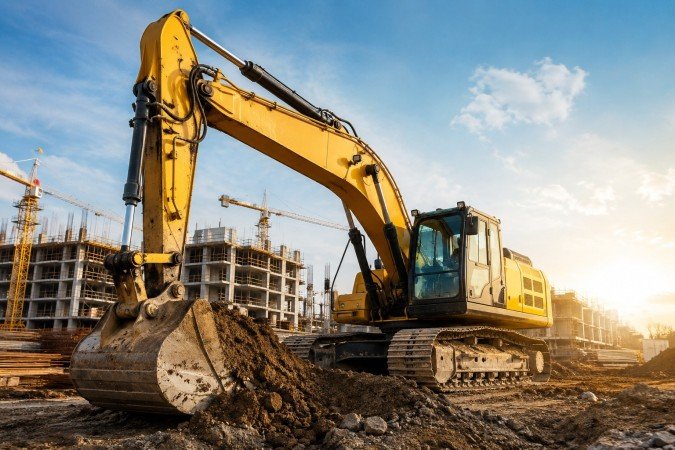
In the dynamic field of construction, the demand for efficient, versatile, and cost-effective machinery is higher than ever. One excellent solution that contractors are turning to is excavator rental. Utilising rental services can provide substantial advantages in terms of operational efficiency and financial savings.
Maximised Cost-Effectiveness
Renting an excavator can dramatically reduce overall project costs. Purchasing heavy machinery requires significant upfront investment, whereas rental options allow for the allocation of resources according to specific project needs. This flexibility can be especially beneficial for short-term projects where the machinery is not needed beyond the immediate scope.
Access to a Range of Equipment
Excavator rental services often offer a wide array of machinery options, ensuring that the specific needs of a project can be met with precision. Whether a project requires a mini excavator for tighter spaces or a larger model for substantial excavation, rental services provide access to a broad selection of up-to-date equipment.
Maintenance and Repair Savings
Maintenance is a significant part of owning heavy machinery. However, with rented equipment, the onus of maintenance and repairs generally falls on the rental service provider. This can lead to substantial savings and ensure that equipment used on site is always in optimal condition, reducing downtime and enhancing productivity.
Flexibility in Rental Terms
Another crucial advantage of excavator rental is the flexibility in terms. Construction projects are often subject to changes in scope and timeline. Rental agreements can be tailored to accommodate these changes, whether the need is for short-term use or an extended rental period. This flexibility allows construction firms to adapt without the financial strain of ownership.
Advanced Technology and New Models
The construction industry frequently updates technology and equipment models to improve efficiency and comply with regulations. Renting excavators enables firms to utilise the latest models with advanced features, without the need for a significant initial investment or the risk of equipment obsolescence.
Minimised Storage Hassles
Owning large machinery necessitates secure storage solutions, which can be costly and logistically challenging. Renting eliminates the need for permanent storage, as equipment can be returned upon completion of the project, freeing up valuable space and resources.
Enhanced Safety Features
Modern excavators come equipped with enhanced safety features, and by renting, contractors can ensure they are using the safest, most current equipment available. This reduces the risk of accidents and promotes a safer working environment, which is paramount in any construction setting.
Environmental Considerations
With rising awareness regarding environmental impact, construction projects are increasingly required to adhere to sustainable practices. Renting equipment ensures access to the most eco-friendly and efficient models, allowing companies to meet environmental guidelines and reduce their carbon footprint.
Trial Before Purchase
For companies considering long-term investment in machinery, rental provides an opportunity to trial different models to determine which best meets their needs. This approach allows for thorough evaluation without the financial commitment of a purchase.
Up-to-Date Compliance
Construction regulations and standards evolve continuously. Renting ensures access to equipment that meets the latest safety and efficiency standards, which reduces the risk of compliance issues that can arise with outdated machinery.
Operational Training Opportunities
Many rental services provide operational training as part of their package. This ensures that operators are well-versed in the latest technologies and safety protocols, thus enhancing overall site productivity and safety.
Support and Expertise Access
Renting from a reputable provider often includes the added benefit of expert support and guidance. Providers can offer insights into the most suitable equipment for specific tasks, helping optimise project outcomes.
Tax Benefits
Operating costs related to rented equipment can be deductible as business expenses. This provides a tax advantage over owning where depreciation might be slower to claim and less beneficial over time.
Improved Focus on Core Business Activities
By outsourcing machinery needs to rental companies, construction firms can focus more on their core business activities rather than being consumed by equipment management challenges, thus streamlining operations.
Summary
Choosing excavator rental is a strategic decision for construction firms aiming for efficiency, cost-effectiveness, and operational excellence. With numerous advantages ranging from economic savings to technological advancements, renting offers a comprehensive solution for modern construction challenges.

6 Best Lodges For Sale: Find Your Perfect Retreat

Unlocking the Best Deals with Rayslocker: Your Ultimate Guide to Affordable Shopping

Maximizing Utility and Security: The Ultimate Guide to UTE Tool Boxes

How to Read a Property Report Like a Pro

What Happenes to Your Muscles After a Workout? Understanding the Recovery Process

What Hospital Grade Breast Pump Means Before You Choose

The 15 Highest-Paid Rugby Players in the World

Christopher Dare: The Untold Story of Engineer and Former Husband of Angela Rippon

How to Ensure Your Home is Valued Correctly for a Quick Sale

What Is Fanquer? The Digital Creator Platform Transforming Direct-to-Fan Engagement

Dr Jared Ross: Missouri Appeals Court Upholds Protection Order Over Graphic Torture and Murder Threats

Nancy Hallam: The Inspiring Life, Career, and Success Story Behind Ian Wright’s Wife
The 15 Highest-Paid Rugby Players in the World
Christopher Dare: The Untold Story of Engineer and Former Husband of Angela Rippon
How to Ensure Your Home is Valued Correctly for a Quick Sale
What Is Fanquer? The Digital Creator Platform Transforming Direct-to-Fan Engagement
Dr Jared Ross: Missouri Appeals Court Upholds Protection Order Over Graphic Torture and Murder Threats
Nancy Hallam: The Inspiring Life, Career, and Success Story Behind Ian Wright’s Wife
-
 Sports4 months ago
The 15 Highest-Paid Rugby Players in the World
-
Celebrity10 months ago
Christopher Dare: The Untold Story of Engineer and Former Husband of Angela Rippon
-
 Real Estate8 months ago
How to Ensure Your Home is Valued Correctly for a Quick Sale
-
 Technology4 months ago
What Is Fanquer? The Digital Creator Platform Transforming Direct-to-Fan Engagement
-
 Celebrity4 months ago
Dr Jared Ross: Missouri Appeals Court Upholds Protection Order Over Graphic Torture and Murder Threats
-
Celebrity11 months ago
Nancy Hallam: The Inspiring Life, Career, and Success Story Behind Ian Wright’s Wife
-

 Health8 months ago
Enclomimed 25 (Enclomiphene) – Effective PCT Protocol
-
 Celebrity10 months ago
Who Is Maisie Mae Roffey? The Private Life, Family Story, and Quiet Success of Julie Walters’ Daughter