
Car & Rental Services
The Complete Buyer’s Guide to Paint Curing Systems for US Auto Body and Industrial Shops (2026 Edition)

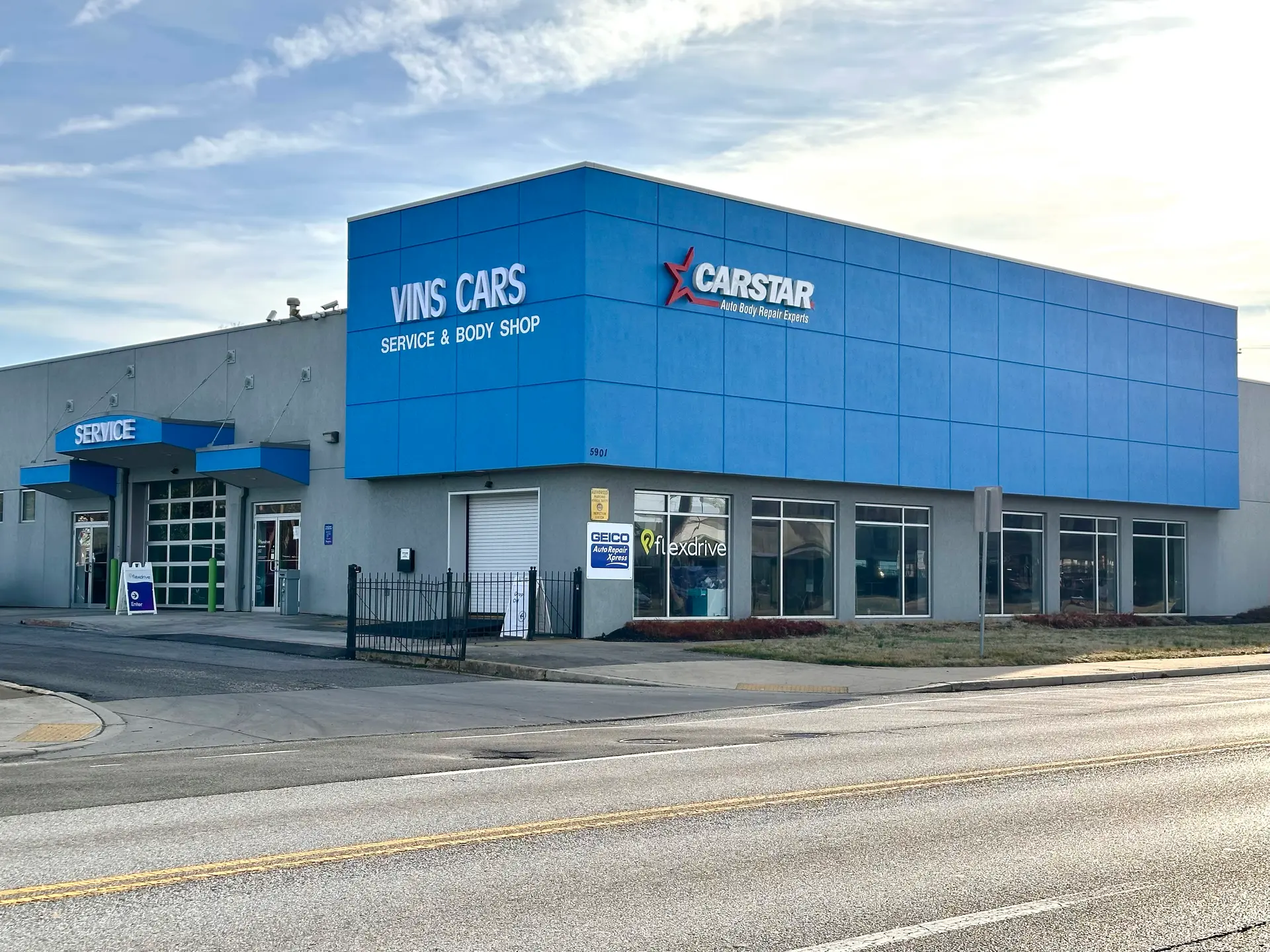
Finishing quality in auto body and industrial coating work is not determined solely by the paint product itself. It depends heavily on how that paint is cured after application. For shops working under production pressure, the curing stage is where inconsistency tends to appear — and where it tends to cost the most. Bubbling, soft coatings, adhesion failures, and return work often trace back not to the product, but to the method and equipment used to set it.
In 2026, the range of curing technologies available to US shops has expanded considerably. Infrared systems, convection setups, UV curing units, and combination approaches each serve different operational contexts. Choosing between them is not a matter of finding the best technology in the abstract. It is a matter of matching the right system to the actual workflow, substrate types, coating products, and throughput requirements of a specific shop environment.
This guide is written for shop owners, operations managers, and equipment buyers who are preparing to invest in or upgrade their curing infrastructure. It does not assume any prior equipment knowledge, but it does assume that the reader is dealing with real operational constraints and is looking for grounded, practical information to support a sound purchasing decision.
What Paint Curing Systems Actually Do and Why the Distinction Matters
Most finishing professionals understand that paint needs to dry before a vehicle or part can be handled. What is less commonly discussed is the difference between drying and curing. Drying refers to surface-level evaporation — the point at which a coating no longer transfers to the touch. Curing refers to the chemical cross-linking that gives a coating its final hardness, adhesion strength, and durability. A surface can appear dry long before it is structurally sound.
This distinction is operationally important because paint curing systems are designed specifically to drive the curing process — not just to accelerate surface drying. A shop that relies solely on ambient conditions or basic airflow to set its coatings is often achieving surface dry without full cure, which means the coating is more vulnerable to damage during handling, polishing, or reassembly. Understanding the range of paint curing systems currently available helps shops make decisions based on the actual performance requirements of their coating process, not just on equipment price or familiarity.
The Role of Heat in the Curing Process
Heat is the primary driver in most commercial curing processes. When the coating and substrate reach the appropriate temperature range, the chemical reaction that binds the coating to the surface accelerates significantly. This shortens cycle times, reduces the window during which airborne contaminants can settle into wet paint, and produces a more consistent finish across the entire surface area.
The challenge is delivering heat evenly. Uneven heat distribution leads to inconsistent cure — some areas reach full hardness while others remain slightly undercured. This shows up as variation in gloss, texture, or long-term durability. The method by which heat is delivered to the surface is what differentiates one type of system from another, and it directly affects how reliably a shop can reproduce quality across successive jobs.
The Main Types of Curing Technology in Commercial Use
Commercial curing equipment falls into several broad categories, each with a distinct mechanism for transferring energy to the coated surface. The right choice depends on the substrate, the coating chemistry, the available floor space, and the production model of the shop.
Infrared Curing Systems
Infrared curing works by emitting radiant energy that penetrates the coating and heats the substrate from within. This is a meaningful difference from systems that heat the surrounding air. Because the energy is directed at the surface rather than the environment, infrared systems typically reach working temperature faster and deliver more of their energy to the coating itself rather than to the surrounding space.
Infrared units are available in portable configurations suitable for spot repairs and panel work, as well as in larger fixed or overhead configurations for full-vehicle or batch curing. Short-wave, medium-wave, and long-wave infrared units behave differently in terms of penetration depth and heat distribution, and the appropriate choice depends on the coating thickness and substrate type being processed.
Convection Curing Booths
Convection systems heat the air inside an enclosed spray booth or curing chamber, which then transfers heat to the coated surface through contact with warm air circulating around it. This is the traditional approach used in full-size spray booths and remains the most common setup in larger production body shops.
Convection curing is effective for full-vehicle refinishing where uniform ambient heat is needed across large, complex surfaces. The limitation is time — convection systems take longer to bring a substrate up to cure temperature, and the efficiency of heat transfer is lower compared to radiant methods. For shops with high throughput demands or limited booth time, convection alone can become a bottleneck.
UV Curing Systems
Ultraviolet curing uses specific wavelengths of light to trigger a photochemical reaction in compatible coating products. Cure times using UV equipment can be extremely short, making it well-suited to production environments with repetitive, standardized work on flat or simple surfaces.
The constraint with UV curing is that it requires coatings specifically formulated for UV activation. It also performs less predictably on recessed areas, curved surfaces, or geometries where the UV light source cannot maintain consistent exposure. For shops working with a narrow range of standardized coatings on accessible surfaces, UV equipment can be highly efficient. For general refinishing work across varied substrates and geometries, its application is more limited.
Evaluating System Fit for Your Shop’s Production Model
A curing system that performs well in one shop environment may be poorly suited to another. The decision involves more than comparing equipment specifications. It requires an honest assessment of how your shop actually operates — the mix of repair types you handle, the volume and pace of work moving through the booth, and the coating products you are committed to using.
Repair Type and Surface Complexity
Shops that primarily handle spot repairs and panel replacements have different requirements than facilities running full respray work or industrial component finishing. Spot repair work benefits from portable, targeted curing equipment that can be positioned precisely over the repair area without requiring the entire vehicle to occupy a curing space. Full-vehicle and batch refinishing work typically requires a more enclosed, whole-space approach.
Surface complexity also matters. Deep recesses, undercarriage areas, and irregular geometries behave differently under radiant heat compared to flat, open surfaces. A system that works efficiently on a hood panel may deliver inconsistent results inside a door jamb or around complex body contours unless the equipment is positioned and used with those geometries in mind.
Throughput and Cycle Time Pressure
In high-volume shops, the time a vehicle spends in the curing phase directly affects total capacity. Reducing cure time by even a modest amount per vehicle can meaningfully increase the number of jobs completed in a given period. This makes the efficiency of the curing method a production planning consideration, not just a quality consideration.
Shops operating with a single booth face particular pressure here. Every additional minute spent curing one vehicle is a minute that space is unavailable for the next job. Faster cure technologies, or combinations that allow staged curing outside the spray booth, can reduce this constraint and improve overall shop flow without requiring physical expansion.
Safety, Installation, and Operational Compliance
Curing equipment operates with heat, electrical systems, and in some cases UV radiation — all within environments that may contain solvent vapors from coating products. Safe operation depends on proper equipment selection, correct installation, and ongoing operational discipline.
In the United States, auto body and industrial finishing operations are subject to regulations from the Occupational Safety and Health Administration, which sets standards for ventilation, flammable materials handling, and worker exposure in finishing environments. Any curing system must be compatible with the ventilation and airflow conditions of the space in which it is installed, and staff must understand the safe operating procedures specific to that equipment type.
The OSHA spray finishing standards outline requirements that apply to many shop environments where curing equipment is in use. Reviewing these standards before finalizing equipment decisions helps avoid compliance gaps that could result in citations or insurance complications.
Electrical and Facility Requirements
Larger curing systems, particularly fixed infrared arrays and full convection booth retrofits, carry significant electrical load requirements. Before purchasing equipment, shops should confirm that their facility’s electrical infrastructure can support the additional draw without modifications that would substantially increase installation cost. Portable infrared units tend to have more flexible power requirements, making them easier to deploy without facility upgrades.
Long-Term Cost Considerations Beyond the Purchase Price
The upfront cost of curing equipment is one factor in the buying decision, but it rarely represents the complete picture. Operating costs — primarily energy consumption — vary significantly between system types. Infrared systems that heat targeted surfaces rather than an entire enclosed space tend to consume less energy per cure cycle than full convection booth operation. Over a full year of production, this difference accumulates.
Maintenance requirements also vary. Systems with simpler designs and fewer moving components tend to have lower maintenance burdens and longer service intervals. Lamp replacement in infrared units is a predictable ongoing cost, and sourcing reliable replacement components should be part of the vendor evaluation process before purchase.
Warranty terms, technical support availability, and the supplier’s track record in the industry all factor into the practical ownership experience. Equipment that performs reliably and can be serviced quickly when issues arise is worth more in a production environment than marginally cheaper equipment with inconsistent support.
Conclusion: Making a Decision That Supports Production Reliability
Choosing a paint curing system is ultimately a decision about production reliability. The right system reduces variability in finish quality, shortens cycle times, and supports consistent output across different operators and conditions. The wrong system — even if well-built — creates friction when it does not match the actual demands of the work being done.
Before approaching vendors or comparing specifications, shops benefit from establishing a clear picture of their current workflow: the types of repairs handled most frequently, the coatings in use, the physical layout of the workspace, and the throughput goals they are trying to meet. That clarity makes the evaluation process more efficient and reduces the risk of investing in equipment that does not perform as expected in a real production context.
The market for curing equipment is mature and well-served by established suppliers, but the volume of available options makes it easy to be pulled toward features that may not be relevant to a specific operation. Grounding the decision in operational reality — rather than specifications or marketing claims — is the most reliable path to a purchase that serves the shop well over time.



Not every BMW driver always thinks about the fact that operating conditions may change slightly in the coming September. This is because the days are already a little shorter, and it gets dark a little earlier, which also means slightly lower temperatures. Also, as usual, there is a little more rain at this time of year than in summer. That is why PartEvo specialists distinguish early autumn as a suitable moment for regular car maintenance and servicing. By performing an initial inspection, you can now assess the wear and tear left over from the summer and at the same time prepare for the period when the car will be exposed to humidity and lower temperatures more often.
After the summer, it is worth starting with fluids
For engine oil, it does not matter that September has begun on the calendar. What is much more important is how the car was operated until then. Long trips, high temperatures and higher engine loads mean different working conditions than short daily routes. This is relevant to both older BMWs with N47 or N55 engines and newer B48 and B58 engines. If the manufacturer’s oil change interval is approaching at the same time, there is little point in moving it to winter, because it is much better to meet winter with fresh oil.
PartEvo specialists recommend checking the coolant level at the same time. A small leak in the summer sometimes only manifests itself in the fact that you have to refill the expansion tank once every few months. This is not the normal operation of a closed cooling system. It is worth looking for the cause earlier. Also, it is often cheaper to carry out all the maintenance at once than to do it separately later.
A chassis check is also necessary
BMW 3 or 5 series cars will not necessarily start to rattle and make all kinds of extraneous sounds after a few thousand kilometres driven in the summer. The first symptom may be completely different and more related to the control of the car. Nevertheless, extraneous sounds can also appear and should not be ignored. It is important to emphasise here that wheel alignment alone is not always the answer.
A worn-out arm bushing or looseness in the suspension also changes the wheel geometry. According to PartEvo experts, before adjusting the alignment, it is first worth making sure that the chassis itself is in order. In any case, if faults are found, chassis components often have to be replaced. So, if certain components have to be replaced, an original BMW part is not the only option. High-quality spare parts from well-known manufacturers can ensure the necessary reliability at a lower price. Their availability is also often better for popular BMW models, so you do not have to leave the car in the service station waiting for a specific component.

Battery problems are better recognised before the cold weather sets in
The BMW energy management system can notice a weakening battery before the driver. For example, the Start-Stop function starts working less often or stops working altogether. Also, sometimes the car displays a message of increased battery discharge, although the engine still starts completely normally and without any major problems.
In the summer, you can not worry about this for a long time. When colder mornings come, the energy reserve becomes much more important, and everyone should understand this. However, it is also important to emphasise that in many more modern BMWs, the IBS sensor monitors the battery condition, and when replacing the battery itself, its replacement must be properly registered in the car’s control system and programmed. Therefore, battery maintenance here is not just about removing the old battery and installing a new one.
Find parts for your BMW cars here: https://partevo.co.uk/catalog/bmw-spare-parts
Car & Rental Services
Navigating the Classic Car Restoration Boom: Sourcing Hard-to-Find Auto Parts in 2024


The automotive industry is witnessing a massive resurgence in classic car restoration throughout 2024. Enthusiasts and collectors are pouring significant capital into preserving vintage vehicles. For auto repair shops, this trend presents a highly lucrative, high-margin business opportunity.
However, capitalizing on this boom requires more than just mechanical expertise. The ability to restore a classic vehicle efficiently depends entirely on the strength of your supply chain. Without reliable access to specialized components, restoration projects face severe delays and eroded profit margins.
The Supply Chain Bottleneck: Why Vintage Parts are Hard to Find
The greatest challenge in the vintage auto repair sector is the chronic shortage of usable parts. Original OEM components have often been out of production for decades. In many cases, the original manufacturing molds have been lost, destroyed, or degraded beyond use.
Historically, mechanics relied heavily on automotive scrap yards to harvest salvageable pieces. Today, this approach is highly inefficient due to depleted inventories and the unpredictable quality of rusted or fatigued metals.
To bypass the severe limitations of salvage yards and depleted inventory, many forward-thinking restoration businesses are turning to specialized overseas manufacturing. For instance, manufacturers like Sunway Autoparts have developed dedicated supply chains for classic car components, utilizing modern production techniques to recreate hard-to-find OEM-standard parts in bulk for B2B distributors and auto repair shops.
Modern Manufacturing to the Rescue: Reverse Engineering and Customization
The integration of modern manufacturing technologies has revolutionized the B2B auto parts supply chain. Techniques such as reverse engineering and 3D scanning allow engineers to digitally map an aging component with micron-level accuracy.
Once the digital blueprint is perfected, manufacturers utilize advanced CNC machining and state-of-the-art metallurgy to produce exact replicas. This ensures that the new parts seamlessly fit into classic chassis without requiring manual modifications by the mechanic.
Furthermore, this technology allows for scalable bulk production. Distributors can now stock up on highly demanded vintage parts, ensuring that repair shops experience minimal downtime when servicing collector vehicles.
Sourcing Comparison: Traditional vs. Modern Manufacturing
| Dimension | Traditional Sourcing (Salvage Yards) | Modern Specialized Manufacturing |
| Cost-efficiency | High hidden labor costs for part refurbishment. | High efficiency due to economies of scale. |
| Scalability | Extremely low; limited by localized inventory. | High standardized bulk ordering available. |
| Quality Control | Unpredictable; relies on visual inspection. | Rigorous; backed by modern testing standards. |
| Lead Time | Unreliable; involves hours of scavenging. | Predictable production and shipping schedules. |
OEM vs. Aftermarket for Classic Vehicles: What Buyers Need to Know
In the classic car community, the debate between original parts and aftermarket replacements is ongoing. While purists historically preferred original pieces, the reality of 2024 dictates a more pragmatic approach.
Decades-old original parts suffer from natural material degradation, micro-fractures, and metal fatigue. Installing these into a restored vehicle can compromise both the safety of the driver and the structural integrity of the car.
Conversely, high-quality aftermarket parts manufactured today often exceed original OEM standards. Modern alloys are more resistant to corrosion, and contemporary manufacturing tolerances are far tighter than those used in the 1960s or 1970s.
Vetting a B2B Auto Parts Manufacturer for Your Supply Chain
For B2B distributors and restoration shop owners, partnering with the right manufacturer is critical. You must evaluate potential suppliers on several strict criteria to ensure long-term supply chain stability.
- Minimum Order Quantities (MOQ): Ensure the manufacturer offers flexible MOQs that align with your inventory capacity and cash flow.
- Global Logistics: Verify their track record regarding shipping times, customs handling, and supply chain resilience during disruptions.
- Material Certification: Demand transparency regarding the specific metal alloys and composites used in their manufacturing process.
When evaluating a long-term supply partner for vintage auto parts, quality assurance cannot be compromised. Ensuring that the manufacturer adheres to strict international quality management standards, such as the ISO 9000 family of standards, guarantees that the aftermarket replacement parts will meet the safety and performance benchmarks required for roadworthy classic restorations.
Ultimately, establishing a robust, modern supply chain is the key to thriving in the competitive classic car restoration market today.

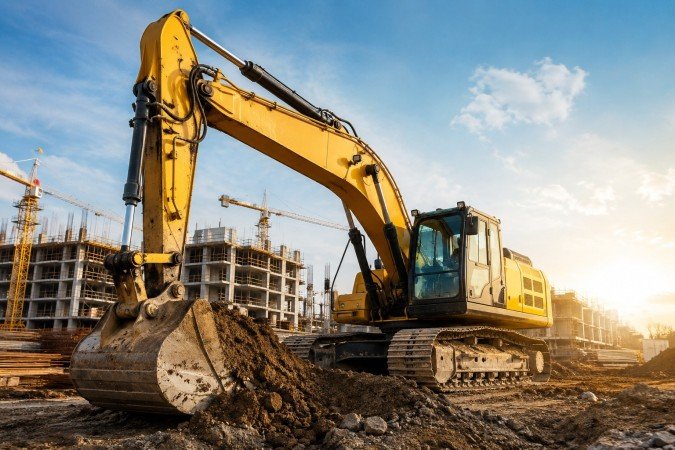
In the dynamic field of construction, the demand for efficient, versatile, and cost-effective machinery is higher than ever. One excellent solution that contractors are turning to is excavator rental. Utilising rental services can provide substantial advantages in terms of operational efficiency and financial savings.
Maximised Cost-Effectiveness
Renting an excavator can dramatically reduce overall project costs. Purchasing heavy machinery requires significant upfront investment, whereas rental options allow for the allocation of resources according to specific project needs. This flexibility can be especially beneficial for short-term projects where the machinery is not needed beyond the immediate scope.
Access to a Range of Equipment
Excavator rental services often offer a wide array of machinery options, ensuring that the specific needs of a project can be met with precision. Whether a project requires a mini excavator for tighter spaces or a larger model for substantial excavation, rental services provide access to a broad selection of up-to-date equipment.
Maintenance and Repair Savings
Maintenance is a significant part of owning heavy machinery. However, with rented equipment, the onus of maintenance and repairs generally falls on the rental service provider. This can lead to substantial savings and ensure that equipment used on site is always in optimal condition, reducing downtime and enhancing productivity.
Flexibility in Rental Terms
Another crucial advantage of excavator rental is the flexibility in terms. Construction projects are often subject to changes in scope and timeline. Rental agreements can be tailored to accommodate these changes, whether the need is for short-term use or an extended rental period. This flexibility allows construction firms to adapt without the financial strain of ownership.
Advanced Technology and New Models
The construction industry frequently updates technology and equipment models to improve efficiency and comply with regulations. Renting excavators enables firms to utilise the latest models with advanced features, without the need for a significant initial investment or the risk of equipment obsolescence.
Minimised Storage Hassles
Owning large machinery necessitates secure storage solutions, which can be costly and logistically challenging. Renting eliminates the need for permanent storage, as equipment can be returned upon completion of the project, freeing up valuable space and resources.
Enhanced Safety Features
Modern excavators come equipped with enhanced safety features, and by renting, contractors can ensure they are using the safest, most current equipment available. This reduces the risk of accidents and promotes a safer working environment, which is paramount in any construction setting.
Environmental Considerations
With rising awareness regarding environmental impact, construction projects are increasingly required to adhere to sustainable practices. Renting equipment ensures access to the most eco-friendly and efficient models, allowing companies to meet environmental guidelines and reduce their carbon footprint.
Trial Before Purchase
For companies considering long-term investment in machinery, rental provides an opportunity to trial different models to determine which best meets their needs. This approach allows for thorough evaluation without the financial commitment of a purchase.
Up-to-Date Compliance
Construction regulations and standards evolve continuously. Renting ensures access to equipment that meets the latest safety and efficiency standards, which reduces the risk of compliance issues that can arise with outdated machinery.
Operational Training Opportunities
Many rental services provide operational training as part of their package. This ensures that operators are well-versed in the latest technologies and safety protocols, thus enhancing overall site productivity and safety.
Support and Expertise Access
Renting from a reputable provider often includes the added benefit of expert support and guidance. Providers can offer insights into the most suitable equipment for specific tasks, helping optimise project outcomes.
Tax Benefits
Operating costs related to rented equipment can be deductible as business expenses. This provides a tax advantage over owning where depreciation might be slower to claim and less beneficial over time.
Improved Focus on Core Business Activities
By outsourcing machinery needs to rental companies, construction firms can focus more on their core business activities rather than being consumed by equipment management challenges, thus streamlining operations.
Summary
Choosing excavator rental is a strategic decision for construction firms aiming for efficiency, cost-effectiveness, and operational excellence. With numerous advantages ranging from economic savings to technological advancements, renting offers a comprehensive solution for modern construction challenges.

Why Your Headphones Pick Up the Whole Office on Calls

Transform Your Skin with RF Microneedling: Discover the Benefits at Elite Body Contouring

Revolutionizing Precision: The Advantages of Fiber Optic Laser Cutting with Macro Weld

Stunning Spring Carnival Dresses to Elevate Your Style This Season

Top Cricket Equipment Essentials Every School Should Have

Innovative Architects in Sydney: Designing Your Dream Space with Shore Architects

How to Ensure Your Home is Valued Correctly for a Quick Sale

Christopher Dare: The Untold Story of Engineer and Former Husband of Angela Rippon

The 15 Highest-Paid Rugby Players in the World

What Is Fanquer? The Digital Creator Platform Transforming Direct-to-Fan Engagement

Dr Jared Ross: Missouri Appeals Court Upholds Protection Order Over Graphic Torture and Murder Threats

Nancy Hallam: The Inspiring Life, Career, and Success Story Behind Ian Wright’s Wife
How to Ensure Your Home is Valued Correctly for a Quick Sale
Christopher Dare: The Untold Story of Engineer and Former Husband of Angela Rippon
The 15 Highest-Paid Rugby Players in the World
What Is Fanquer? The Digital Creator Platform Transforming Direct-to-Fan Engagement
Dr Jared Ross: Missouri Appeals Court Upholds Protection Order Over Graphic Torture and Murder Threats
Nancy Hallam: The Inspiring Life, Career, and Success Story Behind Ian Wright’s Wife
-
 Real Estate9 months ago
How to Ensure Your Home is Valued Correctly for a Quick Sale
-
Celebrity11 months ago
Christopher Dare: The Untold Story of Engineer and Former Husband of Angela Rippon
-
 Sports5 months ago
The 15 Highest-Paid Rugby Players in the World
-
 Technology5 months ago
What Is Fanquer? The Digital Creator Platform Transforming Direct-to-Fan Engagement
-
 Celebrity5 months ago
Dr Jared Ross: Missouri Appeals Court Upholds Protection Order Over Graphic Torture and Murder Threats
-
Celebrity12 months ago
Nancy Hallam: The Inspiring Life, Career, and Success Story Behind Ian Wright’s Wife
-

 Celebrity8 months ago
Who Is Azriel Crews? Inside the Life and Career of Terry Crews’ Daughter
-
 Celebrity11 months ago
Who Is Maisie Mae Roffey? The Private Life, Family Story, and Quiet Success of Julie Walters’ Daughter