
Ai & Tools
How Creators Can Prepare for Seedance 2.5 Before Wider Availability


AI video is moving into a more practical phase. Before Seedance 2.5 becomes widely available, creators can already prepare the prompts, references and review habits that will make testing more useful.
AI video has reached an interesting point. The early excitement was easy to understand: type a prompt, wait a short while and watch a scene appear. But creators quickly learned that a good-looking clip is not always the same as a usable clip. Products drift. Characters change. Camera movement looks impressive but misses the story. A short draft can be fun to share and still be hard to build on.
That is why the next stage of AI video is less about surprise and more about preparation. Creators, small brands and content teams need outputs that can survive review, revision and publishing. They need a way to turn ideas into first drafts without losing the details that make the work feel intentional.
The conversation around Seedance 2.5 fits this moment. The page presents it as a coming Seedance model focused on longer clips, richer multimodal references and more controllable editing after generation. Since wider access is still ahead, the most useful approach is not to treat every preview detail as a final verdict. It is to prepare a clear testing workflow now.

Start With a Real Use Case
A common mistake with new AI video tools is testing them with a fantasy prompt that looks exciting but says very little about everyday use. A flying city, a dramatic battle or a glossy abstract scene may show visual ability, but it rarely tells a creator whether the tool can support actual work.
A better test starts with a real content need. That might be a product teaser, a short brand story, a social ad concept, a landing page video, a training example or a storyboard for a client pitch. The point is simple: if the test brief resembles the work you actually do, the result will tell you much more.
For example, an ecommerce team could test a product video where the packaging must stay consistent. A creator could test a 20- to 30-second visual story with a beginning, middle and end. A marketing team could test whether a scene can carry the same brand mood across several camera moves.
Prepare References Before Prompts
Text is useful, but it is not always precise. A prompt can describe “a clean premium product scene,” but that phrase may mean different things to different models. One output may look like a studio ad, another like a lifestyle shot, and another like a generic stock video.
References help reduce that gap. Product photos, mood images, short clips, style frames and audio cues can give the model more concrete direction. The Seedance 2.5 page highlights richer multimodal reference inputs, which is one of the reasons creators are watching it closely. If references become easier to combine, the workflow may become less dependent on guesswork.
Before testing, creators should collect a small reference pack. It does not need to be huge. A useful pack may include one main subject image, one style reference, one motion reference and one short note explaining the intended mood. Too many unrelated assets can confuse the direction; a few strong references usually work better.
Think in Scenes, Not Just Prompts
Longer AI video changes how creators should write. A single sentence may be enough for a four-second visual test, but it is rarely enough for a longer clip. A longer draft needs pacing. It needs a clear opening. It needs a middle action. It needs an ending that feels planned.
This is where scene planning becomes important. Instead of writing one loose prompt, creators can write a short sequence: what happens in the first few seconds, what changes next, where the camera moves and how the scene should close. The aim is not to overcomplicate the process. It is to make the model follow a clearer path.
A simple structure works well:
- Opening: establish the subject, setting and mood.
- Middle: introduce motion, transformation or product detail.
- Ending: land on the message, visual result or final frame.
This matters because many creators do not only need a beautiful frame. They need a clip that explains something, sells an idea or helps someone make a decision.
Check Consistency Before Judging Quality
Visual quality is easy to notice first, but consistency is often more important. A clip can look cinematic and still fail if the subject changes shape halfway through. A product can look polished in one moment and slightly wrong in the next. A character can move well but lose identity between scenes.
When testing any AI video model, creators should review consistency before they judge the clip as usable. Does the subject remain stable? Does the lighting match the intended mood? Does the camera support the story? Does the output feel like one continuous idea rather than several unrelated moments?
This is one reason a Seedance 2.5 creator testing checklist is helpful. The goal is not to chase a perfect first generation. The goal is to understand which parts of the workflow are reliable, which parts need better references and which parts still need manual editing.
Plan for Revision
Good creative work rarely happens in one pass. A video draft may need a cleaner background, a slower camera move, a different product angle or a stronger ending. If an AI video workflow makes revision easier, it becomes more useful for real projects.
The Seedance 2.5 preview page discusses more controllable editing after generation. For creators, that is worth watching because editing is where many AI video experiments slow down. If a small change requires starting over, the tool remains a novelty. If creators can adjust local details while keeping the best parts of a clip, the workflow becomes more practical.
That does not mean creators should skip normal editing tools. It means AI generation and editing may start to feel more connected. A useful workflow might begin with a prompt and references, continue through a generated draft and then move into targeted fixes before final polishing.

A Practical Pre-Test Checklist
Before wider access, creators can prepare a short checklist so testing does not become random:
- Choose one real project idea instead of a generic demo prompt.
- Collect a focused set of image, video or audio references.
- Write the prompt as a scene sequence, not a single vague line.
- Review subject identity, motion, pacing and editability.
- Save the prompt and references so the test can be repeated.
This kind of preparation makes testing more honest. It helps creators see whether the tool can support their actual workflow rather than just produce an impressive sample.
Final Thoughts
Seedance 2.5 is worth watching because it points toward a more workflow-focused version of AI video. Longer clips, richer references and controllable editing all speak to problems creators already face. The real value will become clearer when more people can test it with real briefs, not only preview examples.
For now, the best move is preparation. Creators who organize their references, write clearer scene prompts and define review standards will be ready to judge Seedance 2.5 more fairly when access expands. That is where AI video becomes more than a quick experiment: it becomes part of the creative process.







Photography has always offered a way to preserve meaningful moments, from family gatherings to memorable travel experiences. However, modern digital tools have expanded what people can do with those images. A photograph no longer has to remain a realistic record of a scene. It can also become a creative interpretation shaped by color, texture, and artistic expression.
One style attracting interest among digital creators is Impressionism. Recognized for its expressive brushstrokes, changing light, and emphasis on atmosphere, this artistic movement provides inspiration for transforming everyday photographs into something more personal. Today, image editing technology makes it possible to explore painterly effects without formal art training.
As visual content becomes increasingly important in digital communication, understanding the relationship between photography and traditional art can help individuals create distinctive images while preserving the memories and ideas behind their original photographs.
Understanding Impressionism in the Digital Age
Impressionism developed during the nineteenth century when artists began moving away from highly detailed, traditional compositions. Instead, they explored how light, color, and movement could communicate the feeling of a particular moment.
These principles translate naturally into digital photography. A landscape can become more atmospheric through softer edges and expressive colors, while a street scene can emphasize reflections, changing light, and movement rather than individual details.
Modern editing technology allows creators to experiment with these characteristics using existing photographs. For example, a photo to impressionist painting transformation can introduce painterly textures and color variations while maintaining the original image as a reference.
The objective is not simply to make a photograph look different. It is to explore how artistic interpretation can change its mood and visual character while keeping its central subject meaningful.
Selecting Photographs That Suit Artistic Transformation
The original photograph has a significant influence on the finished artwork. Images with clear subjects, balanced lighting, and recognizable shapes generally provide a useful foundation for artistic experimentation.
Natural landscapes are particularly suitable because they contain varied colors, shadows, and textures. Gardens, beaches, mountain views, and urban streets offer opportunities to reinterpret familiar surroundings through expressive visual treatments.
Portraits require a slightly different approach. Facial expressions, distinctive features, and body language often carry the emotional value of an image. A strong artistic effect should complement these details rather than obscure them.
Before editing, consider which elements matter most. In a travel photograph, the surrounding atmosphere may be the main attraction. In a family portrait, recognizable faces may deserve greater attention. Understanding this distinction helps creators choose an artistic direction that supports the photograph’s original purpose.
Balancing Color, Light, and Texture
Color is central to impressionist artwork because it helps communicate atmosphere without relying entirely on precise outlines. Warm tones can suggest sunlight and comfort, while cooler shades may create a quieter or more reflective mood.
Texture also influences the final result. Visible brush-like marks can give a digital image a more expressive appearance, but excessive detail may distract from the main subject. Similarly, overly strong colors can make a natural scene feel artificial.
A balanced approach considers these elements together. Softening the background while retaining the subject’s defining features can create visual depth. Adjusting contrast may also help important details remain visible without removing the painterly character.
Creators should evaluate the entire composition rather than focusing exclusively on individual effects. A successful artistic interpretation feels cohesive, with color, texture, and lighting working together to communicate a clear visual idea.
Practical Uses for Impressionist-Style Images
Painterly photographs can serve many purposes beyond personal experimentation. Homeowners may use transformed landscapes as decorative artwork, while families can create distinctive keepsakes from meaningful portraits. Pet photographs and vacation memories can also become more personal through artistic reinterpretation.
Digital creators may incorporate these images into blog illustrations, social media graphics, presentation covers, and creative portfolios. When the visual treatment matches the subject and audience, it can help content feel more distinctive without requiring complicated design work.
Consistency becomes especially important when creating a collection. Using similar color palettes and levels of texture can help multiple images feel connected, particularly when they are displayed together.
Before printing or publishing an image, check its resolution, composition, and important details. An artwork that looks attractive on a small screen may reveal weaknesses when enlarged. Reviewing the final file at its intended display size helps ensure that the creative result remains effective.
Conclusion
The combination of traditional artistic principles and modern photography demonstrates how technology can expand creative possibilities. Impressionism offers a particularly useful approach because it emphasizes atmosphere, light, color, and movement rather than strict photographic realism.
However, achieving a compelling result requires more than applying a visual effect. The choice of source photograph, the balance of texture and color, and the preservation of meaningful details all influence the finished image. Thoughtful decisions help ensure that artistic changes enhance the original subject instead of distracting from it.
As digital editing tools continue to develop, more people can experiment with artistic styles regardless of their painting experience. This accessibility creates opportunities for personal expression, visual storytelling, and more distinctive digital content.
Ultimately, the value of an impressionist-inspired photograph lies in its ability to present a familiar moment from a different perspective. By combining creative experimentation with careful visual judgment, photographers can turn ordinary images into expressive artwork that remains meaningful over time.

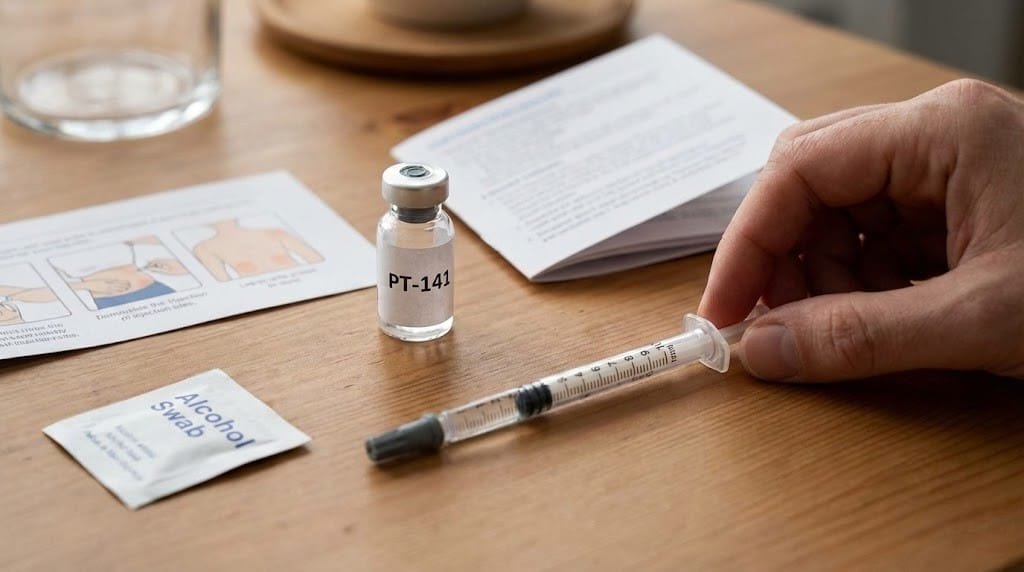
Working with PT-141 in the lab is easier when preparation happens before any vial is opened. A short checklist covering scope and paperwork, along with storage and documentation, helps prevent avoidable mix-ups at the bench. It also helps keep data defensible without making daily work harder.
Confirm authorized scope and assay fit
We work with PT-141 strictly as a lab reagent. It is not a medicine and it’s not for human use. That research-use-only status guides every step that follows. Before ordering, confirm that the proposed work falls within the study’s authorized scope and any applicable institutional approvals. If the material or planned experiment is not covered, pause and obtain clarification through the appropriate review process.
PT-141, also known as bremelanotide, is an alpha-MSH analog studied for activity at melanocortin receptors. The team needs to understand why the material is in the assay and which readouts will answer the study’s question. Write a one-line purpose for the material and match it to a validated method with proper controls.
Review supplier and lot documentation
Sourcing premium research peptides starts with a careful review of the paperwork. Ask for the lot-specific Certificate of Analysis and product datasheet before you approve receipt, and set acceptance criteria tied to your assay.
Check that lot number, identity, quantity, and appearance description match what you ordered. If anything is missing or unclear, hold the material in quarantine and contact the supplier through your normal procurement channel. Don’t rely on appearance alone to judge identity or purity.
We keep our own acceptance log for each delivery. It records date received, supplier name, catalog detail, and storage location. Having that information together makes audits far less painful.
Inspect receipt and plan storage from data
Don’t assume a clean-looking cake means the material meets spec. Visual checks can’t confirm identity or purity and they aren’t a substitute for supplier assays.
When the package arrives, inspect the outer pack and vial for damage before you sign off, then compare the label detail against your purchase order. A procurement review can include supplier pages for research peptide products as a starting point for reviewing formats and requesting lot-specific documentation. Complete receiving paperwork through approved channels. Keep the material sealed until inspection is logged.
Don’t discard the packing slip.
Note color, texture, seal integrity, and pack condition in your receiving notes and photograph the vial if your SOP allows it. File those notes with the lot packet even if everything looks normal. Those details belong in the record, not just in someone’s memory.
Prepare people, work area, and instruments
Read the Safety Data Sheet before handling PT-141 powder. Complete the risk assessment required by your local SOP and confirm controls for dust and waste. Wear the PPE your procedure calls for and change it if it becomes soiled. Confirm only trained staff will handle the material. Keep training records current so there’s no question about who is cleared for peptide work.
Clean and clear the work area before you bring vials to the bench. Check that balances, pipettes, plate readers, and analytical instruments are calibrated and ready, and confirm your assay method lists an appropriate solvent and controls.
We don’t choose a diluent by habit. Use only the solvent specified in your validated method, and check compatibility with your assay matrix and storage plan. Prepare fresh controls alongside test solutions so you can interpret the results.
Label, store, and run a final check
Create traceable labels before you open or aliquot anything. Include material name, lot number, prep date, and preparer initials on each vial. Match that detail in your lab notebook or electronic system so any vial can be traced back to its lot paperwork.
Lyophilized PT-141 needs a documented storage plan based on material-specific information and the approved procedure. Review supplier guidance for compatibility with that plan, and keep monitoring logs for the storage equipment used. Don’t move material between units without recording it. If temperature data show an excursion, quarantine the lot and follow your deviation process.
Plan waste handling at the same time as prep. Collect peptide waste, used tips, wipes, and gloves in the containers your SOP designates and arrange pickup on schedule. Close the record with a second-person check and signoff that the bench is clean and logs are complete.
Take five minutes for a readiness review before any test solution is made. Confirm scope approval, lot acceptance, SDS review, and label stock are all in place. Check that storage logs show no gaps and that instruments passed daily checks. If one item is missing, hold prep until it’s resolved. That pause costs less than repeating an assay.
This review is an opportunity to catch a mismatched lot number, a missing control reagent or an incomplete record before preparation begins. Resolve the issue and note the correction in the log. A clear stop-and-correct process also helps new team members know when to ask for assistance.
Once everything checks out, record signoff with date and initials from preparer and reviewer. File COA, datasheet, receiving notes, and storage logs together so the packet is complete. Good files let any teammate reconstruct what was done months later.
Careful preparation is worth the time when working with PT-141. When scope, paperwork, labeling, and storage line up, bench work stays calm and data stay defensible. Keep the checklist posted where prep happens and use it each time.


Students often check their assignments before submission. A Turnitin Report can help you identify matching text and review possible similarities. However, a similarity percentage does not automatically determine whether your work contains plagiarism.
You need to understand what the report shows before making changes. A careful review can help you identify copied wording, missing citations, common phrases, and correctly referenced material.
So, how should you read your results?
What Is a Turnitin Report?
A Turnitin Report provides information about text similarities found during a document check. The system compares submitted content against sources available to it.
The report can highlight sections that resemble existing material. It may also show sources associated with particular matches.
You should review the highlighted sections instead of focusing only on the overall percentage. A similarity result needs context before you decide what action to take.
What Does the Similarity Score Mean?
The similarity score represents the amount of text that matches or resembles material identified by the system.
A higher percentage does not automatically mean plagiarism. A lower percentage does not automatically prove that every part of your work is original.
For example, properly quoted material can create a match. Common terminology can also appear in multiple documents.
Therefore, you should use the Turnitin Report as a review tool rather than treating the percentage as a final judgment.
Why Can Properly Cited Text Appear in the Report?
Academic writing often includes quotations and references. Those passages may match existing sources even when you have cited them correctly.
You should check the highlighted text and its surrounding citation. If you used a direct quotation, quotation marks and proper attribution should normally make the source clear.
Paraphrased content can also create similarities. You should make sure your paraphrasing uses your own wording and that you provide appropriate attribution.
A match does not always indicate improper copying.
How Should You Review Highlighted Matches?
You should examine each highlighted section individually. Start by checking the source connected to the match.
Next, compare the source wording with your own text. Ask yourself why the system identified the passage.
You may find a direct quotation, a common phrase, a properly cited source, or wording that needs revision.
You should then decide what action is appropriate. Some matches may require no change. Others may need better citation or more original phrasing.
Can a High Similarity Score Be Acceptable?
A high score can sometimes result from legitimate content. Assignments that require specific terminology, references, quotations, or templates may naturally contain matching text.
However, a high score can also indicate that your writing relies heavily on existing material.
You should therefore avoid judging your work based only on a number. The details inside the Turnitin Report matter more than the percentage alone.
Your institution may also have its own academic integrity requirements.
What Does a Low Similarity Score Mean?
A low score generally means that the system identified fewer matching passages. However, it does not automatically guarantee that your work is free from plagiarism.
A source may not be included in the system’s available comparison material. Your writing could also contain unattributed ideas without using identical wording.
You should still review your citations and references carefully.
A low similarity result should encourage careful checking rather than complete confidence.
How Can You Reduce Unnecessary Similarity?
You should focus on writing ideas in your own words. Start by understanding the source material before creating your explanation.
You can then paraphrase the information using your own sentence structure and vocabulary. You should still provide a citation when the idea comes from another source.
Direct quotations should remain clearly marked and properly attributed.
You should also avoid copying sentence structures too closely. Changing a few individual words may not create genuine paraphrasing.
Can References Affect Your Similarity Score?
Reference sections can sometimes contain text that appears in other academic documents. Titles, publication names, author names, and citation formats may also create matches.
You should review how your institution handles references when interpreting your score.
Some checking systems provide options that exclude certain types of content from specific views. However, you should not assume that every setting changes the official academic assessment.
Always follow the requirements provided by your instructor or institution.
Should You Worry About Every Highlight?
You do not need to change every highlighted phrase automatically. Some matches are unavoidable or completely legitimate.
You should first identify the type of match. Then, determine whether the wording requires action.
A common phrase may not need rewriting. A copied paragraph without proper attribution requires much more attention.
The Turnitin Report becomes more useful when you evaluate each match based on its context.
Can AI-Generated Content Affect Your Review?
AI-generated writing creates another issue for students and writers. Similarity checking and AI detection are different processes.
A similarity checker looks for matching or similar text. An AI detector attempts to identify patterns associated with AI-generated writing.
You should not assume that a similarity score tells you whether AI was used. The two checks address different questions.
If your institution has rules about AI-assisted writing, you should follow those rules separately.
What Should You Do Before Submission?
You should complete a final review before submitting your assignment.
First, check your citations. Next, review direct quotations and paraphrased material. Then, inspect any unusual similarities shown in the report.
You should also verify your references and make sure every borrowed idea has appropriate attribution.
Finally, read your work without focusing only on the score. Clear arguments, accurate information, and proper academic practices should remain your main priorities.
Final Thoughts:
A Turnitin Report can help you identify similarities in your writing, but the percentage alone does not tell the full story.
You should examine individual matches and understand why they were identified. Proper quotations, references, common phrases, and legitimate terminology can all affect the result.
You can use the report as part of a careful editing process. Review your sources, improve citations, paraphrase responsibly, and follow your institution’s academic integrity rules.
A thoughtful review will help you understand your similarity results instead of simply trying to achieve a particular percentage.

A Better Weekend Viewing Plan Starts Before You Pick Up the Remote

How to Choose a Divan Bed for a Stylish, Clutter-Free Bedroom

London in November: Where to Go When the City Feels Like It’s Waking Up

Drawcords, Cuffs and the Parts That Go First

How Mobile Apps Are Changing Entertainment for People on the Move

9 Best Christmas Party Venues In Durham And Best Way To Book Them For 2026 & 2027

How to Ensure Your Home is Valued Correctly for a Quick Sale

Christopher Dare: The Untold Story of Engineer and Former Husband of Angela Rippon

The 15 Highest-Paid Rugby Players in the World

What Is Fanquer? The Digital Creator Platform Transforming Direct-to-Fan Engagement

Dr Jared Ross: Missouri Appeals Court Upholds Protection Order Over Graphic Torture and Murder Threats

Nancy Hallam: The Inspiring Life, Career, and Success Story Behind Ian Wright’s Wife
How to Ensure Your Home is Valued Correctly for a Quick Sale
Christopher Dare: The Untold Story of Engineer and Former Husband of Angela Rippon
The 15 Highest-Paid Rugby Players in the World
What Is Fanquer? The Digital Creator Platform Transforming Direct-to-Fan Engagement
Dr Jared Ross: Missouri Appeals Court Upholds Protection Order Over Graphic Torture and Murder Threats
Nancy Hallam: The Inspiring Life, Career, and Success Story Behind Ian Wright’s Wife
-
 Real Estate9 months ago
How to Ensure Your Home is Valued Correctly for a Quick Sale
-
Celebrity12 months ago
Christopher Dare: The Untold Story of Engineer and Former Husband of Angela Rippon
-
 Sports6 months ago
The 15 Highest-Paid Rugby Players in the World
-
 Technology5 months ago
What Is Fanquer? The Digital Creator Platform Transforming Direct-to-Fan Engagement
-
 Celebrity5 months ago
Dr Jared Ross: Missouri Appeals Court Upholds Protection Order Over Graphic Torture and Murder Threats
-
Celebrity12 months ago
Nancy Hallam: The Inspiring Life, Career, and Success Story Behind Ian Wright’s Wife
-

 Celebrity8 months ago
Who Is Azriel Crews? Inside the Life and Career of Terry Crews’ Daughter
-
 Celebrity12 months ago
Who Is Maisie Mae Roffey? The Private Life, Family Story, and Quiet Success of Julie Walters’ Daughter