
Blog
Gap Insurance Explained: Do You Actually Need It?


Gap insurance is one of those products that sounds useful in a general way but is difficult to evaluate without understanding the specific financial scenario it protects against. Many car buyers purchase it without fully understanding what it does. Others skip it when they should have it. Getting this decision right can make a meaningful financial difference if your car is totaled.
The insurance reddit community regularly discusses gap insurance decisions, and the real-world examples there help put the numbers in context.
This guide explains exactly how gap insurance works, the situations where it genuinely matters, where you should and should not buy it, and what the alternatives look like.
The Problem Gap Insurance Solves
When you finance or lease a new car, there is a period of time, typically the first one to three years, when the outstanding loan balance is higher than the car’s actual cash value (ACV). This happens because car values depreciate faster than loan balances decline.
A new car loses roughly 15% to 25% of its value in the first year. If you buy a $35,000 car with a small down payment and finance the rest over six years, your loan balance after 12 months might still be $30,000 while the car is only worth $26,000. If the car is totaled in that period, your standard auto insurance pays the ACV ($26,000), and you still owe the bank $30,000. The $4,000 gap is what you pay out of pocket unless you have gap insurance.
What Gap Insurance Actually Covers
Gap insurance covers the difference between your insurance payout (the ACV of the totaled vehicle) and the remaining balance on your loan or lease. If your car is stolen and not recovered, or totaled in an accident that results in a total loss determination, gap insurance pays the remaining balance you owe.
What gap insurance does not cover: your deductible (though some gap products cover this as well, so check the specific terms), missed loan payments, finance charges or late fees, extended warranty costs rolled into the loan, or negative equity from a previous vehicle rolled into the current loan. Read the product terms carefully, particularly on rollover negative equity: if you traded in an old car with negative equity and financed that amount into your new loan, gap insurance typically does not cover the portion of the balance attributable to the prior vehicle.
When You Need Gap Insurance
Gap insurance is most relevant in situations where the loan-to-value gap is largest and persists longest:
- Small or no down payment: the less you put down, the longer the loan balance stays above the vehicle value.
- Long loan terms: six or seven-year auto loans have become common, and the extended amortization schedule means the loan balance declines very slowly in the early years.
- Leasing: most lease agreements require gap coverage, either as a standard inclusion or as an add-on. Check your lease terms.
- High depreciation vehicles: some makes and models depreciate faster than average. Domestic brands and certain luxury vehicles sometimes lose value more rapidly than Japanese brands known for strong resale value.
- Financing a new car: the first year of a new car loan carries the highest gap risk because the vehicle depreciates significantly from its new purchase price while the loan balance barely moves.
When You Probably Don’t Need It
Gap insurance becomes less valuable as the loan balance drops below the vehicle value:
- Large down payment: if you put 20% or more down on a new vehicle, you may start the loan with equity rather than a gap, making gap insurance unnecessary from day one.
- Short loan terms: a three-year loan on a modestly priced vehicle typically crosses back into positive equity within the first year.
- Used vehicles: the steepest depreciation has already happened on a used car, and you are less likely to be underwater on the loan.
- Older loans: once you have been paying down a loan for two to three years, the balance is typically below the ACV and gap insurance is no longer providing meaningful protection.
Review your current loan balance against your vehicle’s ACV annually. Use Kelley Blue Book or Edmunds to estimate your car’s current market value. When the loan balance drops below the ACV, cancel your gap coverage.
Where to Buy Gap Insurance: Dealer vs. Insurer vs. Lender
Dealership Gap Insurance
This is the most expensive option and the one most frequently pushed in the finance office. Dealer gap insurance is often priced at $500 to $900 as a lump sum added to the loan. Since it’s folded into the loan, you pay interest on it for the full loan term, increasing the effective cost further. Dealer gap products also sometimes have more restrictive terms than insurance-based alternatives.
Insurance Company Gap Coverage
Many auto insurers offer gap insurance as a policy add-on, priced as an annual add-on of $20 to $50 per year. This is typically far cheaper than the dealer option over the life of the loan. Another advantage: you can cancel it when you no longer need it without any refund complications.
Lender Gap Coverage
Some banks and credit unions offer gap coverage as part of the loan package, often at competitive prices. Check whether your lender offers this before going to the dealer.
How to Calculate Whether Gap Coverage Is Worth It for Your Loan
The math is straightforward. Find your current loan balance (from your lender’s online portal or your monthly statement). Find your car’s ACV (Kelley Blue Book or Edmunds “private party” value is a reasonable estimate). If the loan balance is higher than the ACV, you have a gap. The size of the gap tells you how much financial risk you are carrying without coverage.
If your gap is $3,000 and gap insurance costs $40 per year through your insurer, the question is simply whether the risk of being in a total loss situation in the next year justifies $40 in premium. Given that gap insurance pays nothing in years when you do not have a total loss, it functions like any other insurance product: you are paying a small amount to avoid an unlikely but potentially large financial loss.
Loan Payoff vs. Replacement Cost Riders
Some insurers offer “loan/lease payoff” or “new car replacement” coverage as alternatives to traditional gap insurance. A loan/lease payoff rider pays the loan balance (up to a specified percentage above ACV) if your car is totaled. New car replacement coverage pays the cost of replacing your totaled car with a new equivalent model, which can be more valuable in the first year or two. These products serve similar purposes to gap insurance but have different structures and terms, so compare them directly for your situation.
Frequently Asked Questions
Can I get a refund on dealer gap insurance if I pay off my loan early? Possibly. Many dealer gap contracts include a prorated refund provision if you pay off the loan early. Check your gap contract for refund terms. If a refund is available, contact the provider directly when you pay off the loan.
Does gap insurance cover the deductible? Standard gap insurance does not, but some products (sometimes called “gap plus” or “zero gap”) do cover the deductible. This feature is worth looking for if you have a high deductible on your collision coverage.
What triggers a gap insurance claim? A total loss determination by your primary auto insurer. Gap is only paid when the vehicle is declared a total loss, not for repairable damage.


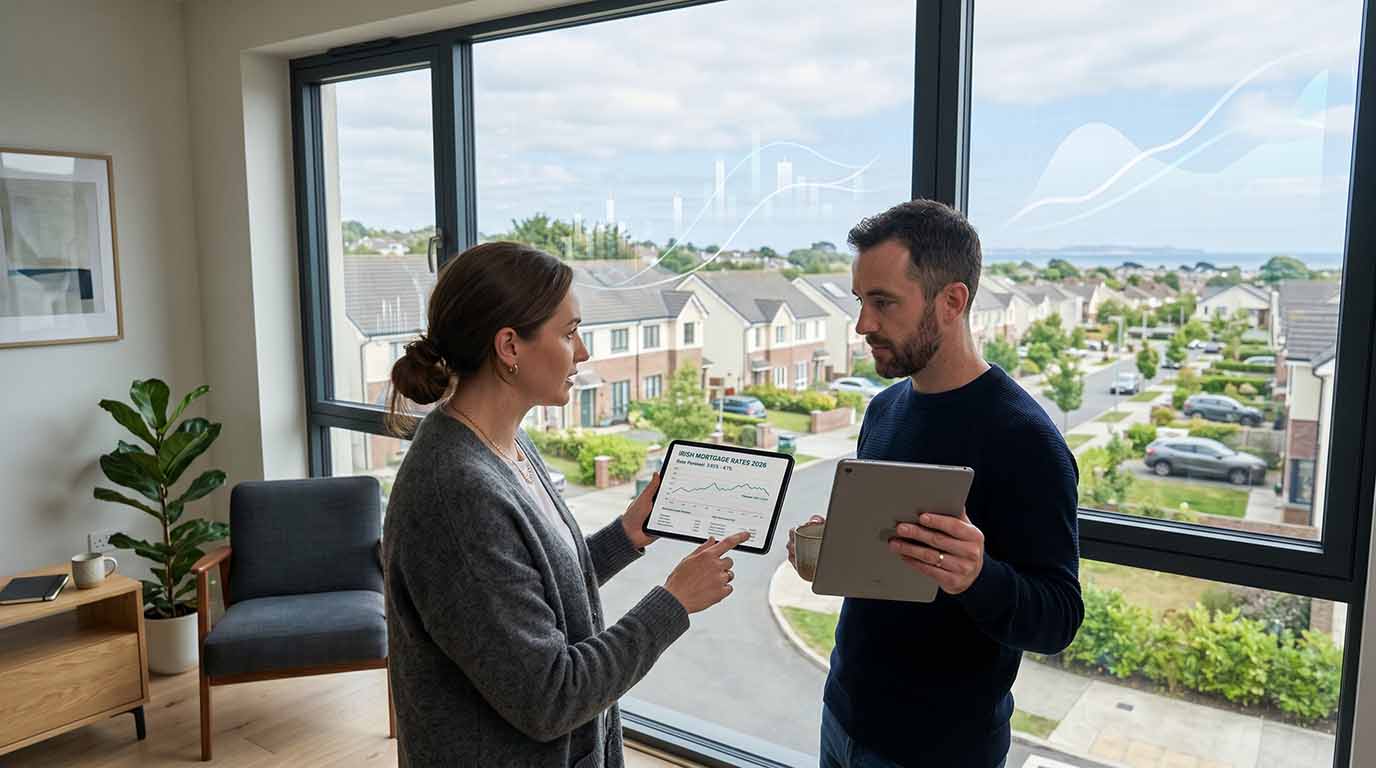
With interest rates, lender competition, and personal financial situations constantly evolving, many homeowners are beginning to question whether now is the right time to review their mortgage. The idea of switching mortgage Ireland has become increasingly relevant in 2026, as borrowers look for ways to reduce monthly repayments, secure better rates, or gain more flexibility. But is it truly worth it?
Why Homeowners Are Considering a Switch
Over the past few years, the mortgage market in Ireland has seen noticeable shifts. Interest rates have fluctuated, and lenders have introduced new products to attract customers. As a result, many existing mortgage holders may find that their current deal is no longer as competitive as it once was.
Switching your mortgage essentially means moving your loan from one lender to another, usually to take advantage of improved terms. For some, this can lead to significant savings over the life of the mortgage, while for others, the benefits may be more limited.
Potential Benefits of Switching
One of the main reasons people consider switching is to secure a lower interest rate. Even a small reduction in your rate can make a noticeable difference to your monthly repayments and overall interest paid.
Another potential benefit is improved flexibility. Some newer mortgage products offer features such as overpayment options, payment breaks, or the ability to switch between fixed and variable rates. These features can provide greater control over your finances and help you adapt to changing circumstances.
In some cases, lenders may also offer incentives such as cashback or covering certain switching costs, making the process more appealing.
When Switching Makes Sense
Switching is often most beneficial if you are currently on a higher variable rate or coming to the end of a fixed-rate period. At this stage, you may have more freedom to move without incurring significant penalties.
It can also be worthwhile if your financial situation has improved since you first took out your mortgage. For example, if your income has increased or your loan-to-value ratio has decreased, you may now qualify for better rates.
Additionally, if you are planning to stay in your property for the long term, the savings gained from switching can add up significantly over time.
Costs and Considerations
While switching can offer benefits, it’s important to consider the associated costs. These may include legal fees, valuation fees, and potential break fees if you are exiting a fixed-rate mortgage early.
It’s essential to weigh these costs against the potential savings. In some cases, the upfront expenses may outweigh the benefits, particularly if the difference in interest rates is small.
Time and effort are also factors to consider. The process involves paperwork, lender assessments, and coordination between parties. While it is generally straightforward, it does require some level of commitment.
Understanding the Process
The switching process typically involves applying to a new lender, undergoing a financial assessment, and arranging for your existing mortgage to be paid off by the new provider. You will need to provide documentation such as proof of income, bank statements, and details of your current mortgage.
Once approved, the legal process begins, which includes transferring the mortgage from your existing lender to the new one. While this may sound complex, many lenders and professionals aim to make the process as smooth as possible.
Common Mistakes to Avoid
One common mistake is focusing solely on interest rates without considering the overall package. Factors such as fees, flexibility, and long-term suitability are equally important.
Another mistake is switching too frequently. While it may be tempting to chase the lowest rate, frequent changes can lead to unnecessary costs and complications.
It’s also important not to delay reviewing your mortgage. Many homeowners remain on uncompetitive rates simply because they haven’t explored their options.
Is It Worth It in 2026?
Whether switching is worth it depends on your individual circumstances. For many homeowners in Ireland, 2026 presents a good opportunity to reassess their mortgage and explore potential savings.
If you can secure a better rate, reduce your repayments, or gain more flexibility without incurring excessive costs, switching could be a smart financial move. However, it’s essential to take a balanced approach and carefully evaluate all factors before making a decision.
Final Thoughts
Your mortgage is one of your largest financial commitments, so it’s worth reviewing it regularly to ensure it continues to meet your needs. Changes in the market, as well as in your personal situation, can create opportunities to improve your financial position.
Taking the time to explore your options and understand the potential benefits and costs can help you make an informed decision. In many cases, a well-timed switch can lead to meaningful savings and greater financial confidence in the years ahead.

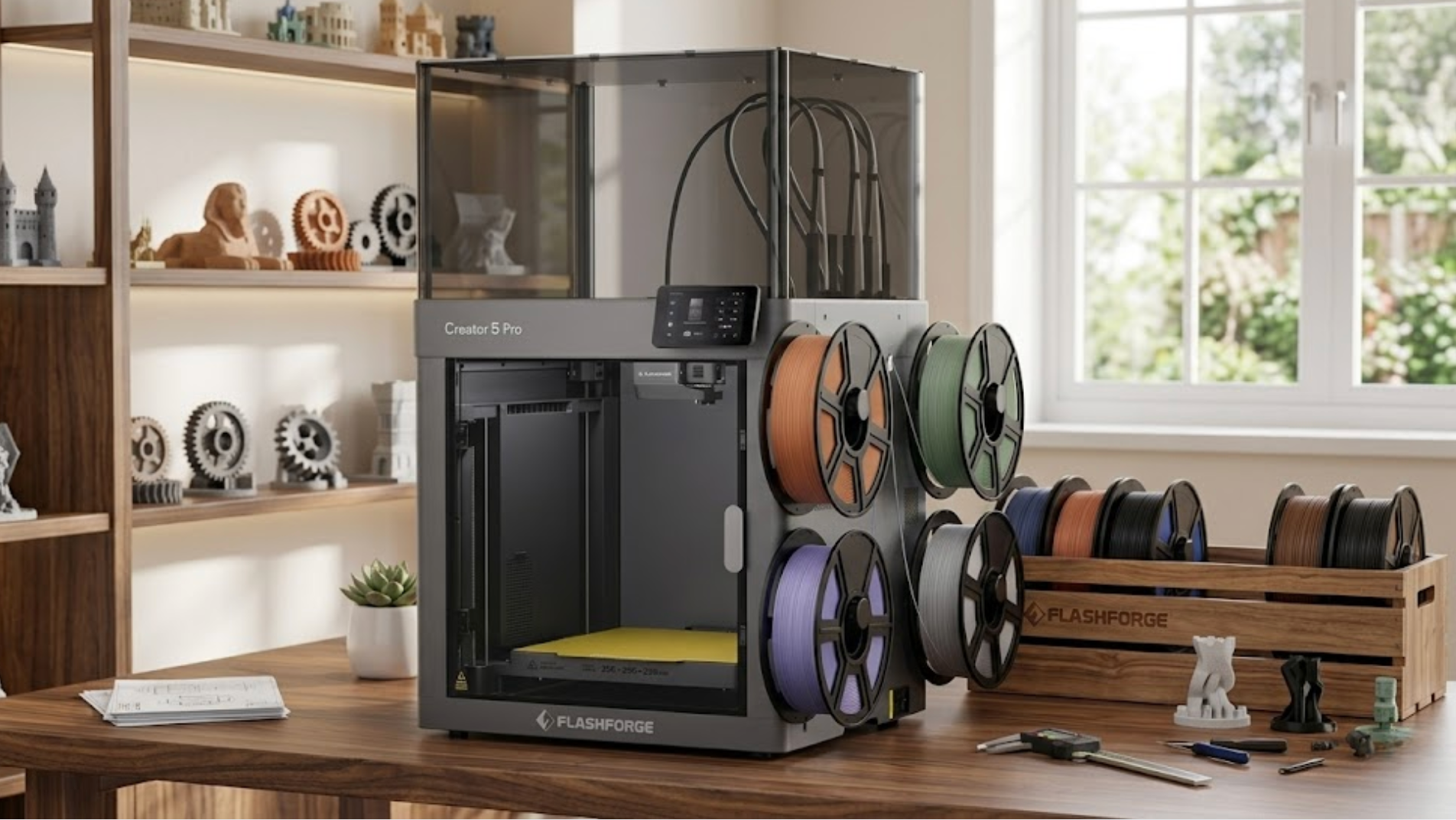
Printing ABS parts without warping, splitting, or rough surfaces requires a fully enclosed 3D printer and a stable chamber temperature between 50°C and 65°C. Open-frame 3D printer models cannot solve the fundamental problem of high ABS shrinkage rates, even with perfect settings.
This article covers material properties, machine setup, workflow, troubleshooting, and home safety. It provides a professional-grade ABS printing manual to help you achieve stable, industrial-quality output in your home or studio.
Why ABS Prints Better in an Enclosed 3D Printer
ABS (Acrylonitrile Butadiene Styrene) has a linear shrinkage rate of about 0.4% to 0.7%, which is 3 to 4 times that of PLA. This means a 100 mm part might shrink up to 0.7 mm after cooling. Uneven cooling caused by air drafts or large temperature gradients leads to warping, splitting, and dimensional errors.
An enclosed 3D printer stabilizes the chamber temperature at 50 to 65°C. This allows the part to cool at a consistent rate from bottom to top, which significantly reduces interlayer shrinkage stress. Additionally, the enclosed structure traps styrene monomers and ultrafine particles (UFPs) released when ABS melts above 240°C. Combined with HEPA and activated carbon filtration, this is critical for home 3D printer use.
Engineer Tip: Having panels and a lid is not enough. Success is determined by whether the chamber is actively heated or has good heat retention. If your 3D printer is only passively enclosed, preheat the print bed for at least 15 minutes to let the chamber temperature reach 45 to 50°C before starting.
ABS Basics for Home 3D Printing
ABS has a glass transition temperature of about 105°C and a heat deflection temperature up to 98°C. This is much higher than the 60°C limit of PLA. It makes ABS an excellent choice for car mounts, power tool housings, and mechanical prototypes. With a tensile strength of about 40 MPa and great toughness, it can be drilled, tapped, and polished with acetone vapor. It is a true entry-level engineering plastic for functional parts.
However, ABS has two weaknesses: moderate moisture absorption (about 0.3% over 24 hours), which requires drying before use, and a noticeable odor when melted. Understanding these traits allows we to apply the right settings.
How to Set Up Your Enclosed 3D Printer for ABS
The setup stage determines the success of your ABS print. We recommend confirming these three parameters in order.
Set the Right Temperature
The recommended nozzle temperature for ABS is 230 to 250°C, the bed temperature should be 90 to 110°C, and the chamber should be 50 to 65°C.
| Parameter | Entry Settings | High Strength Settings |
| Nozzle Temp | 235°C | 245–250°C |
| Bed Temp | 100°C | 110°C |
| Chamber Temp | 50°C | 55–65°C |
| Print Speed | 50 mm/s | 35–40 mm/s |
| Fan Speed | 0–10% | 0% |
Prepare the Print Bed
PEI spring steel plates with diluted PVP glue are the most stable solution for ABS. If we use a glass plate, apply a layer of ABS Slurry (ABS scrap dissolved in acetone). Regardless of the solution, set the first layer Z-offset 0.02 to 0.05 mm lower than we would for PLA to properly squash the first layer.
Preheat the Enclosure
Heat the print bed to 100°C and close the door for 10 to 15 minutes. Beginners often skip this step, but it is the most effective free way to stop warping. In test observations, a 100x100x40 mm ABS box printed at a 25°C chamber temperature had a 70% warping rate. When preheated to 50°C, the rate dropped below 5%.
Step-by-Step ABS Printing Workflow
Dry and Load the Filament
ABS exposed to humidity above 50% for 48 hours will pop and string during printing. Dry it at 65°C for 4 to 6 hours before use, then store it in a sealed box with desiccant.
Level the Bed
Auto-leveling is standard, but ABS is very sensitive to first-layer flatness. Level the bed after the chamber has finished preheating to avoid errors caused by thermal expansion. This is vital on industrial-grade 3D printer models like the Flashforge Creator 5. This 3D printer features an actively heated chamber (up to 65°C) and hot auto-leveling to eliminate errors from the start.
Print a Test Model
Before printing large items, print a 20x20x10 mm calibration cube and a temperature tower. Confirm there is no warping, no gaps between layers, and no stringing before starting your main project.
Common ABS Print Problems and Simple Fixes
Warping
90% of warping comes from uneven cooling. Check the following: is the chamber enclosed, is the bed hot enough, is the first layer too fast (keep it ≤ 20 mm/s), and did we add a 5 to 8 mm brim.
Layer Splitting
Interlayer separation usually means the chamber or nozzle temperature is too low. Increase the nozzle temperature by 5 to 10°C and ensure the chamber is above 50°C. Also, avoid walls thinner than 1.2 mm, as thin sections are prone to cracking.
Poor Bed Adhesion
Clean the print plate with isopropyl alcohol, relevel the bed, and slightly lower the Z-offset. This solves 80% of adhesion issues. If it still peels, use a Raft.
| Issue | Main Cause | Primary Fix |
| Corner Warping | Low Chamber Temp | Close door and preheat |
| Middle Splitting | Low Nozzle Temp | Increase by 10°C |
| First Layer Detached | Dirty Plate | Clean with alcohol |
| Surface Stringing | Damp Filament | Dry for 4 hours |
ABS vs TPU 3D Printer Materials
| Dimension | ABS | TPU |
| Hardness | High Rigidity | Elastic (85A–95A) |
| Tensile Strength | ~40 MPa | ~30 MPa |
| Heat Deflection | 98°C | 60–80°C |
| Typical Use | Housings, Mounts | Cases, Seals, Gaskets |
| Printing Difficulty | High (Needs heat) | Medium (Needs slow speed) |
Safety Tips for Printing ABS at Home
Follow the three safety rules for home 3D printer use. First, place the 3D printer in a ventilated room and keep a window open or use an air purifier. Second, wait for the chamber to drop below 60°C before opening the door to avoid a blast of hot air. Third, perform acetone polishing outdoors or in a fume hood, away from children and open flames.
Health Note: For continuous printing longer than 6 hours, keep the room PM2.5 level below 35 μg/m³. If your 3D printer lacks built-in HEPA filtration, use an independent air purifier.
Easy ABS Projects for Beginners
ABS is perfect for functional items. We recommend three starter projects:
- A car phone mount to test high-temperature resistance.
- A custom handle for a power screwdriver to test strength.
- A geometric vase for acetone polishing to test post-processing.
Final Tips for Better ABS 3D Printer Results
Consistent ABS printing relies on temperature control, filament condition, and machine structure. Choosing the right 3d printer is the foundation of success; an enclosed chamber handles the temperature, drying handles the moisture, and auto-leveling handles the first layer. If we need industrial-grade output, the Flashforge Creator 5 provides an actively heated chamber (up to 65°C), independent tool heads, and dual HEPA13 filtration. It turns ABS from a difficult material into a reliable daily option.
By following these methods, your ABS parts will not only look good but perform strongly. This is the true value of ABS in home 3D printing.

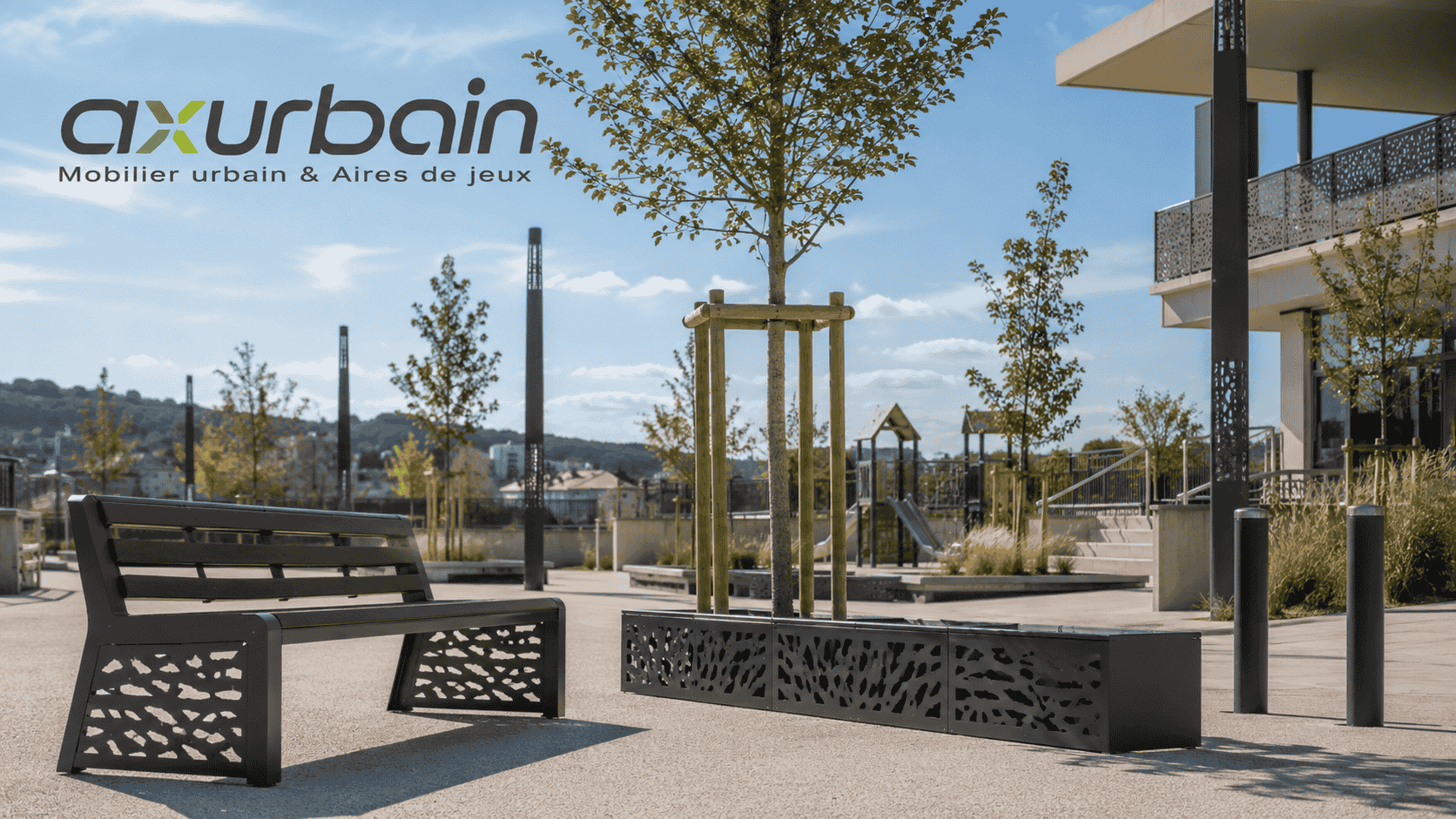
Axurbain has become a recognized name in the world of urban furniture and public space development. As cities continue to expand and modernize, the need for high-quality public infrastructure has increased significantly. Communities today expect public spaces to be comfortable, safe, visually attractive, and environmentally responsible. Urban furniture plays a major role in achieving these goals by shaping how people interact with streets, parks, plazas, and recreational areas.
Quick Facts
| Information | Details |
|---|---|
| Company Name | Axurbain |
| Industry | Urban Furniture Manufacturing |
| Headquarters | Fabrègues, France |
| Specialty | Urban Furniture and Playground Equipment |
| Main Clients | Municipalities, Architects, Urban Planners |
| Product Categories | Benches, Bollards, Bike Stands, Playgrounds, Tree Grates |
| Custom Manufacturing | Yes |
| Design Style | Modern and Functional |
| Key Collaboration | Studio BrichetZiegler |
| Notable Collection | POA Collection |
| Market Focus | Public Infrastructure |
| Country | France |
Introduction
Axurbain has become a recognized name in the world of urban furniture and public space development. As cities continue to expand and modernize, the need for high-quality public infrastructure has increased significantly. Communities today expect public spaces to be comfortable, safe, visually attractive, and environmentally responsible. Urban furniture plays a major role in achieving these goals by shaping how people interact with streets, parks, plazas, and recreational areas.
Based in Fabrègues, France, Axurbain specializes in designing and manufacturing custom urban furniture and playground equipment. The company works closely with municipalities, architects, landscape designers, and urban planners to create solutions that improve the functionality and appearance of public spaces. Through innovation, craftsmanship, and collaboration, Axurbain helps transform ordinary outdoor environments into welcoming spaces that enhance daily life.
The History and Background of Axurbain
Axurbain was established with a clear mission to improve urban environments through thoughtful design and durable infrastructure. From the beginning, the company focused on creating products that combine practical functionality with strong visual appeal. Rather than producing generic street furniture, Axurbain aimed to develop solutions that contribute to the identity and character of each location.
Operating from its headquarters in Fabrègues, the company has steadily built a reputation for quality manufacturing and design excellence. Over the years, Axurbain has participated in numerous urban development projects across France and beyond. Its ability to adapt products to specific project requirements has made it a preferred partner for cities seeking customized solutions. Today, the company continues to expand its influence by helping communities create public spaces that are both attractive and highly functional.
Understanding Axurbain’s Vision for Urban Development
The philosophy behind Axurbain extends far beyond the simple production of benches or playground structures. The company believes that public spaces should encourage social interaction, improve quality of life, and strengthen community connections. Every product is designed with the goal of creating environments that people enjoy using every day.
This vision is reflected in the company’s commitment to innovation and customization. Axurbain understands that every city has unique architectural styles, cultural characteristics, and practical requirements. By carefully considering these factors, the company develops solutions that fit naturally into their surroundings. This approach helps municipalities create cohesive public spaces that reflect local identity while meeting modern urban planning standards.
Why Urban Furniture Matters in Modern Cities?
Urban furniture is often overlooked, yet it plays a crucial role in shaping the experience of public spaces. Benches, bike racks, bollards, and safety barriers influence how people move, gather, and interact within a city. Well-designed infrastructure can transform a simple street into a vibrant social environment that encourages outdoor activity and community engagement.
Modern cities face increasing challenges related to population growth, sustainability, and mobility. Effective urban furniture helps address these issues by supporting pedestrian movement, encouraging cycling, and improving accessibility. Axurbain recognizes the importance of these functions and designs products that contribute positively to the overall urban experience. Their solutions help create spaces that are comfortable, organized, and visually appealing for residents and visitors alike.
Axurbain’s Urban Street Furniture Collection
One of Axurbain’s primary areas of expertise is urban street furniture. The company manufactures a diverse range of products designed to improve public environments while maintaining high standards of durability and aesthetics. These products are commonly installed in city centers, parks, residential developments, educational institutions, and commercial districts.
The collection includes benches, banquettes, stools, bollards, bike stands, and safety barriers. Each product is carefully engineered to withstand heavy use and varying weather conditions. Materials such as steel, aluminum, and cast iron are selected for their strength and longevity. Through a combination of technical expertise and creative design, Axurbain delivers furniture that remains functional and attractive for many years.
Custom Benches and Public Seating Solutions
Public seating is one of the most essential elements of urban infrastructure. Axurbain designs benches and seating systems that provide comfort while enhancing the appearance of outdoor environments. These installations create opportunities for people to rest, socialize, and enjoy public spaces, making them valuable assets for communities.
The company offers a variety of seating styles ranging from minimalist contemporary designs to more artistic and expressive forms. Each project can be customized to match surrounding architecture and landscape features. This flexibility allows municipalities and designers to create unique public spaces with a strong visual identity. By prioritizing both comfort and durability, Axurbain ensures that its seating solutions meet the demands of modern urban life.
Bike Stands and Sustainable Transportation Support
As cities increasingly promote environmentally friendly transportation options, bicycle infrastructure has become more important than ever. Axurbain supports sustainable mobility through the design and manufacture of high-quality bike stands and parking systems. These products provide secure and convenient locations for cyclists while contributing to organized and attractive public spaces.
Well-designed bike parking facilities encourage more people to choose cycling as a daily mode of transportation. This can help reduce traffic congestion, lower emissions, and improve public health. Axurbain’s bike stands are developed with durability, security, and ease of use in mind. Their designs integrate seamlessly into urban environments, helping municipalities support long-term sustainability goals.
Safety Barriers and Bollards for Urban Protection
Safety remains a critical concern in modern public space planning. Axurbain manufactures a range of barriers and bollards designed to protect pedestrians, manage traffic flow, and secure sensitive areas. These products play a vital role in creating safe and organized urban environments without compromising visual appeal.
Many traditional safety installations can appear intrusive or unattractive. Axurbain addresses this challenge by developing protection systems that blend naturally into their surroundings. The result is infrastructure that fulfills important safety functions while maintaining architectural harmony. This balance between security and design excellence has become a defining characteristic of the company’s product range.
Tree Protection Systems and Urban Green Spaces
Healthy urban landscapes depend on the successful integration of natural and built environments. Trees provide shade, improve air quality, reduce heat, and contribute to the visual beauty of public spaces. However, urban conditions can place significant stress on root systems and surrounding soil.
Axurbain produces specialized tree protection systems that help preserve urban greenery while supporting pedestrian activity. Their cast aluminum and cast iron tree grates are designed to protect roots without restricting growth. These installations blend seamlessly into pavements and public walkways, creating attractive and practical solutions for cities. By protecting urban trees, Axurbain contributes to healthier and more sustainable communities.
Playground Equipment Designed for Communities
Playgrounds are essential spaces where children can learn, socialize, and develop physical skills. Axurbain designs and manufactures playground equipment that combines safety, creativity, and durability. These play environments are created to provide engaging experiences for children while meeting strict safety requirements.
The company understands that playgrounds are important community assets. Parents, schools, and municipalities rely on these spaces to support healthy childhood development and social interaction. Axurbain’s equipment is engineered to withstand intensive use while encouraging imaginative play. Through thoughtful design and quality manufacturing, the company helps create vibrant recreational spaces for future generations.
The Importance of Custom Manufacturing
One of the strongest advantages of Axurbain is its commitment to custom manufacturing. Every public space presents unique challenges related to layout, usage patterns, environmental conditions, and design objectives. Standardized products may not always provide the best solution for these specific requirements.
Axurbain works closely with clients to develop tailor-made products that address project goals and site conditions. Whether creating a custom bench, a specialized barrier, or an entirely original design concept, the company prioritizes flexibility and collaboration. This bespoke approach allows municipalities and developers to create distinctive environments that reflect their vision while maximizing functionality.
Collaboration With Architects and Designers
Successful public spaces are often the result of close collaboration between multiple professionals. Axurbain regularly partners with architects, landscape architects, designers, engineers, and urban planners throughout the development process. These partnerships help ensure that products integrate effectively into larger projects and support broader design objectives.
Collaboration also encourages innovation by bringing together different perspectives and areas of expertise. Through open communication and technical support, Axurbain contributes valuable insights that enhance project outcomes. This cooperative approach has helped the company establish long-term relationships with professionals across the urban design industry.
The POA Collection and Studio BrichetZiegler Partnership
One of Axurbain’s most notable design achievements is the POA Collection, developed in partnership with the French design studio Studio BrichetZiegler. This collection reflects the company’s commitment to combining artistic creativity with practical functionality in public spaces.
The POA Collection is characterized by flowing curves and organic forms inspired by natural elements such as leaves and ribbons. Crafted from cast aluminum, these pieces bring a contemporary aesthetic to urban environments while maintaining durability and structural strength. The collection demonstrates how urban furniture can become a defining visual feature rather than simply serving a functional purpose.
Sustainability and Environmental Responsibility
Sustainability is an increasingly important consideration in urban planning and infrastructure development. Axurbain recognizes its responsibility to contribute to environmentally responsible solutions through durable materials, efficient manufacturing practices, and products that support sustainable lifestyles.
The company’s focus on long-lasting infrastructure helps reduce waste and minimize replacement costs over time. Products such as bike stands and tree protection systems directly support environmental initiatives by encouraging sustainable transportation and preserving urban greenery. Through these efforts, Axurbain helps cities create healthier and more resilient public environments for future generations.
Digital Catalogs and Professional Resources
Modern infrastructure projects require detailed planning and technical documentation. Axurbain provides digital catalogs and professional resources that help architects, planners, and municipalities evaluate products and make informed decisions. These materials include specifications, dimensions, design references, and examples of completed projects.
Digital accessibility makes it easier for professionals to compare options and integrate products into their planning processes. By offering comprehensive technical information, Axurbain supports efficient project development and improves communication between stakeholders. This commitment to transparency and accessibility enhances the overall customer experience.
The Future of Axurbain and Urban Design
The future of urban development will increasingly focus on sustainability, accessibility, and human-centered design. As cities continue to evolve, public spaces must adapt to changing social, environmental, and technological needs. Axurbain is well positioned to contribute to this transformation through its innovative products and collaborative approach.
The company’s emphasis on customization, quality, and design excellence aligns closely with emerging urban planning priorities. By continuing to develop creative solutions for public infrastructure, Axurbain can play an important role in shaping the next generation of cities. Its work demonstrates how thoughtful design can improve everyday experiences while supporting broader community goals.
Conclusion
Axurbain has established itself as a leading manufacturer of urban furniture and playground equipment through its dedication to quality, innovation, and collaboration. The company’s products help municipalities create public spaces that are functional, attractive, and sustainable. From custom benches and bike stands to tree protection systems and playground structures, every solution is designed with both users and environments in mind.
As urban areas continue to grow and evolve, the importance of well-designed public infrastructure will only increase. Through its commitment to craftsmanship, customization, and environmental responsibility, Axurbain continues to make a meaningful contribution to modern urban development and the creation of vibrant community spaces.
FAQs
What is Axurbain known for?
Axurbain is known for designing and manufacturing custom urban furniture, playground equipment, tree protection systems, and other public infrastructure solutions for cities and communities.
Where is Axurbain located?
Axurbain is headquartered in Fabrègues, France, and serves municipalities, architects, landscape designers, and urban planning professionals.
What products does Axurbain manufacture?
The company produces benches, bollards, bike stands, safety barriers, tree grates, playground structures, and a variety of customized urban furniture products.
Does Axurbain offer custom solutions?
Yes. One of Axurbain’s main strengths is its ability to create bespoke urban furniture and infrastructure solutions tailored to specific project requirements.
Why is Axurbain important in modern urban design?
Axurbain helps create functional, attractive, and sustainable public spaces by combining innovative design, durable materials, and close collaboration with architects and urban planners.

Should You Consider Switching Your Mortgage in Ireland in 2026?

Gap Insurance Explained: Do You Actually Need It?

The Pro Guide to Using an Enclosed 3D Printer for Perfect ABS 3D Printer Results

Why A Center Console For Truck Storage Is More Important Than Ever

When Businesses Need Custom Enterprise IoT Solutions Instead of SaaS

What Is Axurbain? Inside the French Company Transforming Modern Public Spaces

Nancy Hallam: The Inspiring Life, Career, and Success Story Behind Ian Wright’s Wife

Johnny Carell: Inside the Life, Family, and Rising Success of Steve Carell’s Son

Who Is Maisie Mae Roffey? The Private Life, Family Story, and Quiet Success of Julie Walters’ Daughter

Draven Duncan: Tim Duncan’s Rising Star Son and His Inspiring Basketball Journey
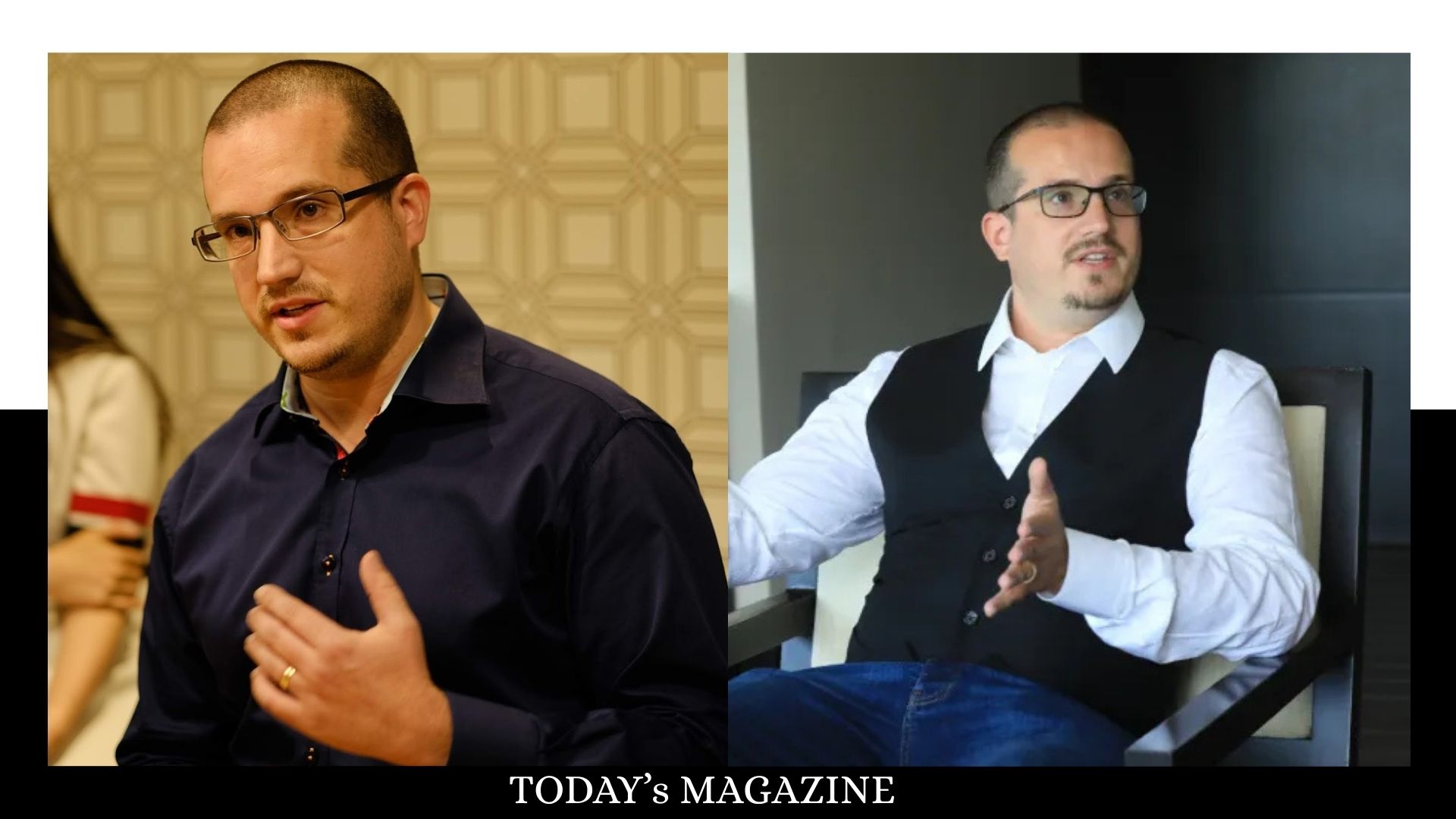
Simon Dixon Biography: Lifestyle, Net Worth, Family, Career and Success Story

Who Is Mark Gero? Inside the Life, Art, and Quiet Legacy of an American Creative
Nancy Hallam: The Inspiring Life, Career, and Success Story Behind Ian Wright’s Wife
Johnny Carell: Inside the Life, Family, and Rising Success of Steve Carell’s Son
Who Is Maisie Mae Roffey? The Private Life, Family Story, and Quiet Success of Julie Walters’ Daughter
Draven Duncan: Tim Duncan’s Rising Star Son and His Inspiring Basketball Journey
Simon Dixon Biography: Lifestyle, Net Worth, Family, Career and Success Story
Who Is Mark Gero? Inside the Life, Art, and Quiet Legacy of an American Creative
-
Celebrity7 months ago
Nancy Hallam: The Inspiring Life, Career, and Success Story Behind Ian Wright’s Wife
-
Celebrity8 months ago
Johnny Carell: Inside the Life, Family, and Rising Success of Steve Carell’s Son
-
Celebrity7 months ago
Who Is Maisie Mae Roffey? The Private Life, Family Story, and Quiet Success of Julie Walters’ Daughter
-
Celebrity5 months ago
Draven Duncan: Tim Duncan’s Rising Star Son and His Inspiring Basketball Journey
-
Business6 months ago
Simon Dixon Biography: Lifestyle, Net Worth, Family, Career and Success Story
-
 Celebrity4 months ago
Who Is Mark Gero? Inside the Life, Art, and Quiet Legacy of an American Creative
-

 Celebrity4 months ago
Who Is Jane Shirley Smith? The Private Woman Behind Ted Turner’s Greatest Years
-

 Celebrity4 months ago
Who Is Linda Susan Agar? The Private Life, Legacy, and Story of Shirley Temple’s Eldest Daughter