
Business
Effective strategies for sourcing products in China


Sourcing products from China represents a cornerstone of global trade, offering businesses unparalleled access to a vast manufacturing ecosystem. While the opportunities for competitive pricing and diverse product ranges are significant, navigating this complex market demands a clear understanding of best practices. Implementing effective strategies for sourcing is not merely about finding a supplier; it involves a meticulous process of planning, vetting, negotiation, and quality assurance to ensure a successful and profitable venture.
For entrepreneurs and established companies alike, the journey into Chinese manufacturing can initially seem daunting. Language differences, cultural nuances, and varying business norms require a well-structured approach. The goal is to mitigate risks while maximizing the benefits of this dynamic supply chain, ensuring that every step, from initial inquiry to final delivery, is handled with precision.
Understanding the intricacies of the Chinese market allows businesses to unlock its full potential. This guide will explore proven methodologies that streamline the sourcing process, helping you achieve your commercial objectives with confidence and efficiency.
Why choose China for sourcing?
China’s position as a global manufacturing powerhouse is well-established, drawing businesses from across industries due to several compelling advantages. One primary draw is the extensive and mature supply chain infrastructure. This ecosystem supports a vast array of industries, from electronics to textiles, offering specialized factories and skilled labor that can produce goods at various scales and complexities.
The sheer volume of production capacity often translates into significant cost efficiencies. Manufacturers in China can leverage economies of scale, access to raw materials, and competitive labor costs to offer attractive pricing that is often difficult to match elsewhere. This cost advantage is particularly appealing for businesses looking to optimize their margins or launch new products without substantial initial investment.
Beyond cost, Chinese manufacturers frequently demonstrate considerable flexibility and speed in production. They can adapt to changing order sizes and often have the capability to scale up production rapidly to meet demand fluctuations. This agility, combined with a willingness to innovate and adopt new technologies, makes China a dynamic partner for businesses seeking to remain competitive in fast-evolving markets. These factors collectively underscore why many businesses continue to prioritize China when developing their global sourcing frameworks.
Defining your objectives for successful sourcing
A successful sourcing journey begins with a clear and comprehensive definition of your specific objectives. Without this foundational step, the entire process risks becoming inefficient and prone to misunderstandings. Begin by precisely detailing the product you intend to source. This includes not just its function, but also its exact specifications, materials, dimensions, and any required certifications or compliance standards.
Equally important is establishing your quality expectations. What level of finish is acceptable? Are there specific performance benchmarks the product must meet? Communicating these requirements upfront, perhaps through detailed technical drawings, samples, or written specifications, helps prevent costly errors down the line. Furthermore, consider the desired production volume, your target budget per unit, and your preferred timeline for manufacturing and delivery. These financial and logistical parameters will significantly influence the type of supplier you seek and the terms you are able to negotiate.
Finally, reflect on your long-term vision. Are you looking for a one-time order, or do you envision a sustained partnership with a manufacturer capable of evolving with your brand? Answering these questions provides a robust framework for identifying suitable partners and executing your procurement plan effectively, laying the groundwork for truly effective strategies sourcing operations.
How to research and vet potential suppliers
Identifying the right manufacturing partner in China requires diligent research and thorough vetting. The initial phase involves compiling a list of potential suppliers through various channels. Online B2B platforms, industry trade shows, and professional networks are common starting points. Once a preliminary list is established, a deeper dive into each candidate’s background and capabilities becomes necessary.
Due diligence should include verifying business licenses, assessing production capacity, and reviewing their track record for quality and delivery. Requesting samples of their work is a practical way to evaluate their craftsmanship and adherence to specifications. Furthermore, consider conducting factory audits, either in person or through a trusted third party. These audits provide invaluable insights into their operational standards, quality control procedures, and ethical practices.
Many businesses find significant value in collaborating with a specialized agent when navigating the complexities of sourcing in China. Such agents offer local expertise, language proficiency, and established networks, often streamlining the vetting process and reducing potential pitfalls. They can act as an intermediary, ensuring clear communication and helping to verify supplier claims, which is particularly beneficial for businesses new to international procurement.
Here is a comparison of common methods for identifying suppliers:
| Method | Advantages | Considerations |
| Online B2B platforms | Wide selection, quick initial contact, user reviews often available. | Verification can be challenging, potential for misrepresentation. |
| Trade shows and exhibitions | Direct interaction with manufacturers, physical product inspection, networking opportunities. | Requires travel and time investment, limited to specific industries. |
| Sourcing agents | Local expertise, language skills, pre-vetted suppliers, negotiation support. | Service fees apply, reliance on agent’s network and integrity. |
| Referrals and industry networks | Trusted recommendations, established relationships. | Limited scope, may not find the “best fit” for unique needs. |
Smart negotiation and steadfast quality assurance
Effective negotiation extends beyond simply securing the lowest price; it encompasses establishing fair terms that benefit both parties and foster a sustainable relationship. When discussing pricing, consider the total cost, including tooling, samples, shipping, and any potential tariffs. Payment terms are also a critical aspect; a common structure involves an upfront deposit, an installment upon production commencement, and the final balance before shipment. Always ensure these terms are clearly documented in a formal contract.
Equally vital is a robust quality assurance strategy implemented throughout the production cycle. This is not a one-time check but a continuous process. It begins with pre-production inspections to verify raw materials and components, progresses to in-line inspections to monitor manufacturing processes, and culminates in pre-shipment inspections to confirm the final product meets all specifications before leaving the factory. Clearly defined quality control checklists and standards shared with your supplier are indispensable.
“Establishing transparent communication channels and setting clear expectations from the outset are paramount for successful long-term partnerships in global sourcing.”
By investing time in smart negotiation and implementing rigorous quality control measures, businesses can minimize risks, reduce potential disputes, and ensure the delivery of products that consistently meet their brand’s standards. This proactive approach safeguards your investment and reputation in the marketplace.
Navigating logistics and compliance challenges
Once your products are manufactured, the journey through logistics and international compliance begins, presenting its own set of challenges. Understanding the various shipping methods – sea freight, air freight, or express courier – is essential, as each offers different balances of speed, cost, and capacity. Sea freight is generally the most economical for large volumes but has longer transit times, while air freight is faster but more expensive. Selecting the appropriate Incoterms (International Commercial Terms) is also crucial, as these define the responsibilities and liabilities of buyers and sellers for the delivery of goods.
Beyond transportation, navigating customs procedures and import regulations in both China and your destination country is mandatory. This includes accurate product classification, calculating applicable tariffs and duties, and preparing all necessary documentation. Failure to comply can result in delays, fines, or even seizure of goods. Staying informed about trade policies and potential changes is a continuous requirement for businesses engaged in international trade.
Another significant consideration is intellectual property (IP) protection. Registering trademarks and patents in China, even if already registered elsewhere, provides a stronger legal standing against potential infringement. While no system is foolproof, taking these proactive steps demonstrates due diligence and creates a deterrent. A comprehensive understanding of these logistical and compliance elements is key to preventing costly disruptions and ensuring a smooth flow of goods from the factory floor to your warehouse, embodying the best effective strategies sourcing approach.

Leveraging expert support for streamlined operations
For many businesses, particularly those new to international procurement or those operating with limited internal resources, leveraging expert support can significantly streamline operations and mitigate common challenges. Sourcing agents or specialized consulting firms offer invaluable assistance in navigating the complexities of the Chinese market. These professionals possess deep local knowledge, including an understanding of cultural nuances, business practices, and established relationships with reputable manufacturers.
An experienced agent can manage the entire sourcing process, from initial supplier identification and vetting to negotiation, quality control, and logistics coordination. They act as your representative on the ground, ensuring that your interests are protected and that communication with suppliers is clear and effective. This can be particularly beneficial in overcoming language barriers and resolving any issues that may arise during production or shipment. Their expertise often leads to more favorable pricing and terms, as they are adept at navigating the competitive landscape and understanding the true costs involved in production.
By engaging a trusted partner for sourcing in China, businesses can save considerable time and effort, allowing them to focus on their core competencies. This strategic partnership can significantly reduce risks associated with quality, delivery, and compliance, ultimately contributing to a more efficient and cost-effective supply chain. The investment in expert guidance often pays dividends through smoother operations and higher quality outcomes, making it a wise choice for optimizing your procurement efforts.
Frequently asked questions
How can businesses verify a Chinese supplier’s legitimacy?
Businesses can verify a supplier’s legitimacy by requesting their business license and checking its validity with Chinese government databases, conducting factory audits, reviewing certifications, and seeking references from other buyers. Professional sourcing agents often provide pre-vetted supplier lists.
What are typical payment terms when sourcing from China?
Typical payment terms often involve an initial deposit (e.g., 20-50%) before production, a second payment upon completion of manufacturing or quality inspection, and the final balance before shipment. Payment methods usually include wire transfers (T/T) or letters of credit (L/C) for larger orders.
How can businesses protect their intellectual property when sourcing?
To protect intellectual property, businesses should register trademarks and patents in China, use non-disclosure agreements (NDAs) and manufacturing agreements, and work with reputable suppliers who have strong IP protection policies. Due diligence and regular monitoring are also recommended.
Is it always cheaper to source products from China?
While China often offers competitive pricing due to economies of scale and efficient supply chains, it is not always the cheapest option. Businesses must consider total costs, including shipping, tariffs, quality control, and potential risks, which can sometimes make sourcing from other regions or even domestically more cost-effective for specific products.
Successfully sourcing products from China requires a deliberate and well-informed approach, moving beyond simple price comparisons to embrace a comprehensive strategy. By meticulously defining objectives, thoroughly vetting partners, negotiating smartly, and managing logistics with care, businesses can harness the immense potential of Chinese manufacturing. Strategic planning and leveraging expert support are key to transforming challenges into opportunities for growth and efficiency.


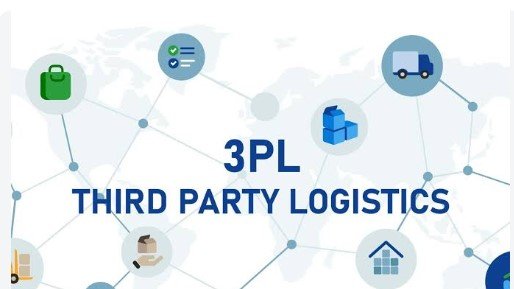
The most efficient ecommerce businesses in the US utilize reliable logistics systems to ensure orders reach customers accurately, affordably, and on time. Managing inventory, packing orders, shipping products, and handling returns can become increasingly complicated for growing online retail stores. These responsibilities can consume valuable time and resources that business owners could otherwise invest in marketing, product development, and customer retention. Leveraging outsourced third-party logistics (3PL) services becomes increasingly valuable. A 3PL provider helps ecommerce businesses manage essential supply chain operations, including warehousing, inventory management, order fulfilment, packaging, shipping coordination, and returns processing.
Top 4 Ecommerce Businesses That Need to Invest in Outsourced 3PL Logistics
Here are some examples of a few types of ecommerce businesses that can benefit significantly from outsourcing logistics services to 3PLs.
1. Fashion and Clothing Ecommerce Stores
Online clothing retailers must manage different sizes, colors, styles, and stock levels while ensuring that orders are shipped promptly. Storing products, locating individual items, packaging garments, and processing exchanges can become overwhelming when your ecommerce business starts gaining ground. Outsourced 3PL services help fashion retailers organize inventory, pick and pack orders, and coordinate deliveries. Some providers also offer branded packaging and returns processing, helping businesses deliver a consistent shopping experience.
2. Beauty, Skincare, and Cosmetics Brands
Beauty and skincare brands frequently sell multiple product variations, including moisturisers, serums, makeup, haircare products, and gift sets. Successful brands may receive hundreds or even thousands of orders during promotional campaigns, influencer collaborations, and holiday shopping periods. A qualified 3PL provider can help beauty brands track stock, fulfil orders efficiently, and coordinate shipping. Businesses should confirm that their logistics partner can meet any applicable product-specific storage and handling requirements.
3. Health, Wellness, and Personal Care Stores
Online stores selling personal care products, fitness accessories, non-prescription wellness goods, and everyday hygiene supplies often benefit from repeat purchases.
Outsourced 3PL services can help these businesses manage inventory, prepare recurring orders, and coordinate deliveries across different US regions. Efficient fulfilment is especially useful for stores offering subscription boxes or monthly product bundles.
Choosing the right logistics partner can make a significant difference in an ecommerce business’s ability to grow. Online retailers need reliable 3PL providers like Packageman that can manage order fulfilment, maintain accurate inventory records, coordinate shipping, and handle returns without creating unnecessary operational complications. Packageman offers efficient ecommerce fulfillment and 3PL logistics services designed to support growing online retailers across the United States.
4. Subscription Box and Product Bundle Businesses
Subscription ecommerce businesses deliver products to customers on a recurring schedule. Examples include monthly beauty boxes, coffee subscriptions, snack packages, hobby kits, and curated lifestyle collections.
Unlike ordinary ecommerce stores, subscription businesses must coordinate recurring fulfilment cycles and ensure that each box contains the correct products. An outsourced 3PL partner can manage inventory, assemble product bundles, prepare recurring shipments, and coordinate dispatch schedules.
Outsourced third-party logistics can help ecommerce businesses move beyond the limitations of handling every order themselves. Fashion stores, beauty brands, electronics retailers, wellness businesses, home decor shops, subscription box companies, and pet supply stores can all benefit from professional fulfillment support when their logistics demands begin to grow.
The key is choosing a 3PL provider whose capabilities, pricing, technology, and warehouse locations match the business’s needs.

Accessories play an important role in modern clothing trends. A well-chosen cap can add character to a simple outfit while providing practical coverage for outdoor activities. From relaxed weekend looks to contemporary streetwear, hats are a versatile accessory for people with different fashion preferences.
For clothing retailers and fashion businesses, offering a variety of cap styles can also help attract customers looking for both classic and modern designs.
Trucker Caps for a Casual Look
Trucker caps are a popular choice for people who appreciate relaxed, sporty fashion. Their distinctive construction and versatile designs make them suitable for everyday outfits. They can be worn with graphic T-shirts, denim jackets, hoodies, or casual shorts.
Retailers interested in expanding their accessory collections can explore wholesale Trucker Hats to find styles that suit different customer preferences. Offering a range of colors and designs can help businesses create a collection that works with various clothing trends.
Camouflage Caps for a Distinctive Style
Camouflage patterns provide a different look for people who want their accessories to stand out. Inspired by outdoor clothing, these patterns have also become a recognizable feature of casual and streetwear fashion.
Adding wholesale Camo Hats to a product collection can give retailers another option for customers who prefer bold prints and distinctive accessories. These caps can be paired with plain shirts, denim, cargo pants, and neutral-colored outerwear to create a coordinated appearance.
What to Consider When Selecting Caps
Choosing the right headwear involves more than following current trends. Product quality, comfort, and design all contribute to a satisfying purchase.
Here are a few factors worth considering:
- Comfortable materials: Select fabrics that feel good during regular use.
- Reliable construction: Examine stitching, panel structure, and overall finishing.
- Practical designs: Consider adjustable closures and suitable fits.
- Color variety: Offer classic shades alongside more eye-catching options.
- Customer preferences: Choose products that match the interests of your intended audience.
Building a Versatile Headwear Collection
For apparel businesses, a balanced selection of accessories can complement existing clothing products. Combining traditional designs with more distinctive patterns allows retailers to serve customers with different tastes.
Understanding seasonal demand, reviewing product quality, and monitoring fashion trends can help businesses make informed purchasing decisions. It is also useful to choose designs that coordinate easily with popular casual clothing.
Conclusion
Caps remain a practical and fashionable accessory for everyday wear. Trucker styles offer a relaxed, sporty appearance, while camouflage designs provide a more distinctive alternative. By focusing on comfort, quality, and variety, individuals and retailers can find headwear options that complement modern fashion and meet different needs.

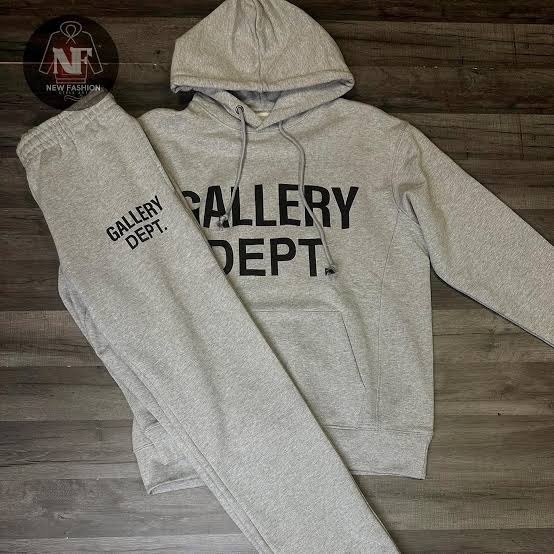
Two gray pieces laid out on a bed, forty euros apart, and a decision most of us make in about four seconds flat. Here’s the shape of it: a full tracksuit comes in at €100, while a hoodie bought by itself is €70 and joggers are another €70, which puts the same outfit at €140 if you pick it up a piece at a time. Looks settled, doesn’t it. It isn’t, quite, and the arithmetic deserves five minutes of your attention before you drop anything into a cart at Gallery Dept and get on with your evening.
The €40 gap, and what it’s actually buying
Forty euros is a t-shirt (€50) with a bit left over, or a trucker cap (€35) and a train ticket. As a saving it’s real, and I’m not going to pretend otherwise.
But it only counts if you wanted both halves to begin with. If the hoodie was the thing you came for and the joggers are just sort of there, you haven’t saved €40 — you’ve spent €30 more than you meant to, on trousers you feel lukewarm about. Plenty of sets live out their lives exactly like that, one half in rotation and the other half folded, which is a slightly sad way to spend a hundred euros.
How often does head-to-toe leave the house?
Be honest about this one, because the whole decision hangs off it. A matching set is at its best when you’re in motion: the 6 a.m. train out of Bologna, the queue at airport security, the first properly cold morning in November when it’s 8 °C outside, and you want one decision instead of four.
Other places, less so. Dinner. An office that isn’t fully relaxed about these things. The passeggiata through a small centro storico at nine in the evening, where everyone has visibly thought about their jacket. One print running top to bottom reads loud there, not because it looks bad but because it reads as a uniform, and uniforms get looked at.
- Travel days, where comfort beats everything else and you’re sitting still for hours anyway.
- Those damp mornings when getting dressed has to be over in ninety seconds.
- A weekend at home that might turn into a walk and a coffee, or might not.
- The gym bag, since the halves end up doing separate jobs on separate days.
Count those days in your own month. If the number comes out low, that €100 set is really a €100 hoodie with something extra attached.
Splitting it up, which is what happens anyway
Here’s where the honest answer lives. Almost nobody who owns a set wears it as a set most of the time. The sets on the Gallery Dept Tuta page carry one print across both halves — gray mélange Logo, the Paint Splatter gray, the navy Hollywood CA with its back print — and each half still stands up on its own the following morning.
The hoodie goes over jeans and nobody can tell it arrived with trousers. The joggers go under a plain cotton jersey tee (€50) and read as joggers, full stop. So you end up living in separates either way. You just paid €100 for them rather than €140, and agreed in advance that they’d match on the days you felt like it.
Which quietly changes the question you’re asking. It stops being set against separates and becomes something duller: two pieces that happen to match, against two pieces you chose one at a time and that probably won’t.
Two grays that aren’t the same gray
This is the bit that settles it for a lot of people. Much of this stuff gets its color as a finished piece, or a wash made to pull the tone back, so the shade shifts slightly from one item to the next. Buy a gray hoodie in March and gray joggers in July and there’s a fair chance you’ve got cousins rather than twins.
A set sidesteps that, since both halves were dyed as one item. And then there’s a duller reason on top of it. The sweatpants in the catalogue come in black (the Logan Dépt de la Galerie) and cream (the Sport Elegant DÉPT). Gray joggers on their own basically don’t exist here. So if gray mélange head to toe is the picture in your head, the €100 set is the only road to it.
| Pro Tip: When the color you want exists only as a set, buy the set and treat the second half as already discounted — roughly €30 for fleece joggers that cost €70 on their own. That’s the one case where the money and the wardrobe agree with each other. |
The numbers, laid out
| What you buy | Price | What you end up with |
| Full tracksuit, one print on both halves | €100 | A pair that matches, and two pieces that still work apart |
| Hoodie and joggers bought separately | €140 | Your own two colors, two prints, and no promise they sit together |
| Hoodie and a t-shirt | €120 | A layered outfit rather than a set — fleece on top, jersey underneath |
| Hoodie on its own | €70 | The piece that gets worn most, and nothing else to think about |
| Joggers on their own | €70 | Fine, as long as there’s already a top at home for them |
Read the last column before you read the price. The €140 row is the expensive one on paper and the roomier one in practice, because you picked both colors yourself. The €100 row is cheaper and narrower. The €120 row isn’t really competing with either — a hoodie and a tee is a different kind of day out, and it handles an April that can’t decide better than two heavy pieces do.
- If you’d genuinely wear both halves together a few times a month, the set wins twice over.
- Buying for the top and talking yourself into the bottom? Pay the €70 and stop there.
- And gray on gray leaves one road open, which is the €100 one.
Frequently Asked Questions
Is the full tracksuit really cheaper than buying both pieces?
Yes, by a clear margin — €100 against €140. The catch sits in the assumption, though, because that €40 only exists if the joggers were something you wanted anyway.
Can I wear the two halves apart?
That’s what most of us do. Neither piece announces that it showed up with a partner, and the top half usually ends up collecting far more wear than the bottom.
What about a hoodie and a t-shirt instead?
Different purpose entirely. €70 plus €50 gets you €120 of layering instead of a set, which suits a 15 °C afternoon better than fleece on fleece does.
Does it cost more to ship two items than one?
I can’t put a figure on it. Shipping options and costs show up at checkout and depend on where the parcel is going, so that’s the only place you’ll see a real number.
So count your head-to-toe days first and look at the prices second. Four or five such days a month and the set is the better hundred euros you’ll spend this autumn. One, and you want the hoodie and nothing after it. Either way, make the call before you’re standing in the cart with a card in your hand.

Top Property Law Solicitors in London for Legal Advice

How to make an older commercial property work for a modern business

Why Your Beauty Clinic in Bali Matters for Filler Results

4 Ecommerce Businesses That Need to Invest in Outsourced 3PL Logistics Services

Fox Fur Coat or Fox Fur Jacket? A Guide to Wearing the Most Dramatic Fur

South Bay Beach Club: Your Guide to a Peaceful Beachfront Getaway

How to Ensure Your Home is Valued Correctly for a Quick Sale

Christopher Dare: The Untold Story of Engineer and Former Husband of Angela Rippon

The 15 Highest-Paid Rugby Players in the World

What Is Fanquer? The Digital Creator Platform Transforming Direct-to-Fan Engagement

Dr Jared Ross: Missouri Appeals Court Upholds Protection Order Over Graphic Torture and Murder Threats

Nancy Hallam: The Inspiring Life, Career, and Success Story Behind Ian Wright’s Wife
How to Ensure Your Home is Valued Correctly for a Quick Sale
Christopher Dare: The Untold Story of Engineer and Former Husband of Angela Rippon
The 15 Highest-Paid Rugby Players in the World
What Is Fanquer? The Digital Creator Platform Transforming Direct-to-Fan Engagement
Dr Jared Ross: Missouri Appeals Court Upholds Protection Order Over Graphic Torture and Murder Threats
Nancy Hallam: The Inspiring Life, Career, and Success Story Behind Ian Wright’s Wife
-
 Real Estate9 months ago
How to Ensure Your Home is Valued Correctly for a Quick Sale
-
Celebrity11 months ago
Christopher Dare: The Untold Story of Engineer and Former Husband of Angela Rippon
-
 Sports5 months ago
The 15 Highest-Paid Rugby Players in the World
-
 Technology5 months ago
What Is Fanquer? The Digital Creator Platform Transforming Direct-to-Fan Engagement
-
 Celebrity5 months ago
Dr Jared Ross: Missouri Appeals Court Upholds Protection Order Over Graphic Torture and Murder Threats
-
Celebrity12 months ago
Nancy Hallam: The Inspiring Life, Career, and Success Story Behind Ian Wright’s Wife
-

 Celebrity8 months ago
Who Is Azriel Crews? Inside the Life and Career of Terry Crews’ Daughter
-
 Celebrity11 months ago
Who Is Maisie Mae Roffey? The Private Life, Family Story, and Quiet Success of Julie Walters’ Daughter