
Travel
Buggy Ride Dubai: Complete Prices, Types, and Booking Guide

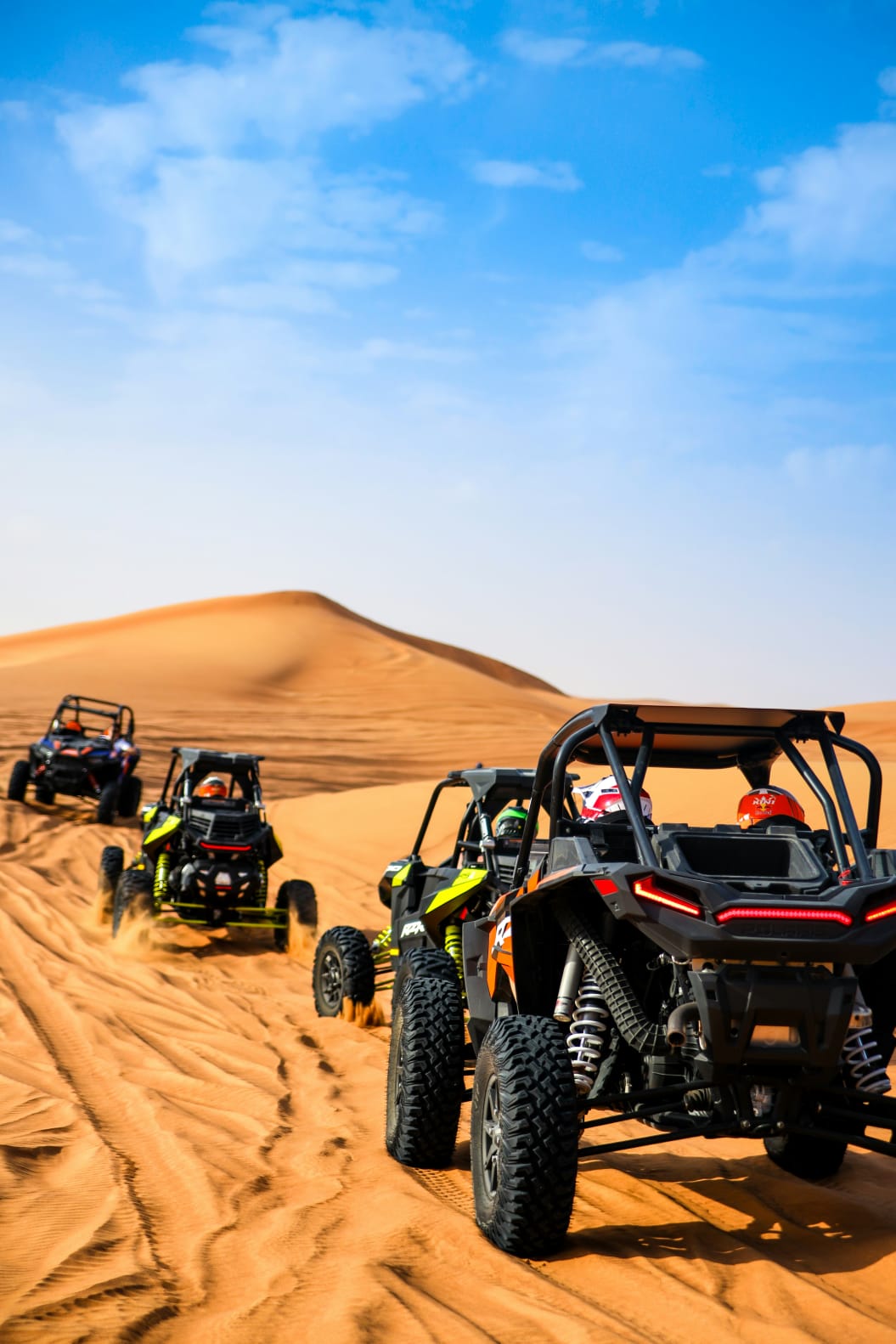
A buggy ride in Dubai is a self-drive or guided off-road experienc across the red sand dunes surrounding the city, typically at Al Badayer Desert. Riders take the wheel of a 2-seater or 4-seater dune buggy most commonly a Can-Am Maverick or Polaris RZR and follow a guide through open desert terrain. The buggy ride Dubai market is built around short, high-adrenaline sessions rather than all-day expeditions, which shapes almost every decision you’ll make when booking one.
Most operators run tours from the same general stretch of desert along the Dubai–Sharjah border. What separates one company from another isn’t the sand, it’s the vehicle condition, the guide quality, and how honestly the pricing is presented. That last point trips up more first-time bookers than anything else, and it’s worth understanding before you look at a single package.
What Is a Buggy Ride in Dubai? Quick Overview
A dune buggy is an open-frame, off-road vehicle built for sand: wide tires, high ground clearance, and a roll cage. In Dubai, these run mostly on 1000cc engines and are driven directly over sand dunes as part of a desert safari buggy tour, either solo or with a guide leading a small convoy.
The vehicle itself does the heavy lifting. Soft suspension absorbs the dune drops, four-point harnesses keep you locked in place, and the roll cage is there for the moments when a dune climb goes sideways literally. Unlike a standard desert safari, where you’re a passenger in a 4×4, a buggy ride puts you behind the controls.
That distinction matters when you’re choosing between activities. A desert safari sells scenery and comfort. A buggy ride sells control and adrenaline, with the scenery as a byproduct.
Types of Dune Buggy Rides Available in Dubai
Self-Drive Buggy Rides for Solo Explorers
Self-drive means exactly that you operate the buggy yourself, with a guide riding ahead or alongside in their own vehicle. Expect a short orientation and safety briefing before you’re handed the wheel, covering throttle control, braking on sand, and how to read a dune face before committing to it.
In practice, most first-timers underestimate how physical this is. Sand driving asks for constant small corrections, not one steady line, and that’s the skill the briefing is actually teaching, not just “how to start the engine.”
Family and Group Buggy Tours in the Desert
Family and group tours run in 4-seater buggies, built around lower speeds and wider turning margins than solo sessions. The roll cage and harness setup stays the same across ride types; what changes is pacing, since guides slow the convoy to match the least experienced driver in the group.
This is also where corporate and birthday bookings tend to land, because a 4-seater lets non-drivers ride along without needing their own vehicle.
Night and Sunset Buggy Adventures
Night rides trade heat for atmosphere. Buggies fitted with stronger headlights follow marked routes through Al Badayer Desert after dark, when temperatures drop and the dunes flatten into shadow and moonlight. Sunset tours sit in between times so the ride finishes as the light turns gold, which is also when most tour photography happens.
The tradeoff worth knowing: visibility is genuinely lower at night, so guides usually keep speeds more conservative than on a daytime or sunset run, regardless of what the marketing implies.
Dune Buggy Ride Dubai Prices and Packages Compared
Buggy ride Dubai prices generally run from roughly AED 399 for a shared 30-minute combo session up to AED 1,499 for a premium 60-minute private ride on a high-performance model. The spread reflects three variables: seater type, buggy model, and whether the transfer is private or shared.
[INSERT: specific data point/quote needed here — e.g., a first-hand price comparison across a set number of operators checked on a given date, or an average booking value from direct experience]
| Package Type | Typical Seater | Typical Price Range (AED) |
| Shared Combo (30 min) | 1-seater | 399 |
| Standard Buggy Tour (60 min) | 1, 2 & 4-seater | 500 |
| Can-Am Maverick Tour (60 min) | 2 & 4-seater | 800–1,300 |
| Premium Stage 4 / RZR PRO R (60 min) | 4-seater | 1,499 |
The gap between the cheapest and most expensive listed package is almost 4x — and that gap is rarely explained clearly on booking pages, which is the next thing worth untangling.
Can-Am Maverick vs Polaris RZR: Which to Choose
The Can-Am Maverick and Polaris RZR are the two dominant buggy models across Dubai operators, both typically running 1000cc engines. The practical difference comes down to power delivery and suspension feel rather than raw specs; the Maverick tends to be marketed as the higher-performance option, sometimes with Smart-Shox suspension and outputs quoted around 240 HP^ on select trims.
The RZR, by contrast, is usually positioned as the more accessible, easier-to-handle option, a common recommendation for first-time drivers or families riding together. Neither vehicle requires a driving license to operate on private desert land, which surprises a lot of visitors used to stricter rules at home.
Choosing between them isn’t really about horsepower on paper. It’s about whether you want a punchier, faster ride (Maverick) or a smoother, more forgiving one (RZR) — and that decision should shape which package you book next.
How Much Does a Dune Buggy Ride Cost in Dubai
A dune buggy ride in Dubai typically costs between AED 399 and AED 1,499, based on seater type, buggy model, and tour duration. Shorter shared sessions sit at the low end; private 60-minute rides on premium models sit at the top. Transfer type private versus shared adds or removes roughly AED 300–350 in most packages.
Duration matters more than most bookers assume. A 30-minute session covers less dune terrain and fewer scenic stops than a full 60-minute drive, so the per-minute value shifts noticeably once you move past the entry-level package.
The seat type is the other lever. A 1-seater keeps costs down but limits you to solo riding; 4-seaters cost more per booking but split naturally across a family or group, often working out cheaper per person than it first appears.
Buggy Ride vs Quad Bike vs Desert Safari in Dubai
Quad bikes are the budget entry point into desert off-roading in Dubai, with rides starting from around AED 120 for a short session noticeably below buggy pricing. The trade-off is capacity: quads are single-rider, offer less protection than a roll-caged buggy, and generally run smaller engines suited to shorter, lower-intensity routes.
A traditional desert safari removes the driving altogether. You ride as a passenger in a 4×4 through dune bashing, then typically move on to a desert camp for sandboarding, camel rides, and dinner. It’s the choice for travelers who want the desert experience without operating a vehicle themselves.
The buggy ride sits between the two: more protected and powerful than a quad, more active and hands-on than a passenger safari. If you want control, pick the buggy. If you want comfort, pick the safari. If you want the cheapest possible desert taste, the quad wins on price alone.
Safety Rules and Age Requirements for Buggy Rides
Most operators set the minimum driving age at 16, require passengers to be at least 6, and restrict pregnant women or riders with heart, back, or respiratory conditions from participating. A typical per-seat weight limit runs 100–120 kg^, though this varies by buggy model.
Safety gear is standard across the market: helmets and goggles are provided and mandatory, four-point harnesses secure riders in place, and roll cages are a fixed feature on every buggy used for tourist rides, not an optional upgrade.
Most implementations overlook one detail worth flagging directly: weight limits are per seat, not per booking. A 4-seater’s combined limit doesn’t simply multiply the single-seat figure it’s usually a separate, lower combined threshold, which matters if your group is on the heavier side.
What to Wear for a Dune Buggy Ride in Dubai
Closed-toe shoes, long sleeves, and full-length pants are the baseline recommendation across nearly every operator and exposure and sun, not cold, are the main risks. Add sun protection: a wide-brimmed hat, UV-rated sunglasses, and high SPF sunscreen reapplied through the session.
A scarf or bandana isn’t cosmetic here. At speed, blowing sand gets into eyes, nose, and mouth fast, and a simple face covering solves most of that discomfort without needing specialized gear.
Evening and night riders should pack a light jacket. Desert temperatures drop quickly once the sun is down, even in warmer months, and that shift catches daytime-dressed riders off guard more often than you’d expect.
Best Time of Year and Day to Ride a Dune Buggy
Early morning and late afternoon are the strongest windows for a dune buggy ride, avoiding peak midday heat while catching softer light for photos. Winter months (roughly September through April) offer the most comfortable riding conditions across the full day.
Summer changes the calculation. With daytime temperatures climbing toward 45°C^, most operators push bookings toward early morning or night slots specifically to avoid the worst heat, a pattern that also means summer rides can be quieter and less crowded than peak winter season.
Sunset timing sits in a category of its own: it’s chosen less for comfort and more for the specific light quality that shows up in tour photography, which is part of why it’s marketed as a distinct package rather than folded into “afternoon.”
How to Book Your Dubai Buggy Ride: Step-by-Step
Booking a buggy ride in Dubai typically follows three steps: contact the operator (usually via WhatsApp or an online form), confirm your package and time slot at least 24 hours ahead, and choose between advance online payment or pay-on-arrival.
A few details are worth confirming before you commit: pick-up location and whether it’s free or paid, cancellation policy (most sit around a 24-hour window), and whether the quoted price includes transfer or treats it as an add-on. Skipping this step is the most common source of post-booking surprises.
Final Thoughts: Is a Dubai Buggy Ride Worth It?
For anyone who wants active control over their desert experience rather than a passenger seat, a buggy ride at Al Badayer or the Red Dunes delivers on that specifically. It won’t suit everyone, health restrictions, age limits, and the physical intensity of dune bashing rule out a meaningful slice of travelers.
For those it does suit, the real decision isn’t whether to book, but which combination of buggy model, seat type, and time slot actually matches what you’re after: raw speed, family inclusion, or a quieter after-dark run through the dunes.
Frequently Asked Questions
Do You Need a License to Drive a Dune Buggy in Dubai?
No. Dune buggy tours in Dubai operate on private desert land, so a driving license isn’t required. You do need to meet the minimum age requirement, usually 16, and follow the guide’s safety briefing.
Is Dune Buggy Riding Safe for Pregnant Women or People With Back Conditions?
No. Most operators exclude pregnant women and riders with heart, back, neck, or respiratory conditions due to the physical jolting of dune terrain. Consult a doctor if you have any pre-existing condition before booking.
What Is the Weight Limit for a Dune Buggy in Dubai?
Typical per-seat limits run 100–120 kg, though this varies by buggy model. Combined limits for multi-seat buggies are usually set below a simple per-seat multiplication, so check with the operator if your group is heavier.
How Long Does a Dune Buggy Ride Last?
Standard sessions run 30 to 60 minutes, with some operators offering extended 90-minute or 2-hour options. Duration is the main factor separating entry-level packages from premium ones.
Is a Dune Buggy More Expensive Than a Quad Bike?
Yes. Quad bikes start from around AED 120 for a short session, while dune buggies start closer to AED 399–500. Buggies offer more protection, higher seating capacity, and more power in exchange for the higher price.
What Happens If It Rains or a Sandstorm Hits During My Tour?
Operators typically reschedule or issue a refund if weather forces a cancellation, though specific windows and refund percentages vary by company. Confirm the exact weather policy before you book.
Can I Verify the Operator’s Trade License Before Booking?
Some operators publish a specific trade license number on their site; others state they’re “DTCM-licensed” without listing it. Where a number is provided, it’s worth checking directly rather than taking the licensing claim at face value.
Is Hotel Pickup and Drop-Off Included in the Price?
It depends on the operator and package. Some bundle a free shared transfer into combo pricing; others charge a separate private transfer fee, typically in the AED 300–350 range. Always confirm before booking.


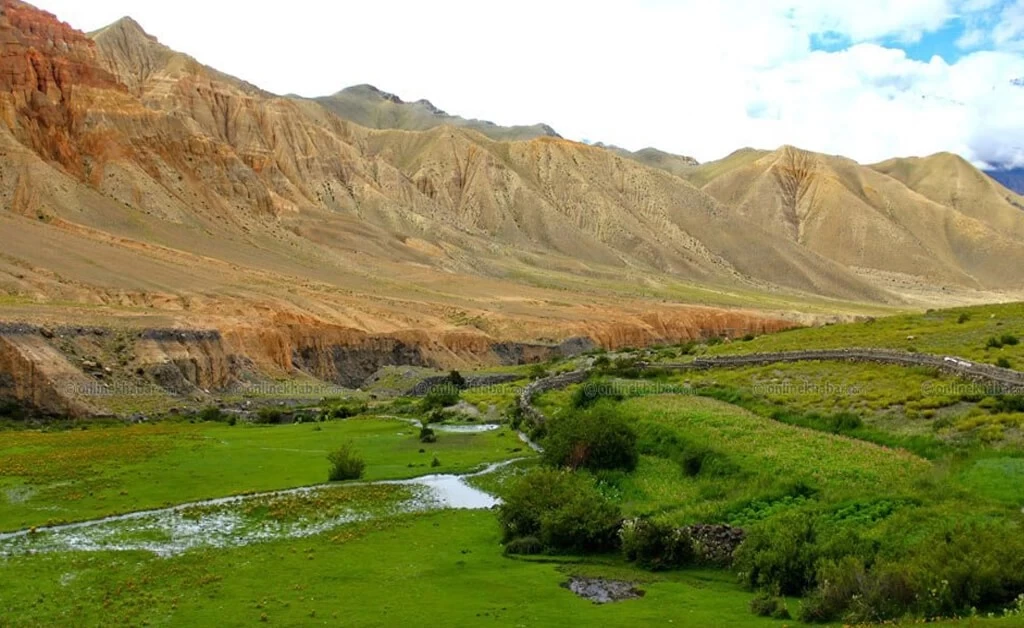
Upper Mustang Trekking is one of Nepal’s most fascinating Himalayan adventures, offering a rare combination of dramatic landscapes, ancient Tibetan-influenced culture, historic villages, monasteries, and remote mountain trails. Often described as the “Last Forbidden Kingdom,” Upper Mustang remained restricted to outside visitors for many years, helping preserve its unique traditions and distinctive character.
Unlike the lush landscapes found on many other Nepal trekking routes, Upper Mustang is famous for its dry, desert-like terrain, colorful cliffs, deep gorges, and windswept plateaus. The journey also provides opportunities to explore ancient settlements and monasteries while enjoying spectacular views of the Annapurna and Dhaulagiri ranges.
Before planning the adventure, travelers should understand the Upper Mustang Trekking itinerary, cost, permits, difficulty, and best time to visit.
Upper Mustang Trekking Overview
Upper Mustang lies in the rain-shadow region of the Himalayas, north of the Annapurna and Dhaulagiri ranges. The landscape is dramatically different from the green valleys of lower Nepal, with rugged cliffs, barren hills, caves, and wide high-altitude valleys.
The trek commonly begins in Jomsom, which can be reached from Pokhara by flight or other transportation options. From Jomsom, the route continues through traditional villages toward Lo Manthang, the historic cultural center of Upper Mustang.
Depending on the itinerary and side trips, Upper Mustang trekking generally takes around 12 to 18 days.
Upper Mustang Trekking Itinerary
Day 1: Kathmandu to Pokhara
The journey begins with travel from Kathmandu to Pokhara. This beautiful lakeside city is the main gateway for trekking in the Annapurna and Mustang regions.
You can spend the evening preparing your equipment and enjoying the views around Phewa Lake.
Day 2: Pokhara to Jomsom
Travel from Pokhara toward Jomsom, the main gateway to Mustang. Depending on current conditions and transportation arrangements, travelers may fly or use road transportation.
Jomsom sits in the Kali Gandaki Valley and provides the starting point for the Upper Mustang route.
Day 3: Jomsom to Kagbeni
The trek begins with a journey toward Kagbeni, an ancient settlement located near the entrance to Upper Mustang.
The village features narrow lanes, traditional architecture, and strong Tibetan cultural influences.
Day 4: Kagbeni to Chele
Continue north through the increasingly dry landscape. The trail follows the Kali Gandaki Valley before climbing toward Chele.
As the elevation increases, the scenery becomes more rugged and the vegetation becomes increasingly sparse.
Day 5: Chele to Syangboche
The route crosses several mountain passes and continues through spectacular desert-like terrain.
The changing colors of the cliffs and surrounding hills create excellent opportunities for photography.
Day 6: Syangboche to Ghami
Continue toward Ghami, one of the traditional villages of Upper Mustang. The route passes through dramatic valleys and high mountain landscapes.
Ghami is known for its traditional houses, cultural heritage, and nearby Buddhist monuments.
Day 7: Ghami to Tsarang
The trail continues toward Tsarang, another historically important settlement. Along the way, trekkers can enjoy views of rugged cliffs and expansive valleys.
Tsarang is home to traditional architecture and cultural sites that reflect the region’s long Buddhist heritage.
Day 8: Tsarang to Lo Manthang
This is one of the most anticipated days of the trek. The route leads toward Lo Manthang, the historic walled settlement and cultural heart of Upper Mustang.
Reaching the town provides an opportunity to explore its ancient streets, monasteries, traditional homes, and surrounding landscapes.
Day 9: Explore Lo Manthang
Spend a full day exploring Lo Manthang and nearby cultural attractions. Depending on the itinerary, you may visit ancient monasteries, traditional villages, and viewpoints surrounding the town.
This rest and exploration day also allows trekkers to experience the distinctive culture of the region without rushing.
Days 10–13: Return Journey
The return route generally follows the same general corridor through Tsarang, Ghami, and other settlements before reaching lower elevations.
Depending on your selected itinerary, additional villages and side trips can be included.
Final Days: Jomsom and Pokhara
After completing the trekking section, return toward Jomsom before traveling back to Pokhara. You can then continue to Kathmandu by road or air transportation.
The exact itinerary can be adjusted according to weather, transportation, acclimatization, and available trekking days.
Upper Mustang Trekking Cost
The Upper Mustang Trekking cost is generally higher than many standard Nepal trekking routes because Upper Mustang is a restricted trekking area and requires a special permit.
The total price depends on the trekking agency, duration, group size, transportation, accommodation, guide services, porter arrangements, and permit fees.
A trekking package may include:
- Restricted-area trekking permit
- Conservation-area permit
- Professional trekking guide
- Porter services
- Accommodation during the trek
- Meals included in the package
- Transportation between major destinations
- Trekking registration and administrative arrangements
Travelers should budget separately for international flights, Nepal visa fees, travel insurance, personal trekking equipment, snacks, drinks, tips, charging, Wi-Fi, and additional hotel accommodation.
Always request a detailed quotation before booking so you understand exactly what the package covers.
Upper Mustang Trekking Permits
Permits are an essential part of planning an Upper Mustang adventure. Because the region is restricted, travelers need a Restricted Area Permit (RAP) in addition to the applicable conservation-area documentation.
The restricted-area permit is generally arranged through a registered trekking agency, and there are specific rules governing travel in the region.
Permit fees can vary depending on the season and length of stay, so travelers should confirm the current regulations and charges before departure.
Carrying your passport and copies of important travel documents is also recommended throughout the trek.
Upper Mustang Trekking Difficulty
The Upper Mustang Trekking difficulty is generally considered moderate to challenging. The route does not normally require technical climbing, but high altitude, long walking days, dry terrain, strong winds, and significant elevation changes can make the trek demanding.
The highest parts of the route involve crossing several mountain passes, while the dry landscape can provide little shade during the day.
Good physical preparation is therefore important. Regular hiking, walking, stair climbing, and cardiovascular exercise can improve endurance before the trip.
Trekkers should also maintain a steady pace, stay hydrated, and allow enough time for their bodies to adjust to the altitude.
Best Time for Upper Mustang Trekking
One of the unique advantages of Upper Mustang Trekking is that the region lies in the Himalayan rain shadow. This means it receives significantly less rainfall than many other trekking destinations in Nepal.
Spring: March to May
Spring generally provides favorable trekking conditions, with comfortable temperatures at lower elevations and good opportunities to enjoy the rugged landscapes.
Summer: June to August
While much of Nepal experiences monsoon rainfall during summer, Upper Mustang remains comparatively dry. This makes the region one of the more attractive trekking destinations during the monsoon period.
Autumn: September to November
Autumn offers stable weather, clear mountain views, and comfortable trekking conditions. It is one of the most popular seasons for exploring the region.
Winter: December to February
Winter can bring very cold temperatures, snow, and challenging conditions at higher elevations. Some accommodation and services may also operate on a more limited basis.
What to Pack for Upper Mustang
Because weather can change quickly, layered clothing is essential. Important items include sturdy trekking boots, warm layers, thermal clothing, a waterproof jacket, gloves, a hat, sunglasses, sunscreen, and a sleeping bag.
The dry environment also makes hydration especially important. Carry a reusable water bottle and suitable water-purification supplies.
Other useful items include trekking poles, a headlamp, power bank, personal medication, basic first-aid supplies, toiletries, and copies of your travel documents.
Why Choose Upper Mustang Trekking?
Upper Mustang offers an experience that differs significantly from Nepal’s greener trekking regions. The landscape resembles a high-altitude desert, while ancient monasteries, caves, villages, and traditional buildings provide a fascinating cultural dimension.
Lo Manthang is a major highlight, but the journey itself is equally memorable. Each day reveals different rock formations, valleys, mountain passes, and historic settlements.
For travelers interested in Himalayan culture, history, photography, and remote landscapes, Upper Mustang provides an exceptional trekking experience.
Final Thoughts
Upper Mustang Trekking offers a remarkable journey through one of Nepal’s most distinctive regions. Its ancient culture, dramatic landscapes, historic settlements, and remote mountain environment make it an unforgettable destination.
Because the area is restricted, careful planning is essential. Obtaining the correct permits, choosing a suitable itinerary, preparing physically, and traveling with an experienced trekking agency can make the experience smoother and more enjoyable.
For travelers seeking something beyond the classic Himalayan trails, Upper Mustang provides a rare opportunity to explore Nepal’s remote high-altitude desert and discover a culture shaped by centuries of Tibetan influence.


Why Shared Travel Experiences Are Redefining Modern Family Holidays reflects changing travel priorities among families, friends, and multi-generational groups. Shared travel experiences are redefining modern family holidays by placing greater emphasis on quality time, meaningful connections, and memorable moments created through destination-based vacations. Travelers increasingly seek accommodations and experiences that allow groups to stay together while enjoying comfort, flexibility, and personalized activities. Family holidays now focus less on individual travel preferences and more on creating opportunities for collective experiences across different age groups.
Destination-based vacations provide environments where families and groups participate in activities, celebrations, cultural experiences, and leisure time together. Larger accommodations, flexible itineraries, and private gathering spaces support stronger interaction throughout the trip. Multi-generational travel continues growing as grandparents, parents, and children prioritize shared experiences that strengthen relationships and create lasting memories. Vacation rentals, private villas, resorts, and family-oriented destinations adapt to meet demand for group-friendly travel solutions. Comfort, convenience, and personalized experiences remain central factors driving the popularity of shared travel experiences in modern family holidays.
Why Are Group Vacations Becoming More Popular Than Ever?
Group vacations are becoming more popular than ever because travelers increasingly value shared experiences, meaningful connections, and opportunities to create lasting memories together. Families, friends, and multi-generational groups prioritize travel that brings participants together in a single destination for extended quality time. Changing travel habits encourages travelers to focus on experiences and personal connections rather than traditional sightseeing alone. Group travel provides opportunities to celebrate important life events while strengthening relationships through shared activities and experiences.
Milestone celebrations, family reunions, destination weddings, anniversary trips, and special gatherings continue driving demand for group vacations. Travelers seek destinations that accommodate larger groups through spacious accommodations, flexible itineraries, and shared recreational opportunities. Destination-based gatherings allow participants from different locations to meet in one setting and spend meaningful time together. Shared experiences create memorable moments through cultural activities, outdoor adventures, dining experiences, and local attractions. Growing interest in connection, convenience, and collective travel experiences continues to increase the popularity of group vacations across global travel markets.
What Makes a Destination Ideal for Group Holidays?
An ideal group holiday destination combines convenience, comfort, and activities that appeal to different interests and age groups. Successful group travel depends on destinations that support shared experiences while providing flexibility for individual preferences.
The things that make a destination ideal for group holidays are listed below.
- Accessibility: Accessibility allows group members to reach the destination through convenient transportation options and well-connected travel routes. Easy access simplifies travel planning and coordination.
- Diverse Activities: Diverse activities provide entertainment for different age groups and interests. Activity options create opportunities for shared experiences and personal exploration.
- Comfortable Accommodations: Comfortable accommodations provide sufficient space, privacy, and communal areas for families and larger groups. Group-friendly lodging improves convenience throughout the stay.
- Local Attractions: Local attractions offer cultural sites, entertainment venues, outdoor activities, and sightseeing opportunities. Attraction variety increases the appeal of the destination.
- Dining Options: Dining options accommodate different tastes, dietary preferences, and group sizes. Restaurant variety supports flexible meal planning and social gatherings.
- Safety: Safety contributes to a more relaxed and enjoyable travel experience. Secure environments allow travelers to focus on activities and shared experiences.
- Opportunities for Relaxation and Exploration: Opportunities for relaxation and exploration create balance throughout the holiday. Travelers enjoy leisure time while discovering local culture, attractions, and natural surroundings.
How Does the Right Accommodation Bring People Together?
The right accommodation brings people together by creating shared spaces that encourage interaction, connection, and group activities. Spacious accommodations provide common areas where families and friends gather for meals, conversations, celebrations, and leisure time. Comfortable living spaces help groups spend more time together while enjoying a convenient and relaxed environment. Shared experiences become easier when accommodations support social engagement throughout the stay.
Privacy remains an important benefit alongside social interaction. Larger accommodations offer separate bedrooms, private areas, and flexible layouts that accommodate different preferences and schedules. Groups of varying sizes benefit from arrangements that balance communal experiences with personal space. Convenience features, including full kitchens, entertainment areas, outdoor spaces, and multiple amenities, further improve the group travel experience. Accommodations that combine comfort, flexibility, and privacy help create stronger connections and more memorable holidays.
How Are Holiday Preferences Changing Across Different Generations?
Holiday preferences are changing across different generations as younger and older travelers increasingly seek destinations that combine leisure, culture, wellness, and memorable shared experiences. Travelers place greater value on meaningful activities and personal enrichment rather than traditional sightseeing alone. Younger generations frequently prioritize authentic cultural experiences, adventure activities, wellness programs, and flexible travel opportunities. Older travelers increasingly seek comfort, convenience, cultural exploration, and experiences that promote relaxation and well-being. Shared interests across age groups continue influencing destination selection and travel planning.
Multi-generational travel contributes to the shift in holiday preferences by bringing together travelers with different interests and expectations. Destinations that offer cultural attractions, wellness facilities, outdoor recreation, local cuisine, and leisure activities appeal to a broader range of travelers. Families and groups increasingly select locations that provide opportunities for connection, learning, and shared experiences. Flexible accommodations, personalized itineraries, and diverse activity options support participation across different age groups. Growing interest in experience-driven travel continues to shape holiday preferences across generations and global travel markets.
Which Features Matter Most When Booking Accommodation for Groups?
Group accommodation features influence comfort, convenience, and the overall travel experience for families, friends, and multi-generational travelers. Larger groups typically prioritize space, shared gathering areas, and amenities that support social interaction while maintaining privacy.
The features that matter most when booking accommodation for groups are shown in the table below.
| Feature | Benefit for Group Travel |
| Multiple Bedrooms | Multiple bedrooms provide privacy and personal space for guests while accommodating larger groups comfortably. |
| Communal Living Areas | Communal living areas create gathering spaces for conversations, entertainment, meals, and shared activities. |
| Outdoor Entertainment Spaces | Outdoor entertainment spaces support group dining, celebrations, recreation, and social interaction in open-air settings. |
| Private Pools | Private pools provide exclusive recreational space and convenience without shared public facilities. |
| Fully Equipped Kitchens | Fully equipped kitchens allow groups to prepare meals, accommodate dietary preferences, and reduce dining expenses. |
| Concierge Services | Concierge services assist with reservations, transportation arrangements, activity planning, and personalized guest requests. |
| Convenient Locations | Convenient locations provide easier access to attractions, restaurants, shopping areas, transportation hubs, and local experiences. |
When Do Travelers Start Looking for Mykonos Holiday Villas?
Travelers typically start looking for holiday accommodations several months before departure, once travel dates, group size, and budget are finalized. Early planning provides access to a wider selection of properties and increases the likelihood of securing preferred locations during the season (May to October). Families, friends, and multi-generational groups frequently research accommodation options well in advance to coordinate schedules and identify properties that meet group travel requirements.
Early research helps travelers compare privacy levels, property sizes, amenities, and proximity to beaches, restaurants, and attractions. Seasonal demand influences availability across popular Mediterranean destinations, making advance evaluation an important part of the booking process. Travelers often review accommodation categories that support family gatherings, group holidays, and extended stays while assessing concierge services, outdoor spaces, private pools, and location advantages. Many visitors compare listings and amenities before making a reservation, including properties categorized as Mykonos Holiday Villas.
Why Are Shared Experiences Becoming More Valuable Than Packed Itineraries?
Shared experiences are becoming more valuable than packed itineraries because travelers increasingly prioritize meaningful moments, personal connections, and memorable interactions over visiting as many attractions as possible. Modern travel preferences emphasize quality rather than quantity, encouraging travelers to spend more time engaging with destinations, companions, and local culture. Families, friends, and multi-generational groups often prefer flexible schedules that allow spontaneous activities, conversations, and relaxation instead of tightly structured sightseeing plans. Meaningful experiences frequently create stronger and longer-lasting memories than rushed visits to multiple attractions.
Slower and more intentional travel supports deeper cultural engagement and greater appreciation of local environments. Travelers increasingly seek authentic dining experiences, community interactions, wellness activities, outdoor exploration, and cultural immersion. Flexible itineraries provide opportunities to adapt plans based on interests, energy levels, and unexpected discoveries. Quality conversations, shared meals, and time spent together often become the most memorable parts of a trip. Growing interest in connection, well-being, and authentic experiences continues to shift travel priorities away from attraction-focused schedules and toward more meaningful travel experiences.
What Activities Help Create Lasting Holiday Memories?
Holiday memories develop through shared experiences that encourage connection, enjoyment, and meaningful engagement with a destination. Travelers frequently remember activities that combine relaxation, exploration, and quality time with family and friends.
The activities that help create lasting holiday memories are listed below.
- Sunset Dinners: Sunset dinners bring travelers together in a relaxed setting with scenic views and shared conversations. Evening dining experiences often become memorable highlights of a holiday.
- Local Food Experiences: Local food experiences introduce travelers to regional flavors, culinary traditions, and cultural heritage. Authentic dining opportunities create stronger connections to a destination.
- Boat Excursions: Boat excursions provide access to coastal scenery, hidden beaches, and unique sightseeing opportunities. Shared time on the water creates memorable group experiences.
- Cultural Visits: Cultural visits expose travelers to local history, architecture, traditions, and community life. Educational experiences add depth and meaning to a holiday.
- Beach Days: Beach days offer opportunities for relaxation, recreation, and social interaction. Coastal settings encourage quality time in a comfortable environment.
- Wellness Activities: Wellness activities promote relaxation, balance, and personal well-being through spa treatments, yoga sessions, and holistic experiences. Wellness-focused experiences contribute to a more restorative holiday.
- Outdoor Adventures: Outdoor adventures include hiking, water sports, nature exploration, and recreational activities. Active experiences create excitement and strengthen shared memories among travelers.
How Can Travelers Balance Relaxation and Exploration During a Holiday?
Travelers can balance relaxation and exploration during a holiday through thoughtful planning that allocates time for leisure and meaningful activities. Balanced itineraries allow travelers to experience local attractions, cultural activities, and memorable excursions without creating unnecessary pressure or fatigue. Flexible scheduling helps travelers enjoy destinations at a comfortable pace while preserving opportunities for spontaneous experiences. Prioritizing a limited number of activities each day creates a more enjoyable and sustainable travel experience.
Downtime plays an important role in overall holiday satisfaction. Time spent at beaches, wellness facilities, private accommodations, or local cafés provides opportunities to recharge between excursions. Exploration remains rewarding when travelers focus on experiences that align with personal interests rather than attempting to visit every attraction. Flexible plans allow adjustments based on weather, energy levels, and unexpected opportunities. A balanced approach creates space for memorable experiences, meaningful interactions, and relaxation throughout the journey.
What Should Groups Consider Before Choosing a Holiday Villa?
Choosing a holiday villa requires careful evaluation of factors that influence comfort, convenience, and the overall travel experience. Group requirements vary based on traveler preferences, trip objectives, and destination characteristics.
Before choosing a holiday villa, the group should consider the eight steps below.
- Assess Group Size. Determine the number of travelers and sleeping arrangements required. Adequate space improves comfort and privacy throughout the stay.
- Evaluate Location. Review proximity to beaches, attractions, restaurants, shopping areas, and local services. Convenient locations reduce travel time during the holiday.
- Review Accessibility. Confirm access to airports, transportation networks, and nearby facilities. Easy accessibility simplifies arrival and daily travel logistics.
- Compare Amenities. Examine features including private pools, entertainment areas, kitchens, outdoor spaces, and wellness facilities. Suitable amenities improve the guest experience.
- Consider Privacy. Evaluate property layout, surrounding environment, and available private spaces. Privacy contributes to a more comfortable group stay.
- Check Transportation Options. Review parking availability, vehicle access, and transportation services. Reliable transportation supports easier movement throughout the destination.
- Verify Booking Flexibility. Examine cancellation policies, payment terms, and reservation conditions. Flexible booking arrangements provide greater travel confidence.
- Measure Overall Value. Compare accommodation quality, location benefits, included services, and pricing. Strong overall value supports a more satisfying holiday experience.
Personalised luxury travel is redefining premium vacations by shifting the standard from opulent hotel stays and visible extravagance toward bespoke experiences built entirely around the priorities of affluent travellers. Privacy, authentic destination access, and curated itineraries now define the premium travel category more than five-star room ratings or branded resort names. Over 35% of luxury leisure bookings worldwide are now made for private accommodations, driven by a traveller profile that prioritises controlled environments over shared hotel spaces. Personalisation has emerged as the top driver of loyalty among luxury clients, with exclusive, high-touch moments replacing material displays as the new benchmark of travel value.
The shift is experience-driven at each level, from private chefs sourcing ingredients locally to concierge-led cultural access that mass tourism cannot replicate. Affluent travellers in 2026 seek journeys that reflect personal identity rather than standardised luxury templates, with 75% of luxury clients now reserving trips five to 11 months in advance to secure the most exclusive properties and experiences. Destinations (Greece, Italy, and Japan) lead international demand, where private villa culture, curated excursions, and authentic local access align with the expectations of a traveller base that measures value by emotional resonance rather than visible excess.
Why Are Experience-Led Luxury Vacations Becoming More Popular?
Experience-led luxury vacations are becoming more popular because affluent travellers now measure travel value by personal and emotional depth rather than branded accommodation or visible extravagance. Customised itineraries built around specific interests (gastronomy, wellness, and cultural immersion) have replaced standardised five-star packages as the defining expectation of the premium travel segment. Over 35% of luxury leisure bookings worldwide are now made for private accommodations, reflecting a structural shift toward flexible, curated travel arrangements. Personalisation ranks as the top driver of loyalty among luxury clients, with exclusive high-touch moments outweighing physical amenities as the primary measure of a successful trip.
Immersive cultural experiences (private guided heritage tours, local culinary workshops, and conservation-focused excursions) now form the core of premium itinerary planning across leading destinations. Affluent travellers in 2026 prioritise authentic destination engagement over passive observation, with 75% of luxury clients booking trips five to 11 months in advance to secure exclusive properties before peak season. Flexible travel planning has further accelerated the shift, as travellers demand itineraries that adapt to personal pace rather than following fixed tourism structures.
What Defines a Modern Luxury Travel Experience?
A modern luxury travel experience is defined by a combination of exclusivity, personalisation, and authentic destination engagement that delivers emotional value beyond material comfort.
The things that define a modern luxury travel experience are listed below.
- Exclusivity: Private access to experiences (gated villa estates and closed cultural sites) separates modern luxury travel from conventional premium tourism. Exclusivity is measured by controlled access and curated scarcity rather than price point alone.
- Personalisation: Itineraries are built around specific guest preferences, from dietary requirements to cultural interests and activity pacing. Pre-arrival planning and dedicated concierge input shape each element of the stay.
- Local Authenticity: Immersive cultural participation (cooking with local producers and private heritage tours) defines destination engagement for affluent travellers. Authentic local access carries greater perceived value than standardised resort programming.
- Wellness: In-villa spa treatments, yoga programmes, and recovery-focused amenities form a core component of the modern luxury itinerary. Wellness is treated as a travel priority rather than an optional add-on.
- Gastronomy: Private chefs and curated culinary experiences sourced from local producers anchor the food dimension of premium travel. Bespoke menu planning tailored to guest preferences replaces fixed restaurant dining as the luxury standard.
- Privacy: Gated properties and secluded locations eliminate the exposure risks associated with shared hotel spaces. Privacy functions as a baseline requirement rather than a premium upgrade for high-net-worth travellers.
- Premium Hospitality: Dedicated concierge teams and butler services deliver a standard built around the specific needs of each guest party. Hospitality quality is measured by depth of personalisation rather than staff-to-guest ratios alone.
- Curated Experiences: Bespoke excursions and private event access are coordinated through concierge networks to align with guest itineraries. Curated experiences replace tick-list tourism as the primary activity model in luxury travel.
How Do Private Accommodations Elevate a Luxury Vacation?
Private accommodations elevate a luxury vacation by placing full control of space, schedule, and service into the hands of the guest rather than the property operator. Private villas remove shared lobbies, communal dining areas, and fixed service hours entirely, replacing the hotel model with an environment built exclusively around the guest party. Flexibility over daily routines (meal timing and pool access) gives villa stays a structural advantage that even the most premium hotel suites cannot replicate. A reported 72% of luxury travellers now prefer private estates over traditional hotels, reflecting a permanent shift in the premium accommodation standard driven by comfort, exclusivity, and personalised luxury travel.
Why Are Private Villas Becoming the Preferred Choice for Luxury Travellers?
Private villas are becoming the preferred choice for luxury travellers because the accommodation model delivers privacy, spatial comfort, and personalised service at a level that traditional hotel environments structurally cannot match. Spacious multi-bedroom layouts accommodate families, extended groups, and travelling entourages under one private roof, removing the logistical complexity of booking multiple hotel rooms. Longer stays at villa properties are increasingly common among affluent travellers, with extended itineraries allowing guests to settle into a destination at their own pace. A reported 72% of luxury travellers now prefer private estates over hotels, reflecting how deeply the villa model has embedded itself within premium travel planning.
Personalised services built around the specific requirements of each guest group further distinguish villa stays from hotel environments governed by standardised programming. Private chefs, dedicated concierge teams, and flexible staffing schedules operate entirely around the guest itinerary rather than property-wide service hours. Family-friendly villa layouts (separate bedroom wings, heated pools, and secure outdoor areas) address the specific requirements of multigenerational travel groups, a segment growing consistently within the luxury market. The combination of privacy, spatial generosity, and bespoke service has positioned private villa rentals as the definitive premium accommodation category for affluent travellers across leading European destinations in 2026.
Which Features Define a High-End Luxury Villa?
High-end luxury villas are defined by a combination of premium amenities, exclusive positioning, and personalised service infrastructure that collectively set the property apart from conventional rental accommodation. Travellers evaluating villa options across destinations (Mykonos, Tuscany, and the Amalfi Coast) rely on structured feature comparisons to assess value relative to nightly rates. Properties commanding the highest demand consistently deliver across all feature categories listed below, rather than excelling in isolated areas.
The features that define a high-end luxury villa are shown in the table below.
| Feature | Standard in High-End Villas | Guest Benefit |
| Private Pools | Heated infinity pools positioned to face sea or valley landscapes | Exclusive aquatic access without shared pool environments or fixed operating hours |
| Concierge Services | On-call teams managing reservations, transfers, and bespoke guest requests | Full logistical coordination handled without guest involvement from arrival to departure |
| Wellness Facilities | In-villa spa rooms, yoga decks, and on-call therapists available within the estate | Personalised wellness programming delivered privately without requiring guests to leave the property |
| Panoramic Views | Elevated or coastal plot positioning offering unobstructed sea, vineyard, or mountain vistas | Aesthetic and experiential value that directly justifies premium nightly rates |
| Outdoor Entertainment Areas | Al fresco dining terraces, outdoor cinemas, and event-ready spaces | Private hosting capacity for celebrations, group gatherings, and curated dining experiences |
| Gourmet Kitchens | Professional-grade kitchen facilities equipped for private chef use and full event catering | Supports customised dining programmes tailored to guest dietary requirements and preferences |
| Exclusive Locations | Gated hillside estates, beachfront plots, and secluded countryside properties | Geographic privacy and prestige positioning that reinforces the exclusivity of the stay |
When Do Luxury Mykonos Villas for Rent Become Part of Premium Travel Planning?
Luxury Mykonos villas for rent enter premium travel planning at the point where affluent travellers shift from destination selection to accommodation research, seeking properties that deliver privacy and personalised service beyond the standard hotel offer. Travellers researching upscale Mykonos holidays identify villa estates as the accommodation category best aligned with the experience-led travel model, where seclusion and dedicated staffing define the stay rather than shared resort amenities. Peak season demand (June to September) drives early booking activity, with premium estates securing reservations six to ten months in advance among high-net-worth travellers prioritising exclusivity and authentic Aegean experiences alongside Luxury Mykonos Villas for Rent.
Which European Destinations Are Leading the Luxury Villa Market?
European destinations leading the luxury villa market are Tuscany, the Amalfi Coast, Lake Como, Provence, Ibiza, and Mykonos, each offering a distinct combination of cultural prestige, natural beauty, and private accommodation infrastructure. Tuscany and the Amalfi Coast anchor the Italian segment, drawing guests seeking vineyard estates, coastal cliff properties, and private culinary experiences rooted in regional gastronomy. Lake Como maintains its position as a northern Italian luxury fixture, where historic waterfront villas and alpine scenery command premium nightly rates across extended booking seasons. Greece and Italy top international luxury destination rankings for 2026, reinforcing the dominance of Mediterranean villa culture within the European premium travel market.
Provence attracts travellers seeking countryside seclusion, lavender-framed estates, and privately guided wine experiences across the south of France. Ibiza draws a high-spending international clientele that balances hilltop villa privacy with access to exclusive beach clubs and nightlife venues. Mykonos leads the Greek island segment, where Cycladic villa architecture, Aegean sea views, and a celebrity-associated social scene sustain consistent demand for private estate rentals during peak season (June to September).
What Makes Tuscany One of Europe’s Most Desirable Luxury Destinations?
Tuscany draws affluent travellers through a combination of historic estate culture, world-class gastronomy, and countryside landscapes that deliver an authentic Italian experience.
The things that make Tuscany one of Europe’s most desirable luxury destinations are listed below.
- Vineyard Landscapes: Rolling hillside vineyards across regions (Chianti and Brunello di Montalcino) provide the defining visual backdrop of the Tuscan luxury stay. Private vineyard access and exclusive wine tastings form a core part of the bespoke itinerary offer.
- Historic Estates: Renaissance-era villas and converted farmhouses across the Tuscan countryside deliver architectural prestige alongside private accommodation exclusivity. Many estates offer dedicated concierge staffing and event-hosting capacity within the property grounds.
- Fine Dining: Michelin-starred restaurants and private chef experiences across cities (Florence and Siena) anchor the gastronomic dimension of Tuscan luxury travel. Farm-to-table dining sourced from estate-grown produce illustrates the highest tier of the culinary offer.
- Wellness Retreats: Thermal spa facilities in areas (Bagno Vignoni and Saturnia) attract health-focused travellers seeking restorative experiences within a natural countryside setting. In-villa wellness programmes complement the destination’s broader reputation for restorative travel.
- Picturesque Villages: Hilltop towns (San Gimignano and Montepulciano) offer privately guided cultural access beyond the reach of standard tourism itineraries. Village exploration with specialist guides forms a distinct component of the curated Tuscan travel experience.
- Year-Round Appeal: Tuscany maintains appeal across all travel seasons, from spring wildflower landscapes to autumn harvest periods. The destination sustains a booking calendar that extends well beyond peak Mediterranean summer demand.
How Are Concierge Services Transforming Luxury Travel?
Concierge services are transforming luxury travel by replacing reactive guest assistance with proactive, fully managed itinerary coordination that anticipates needs before they arise. Pre-arrival planning now forms the foundation of the concierge model, where dedicated teams gather guest preferences (dietary requirements and activity interests) weeks before check-in to build a fully tailored stay. Airport transfers, private chef scheduling, and restaurant reservations are consolidated into a single managed itinerary, removing logistical friction from each transition point across the trip. Personalisation consistently ranks as the top driver of loyalty among luxury clients, reinforcing the concierge function as the most influential factor in delivering the premium travel experience.
Luxury properties across leading destinations (Mykonos, Tuscany, and the Amalfi Coast) build concierge capability directly into the villa rental package, treating personalised service coordination as a core accommodation feature rather than an optional add-on. Bespoke experiences (private winery access, cultural site bookings, and yacht charter arrangements) fall outside standard hospitality programming yet are coordinated entirely through the concierge team. The concierge function has expanded from a hotel desk service into a comprehensive travel management operation embedded within the private villa experience across the European luxury market in 2026.
Which Concierge Services Do Luxury Travellers Request Most Often?
Luxury villa concierge teams coordinate a defined range of logistical, experiential, and lifestyle services that collectively manage the full guest itinerary from arrival to departure. Service requests vary across guest profiles, but the categories listed below represent the most consistently demanded offerings across premium destinations in 2026. Travellers planning high-end villa stays across destinations (Mykonos, Tuscany, and the Amalfi Coast) rely on concierge coordination to access experiences unavailable through standard booking channels.
Concierge services that luxury travellers request most often are shown in the table below.
| Concierge Service | Description | Guest Benefit |
| Airport Transfers | Private vehicle or helicopter transfers coordinated between arrival points and villa properties | Discreet, punctual arrival management without exposure to shared transport environments |
| Private Chefs | In-villa chef services covering daily meals, dietary requirements, and event catering | Fully customised dining delivered within the private estate without external restaurant dependency |
| Winery Tours | Privately arranged access to estate vineyards and cellar tastings across regions (Chianti and Bolgheri) | Exclusive behind-the-scenes wine experiences unavailable through standard tourism channels |
| Yacht Charters | Private vessel arrangements covering island-hopping routes and secluded bay access | Sea-based excursions managed entirely through the concierge without public marina exposure |
| Wellness Treatments | In-villa therapist bookings covering massage, facial treatments, and tailored wellness programmes | Personalised health and recovery services delivered without requiring guests to leave the estate |
| Restaurant Reservations | Priority booking at Michelin-starred and exclusive venues secured well in advance | VIP dining access at high-demand restaurants inaccessible through standard reservation channels |
| Guided Excursions | Privately arranged cultural tours and specialist-led experiences tailored to guest interests | Immersive destination engagement beyond the reach of standard group tourism itineraries |
| Event Planning | Full coordination of private celebrations and villa-hosted gatherings with curated entertainment | End-to-end event management delivered within the exclusive environment of the villa estate |
Where Do Travellers Find Inspiration for Luxury European Getaways?
Travellers find inspiration for luxury European getaways across luxury travel publications, destination specialists, social media platforms, and curated travel content that collectively shape destination awareness and accommodation expectations. Social media platforms (Instagram and TikTok) function as the primary discovery layer, where villa imagery and destination-specific aesthetics surface through algorithm-driven feeds reaching high-income audiences. Luxury travel magazines provide a deeper research layer, where long-form destination features on locations (Tuscany, Mykonos, and the Amalfi Coast) contextualise the premium experience beyond social posts. Destination specialists carry influence at the shortlisting stage, offering expert-guided property recommendations that broad search engines cannot replicate.
Travellers cross-reference inspiration sources before committing to a destination, validating social media exposure against editorial credibility and specialist knowledge. Curated travel platforms consolidate property comparisons, verified reviews, and bespoke itinerary planning into a single research interface that accelerates the decision-making process. A reported 75% of luxury clients now book trips five to 11 months in advance, reflecting how early the inspiration-to-planning conversion occurs among affluent travellers actively researching European luxury villa experiences in 2026.
What Should Travellers Consider Before Booking a Luxury Villa Experience?
Booking a luxury villa requires evaluating a defined set of practical and experiential factors before confirming a reservation. Premium villa availability tightens across peak seasons, with the most sought-after properties across destinations (Mykonos and Tuscany) booking five to ten months in advance.
To book a luxury villa experience, travelers should follow the seven steps below.
- Location. Area selection determines the character of the stay, from beachfront positioning in Mykonos to countryside seclusion in the Tuscan hills. Proximity to cultural sites, dining venues, and transport access points must align with the planned guest itinerary before shortlisting properties.
- Privacy. Gated perimeters, plot positioning, and neighbouring property sightlines must be assessed before confirming a reservation. Properties with verified privacy infrastructure (walled boundaries and CCTV systems) carry lower exposure risk for high-profile and privacy-focused guests.
- Concierge Offerings. Service depth varies across luxury villa estates, making detailed pre-booking confirmation of concierge capabilities a necessary step. Private chef availability, excursion coordination, and transportation management must align with specific guest requirements before the reservation.
- Transportation. Helipad access, private transfer arrangements, and proximity to airports or marinas must be confirmed ahead of arrival. Discreet and efficient arrival and departure logistics directly influence the privacy standard maintained throughout the stay.
- Seasonal Demand. Peak season (June to September) across Mediterranean destinations drives accelerated booking timelines and premium rate adjustments. Travellers targeting high-demand periods must initiate the reservation process well outside the standard booking window.
- Amenities. Bedroom configuration, pool facilities, wellness infrastructure, and outdoor entertainment capacity must match the specific requirements of the full guest group. Amenity depth varies across properties, making structured comparison a necessary step before shortlisting.
- Booking Policies. Cancellation terms, deposit structures, and minimum stay requirements must be reviewed in full before confirming a reservation. Policy misalignment between guest expectations and property conditions remains one of the most common sources of post-booking disputes in the luxury villa market.
- Reputation. Verified guest reviews, property credentials, and host responsiveness provide the most reliable indication of actual villa quality. Review recency and rating consistency across categories (cleanliness, accuracy, and service) carry greater weight than the aggregate score alone.
- Overall Value. Nightly rates must be evaluated against the full scope of included services, amenity access, and concierge support rather than compared directly against hotel pricing. A fully staffed private villa delivering bespoke service across multiple days portrays a fundamentally different value proposition from a standard premium hotel room.

Feed the Whole Office Easily with a Bulk Order of Fresh Pastries

How a CXP Camera Supports Demanding Industrial Imaging Tasks

What Makes a TV Suitable for Both Daytime and Night-Time Viewing?

Affordable Dental : Top Plans for Individuals and Families

Define Line Scope Before Buying Food Processing Equipment

5-Seater Sofa: The Perfect Balance of Comfort, Style, and Space

The 15 Highest-Paid Rugby Players in the World

Christopher Dare: The Untold Story of Engineer and Former Husband of Angela Rippon

How to Ensure Your Home is Valued Correctly for a Quick Sale

What Is Fanquer? The Digital Creator Platform Transforming Direct-to-Fan Engagement

Nancy Hallam: The Inspiring Life, Career, and Success Story Behind Ian Wright’s Wife

Dr Jared Ross: Missouri Appeals Court Upholds Protection Order Over Graphic Torture and Murder Threats
The 15 Highest-Paid Rugby Players in the World
Christopher Dare: The Untold Story of Engineer and Former Husband of Angela Rippon
How to Ensure Your Home is Valued Correctly for a Quick Sale
What Is Fanquer? The Digital Creator Platform Transforming Direct-to-Fan Engagement
Nancy Hallam: The Inspiring Life, Career, and Success Story Behind Ian Wright’s Wife
Dr Jared Ross: Missouri Appeals Court Upholds Protection Order Over Graphic Torture and Murder Threats
-
 Sports4 months ago
The 15 Highest-Paid Rugby Players in the World
-
Celebrity10 months ago
Christopher Dare: The Untold Story of Engineer and Former Husband of Angela Rippon
-
 Real Estate7 months ago
How to Ensure Your Home is Valued Correctly for a Quick Sale
-
 Technology4 months ago
What Is Fanquer? The Digital Creator Platform Transforming Direct-to-Fan Engagement
-
Celebrity10 months ago
Nancy Hallam: The Inspiring Life, Career, and Success Story Behind Ian Wright’s Wife
-
 Celebrity3 months ago
Dr Jared Ross: Missouri Appeals Court Upholds Protection Order Over Graphic Torture and Murder Threats
-

 Health8 months ago
Enclomimed 25 (Enclomiphene) – Effective PCT Protocol
-
 Celebrity10 months ago
Who Is Maisie Mae Roffey? The Private Life, Family Story, and Quiet Success of Julie Walters’ Daughter